You meticulously log your macronutrients, your sleep score is consistently excellent, and you can recite your VO2 max percentage in your sleep. Thanks to the arsenal of wearables you sport, you are undeniably tuned into your fitness data. You’re optimizing, you’re progressing, and you feel like you’ve cracked the code to peak health.
But are you truly seeing the whole picture?
While these modern metrics offer fantastic insights into athletic performance and recovery—things like Heart Rate Variability (HRV) and resting heart rate are valuable indicators—they often overshadow the single most critical measure of long-term cardiovascular health. This is the metric that truly dictates the strain on your internal plumbing, and ironically, it’s the one most people neglect until it’s too late.
We are talking about Blood Pressure (BP).
For overall longevity and the prevention of major systemic failure, having optimally managed blood pressure is a far more powerful indicator of health than the fastest mile time or the highest step count. So, why does this fundamental vital sign often take a backseat to flashier data points?
The Hidden Danger: Why Blood Pressure Flies Under the Radar
The allure of fitness technology lies in its immediacy and its connection to performance goals. A better sleep score motivates you to power down earlier; a lower resting heart rate confirms your endurance gains. Blood pressure, however, lacks this immediate gratification.
As leading cardiologists point out, hypertension (high blood pressure) is often silent. It rarely sends an alarm signal.
- Asymptomatic Threat: You can feel perfectly fine while your arteries are under increasing duress.
- Cumulative Damage: High BP silently damages the delicate inner lining of your blood vessels—the pipes that deliver life-sustaining blood and oxygen to every organ, including your brain.
- Risk Multiplier: Uncontrolled hypertension dramatically increases your risk for catastrophic events like stroke and heart attack.
New advancements in wearable technology are beginning to integrate rudimentary blood pressure estimations, using heart rate and flow data. While these tools are excellent for drawing attention to this vital metric, they are not yet a substitute for accurate, traditional measurement. They serve as a crucial wake-up call, signaling that it’s time to get a proper reading.
Decoding the Arterial Strain: Understanding the Numbers
To appreciate why this measurement is so vital, you need to understand the mechanics. Every time your heart beats, it forcefully ejects blood into your arteries. This pressure wave is the Systolic reading (the top number)—the maximum force against the artery walls. When the heart rests between beats, the pressure drops to the Diastolic reading (the bottom number)—the minimum pressure held in the system.
Think of your circulatory system like a network of hoses. If the pressure inside those hoses is consistently too high, the walls become damaged, less elastic, and prone to leaks or blockages over time.
Ideal Targets for Optimal Health
Current health guidelines offer clear benchmarks for what constitutes a healthy pressure profile:
- Optimal: Below 120/80 mm Hg. This is the zone where your cardiovascular system operates with minimal strain.
- Elevated: Systolic between 120–129 mm Hg AND Diastolic less than 80 mm Hg. This is a warning flag—a sign that lifestyle adjustments are needed immediately.
- High (Hypertension Stage 1): Systolic 130–139 mm Hg OR Diastolic 80–89 mm Hg. At this stage, medical consultation is often necessary alongside lifestyle modifications.
It’s critical to note that even small improvements yield massive benefits. A reduction of just 10 mm Hg in your systolic pressure can translate to significant reductions in long-term risk for major diseases.
- Coronary Heart Disease Risk Reduction: ~17%
- Stroke Risk Reduction: ~27%
- Heart Failure Risk Reduction: ~28%
Taking Control: How to Track This Overlooked Vital Sign Accurately
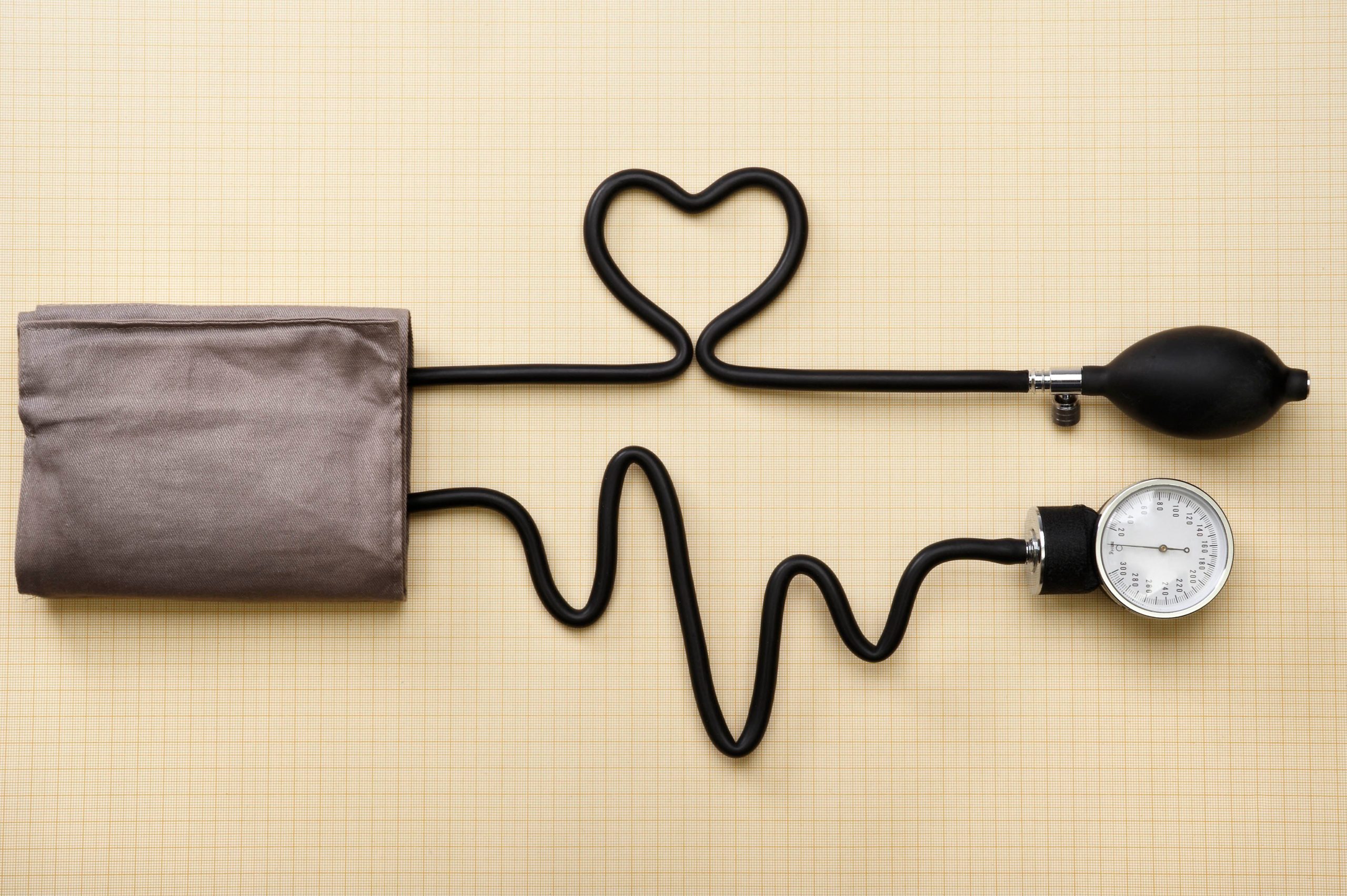
The truth is, the most reliable way to assess your arterial pressure remains the tried-and-true blood pressure cuff. It might lack the seamless integration of a smartwatch, but its diagnostic accuracy is unmatched. This is a non-negotiable tool for anyone serious about their longevity.
Investing in Accuracy
A quality home monitoring device is remarkably affordable, often costing less than a high-end fitness accessory. However, not all devices are created equal.

Actionable Tip 1: Validate Your Device. Before purchasing, ensure the device you select has been scientifically validated for accuracy. Relying on an inaccurate monitor provides a false sense of security, which is arguably more dangerous than tracking nothing at all.
Actionable Tip 2: Master the Technique. How you measure matters as much as what you measure with. For consistent and meaningful readings, adhere to strict protocol:
- Sit quietly for five minutes beforehand.
- Keep your feet flat on the floor, legs uncrossed.
- Rest your arm on a table, ensuring the cuff is placed directly over your bare skin at heart level.
- Take readings at the same time each day (e.g., morning before medication/coffee, and evening).
Who Needs to Monitor Most Diligently?
While everyone benefits from awareness, certain populations must prioritize home monitoring:
- Those Already Diagnosed: If you are on medication, home monitoring helps you and your physician gauge the medication’s effectiveness between appointments.
- Those with Risk Factors: A family history of hypertension, existing kidney disease, diabetes, obesity, or diagnosed sleep apnea places you in a higher-risk category.
- Demographic Considerations: Incidence rates for hypertension increase significantly with age and vary across ethnic groups. Regardless of your current fitness level, the odds of developing high blood pressure increase substantially as you enter middle age.
Lifestyle Levers: How to Optimize Your Pressure Readings
The encouraging news for fitness enthusiasts is that blood pressure is highly responsive to lifestyle modifications. Once you start tracking, you gain immediate feedback on how your daily choices—your diet, your stress levels, your training—impact this critical number.
If your readings fall into the Elevated or High category, a targeted, three-to-six-month lifestyle intervention is the first line of defense before medication becomes necessary.
1. Exercise: The Foundational Treatment
Physical activity is arguably the single most effective non-pharmacological tool for BP management.
- Aerobic Consistency: Aim for the standard 150 minutes of moderate activity weekly. This sustained effort can drive systolic pressure down by several points within weeks.
- The Power of Static Strength: Recent large-scale analyses highlight a powerful addition: Isometric exercises. These are static holds, like planks, wall sits, or glute bridges. Studies suggest that these types of exercises can be even more effective at lowering blood pressure than traditional aerobic or resistance training alone. Incorporate 2-3 sets of 30-60 second isometric holds into your routine weekly.
2. Rethink Your Salt and Potassium Balance
The old advice focused solely on cutting sodium, which remains vital (aim for less than a teaspoon of added salt daily). The updated strategy emphasizes the crucial role of potassium.
Potassium helps your body excrete excess sodium, effectively counteracting its blood-pressure-raising effects. Boost your intake through whole foods like bananas, sweet potatoes, spinach, and beans. If you have specific dietary concerns, consult a dietitian about using a potassium-enriched salt substitute.
3. Manage Alcohol Intake Strictly
Alcohol’s effect on blood pressure is complex but detrimental in excess. While a small amount might temporarily lower BP, as it metabolizes, the body experiences a mild "rebound" effect involving adrenaline spikes, which elevates pressure and heart rate. Furthermore, alcohol intake often leads to weight gain, compounding the risk factor profile. Adhere strictly to guidelines: no more than two drinks per day for men, and ideally less.
4. Address Body Composition
For many individuals, carrying excess weight, particularly around the midsection, directly correlates with elevated blood pressure. Losing even 10 pounds can often be the precise difference between operating in the "Elevated" range and returning to the "Optimal" range. This demonstrates the profound impact of body composition on systemic vascular health.
Conclusion: Make Blood Pressure Your New Personal Record
In the modern pursuit of peak fitness, we often celebrate metrics that quantify effort, output, and recovery. But true, enduring health is not just about performance; it’s about the resilience and integrity of your foundational systems.
Your VO2 max reflects how well you use oxygen today; your blood pressure reflects the long-term integrity of the vessels delivering that oxygen for the next fifty years.
Stop treating blood pressure as a boring necessity only relevant during annual physicals. Treat it as the ultimate health metric—the silent scorecard for your cardiovascular future. Invest in a validated cuff, establish a consistent tracking routine, and use the resulting data to fuel positive lifestyle changes.
Your goal isn’t just to train hard; it’s to live long and well. Start measuring what truly matters today.