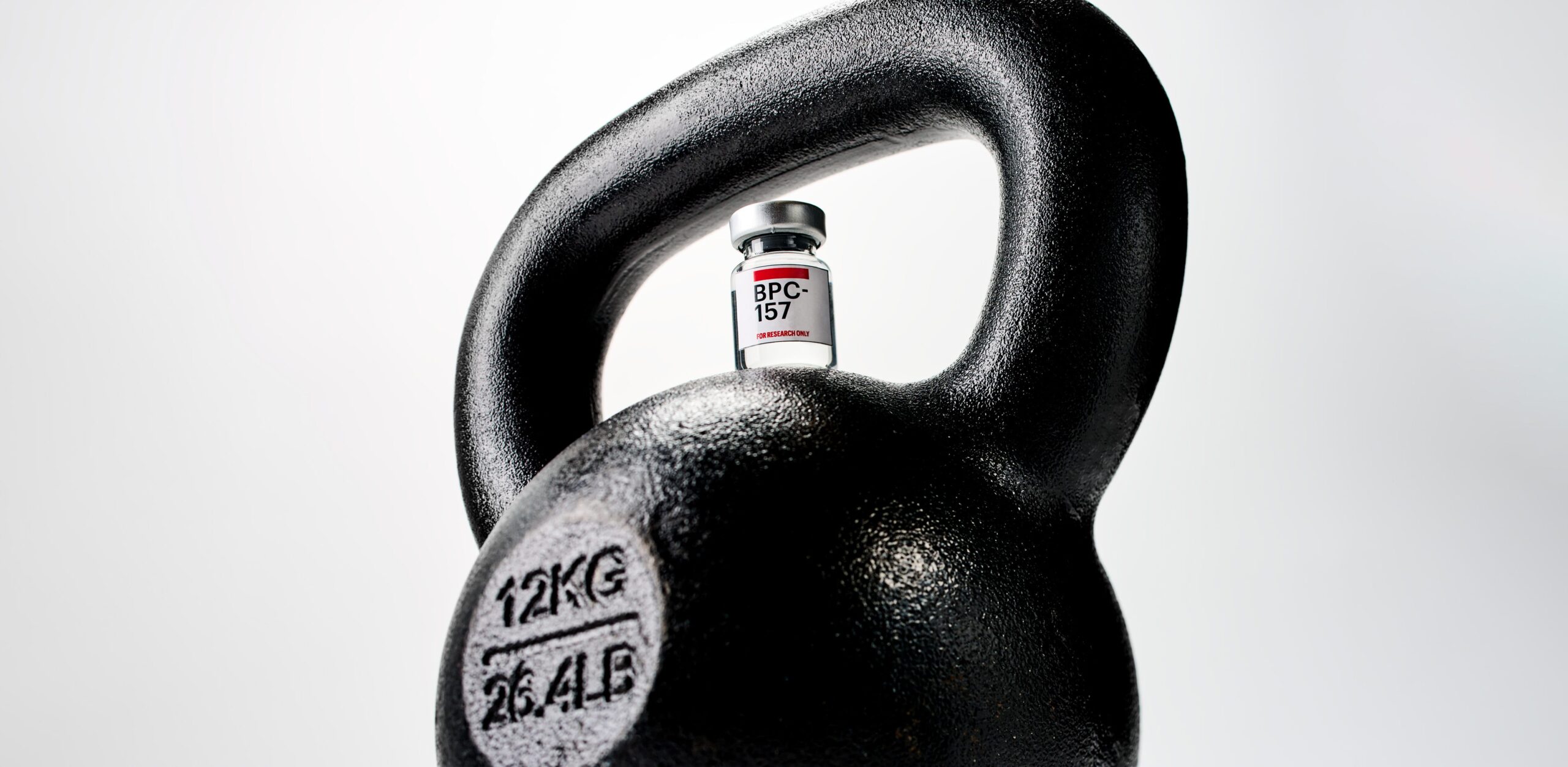
In the relentless pursuit of peak physical performance and rapid recovery, a new contender has emerged, capturing the attention of everyone from cutting-edge biohackers to the dedicated marathoner pounding the pavement. They call it the ‘Wolverine Peptide,’ a moniker that evokes images of superhuman regeneration and resilience. This powerful compound, known scientifically as BPC-157, is generating significant buzz for its purported ability to accelerate healing, reduce inflammation, and enhance overall vitality. But what exactly is this ‘Wolverine Peptide,’ and should you be considering it for your fitness journey?
From Actor’s Panic to a Biohacker’s Breakthrough
The story of BPC-157’s ascent into the mainstream fitness consciousness is a fascinating one, often starting with personal struggles and a quest for solutions. Take the experience of actor Tony Cavalero. While preparing for a physically demanding role, he suffered a shoulder injury. Faced with a tight deadline and significant pain, he was introduced to peptides by a professional bodybuilder friend. Although initially hesitant, a subsequent elbow issue led him to a physician who administered BPC-157. The results, according to Cavalero, were remarkable: "I haven’t had a recurring elbow pain since then… I had no side effects other than being stronger and looking awesome."
This anecdotal evidence isn’t isolated. Mathew Forzaglia, an ISSA-certified personal trainer, found himself in a similar predicament with a torn pectoral muscle. After standard rehabilitation proved insufficient, he turned to a regimen involving BPC-157 and another peptide. Not only did his pain subside, but he reported feeling a profound sense of overall well-being: "It was as if I suddenly was getting the right sleep, training, nutrition—like everything was perfect."
These experiences highlight a core appeal of BPC-157: its potential to act as a biological accelerator, helping the body mend itself with unprecedented speed and efficiency. It’s a concept that resonates deeply within the fitness community, where the desire to push limits and recover quickly is paramount.
The Science (and the Hype) Behind BPC-157
At its core, BPC-157 stands for "Body Protection Compound." It’s a synthetic peptide, a small protein composed of a chain of amino acids. While peptides are naturally occurring in the human body and play crucial roles in various cellular functions, BPC-157 is a specifically engineered compound. It was first synthesized in the early 1990s and has been whispered about in bodybuilding circles for over a decade.

Preclinical studies, primarily conducted on animals and cell cultures, have suggested that BPC-157 possesses several promising properties:
- Anti-inflammatory effects: It appears to modulate inflammatory pathways, potentially reducing swelling and discomfort associated with injuries.
- Accelerated tissue repair: Research indicates it can promote protein synthesis and angiogenesis (the formation of new blood vessels), both critical for healing damaged tissues like tendons, ligaments, and muscles.
- Protective capabilities: Studies suggest it may offer protective benefits to organs and tissues, contributing to overall resilience.
These findings have fueled the widespread belief that BPC-157 can significantly speed up recovery from injuries, reduce post-surgical downtime, and enable individuals to train harder and more frequently with less risk of setbacks.
Navigating the Regulatory Maze and the Gray Market
Despite the growing anecdotal evidence and promising preclinical research, BPC-157 finds itself in a complex regulatory landscape. The World Anti-Doping Agency (WADA) added BPC-157 to its prohibited list in 2022, citing a lack of "current approval by any governmental regulatory health authority for human therapeutic use." The U.S. Food and Drug Administration (FDA) has also placed BPC-157 on its Category 2 Bulk Substance List, deeming it ineligible for compounding for human use, citing concerns about safety and the absence of robust human trials.
This regulatory stance has created a fascinating tension. On one hand, scientific and regulatory bodies emphasize the need for rigorous human clinical trials to confirm safety and efficacy before widespread adoption. Concerns have been raised about potential long-term effects, including the theoretical possibility of promoting tumor growth, although definitive evidence in humans remains elusive.
On the other hand, a significant and vocal segment of the wellness and biohacking community believes that regulatory bodies and pharmaceutical industries are overly cautious, potentially withholding access to beneficial substances. They argue that the current approval processes are too slow and that anecdotal evidence from countless individuals, coupled with preclinical data, warrants a more open approach.

This divide has led to BPC-157 existing in a kind of gray market. While not officially approved for human use, it’s readily available through online vendors and some independent practitioners. This accessibility, coupled with the growing popularity of peptides in general (partially catalyzed by the widespread adoption of GLP-1 drugs for weight loss), has propelled BPC-157 into the spotlight.
Practical Applications for the Fitness Enthusiast
For the beginner to intermediate fitness enthusiast, understanding the potential benefits and risks of BPC-157 is crucial. The allure lies in its promise of accelerated recovery and enhanced resilience, which can translate into tangible improvements in your training and overall physical well-being.
Addressing Nagging Injuries
Many fitness enthusiasts grapple with minor aches and pains that can derail consistent training. Tendinitis, joint stiffness, and muscle soreness are common complaints. The anecdotal evidence surrounding BPC-157 suggests it could be a powerful ally in overcoming these hurdles.
- Real-Life Example: Imagine a runner experiencing persistent shin splints that prevent them from increasing mileage. Instead of months of slow, frustrating recovery, the hope is that BPC-157 could help accelerate the healing of the affected tissues, allowing them to return to their training regimen sooner.
- Actionable Advice: If you’re considering BPC-157 for injury recovery, it’s vital to approach it with caution and thorough research. While many users report positive outcomes, it’s essential to understand that human studies are limited.
Enhancing Post-Surgical Recovery
For individuals undergoing surgery, particularly orthopedic procedures, the recovery period can be lengthy and arduous. BPC-157 is gaining traction as a potential aid in speeding up this process, allowing individuals to regain function and return to their normal activities more quickly.
- Real-Life Example: A weightlifter who has undergone ACL reconstruction might find that BPC-157, when used in conjunction with physical therapy, helps to expedite the healing of the graft and surrounding tissues, shortening their time away from the gym.
- Actionable Advice: If you are considering BPC-157 post-surgery, always consult with your surgeon and a qualified healthcare professional. They can provide guidance on whether it aligns with your specific recovery plan and potential interactions with other treatments.
Pushing Performance Limits
Beyond injury management, some individuals are exploring BPC-157 as a means to enhance their overall training capacity. The idea is that by optimizing the body’s natural repair mechanisms, one can tolerate higher training volumes and intensities, leading to greater strength and endurance gains.

- Real-Life Example: A dedicated athlete looking to increase their lifting numbers or run a faster marathon might explore BPC-157 as a way to ensure their body is optimally prepared to handle the increased demands, minimizing the risk of overtraining or injury.
- Actionable Advice: For performance enhancement, it’s crucial to remember that BPC-157 is not a magic bullet. It should be viewed as a potential supplement to a solid training program, proper nutrition, and adequate rest, not a replacement for them.
Understanding the Forms: Oral vs. Injectable
BPC-157 is typically available in two forms: oral and injectable. The effectiveness and recommended use of each differ significantly.
- Oral Administration: While convenient, many experts express skepticism about the efficacy of oral BPC-157 for musculoskeletal healing. The reasoning is that the digestive system’s enzymes can break down peptides, rendering them less effective or inactive by the time they reach the bloodstream.
- Injectable Administration: The injectable form is generally considered more potent for targeting specific areas of the body and facilitating systemic healing. This is the form most commonly discussed in relation to injury recovery and performance enhancement.
Practical Tip: If you are considering BPC-157, research suggests that the injectable form is generally favored for its potential to deliver therapeutic benefits for muscle and joint issues.
Sourcing and Safety: Navigating the Gray Market Responsibly
Given the current regulatory climate, sourcing BPC-157 requires careful consideration and a commitment to due diligence. Online vendors are the primary source, and the market is rife with both reputable and less reliable options.
The Importance of Third-Party Testing
- Actionable Advice: When purchasing BPC-157 online, prioritize vendors that provide third-party laboratory testing certificates for their products. These certificates offer a degree of assurance regarding the purity and potency of the peptide, helping to mitigate the risk of contaminants or mislabeled products. Look for shops that prominently display these certificates on their product pages.
Understanding Dosage and Administration
The information available online regarding dosages and administration protocols for BPC-157 can be extensive, but it’s also varied.
- Practical Tip: While you may find abundant advice on forums and social media, it’s wise to approach self-prescribed dosages with extreme caution. If you have the opportunity to consult with a healthcare professional familiar with peptide therapy, this can provide invaluable guidance tailored to your individual needs and health status.
- Real-Life Example: Some individuals might use a low dose of BPC-157 for mild discomfort, altering their training routines for a few weeks. Others dealing with more significant injuries, like a torn ligament, might require a longer and more structured protocol. The "one-size-fits-all" approach is rarely effective.
Sterility and Storage
Proper handling of injectable peptides is paramount to prevent contamination and ensure efficacy.

- Actionable Advice:
- Reconstitution: BPC-157 is often shipped as a powder and needs to be reconstituted with bacteriostatic water. Ensure you use sterile techniques.
- Storage: Once reconstituted, peptides should be stored in a refrigerator and used within a specified timeframe.
- Injection: Use sterile syringes and needles for administration. Proper injection technique is also important to avoid discomfort and potential complications.
The Bottom Line: An Informed Decision
The ‘Wolverine Peptide,’ BPC-157, represents a fascinating intersection of cutting-edge science, anecdotal success, and regulatory ambiguity. While the allure of rapid healing and enhanced performance is undeniable, it’s crucial to approach this compound with a discerning mind.
The lack of extensive human clinical trials means that taking BPC-157 is, to some extent, an act of informed faith. However, for individuals seeking solutions to persistent injuries, faster surgical recovery, or a potential edge in their fitness pursuits, the growing body of positive user experiences cannot be entirely dismissed.
Ultimately, the decision to explore BPC-157 rests on your individual circumstances, your tolerance for risk, and your commitment to thorough research. By understanding the potential benefits, the current scientific and regulatory landscape, and the practical considerations of sourcing and administration, you can make a more informed choice on whether this "Wolverine Peptide" might be a part of your personal fitness journey.
Remember, true physical transformation is a marathon, not a sprint. While BPC-157 might offer a way to accelerate the healing and recovery phases, it’s the dedication to consistent training, smart nutrition, and mindful recovery that will forge your lasting strength and resilience. Approach it wisely, do your homework, and listen to your body. The power to heal and perform lies within you, and BPC-157 may just be a tool to help unlock it.