In the pursuit of a healthier, stronger you, data is your greatest ally. While the mirror and the scale offer glimpses, they only tell part of the story. To truly understand your body’s response to exercise, recovery, and overall well-being, you need to delve deeper. This is where a heart rate monitor transforms from a simple gadget into an indispensable tool, offering profound insights into your fitness journey.
For beginners and intermediate enthusiasts alike, navigating the world of fitness can feel like charting unknown territory. You push yourself in workouts, aim for consistency, and hope for progress. But are you training too hard? Not hard enough? Is your recovery truly effective? A heart rate monitor provides the objective answers, guiding you with precision and empowering you to make smarter training decisions.
This isn’t just about tracking numbers; it’s about understanding the language of your body. It’s about optimizing every sweat session, ensuring every rest day counts, and ultimately, unlocking a new level of performance and vitality. We’ve rigorously tested a range of devices to bring you the best heart rate monitors that can illuminate your path to fitness success.

The Power of Precision: Why Your Heart Rate Matters
Your heart rate is a direct reflection of your body’s physiological response to physical and mental exertion. By monitoring it, you gain access to a wealth of information that can significantly impact your training and recovery.
-
Training Zones: Different heart rate zones correspond to different physiological adaptations.
- Low Intensity (50-60% of Max Heart Rate): Ideal for active recovery and building a base.
- Moderate Intensity (60-70% of Max Heart Rate): Great for endurance building and fat burning.
- High Intensity (70-80% of Max Heart Rate): Crucial for improving cardiovascular fitness and aerobic capacity.
- Peak Intensity (80-90%+ of Max Heart Rate): Essential for boosting speed, power, and anaerobic threshold.
A heart rate monitor allows you to stay within these zones, ensuring you’re training effectively for your specific goals. Pushing too hard in the wrong zone can lead to burnout, while not pushing hard enough means missed opportunities for improvement.
-
Recovery Insights: Your heart rate during rest and sleep is a powerful indicator of how well your body is recovering. Elevated resting heart rate or erratic sleep heart rate can signal overtraining, stress, or insufficient rest. Devices that track sleep and recovery metrics can help you adjust your training load accordingly.

-
Performance Tracking: Monitoring your heart rate during workouts provides a clear picture of your effort levels. You can see how your heart rate responds to different exercises, distances, or intensities, allowing you to track progress and identify areas for improvement.
-
Calorie Expenditure: While not perfectly precise, heart rate data offers a more accurate estimate of calorie burn than generic formulas based solely on duration and activity type. This can be helpful for those managing their weight or seeking to understand their energy balance.
-
Identifying Potential Issues: Consistent monitoring can sometimes help flag unusual patterns that might warrant further attention, although a heart rate monitor is not a medical device and should not be used for diagnosis.

Navigating the Options: What to Look for in a Heart Rate Monitor
The market is flooded with devices, each promising the moon. When choosing a heart rate monitor, consider these key features:
-
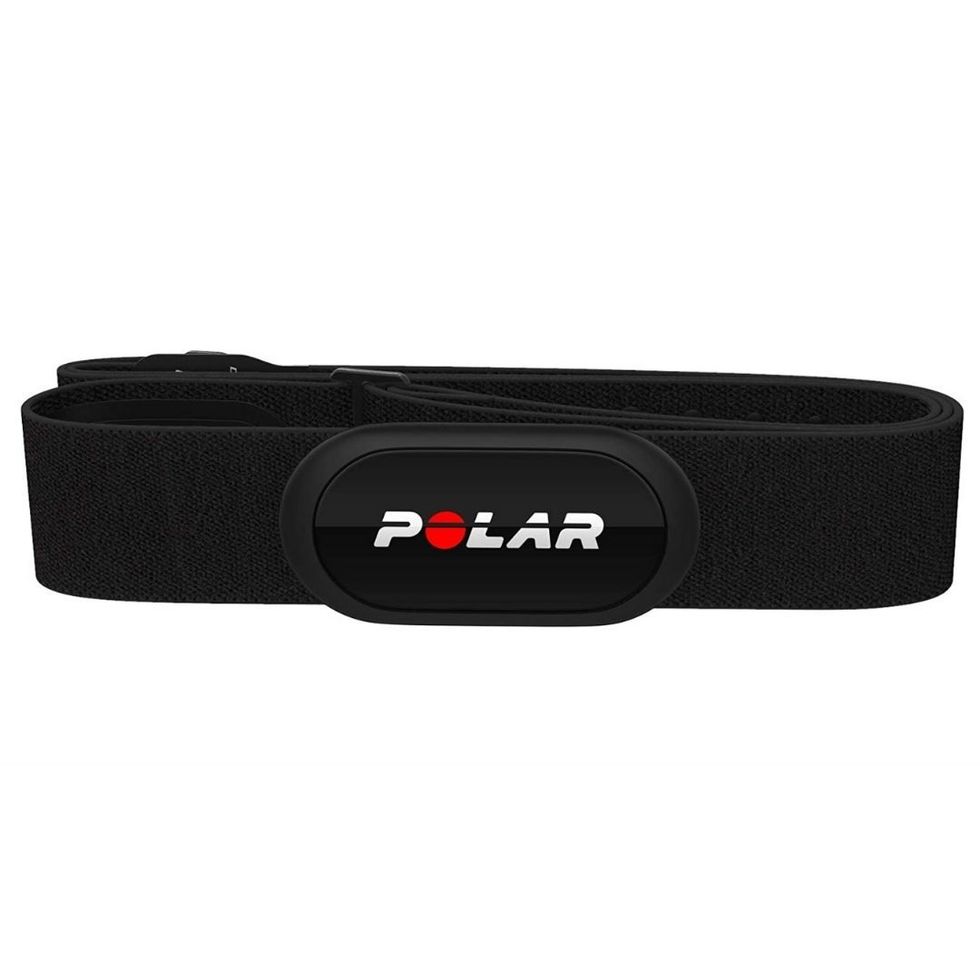
Accuracy: This is paramount. Chest straps are generally considered the gold standard for accuracy, as they measure electrical signals directly from the heart. Wrist-based optical sensors have improved significantly but can sometimes be less accurate during high-intensity interval training or when conditions like cold weather affect blood flow.
-
Comfort and Fit: Whether it’s a chest strap or a wristband, comfort is crucial for consistent wear. A strap that chafes or a watch that feels bulky will quickly end up in a drawer.

-
Connectivity: Ensure the device can connect to your existing fitness apps, smartwatches, or gym equipment via Bluetooth or ANT+. This allows for seamless data syncing and real-time feedback.
-
Battery Life: Consider how often you’re willing to charge your device. Some devices last days, while others can go weeks or even months on a single charge.
-
Durability and Water Resistance: If you plan on using your monitor in various conditions, including swimming or in the rain, look for adequate water resistance ratings.
-
App Integration and Data Presentation: The best devices offer intuitive apps that clearly display your data, provide actionable insights, and help you track trends over time.
Our Top Picks: The Best Heart Rate Monitors to Elevate Your Fitness
After extensive testing and evaluation, we’ve identified the top heart rate monitors that offer exceptional value, accuracy, and insight for fitness enthusiasts.
1. The Comprehensive Recovery Expert
This device is a game-changer for understanding your body’s readiness to perform. It goes beyond just heart rate, providing a holistic view of your physiological state.

- Key Features: Continuous heart rate monitoring, advanced sleep tracking, daily recovery scores, personalized activity recommendations, and a sleek, unobtrusive design.
- Why We Love It: It excels at translating complex physiological data into simple, actionable advice. Waking up to a recovery percentage that tells you whether to push hard or take it easy is invaluable. The lack of a distracting screen means you can focus on your training or rest without constant notifications.
- Real-Life Application: Imagine waking up feeling sluggish. Instead of pushing through a grueling workout and risking injury, this monitor might suggest a lighter activity, allowing your body to recover and be ready for a more intense session later in the week. This prevents burnout and ensures sustainable progress.
- Workout Tip: Use the daily activity recommendations as a guide. If it suggests a "rest day," honor it. If it indicates you’re ready for a challenging workout, embrace it and push your limits within the recommended intensity.
2. The Accurate and Versatile Chest Strap
For those who prioritize precision above all else, a high-quality chest strap is the way to go. This option delivers exceptional accuracy and broad compatibility.
- Key Features: Real-time heart rate transmission via ANT+ and Bluetooth, long battery life, comfortable and lightweight design, and excellent water resistance.
- Why We Love It: Its accuracy is unparalleled, making it ideal for serious athletes or anyone who wants the most precise data. The extended battery life means less time tethered to a charger and more time tracking your efforts. Its compatibility with a wide range of devices and apps is a significant advantage.
- Real-Life Application: During a long-distance run, you can monitor your heart rate to ensure you’re staying in your target aerobic zone. If you’re doing high-intensity interval training, you can trust the readings to accurately capture your peak efforts and recovery periods.
- Workout Tip: Pair this strap with your favorite training app. Use the real-time heart rate data to adjust your pace on the fly, ensuring you’re hitting your target zones for each interval. For example, if your recovery heart rate isn’t dropping fast enough between sprints, you know you need to extend your rest period or reduce the intensity of the next sprint.
3. The Discreet Daily Health Tracker
This innovative device offers a sophisticated way to monitor your well-being throughout the day and night, without the bulk of traditional wearables.
- Key Features: Advanced sleep tracking, heart rate monitoring, activity tracking, and a minimalist ring design.
- Why We Love It: Its discreet form factor allows for continuous wear, capturing vital data even when you’re not actively working out. The insights into sleep quality and recovery are exceptional, helping you understand how daily habits impact your overall health.
- Real-Life Application: You might notice that certain foods or late-night screen time negatively affect your sleep heart rate and recovery scores. This awareness empowers you to make small, impactful changes to your routine that yield significant improvements in how you feel and perform.
- Workout Tip: Pay attention to your readiness scores. If you consistently have low scores, it might be a sign to reassess your training intensity, nutrition, or sleep hygiene. Conversely, high readiness scores can give you the confidence to tackle challenging workouts.
4. The Precision Tool for Multi-Sport Athletes
This chest strap is engineered for accuracy and durability, making it a top choice for individuals engaged in diverse athletic pursuits.

- Key Features: Highly accurate heart rate readings, robust waterproof design, and seamless integration with various sports devices and apps.
- Why We Love It: Its superior water resistance makes it a reliable companion for swimming and other water-based activities where optical sensors might falter. The consistent accuracy ensures you get reliable data across all your training disciplines.
- Real-Life Application: For triathletes, being able to accurately track heart rate during the swim, bike, and run phases provides a comprehensive understanding of their effort distribution and cardiovascular demands across each discipline.
- Workout Tip: When training for a triathlon, use this monitor to ensure you’re not overexerting yourself in the early stages of the race. Maintaining a consistent heart rate in your target zones can help you conserve energy for the final push.
5. The Budget-Friendly Entry Point
If you’re new to heart rate monitoring and looking for an affordable way to start gathering data, this option offers excellent value.
- Key Features: Real-time heart rate monitoring, compatibility with popular fitness apps and devices, waterproof design, and a low price point.
- Why We Love It: It provides the essential heart rate tracking capabilities without breaking the bank. It’s a great way to experiment with heart rate training and see if it benefits your workouts.
- Real-Life Application: You can use this monitor during your runs or gym sessions to get a general sense of your exertion levels. While it might not offer the same granular detail as higher-end devices, it’s a significant step up from guesswork.
- Workout Tip: Focus on staying within general intensity zones. For example, aim for a comfortably hard effort during cardio, indicated by a slightly elevated heart rate, rather than pushing to your absolute maximum every time.
6. The Smartwatch with Intelligent Coaching
This smartwatch seamlessly integrates heart rate monitoring with intelligent features to guide your fitness efforts.
- Key Features: Active Zone Minutes for gauging exercise intensity, continuous heart rate and SpO2 tracking, sleep monitoring, and a stylish design.
- Why We Love It: The "Active Zone Minutes" feature is a smart way to ensure you’re hitting your exertion goals. It leverages your heart rate to provide real-time feedback, encouraging you to push harder when needed. Its integration with a well-known fitness platform enhances its value.
- Real-Life Application: During a brisk walk, you might get a buzz from the watch indicating you’ve entered a higher heart rate zone, prompting you to pick up the pace to maximize your workout benefits.
- Workout Tip: Aim to accumulate a target number of Active Zone Minutes each week, as recommended by fitness guidelines. This ensures you’re consistently challenging your cardiovascular system.
7. The AI-Powered Fitness Companion
This smartwatch offers a sophisticated approach to fitness tracking, combining advanced sensors with AI-driven insights.

- Key Features: Built-in pace coaching, heart rate monitoring, sleep tracking, and smart connectivity features.
- Why We Love It: The integrated Run Coach is a standout feature, providing personalized guidance and motivation. The combination of heart rate data with AI-driven coaching can help users optimize their training and achieve their goals more effectively.
- Real-Life Application: If you’re training for a 5k, the Run Coach can help you maintain the right pace during your training runs, ensuring you’re building endurance and speed appropriately.
- Workout Tip: Utilize the pace coaching feature during your runs. Listen to the prompts and adjust your speed to stay within the recommended training zones for optimal performance improvement.
8. The Popular All-Rounder Smartwatch
A ubiquitous choice for many, this smartwatch offers a comprehensive suite of health and fitness tracking features, including reliable heart rate monitoring.
- Key Features: Heart rate monitoring, SpO2 sensor, ECG capability, fitness tracking, sleep monitoring, and standard smartwatch functionalities.
- Why We Love It: It provides a well-rounded picture of your health, from cardiovascular metrics to sleep patterns. Its widespread adoption means a large ecosystem of compatible apps and accessories.
- Real-Life Application: You can track your heart rate during a yoga session to ensure you’re maintaining a restorative pace, or monitor it during a strength training workout to gauge your exertion levels between sets.
- Workout Tip: Use the heart rate data to understand your recovery between strength training sets. If your heart rate isn’t dropping sufficiently, consider extending your rest period to allow for better muscle recovery and preparation for the next set.
Making Heart Rate Monitoring Work for You: Actionable Tips
Owning a heart rate monitor is only the first step. To truly harness its power, integrate it into your fitness routine strategically:
- Know Your Max Heart Rate (Roughly): A common, though not perfectly precise, formula is 220 minus your age. Use this as a starting point to understand your training zones.
- Experiment with Different Zones: Don’t just stick to high intensity. Incorporate low and moderate intensity workouts for balanced fitness. A recovery run at 60% of your max heart rate can be just as beneficial as a sprint session at 85%.
- Listen to Your Body: Data is a guide, not a dictator. If your monitor says you’re recovered but you feel exhausted, prioritize rest. Conversely, if you feel great but the data suggests you should take it easy, consider if you’re pushing too hard consistently.
- Track Trends Over Time: Don’t get fixated on daily fluctuations. Look for patterns in your resting heart rate, recovery scores, and workout heart rates over weeks and months. This is where the real insights lie.
- Consistency is Key: Wear your monitor regularly, including during sleep if it offers that capability. The more data you collect, the more accurate and valuable the insights will be.
- Educate Yourself: Understand what the metrics mean. Learn about heart rate variability (HRV), resting heart rate, and sleep stages. The more you know, the better you can interpret the data.
Your Journey, Illuminated
A heart rate monitor is more than just a piece of technology; it’s a personal coach, a data analyst, and a constant source of motivation. By understanding your heart’s rhythm, you gain an unparalleled advantage in optimizing your training, enhancing your recovery, and ultimately, reaching your fitness aspirations.

Whether you’re taking your first steps into structured exercise or you’re a seasoned athlete looking to fine-tune your performance, the insights provided by these devices can be transformative. Embrace the data, listen to your body, and let your heart rate monitor guide you toward a stronger, healthier, and more empowered you. The journey to peak fitness is an ongoing exploration, and with the right tools, you’re better equipped than ever to navigate it with confidence and achieve remarkable results.