Embarking on a fitness journey is a powerful commitment to yourself, a declaration that you deserve vitality, strength, and an elevated quality of life. Yet, for many, the path to lasting fitness can feel like a labyrinth of conflicting advice, fleeting motivation, and ultimately, burnout. You might start strong, full of enthusiasm, only to find yourself struggling to maintain consistency, hitting plateaus, or losing sight of your initial goals.
This article isn’t about quick fixes or extreme transformations. It’s about building a robust, sustainable fitness lifestyle that supports you for years, not just weeks. Whether you’re taking your very first steps towards a healthier you or you’re an intermediate enthusiast looking to deepen your understanding and overcome stagnation, we’ll equip you with the foundational knowledge and actionable strategies to cultivate enduring strength, unwavering stamina, and profound well-being. We’ll delve into the three essential pillars that form the bedrock of true fitness: Strategic Movement, Nourishing Your Body, and Prioritizing Recovery and Mental Fortitude. By mastering these pillars, you won’t just achieve your fitness goals; you’ll build a resilient, energized version of yourself ready to thrive in every aspect of life.
Pillar 1: Strategic Movement – Beyond Just "Working Out"
Movement is more than just burning calories; it’s about optimizing your body’s capabilities, enhancing your mood, and fostering a deep connection with your physical self. Strategic movement means understanding why and how you move, ensuring every effort contributes to your long-term health and fitness goals.
Understanding Your "Why" and Setting Realistic Goals
Before you even tie your shoelaces, take a moment to understand your core motivation. Why do you want to get fit? Is it to keep up with your kids, improve your health markers, feel more confident, or simply enjoy daily activities without discomfort? Your "why" is your intrinsic fuel, especially on days when motivation wanes.
Once your "why" is clear, set SMART goals:
- Specific: Instead of "get fit," aim for "be able to run 5k without stopping."
- Measurable: How will you track progress? "Lift 20% more weight in my squats."
- Achievable: Is it realistic given your current fitness level and time constraints?
- Relevant: Does it align with your "why" and overall lifestyle?
- Time-bound: Set a realistic deadline. "Achieve my 5k goal in 12 weeks."
Actionable Advice: Write down your "why" and your SMART goals. Place them somewhere you’ll see them daily. This constant reminder reinforces your commitment and keeps you focused.
The Power of Consistency Over Intensity
One of the biggest pitfalls for beginners is starting too hard, too fast. This often leads to injury, extreme soreness, and ultimately, giving up. Consistency, even with moderate effort, yields far greater results over time than sporadic, intense bursts.
Practical Tips for Consistency:
- Start Small: Begin with manageable workouts (e.g., 20-30 minutes, 3 times a week). As you build endurance and strength, you can gradually increase duration or intensity.
- Schedule It: Treat your workouts like non-negotiable appointments. Put them in your calendar.
- Find What You Enjoy: If you hate running, don’t force yourself to do it. Explore different activities like cycling, swimming, dancing, hiking, or team sports until you find something you genuinely look forward to.
- Accountability: Find a workout buddy, join a class, or track your progress using an app. External accountability can be a powerful motivator.
Real-Life Example: Imagine someone who tries to run 10k daily and burns out after a week, versus someone who commits to three 30-minute brisk walks per week and gradually progresses to jogging, then running, over several months. The latter builds a sustainable habit and achieves lasting results.
Integrating Strength Training for Longevity
Strength training isn’t just for bodybuilders; it’s a fundamental component of health for everyone. It builds muscle mass, which boosts metabolism, strengthens bones, improves balance and posture, and protects your joints from injury. For women, it’s particularly crucial for combating osteoporosis.
Key Principles of Strength Training:
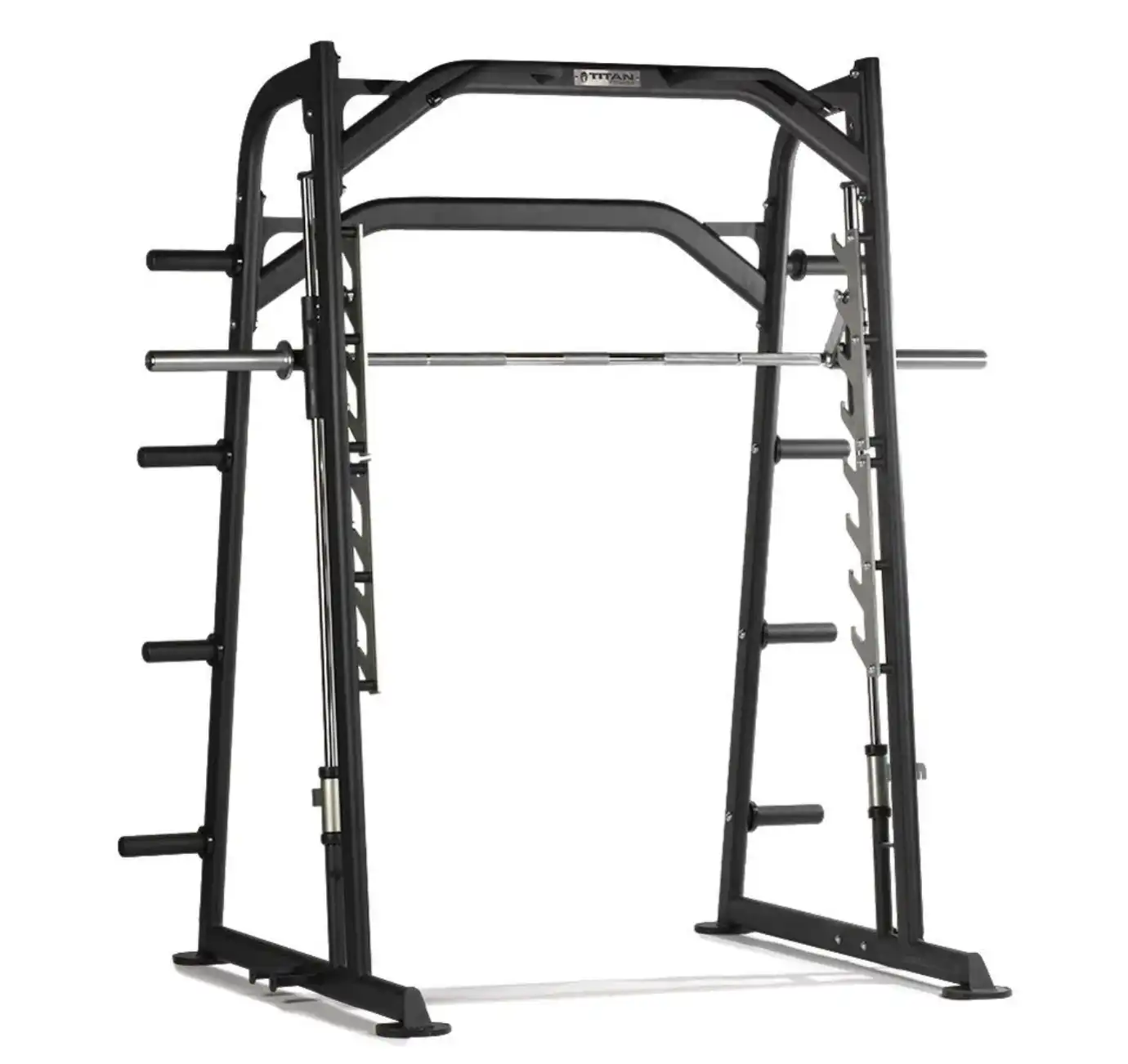
- Compound Movements: Focus on exercises that work multiple muscle groups simultaneously (e.g., squats, deadlifts, push-ups, rows, overhead presses). These are efficient and mimic real-life movements.
- Progressive Overload: To get stronger, you must continually challenge your muscles. This means gradually increasing the weight, repetitions, sets, or decreasing rest time over time.
- Proper Form: Always prioritize form over weight. Incorrect form can lead to injury and negate the effectiveness of the exercise. If unsure, watch instructional videos or consult a fitness professional.
Beginner-Friendly Strength Routine (2-3 times per week):
- Warm-up: 5-10 minutes of light cardio (jogging in place, jumping jacks) and dynamic stretches (arm circles, leg swings).
- Workout (2-3 sets of 8-12 repetitions for each):
- Squats: Bodyweight or holding a light dumbbell/kettlebell.
- Push-ups: On knees, incline against a wall/bench, or on toes.
- Dumbbell Rows: Single arm, bent over.
- Plank: Hold for 30-60 seconds.
- Lunges: Bodyweight.
- Overhead Press: Light dumbbells.
- Cool-down: 5-10 minutes of static stretching, holding each stretch for 20-30 seconds.
Actionable Advice: Start with bodyweight exercises to master form. Once comfortable, gradually add light resistance using dumbbells, resistance bands, or even household items.
Embracing Cardiovascular Health
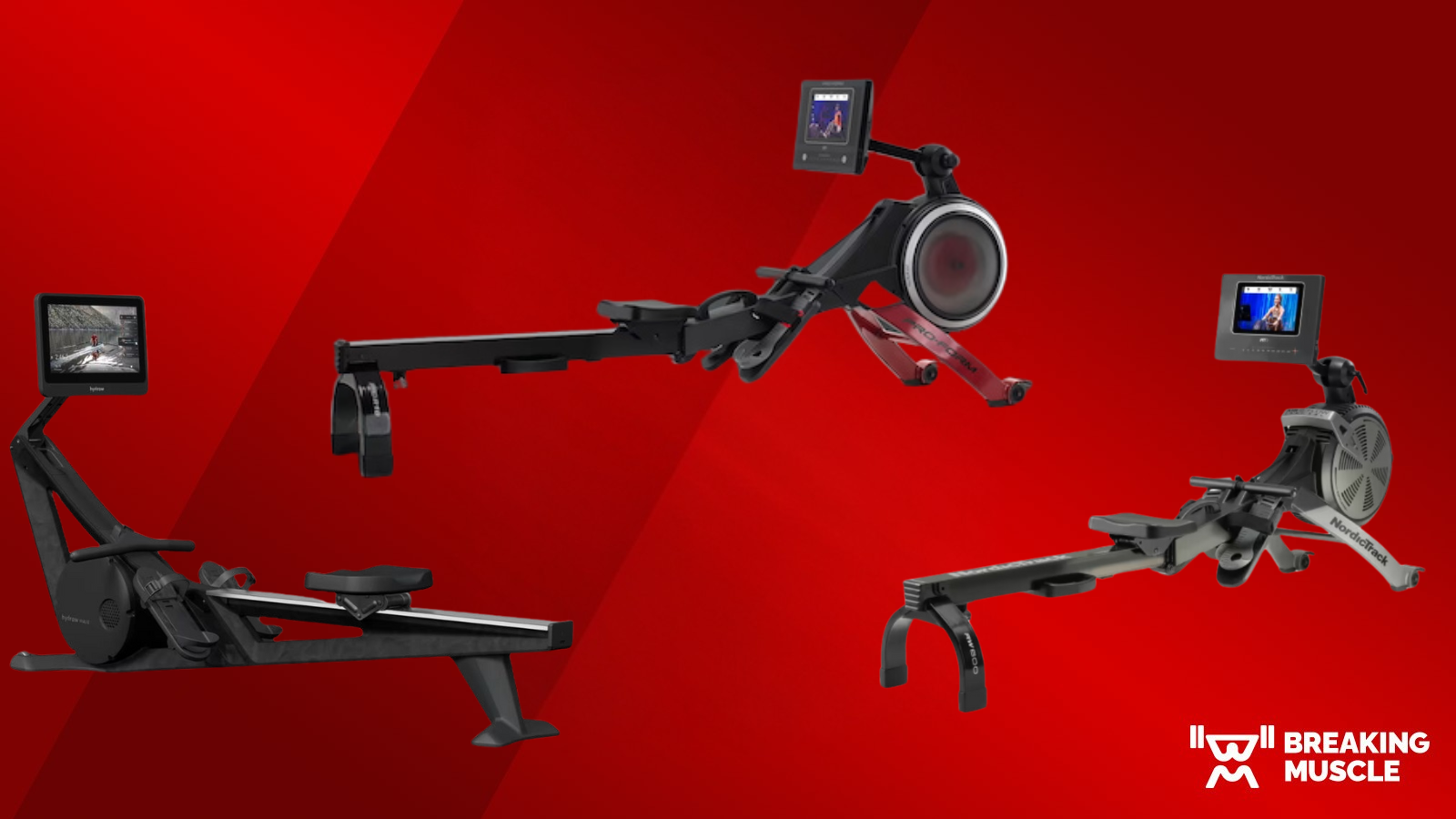
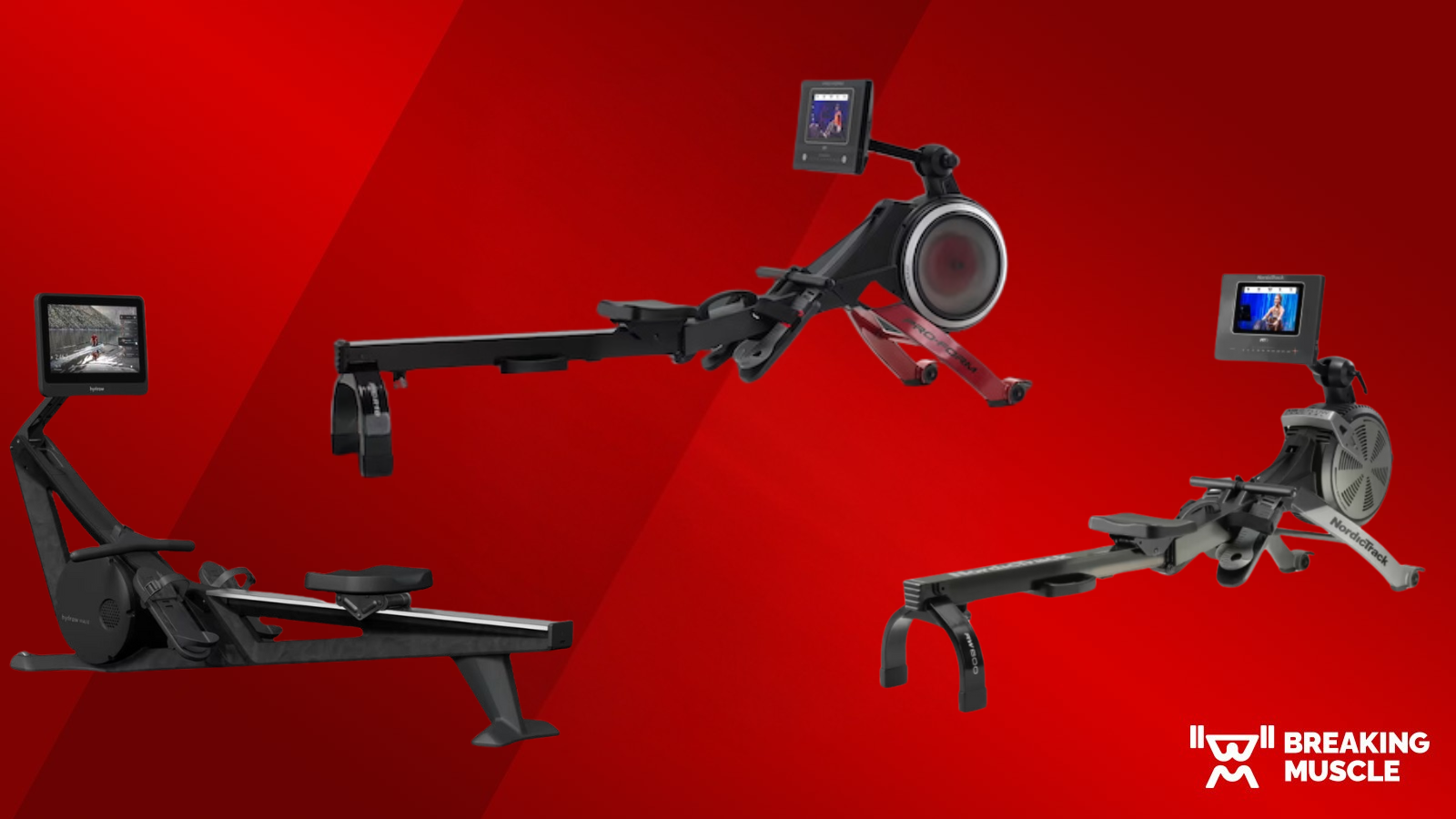
Cardio, or aerobic exercise, strengthens your heart and lungs, improves circulation, and enhances your body’s ability to use oxygen efficiently. It’s vital for endurance, energy levels, and overall cardiovascular health.
Types of Cardio and How to Incorporate Them:
- Low-Intensity Steady State (LISS): Walking, jogging, cycling, swimming at a moderate pace where you can hold a conversation. Excellent for beginners, recovery, and burning fat.
- Example: Aim for 30-60 minutes, 2-3 times per week.
- High-Intensity Interval Training (HIIT): Short bursts of intense exercise followed by brief recovery periods. Highly effective for improving cardiovascular fitness and burning calories in less time.
- Example: After a warm-up, sprint for 30 seconds, walk for 90 seconds. Repeat 5-8 times. Limit to 1-2 times per week due to its demanding nature.
- Active Sports/Activities: Hiking, dancing, team sports. These make cardio fun and engaging.
Practical Tip: Find your target heart rate zone (typically 50-85% of your maximum heart rate) to ensure you’re working effectively. Many fitness trackers can help monitor this.
The Often-Overlooked Role of Flexibility and Mobility
Flexibility (the ability of a muscle to lengthen) and mobility (the range of motion at a joint) are crucial for injury prevention, improving performance, and maintaining functional movement as you age. Neglecting these can lead to stiffness, pain, and restricted movement.
How to Incorporate Flexibility and Mobility:
- Dynamic Stretching (before workouts): Movement-based stretches that prepare your muscles for activity (e.g., leg swings, arm circles, torso twists).
- Static Stretching (after workouts or on rest days): Holding a stretch for 20-30 seconds to improve muscle length (e.g., hamstring stretch, quad stretch).
- Foam Rolling: Self-myofascial release to alleviate muscle tightness and improve blood flow. Target areas like quads, hamstrings, glutes, and upper back.
- Yoga or Pilates: Excellent practices that combine strength, flexibility, and balance.
Actionable Advice: Dedicate 10-15 minutes a few times a week to focused stretching or foam rolling. Your body will thank you.
Pillar 2: Nourishing Your Body – Fueling for Performance and Health
What you eat is just as important as how you move. Nutrition provides the energy for your workouts, the building blocks for muscle repair, and the essential nutrients for overall health. Think of food as fuel, not just a reward or comfort.
The Basics of Balanced Nutrition
A balanced diet provides your body with the macronutrients (protein, carbohydrates, fats) and micronutrients (vitamins, minerals) it needs to function optimally.
- Protein: Essential for muscle repair and growth, satiety, and numerous bodily functions.
- Sources: Lean meats, poultry, fish, eggs, dairy, legumes, tofu, nuts, seeds.
- Practical Tip: Aim for a palm-sized portion of protein with each meal.
- Carbohydrates: Your body’s primary energy source. Choose complex carbs for sustained energy and fiber.
- Sources: Whole grains (oats, brown rice, quinoa), fruits, vegetables, sweet potatoes.
- Practical Tip: Fill half your plate with colorful vegetables at lunch and dinner.
- Healthy Fats: Crucial for hormone production, nutrient absorption, and brain health.
- Sources: Avocados, nuts, seeds, olive oil, fatty fish.
- Practical Tip: Incorporate a small amount of healthy fats with each meal.
Actionable Advice: Focus on whole, unprocessed foods. Minimize sugary drinks, refined grains, and excessive saturated/trans fats. Don’t aim for perfection overnight; make small, consistent improvements.
Hydration: Your Unsung Performance Booster
Water is vital for almost every bodily function, including regulating body temperature, transporting nutrients, lubricating joints, and flushing out waste products. Even mild dehydration can impair your physical performance, energy levels, and cognitive function.
Practical Tips for Optimal Hydration:
- Drink Throughout the Day: Don’t wait until you’re thirsty; thirst is already a sign of dehydration.
- Carry a Water Bottle: Keep it visible and refill it regularly.
- Estimate Your Needs: A general guideline is around 8 glasses (64 ounces) per day, but active individuals may need more. Listen to your body and monitor your urine color (it should be light yellow).
- Infuse Your Water: Add slices of fruit (lemon, cucumber, berries) for flavor without added sugar.
Real-Life Example: An athlete performing a strenuous workout while dehydrated will experience premature fatigue, reduced strength, and an increased risk of heat-related illness compared to one who is adequately hydrated. This applies to everyday activities too!
Mindful Eating and Sustainable Habits
Dieting often implies restriction and deprivation, leading to a cycle of yo-yo weight loss and gain. Sustainable nutrition is about developing a healthy relationship with food, understanding hunger and fullness cues, and making conscious choices.
Actionable Strategies for Mindful Eating:
- Eat Slowly: Savor your food. It takes about 20 minutes for your brain to register fullness.
- Listen to Your Body: Eat when you’re truly hungry, stop when you’re satisfied, not stuffed.
- Avoid Distractions: Put away your phone, turn off the TV. Focus on the taste, texture, and smell of your food.
- Plan Ahead: Meal prepping or having healthy snacks readily available can prevent impulsive, unhealthy choices when hunger strikes.
- Allow for Flexibility: It’s okay to enjoy treats in moderation. Depriving yourself entirely can backfire. Focus on an 80/20 rule: 80% healthy, 20% flexible.
Pillar 3: Prioritizing Recovery and Mental Well-being
Fitness isn’t just about what you do in the gym; it’s about what happens outside of it. Recovery is when your muscles repair and grow stronger, and your body adapts to the stress of training. Mental well-being is the engine that drives your consistency and resilience. Neglecting these pillars will inevitably lead to burnout, injury, and a stagnant fitness journey.
The Essential Role of Sleep
Sleep is perhaps the most undervalued component of fitness. During sleep, your body repairs muscle tissue, consolidates memories, regulates hormones (including those that affect hunger and stress), and recharges your mental batteries. Chronic sleep deprivation impairs performance, increases injury risk, and makes healthy food choices harder.
Practical Tips for Better Sleep Hygiene:
- Consistent Sleep Schedule: Go to bed and wake up around the same time each day, even on weekends.
- Create a Relaxing Bedtime Routine: Read a book, take a warm bath, listen to calming music.
- Optimize Your Sleep Environment: Dark, quiet, and cool (around 65°F or 18°C).
- Limit Screen Time Before Bed: The blue light from screens can interfere with melatonin production.
- Avoid Caffeine and Heavy Meals Late in the Day.
- Aim for 7-9 Hours: Find what works best for your body.
Active Recovery and Rest Days
Rest days are not a sign of weakness; they are a critical part of your training plan. They allow your muscles to recover, preventing overtraining and reducing the risk of injury.
What to Do on Rest Days:

- Complete Rest: Do absolutely nothing physically demanding.
- Active Recovery: Light activities that promote blood flow without stressing your muscles excessively. This could be a gentle walk, light stretching, foam rolling, or a leisurely swim.
- Listen to Your Body: If you feel unusually fatigued, sore, or unwell, prioritize rest. Pushing through can be counterproductive.
Real-Life Example: A runner who consistently pushes through every day without rest might develop shin splints or tendonitis. A runner who incorporates active recovery and full rest days is more likely to stay injury-free and see consistent improvements in performance.
Stress Management for Holistic Health
Chronic stress can wreak havoc on your body and mind, impacting everything from hormone balance and sleep quality to digestion and motivation. It can elevate cortisol levels, potentially leading to increased fat storage and muscle breakdown. Managing stress is a non-negotiable part of a sustainable fitness lifestyle.
Actionable Strategies for Stress Reduction:
- Mindfulness and Meditation: Even 5-10 minutes a day can significantly reduce stress and improve focus.
- Deep Breathing Exercises: Simple yet powerful techniques to calm your nervous system.
- Engage in Hobbies: Dedicate time to activities you enjoy that take your mind off stressors.
- Social Connection: Spend time with supportive friends and family.
- Set Boundaries: Learn to say no when necessary to protect your time and energy.
- Time in Nature: Spending time outdoors has been shown to reduce stress and improve mood.
Cultivating a Positive Mindset
Your mental approach to fitness is just as important as your physical effort. A positive, resilient mindset helps you navigate challenges, stay motivated, and celebrate progress.
Tips for a Positive Fitness Mindset:
- Practice Self-Compassion: Don’t beat yourself up over missed workouts or less-than-perfect food choices. Acknowledge the slip, learn from it, and get back on track.
- Focus on Progress, Not Perfection: Celebrate small wins. Did you lift a little heavier? Run a little further? Stick to your meal plan for a day? These are all victories.
- Reframe Challenges: View obstacles as opportunities for growth and learning, not failures.
- Positive Affirmations: Remind yourself of your strength, dedication, and worth.
- Gratitude: Be thankful for what your body can do, rather than focusing on its perceived imperfections.
Building Your Personalized Fitness Blueprint: A Step-by-Step Approach
Now that we’ve explored the three pillars, it’s time to assemble your personalized blueprint. Remember, this is a journey, and your plan will evolve as you do.
Assess Your Starting Point
- Current Fitness Level: How often do you currently move? What are your strengths and weaknesses?
- Health Check-up: Consult with a healthcare professional before starting any new fitness regimen, especially if you have underlying health conditions.
- Time Availability: Be realistic about how much time you can consistently dedicate to fitness each week.
- Resources: What equipment do you have access to (home gym, park, commercial gym)?
Design Your Weekly Schedule
Based on your assessment, integrate elements from all three pillars into your week.
Sample Weekly Schedule (Beginner/Intermediate):
- Monday: Strength Training (Full Body) + Dynamic Stretch/Warm-up (45-60 min)
- Tuesday: LISS Cardio (Brisk Walk/Jog) + Static Stretch/Foam Roll (30-45 min)
- Wednesday: Strength Training (Full Body) + Dynamic Stretch/Warm-up (45-60 min)
- Thursday: Active Recovery (Yoga/Pilates/Gentle Walk) or Full Rest (30 min)
- Friday: Strength Training (Full Body) or HIIT Cardio (if ready) + Dynamic Stretch/Warm-up (30-45 min)
- Saturday: LISS Cardio (e.g., Hike/Bike Ride) + Extended Static Stretch (60+ min)
- Sunday: Full Rest + Focus on Sleep and Stress Management
Remember to incorporate mindful eating and consistent hydration daily, regardless of your workout schedule.
Track Your Progress and Adapt
What gets measured gets managed. Tracking your progress provides tangible evidence of your efforts, boosts motivation, and helps you identify what’s working and what needs adjustment.
Practical Tracking Methods:
- Fitness Journal: Record your workouts (exercises, sets, reps, weight, duration, perceived effort).
- Photos/Measurements: Take progress photos (e.g., monthly) and body measurements (waist, hips, arms).
- Performance Metrics: Note improvements in strength (e.g., increased weight lifted, more reps), endurance (e.g., faster run times, longer distances), or flexibility.
- Listen to Your Body: Pay attention to how you feel. Are you energized? Sore? Sleeping well? This feedback is crucial for adapting your plan.
Actionable Advice: Review your progress every 4-6 weeks. Are you meeting your SMART goals? Do you need to increase intensity, change exercises, or adjust your nutrition? Be flexible and willing to adapt.
Embrace the Journey, Not Just the Destination
Fitness is not a finite destination; it’s a continuous journey of self-improvement and discovery. There will be good days and challenging days, periods of rapid progress and frustrating plateaus. The key is to embrace the process, learn from setbacks, and remain committed to your long-term well-being.
Motivational Insight: The true reward of a sustainable fitness lifestyle isn’t just a number on a scale or a specific aesthetic. It’s the newfound energy, the mental clarity, the resilience to face life’s challenges, and the profound confidence that comes from knowing you’re capable of anything you set your mind to.
Conclusion
You now possess the foundational blueprint for a truly sustainable fitness lifestyle. By strategically integrating movement, nourishing your body, and prioritizing recovery and mental well-being, you’re not just chasing fleeting goals; you’re investing in a lifetime of vitality. Remember, consistency is your most powerful tool, patience is your greatest virtue, and self-compassion is your unwavering ally.
The journey to enduring fitness is unique for everyone, filled with personal triumphs and valuable lessons. Don’t wait for the perfect moment or the ideal conditions. Start today, even with the smallest, most manageable step. Commit to honoring your body, nurturing your mind, and unlocking the incredible potential that lies within you. This is more than just getting fit; it’s about building a stronger, healthier, and more resilient you, ready to live life to its fullest, with unwavering energy and boundless enthusiasm. Your enduring potential awaits – go forth and unlock it.