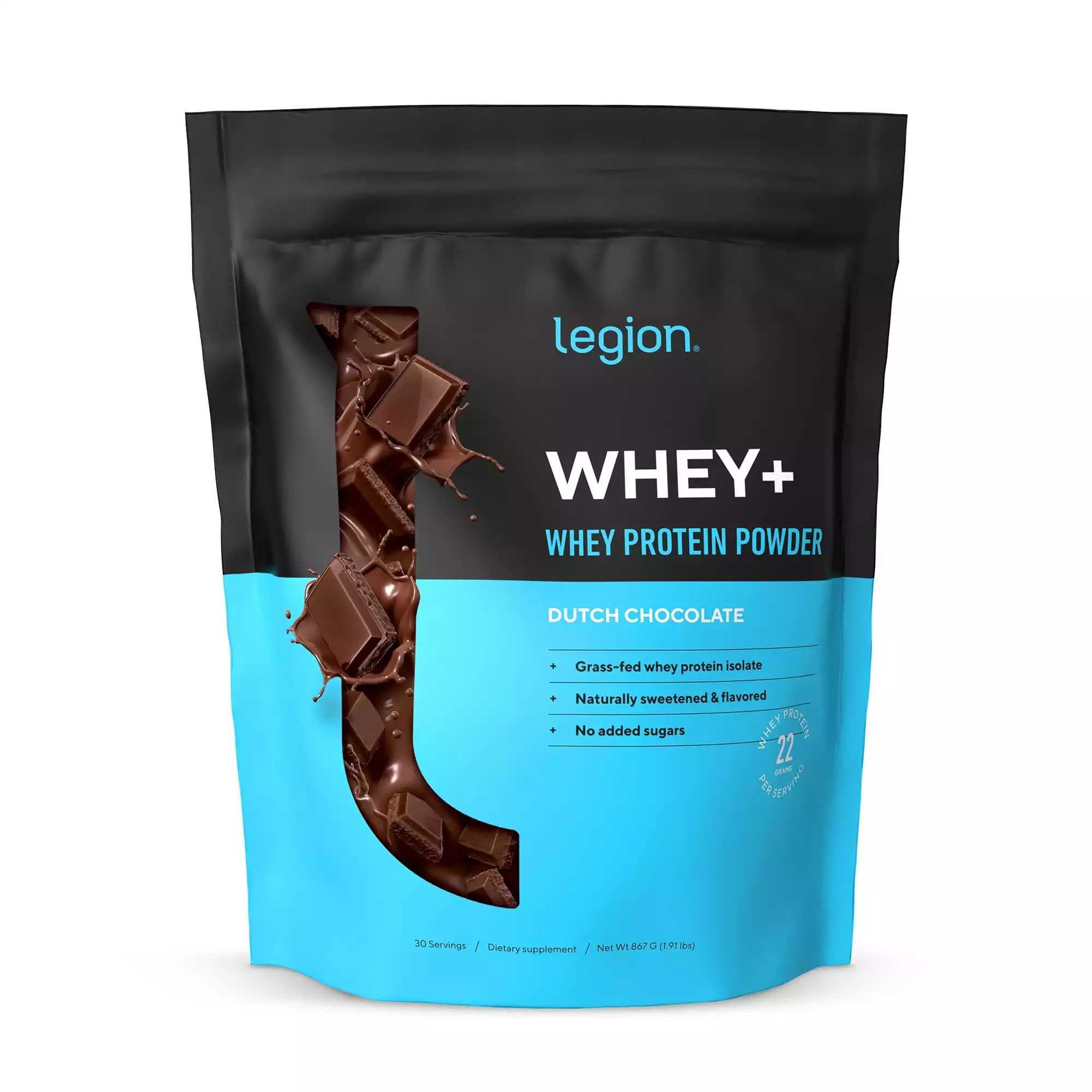
In the pursuit of a stronger, healthier, and more vibrant self, nutrition stands as a cornerstone alongside consistent training. For many fitness enthusiasts, from those just starting their journey to seasoned gym-goers pushing new limits, optimizing protein intake is paramount. This is where whey protein, a versatile and highly effective supplement, often enters the conversation. Far from a magic bullet, whey protein is a powerful tool when understood and utilized correctly, capable of accelerating recovery, fueling muscle growth, and supporting your overall health objectives.
This comprehensive guide will demystify whey protein, exploring its scientific underpinnings, various forms, extensive benefits, and practical applications. We’ll equip you with the knowledge to make informed decisions, ensuring you harness its full potential to unlock peak performance and achieve lasting results in your fitness endeavors. Get ready to elevate your understanding and strategically integrate this nutritional powerhouse into your daily regimen.
The Foundation: What Exactly is Whey Protein?
Before diving into the specifics, let’s establish a clear understanding of what whey protein is. Essentially, it’s a byproduct of cheese production. When milk is curdled, it separates into solid curds (primarily casein protein) and a liquid portion—this liquid is whey. This raw liquid whey undergoes several processing steps, including filtration and drying, to become the powdered supplement we recognize.
What makes whey particularly potent is its status as a complete protein. This means it contains all nine essential amino acids (EAAs) that your body cannot produce on its own and must obtain through diet. These EAAs are the building blocks of protein and are crucial for countless bodily functions, especially muscle repair and growth.
The Science Behind the Scoop: How Whey Fuels Your Body
Understanding the biochemical mechanisms at play can empower you to appreciate why whey protein is so highly regarded in the fitness community. It’s not just about consuming protein; it’s about consuming the right kind of protein at the right time for optimal results.
Complete Protein Powerhouse
As mentioned, whey provides all essential amino acids. These are vital for:
- Muscle Protein Synthesis (MPS): The process by which your body repairs damaged muscle fibers and builds new ones, leading to increased muscle mass and strength.
- Enzyme and Hormone Production: Proteins are critical for creating enzymes that drive metabolic reactions and hormones that regulate bodily functions.
- Tissue Repair: Beyond muscles, proteins are essential for repairing skin, hair, and other tissues.
The Critical Role of Branched-Chain Amino Acids (BCAAs)
Within the spectrum of essential amino acids, three stand out for their direct impact on muscle: Leucine, Isoleucine, and Valine – collectively known as Branched-Chain Amino Acids (BCAAs). Whey protein is particularly rich in BCAAs, especially leucine.
- Leucine: The Anabolic Trigger: Leucine is often hailed as the "master switch" for muscle growth. It directly stimulates the mTOR pathway, a crucial signaling pathway in muscle cells that initiates and amplifies muscle protein synthesis. Consuming adequate leucine is like sending a strong "build muscle" signal to your body after a workout.
- Isoleucine and Valine: While leucine takes center stage for MPS, isoleucine and valine play supporting roles in energy production and muscle recovery, further enhancing the overall benefits of whey.
Rapid Absorption and Bioavailability
One of whey protein’s most celebrated attributes is its rapid digestion and absorption rate. Compared to other protein sources like casein (which digests slowly) or plant-based proteins, whey quickly floods your bloodstream with amino acids. This rapid delivery is particularly advantageous in the post-workout period, often referred to as the "anabolic window," where muscles are primed to absorb nutrients for repair and growth. While the concept of a strict "window" has been debated, supplying amino acids promptly after intense exercise certainly supports recovery.
Furthermore, whey protein boasts a high Biological Value (BV), a measure of how efficiently the body can absorb and utilize protein. A higher BV indicates that a larger percentage of the protein consumed is actually incorporated into the body’s proteins, making whey an incredibly effective source for meeting your protein needs.
Demystifying Whey: Concentrate vs. Isolate vs. Hydrolysate
As you explore the world of whey protein, you’ll encounter different types, each with distinct processing methods and nutritional profiles. Understanding these differences is key to choosing the right product for your specific goals and dietary needs.
1. Whey Protein Concentrate (WPC)
- Processing: This is the least processed form of whey. After filtration, the liquid whey is dried, resulting in a powder that still contains some lactose (milk sugar), fat, and carbohydrates, in addition to protein.
- Protein Content: Typically ranges from 70% to 80% protein by weight.
- Pros:
- More cost-effective due to less processing.
- Retains more beneficial nutrients and compounds found naturally in whey, such as immunoglobulins and lactoferrin, which may offer immune support.
- Often has a creamier texture and a richer flavor profile due to the presence of fats and carbs.
- Cons:
- Higher lactose content, which can cause digestive discomfort (bloating, gas) for individuals with moderate to severe lactose intolerance.
- Higher in calories, fat, and carbs compared to isolates or hydrolysates, which might be a consideration for those on very strict diets.
- Best For: Individuals looking for a budget-friendly option, those without lactose sensitivity, and anyone who prioritizes a more "whole" and less processed protein source.
2. Whey Protein Isolate (WPI)
- Processing: WPI undergoes further processing and filtration steps (like cross-flow microfiltration or ion-exchange chromatography) to remove most of the fat, carbohydrates, and lactose.
- Protein Content: Typically 90% or more protein by weight.
- Pros:
- Very low in lactose, making it a better option for those with mild lactose intolerance.
- Extremely low in fat and carbohydrates, ideal for individuals with strict caloric or macronutrient targets.
- Rapid digestion and absorption due to its high purity.
- Cons:
- Generally more expensive than WPC due to the additional processing.
- May contain fewer of the minor beneficial compounds found in WPC.
- Best For: Individuals with lactose sensitivity, those aiming for minimal fat and carb intake (e.g., during cutting phases), and athletes who prioritize rapid protein delivery.
3. Whey Protein Hydrolysate (WPH)
- Processing: WPH is created by a process called "hydrolysis," where the protein is pre-digested using enzymes. This breaks down the larger protein molecules into smaller peptides.
- Protein Content: Varies, but typically high.
- Pros:
- Fastest absorption rate among all whey types, as the protein is already partially broken down. This can be beneficial for very rapid recovery or for individuals with impaired digestion.
- Hypoallergenic properties: The smaller peptides can reduce the allergenic potential, making it suitable for certain infant formulas and medical nutrition products.
- Cons:
- The most expensive form of whey protein.
- Can have a distinctly bitter taste due to the hydrolysis process, which some find unpalatable.
- Best For: Individuals requiring extremely rapid nutrient absorption (e.g., immediately post-surgery or for specific medical conditions), those with severe digestive issues or allergies to intact protein, or elite athletes seeking marginal gains in recovery speed.
Fueling Your Ambition: The Multifaceted Benefits of Whey Protein
While often synonymous with muscle building, whey protein offers a spectrum of benefits that extend far beyond the gym, supporting various aspects of health and fitness.
Accelerating Muscle Growth and Repair
This is arguably whey’s most well-known advantage. The high concentration of essential amino acids, particularly BCAAs like leucine, directly stimulates muscle protein synthesis. After a challenging workout, your muscle fibers experience microscopic tears. Consuming whey protein provides the necessary building blocks for your body to repair these tears and rebuild stronger, larger muscles. This not only aids in hypertrophy (muscle growth) but also significantly speeds up recovery, reducing delayed onset muscle soreness (DOMS) and preparing you for your next training session.
A Strategic Ally for Weight Management
Whey protein can be a powerful tool in your weight management arsenal, whether your goal is fat loss or maintaining a healthy body composition.
- Enhanced Satiety: Protein is the most satiating macronutrient. Consuming whey protein can help you feel fuller for longer periods, reducing cravings and overall calorie intake. This can be particularly helpful when aiming for a caloric deficit.
- Metabolic Boost: Your body expends more energy to digest and metabolize protein compared to carbohydrates or fats, a phenomenon known as the thermic effect of food (TEF). A higher protein intake can slightly increase your daily calorie expenditure.
- Preserving Lean Muscle Mass: When you’re in a caloric deficit, there’s a risk of losing not just fat, but also valuable lean muscle. A high-protein diet, supplemented with whey, helps your body prioritize fat for energy while preserving muscle tissue, which is metabolically active and crucial for a healthy metabolism.
Bolstering Immune Health
Beyond its direct impact on muscle, whey protein can play an indirect role in supporting your immune system. It’s a precursor to glutathione, a powerful antioxidant produced naturally in your body. Glutathione is vital for protecting cells from damage and supporting immune function. While not a direct immune booster, ensuring adequate protein intake, particularly from high-quality sources like whey, contributes to overall cellular health and resilience.
Unmatched Convenience and Versatility
In our fast-paced world, convenience is a significant factor in consistent nutrition. Whey protein powder is incredibly easy to prepare and consume, making it an ideal option for busy individuals.
- Quick Preparation: A scoop of powder mixed with water or milk takes seconds.
- Portability: Easy to carry and consume on the go, whether you’re at work, traveling, or immediately after a workout.
- Versatility in Recipes: Beyond shakes, whey can be incorporated into smoothies, oatmeal, yogurt, baked goods, and even savory dishes, adding a protein boost without significant effort.
Mastering Your Intake: When, How, and How Much Whey to Consume
Integrating whey protein effectively into your diet requires a thoughtful approach. It’s not just about taking it, but about understanding how it fits into your broader nutritional strategy.
Optimal Timing: Seizing the "Anabolic Window"?
For years, the "anabolic window" – the idea that you must consume protein immediately post-workout – was emphasized. While prompt post-exercise nutrition is beneficial for recovery, current research suggests that the window is broader than once believed, often extending several hours. The most crucial factor is your total daily protein intake.
However, specific timing can still offer advantages:
- Post-Workout: A popular and effective time. Whey’s rapid absorption delivers amino acids quickly to fatigued muscles, kickstarting the repair process.
- First Thing in the Morning: Helps break the overnight fast and provides an immediate protein boost, especially if your breakfast is typically low in protein.
- Between Meals: Can help maintain a steady supply of amino acids throughout the day, support satiety, and prevent muscle breakdown during longer periods without food.
- Before Bed (consideration): While whey is fast-digesting, combining it with a slower-digesting protein like casein or consuming a protein blend before bed can provide a sustained release of amino acids overnight, supporting recovery while you sleep.
Practical Tip: Don’t stress excessively over the exact minute you consume your shake. Focus on hitting your daily protein targets consistently. If a post-workout shake fits your routine and aids recovery, fantastic. If you prefer it with breakfast, that’s perfectly fine too.
Creative Consumption: Beyond the Basic Shake
While a simple shake with water or milk is the most common way to consume whey, its versatility allows for much more:
- Classic Shakes: Mix with water, dairy milk, or plant-based milk (almond, soy, oat).
- Nutrient-Packed Smoothies: Blend with fruits (berries, banana), vegetables (spinach), nut butters, chia seeds, and ice for a complete meal replacement or powerful snack.
- Boost Your Breakfast: Stir into oatmeal, yogurt, or pancake/waffle batter for an easy protein upgrade.
- Smart Baking: Incorporate into recipes for protein muffins, cookies, or energy bars. Remember that high heat can denature proteins, but they still retain their amino acid profile.
- Savory Surprises: Unflavored whey protein can even be blended into soups or sauces for a discreet protein boost.
Tailoring Your Dosage: Listening to Your Body and Goals
The amount of protein you need daily depends on various factors, including your body weight, activity level, fitness goals, and age.
- General Guideline for Active Individuals: Many experts recommend consuming between 0.8 to 1 gram of protein per pound of body weight (or 1.6 to 2.2 grams per kilogram) daily for those regularly engaging in strength training or intense physical activity.
- For Muscle Gain: Aim for the higher end of this range, ensuring you’re in a caloric surplus and consistently challenging your muscles.
- For Weight Loss: A higher protein intake can be beneficial for satiety and muscle preservation during a caloric deficit.
- For Beginners: Start with one scoop (typically 20-30 grams of protein) post-workout. See how your body responds and adjust as needed.
- Intermediate Enthusiasts: You might benefit from two servings per day, perhaps one post-workout and another as a snack or meal supplement.
Important Reminder: Whey protein is a supplement, meaning it supplements your diet, it does not replace whole food protein sources. Prioritize lean meats, fish, eggs, dairy, legumes, and nuts for the majority of your protein intake, using whey to conveniently fill any gaps.
Your Smart Buyer’s Guide: Selecting the Right Whey Protein for You
The market is saturated with whey protein products, making the selection process daunting. Becoming a savvy consumer means looking beyond flashy marketing and understanding what truly matters.
Understanding the Label: Beyond the Marketing Hype
- Protein Content per Serving: This is fundamental. Look for products that provide at least 20-30 grams of protein per serving. Compare the protein content relative to the serving size and total calories.
- Type of Whey: Refer back to our concentrate, isolate, and hydrolysate breakdown. Choose based on your dietary needs (e.g., lactose sensitivity), budget, and specific goals. Some products use blends, which can offer a balance of benefits.
- Ingredient Purity:
- Minimal Fillers: Be wary of long ingredient lists with unfamiliar terms. Avoid excessive fillers, gums, or artificial ingredients if you prefer a cleaner product.
- Sweeteners: Many proteins are sweetened. Common options include sucralose, stevia, or monk fruit. If you’re sensitive to artificial sweeteners, opt for naturally sweetened or unsweetened versions.
- Third-Party Testing and Certifications: This is crucial for peace of mind, especially for athletes. Look for certifications from reputable organizations that independently test supplements for purity, potency, and absence of banned substances. Examples include:
- Informed-Sport
- NSF Certified for Sport
- Labdoor
These certifications assure you that what’s on the label is in the tub, and that the product is free from contaminants.
- Flavor Profile: Taste is highly subjective. What one person loves, another might dislike. Start with basic flavors like vanilla or chocolate, which are versatile. If possible, try single-serving packets before committing to a large tub.
- Dietary Considerations:
- Lactose Intolerance: Opt for whey isolate or hydrolysate.
- Gluten-Free: Most whey proteins are naturally gluten-free, but always check the label for cross-contamination warnings.
- Allergies: Scrutinize the "contains" statement for common allergens like soy (often used as an emulsifier), nuts, or other dairy components.
- Cost-Effectiveness: Calculate the "price per serving" or "price per gram of protein" rather than just the total cost of the tub. Sometimes a more expensive upfront purchase offers better value over time. Balance quality with your budget.
Actionable Advice: Before buying, take a moment to research. Read online reviews, check the brand’s transparency regarding sourcing and testing, and compare nutritional facts panels across different products. Your informed choice will contribute significantly to your fitness success.
Responsible Supplementation: Understanding Potential Side Effects and Best Practices
While whey protein is generally safe and beneficial for healthy adults, responsible consumption is key. Like any supplement, overuse or disregard for individual sensitivities can lead to minor issues.
Digestive Discomfort
The most common side effect reported is digestive upset, including:
- Bloating and Gas: Often linked to the lactose content in whey protein concentrate (WPC). If you experience this, switching to a whey protein isolate (WPI) or hydrolysate (WPH), which have significantly less lactose, can often alleviate the problem.
- Stomach Cramps or Diarrhea: Less common, but can occur with very high doses or extreme sensitivity.
If you consistently experience digestive issues, consider reducing your dosage, switching to a different type of whey, or consulting a healthcare professional.
Overconsumption: Myths vs. Realities
Concerns about whey protein causing kidney or liver damage are largely unsubstantiated for healthy individuals.
- Kidney Health: For individuals with pre-existing kidney disease, a high protein diet can exacerbate the condition. However, for healthy kidneys, there is no scientific evidence that typical protein supplementation causes damage. Adequate hydration is always important when consuming a higher protein diet to help kidneys process waste products efficiently.
- Liver Health: Similarly, there’s no evidence that whey protein harms a healthy liver.
- Other Concerns: Anecdotal reports link whey protein to issues like acne. While dairy consumption can be a trigger for some individuals, direct scientific evidence specifically linking whey protein to acne outbreaks is limited and inconsistent.
The key takeaway here is moderation and balance. Whey protein is a supplement to support your diet, not to replace the majority of your food intake.
The Primacy of Whole Foods
It bears repeating: whole, unprocessed foods should always form the foundation of your diet. Whey protein, while excellent for convenience and specific nutrient delivery, lacks the full spectrum of vitamins, minerals, fiber, and phytonutrients found in fruits, vegetables, whole grains, and diverse protein sources. Relying solely on supplements can lead to nutrient deficiencies and an unhealthy relationship with food. Aim for a balanced diet rich in:
- Lean proteins (chicken, fish, eggs, legumes, tofu)
- Complex carbohydrates (oats, brown rice, sweet potatoes)
- Healthy fats (avocado, nuts, seeds, olive oil)
- Plenty of fruits and vegetables
When to Consult a Professional
Always consult a healthcare professional or a registered dietitian before making significant dietary changes or starting new supplements, especially if you:
- Have any pre-existing medical conditions (e.g., kidney disease, liver disease, diabetes).
- Are pregnant or breastfeeding.
- Have severe allergies or intolerances.
- Are taking prescription medications.
Who Stands to Gain: Identifying Your Need for Whey Protein
While beneficial for many, certain groups can particularly leverage the advantages of whey protein to meet their unique nutritional demands and accelerate progress.
The Dedicated Athlete and Fitness Enthusiast
Anyone consistently engaging in moderate to high-intensity physical activity, whether it’s strength training, endurance sports, or high-intensity interval training, will have elevated protein requirements. Whey protein serves as an ideal solution to meet these increased demands, facilitating rapid recovery, muscle repair, and adaptation to training stimuli. It ensures that your hard work in the gym translates into tangible strength and performance gains.
Individuals on a Weight Loss Journey
For those aiming to shed excess body fat, whey protein offers a triple threat:
- Satiety: Its ability to promote feelings of fullness helps control appetite and reduce overall calorie intake.
- Muscle Preservation: Maintaining lean muscle mass during a caloric deficit is critical, as muscle is metabolically active and helps sustain your metabolism.
- Metabolic Support: The thermic effect of protein aids in slightly increasing daily energy expenditure.
Incorporating whey can make the weight loss process more sustainable and effective.
Busy Professionals and On-the-Go Lifestyles
In today’s fast-paced world, finding time to prepare balanced, protein-rich meals can be a challenge. Whey protein provides an incredibly convenient and portable solution. A quick shake can serve as a nutritious breakfast, a substantial snack between meetings, or a post-gym refuel, ensuring you maintain consistent protein intake without sacrificing valuable time.
Older Adults
As we age, our bodies become less efficient at absorbing and utilizing protein, and there’s a natural tendency to lose muscle mass, a condition known as sarcopenia. This age-related muscle loss can significantly impact strength, mobility, and overall quality of life. Supplementing with whey protein can be an easy and effective way for older adults to meet their daily protein needs, counteract sarcopenia, maintain muscle health, and support independent living.
Your Journey, Amplified by Informed Choices
Congratulations! You’ve navigated the complex world of whey protein, gaining a comprehensive understanding of its origins, types, benefits, and practical applications. From fueling explosive workouts to supporting sustainable weight management and bolstering overall health, whey protein stands as a powerful, scientifically-backed tool in your fitness arsenal.
Remember, however, that while incredibly effective, whey protein is a supplement – designed to complement, not replace, a balanced diet built on whole, nutrient-dense foods. Your journey to peak performance and lasting results is a holistic one, encompassing consistent training, adequate rest, mental fortitude, and a well-rounded nutritional strategy.
Armed with this knowledge, you are now empowered to make informed decisions. Choose the whey protein that aligns with your unique body, goals, and lifestyle. Integrate it strategically, listen to your body, and never stop prioritizing the foundational elements of health. Your potential is limitless, and with smart, informed choices, you are well on your way to unlocking it, one scoop at a time. Keep pushing forward, stay consistent, and celebrate every step of your incredible fitness journey!