In the dynamic world of fitness, where countless supplements promise miraculous transformations, one stands out with an unparalleled legacy of scientific backing and real-world results: creatine. Often associated with elite bodybuilders and powerlifters, this potent compound is far more universal, offering substantial benefits to anyone committed to improving their strength, muscle growth, and overall athletic performance, from the budding gym-goer to the seasoned weekend warrior.
Creatine isn’t a fleeting trend; it’s a cornerstone of performance enhancement, meticulously studied for decades. Yet, for many, it remains shrouded in misconceptions and unanswered questions. Is it safe? How does it work? What kind of creatine should I take? If these questions resonate with you, you’ve come to the right place.
This comprehensive guide will demystify creatine, providing you with a clear, authoritative, and actionable roadmap to understand its profound impact on your fitness journey. We’ll delve into its science, explore its diverse benefits, guide you through optimal usage, and address common concerns, empowering you to make informed decisions and truly unlock your athletic potential.
What Exactly Is Creatine and How Does It Fuel Your Body?
At its core, creatine is a naturally occurring organic compound found primarily in muscle cells. Your body, specifically the liver, kidneys, and pancreas, produces creatine from three amino acids: arginine, glycine, and methionine. While you also get it from certain foods like red meat and fish, supplementation allows for the saturation levels needed to significantly impact athletic performance.
Think of creatine as your body’s express fuel reserve for high-intensity, short-burst activities. Here’s how it works:
Your muscles primarily use adenosine triphosphate (ATP) for energy. When you perform a strenuous activity like lifting weights, sprinting, or jumping, ATP rapidly depletes, breaking down into adenosine diphosphate (ADP). For your muscles to continue performing, ADP needs to be quickly converted back into ATP. This is where creatine shines.
Within your muscle cells, creatine is stored as phosphocreatine (PCr). When ATP levels drop, PCr readily donates its phosphate group to ADP, swiftly regenerating ATP. This process, known as the phosphocreatine system, is incredibly fast, allowing your muscles to sustain maximum effort for those crucial seconds that make a difference in your workout or sport.
- Simplified Analogy: Imagine your body’s energy system as a car. ATP is the main fuel tank. For short, powerful bursts (like a drag race), you need an extra booster shot. Creatine acts as that high-octane booster, instantly refilling your main fuel tank (ATP) so you can push harder and faster when it matters most.
By increasing your muscle’s phosphocreatine stores through supplementation, you enhance your body’s capacity to rapidly produce ATP during intense exercise. This translates directly into more reps, heavier lifts, faster sprints, and ultimately, greater gains.
Why Consider Creatine? The Science-Backed Benefits
Creatine’s popularity isn’t built on hype; it’s built on a mountain of research confirming its effectiveness across a spectrum of physiological improvements. For beginners to intermediate fitness enthusiasts, these benefits can be game-changers:
Enhanced Strength and Power
This is perhaps creatine’s most celebrated benefit. By boosting ATP availability, creatine allows you to perform more reps with a given weight or lift heavier loads for the same number of reps. It directly improves your ability to generate force quickly, which is crucial for:
- Weightlifting: Pushing past plateaus in your squats, deadlifts, and bench presses.
- Sprinting: Generating explosive speed on the track or field.
- Plyometrics: Jumping higher and with more power.
This enhanced capacity to train harder and with greater intensity directly leads to stronger, more powerful muscles over time.
Increased Muscle Mass
While creatine doesn’t directly build muscle like protein, it creates an optimal environment for muscle growth (hypertrophy) in several ways:
- Improved Training Volume: With more energy, you can complete more reps and sets, accumulating greater training volume, which is a primary driver of muscle growth.
- Cell Volumization: Creatine draws more water into muscle cells, making them appear larger and potentially signaling cellular processes that promote growth. This isn’t just "water weight"; it’s intracellular hydration that supports muscle function and protein synthesis.
- Reduced Protein Breakdown: Some research suggests creatine may help reduce muscle protein breakdown, further supporting a net gain in muscle mass.
For individuals looking to sculpt their physique and increase lean muscle, combining creatine with consistent resistance training is a highly effective strategy.
Accelerated Recovery
Training hard takes a toll on your muscles. Creatine can play a significant role in speeding up your recovery process, allowing you to bounce back faster and be ready for your next session.
- Reduced Muscle Damage: Studies indicate that creatine supplementation can mitigate immediate muscle damage and inflammation that occurs after intense exercise.
- Faster Glycogen Resynthesis: While not its primary role, creatine may indirectly support the replenishment of muscle glycogen stores, which are crucial for sustained energy during workouts.
Faster recovery means less downtime, reduced soreness, and a greater capacity for consistent training, which is fundamental for long-term progress.
Cognitive Boost
Beyond physical performance, emerging research points to creatine’s potential benefits for brain health. The brain, like muscles, requires a significant amount of ATP for optimal function. Creatine supplementation may:
- Improve Memory and Intelligence: Especially in tasks requiring speed and quick thinking.
- Reduce Mental Fatigue: By ensuring adequate energy supply to brain cells.
While more research is ongoing, the implications for cognitive function are promising, adding another layer to creatine’s appeal.
May Improve Muscle and Bone Density
As we age, maintaining muscle mass and bone density becomes increasingly vital for overall health and independence. Creatine can contribute positively to this aspect of well-being:
- Support for Older Adults: Combined with resistance training, creatine has been shown to have favorable effects on both muscle mass and bone mineral density in older adults, promoting a stronger, more resilient body throughout life.
Real-Life Example: Imagine you’re a beginner struggling to add a few more reps to your bench press or find yourself completely gassed after a short sprint. Integrating creatine into your routine could provide that extra burst of energy to push through that last rep, shave a few seconds off your sprint time, or feel less drained after your workout. It’s not magic, but it amplifies the effort you’re already putting in, helping you see tangible results sooner.
Demystifying Creatine: Types and Forms
The supplement market can be overwhelming, with various forms of creatine vying for your attention. For beginners and intermediates, understanding the core differences is key to making a smart choice.
Creatine Monohydrate: The Gold Standard
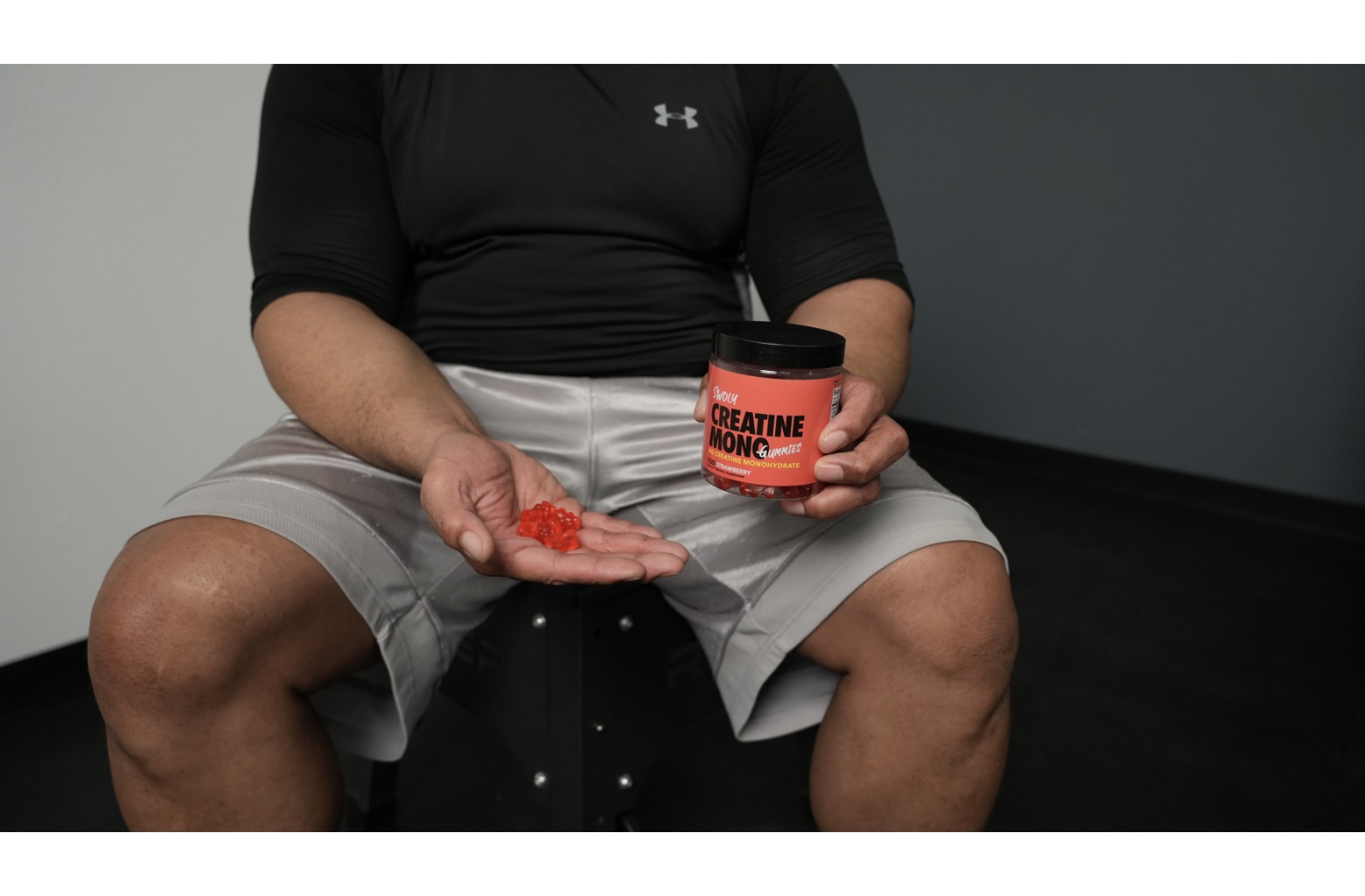
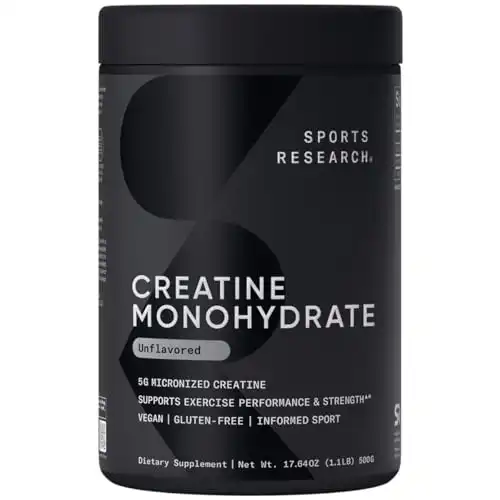
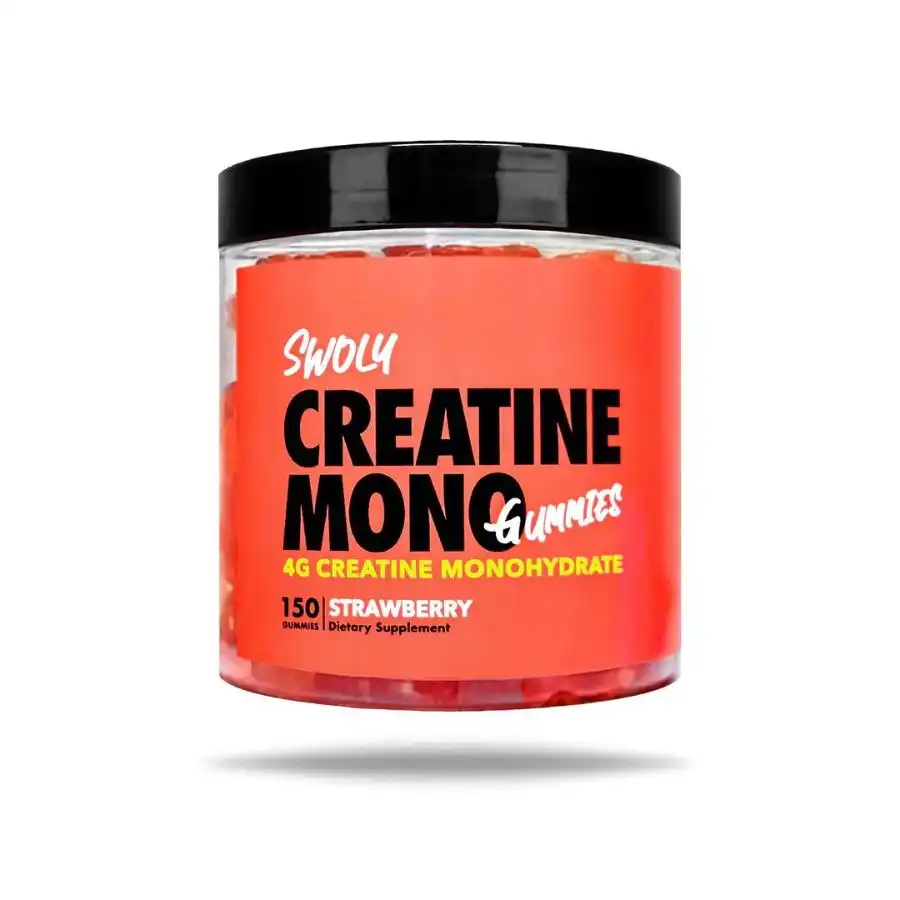
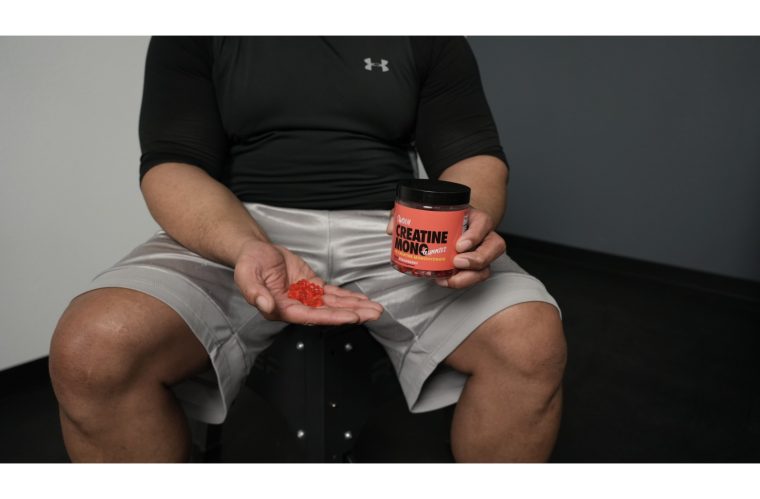
This is the most researched, effective, and cost-efficient form of creatine available. It consists of a creatine molecule bonded to a water molecule. Decades of studies have consistently demonstrated its efficacy in enhancing strength, power, and muscle mass. When in doubt, choose creatine monohydrate.
Micronized Creatine Monohydrate
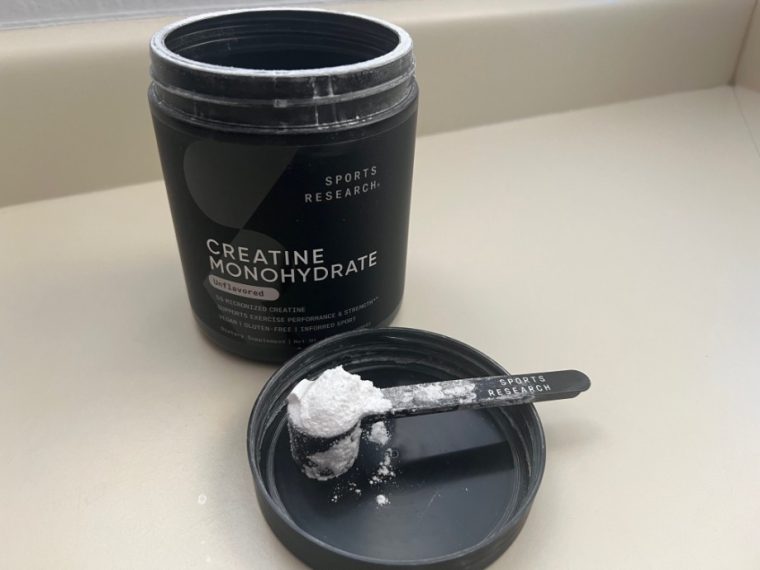
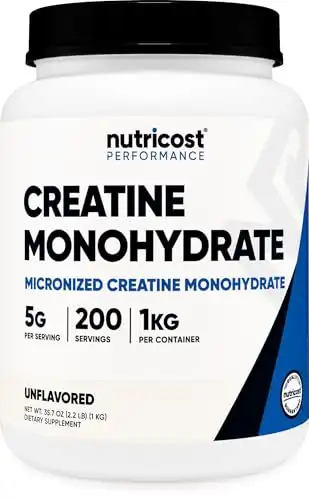
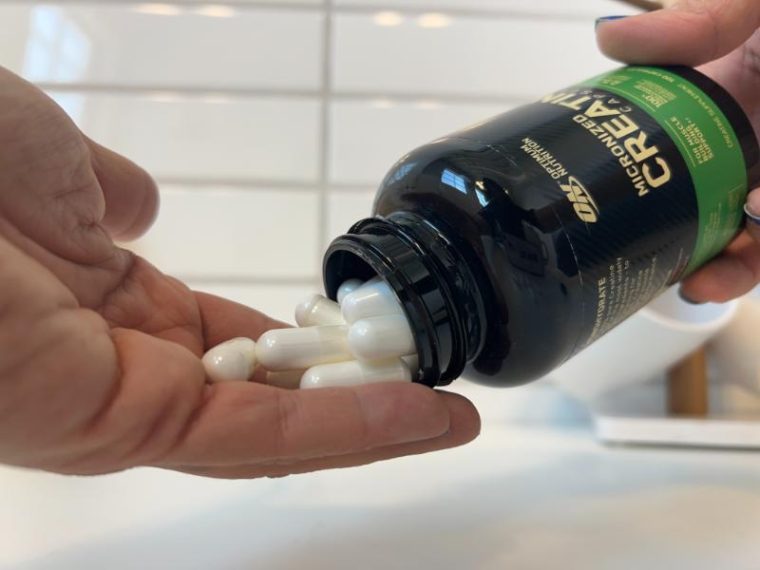
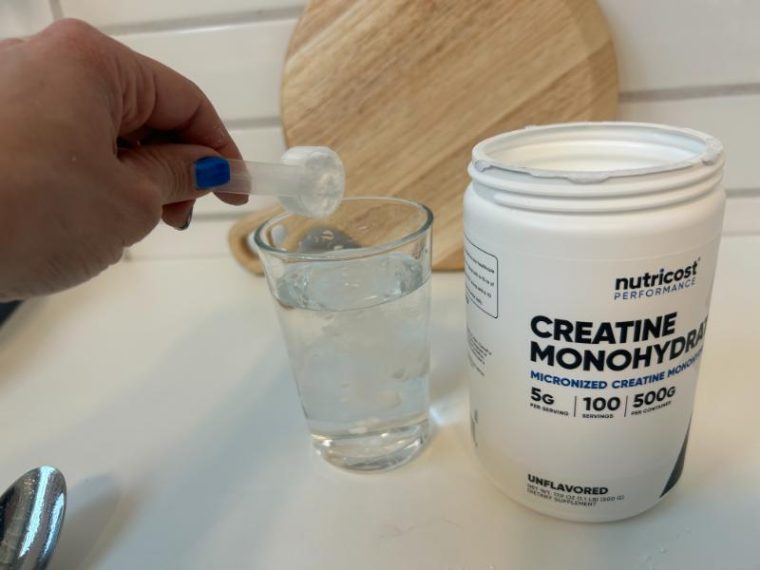
Micronized creatine is simply creatine monohydrate that has been processed into much finer particles. The primary benefit of this finer grind is improved solubility in water, making it mix more easily and potentially reducing stomach discomfort for some individuals. However, it’s important to note that research does not show micronized creatine to be more bioavailable or effective than standard creatine monohydrate in terms of absorption or results. It’s largely a convenience factor.
Other Forms (Brief Overview)
While other forms like Creatine Ethyl Ester, Creatine Nitrate, and Buffered Creatine exist, they generally lack the extensive scientific backing of monohydrate. Some have even been shown to be less effective. For instance:
- Creatine Ethyl Ester: Marketed for superior absorption, studies have shown it to be less effective than monohydrate.
- Creatine Nitrate: Some claims of better solubility and bioavailability, but research is mixed and less robust than monohydrate.
- Buffered Creatine: Designed to reduce stomach discomfort by having a higher pH, but studies show no significant advantage over monohydrate for performance or side effects.
Actionable Advice: For almost all fitness enthusiasts, creatine monohydrate (or micronized creatine monohydrate for better mixability) is the optimal choice. Don’t be swayed by marketing claims of "advanced" forms without solid scientific evidence.
Optimal Creatine Usage: Dosage and Timing
To reap the full benefits of creatine, consistency and proper dosage are paramount.
Daily Maintenance Dose
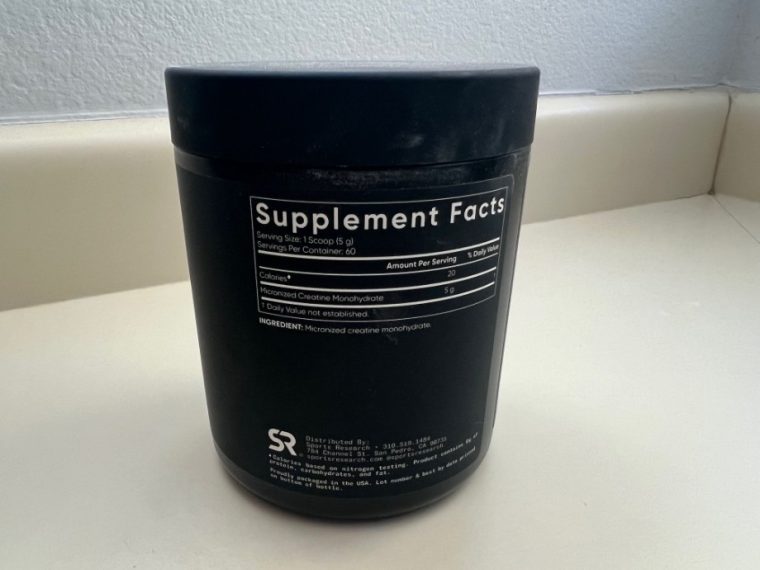
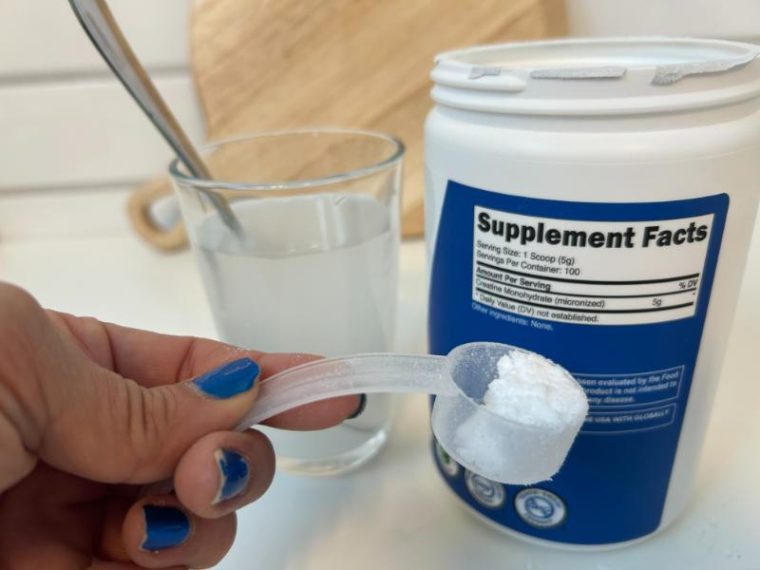
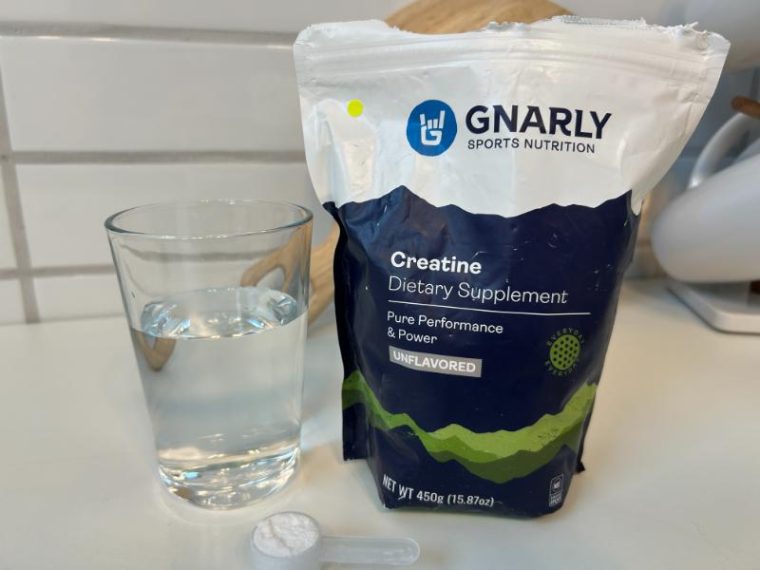
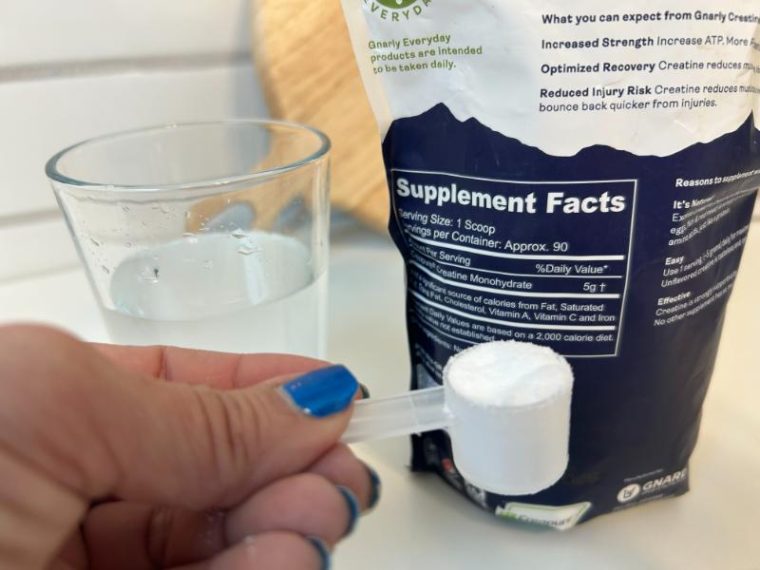
For most individuals, a daily maintenance dose of 3 to 5 grams of creatine monohydrate is sufficient to saturate muscle stores and maintain elevated levels.
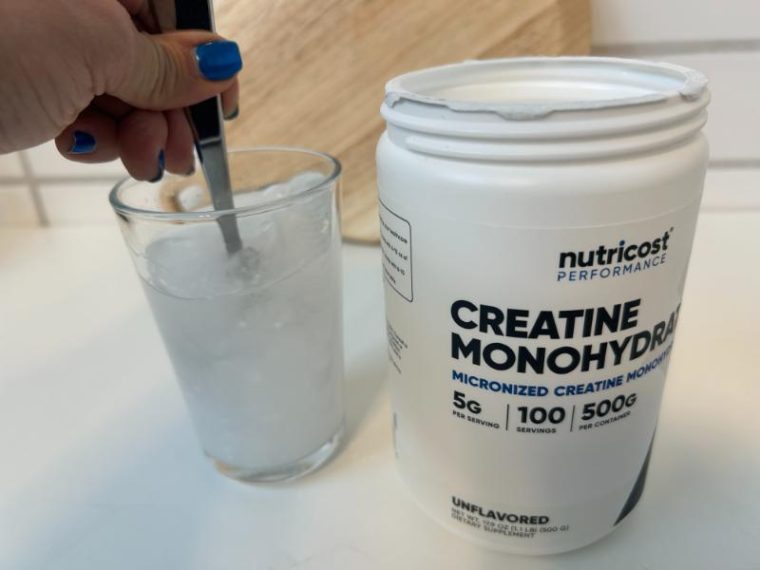
- Body Weight Consideration: For larger individuals, a slightly higher dose might be beneficial. A general guideline is 0.1 grams of creatine per kilogram of body weight. For example, a 100kg (220lb) individual might aim for 10g per day.
The key is daily consistency. Missing a day here and there won’t negate progress, but regular intake ensures your muscle creatine stores remain saturated.
The Loading Phase: Is It Necessary?
A creatine loading phase involves taking a higher dose, typically 20 to 25 grams per day, for 5 to 7 days, usually divided into 4-5 smaller servings throughout the day. After this initial phase, you drop down to the standard 3-5 gram maintenance dose.

- Pros of Loading: It rapidly saturates your muscle creatine stores, allowing you to experience the benefits (increased strength, power) more quickly, usually within a week.
- Cons of Loading: The higher dosage can sometimes lead to minor gastrointestinal discomfort (bloating, diarrhea) in sensitive individuals. Breaking the dose into smaller servings throughout the day can help mitigate this.
Is it necessary? No. Studies show that taking a consistent 3-5 gram daily dose will achieve the same muscle saturation levels as a loading phase, it just takes longer (typically 3-4 weeks).
Actionable Advice: If you want to experience the benefits faster and tolerate higher doses well, a loading phase is a safe and effective option. If you prefer a slower, more gradual approach or are concerned about potential GI issues, simply start with the daily maintenance dose. The long-term benefits will be the same regardless of your starting strategy.

Timing Your Intake
While some debate the "optimal" time to take creatine, the most important factor is consistency. As long as you take it daily, your muscle stores will remain saturated.
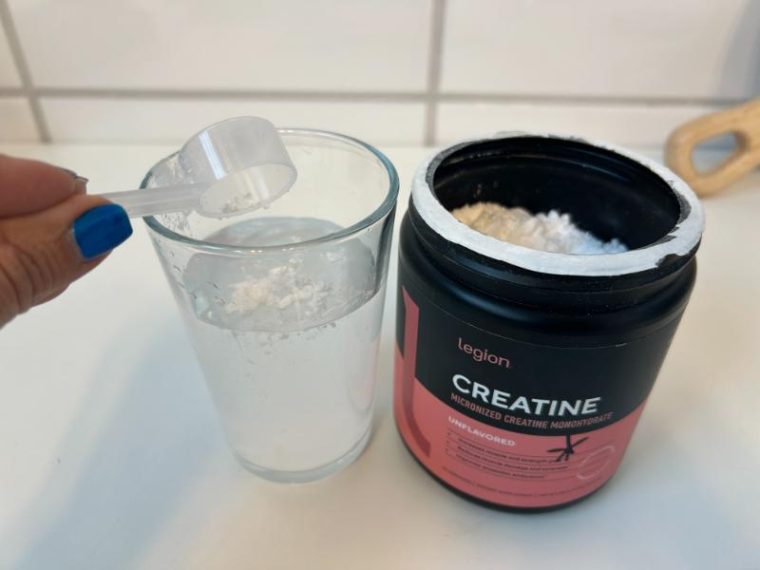
However, there’s some evidence to suggest that taking creatine post-workout may offer a slight advantage. During and after exercise, blood flow to muscles increases, and insulin sensitivity is heightened. This can lead to marginally improved uptake of creatine into muscle cells.
Actionable Advice:
- Post-Workout: Consider mixing your creatine with your post-workout shake (which often contains carbohydrates and protein) to leverage insulin’s role in creatine transport.
- Anytime with a Meal: If a post-workout timing isn’t convenient, take your creatine with any meal containing carbohydrates. The insulin response from carbohydrates can aid in creatine absorption.
- Just Be Consistent: Don’t stress too much about the exact minute. The benefits are cumulative, so daily intake is paramount.
Practical Integration: Making Creatine Work for You
Incorporating creatine into your daily routine is simple, but a few practical tips can enhance its effectiveness and your experience.
Hydration is Key
Creatine draws water into your muscle cells. This is a beneficial process for muscle function and growth, but it means you need to ensure adequate hydration.
- Drink More Water: Aim to increase your daily water intake when supplementing with creatine. This helps prevent dehydration, supports kidney function, and can reduce the likelihood of muscle cramps, although research on creatine causing cramps is largely inconclusive.
- Monitor Urine Color: A light yellow color indicates good hydration.
Consistency Over Cyclical Use
Unlike some other supplements, creatine does not require "cycling" (periods of use followed by periods of abstinence). Continuous daily supplementation is generally recommended to maintain saturated muscle stores. The idea of cycling creatine to "give your kidneys a break" is a myth, as studies show long-term use is safe for healthy individuals.
Combining with Training
Creatine is not a magic pill. It’s a performance enhancer. Its benefits are maximized when combined with a consistent and challenging resistance training program.
- Focus on Progressive Overload: Use the extra energy and strength from creatine to lift heavier, perform more reps, or increase your training volume over time. This is how muscle adaptation and growth truly occur.
- Structure Your Workouts: Ensure your training program is well-designed to target different muscle groups and allow for adequate recovery.
Dietary Synergy
While creatine works independently, its effects can be synergized with a balanced diet:
- Adequate Protein Intake: Essential for muscle repair and growth. Creatine helps you train harder, but protein provides the building blocks.
- Sufficient Carbohydrates: Important for replenishing glycogen stores and supporting the insulin response, which aids creatine uptake.
- Balanced Micronutrients: A diet rich in fruits, vegetables, and healthy fats supports overall health and optimal physiological function.
Actionable Advice: Don’t overthink it. Mix your daily dose of creatine monohydrate with water, juice, or your protein shake. Make it a routine, like brushing your teeth, and let it seamlessly integrate into your fitness lifestyle.
Safety and Considerations
Creatine is one of the most thoroughly researched supplements, with an overwhelming body of evidence supporting its safety for healthy individuals. However, like any supplement, understanding potential considerations is important.
General Safety
- Extensive Research: Decades of studies, including long-term trials, have consistently shown creatine monohydrate to be safe and well-tolerated when taken within recommended dosages by healthy individuals.
- Not an Anabolic Steroid: Creatine is often mistakenly grouped with steroids due to its muscle-building effects. It is a natural compound, not a hormone, and does not carry the health risks associated with anabolic steroids.
Potential Side Effects
While generally safe, some individuals may experience mild side effects, particularly during a loading phase:
- Water Retention: This is the most common "side effect" and is often misunderstood. Creatine causes intracellular water retention (water drawn into muscle cells), which is beneficial for muscle function and appearance. It is not subcutaneous (under the skin) bloating that makes you look puffy. This effect is temporary and generally resolves.
- Gastrointestinal Discomfort: Some individuals may experience mild stomach upset, nausea, or diarrhea, especially with larger doses during a loading phase or if taken on an empty stomach. Dividing doses and taking with food can help.
- Muscle Cramps: While historically associated with creatine, research does not support a direct link between creatine and increased muscle cramping, especially with proper hydration.
Who Should Exercise Caution?
While safe for most, certain individuals should consult a healthcare professional before taking creatine:
- Individuals with Pre-existing Kidney or Liver Conditions: Since creatine is processed by these organs, those with impaired function should avoid supplementation or seek medical advice.
- Those on Certain Medications: If you are taking medications that affect kidney function (e.g., NSAIDs, diuretics, certain blood pressure medications), consult your doctor.
- Individuals Under 18: While some research suggests it may be safe for adolescents, long-term effects are not fully understood, and expert consensus often recommends caution for those under 18 unless under strict medical supervision for specific athletic needs.
- Pregnant or Breastfeeding Women: Due to limited research in these populations, creatine supplementation is generally not recommended.
Third-Party Testing
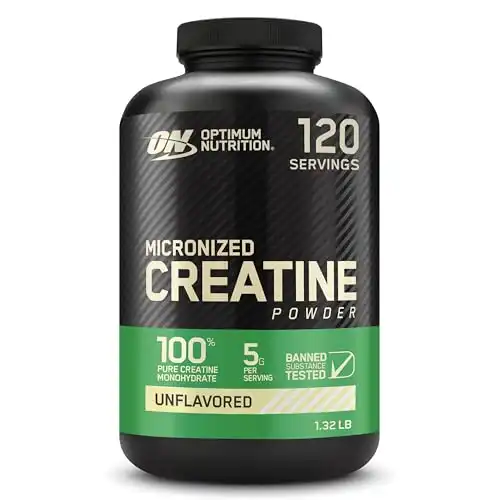
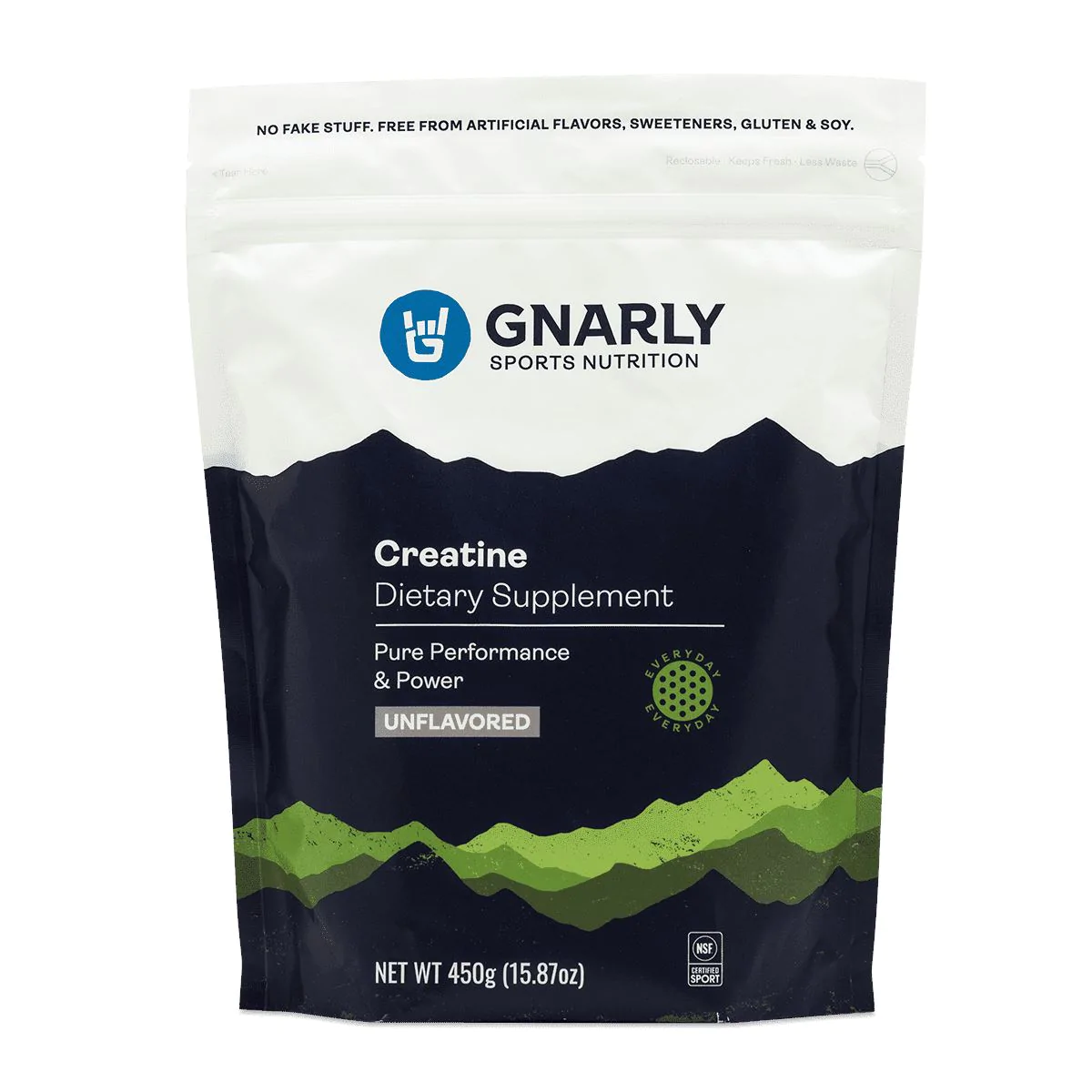
The supplement industry is not regulated by the FDA in the same way as pharmaceuticals. To ensure the purity, potency, and absence of contaminants (including banned substances), look for supplements that have undergone third-party testing. Certifications from organizations like NSF Certified for Sport or Informed Sport provide assurance that the product has been independently verified. This is especially important for competitive athletes who undergo drug testing.
Beyond the Hype: Real-World Expectations
Creatine is a powerful tool, but it’s essential to set realistic expectations. It’s not a magic bullet that will transform your physique overnight without effort.
- It Amplifies, Not Replaces: Creatine amplifies the results of consistent training, proper nutrition, and adequate rest. It won’t compensate for a poor diet or an inconsistent workout routine.
- Individual Response Varies: While most people respond well to creatine, individual responses can vary. Some may experience more dramatic gains than others.
- It’s a Journey: Fitness is a marathon, not a sprint. Creatine can accelerate your progress, but sustained results come from dedication and adherence to fundamental principles.
Embrace creatine as a valuable ally in your fitness journey, a scientifically proven aid that can help you break barriers and reach new heights.
Conclusion: Your Path to Unleashed Potential
You stand at the precipice of enhanced performance, greater strength, and accelerated muscle growth. Creatine, a well-researched, safe, and highly effective supplement, offers a direct pathway to amplify your efforts and unlock new levels of physical prowess.
By understanding how creatine fuels your muscles, embracing the proven benefits, and adhering to optimal usage guidelines, you can confidently integrate this powerhouse compound into your fitness regimen. Remember, it’s not about seeking shortcuts, but about intelligently optimizing every aspect of your training and nutrition to maximize your innate potential.
Whether your goal is to add significant muscle, boost your athletic performance, or simply feel stronger and more resilient in your daily life, creatine can be the catalyst you need. Hydrate diligently, train consistently, nourish your body wisely, and let creatine empower you to push past your limits. The journey to a stronger, more capable you is within reach – go forth and conquer!