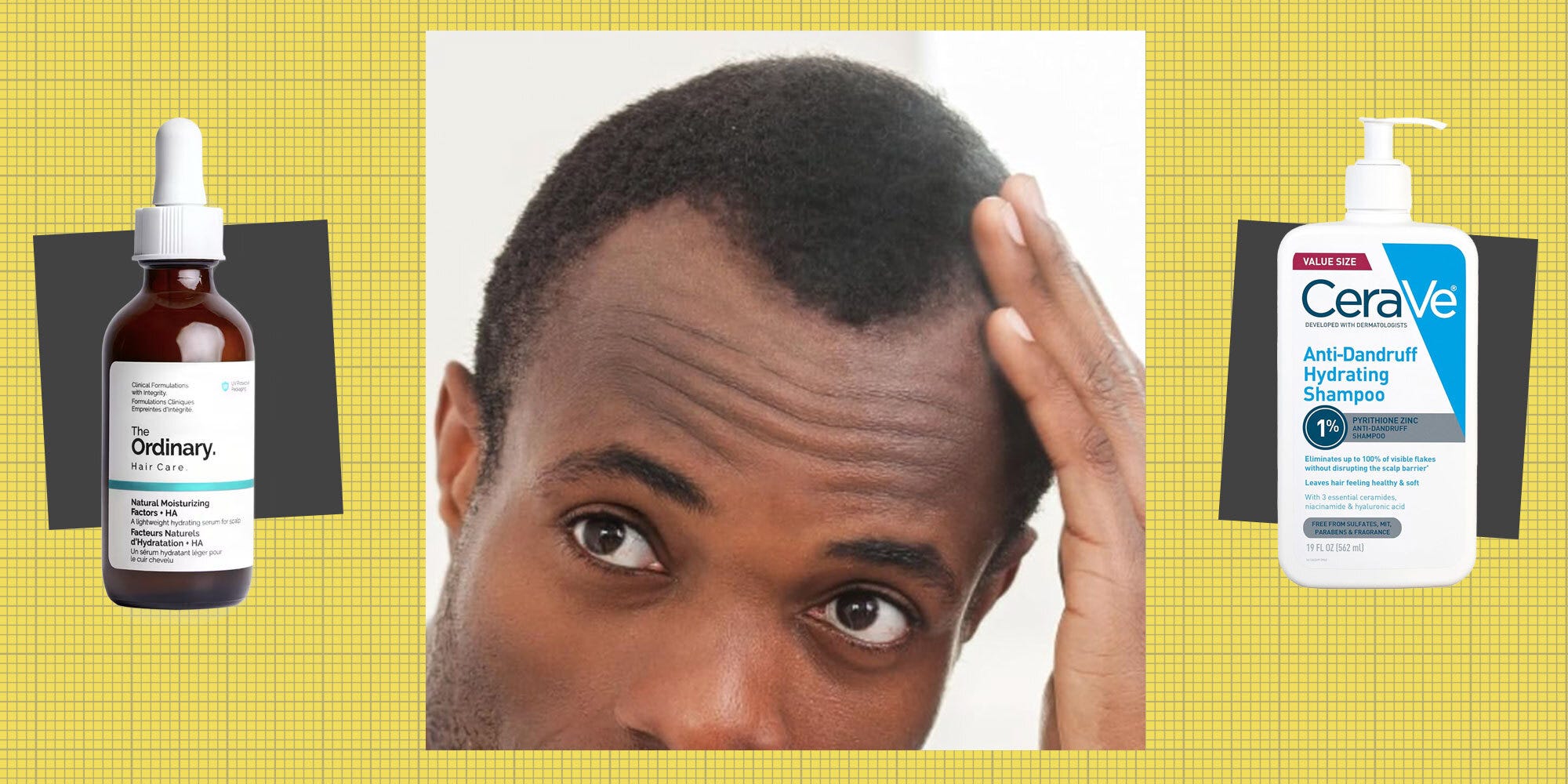
As the mercury plummets and the air turns crisp, our bodies often bear the brunt of the changing season. While we’re busy layering up and adjusting our workout routines for the cold, one often-overlooked area that suffers is our scalp. The harsh realities of winter weather—think biting winds, dry indoor heating, and sudden temperature shifts—can leave your scalp feeling tight, itchy, and prone to those unwelcome white flakes.

For many, this is more than just a seasonal annoyance. It can be a persistent battle with dryness and dandruff, conditions that can be exacerbated when temperatures drop. You might be wondering if you have a dry scalp or if it’s dandruff. While they can appear similar, understanding the distinction is key to effective treatment.

This article will break down how winter impacts your scalp, differentiate between dryness and dandruff, and provide you with actionable strategies to restore your scalp’s health and comfort, even in the depths of winter. We’ll dive into expert advice and practical tips to help you achieve a healthier scalp and, by extension, healthier hair.

How Cold Weather Affects the Scalp
It’s a common observation: winter makes scalp issues worse. But it’s not just about the cold air. Dermatologists explain that the combination of environmental factors and indoor heating creates a perfect storm for scalp discomfort.

- Moisture Stripping: Lower outdoor temperatures, coupled with the dry, heated air inside our homes and offices, significantly reduce the humidity levels. This lack of moisture can directly dehydrate your scalp, leading to a feeling of tightness and flakiness.
- Weakened Skin Barrier: The constant fluctuations between cold outdoor air and warm, dry indoor air can disrupt your scalp’s natural balance. This disruption can weaken its protective barrier, making it more susceptible to irritation, sensitivity, and moisture loss.
- Overcompensation with Oil: In an attempt to combat dryness, your scalp might paradoxically produce more oil. While this might seem counterintuitive, this excess oil can create an environment where yeast, a common culprit behind dandruff, can thrive, leading to more prominent or oily flakes.
- Increased Sensitivity: A compromised skin barrier means your scalp becomes more sensitive to external factors, including hair products, and even environmental changes. This heightened sensitivity can manifest as itching, redness, and inflammation.
Essentially, winter weather doesn’t just dry out your scalp; it throws its entire ecosystem out of balance, making it more vulnerable to irritation and flaking.

Difference Between Dandruff and Dry Scalp
Understanding the root cause of your scalp woes is crucial for effective treatment. While both dry scalp and dandruff can result in flakes, they are distinct conditions.

Dry Scalp
- Cause: Primarily a lack of moisture. This can be due to environmental factors (like winter air), genetics, or harsh hair products that strip natural oils.
- Symptoms:
- Tightness and discomfort.
- Itchiness.
- Small, dry, white flakes that are typically loose and fall easily.
- Analogy: Think of it like the skin on your hands in winter—dry, sometimes cracked, and shedding small, dry bits of skin.
Dandruff
- Cause: Often linked to an overgrowth of a yeast-like fungus called Malassezia, which is naturally present on most scalps. When it overgrows, it can irritate the scalp, leading to increased skin cell turnover and visible flakes. Other factors like oily skin, stress, and certain medical conditions can also contribute.
- Symptoms:
- Itchiness.
- Redness and inflammation.
- Larger, often yellowish or oily flakes that tend to stick to the scalp and hair.
- Analogy: Imagine a more active inflammatory response, where the scalp is shedding skin cells at an accelerated rate, often due to an underlying trigger.
Key Distinction: While a dry scalp can sometimes present with dandruff-like flakes, true dandruff is usually associated with inflammation and an overactive yeast presence. The texture and appearance of the flakes are often the biggest indicators.

How to Treat Dandruff and Dry Scalp
Fortunately, you don’t have to suffer through winter with an uncomfortable scalp. By understanding the specific needs of your scalp, you can choose the right treatments.

Targeted Treatments for Dandruff
For dandruff, the goal is to control the overgrowth of yeast and reduce inflammation.

- Active Ingredients to Look For:
- Pyrithione Zinc: An antifungal and antibacterial agent that helps control yeast.
- Ketoconazole: A potent antifungal that targets the root cause of dandruff.
- Selenium Sulfide: Another antifungal that slows skin cell turnover and reduces flaking.
- Salicylic Acid: Helps to loosen and remove existing flakes and scale buildup, allowing other active ingredients to penetrate more effectively. Use with caution if you have sensitive skin.
- How to Use:
- Use a dandruff shampoo 2-3 times per week, or as directed on the product.
- Massage the shampoo into your scalp and leave it on for a few minutes to allow the active ingredients to work before rinsing thoroughly.
- If your dandruff is severe or persistent, you may need to use it more frequently or consult a dermatologist.
Real-Life Example: Sarah, a runner, noticed an increase in dandruff during colder months. After trying various moisturizing shampoos with no success, she switched to a ketoconazole-based shampoo. Within a few weeks, she saw a significant reduction in flakes and itching.

Restoring Moisture for Dry Scalp
If your primary concern is dryness, the focus shifts to hydration and strengthening the scalp’s barrier.

- Hydrating Ingredients to Seek:
- Glycerin: A humectant that draws moisture into the skin.
- Hyaluronic Acid: Another powerful humectant that retains moisture.
- Ceramides: Lipids that help restore and maintain the skin’s natural barrier.
- Natural Oils (like Jojoba or Argan): Can help to moisturize and soothe the scalp, but use sparingly if you’re prone to oiliness.
- How to Use:
- Opt for gentle, hydrating shampoos and conditioners.
- Consider a hydrating scalp serum or oil to apply directly to the scalp, especially overnight, to provide intense moisture.
- Avoid very hot water when washing your hair, as it can strip natural oils.
Real-Life Example: Mark struggled with a tight, itchy scalp that felt dry and flaky. He found relief by switching to a shampoo and conditioner with hyaluronic acid and ceramides. He also started using a leave-in scalp serum on days he didn’t wash his hair, which significantly improved his scalp’s comfort.

When Dryness and Dandruff Overlap
Many people experience both dryness and dandruff, especially in winter. In these cases, a balanced approach is key.

- Dual-Action Products: Look for shampoos that contain ingredients to address both issues. Salicylic acid, for instance, can help with flaking while also allowing hydrating ingredients to work better. Some formulations combine antifungal agents with moisturizing components.
- The Power of Coal Tar: For persistent cases, particularly seborrheic dermatitis (a more severe form of dandruff), coal tar shampoos can be very effective. They help to slow skin cell turnover and reduce inflammation and scaling, while some formulations also offer moisturizing benefits.
- Gentle Cleansing:
- Avoid Overwashing: Washing your hair too frequently with harsh shampoos can strip natural oils, worsening dryness. Find a balance that works for you.
- Lukewarm Water: Always use lukewarm water, never hot, as hot water can exacerbate dryness and irritation.
- Gentle Massage: When shampooing, use your fingertips to gently massage your scalp rather than aggressively scrubbing.
Ingredients to Avoid
Regardless of whether you have dry scalp or dandruff, certain ingredients can worsen irritation:

- Harsh Sulfates (like SLS): These can be very stripping and drying.
- Artificial Fragrances: Can be irritants for sensitive scalps.
- Alcohol-Based Products: Can dry out the scalp.
- Menthol and Heavy Oils: While sometimes used in hair products, they can be too intense for sensitive or irritated scalps.
Lifestyle Adjustments and Professional Help
Beyond topical treatments, consider these lifestyle factors:

- Hydration: Drink plenty of water to keep your body, including your scalp, hydrated from the inside out.
- Diet: A balanced diet rich in omega-3 fatty acids and vitamins can support overall skin health.
- Stress Management: Stress can trigger or worsen both dry scalp and dandruff. Incorporate stress-reducing activities like exercise, meditation, or deep breathing.
- Consult a Dermatologist: If over-the-counter treatments aren’t providing relief after a month of consistent use, or if you experience severe redness, pain, or bleeding, it’s time to seek professional advice. A dermatologist can diagnose your specific condition and recommend prescription-strength treatments.
Everything You Need to Treat Dry Scalp and Dandruff
Here’s a curated selection of products that can help you combat winter scalp woes:

- The Ordinary Natural Moisturizing Factors + Hyaluronic Acid Scalp Serum: An excellent option for targeted hydration. Applied directly to the scalp, it helps draw and retain moisture, soothing dryness and improving the scalp’s barrier function.
- Bondi Boost Heavenly Hydration Shampoo and Conditioner: Formulated with ingredients like hyaluronic acid, jojoba, and aloe vera, this duo is designed to restore moisture and comfort without stripping the scalp.
- CeraVe Anti-Dandruff Hydrating Shampoo: This shampoo offers a gentle approach to dandruff control, combining pyrithione zinc with hydrating ingredients to cleanse without over-drying.
- Head and Shoulders Classic Clean Shampoo: A widely available and effective option for managing dandruff, featuring active ingredients that target yeast and reduce flaking.
- Nizoral Anti-Dandruff Shampoo (1% Ketoconazole): A more potent over-the-counter option for stubborn dandruff, Nizoral’s ketoconazole effectively combats scaling, itching, and flaking.
- RoyceDerm Coal Tar Anti-Dandruff Shampoo: For more persistent issues like seborrheic dermatitis, this shampoo uses coal tar extract to control buildup and inflammation, with added moisturizing benefits.
- Biolage Scalp Sync Anti-Dandruff Shampoo: This shampoo is formulated with salicylic acid to help control dandruff while being gentle on the scalp.
- Act+Acre Cold Processed Vitamin E Scalp Detox Oil: A luxurious pre-shampoo treatment that can help to detoxify and nourish the scalp, providing deep hydration and promoting a healthier scalp environment.
- Neutrogena Healthy Scalp Hydro Boost Conditioner: This conditioner, with hyaluronic acid, is designed to provide lasting hydration to the scalp and hair, leaving it feeling soft and moisturized.
Meet the Experts
The insights in this article come from leading dermatologists who specialize in hair and scalp health. Their collective expertise ensures that the advice provided is evidence-based and practical for managing winter scalp conditions.

More of Our Favorite Haircare Products
- [Best Anti-Dandruff Shampoos](link to relevant article)
- [How Often to Wash Hair](link to relevant article)
- [Best Shampoos for Men](link to relevant article)
- [Best Hair Growth Devices](link to relevant article)
- [Shampoos for Thinning Hair](link to relevant article)
- [Laser Hair Growth Devices](link to relevant article)
- [Hair Thickening Shampoos](link to relevant article)
- [Best All-Natural Shampoos](link to relevant article)
- [Hair Growth Serums](link to relevant article)
- [Shampoos for Hair Growth](link to relevant article)
- [Scalp Treatments](link to relevant article)
- [Shampoo Bars](link to relevant article)
- [Rosemary Oil for Hair Growth](link to relevant article)
- [Hair Conditioners](link to relevant article)
- [Hair Growth Serums](link to relevant article)
- [Hair Clays](link to relevant article)
- [Hair Products](link to relevant article)
- [Shampoos for Chlorine Removal](link to relevant article)
- [Beard Shampoos](link to relevant article)
Conclusion: Embrace a Healthy Scalp This Winter
Winter doesn’t have to be a season of scalp misery. By understanding the nuances of dry scalp and dandruff, and by adopting a targeted approach to treatment, you can achieve a healthier, more comfortable scalp. Whether you need to replenish lost moisture, combat fungal overgrowth, or a combination of both, the right products and habits are within reach.

Remember, consistency is key. Stick with your chosen treatment plan, be mindful of harsh ingredients, and don’t hesitate to seek professional help if needed. A healthy scalp is the foundation for healthy hair, and by prioritizing its care, you’ll not only feel better but also look better. So, embrace the season with confidence, knowing you have the tools to keep your scalp happy and flake-free, no matter how cold it gets outside. Your scalp will thank you for it.