
For many of us, fitting in a comprehensive workout that addresses both cardiovascular health and strength development can feel like a logistical puzzle. When time is a precious commodity, combining your cardio session with your weightlifting routine is often the most practical solution. But the age-old question arises: should you hit the treadmill before you lift, or conquer the weights first? This isn’t just a matter of personal preference; the order of your exercises can significantly impact your performance, your results, and even your risk of injury.
For years, fitness dogma often dictated a strict separation, suggesting that cardio would erode muscle gains and strength training would hinder your endurance. However, contemporary research paints a more nuanced picture. Studies have revealed that consistent cardiovascular exercise can actually complement muscle growth, and conversely, increased muscle mass can bolster your cardiovascular capacity. For instance, research published in the Journal of Gerontology indicated that long-term aerobic training is linked to greater muscle strength throughout a person’s lifespan. Both cardio and strength training contribute vital, yet distinct, elements to overall well-being. Understanding how to best integrate them into a single session is key to maximizing your fitness journey.
Navigating the Cardio vs. Weights Conundrum
The question of whether to prioritize cardio or weight training within a single workout session is a common one among fitness enthusiasts and trainers alike. The optimal answer isn’t a one-size-fits-all decree. It’s a decision deeply influenced by several variables:
- Your current fitness level: Are you a seasoned athlete or just beginning your fitness journey?
- Your exercise experience: How familiar are you with proper form and technique for both cardio and strength exercises?
- Your specific fitness goals: Are you aiming for significant muscle hypertrophy, improved cardiovascular endurance, weight loss, or a blend of all three?
- The time you can dedicate: How much time can you realistically allocate to your workout on any given day?
It’s also worth noting that the "either/or" framing can sometimes be a false dichotomy. Methods like High-Intensity Interval Training (HIIT) and circuit training ingeniously blend elements of both cardio and strength work into a single, dynamic session. However, if your primary objective is general fitness and you intend to perform distinct cardio and strength blocks within the same workout, a general guideline often proves most effective: prioritize your weight training first, followed by your cardio. This approach is particularly relevant if you find yourself needing to conduct both in one session. If, however, you have the luxury of splitting your training into two separate sessions per day, there are specific strategies to optimize each one.

The Case for Weights First: Maximizing Strength and Safety
The primary rationale behind performing weight training before cardio hinges on the fundamental nature of strength training itself. This discipline typically involves the use of external resistance – barbells, dumbbells, kettlebells, resistance bands, or even your own body weight – to challenge your muscles. This external loading inherently carries a higher acute risk of injury if performed with compromised form or fatigued muscles.
Engaging in a strenuous cardio session before lifting weights can pre-fatigue your muscles. This pre-fatigue can:
- Increase your risk of injury: When your muscles are already tired, your ability to maintain proper form during heavy lifts diminishes, making you more susceptible to strains, sprains, and other musculoskeletal issues.
- Diminish your lifting performance: You simply won’t be able to lift as much weight or perform as many repetitions with good form if your muscles are already depleted from prior cardio. This directly hinders your ability to provide the necessary stimulus for muscle growth and strength development.
If your goal is to lift heavy and build significant muscle mass, your muscles need to be in their freshest state. This allows you to maintain optimal form, lift with maximal effort, and provide the potent growth stimulus required for hypertrophy. Attempting to achieve this after your muscles have been taxed by cardio is counterproductive.
Naturally, the counterargument arises: won’t lifting weights first negatively impact your subsequent cardio performance? The research suggests that yes, it can. Studies indicate that performing strength training prior to aerobic exercise can lead to a reduction in power, speed, and overall stamina during the cardio portion. This provides further evidence that, if possible, separating your strength and cardio training into different days can be the most beneficial approach for optimizing both.
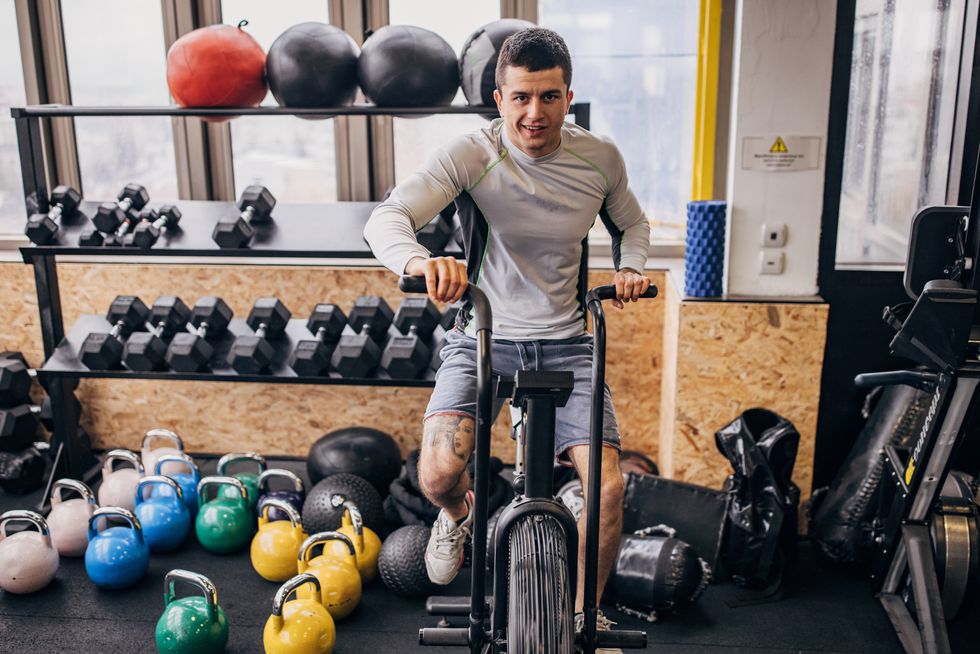
However, the crucial distinction to remember is that lifting weights before cardio is unlikely to significantly elevate your risk of injury. While it might reduce your cardio performance, it doesn’t compromise your safety in the same way that cardio before weights can. Therefore, if you absolutely must combine them into a single session, adhering to the "weights first, then cardio" protocol is generally the safer and more effective strategy for achieving your strength-focused goals.
When to Flip the Script: Exceptions to the Rule
While the "weights first" approach is a solid default for general fitness, there are specific scenarios where adjusting the order can be advantageous, or even necessary.
The Essential Warm-Up
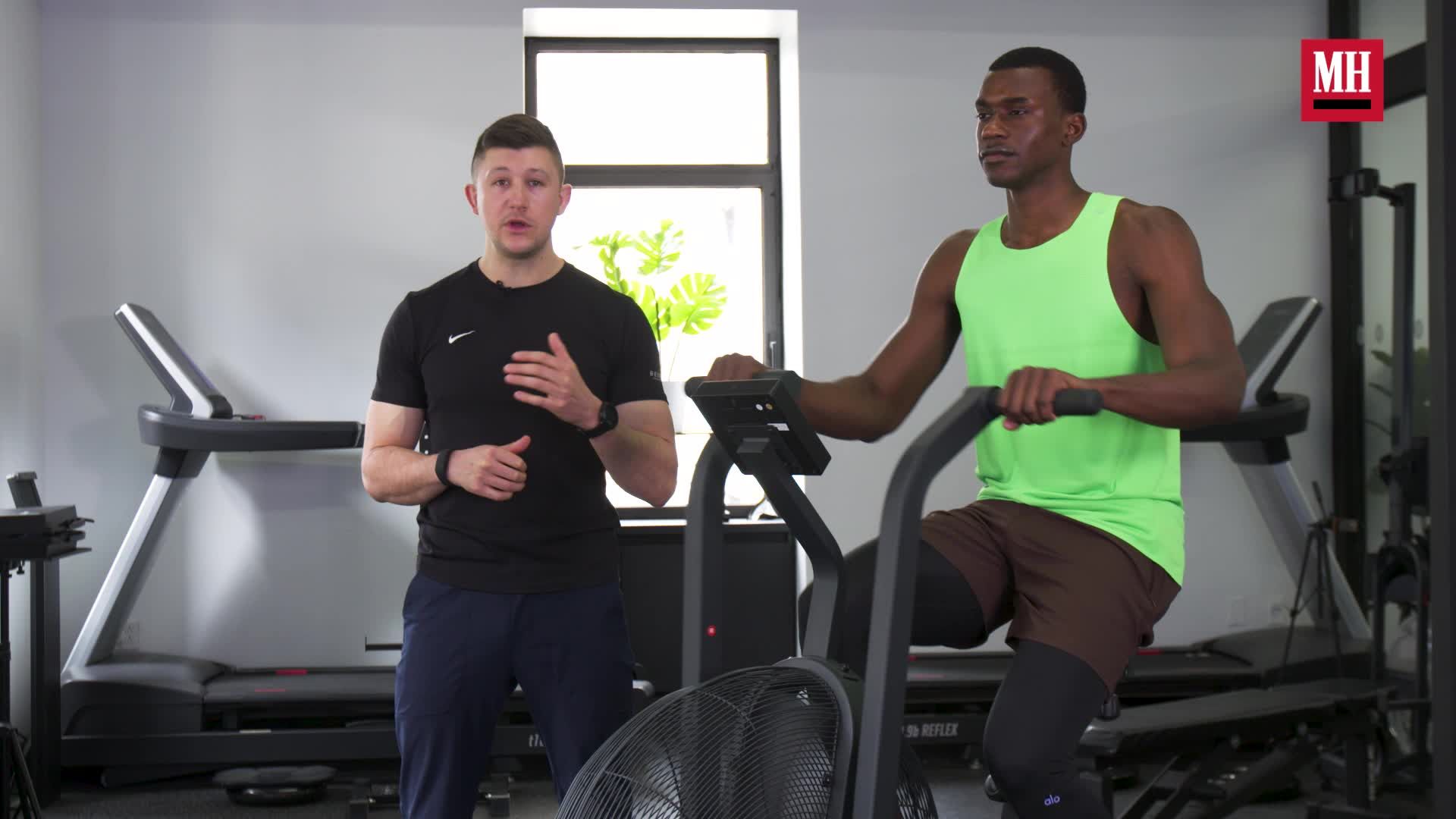
Think of a warm-up as the essential preparation for your body’s engine. Jumping into an intense workout without adequately preparing your muscles is akin to revving a cold engine – you risk strain and compromise optimal performance. A brief period of light cardio is an excellent way to initiate your workout, regardless of whether your primary focus is strength or endurance.
The benefits of a pre-workout cardio warm-up include:
- Increased blood flow: This delivers vital oxygen and nutrients to your working muscles.
- Nervous system activation: It helps to "wake up" your neuromuscular pathways, improving coordination and reaction time.
- Enhanced mental focus: A short cardio burst can help you transition into a focused mindset, preparing you for the demands of the workout ahead.
A light jog, a few minutes on a stationary bike, or some dynamic stretching can effectively serve this purpose, ensuring your body is ready to perform at its best and minimizing the risk of injury. This light cardio is a preparatory phase, distinct from a full-fledged cardio training session.
The Power of HIIT and Circuit Training
For those seeking to maximize efficiency and gain the benefits of both strength and cardiovascular conditioning within a single session, High-Intensity Interval Training (HIIT) and circuit training offer compelling solutions. These modalities are designed to keep your heart rate elevated while simultaneously challenging your muscles.
The core principle behind HIIT and circuit training is to maximize work output and minimize rest periods. This strategic approach allows you to:
- Burn calories efficiently: The elevated heart rate and intense bursts of activity contribute to significant calorie expenditure.
- Boost cardiovascular endurance: The continuous nature of these workouts challenges your aerobic system.
- Stimulate muscle growth and strength: By incorporating compound movements and progressively challenging your muscles, you can still achieve hypertrophy and power development.
Essentially, these methods offer a "best of both worlds" scenario, delivering the metabolic benefits of cardio alongside the muscle-building advantages of strength training.

However, it’s crucial to understand the intensity of these protocols. Because they are so demanding, they should not be performed daily. A general recommendation is to incorporate HIIT or circuit training no more than two to three times per week. This allows your body adequate time to recover and adapt between these intense sessions. On your non-HIIT days, you can focus on lower-intensity cardio or dedicated strength training sessions to ensure balanced development and prevent overtraining.
Practical Workout Strategies for Success
Now that we’ve explored the "why," let’s delve into the "how" with practical strategies to implement these principles into your routine.
For the Strength-Focused Individual:
- Primary Goal: Muscle Gain/Strength Development
- Order: Weight Training First, then Cardio.
- Example Workout:
- Warm-up: 5-10 minutes of light cardio (e.g., brisk walking, cycling) and dynamic stretching.
- Weight Training: Focus on compound movements like squats, deadlifts, bench presses, overhead presses, and rows. Aim for 3-4 sets of 6-12 repetitions for hypertrophy, or 3-5 sets of 3-6 repetitions for strength.
- Cardio: 20-30 minutes of moderate-intensity steady-state cardio (e.g., jogging, elliptical) or 15-20 minutes of HIIT.
- Rationale: This prioritizes your ability to lift heavy and stimulate muscle growth effectively. The subsequent cardio session will still provide cardiovascular benefits without significantly compromising your strength performance.
For the Endurance Athlete:
- Primary Goal: Cardiovascular Performance
- Order: Cardio First, then Weight Training.
- Example Workout:
- Warm-up: 5-10 minutes of light cardio and dynamic stretching.
- Cardio: Focus on your primary endurance activity (e.g., running, swimming, cycling) for your target duration and intensity.
- Weight Training: Lighter weights with higher repetitions (e.g., 2-3 sets of 12-15 repetitions) focusing on functional movements that support your sport. Avoid heavy lifting that could impede recovery for your primary cardio.
- Rationale: This ensures your cardiovascular system is primed and ready for your endurance training. The subsequent weight training is designed to complement your sport and build supporting muscle without causing excessive fatigue that would hinder your primary goal.
For the General Fitness Enthusiast:
- Primary Goal: Balanced Health and Fitness
- Option 1 (Combined Session):
- Order: Weight Training First, then Cardio.
- Example Workout:
- Warm-up: 5-10 minutes of light cardio and dynamic stretching.
- Weight Training: Full-body routine or split routine, focusing on moderate weights and reps (e.g., 3 sets of 8-12 repetitions).
- Cardio: 20-30 minutes of moderate-intensity cardio.
- Option 2 (HIIT/Circuit Training):
- Frequency: 2-3 times per week.
- Example Workout: A structured HIIT or circuit routine that incorporates both strength and cardio elements.
- Other Days: Dedicate to either dedicated strength training or lower-intensity cardio.
- Rationale: This approach offers flexibility and caters to a balanced fitness profile. Prioritizing weights first ensures you get the most out of your strength work, while the subsequent cardio still contributes to heart health. Utilizing HIIT or circuit training on specific days offers an efficient way to combine both benefits.
- Option 1 (Combined Session):
Real-Life Application: Sarah’s Journey
Consider Sarah, a busy professional who wants to build lean muscle and improve her overall fitness. She can only commit to three gym sessions per week.
- Session 1 (Monday): Sarah focuses on her lower body and core. She starts with a 10-minute warm-up on the elliptical, followed by squats, lunges, deadlifts, and planks. She finishes with 25 minutes of jogging at a moderate pace.
- Session 2 (Wednesday): This is her HIIT day. She performs a circuit that includes kettlebell swings, burpees, jump squats, and push-ups with minimal rest between exercises. This session lasts about 30 minutes.
- Session 3 (Friday): Sarah targets her upper body. After a brief warm-up, she performs bench presses, pull-ups, overhead presses, and bicep curls. She concludes with 20 minutes on the rowing machine.
Sarah’s plan effectively balances her goals. By prioritizing weights on strength-focused days and incorporating a dedicated HIIT session, she maximizes her results while allowing for adequate recovery.

The Takeaway: Listen to Your Body and Your Goals
Ultimately, the decision of whether to perform cardio before or after weight training is not a rigid commandment but a strategic choice dictated by your individual circumstances. The overarching principle remains: prioritize the component of your workout that is most critical to your immediate goals and safety.
If strength and muscle gain are paramount, place your weight training at the forefront of your session. If cardiovascular endurance is your primary focus, lead with your cardio. And for those seeking the efficiency of a combined session, consider the dynamic power of HIIT and circuit training, but remember to respect their intensity and allow for adequate recovery.
The most effective fitness plan is one that is sustainable, enjoyable, and aligned with your aspirations. Experiment with different orders, pay close attention to how your body responds, and don’t be afraid to adjust your approach. By understanding the science and applying it intelligently, you can unlock your full potential and build a stronger, healthier, and more resilient you. Your fitness journey is a marathon, not a sprint; approach it with knowledge, intention, and a commitment to continuous improvement.