In an increasingly urbanized world, finding ample space for a dedicated home gym can feel like an insurmountable challenge. Yet, the desire for a robust, effective fitness routine remains universal. Many aspiring fitness enthusiasts find themselves navigating the tight corners of apartments, condos, or shared living spaces, wondering how to achieve comprehensive physical conditioning without sacrificing their entire living area.
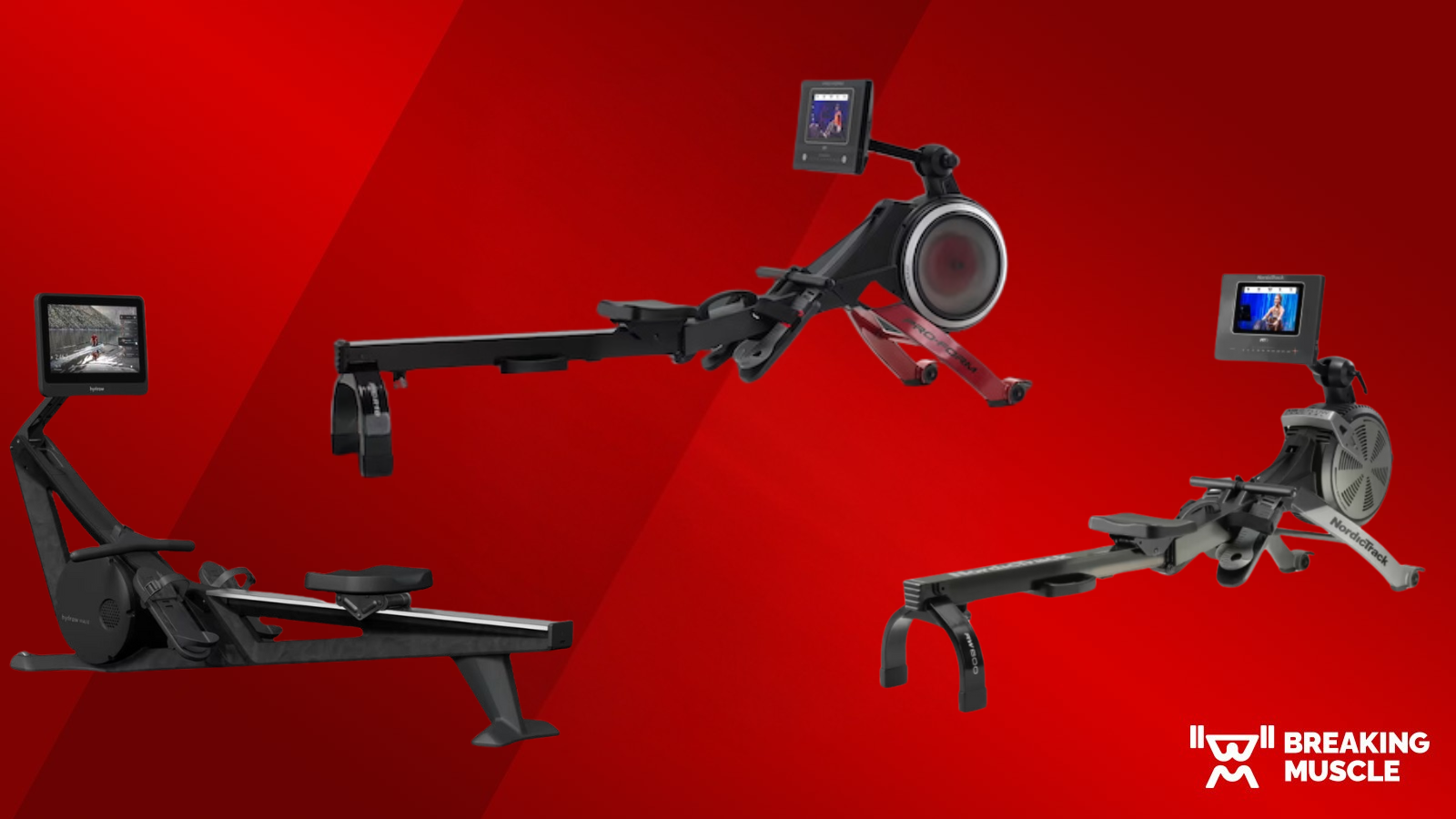
Enter the rowing machine: a true powerhouse of fitness, often overlooked but exceptionally suited for those with spatial constraints. Far from being just another piece of cardio equipment, the rower offers a unique blend of full-body engagement, low-impact mechanics, and incredible versatility, all within a surprisingly compact footprint. It’s a fitness solution that doesn’t demand an expansive layout, yet delivers an unparalleled workout experience.
This definitive guide is designed for beginners to intermediate fitness enthusiasts ready to transform their bodies and minds, regardless of how much room they have. We’ll strip away the complexities and provide you with actionable insights, practical tips, and motivational strategies to harness the full potential of your rowing machine. Prepare to discover how this single piece of equipment can become the cornerstone of a healthier, stronger, and more resilient you, proving that maximizing your fitness doesn’t require maximizing your space.
The Unrivaled Benefits of Embracing the Rower
The rowing machine, or ergometer, is often lauded by fitness professionals for its efficiency and comprehensive benefits. It’s a testament to smart engineering, allowing you to engage a vast majority of your body’s musculature in one fluid, rhythmic motion.
A True Full-Body Engagement
Unlike many other cardio machines that primarily target the lower body, the rowing machine is a master of full-body activation. Each stroke is a symphony of coordinated effort, engaging a remarkable 86% of your body’s muscles.
- Legs (approximately 60% of the work): Your glutes, quadriceps, and hamstrings initiate the powerful drive phase, pushing off the foot stretcher with immense force. This builds significant lower body strength and endurance.
- Core (approximately 20% of the work): Your abdominal muscles, obliques, and lower back act as the crucial link between your upper and lower body. A strong core stabilizes your trunk, transmits power efficiently, and protects your spine.
- Upper Body (approximately 10% of the work): Your lats, rhomboids, trapezius, biceps, and forearms engage during the pull phase, bringing the handle towards your body. While less dominant than the legs, this contribution is vital for posture and upper body strength.
- Shoulders and Triceps: These muscles stabilize the arms during the recovery phase and contribute to the push away from the body.
This extensive muscle recruitment makes rowing an incredibly time-efficient workout, allowing you to achieve more in less time.
Low-Impact, High-Reward
One of the most significant advantages of rowing is its low-impact nature. Because your feet remain strapped to the foot stretchers and your body moves horizontally on a sliding seat, there’s minimal jarring on your joints.
- Joint-Friendly: This makes it an excellent choice for individuals with knee, hip, or ankle concerns, or those recovering from injuries who still need effective cardiovascular conditioning.
- Reduced Stress: Unlike high-impact activities like running or jumping, rowing minimizes the repetitive stress on cartilage and connective tissues, allowing for consistent training with less risk of overuse injuries.
- Accessibility: It’s a suitable exercise for a wide range of ages and fitness levels, from rehabilitation patients to elite athletes.
Cardiovascular Powerhouse
Rowing is an exceptional tool for enhancing cardiovascular health. By engaging so many muscle groups simultaneously, your heart and lungs work harder to deliver oxygenated blood throughout your body.
- Improved Stamina: Regular rowing sessions significantly boost your aerobic capacity, allowing you to sustain physical activity for longer periods without fatigue.
- Heart Health: Consistent cardio training strengthens your heart muscle, improves blood circulation, and helps maintain healthy blood pressure levels.
- Versatile Intensity: Whether you prefer steady-state cardio for endurance or high-intensity interval training (HIIT) for maximum calorie burn and fitness gains, the rower can adapt to your cardiovascular goals.
Strength and Endurance Builder
Beyond its cardiovascular benefits, rowing also serves as an effective strength and endurance builder. The resistance mechanism (air, magnetic, water, or hydraulic) provides a tangible challenge to your muscles.
- Muscular Endurance: Performing multiple strokes over time builds the endurance of your major muscle groups, delaying fatigue and improving your overall work capacity.
- Functional Strength: The movement pattern of rowing mimics real-life actions, enhancing functional strength that translates to everyday activities.
- Adjustable Resistance: Most rowing machines allow you to adjust the resistance level, enabling you to tailor your workout to focus more on power and strength (higher resistance) or speed and endurance (lower resistance). This versatility makes it suitable for progressive overload, a key principle in muscle development.
Mental Fortitude and Stress Relief
Beyond the physical, rowing offers profound mental benefits. The rhythmic, repetitive nature of the stroke can be surprisingly meditative.
- Mind-Body Connection: Focusing on your form, breath, and the smooth flow of the stroke helps quiet external distractions and fosters a stronger mind-body connection.
- Endorphin Release: Like all vigorous exercise, rowing triggers the release of endorphins, natural mood elevators that can reduce stress, alleviate anxiety, and improve overall well-being.
- Goal Setting: Setting and achieving personal goals—whether it’s a new distance record, a faster split time, or simply completing a challenging workout—builds confidence and mental resilience.
Mastering the Stroke: Your Foundation for Effective Rowing
Proper technique is paramount for maximizing the benefits of rowing and preventing injury. Think of the rowing stroke as a dance with four distinct yet seamlessly connected phases. Understanding and mastering each phase is the key to unlocking the rower’s full potential.
The Four Phases of a Perfect Stroke
Visualize your body as a powerful spring, compressing and then exploding with controlled energy.
-
The Catch: This is your starting position, poised for power.
- Position: Sit tall on the seat, leaning slightly forward from your hips. Your shins should be vertical, or very close to it, with your heels slightly lifted if comfortable.
- Arms: Fully extended straight out in front of you, hands gripping the handle with a relaxed, overhand grip, palms down.
- Core: Engaged and braced.
- Focus: Your body should feel compact and ready to uncoil.
- Common Mistake: Rounding your back or collapsing your chest. Maintain a strong, neutral spine.
-
The Drive: This is where the power happens, a sequential explosion of energy.
- Legs First: Initiate the drive by pushing powerfully through your feet, extending your legs. This is the primary force generator.
- Body Swing: As your legs are about halfway through their extension, your torso begins to swing backward from the hips, maintaining a strong core.
- Arm Pull: Once your legs are almost fully extended and your body has swung back slightly, your arms then pull the handle towards your body.
- Sequence: Think "Legs, Body, Arms" – a smooth, continuous acceleration.
- Focus: Generate power from your largest muscle groups (legs) first, then transfer it through your core and finish with your arms.
-
The Finish: This is the culmination of your power, a strong, stable end position.
- Position: Your legs are fully extended, your torso is leaning slightly back (around 10-20 degrees) from the hips, and the handle is drawn to your lower ribs or sternum.
- Shoulders: Relaxed and down, not hunched.
- Wrists: Flat, not bent.
- Focus: Hold this strong position momentarily, feeling the engagement in your core and back.
-
The Recovery: This is the controlled return to the Catch, preparing for the next stroke.
- Arms First: Extend your arms straight out in front of you, pushing the handle away from your body.
- Body Swing: Once your arms are clear of your knees, your torso swings forward from the hips, returning to the slightly forward lean.
- Legs Last: Allow your knees to bend and slide forward on the seat, bringing your shins back to the vertical position.
- Sequence: Think "Arms, Body, Legs" – a controlled, unhurried deceleration.
- Focus: The recovery should take roughly twice as long as the drive. It’s a chance to breathe, reset your posture, and prepare for the next powerful stroke. Avoid rushing forward or collapsing.
Common Form Mistakes to Avoid
Even experienced rowers can fall into bad habits. Being aware of these common pitfalls can significantly improve your form and prevent injury.
- "Arm Pulling" vs. "Leg Drive": The most frequent mistake is relying too heavily on your arms and back, neglecting the powerful leg drive. Remember: Legs (60%) > Core (20%) > Arms (10%).
- Hunching or Rounding the Back: This puts undue stress on your spine. Always maintain a strong, neutral back throughout the stroke, engaging your core to support your posture.
- "Scooping" or "Shooting the Slide": This occurs when you extend your legs too quickly at the start of the drive, causing your body to shoot backward before your arms and body have a chance to engage. This disconnects the power chain.
- Lack of Core Engagement: A weak core leads to a "soft" middle, diminishing power transfer and increasing strain on your back. Keep your core braced as if preparing for a punch.
- Slamming Forward/Back: The recovery should be controlled and smooth. Avoid crashing forward at the catch or violently throwing your body back at the finish.
Ergonomics and Adjustments for Your Body
Your rowing machine should fit you. A few simple adjustments can make a world of difference in comfort and performance.
- Foot Straps: Ensure your feet are securely fastened. The strap should cross the widest part of your foot (just below your toes). This allows you to drive powerfully through your heels and balls of your feet. Snug, but not so tight it restricts blood flow.
- Foot Stretcher Position: Most rowers allow you to adjust the height of the foot stretchers. Experiment to find a position where your shins can be vertical at the catch without your heels lifting excessively or feeling compressed.
- Handle Grip: Hold the handle with a relaxed, overhand grip. Avoid a death grip, which can lead to forearm fatigue. Your fingers should curl naturally around the handle.
- Seat Comfort: While seats are often firm, proper form and core engagement will distribute your weight effectively. Consider a padded seat cover if you experience discomfort, but first focus on maintaining good posture.
Crafting Your Space-Savvy Rowing Regimen
One of the greatest appeals of a rowing machine for home use is its ability to deliver a comprehensive workout without demanding an entire room. With thoughtful planning, you can integrate rowing into even the most compact living situations.
Setting Up Your Home Rowing Zone
Before you even think about your first stroke, assess your space.
- Measure Your Area: Don’t just estimate. Measure the length, width, and height of your chosen workout spot. Rowing machines typically range from 6 to 9 feet in length during operation.
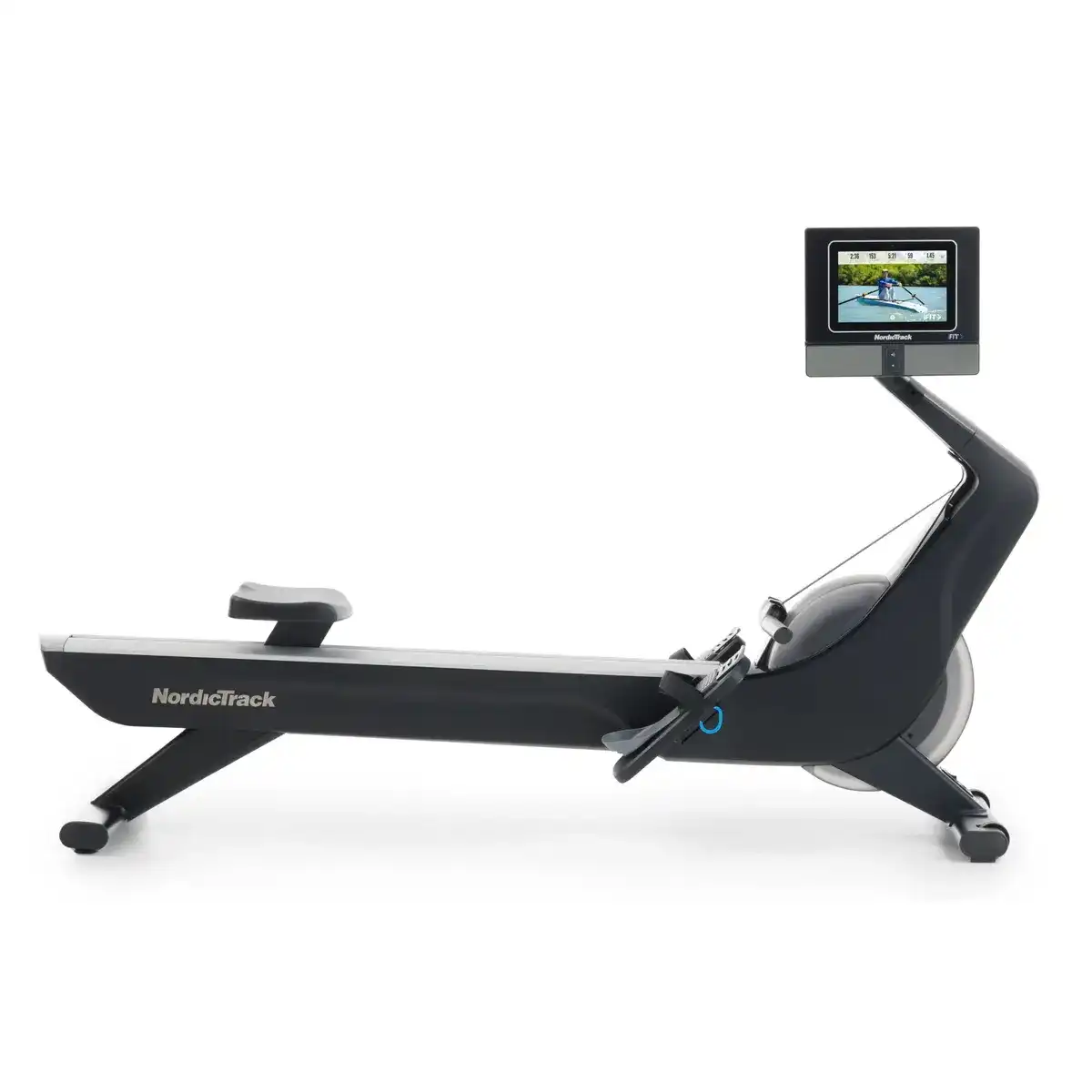
- Consider Storage: Many compact rowers are designed to fold or stand upright. If you plan to store it vertically, measure the height of your ceiling to ensure clearance. Think about how easy it is to move and secure when stored.
- Surface: Place your rower on a stable, flat surface. A mat can protect your flooring, absorb some sound, and provide extra stability.
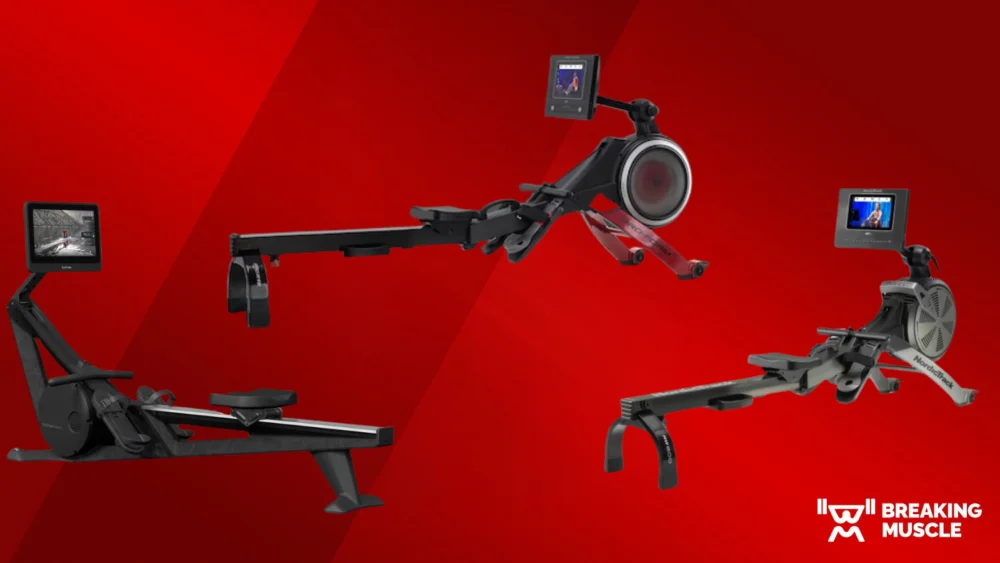
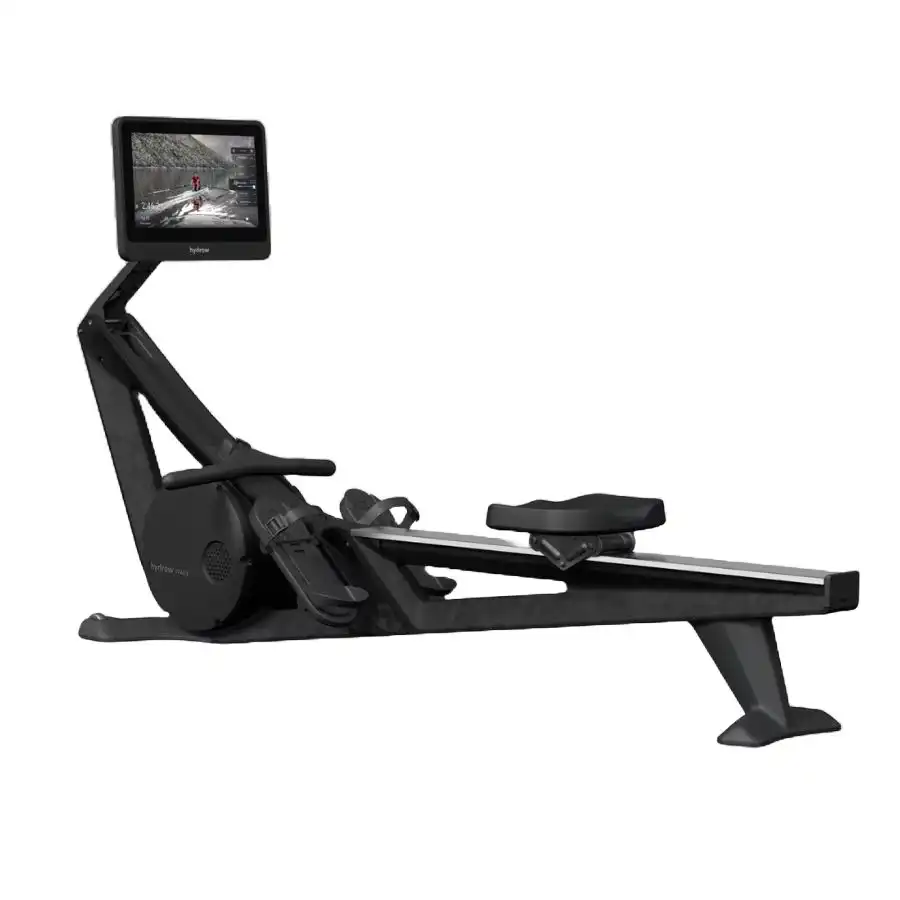
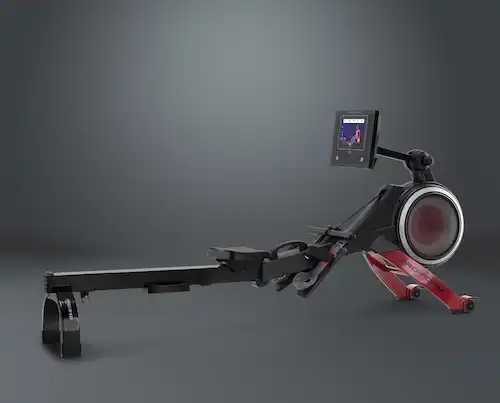
- Noise Levels: Be mindful of the type of resistance system. Air rowers can be noisier (a whooshing sound), while magnetic resistance systems are generally quieter. This is a crucial consideration for shared walls or early morning workouts.
Essential Workout Structures for Beginners
Starting with rowing should be about building a solid foundation of form and endurance. Consistency is more important than intensity initially.
- Warm-up (5-10 minutes):
- Begin with light, easy rowing at a low resistance, focusing purely on smooth, correct form.
- Include some dynamic stretches off the rower: arm circles, leg swings, torso twists.
- Main Set: Steady-State Cardio (20-30 minutes):
- Row at a moderate, consistent intensity. You should be able to hold a conversation, but not sing.
- Focus on maintaining your stroke rate (strokes per minute, usually displayed on the monitor) between 20-26 SPM.
- This builds aerobic endurance and reinforces good technique.
- Main Set: Basic Interval Training (20-25 minutes total):
- After a warm-up, try alternating periods of higher intensity with recovery.
- Example: Row hard for 1 minute, then row easy for 2 minutes. Repeat 5-8 times.
- This boosts cardiovascular fitness and helps you learn to push yourself.
- Cool-down (5 minutes):
- Finish with very light, easy rowing, gradually decreasing your stroke rate.
- Follow with static stretches off the rower, holding each stretch for 20-30 seconds (hamstrings, quads, back, chest, shoulders).
Elevating Your Training: Intermediate Strategies
Once you’re comfortable with basic technique and can sustain steady-state rowing for 30 minutes, it’s time to introduce new challenges to continue progressing.
- Progressive Overload: The fundamental principle of fitness. To get stronger and fitter, you must continually challenge your body.
- Increase Duration: Extend your steady-state rows to 40-60 minutes.
- Increase Intensity: Push harder during your work intervals, aiming for a higher stroke rate or more power per stroke.
- Increase Resistance: Gradually increase the damper setting or resistance level on your machine to make each stroke more challenging.
- Advanced Interval Training: Play with different work-to-rest ratios and structures.
- Shorter, More Intense Work: E.g., 30 seconds max effort, 90 seconds easy, repeat 10-15 times.
- Pyramids: Start with a short work interval, increase, then decrease (e.g., 1 min hard, 2 min hard, 3 min hard, 2 min hard, 1 min hard, with easy rowing between).
- Varied Resistance Intervals: Alternate between high resistance/low stroke rate for strength and low resistance/high stroke rate for speed.
- Longer Endurance Pieces: Occasionally challenge yourself with a longer, sustained effort (e.g., 5k or 10k distance row) to build mental toughness and deep aerobic capacity.
- Cross-Training Integration: Rowing is an excellent complement to other forms of exercise.
- Strength Training: Combine rowing with bodyweight exercises, resistance bands, or dumbbells to build balanced strength.
- Flexibility & Mobility: Incorporate yoga or Pilates to improve your range of motion and prevent stiffness.
- Active Recovery: Use light rowing on rest days to promote blood flow and aid muscle recovery.
Beyond the Rower: Maximizing Your Space and Time
Your rowing machine doesn’t have to be the only thing you do, even in a small space. It can be a central hub for a more diverse routine.
- Off-Rower Bodyweight Exercises: Utilize the space around your rower for exercises that complement your rowing.
- Core: Planks, Russian twists, leg raises.
- Lower Body: Squats, lunges, glute bridges.
- Upper Body: Push-ups (against the floor or an elevated surface), triceps dips (using a sturdy chair).
- Utilizing Guided Programs: Many fitness apps offer structured rowing workouts, guided sessions, or virtual scenic rows that can add variety and coaching to your routine. These programs often adjust resistance automatically or provide visual cues, making it easier to stay engaged and challenged.
- Micro-Workouts: If time is truly limited, remember that even 10-15 minute bursts of intense rowing can be beneficial. A quick warm-up, 5-8 minutes of hard intervals, and a brief cool-down can make a difference on busy days.
Overcoming Challenges and Staying Motivated
Even with the best intentions, maintaining a consistent fitness routine can be challenging. Here’s how to navigate common hurdles and keep your rowing journey on track.
The Time Crunch Solution
Life is busy, but even small pockets of time can be leveraged for significant gains.
- Embrace Shorter Workouts: Don’t let the idea that you need an hour to work out deter you. A 15-20 minute intense rowing session can be incredibly effective for cardiovascular health and calorie burn.
- Break It Up: If a single long session isn’t feasible, consider breaking your workout into two shorter segments. For example, a 15-minute row in the morning and another 15 minutes in the evening.
- Schedule It: Treat your workout like any other important appointment. Put it in your calendar and commit to it.
Battling Boredom
Repetitive exercises can sometimes feel monotonous. Variety is key to long-term engagement.
- Vary Your Workouts: Don’t do the same routine every day. Alternate between steady-state, HIIT, long-distance rows, and technique-focused sessions.
- Engage Your Senses: Listen to your favorite music, a compelling podcast, or an audiobook. Many rowers and fitness apps offer virtual scenic rows that transport you to different landscapes.
- Set New Goals: Constantly challenge yourself. Aim for a faster 2k time, a longer continuous row, or a higher average power output. Small, achievable goals keep you focused and motivated.
- Join a Community: If available, participating in online rowing challenges or virtual groups can provide accountability and a sense of camaraderie.
Tracking Your Progress
Seeing how far you’ve come is a powerful motivator.
- Utilize Your Rower’s Display: Most rowing machines provide key metrics like distance, time, stroke rate (SPM), split time (time per 500 meters), and calories burned. Understand these metrics and use them to track your performance.
- Keep a Fitness Journal: A simple notebook or a dedicated fitness app can help you log your workouts, note your feelings, and track your improvements over time.
- Celebrate Milestones: Acknowledging your achievements, no matter how small, reinforces positive behavior. Did you row a new personal best distance? Did you hit a specific split time? Give yourself credit!
- Take Progress Photos: While not directly related to rowing performance, seeing physical changes can be a huge boost to motivation.
Listening to Your Body and Preventing Overtraining
Consistency is crucial, but so is smart training. Pushing too hard, too often, can lead to burnout or injury.
- Prioritize Rest and Recovery: Your muscles grow and adapt during rest. Ensure you’re getting adequate sleep and incorporate rest days into your routine. Active recovery (light stretching, walking, or very easy rowing) can also be beneficial.
- Proper Nutrition and Hydration: Fuel your body with nutrient-dense foods to support your energy levels and recovery. Stay well-hydrated before, during, and after your workouts.
- Recognize Warning Signs: Pay attention to persistent fatigue, muscle soreness that doesn’t resolve, decreased performance, irritability, or new aches and pains. These can be signs of overtraining or impending injury. Don’t be afraid to take an extra rest day or reduce your intensity.
- Seek Guidance: If you’re unsure about your form or experiencing persistent pain, consult a fitness professional or physical therapist.
Real-Life Impact: Stories of Transformation
The true power of the rowing machine lies in its ability to facilitate profound personal transformations. Here are examples of how individuals have embraced rowing to achieve their fitness goals, even in challenging circumstances.
Sarah’s Small Apartment Triumph
Sarah, a marketing professional living in a compact studio apartment, struggled to find a workout routine that didn’t involve an expensive gym membership or sacrificing her living room. After researching options, she invested in a compact rowing machine that folded upright.
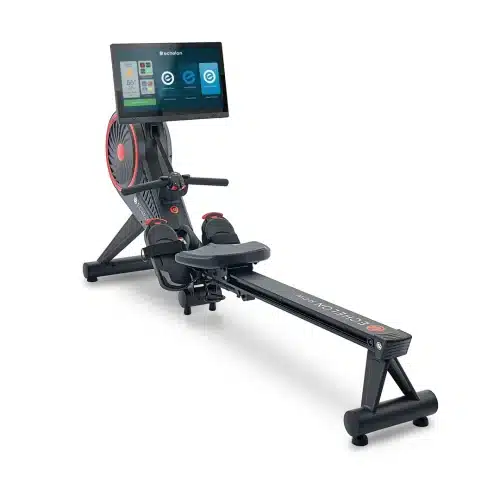
- Actionable Advice: Sarah committed to 30-minute rowing sessions, five times a week. She dedicated a small corner of her apartment, which she cleared each morning. By focusing on consistent, moderate-intensity rows, she improved her cardiovascular fitness and felt stronger overall.
- Real-Life Example: "My rower fits perfectly in the corner. I just unfold it, get my workout in, and then stand it up against the wall. It’s truly a full-body workout that’s made me feel so much more energetic, and I haven’t had to sacrifice any precious space!" she shares.
Mark’s Journey to Joint-Friendly Fitness
Mark, a father of two, had always been active but found that running and high-impact sports were taking a toll on his knees. He needed a low-impact solution that still offered a challenging workout.
- Actionable Advice: Mark started with short, controlled rowing sessions, emphasizing perfect form to protect his joints. He gradually increased his duration and incorporated interval training as his technique improved. The rower’s low-impact nature allowed him to push his limits without discomfort.
- Real-Life Example: "My knees used to ache constantly after a run. With rowing, I get a fantastic cardio workout, feel my whole body engaged, but without any pain. It’s been a game-changer for staying active and keeping up with my kids," Mark explains.
Emily’s Time-Efficient Power-Up
Emily, a busy entrepreneur, found it difficult to carve out large blocks of time for exercise. She needed something quick, effective, and accessible from her home office.
- Actionable Advice: Emily discovered the power of high-intensity interval training (HIIT) on her rower. Three times a week, she’d perform a 20-minute workout consisting of a 5-minute warm-up, 10 minutes of alternating 1-minute intense rows with 1-minute easy recovery, and a 5-minute cool-down.
- Real-Life Example: "I used to think I needed an hour to get a good workout. Now, I can hop on the rower for 20 minutes, get my heart rate soaring, and feel completely energized. It’s perfect for my crazy schedule and has significantly boosted my stamina for work and life," says Emily.
Conclusion
The rowing machine is far more than just a piece of fitness equipment; it’s a powerful ally in your quest for a healthier, stronger, and more resilient self. For those navigating the realities of limited space, it stands out as an exceptionally efficient and comprehensive solution. Its ability to engage nearly every major muscle group, deliver potent cardiovascular benefits, and build both strength and endurance, all while remaining gentle on your joints, makes it an indispensable tool for beginners and intermediate enthusiasts alike.
Your fitness journey is uniquely yours, and with a rowing machine, you have the potential to unlock incredible transformations. Embrace the challenge of mastering your stroke, consistently push your boundaries, and listen attentively to your body’s wisdom. Whether you’re aiming to boost your stamina, build functional strength, or simply find a mindful escape from daily stresses, the rower offers a path to achieving those goals.
No matter the size of your world, your commitment to your well-being can flourish. Step onto the rower, embrace the rhythm, and pull your way towards a stronger, healthier, and more empowered you. Your space-savvy strength journey starts now.