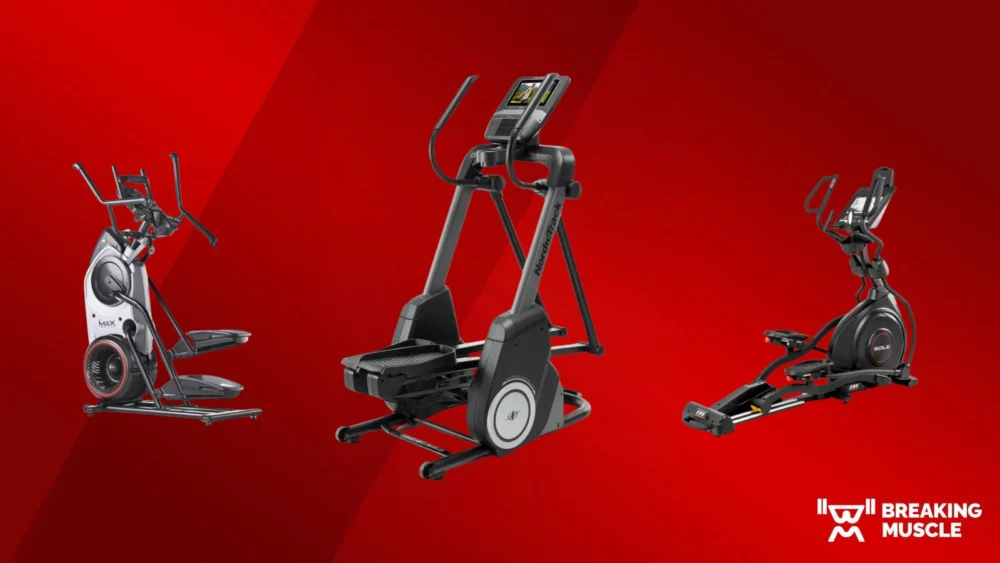
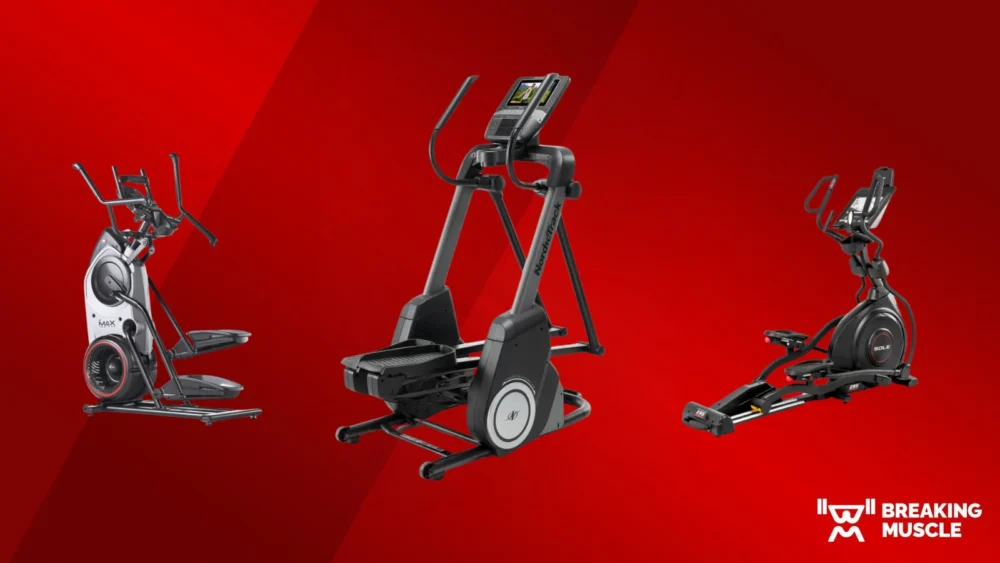
In the dynamic world of fitness, where high-impact trends often dominate, there’s a powerful and often underestimated ally for cardiovascular health and overall well-being: the elliptical machine. Far more than just a piece of gym equipment, the elliptical offers a unique blend of low-impact movement, full-body engagement, and incredible versatility, making it an ideal choice for everyone from fitness novices taking their first steps, to seasoned athletes seeking recovery or cross-training.
If you’re looking for an effective way to boost your stamina, strengthen your muscles, and enhance your fitness journey without placing undue stress on your joints, the elliptical cross-trainer might just be your perfect partner. This comprehensive guide will delve into the profound benefits of elliptical workouts, equip you with the knowledge to maximize your sessions, and help you understand what makes a great machine, ensuring you can confidently glide your way to greater health.
The Elliptical Advantage: Why This Machine Deserves Your Attention
The elliptical stands out in a crowded field of cardio equipment for several compelling reasons. Its unique design allows for a movement pattern that closely mimics running or walking, but without the harsh impact.
Low-Impact, High-Reward: Protecting Your Joints
One of the most significant benefits of elliptical training is its low-impact nature. Unlike running on a treadmill or pavement, where each foot strike sends a jolt through your ankles, knees, and hips, the elliptical keeps your feet in continuous contact with the pedals. This smooth, gliding motion drastically reduces stress on your joints, making it an excellent option for:
- Individuals with joint pain or conditions: If you suffer from arthritis, previous injuries, or simply find high-impact activities uncomfortable, the elliptical provides a gentle yet effective way to get your heart rate up.
- Recovery and rehabilitation: Athletes recovering from injuries can use the elliptical to maintain cardiovascular fitness without aggravating their condition.
- Long-term joint health: Even without existing issues, opting for low-impact cardio can contribute to the longevity and health of your joints over years of training.
You get all the cardiovascular benefits—improved heart health, increased endurance, and efficient calorie burn—without the wear and tear. It’s truly a high-reward activity with minimal risk of impact-related strain.
A Full-Body Symphony: Engaging More Than Just Legs
While many cardio machines primarily focus on the lower body, the elliptical shines by offering a truly comprehensive workout that engages muscles from head to toe.
- Lower Body Power: Your glutes, quadriceps, hamstrings, and calves are all actively engaged as you pedal, driving the motion and building strength.
- Upper Body Drive: The moving handlebars are not just for balance; they allow you to push and pull, activating your chest, back, shoulders, and arms. This dual action distributes the workload, making the exercise feel less strenuous on any single muscle group.
- Core Stability: To maintain balance and a stable posture throughout the movement, your core muscles (abdominals and lower back) are constantly working. This subtle, continuous engagement helps to strengthen your core, which is fundamental for overall stability and preventing injury.
This synchronized, full-body engagement means you’re burning more calories and working more muscle groups simultaneously than with many other cardio modalities. It’s an efficient use of your workout time, delivering more bang for your buck.
Calorie Burn and Cardiovascular Health: Fueling Your Engine
Elliptical workouts are incredibly effective for calorie expenditure and bolstering your cardiovascular system.
- Efficient Calorie Burn: Because it engages both your upper and lower body, an elliptical workout can lead to a significant calorie burn. The actual number depends on factors like your weight, intensity, resistance, and duration, but it’s comparable to, and often exceeds, that of cycling or even moderate running for many individuals. This makes it an excellent tool for weight management and body composition goals.
- Boosted Endurance: Regular elliptical training strengthens your heart and lungs, improving their efficiency in delivering oxygen to your working muscles. This translates to increased stamina in daily activities and better performance in other forms of exercise.
- Heart Health: Consistent cardio exercise, like that provided by an elliptical, lowers blood pressure, reduces LDL (bad) cholesterol, and improves overall cardiovascular health, significantly reducing the risk of heart disease.
By allowing you to control resistance and incline, the elliptical enables you to tailor the intensity to meet your specific cardiovascular goals, whether you’re aiming for a gentle, steady pace or a challenging, high-intensity interval session.
Versatility for Every Goal: From Gentle Movement to HIIT
One of the elliptical’s greatest strengths is its adaptability. It can be whatever you need it to be on any given day.
- Beginner-Friendly: For those new to exercise, the elliptical offers a safe and intuitive starting point. The supported motion reduces coordination demands compared to running, and the low impact minimizes intimidation. You can start with low resistance and a comfortable pace, gradually building your fitness.
- Intermediate Progression: As your fitness improves, you can easily increase the challenge by adjusting resistance levels, incorporating incline (if available), and extending your workout duration.
- Advanced Training: Even advanced users can find a challenge. High-intensity interval training (HIIT) on an elliptical can push your limits, while steady-state workouts can serve as active recovery or endurance building. Athletes often use ellipticals for cross-training to work different muscle groups or reduce impact during heavy training cycles.
No matter where you are on your fitness journey, the elliptical can meet you there and help you progress.
Getting Started: Your First Steps Towards Elliptical Mastery
Stepping onto an elliptical for the first time might feel a little awkward, but with a few simple guidelines, you’ll quickly find your rhythm and make the most of your workouts.
Proper Form: The Foundation of an Effective Workout
Good form is paramount for maximizing effectiveness and preventing discomfort or injury.
- Maintain an Upright Posture: Stand tall with your shoulders relaxed and pulled slightly back, and your chest open. Avoid hunching over the console or leaning heavily on the handlebars. Imagine a string pulling your head towards the ceiling.
- Engage Your Core: Throughout your workout, gently brace your abdominal muscles. This helps stabilize your torso, protects your lower back, and enhances the full-body aspect of the exercise.
- Foot Placement: Place your entire foot firmly on the pedal. While some machines allow for slight adjustments, ensure your heels don’t lift excessively, especially at the bottom of the stride. Keep your knees tracking in line with your toes; avoid letting them splay outward or collapse inward.
- Arm Movement: The handlebars are there to engage your upper body. Push and pull them in a controlled, rhythmic motion that syncs with your leg movements. If your right leg is moving forward, your right arm should be pushing forward (and vice-versa).
- Avoid Gripping Too Tightly: A death grip on the handlebars can lead to shoulder and neck tension. Hold them firmly enough to engage your upper body, but don’t white-knuckle it. Let your legs do the primary work of propelling the pedals.
Focus on smooth, controlled movements rather than jerky, fast ones, especially when starting out.
Warming Up and Cooling Down: Essential Rituals
Never skip these crucial phases of your workout. They prepare your body for exercise and aid in recovery.
- Warm-Up (5-10 minutes):
- Begin with a very light pace and low resistance on the elliptical. This increases blood flow to your muscles and gradually elevates your heart rate.
- Incorporate dynamic stretches like arm circles, leg swings, and torso twists before getting on the machine to further prepare your body for movement.
- Cool-Down (5-10 minutes):
- Gradually decrease your speed and resistance on the elliptical. Allow your heart rate to slowly return to a near-resting state.
- Follow with static stretches, holding each stretch for 20-30 seconds. Focus on the major muscle groups you’ve worked: hamstrings, quadriceps, glutes, calves, chest, and back. Stretching during the cool-down helps improve flexibility and reduce muscle soreness.
These rituals are not just add-ons; they are integral parts of a safe and effective workout session.
Understanding Your Machine: Key Features and Controls
Even if you’re using a machine at a gym or a basic home model, understanding its functions will empower your workout.
- Resistance: This is arguably the most important control. It dictates how hard you have to work to move the pedals. Start with a low resistance and gradually increase it as your endurance and strength improve. Higher resistance challenges your muscles more directly.
- Incline (if applicable): Some ellipticals allow you to adjust the incline of the ramp. Increasing the incline changes the angle of your stride, often targeting your glutes and hamstrings more intensely, mimicking climbing a hill. Experiment with different inclines to vary your muscle engagement.
- Console Metrics: Familiarize yourself with the display. Common metrics include:
- Time: Duration of your workout.
- Distance: How far you’ve "traveled."
- Speed: Your current pace.
- RPM (Revolutions Per Minute): How fast your pedals are turning.
- Calories Burned: An estimate of energy expenditure.
- Heart Rate: Often measured by hand-grip sensors or compatibility with chest straps, crucial for training in specific zones.
Don’t be afraid to experiment with these controls during your warm-up to find what feels right for you. Over time, you’ll learn how to manipulate them to achieve specific workout goals.
Elevating Your Elliptical Experience: Workout Strategies for Progress
Once you’re comfortable with the basics, it’s time to explore different workout strategies to keep your body challenged and your motivation high.
Steady-State Cardio: Building Your Endurance Base
This is the classic approach to cardio, excellent for beginners and for building a strong aerobic foundation.
- What it is: Maintaining a consistent, moderate intensity for a prolonged period. You should be able to hold a conversation, but with some effort. This is often referred to as training in your "aerobic zone."
- Benefits: Improves cardiovascular endurance, burns fat efficiently (as your body uses a higher percentage of fat for fuel at lower intensities), and builds mental stamina.
- Example Workout:
- Warm-up: 5 minutes at low resistance and comfortable pace.
- Workout: 20-45 minutes at a steady, moderate intensity. Adjust resistance or incline slightly if you feel your heart rate dropping or rising too much. Aim for an RPM between 60-80.
- Cool-down: 5 minutes gradually decreasing resistance and speed.
Consistency with steady-state cardio will significantly boost your overall fitness level.
Interval Training (HIIT/LISS): Boosting Intensity and Efficiency
Interval training involves alternating periods of high-intensity effort with periods of lower-intensity recovery. It’s a fantastic way to improve cardiovascular fitness, burn more calories in less time, and challenge your body in new ways.
- High-Intensity Interval Training (HIIT):
- What it is: Short bursts of maximum or near-maximum effort followed by brief recovery periods.
- Benefits: Excellent for improving anaerobic fitness, boosting metabolism, and burning a significant number of calories post-workout (EPOC or "afterburn" effect).
- Example Workout:
- Warm-up: 5 minutes (low resistance, moderate pace).
- Work Interval: 30-60 seconds at a very high intensity (high resistance, fast pace – you should be breathless).
- Recovery Interval: 60-120 seconds at a low intensity (very low resistance, slow pace – catching your breath).
- Repeat: 5-10 rounds.
- Cool-down: 5 minutes.
- Actionable Tip: During your work interval, aim for an RPM of 90+ and resistance that makes it challenging to maintain that speed. During recovery, drop your RPM to 40-50 and lower the resistance significantly.
- Low-Intensity Steady State (LISS) with Intervals:
- What it is: Longer periods of moderate intensity, occasionally punctuated by slightly higher intensity bursts. Less extreme than HIIT.
- Benefits: Good for endurance, calorie burn, and can be easier on the body than strict HIIT.
- Example Workout:
- Warm-up: 5 minutes.
- Workout: 30-40 minutes, mostly at a moderate pace, but every 5 minutes, increase resistance for 2 minutes, then return to moderate.
- Cool-down: 5 minutes.
Incorporating Resistance and Incline: Sculpting and Strengthening
Don’t just stick to one setting. Actively manipulating resistance and incline can dramatically change your workout.
- Resistance:
- Increase for Strength: Higher resistance levels make your muscles work harder against the flywheel, building strength in your quads, hamstrings, and glutes. It also makes your upper body push/pull harder.
- Lower for Speed/Endurance: Lower resistance allows for faster pedaling, improving speed and cardiovascular endurance.
- Incline (if available):
- Target Glutes/Hamstrings: A higher incline mimics hill climbing, shifting the emphasis more onto your glutes and hamstrings. This is excellent for sculpting and strengthening the posterior chain.
- Vary Muscle Activation: By regularly changing the incline, you ensure a broader range of muscle fibers are recruited, preventing your body from adapting too quickly and plateauing.
A practical tip: Integrate "hill climbs" into your routine by increasing the incline and resistance for 3-5 minutes, then lowering both for a recovery period.
Reverse Pedaling: A New Challenge for Different Muscles
Most people only pedal forward, but reversing the motion offers unique benefits.
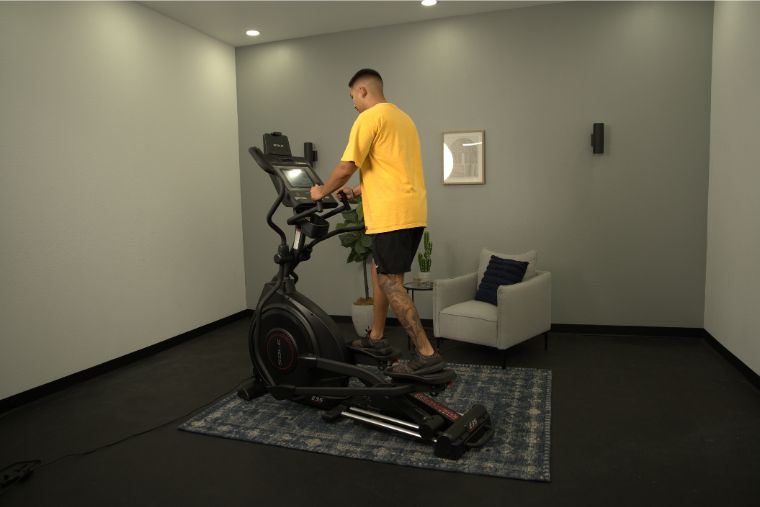
- Targets Different Muscles: Pedaling backward emphasizes your hamstrings and calves more, while also engaging your quadriceps in a different way. It also provides a novel challenge to your coordination and balance.
- Breaks Monotony: If your workouts are feeling stale, simply reversing direction can make the session feel fresh and engaging.
Try incorporating 2-3 minutes of reverse pedaling every 10 minutes of your workout, or dedicate an entire segment to it. Ensure your form remains stable and controlled.
Beyond the Basics: Advanced Tips for Elliptical Enthusiasts
As you become more comfortable and fitter, these tips can help you push your boundaries further.
Mind-Muscle Connection: Maximizing Every Stride
Don’t just go through the motions. Be present and feel your muscles working.
- Intentional Engagement: As your foot pushes down, actively think about squeezing your glutes and quads. When pulling the handlebars, feel your back and biceps engage. This conscious connection enhances muscle activation and makes your workout more effective.
- Focus on Posture: Continuously check in with your form throughout the workout. Are your shoulders still relaxed? Is your core engaged? Minor adjustments can make a big difference in the quality of your exercise.
Varying Your Routine: Avoiding Plateaus
Your body is incredibly adaptable. To continue seeing results, you need to continually challenge it in new ways.
- Change Your Workout Type: Don’t do the same 30-minute steady-state workout every day. Alternate between steady-state, HIIT, and incline-focused sessions.
- Adjust Duration and Intensity: One day, go for a longer, less intense session. The next, shorten the duration but dramatically increase the intensity.
- Explore Programs: Many ellipticals come with pre-set programs designed to vary resistance and incline automatically. These are excellent for introducing variety and pushing you out of your comfort zone.
By keeping your body guessing, you ensure it continues to adapt, grow stronger, and improve endurance.
Listening to Your Body: Preventing Overtraining and Injury
While pushing yourself is important, recognizing your body’s signals is even more crucial.
- Distinguish Pain from Discomfort: Muscle fatigue and a burning sensation are normal and indicate you’re working hard. Sharp, localized pain, especially in joints, is a red flag. Stop immediately if you feel sharp pain.
- Prioritize Rest and Recovery: Overtraining can lead to fatigue, decreased performance, and increased injury risk. Incorporate rest days into your weekly routine. Active recovery (light movement) on rest days can also be beneficial.
- Adequate Nutrition and Hydration: Fuel your body with nutrient-dense foods and stay well-hydrated, especially around your workouts. These are fundamental for muscle repair, energy, and overall health.
Remember, fitness is a marathon, not a sprint. Consistency and mindful training will yield the best long-term results.
Choosing Your Perfect Elliptical: A Feature-Focused Guide
Bringing an elliptical into your home is an investment in your health. Instead of focusing on specific brands, consider these key features to ensure the machine meets your needs and provides a comfortable, effective workout experience.
Flywheel Weight and Drive System: Smoothness and Stability
The heart of an elliptical is its flywheel and drive system.
- Flywheel Weight: Generally, a heavier flywheel (20 lbs or more) provides a smoother, more fluid motion. It creates greater momentum, reducing jerky movements and offering a more comfortable, natural stride, especially at higher resistance levels. Lighter flywheels can feel choppier.
- Drive System:
- Front-Drive: The flywheel is at the front of the machine. These often have a slightly inclined motion, sometimes described as a "climbing" feel. They can be more compact.
- Rear-Drive: The flywheel is at the back. These typically offer a flatter, more "running-like" stride. They are often larger but can be very stable.
- Center-Drive: The flywheel is located in the middle, creating a very compact footprint and a balanced feel.
Consider which type of stride feels most natural and comfortable for your body.
Stride Length: Comfort and Ergonomics
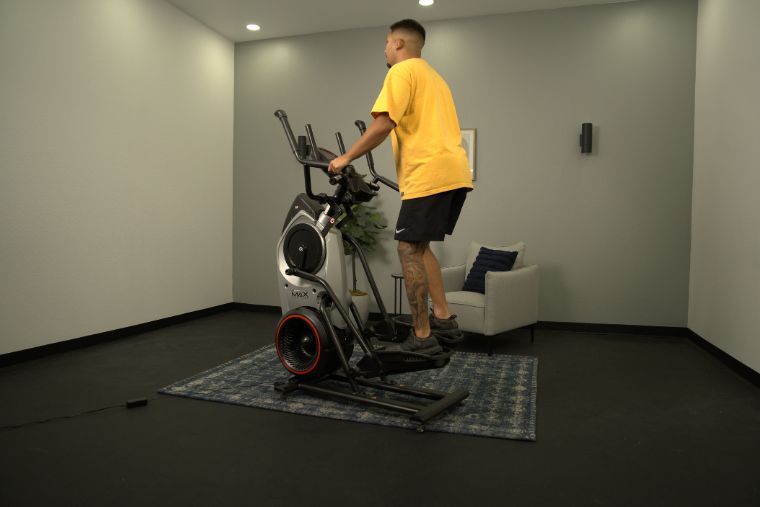
The stride length is the distance your feet travel with each elliptical cycle. It’s crucial for comfort and replicating a natural walking or running motion.
- Importance of Fit: A stride length that’s too short can feel choppy and unnatural, like marching in place. One that’s too long can feel like overstretching.
- General Guidelines: Most adults find a stride length of 18-20 inches comfortable. Taller individuals (6 feet and over) may prefer 20-22 inches or even adjustable stride lengths to accommodate their longer legs. Shorter individuals might be comfortable with 16-18 inches.
- Adjustable Stride: Some premium ellipticals offer adjustable stride lengths, allowing multiple users of different heights to find their ideal fit, or for a single user to vary their workout by changing the stride.
Test different stride lengths if possible to find what feels right for your body.
Resistance Levels and Incline Options: Versatility and Challenge
These features determine the range of workout intensities available to you.
- Resistance: Look for a machine with a broad range of resistance levels (typically 10-20+). Magnetic resistance systems are generally preferred for their quiet operation, smoothness, and durability compared to older friction-based systems. More levels mean finer control over your workout intensity and greater room for progression.
- Incline: If varying muscle engagement and mimicking hill climbs is important to you, seek out an elliptical with adjustable incline. The ability to change the ramp angle adds significant versatility to your training.
Console and Connectivity: Tracking and Motivation
Modern ellipticals offer a host of technological features to enhance your experience.
- Display: A clear, easy-to-read display showing key metrics (time, distance, speed, calories, heart rate) is essential. Backlit displays are a plus for low-light environments.
- Pre-set Programs: Machines often come with a variety of pre-programmed workouts (e.g., hill climbs, interval training, fat burn). These can keep your workouts engaging and prevent boredom.
- Heart Rate Monitoring: Hand-grip sensors are common, but for more accurate and consistent readings, look for compatibility with wireless chest strap monitors.
- Connectivity: Many machines offer Bluetooth connectivity for syncing with fitness apps, tracking your progress, or connecting to virtual training platforms. Tablet holders and USB charging ports are convenient additions.
Decide which tech features are "must-haves" for your motivation and tracking preferences.
Footprint and Portability: Space Considerations
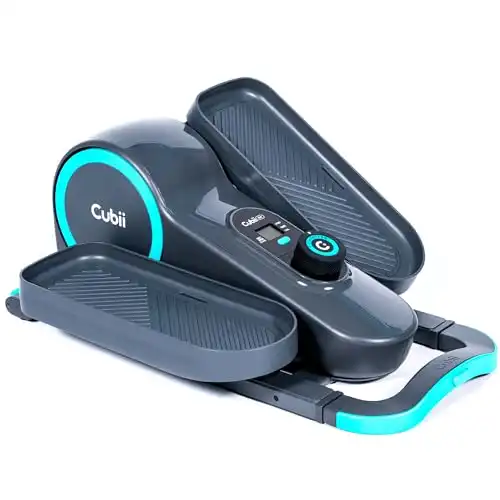
Ellipticals can take up a fair amount of space, so measurement is crucial.
- Dimensions: Measure the intended space in your home gym or living area, considering not just the machine’s footprint but also clearance for movement around it.
- Folding Design: Some ellipticals offer folding capabilities to reduce their footprint when not in use, which is ideal for smaller spaces.
- Transport Wheels: Most machines include transport wheels, making it easier to move the elliptical around your home, even if it doesn’t fold.
Build Quality and User Weight Capacity: Durability and Safety
A robust machine is a safe and long-lasting machine.
- Sturdy Frame: Look for heavy-gauge steel construction for stability and durability. A machine that feels wobbly will be uncomfortable and potentially unsafe during intense workouts.
- User Weight Capacity: Check the maximum user weight. A higher capacity often indicates a more robust build quality and can be a good indicator of the machine’s overall durability, even if you are well below the limit.
- Warranty: A good warranty (especially on the frame and parts) indicates the manufacturer’s confidence in their product’s longevity.
By focusing on these features, you can make an informed decision that aligns with your fitness goals, space constraints, and budget, ensuring your elliptical is a valuable and lasting addition to your fitness routine.
Integrating Elliptical Workouts into Your Lifestyle
Making fitness a sustainable part of your life requires more than just knowing how to use a machine; it requires a mindful approach to consistency and goal setting.
Setting Realistic Goals: Small Wins, Big Motivation
Avoid the trap of aiming for perfection or drastic overnight changes. Instead, focus on achievable, incremental goals.
- Start Small: If you’re new, aim for three 20-minute elliptical sessions a week. Once that feels comfortable, increase the duration to 30 minutes, or add another session.
- Process-Oriented Goals: Instead of "lose X pounds," focus on "complete 4 elliptical workouts this week" or "increase my average RPM by 5 points over the next month." These are within your direct control and build positive habits.
- Celebrate Progress: Acknowledge every small victory – hitting a new distance, maintaining a higher resistance, or simply showing up on a day you didn’t feel like it. These small wins fuel long-term motivation.
Consistency is Key: Making it a Habit
The most effective workout is the one you actually do.
- Schedule It: Treat your elliptical workout like an important appointment. Put it on your calendar.
- Find Your "Why": Remind yourself of the benefits – increased energy, better mood, improved health, joint protection. This deeper motivation helps you push through days when motivation wanes.
- Create a Routine: Pair your workout with something you enjoy, like listening to a favorite podcast or watching a show. Or, make it the first thing you do in the morning to get it done before other demands arise.
Complementary Training: Pairing with Strength and Flexibility
While the elliptical offers a fantastic full-body workout, it’s most effective when integrated into a balanced fitness regimen.
- Strength Training: Incorporate 2-3 days of strength training each week. This builds muscle mass, which boosts metabolism, supports joint health, and improves overall functional strength. Your elliptical performance will also benefit from stronger legs and core.
- Flexibility and Mobility: Regular stretching, yoga, or Pilates can improve your range of motion, prevent stiffness, and reduce the risk of injury, complementing the repetitive motion of the elliptical.
A holistic approach ensures you develop well-rounded fitness and long-term health.
Your Path to a Healthier, Happier You
The elliptical machine is a remarkable tool, offering a pathway to enhanced cardiovascular health, full-body strength, and sustained energy, all within a joint-friendly framework. Whether you’re taking your very first strides towards a fitter lifestyle or seeking to diversify an existing training regimen, the elliptical stands ready to support your journey.
Embrace the smooth, rhythmic motion. Experiment with resistance and incline to discover new challenges. Listen to your body, celebrate your progress, and remember that every workout is an investment in your most valuable asset: your health. With consistency, mindful effort, and a commitment to your well-being, you’ll not only unlock the full potential of elliptical workouts but also discover a stronger, more vibrant you. Glide forth, and enjoy the journey to greater health!