The fitness landscape is often depicted as a race, a frantic sprint towards immediate results, sculpted physiques, and Herculean feats. We’re bombarded with images of extreme workouts, restrictive diets, and overnight transformations. While the desire for rapid progress is understandable, true, lasting vitality isn’t built on fleeting fads or unsustainable extremes. It’s forged through consistency, understanding, and a holistic approach that respects both your body and your mind.
For beginners taking their first deliberate steps towards a healthier lifestyle, and for intermediate enthusiasts seeking to deepen their understanding and overcome plateaus, the journey can feel overwhelming. Where do you start? How do you stay motivated? How do you differentiate between helpful advice and misleading hype? This comprehensive guide cuts through the noise, offering a clear, actionable blueprint to construct a fitness foundation that supports not just a better body, but a better life. We’ll explore the interconnected pillars of physical strength, cardiovascular health, nutrition, recovery, and mindset, empowering you to build habits that endure far beyond the initial "burn."
This isn’t about chasing perfection; it’s about pursuing progress. It’s about understanding your unique body, listening to its signals, and consistently making choices that contribute to your long-term well-being. Prepare to shift your perspective from short-term fixes to a lifelong commitment to vitality, where every step, no matter how small, propels you forward.
Understanding Your Fitness Journey: More Than Just Workouts
Before you even lift a weight or lace up your running shoes, the most crucial step is to understand the why behind your desire for fitness. This introspection forms the bedrock of your motivation and resilience.
Defining Your "Why"
Your "why" is your personal compass. It’s the deep-seated reason that will pull you through moments of doubt, fatigue, and temptation. Is it to:
- Improve health markers? (e.g., lower blood pressure, increase energy levels)
- Boost mental well-being? (e.g., reduce stress, enhance mood)
- Increase functional strength for daily life? (e.g., carry groceries with ease, play with your kids without getting winded)
- Gain confidence and self-esteem?
- Prevent future health issues?
Whatever your "why," make it specific, personal, and emotionally resonant. Write it down. Keep it visible. It will serve as your anchor when the waters get choppy.
Real-Life Example: Instead of "I want to lose weight," try "I want to feel energetic enough to hike with my family every weekend without pain, and to be a healthy role model for my children." This deeper motivation provides far more staying power.
Setting Realistic, Achievable Goals
Grand aspirations are inspiring, but concrete, manageable goals are what drive daily action. Embrace the SMART framework:
- Specific: What exactly do you want to achieve?
- Measurable: How will you track your progress?
- Achievable: Is this goal realistic given your current circumstances?
- Relevant: Does it align with your "why"?
- Time-bound: When do you aim to achieve it?
Break down larger goals into smaller, weekly or monthly milestones. Celebrating these small victories will fuel your motivation for the long haul.
Actionable Advice: If your goal is to run a 5k, start with a goal of walking for 30 minutes, three times a week. Once that feels comfortable, aim to jog for 5 minutes during each session, gradually increasing the duration.
The Power of Patience and Persistence
Fitness is not a linear journey. There will be plateaus, setbacks, and days when motivation wanes. This is normal. What separates those who achieve lasting results from those who don’t is patience and unwavering persistence. Understand that results take time – weeks, months, even years. Focus on the process, not just the outcome. Each workout, each healthy meal, each night of quality sleep is a victory in itself.
Practical Tip: Keep a fitness journal. Document your workouts, how you felt, what you ate, and even your mood. This not only tracks tangible progress but also helps you identify patterns, celebrate consistency, and learn from setbacks without judgment.
The Pillars of Physical Strength: Building a Resilient Body
Strength training is non-negotiable for anyone serious about lasting vitality. It builds muscle, strengthens bones, boosts metabolism, and improves functional capacity. Forget the myth that it’s just for bodybuilders; strength is fundamental for everyone.
Demystifying Strength Training: Getting Started
You don’t need a fancy gym membership or expensive equipment to start building strength. The key is progressive overload – gradually increasing the demand on your muscles over time.
- Bodyweight Exercises: An excellent starting point. Squats, lunges, push-ups (on knees or against a wall), planks, and glute bridges require no equipment and can be done anywhere.
- Dumbbells: Versatile and relatively inexpensive. A few sets of varying weights can open up a vast array of exercises for every muscle group.
- Resistance Bands: Lightweight, portable, and effective for adding resistance to bodyweight movements or targeting smaller muscle groups.
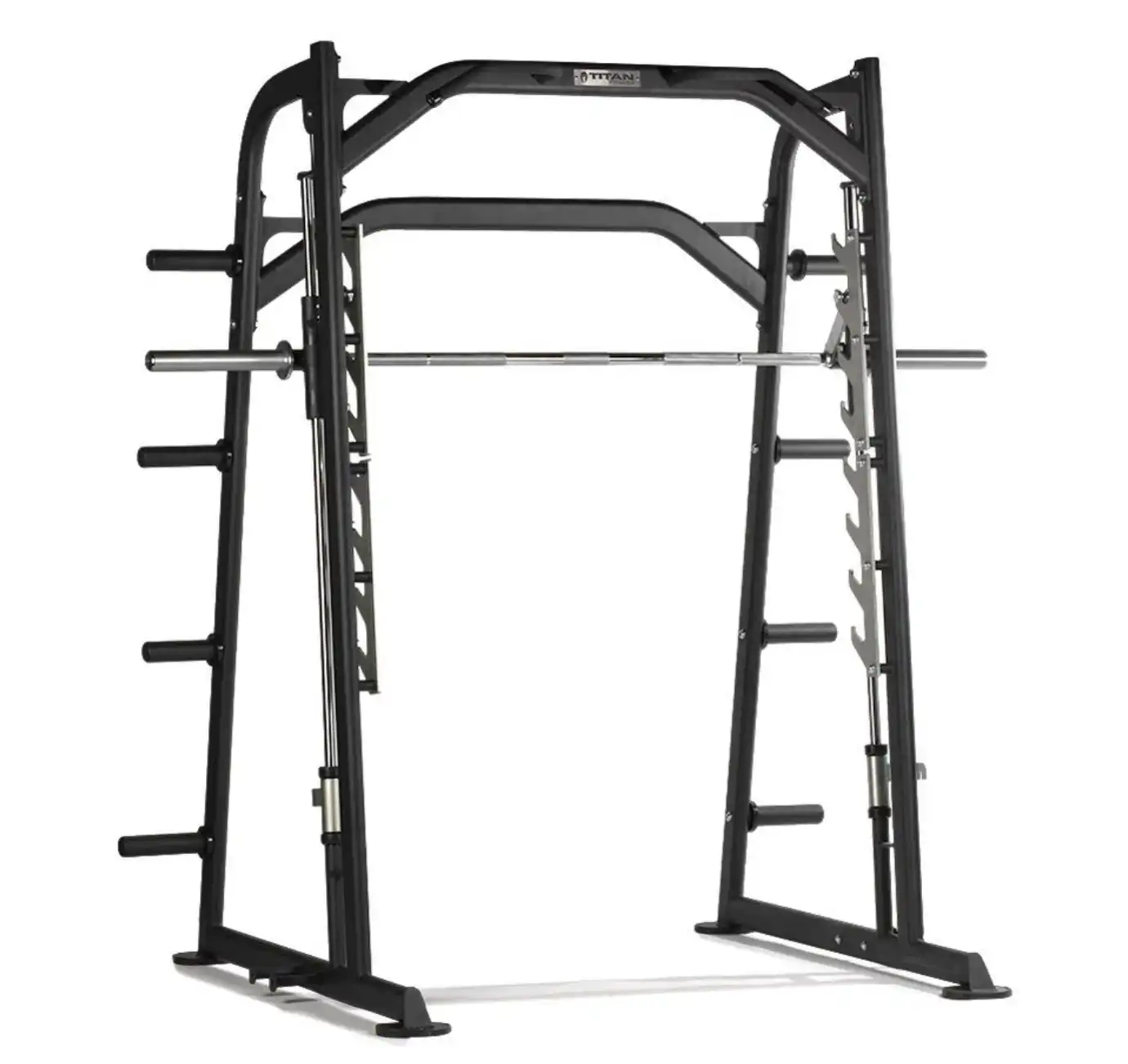
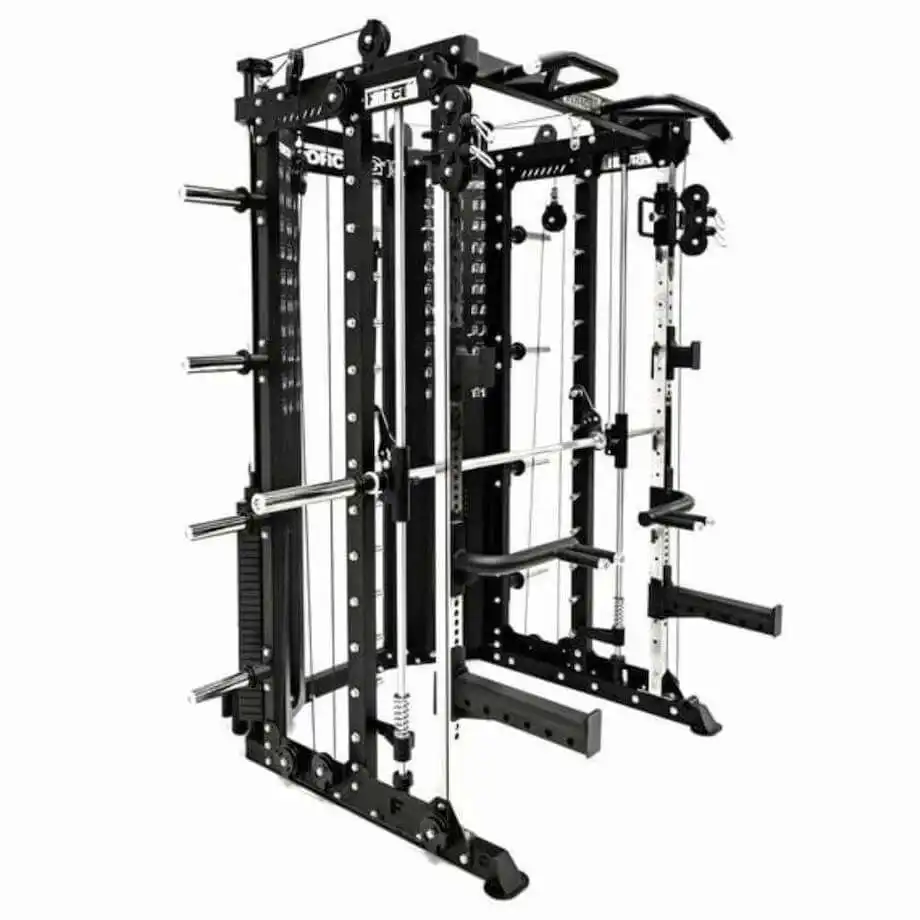
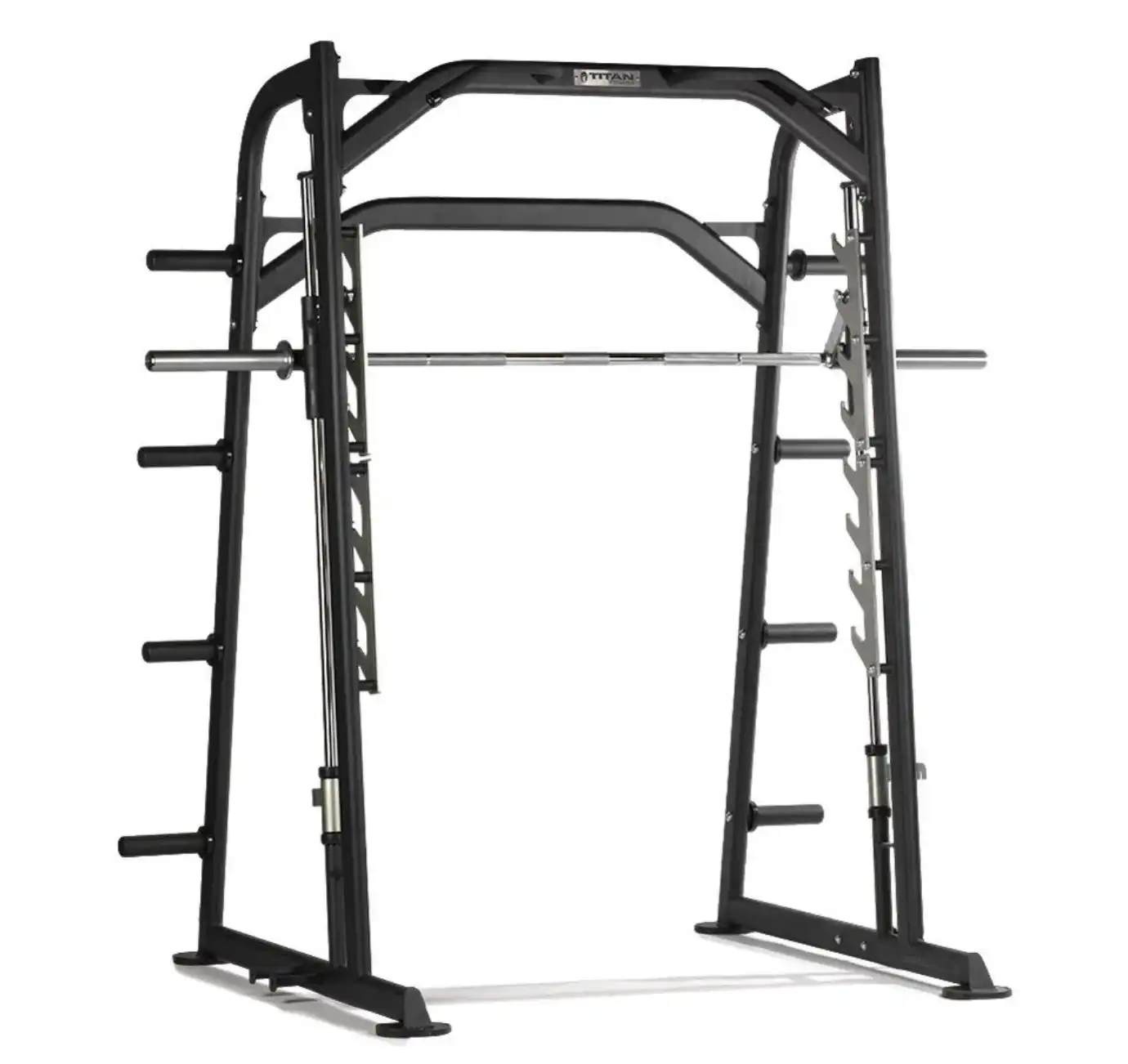
- Gym Machines: Offer guided movements, which can be beneficial for beginners learning form, but may limit the activation of stabilizing muscles.
- Free Weights (Barbells): The gold standard for building serious strength, but require more technical proficiency and often a spotter for heavier lifts.
Practical Workout Tip: For beginners, focus on mastering the movement patterns with bodyweight before adding external resistance. Aim for 2-3 sets of 10-15 repetitions, ensuring controlled movement.
Crafting Your Strength Routine
Consistency is paramount. Aim for 2-4 strength training sessions per week, allowing at least one day of rest between sessions for muscle recovery.
- Frequency: 2-3 times a week for full-body workouts is ideal for beginners and intermediate lifters. This allows for sufficient stimulus and recovery.
- Exercise Selection: Focus on compound movements that work multiple muscle groups simultaneously. These are the most efficient and effective.
- Lower Body: Squats (goblet, bodyweight, barbell), Lunges (forward, reverse), Romanian Deadlifts (with dumbbells or barbell), Glute Bridges.
- Upper Body Push: Push-ups (various elevations), Overhead Press (dumbbell, barbell), Bench Press (dumbbell, barbell).
- Upper Body Pull: Rows (dumbbell, barbell, resistance band), Pull-ups/Lat Pulldowns (assisted if needed).
- Core: Planks, Bird-Dog, Dead Bug.
- Progressive Overload: The engine of muscle growth. Once an exercise feels easy for 2-3 sets of 10-15 reps, it’s time to increase the challenge.
- Increase Weight/Resistance: The most common method.
- Increase Reps/Sets: Perform more repetitions or add another set.
- Improve Form/Control: Slow down the movement, focus on the eccentric (lowering) phase.
- Decrease Rest Time: Between sets.
- Increase Time Under Tension: Hold the contraction longer.
Actionable Advice: The 3-Day Full-Body Split
This is highly effective for beginners and intermediate lifters, providing balanced development and ample recovery.
- Workout A (e.g., Monday):
- Goblet Squat (3 sets x 10-12 reps)
- Dumbbell Bench Press (3 sets x 10-12 reps)
- Dumbbell Row (3 sets x 10-12 reps per arm)
- Plank (3 sets, hold for 30-60 seconds)
- Workout B (e.g., Wednesday):
- Romanian Deadlift with Dumbbells (3 sets x 10-12 reps)
- Push-ups (3 sets x as many reps as possible, on knees or toes)
- Overhead Dumbbell Press (3 sets x 10-12 reps)
- Bird-Dog (3 sets x 10-12 reps per side)
- Workout C (e.g., Friday):
- Walking Lunges (3 sets x 10-12 reps per leg)
- Incline Dumbbell Press (3 sets x 10-12 reps)
- Lat Pulldown (machine or resistance band) (3 sets x 10-12 reps)
- Side Plank (3 sets, hold for 30-60 seconds per side)
Remember to warm up with light cardio and dynamic stretches before each session, and cool down with static stretches afterwards.
Mastering Form for Safety and Effectiveness
Proper form is paramount. Incorrect technique not only diminishes the effectiveness of an exercise but dramatically increases your risk of injury. Prioritize form over weight, always.
Real-Life Example: The Squat
Many beginners rush to add weight, compromising depth and spinal alignment. A proper squat involves:
- Feet shoulder-width apart, toes slightly out.
- Brace your core, chest up, shoulders back.
- Initiate by pushing hips back as if sitting in a chair.
- Descend until thighs are parallel to the floor (or as deep as mobility allows without rounding your back).
- Keep knees tracking over toes, don’t let them collapse inward.
- Drive through your heels to return to the starting position.
If you can’t maintain this form, reduce the weight or switch to a bodyweight squat until your mobility and strength improve. Don’t hesitate to use mirrors, record yourself, or seek guidance from a qualified fitness professional.
Cardiovascular Health: Fueling Your Engine
While strength training builds the engine, cardiovascular exercise ensures it runs smoothly and efficiently. Often overlooked or dreaded, cardio is vital for heart health, stamina, endurance, and overall well-being.
Why Cardio Matters
- Heart Health: Strengthens your heart muscle, improving its ability to pump blood efficiently and reducing the risk of heart disease.
- Stamina and Endurance: Enhances your body’s ability to sustain prolonged physical activity, making daily tasks easier and improving performance in other workouts.
- Fat Loss: Burns calories, contributing to a healthy energy balance and body composition.
- Mental Well-being: Releases endorphins, acting as a natural mood booster and stress reducer.
Choosing Your Cardio Style
Find activities you genuinely enjoy, as this dramatically increases adherence.
- Low-Intensity Steady-State (LISS): Walking, jogging, cycling, swimming at a moderate, conversational pace. Great for beginners, active recovery, and longer durations.
- High-Intensity Interval Training (HIIT): Short bursts of intense exercise followed by brief recovery periods. Time-efficient and effective for improving cardiovascular fitness and calorie burn, but more demanding.
- Steady-State Moderate Intensity: A step up from LISS, where you’re working hard enough that conversation is difficult but still possible.
Actionable Advice: Don’t feel confined to a treadmill. Explore hiking, dancing, playing sports, cycling outdoors, or swimming. The best cardio is the one you’ll actually do.
Integrating Cardio into Your Week
The American Heart Association recommends at least 150 minutes of moderate-intensity aerobic activity or 75 minutes of vigorous-intensity aerobic activity per week, or a combination of both.
- For Beginners: Start with 20-30 minutes of LISS cardio, 3-4 times a week. A brisk walk is an excellent starting point.
- For Intermediate:
- Intersperse 2-3 sessions of moderate-intensity cardio (30-45 minutes) throughout the week.
- Consider adding 1-2 sessions of HIIT (15-20 minutes, including warm-up/cool-down) if your fitness level allows. Example: Sprint for 30 seconds, walk for 90 seconds, repeat 8-10 times.
- Pairing with Strength: You can perform cardio on separate days from strength training, or do it after your strength workout. If doing both in one session, prioritize strength training first if that’s your primary goal.
Nourishing Your Body: The Fuel for Performance and Recovery
You can train like an athlete, but without proper nutrition, your progress will be severely limited. Food is not just sustenance; it’s the fuel that powers your workouts, repairs your muscles, and optimizes every bodily function.
The Basics of Balanced Nutrition
Forget restrictive diets. Focus on whole, unprocessed foods and a balanced intake of macronutrients (protein, carbohydrates, fats) and micronutrients (vitamins, minerals).
- Protein: Essential for muscle repair and growth, satiety, and numerous bodily functions. Aim for lean sources like chicken breast, fish, eggs, lean beef, legumes, tofu, and dairy.
- Carbohydrates: Your body’s primary energy source. Choose complex carbs like whole grains (oats, brown rice, quinoa), fruits, and vegetables for sustained energy and fiber. Limit refined sugars and processed grains.
- Healthy Fats: Crucial for hormone production, nutrient absorption, and brain health. Include sources like avocados, nuts, seeds, olive oil, and fatty fish.
- Micronutrients: Found abundantly in a diverse range of fruits, vegetables, and whole foods. They play vital roles in energy production, immunity, and overall health.
Actionable Advice: The Plate Method
A simple visual guide for balanced meals:

- Half your plate: Non-starchy vegetables (broccoli, spinach, bell peppers).
- Quarter of your plate: Lean protein.
- Quarter of your plate: Complex carbohydrates (or another serving of vegetables if preferred).
- Add a small serving of healthy fats: A drizzle of olive oil, a few slices of avocado, or a handful of nuts.
Hydration: The Unsung Hero
Often overlooked, adequate hydration is critical for performance, recovery, and overall health. Dehydration can impair physical and cognitive function, reduce endurance, and hinder muscle recovery.
- Practical Tip: Carry a reusable water bottle and sip throughout the day. Aim for at least 2-3 liters (8-12 glasses) daily, more if you’re active or in a hot climate. Don’t wait until you’re thirsty; thirst is already a sign of mild dehydration.
Practical Eating Strategies
- Meal Prepping: Dedicate a few hours one day a week to prepare healthy meals and snacks in advance. This saves time, reduces decision fatigue, and prevents impulsive unhealthy choices.
- Mindful Eating: Pay attention to your body’s hunger and fullness cues. Eat slowly, savor your food, and avoid distractions. This helps prevent overeating and improves digestion.
- Smart Snacking: If you need snacks, choose nutrient-dense options like fruits, nuts, Greek yogurt, or vegetable sticks with hummus.
The Crucial Role of Recovery and Rest
Training breaks your body down; recovery builds it back stronger. Neglecting rest is a surefire way to invite injury, burnout, and stalled progress. It’s an integral part of your fitness regimen.
Sleep: Your Ultimate Performance Enhancer
Sleep is when your body repairs muscles, consolidates memories, and recharges your mental batteries. Chronic sleep deprivation negatively impacts hormone regulation, metabolism, immune function, and workout performance.
- Practical Tip: Aim for 7-9 hours of quality sleep per night. Establish a consistent sleep schedule, create a relaxing bedtime routine, and optimize your sleep environment (dark, cool, quiet).
Active Recovery and Flexibility
- Active Recovery: Light activities like walking, gentle cycling, or swimming on rest days can promote blood flow, reduce muscle soreness, and aid recovery without taxing your body.
- Flexibility and Mobility: Incorporate stretching, foam rolling, or yoga into your routine. This improves range of motion, reduces muscle tightness, and can prevent injuries. Dedicate 10-15 minutes after workouts or on rest days.
Stress Management for Overall Well-being
Chronic stress can elevate cortisol levels, impacting muscle growth, fat storage, and overall health. Fitness itself is a great stress reliever, but consider adding other practices:
- Mindfulness and Meditation: Even a few minutes a day can significantly reduce stress.
- Hobbies and Leisure: Make time for activities you enjoy outside of fitness.
- Social Connection: Spend time with supportive friends and family.
Cultivating a Resilient Mindset: The Mental Game of Fitness
Fitness is as much a mental game as it is a physical one. Developing a resilient mindset is key to navigating challenges, staying consistent, and achieving long-term success.
Overcoming Plateaus and Setbacks
Every fitness journey will have its ups and downs.
- Plateaus: When progress stalls, don’t get discouraged. This is a sign your body has adapted. Re-evaluate your training, nutrition, and recovery. Implement a new progressive overload strategy, try a different exercise variation, or deload for a week.
- Setbacks: Life happens. An injury, illness, or major life event can disrupt your routine. Be kind to yourself. Focus on what you can do, even if it’s just a short walk or gentle stretches. The goal is to get back on track, not to punish yourself for falling off.
Actionable Advice: If you miss a workout, don’t throw in the towel for the week. Just get back to it the next scheduled session. Consistency over perfection is the mantra.
Building Sustainable Habits
Fitness isn’t about willpower; it’s about habit. Make exercise and healthy eating as automatic as brushing your teeth.
- Start Small: Don’t try to change everything at once. Focus on one or two new habits until they stick, then add more.
- Stack Habits: Link a new habit to an existing one. "After I brush my teeth, I’ll do 10 squats."
- Create Cues: Lay out your workout clothes the night before. Prepare healthy snacks in advance.
- Reward Yourself (Non-Food): Acknowledge your consistency with something you enjoy, like a new book, a massage, or an hour of uninterrupted leisure.
Celebrating Small Victories
Acknowledge and celebrate every step of progress, no matter how minor. Did you lift a slightly heavier weight? Run for an extra minute? Choose a healthy snack instead of an unhealthy one? These small wins accumulate and build momentum. They reinforce positive behavior and strengthen your belief in your ability to succeed.
Real-Life Example: Instead of solely focusing on the scale, celebrate that you now have the energy to play with your kids without getting tired, or that your clothes fit better, or that you slept soundly through the night. These are tangible, positive impacts of your efforts.
Conclusion: Your Lifelong Journey to Vitality
Embarking on a fitness journey is one of the most empowering decisions you can make for yourself. It’s a commitment to a life of strength, energy, and resilience. Remember, there’s no finish line, only continuous growth and adaptation. This blueprint provides the fundamental tools and knowledge to navigate your path, but the most important ingredient is your consistent effort and unwavering belief in your capacity for change.
Move beyond the fleeting desire for quick fixes and embrace the profound rewards of sustainable fitness. Prioritize understanding your body, fueling it wisely, challenging it progressively, and allowing it ample time to recover. Cultivate a mindset that celebrates progress over perfection, persistence over immediate gratification, and self-compassion over harsh judgment.
Your vitality is not just a goal; it’s a way of life. Start today, stay consistent, and build the unshakeable foundation for a healthier, happier, and more vibrant you. The journey awaits, and you are more than capable of thriving on it.