In the vast and often confusing world of fitness supplements, one compound consistently rises above the noise, backed by an undeniable mountain of scientific evidence: creatine. Far from being a niche product exclusively for elite bodybuilders, creatine is a powerful, naturally occurring substance that can unlock significant gains in muscle, strength, and overall athletic performance for anyone committed to their fitness journey, from enthusiastic beginners to seasoned intermediate lifters.
However, like many effective tools, creatine is often shrouded in misconceptions, half-truths, and overblown claims. Is it safe? Will it make you bloated? How do you even take it properly? This comprehensive guide aims to cut through the confusion, providing you with an authoritative, science-backed roadmap to understanding and effectively utilizing creatine to fuel your fitness aspirations. We’ll delve into its fundamental mechanisms, explore its extensive benefits, clarify optimal usage, and debunk common myths, empowering you to make informed decisions and truly master this incredible supplement. Prepare to elevate your training and recovery, taking a significant step towards realizing your full physical potential.
What Exactly is Creatine? A Scientific Breakdown
At its core, creatine is a nitrogenous organic acid that plays a critical role in energy production within your cells, particularly in muscle and brain tissue. Your body naturally produces creatine from amino acids (arginine, glycine, and methionine), primarily in the liver and kidneys, and stores about 95% of it in your skeletal muscles.
The Body’s Energy Currency: ATP and the Phosphocreatine System
To understand creatine’s impact, we first need a brief look at adenosine triphosphate (ATP) – the primary energy currency of your cells. When your muscles contract, ATP is broken down into adenosine diphosphate (ADP), releasing energy. However, your body only stores a limited amount of ATP, enough for a few seconds of high-intensity effort. This is where creatine steps in.
Creatine, primarily in its phosphorylated form (phosphocreatine or PCr), acts as a rapid reserve to regenerate ATP. When ATP levels drop during intense activity, phosphocreatine donates its phosphate group to ADP, quickly reforming ATP. This "phosphocreatine system" is crucial for activities requiring short, explosive bursts of energy, such as weightlifting, sprinting, or high-intensity interval training (HIIT). By increasing your muscle’s phosphocreatine stores through supplementation, you essentially boost your immediate energy reserves, allowing you to perform at peak intensity for longer.
Natural Sources and Supplementation
While your body produces creatine and you can obtain it through your diet, primarily from red meat and fish, these sources typically provide only modest amounts. For example, a pound of raw beef contains about 1-2 grams of creatine. To significantly increase muscle creatine stores and reap its full performance-enhancing benefits, supplementation becomes highly effective. Supplementing allows you to saturate your muscles with creatine, far beyond what diet alone can achieve, thereby maximizing your phosphocreatine reserves and unlocking greater potential for strength, power, and muscle growth.
The Proven Power of Creatine: Unpacking Its Benefits
Creatine is not just a supplement; it’s a performance enhancer with a robust scientific foundation. Its benefits extend across various aspects of physical and even cognitive health, making it a valuable addition for a wide range of fitness enthusiasts.
Supercharging Muscle Growth and Strength
Perhaps the most widely recognized benefit of creatine is its profound impact on muscle size and strength. This isn’t just anecdotal; it’s supported by decades of research.
- Cellular Hydration (Cell Volumization): Creatine draws water into your muscle cells. This "cell volumization" effect isn’t just about making muscles look bigger; it’s believed to be an anabolic signal, promoting muscle protein synthesis and potentially reducing protein breakdown. This creates a more favorable environment for muscle growth.
- Increased Protein Synthesis: Some studies suggest that creatine may directly stimulate muscle protein synthesis, the process by which muscle fibers repair and grow.
- Improved Workout Performance: By increasing ATP availability, creatine allows you to perform more repetitions, lift heavier weights, or sustain high-intensity efforts for longer. Imagine being able to squeeze out an extra rep or two on your heavy sets, or maintain a higher sprint speed for a few more seconds. Over time, these small increases in workload accumulate, leading to significantly greater gains in muscle mass and strength.
Real-Life Example: Consider Sarah, an intermediate lifter who’s been stuck at a certain bench press weight for weeks. After consistently supplementing with creatine, she notices she can now push out an extra rep or two on her final set, or even increase the weight slightly while maintaining her rep count. This consistent overload, facilitated by creatine, is the key to breaking through plateaus and achieving new levels of strength and muscle development.
Accelerating Recovery and Reducing Soreness
Beyond enhancing performance during a workout, creatine plays a vital role in post-exercise recovery, helping you bounce back faster and minimize discomfort.
- Reduced Muscle Damage: Research indicates that creatine supplementation can reduce markers of muscle damage and inflammation that typically occur after intense exercise. This means less cellular breakdown and quicker repair processes.
- Faster Glycogen Resynthesis: Glycogen is your muscles’ primary fuel source during exercise. Creatine has been shown to enhance glycogen loading when consumed with carbohydrates, which is critical for restoring energy reserves and preparing for your next training session.
- Practical Tip: Incorporating creatine into your post-workout routine, perhaps with a carbohydrate and protein shake, can optimize its benefits for recovery. This helps replenish creatine stores and supports muscle repair simultaneously.
Beyond the Brawn: Cognitive and Bone Health Advantages
Creatine’s benefits aren’t limited to physical performance. Emerging research suggests important roles for creatine in other areas of health.
- Brain Energy: Just like muscles, your brain relies heavily on ATP for optimal function. Creatine can enhance brain energy metabolism, potentially leading to improved cognitive function, especially in tasks requiring quick thinking, memory, and during periods of sleep deprivation or mental fatigue.
- Potential Benefits for Bone Density: Studies, particularly in older adults, have explored creatine’s role in bone health. When combined with resistance training, creatine supplementation has shown favorable effects on bone mineral density and muscle mass, which are crucial for preventing age-related decline and maintaining overall skeletal integrity. This makes it a valuable consideration for long-term health, not just immediate fitness goals.
Enhancing Athletic Performance Across Disciplines
Creatine’s versatility makes it beneficial for a wide array of athletic endeavors, not just pure strength sports.
- Explosive Sports: Athletes in sports requiring repeated bursts of power, such as football, basketball, soccer, rugby, and track and field (sprinting, jumping), can experience significant improvements in performance, speed, and power output.
- High-Intensity Interval Training (HIIT): Given its role in the phosphocreatine system, creatine is exceptionally well-suited for improving performance during HIIT workouts, allowing for more intense work intervals and potentially greater calorie expenditure and fitness adaptations.
- Not Just for Bodybuilders: The myth that creatine is only for those chasing massive muscles needs to be dispelled. Anyone looking to improve their strength, power, speed, or recovery from high-intensity exercise can benefit from this well-researched supplement.
Navigating the Creatine Landscape: Forms, Dosage, and Timing
While creatine is effective, understanding its different forms, optimal dosage, and timing can maximize its benefits and ensure you’re using it wisely.
The Gold Standard: Creatine Monohydrate
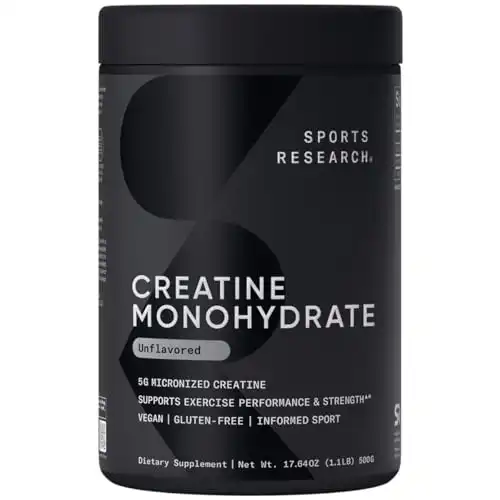
Among the various forms of creatine available, creatine monohydrate stands as the undisputed champion. It is the most extensively researched and scientifically validated form, with hundreds of studies consistently demonstrating its efficacy and safety for improving strength, muscle mass, and exercise performance.
- Why it’s most researched and effective: Its simple structure and excellent absorption profile mean it effectively saturates muscle creatine stores. There is no compelling scientific evidence to suggest that other, often more expensive, forms of creatine are superior to monohydrate.
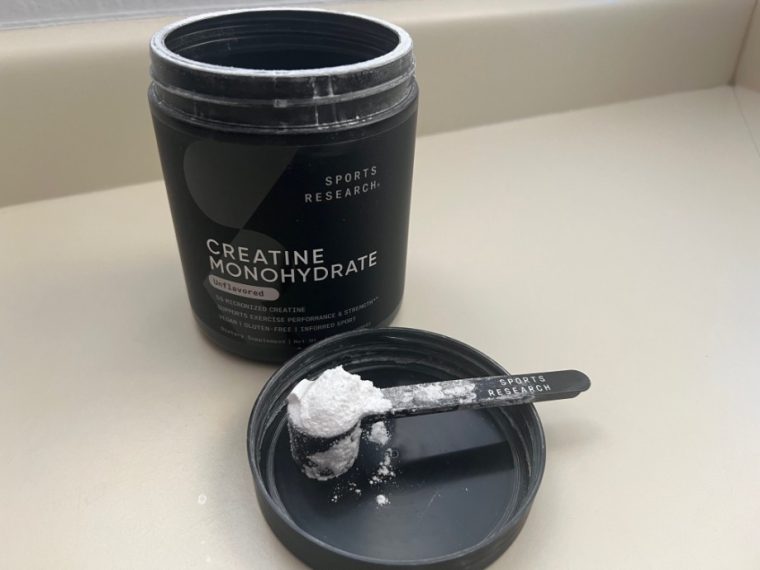
- Micronized Monohydrate: You might encounter "micronized" creatine monohydrate. This simply means the creatine particles have been ground into a finer powder. While micronization doesn’t necessarily improve its bioavailability (how well it’s absorbed by the body), it significantly enhances its solubility in liquids, making it mix better and reducing the likelihood of gritty residue at the bottom of your shaker. This can be a practical advantage for user experience.
Other Forms: A Brief Overview
While creatine monohydrate is king, you’ll find other forms on the market. It’s important to understand their purported benefits and why they generally don’t surpass monohydrate.
- Creatine HCL (Hydrochloride): Marketed for superior solubility and absorption, potentially requiring lower doses. While it is more soluble in water, research has not conclusively shown it to be more effective or better absorbed in the body than monohydrate, especially when monohydrate is taken at recommended doses.
- Creatine Ethyl Ester (CEE): Once touted for better absorption and less bloating. However, studies have largely disproven these claims, with some research suggesting CEE is actually less effective than monohydrate, as it can be rapidly degraded to creatinine (a waste product) in the digestive tract.
- Buffered Creatine (e.g., Kre-Alkalyn): Designed with a higher pH to be more stable in the stomach and reduce conversion to creatinine, thereby supposedly preventing bloating. Again, scientific studies have shown no significant difference in efficacy or side effects compared to creatine monohydrate.
Actionable Advice: For most individuals, creatine monohydrate is the most cost-effective, well-researched, and proven choice. Don’t be swayed by marketing claims for more expensive, unproven forms.
Dosage Demystified: Loading vs. Maintenance
There are two primary approaches to creatine dosage: a loading phase followed by a maintenance phase, or simply a consistent daily maintenance dose.
- Loading Phase:
- What it is: A strategy to rapidly saturate your muscle creatine stores.
- How to do it: Typically involves taking a higher dose of creatine, usually 20-25 grams per day, for 5-7 days. This daily dose should be split into 4-5 smaller servings (e.g., 5 grams per serving) throughout the day to minimize potential gastrointestinal discomfort.
- Benefits: Speeds up the time it takes to see the benefits of creatine (often within a week).
- Maintenance Phase:
- What it is: The ongoing daily dose to keep your muscle creatine stores saturated.
- How to do it: After a loading phase, or if you skip loading, a consistent daily dose of 3-5 grams is recommended for most individuals. Larger individuals (e.g., over 200 lbs or 90 kg) may benefit from slightly higher doses, up to 5-10 grams per day, following the general guideline of 0.1 grams per kilogram of body weight.
- Is Loading Necessary? No, a loading phase is not strictly necessary. Studies show that a consistent daily maintenance dose of 3-5 grams will eventually lead to the same level of muscle saturation, though it will take longer (typically 3-4 weeks) compared to a loading phase. The primary advantage of loading is quicker results.
Actionable Advice: If you’re eager to experience creatine’s benefits quickly, a loading phase can be effective. If patience is not an issue, or you prefer to avoid higher doses initially, a consistent 3-5 gram daily dose will yield the same long-term results. The most crucial aspect is consistency; take it every day, even on rest days.
When to Take It: Timing Considerations
The question of "when is the best time to take creatine?" is a common one, but the answer is simpler than many believe.
- Pre-workout, Post-workout, or Any Time? While some studies suggest a slight advantage to taking creatine post-workout (due to increased blood flow to muscles and potentially better uptake when combined with carbohydrates and protein), the overall consensus is that daily consistency is far more important than precise timing. Since creatine works by increasing your muscle’s overall stores over time, rather than providing an immediate stimulant effect, the exact timing around your workout is less critical than ensuring you take your daily dose.
- With Carbs/Protein: Taking creatine with a meal or a drink containing carbohydrates and/or protein can slightly enhance its uptake into muscle cells due to the insulin response. However, again, this is a secondary consideration to consistent daily intake.
Actionable Advice: Choose a time of day that you can consistently stick to. For example, taking it with your breakfast, pre-workout shake, or post-workout meal ensures you don’t forget your daily dose.
Addressing the Doubts: Creatine Safety and Common Myths
Despite its widespread use and scientific backing, creatine is often subject to various myths and concerns. Let’s separate fact from fiction.
Is Creatine Safe? What the Science Says
The overwhelming body of scientific literature confirms that creatine supplementation is safe for healthy individuals, both in the short and long term. Numerous studies, some lasting several years, have investigated creatine’s effects on various physiological markers and have found no evidence of adverse health consequences in healthy populations.
- Extensive Research: Creatine is one of the most researched supplements on the market, with a safety profile that is as thoroughly examined as its efficacy.
- Long-Term Studies: Research has shown that even high doses (up to 30 grams per day) for extended periods (up to five years) are well-tolerated by healthy individuals.
Debunking Common Myths
Let’s tackle some of the most persistent misconceptions about creatine:
- Myth: Creatine damages kidneys or liver.
- Fact: This is perhaps the most pervasive myth. Extensive research in healthy individuals has consistently shown that creatine supplementation does not negatively impact kidney or liver function. While creatine metabolism produces creatinine (a waste product that kidney tests measure), this is a normal process, and elevated creatinine levels from creatine supplementation do not indicate kidney damage in otherwise healthy people.
- Myth: Creatine causes hair loss.
- Fact: This myth largely stems from one study in rugby players that showed an increase in dihydrotestosterone (DHT), a hormone linked to hair loss, after creatine loading. However, this finding has not been consistently replicated in other studies, and the overall scientific consensus is that there is insufficient evidence to conclude that creatine causes hair loss in the general population. For the vast majority, this is not a concern.
- Myth: Creatine causes bloating or subcutaneous water retention.
- Fact: Creatine does cause water retention, but primarily intracellular water retention (within the muscle cells). This is part of the cell volumization effect that contributes to muscle growth and is generally considered beneficial. It typically does not lead to the "puffy" or "bloated" appearance associated with subcutaneous water retention (under the skin). Any initial weight gain is usually due to this increase in intracellular water and lean muscle mass, not fat.
- Myth: Creatine causes muscle cramping or dehydration.
- Fact: There is no scientific evidence to support the claim that creatine causes muscle cramps or dehydration. In fact, some research suggests that creatine may even improve hydration status and reduce the risk of cramping in athletes, possibly by increasing total body water. Maintaining adequate hydration, as with any fitness regimen, is always important.
- Myth: Creatine is a steroid.
- Fact: Absolutely not. Creatine is a naturally occurring compound, an amino acid derivative, and completely different in chemical structure and mechanism of action from anabolic steroids. It is not banned by most major sports organizations (with some exceptions in specific professional leagues that might restrict any supplements, not just creatine specifically).
Who Should Exercise Caution
While creatine is safe for most healthy adults, certain individuals should exercise caution or avoid it:
- Individuals with Pre-existing Kidney or Liver Conditions: If you have a history of kidney or liver disease, impaired function, or are taking medications that affect these organs, you should always consult a healthcare professional before taking creatine.
- Adolescents and Children: While some research exists, the long-term effects of creatine supplementation in individuals under 18 are not as thoroughly studied as in adults. It’s generally advised that adolescents and children consult with a doctor before using creatine.
- Pregnant or Breastfeeding Women: Due to limited research in these populations, creatine supplementation is generally not recommended.
- Hydration is Crucial: Regardless of your health status, always ensure adequate water intake when supplementing with creatine. This supports its function and helps prevent any potential digestive discomfort.
Choosing Your Creatine: What to Look For
When you’re ready to add creatine to your regimen, a few key factors will help you select a high-quality product that aligns with your preferences. Remember, we’re focusing on product characteristics, not specific brand names.
Purity and Quality
- "Creapure" Certification: If you want the absolute highest standard of purity, look for products that specify they use "Creapure." This is a patented form of creatine monohydrate produced in Germany, known for its exceptional purity and rigorous testing standards, ensuring it’s free from impurities and unwanted byproducts. While not strictly necessary for efficacy (as many non-Creapure monohydrates are still excellent), it offers an extra layer of assurance regarding quality.
- Third-Party Testing: Since dietary supplements are not strictly regulated by government bodies like pharmaceuticals, third-party testing is crucial for verifying product quality and safety. Look for certifications from reputable organizations such as:
- Informed Sport: Tests for banned substances, ensuring the product is safe for competitive athletes.
- NSF Certified for Sport: Also tests for banned substances, verifies label claims, and screens for contaminants like heavy metals.
These certifications provide confidence that the product contains what its label states and is free from harmful contaminants or illegal substances.
Form Factor Preference
Creatine comes in various forms to suit different preferences:
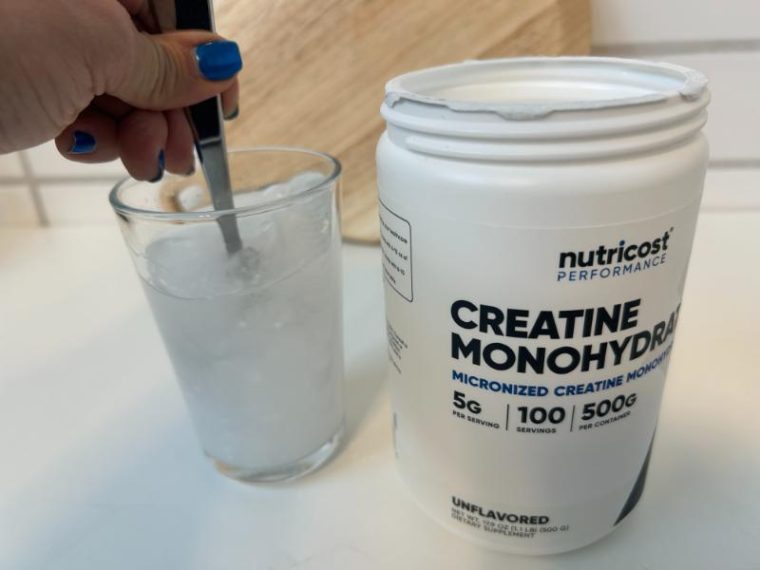
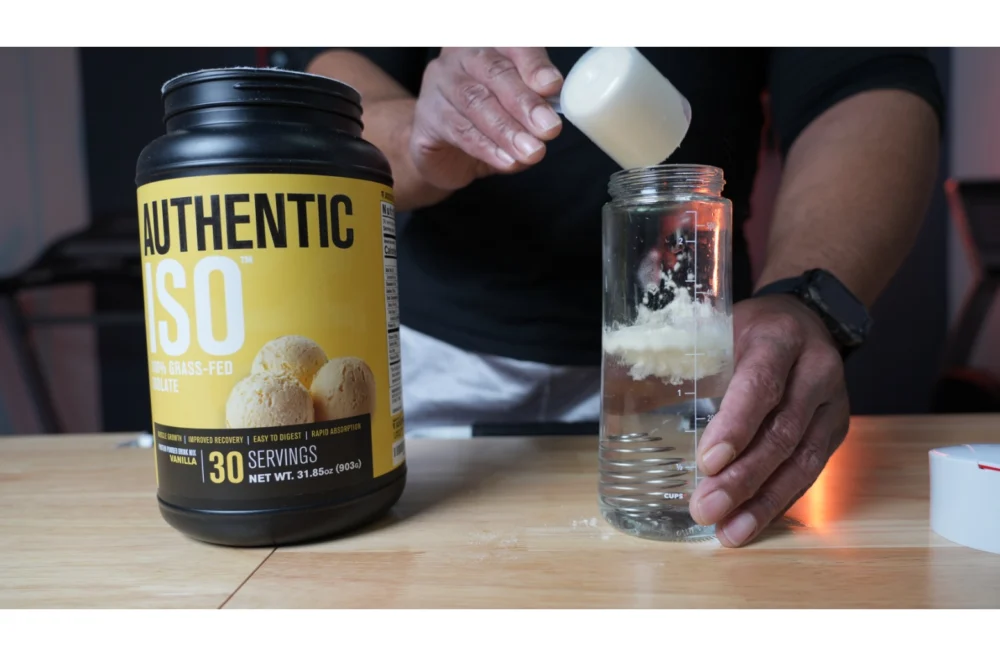
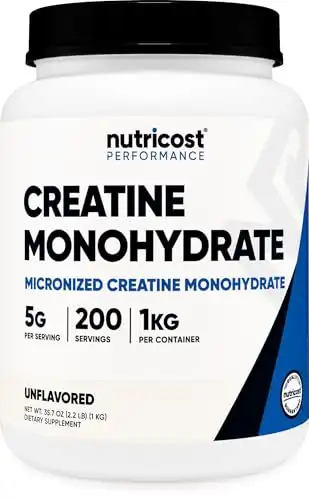
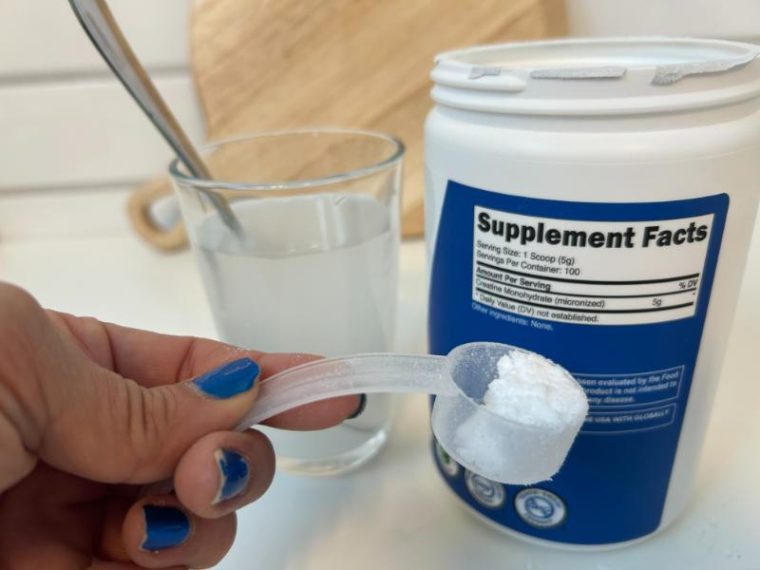
- Powder:
- Pros: Most common, cost-effective per serving, easy to mix into water, juice, or shakes. Unflavored options are versatile.
- Cons: Requires mixing, some unmicronized powders can be gritty or settle.
- Capsules:
- Pros: Ultimate convenience, no mixing required, tasteless. Easy to transport.
- Cons: Can be more expensive per serving, may require taking multiple capsules to reach the optimal dose (e.g., 4-8 capsules for 5g), which can be a lot for some.
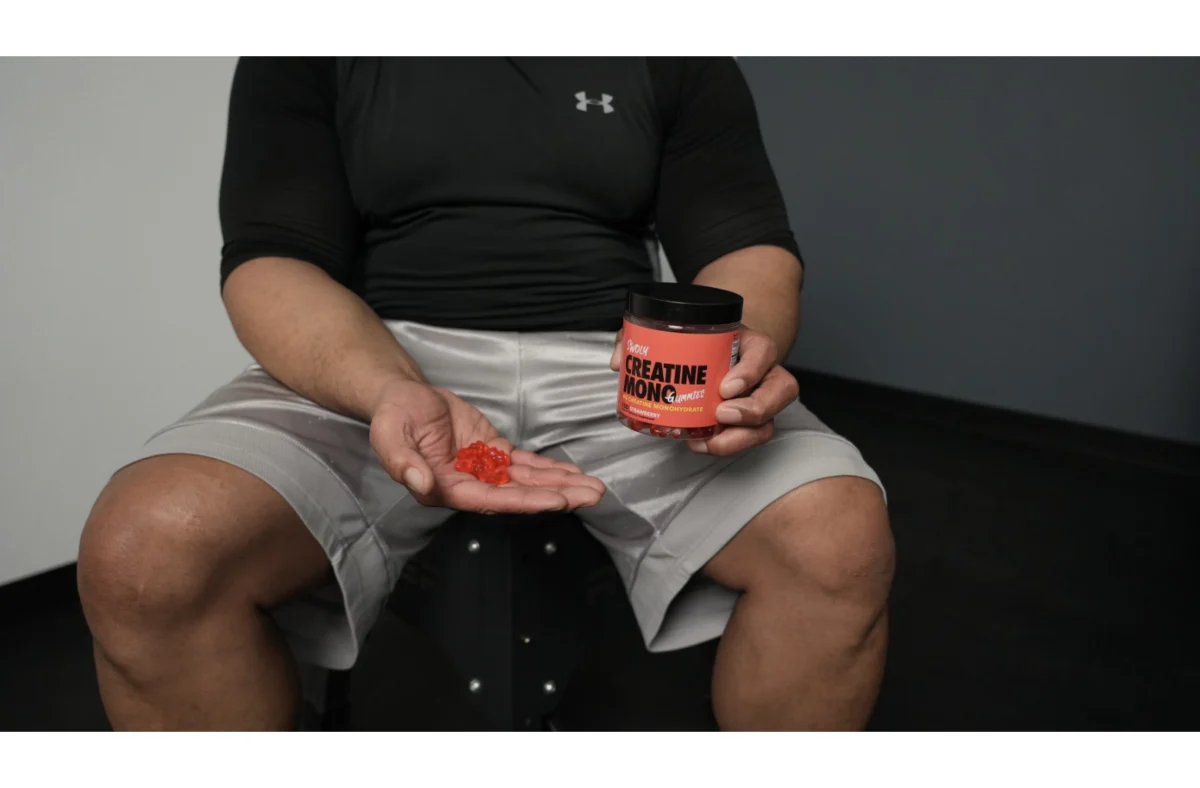
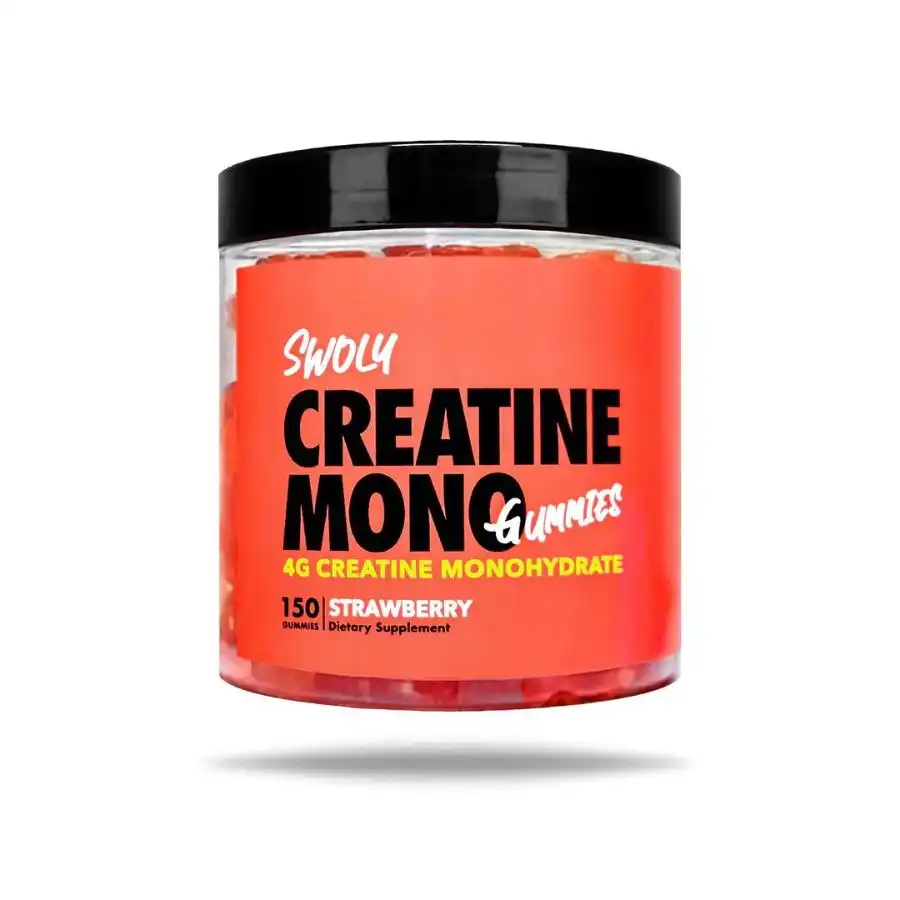
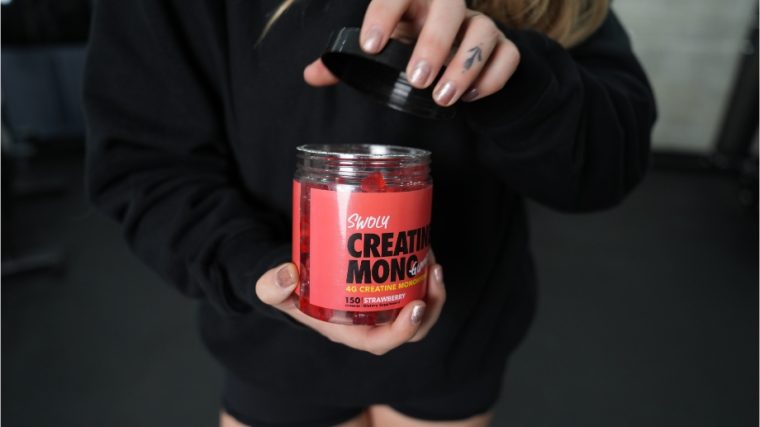
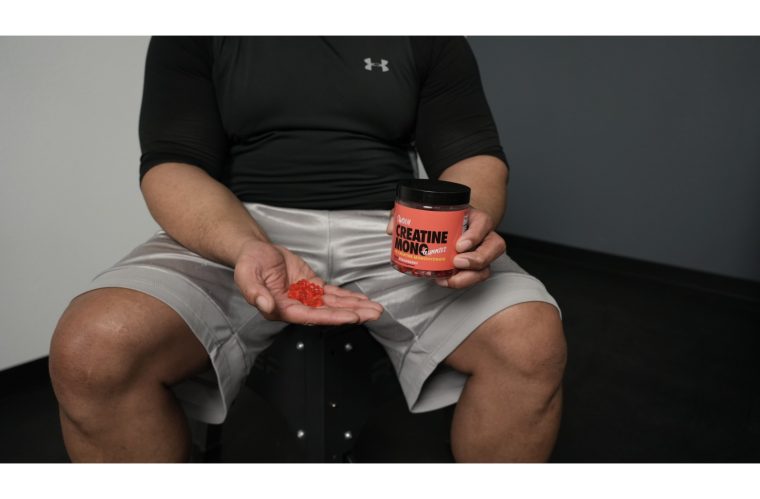
- Gummies:
- Pros: Very convenient and often delicious.
- Cons: Typically more expensive per serving, often contain added sugars and artificial ingredients, and may require consuming several gummies to reach the effective 3-5 gram dose, potentially adding unwanted calories or sugar.
Ingredients List
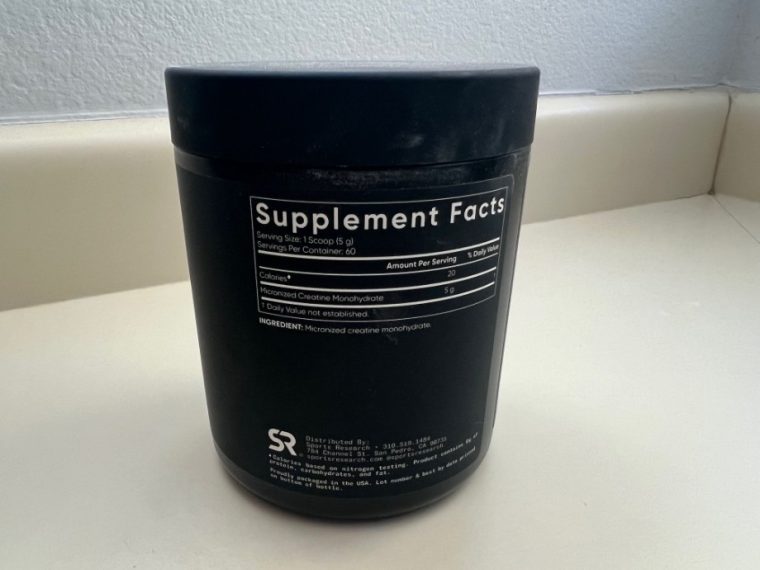
- Pure Creatine vs. Blends: Decide if you want a pure creatine supplement or one that includes other ingredients. Many effective creatine products contain only creatine monohydrate.
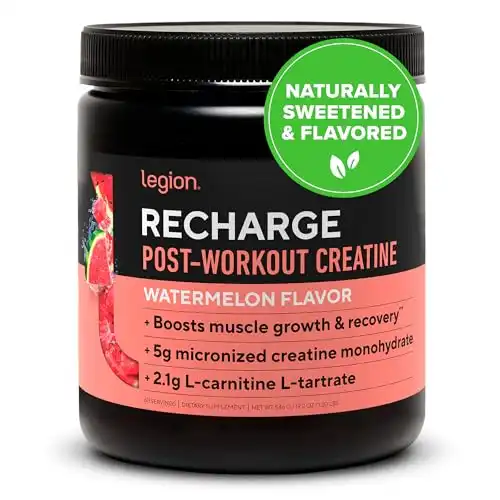
- Added Ingredients: Some products include compounds like HMB (beta-hydroxy-beta-methylbutyrate) for muscle preservation or L-carnitine for fat metabolism. While these ingredients have their own potential benefits, ensure they are also research-backed for your specific goals. If you’re new to creatine, a pure monohydrate product is an excellent starting point to assess its individual effects.
- Fillers and Artificial Sweeteners: If you prefer a "cleaner" supplement, opt for unflavored creatine monohydrate with minimal or no added fillers, artificial sweeteners, or dyes. If you choose a flavored option, check the type of sweeteners used if you have sensitivities or preferences.
Conclusion
Creatine stands as a true powerhouse in the world of fitness supplementation – a testament to the synergy between science and human potential. Far from being a fleeting trend or a controversial substance, it is a naturally occurring compound, extensively researched and proven safe and effective for enhancing muscle growth, boosting strength, accelerating recovery, and even supporting cognitive function.
For beginners to intermediate fitness enthusiasts, integrating creatine into your regimen can be a game-changer, helping you break through plateaus, achieve new personal bests, and maximize the return on your hard work in the gym. By understanding how it works, adhering to recommended dosages of creatine monohydrate, and debunking the myths, you empower yourself to harness its full potential without unnecessary worry.
Remember, consistency is key. Make your chosen creatine supplement a regular part of your daily routine, fuel your body with proper nutrition, stay hydrated, and commit to progressive training. The journey to a stronger, more resilient you is an ongoing process, and creatine is a powerful ally that can help you unlock capabilities you might not have known you possessed. Embrace the science, commit to the process, and watch your fitness aspirations transform into tangible results.
Always consult with a healthcare professional or a registered dietitian before starting any new supplement regimen, especially if you have pre-existing health conditions or are taking medications.