In a world saturated with fleeting fitness trends and promises of instant transformations, it’s easy to get lost in the noise. We’re often told to push harder, diet stricter, and chase unrealistic ideals, only to find ourselves burned out, injured, or back where we started. But what if there was a different path? A path not defined by extremes, but by consistent effort, smart strategies, and a deep understanding of your own body and mind?
This article isn’t about quick fixes or a 30-day shred. It’s about forging an unstoppable foundation – a holistic approach to fitness that builds resilience, cultivates sustainable habits, and empowers you to thrive, not just survive, in your wellness journey. Whether you’re lacing up your first pair of running shoes or looking to break through a plateau, this comprehensive guide will equip you with the knowledge, tools, and mindset to create a fitness lifestyle that lasts a lifetime.
We’ll dive deep into the five critical pillars of sustainable fitness: mindset, strategic strength, dynamic endurance, nourishing nutrition, and restorative recovery. Each element plays a crucial role in shaping a body and mind that can adapt, overcome, and consistently move forward. Forget the fads; it’s time to invest in the real, lasting transformation that begins from within.
The Pillars of an Unstoppable Foundation
True, lasting fitness isn’t built on a single exercise or diet plan. It’s an intricate interplay of physical effort, mental fortitude, proper fueling, and adequate rest. Mastering these five pillars will not only enhance your physical capabilities but also fortify your mental resilience, leading to a truly unstoppable you.
Mindset Mastery: Your Inner Game Changer
Before you lift a weight, run a mile, or change a single meal, you must first master your mind. Your mindset is the bedrock of your fitness journey. It dictates your persistence, your response to setbacks, and ultimately, your success. Without a strong mental game, even the most perfectly crafted workout plan can crumble.
- Embrace the Journey, Not Just the Destination: Focus on the process of becoming fitter, stronger, and healthier. Celebrate small victories – an extra rep, a consistent week of workouts, choosing a healthier snack. This shifts your focus from an often distant end goal to the empowering daily actions that build momentum.
- Cultivate Self-Compassion: Understand that bad days happen. You might miss a workout, eat something off-plan, or feel unmotivated. Instead of self-criticism, practice self-compassion. Acknowledge the setback, learn from it, and gently guide yourself back on track. Perfection is an illusion; consistency with compassion is key.
- Set Realistic Expectations: Grand, ambitious goals are inspiring, but unrealistic ones lead to frustration. Start small, build momentum, and progressively challenge yourself. Aim for consistency over intensity, especially in the beginning. For example, instead of aiming to run a marathon in a month, focus on running three times a week for 20 minutes.
- Visualize Success: Before a challenging workout or when feeling doubt, take a moment to visualize yourself successfully completing the task. Imagine the feeling of accomplishment, the surge of energy, and the satisfaction of pushing your limits. This mental rehearsal can significantly boost your confidence and performance.
- Positive Self-Talk: Become aware of your internal dialogue. Are you your own biggest cheerleader or harshest critic? Replace negative thoughts ("I can’t do this") with empowering affirmations ("I am strong enough to try," "Every effort counts"). Your words have power; use them to build yourself up.
Actionable Advice: Start a "success journal." Each day, jot down one fitness-related positive achievement, no matter how small. It could be drinking enough water, choosing stairs over the elevator, or completing a workout. Over time, this creates a powerful record of your progress and reinforces a positive mindset.
Strategic Strength: Building a Resilient Body
Strength training is not just for bodybuilders or elite athletes; it’s fundamental for everyone seeking a resilient, functional body. It’s the ultimate investment in your long-term health, helping you move better, prevent injuries, and maintain metabolic health.
- Why Strength Training is Paramount:
- Increased Muscle Mass: Boosts metabolism, helping with weight management even at rest.
- Improved Bone Density: Reduces the risk of osteoporosis, especially crucial as we age.
- Enhanced Functional Strength: Makes everyday tasks easier – lifting groceries, playing with kids, carrying luggage.
- Injury Prevention: Strengthens muscles, tendons, and ligaments around joints, providing better support and stability.
- Better Body Composition: Builds lean muscle, reducing body fat percentage for a more toned physique.
- Progressive Overload: The Growth Engine: To get stronger, you must continually challenge your muscles. This is progressive overload. It can mean:
- Increasing the weight you lift.
- Performing more repetitions or sets.
- Reducing rest time between sets.
- Increasing the frequency of your workouts.
- Improving your exercise form.
- Proper Form Over Heavy Weight: This cannot be stressed enough, especially for beginners. Incorrect form leads to injury and ineffective workouts. Start with lighter weights or even bodyweight to master the movement pattern before adding significant load. Consider filming yourself or working with a qualified trainer.
- Bodyweight vs. Free Weights:
- Bodyweight Exercises: Excellent starting point for beginners. Exercises like squats, lunges, push-ups (on knees or elevated), and planks build foundational strength, stability, and body awareness. They require minimal equipment and can be done anywhere.
- Free Weights (Dumbbells, Barbells, Kettlebells): Offer greater versatility and allow for more significant progressive overload. They engage stabilizing muscles more effectively than machines. When you’re comfortable with bodyweight movements, gradually introduce free weights.
Sample Full-Body Strength Workout (2-3 times per week, 3 sets of 8-12 reps):
- Squats: Bodyweight, Goblet Squats (holding a dumbbell), or Barbell Back Squats.
- Push-ups: On knees, incline (hands on a bench), or on toes.
- Lunges: Bodyweight, holding dumbbells.
- Dumbbell Rows: Single-arm rows with a dumbbell.
- Plank: Hold for 30-60 seconds.
- Overhead Press: Dumbbells or barbell.
Actionable Advice: Pick 2-3 full-body strength workouts per week. Focus on compound movements that work multiple muscle groups simultaneously. Track your progress – record the weights, reps, and sets you perform to ensure you’re applying progressive overload.
Dynamic Endurance: Fueling Your Stamina
Cardiovascular fitness, often simply called "cardio," is vital for heart health, stamina, and overall vitality. It ensures your body’s engine – your heart and lungs – operates efficiently, providing the fuel your muscles need to perform.
- Benefits of Cardiovascular Fitness:
- Stronger Heart and Lungs: Improves the efficiency of oxygen delivery throughout your body.
- Increased Stamina: Allows you to sustain physical activity for longer periods without fatigue.
- Improved Mood and Reduced Stress: Releases endorphins, acting as natural mood elevators.
- Enhanced Sleep Quality: Regular cardio can lead to deeper, more restorative sleep.
- Better Weight Management: Burns calories and can contribute to a healthier body composition.
- Types of Cardio:
- Low-Intensity Steady State (LISS): Activities like brisk walking, light jogging, cycling, or swimming at a moderate, consistent pace for an extended period (30-60 minutes). Great for recovery, building aerobic base, and burning fat.
- High-Intensity Interval Training (HIIT): Short bursts of maximum effort followed by brief recovery periods. Highly effective for improving cardiovascular fitness, burning calories, and boosting metabolism in a shorter amount of time (15-30 minutes). Examples include sprints, burpees, or jump squats with rest.
- Incorporating Cardio into Your Routine:
- Start Gradually: If you’re new, begin with 20-30 minutes of LISS 3-4 times a week.
- Mix it Up: Combine LISS with 1-2 sessions of HIIT once you’ve built a solid foundation. This offers a balanced approach, improving both endurance and power.
- Everyday Movement: Don’t underestimate the power of simply moving more. Take the stairs, walk during lunch breaks, park further away. These small changes accumulate.
Actionable Advice: Find a cardio activity you genuinely enjoy. If you hate running, try swimming, dancing, or hiking. Enjoyment is a massive predictor of long-term adherence. Aim for at least 150 minutes of moderate-intensity cardio or 75 minutes of vigorous-intensity cardio per week, as recommended by health organizations.
Nourish to Flourish: The Fueling Strategy
What you put into your body directly impacts your energy levels, recovery, and ability to perform. Sustainable nutrition isn’t about deprivation; it’s about intelligent fueling that supports your fitness goals and overall health, without feeling restrictive or unsustainable.
- Beyond Diets: Sustainable Eating Habits: Forget temporary "diets" that promise quick fixes. Focus on building habits that you can maintain indefinitely. This means understanding portion sizes, making informed food choices, and listening to your body’s hunger cues.
- Key Nutritional Principles:
- Whole Foods Focus: Prioritize unprocessed, nutrient-dense foods: fruits, vegetables, lean proteins, whole grains, healthy fats. These provide essential vitamins, minerals, and fiber.
- Adequate Protein Intake: Protein is crucial for muscle repair and growth, satiety, and metabolic function. Include a source of lean protein (chicken, fish, beans, lentils, tofu, eggs) with every meal.
- Hydration is Non-Negotiable: Water is essential for every bodily function, including nutrient transport, temperature regulation, and joint lubrication. Aim for at least 8 glasses of water daily, and more if you’re active.
- Healthy Fats: Don’t fear fats! Healthy fats (avocado, nuts, seeds, olive oil, fatty fish) are vital for hormone production, nutrient absorption, and sustained energy.
- Mindful Eating: Pay attention to your food. Eat slowly, savor each bite, and listen to your body’s signals of hunger and fullness. This helps prevent overeating and enhances satisfaction.
- Practical Tips:
- Meal Prepping: Dedicate a few hours each week to prepare healthy meals or components (cooked protein, chopped veggies). This makes healthy eating convenient, especially on busy days.
- Portion Awareness: You don’t always need to weigh your food, but understanding appropriate portion sizes for different food groups is beneficial. Use your hand as a guide: a palm-sized portion of protein, a fist-sized portion of carbs, and a thumb-sized portion of fats.
- Strategic Snacking: If you need snacks, choose nutrient-dense options like fruit, nuts, Greek yogurt, or vegetable sticks with hummus.
- Balance and Flexibility: Allow for occasional treats without guilt. A balanced approach means enjoying your food and life, not adhering to rigid rules that make you feel deprived.
Actionable Advice: Start by making one sustainable dietary change each week. For example, focus on adding a serving of vegetables to every dinner, or ensuring you drink enough water. Small, consistent changes lead to big results.
Rest and Recovery: The Unsung Heroes
In our hustle culture, rest is often seen as a luxury or a sign of weakness. In reality, it’s a non-negotiable component of an unstoppable fitness journey. Your muscles don’t grow during your workout; they grow and repair during recovery. Neglecting rest leads to burnout, plateaus, and increased injury risk.
- The Critical Role of Sleep: Aim for 7-9 hours of quality sleep per night. During sleep, your body repairs tissues, consolidates memories, and regulates hormones crucial for appetite and metabolism. Poor sleep can sabotage your fitness efforts, regardless of how well you train or eat.
- Active Recovery: On rest days, engage in light activities that promote blood flow without adding significant stress. This could be a leisurely walk, gentle yoga, stretching, or foam rolling. Active recovery helps reduce muscle soreness and improves flexibility.
- Stress Management: Chronic stress elevates cortisol levels, which can hinder recovery, promote fat storage, and deplete energy. Incorporate stress-reducing practices into your daily routine:
- Mindfulness or meditation.
- Deep breathing exercises.
- Spending time in nature.
- Hobbies that bring you joy.
- Listen to Your Body: Learn to distinguish between muscle soreness and actual pain. If something feels genuinely painful, stop and assess. Don’t push through pain; it’s your body’s warning system. Take rest days when needed, even if they aren’t scheduled.
Actionable Advice: Establish a consistent sleep schedule, going to bed and waking up at roughly the same time each day, even on weekends. Create a relaxing bedtime routine (e.g., dim lights, no screens, warm bath) to signal to your body that it’s time to wind down.
Crafting Your Personalized Blueprint: From Theory to Practice
Understanding the pillars is the first step; the next is to integrate them into a personalized plan that fits your life. There’s no one-size-fits-all approach to fitness, and your blueprint should be as unique as you are.
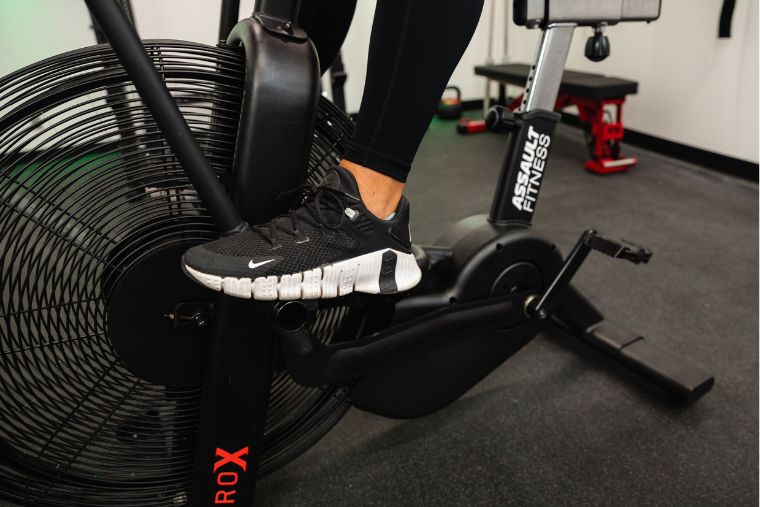
Assessing Your Starting Line: Honesty is Key
Before you map out your journey, you need to know where you’re beginning. A realistic self-assessment will inform your goals and strategy.
- Current Activity Level: How active are you currently? How many times a week do you exercise? What kind of exercise?
- Health Status: Do you have any existing injuries, chronic conditions, or physical limitations? (Always consult a healthcare professional before starting a new fitness regimen if you have concerns.)
- Goals: What do you truly want to achieve? Be specific.
- Example: "I want to feel stronger," "I want to run a 5K without stopping," "I want to lose 10 pounds and keep it off," "I want more energy."
- Time Constraints: How much time can you realistically commit to exercise and meal preparation each week? Be honest with yourself. A consistent 30 minutes three times a week is better than an ambitious hour daily that you never stick to.
- Resources: What equipment do you have access to? What’s your budget for gym memberships or healthy food?
SMART Goals: Ensure your goals are:
- Specific: "I will do three 30-minute strength workouts per week."
- Measurable: "I will be able to do 10 push-ups on my toes."
- Achievable: "I will gradually increase my walking distance by 10% each week."
- Relevant: "This goal will help me feel more energetic and confident."
- Time-bound: "I will achieve this by the end of three months."
Actionable Advice: Write down your current status in each category. Then, articulate 1-2 SMART goals for the next 3 months. Review these weekly to stay focused.
Designing Your Weekly Rhythm: Consistency Over Intensity
Once you know your starting point and goals, it’s time to design a sustainable weekly schedule. Remember, consistency is the magic ingredient.
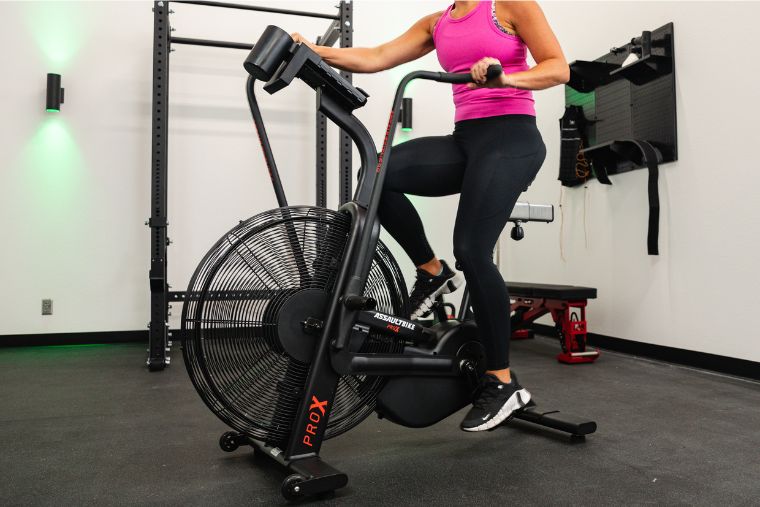
- Sample Weekly Blueprint (Adapt to your goals and availability):
- Monday: Full-Body Strength Training (45-60 min)
- Tuesday: Active Recovery (e.g., 30-min brisk walk or gentle yoga)
- Wednesday: HIIT (20-30 min) or another Strength Training session
- Thursday: LISS Cardio (30-45 min, e.g., cycling, light jog)
- Friday: Full-Body Strength Training (45-60 min)
- Saturday: Active Recovery or Outdoor Activity (e.g., hiking, team sport)
- Sunday: Complete Rest and Stress Management
- Flexibility and Adaptability: Life happens. Your schedule won’t always be perfect. If you miss a workout, don’t beat yourself up. Just pick up where you left off. If you’re feeling unusually tired, swap a high-intensity session for a walk. Learn to adjust your plan without abandoning it entirely.
- Batching and Stacking: Can you combine activities? For example, walk to the gym, or do a quick core workout after your run. Look for efficiencies in your routine.
Actionable Advice: Block out your workout times in your calendar like any other important appointment. This increases commitment. Have a "Plan B" for busy days – even a 15-minute bodyweight circuit is better than nothing.
Overcoming Obstacles: Strategies for Staying on Track
Every fitness journey will have its challenges. The key to being unstoppable is not avoiding obstacles, but having strategies to navigate them.
- Common Challenges and Solutions:
- Time:
- Solution: Prioritize. Schedule workouts. Break them into smaller chunks (e.g., two 15-minute sessions). Opt for efficient full-body workouts.
- Motivation:
- Solution: Find an accountability partner. Vary your workouts. Set non-scale goals (e.g., lift heavier, run further). Reward yourself (non-food rewards). Revisit your "why."
- Plateaus:
- Solution: Review progressive overload. Change your workout routine or exercises. Adjust nutrition. Prioritize recovery and sleep. Consider professional guidance.
- Injury:
- Solution: Listen to your body. Seek professional help (physiotherapist, doctor). Focus on what you can do (e.g., upper body if lower body is injured). Be patient with recovery.
- Travel/Vacation:
- Solution: Plan ahead. Look for hotel gyms. Pack resistance bands. Prioritize walks and active sightseeing. Don’t aim for perfection, just consistency.
- Time:
- Accountability: Share your goals with a trusted friend, family member, or join a fitness community. Knowing someone is checking in can be a powerful motivator.
- Professional Guidance: Don’t hesitate to invest in a certified personal trainer, nutritionist, or coach, especially when starting or if you hit a plateau. Their expertise can provide personalized plans, correct form, and invaluable motivation.
Actionable Advice: Identify your top 2-3 biggest potential obstacles. For each, brainstorm two specific, actionable solutions you can implement.
Tracking Progress: More Than Just the Scale
While weight loss or muscle gain can be motivating, they are just two metrics. A truly holistic approach tracks a wider range of progress indicators that reflect your overall health and resilience.
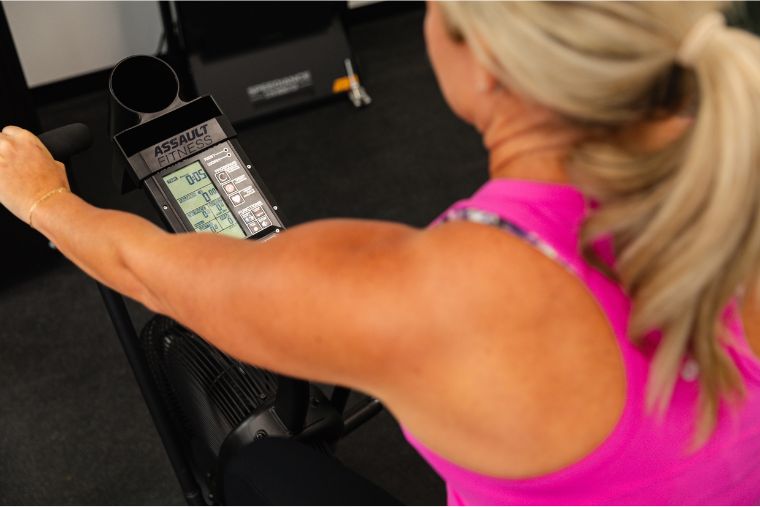
- Beyond the Scale:
- Performance Metrics: Can you lift heavier, do more reps, run faster, or for longer? These are powerful indicators of strength and endurance gains.
- Body Measurements: Track waist, hips, arms, and thighs. Changes here often reflect body composition improvements even if the scale doesn’t move.
- Progress Photos: Take photos every 4-6 weeks in the same lighting and clothing. Visual changes can be incredibly motivating and often reveal progress the scale misses.
- Energy Levels: Do you have more sustained energy throughout the day?
- Mood and Mental Clarity: Are you feeling more positive, less stressed, and thinking more clearly?
- Sleep Quality: Are you falling asleep faster and waking up feeling more rested?
- Clothing Fit: How do your clothes feel? This is a fantastic real-world indicator of progress.
- Celebrating Small Victories: Don’t wait for the ultimate goal to celebrate. Acknowledge every step forward – consistently hitting your water intake, mastering a new exercise, choosing a healthy meal when tempted otherwise. These small wins build momentum and reinforce positive habits.
Actionable Advice: Keep a fitness journal. Record your workouts, how you felt, what you ate, and any non-physical changes you notice (e.g., "slept great," "less stressed at work"). Review it regularly to see your journey unfold.
Your Journey to Unstoppable
Embarking on a fitness journey built on sustainable principles is an investment in your entire life. It’s about more than just physical appearance; it’s about cultivating a body that serves you well, a mind that empowers you, and habits that endure. This isn’t a race to a finish line, but a continuous evolution, a commitment to becoming the most resilient, vibrant version of yourself.
Remember, every expert was once a beginner. Start where you are, use what you have, and do what you can. The path to an unstoppable you is paved with consistency, patience, and a willingness to learn and adapt. You have the power within you to forge this foundation. Embrace the challenge, trust the process, and step confidently into your journey. Your future, stronger, more resilient self is waiting.
Start today. Build your foundation. Become unstoppable.