
The roar of the crowd, the tension in the air, the sheer athleticism on display – there’s nothing quite like experiencing a live NCAA tournament game. For many, it’s a bucket-list item. But what if your personal "tournament" is the one you play out in your own life, striving for better health and fitness? The journey to a fitter you can feel just as exhilarating, and with the right strategy, just as achievable.
Many of us start with grand intentions, fueled by inspiration. We envision ourselves effortlessly running marathons or lifting impressive weights. However, the reality of building a sustainable fitness routine can be daunting, especially when life’s demands pile up. This guide is designed for you, the beginner to intermediate fitness enthusiast, who’s ready to move beyond fleeting motivation and cultivate lasting healthy habits. We’ll break down the process into actionable steps, empowering you to create a fitness plan that fits your life, not the other way around.
Understanding the "Why": Your Personal Motivation Catalyst
Before diving into workout plans and dietary changes, it’s crucial to connect with your "why." What truly drives your desire for a healthier lifestyle? Is it to have more energy to play with your kids? To feel more confident in your own skin? To manage stress more effectively? To simply feel stronger and more capable?
Identifying your core motivation is the bedrock of any successful fitness journey. Without a compelling reason, it’s easy to fall off track when challenges arise.
Finding Your Deepest Drive
- Journaling for Clarity: Spend some quiet time reflecting. Grab a notebook and jot down your thoughts. Ask yourself:
- What does being fit and healthy mean to me?
- What are the immediate benefits I’m seeking?
- What are the long-term rewards?
- What negative consequences am I trying to avoid?
- Visualize Your Success: Close your eyes and vividly imagine yourself achieving your fitness goals. What does it look like? How does it feel? This mental rehearsal can be a powerful motivator.
- Connect with Others: Talk to friends or family who have successfully integrated fitness into their lives. Understanding their journey and motivations can be inspiring.
Real-Life Example: Sarah, a busy mother of two, realized her "why" was to have the stamina to keep up with her energetic children. This simple, yet powerful, motivation kept her consistent with her workouts, even on days she felt exhausted. Her goal wasn’t about aesthetics; it was about presence and participation in her family’s life.
Building the Foundation: The Pillars of a Sustainable Routine
A sustainable fitness routine isn’t just about hitting the gym five days a week. It’s a holistic approach that encompasses movement, nutrition, rest, and mental well-being. For beginners, focusing on these core pillars will create a solid framework for long-term success.
1. Consistent Movement: Finding Joy in Activity
The key here is consistency, not intensity. Start with activities you genuinely enjoy. This makes it far more likely that you’ll stick with it.

Getting Started with Movement:
- Start Small: Don’t aim for an hour-long workout on day one. Begin with 15-20 minutes of activity a few times a week.
- Explore Different Options:
- Walking: This is the most accessible form of exercise. Aim for a brisk pace that elevates your heart rate. Explore local parks, trails, or even just your neighborhood.
- Dancing: Put on your favorite music and let loose! It’s a fantastic cardiovascular workout and a great stress reliever.
- Cycling: Whether outdoors or on a stationary bike, cycling is a low-impact way to improve cardiovascular health.
- Swimming: Another excellent low-impact option that works your entire body.
- Bodyweight Exercises: Squats, lunges, push-ups (even on your knees), and planks can be done anywhere with no equipment.
- Schedule It In: Treat your workouts like any other important appointment. Block out time in your calendar.
Actionable Advice: Create a weekly movement schedule. For example:
- Monday: 20-minute brisk walk
- Wednesday: 15-minute bodyweight circuit
- Friday: 30-minute dance session at home
2. Nourishing Your Body: Fueling for Performance and Recovery
Fitness isn’t solely about burning calories; it’s also about providing your body with the nutrients it needs to perform, recover, and thrive. This doesn’t mean drastic diets or deprivation. It’s about making conscious, healthier choices.
Simple Nutrition Strategies:
- Prioritize Whole Foods: Focus on fruits, vegetables, lean proteins, and whole grains. These provide essential vitamins, minerals, and fiber.
- Hydration is Key: Drink plenty of water throughout the day. It aids digestion, energy levels, and overall bodily function.
- Mindful Eating: Pay attention to your hunger and fullness cues. Eat slowly and savor your meals.
- Small, Sustainable Swaps: Instead of eliminating everything you love, make gradual changes.
- Swap sugary drinks for water or unsweetened tea.
- Choose whole-wheat bread over white bread.
- Incorporate a serving of vegetables with every meal.
- Don’t Fear "Treats": A balanced approach allows for occasional indulgences. Deprivation often leads to bingeing.
Real-Life Example: Mark, who struggled with energy levels, noticed a significant improvement by simply adding a piece of fruit and a handful of nuts as a mid-morning snack, replacing his usual sugary pastry. This provided sustained energy and reduced his cravings later in the day.
3. Rest and Recovery: The Unsung Heroes of Progress
Your body doesn’t get stronger or fitter during your workout; it does so during the recovery period. Adequate sleep and strategic rest days are non-negotiable.
Prioritizing Rest:
- Aim for 7-9 Hours of Sleep: Quality sleep is crucial for muscle repair, hormone regulation, and cognitive function.
- Incorporate Active Recovery: On rest days, engage in light activities like gentle stretching, yoga, or a leisurely walk. This promotes blood flow and reduces muscle soreness.
- Listen to Your Body: If you’re feeling exceptionally fatigued or sore, don’t push through it. Take an extra rest day. It’s better to take a day off than to push too hard and risk injury.
Actionable Advice: Establish a relaxing bedtime routine to signal to your body that it’s time to wind down. This could include reading, taking a warm bath, or meditating.
Designing Your Workout Plan: A Step-by-Step Approach
Now that you have a solid understanding of the foundational pillars, let’s talk about building your actual workout routine. The goal is to create a plan that is progressive, engaging, and fits your lifestyle.
H2: Creating Your Personalized Fitness Blueprint
H3: Assessing Your Starting Point
Before you jump into complex exercises, it’s wise to understand your current fitness level. This helps in setting realistic goals and preventing overexertion.

- Simple Fitness Tests:
- Cardiovascular Endurance: How long can you walk briskly without feeling excessively breathless? Can you hold a conversation while walking?
- Strength: How many bodyweight squats can you do with good form? Can you hold a plank for 30 seconds?
- Flexibility: Can you touch your toes? How is your range of motion in key joints like hips and shoulders?
H3: Setting SMART Goals
SMART goals are:
- Specific: Clearly define what you want to achieve.
- Measurable: How will you track your progress?
- Achievable: Is your goal realistic given your current circumstances?
- Relevant: Does this goal align with your "why"?
- Time-bound: Set a deadline for achieving your goal.
Example SMART Goal: "I will be able to comfortably walk for 30 minutes, three times a week, by the end of next month."
H3: Structuring Your Week: A Balanced Approach
A well-rounded fitness plan typically includes a mix of cardiovascular exercise and strength training.
Cardiovascular Training:
- Frequency: Aim for at least 150 minutes of moderate-intensity cardio or 75 minutes of vigorous-intensity cardio per week.
- Duration: Start with shorter sessions (20-30 minutes) and gradually increase the duration as your endurance improves.
- Intensity: You should be able to talk but not sing during moderate-intensity cardio. For vigorous intensity, you’ll only be able to speak a few words at a time.
Strength Training:
- Frequency: Aim for 2-3 strength training sessions per week, with at least one rest day between sessions targeting the same muscle groups.
- Focus on Compound Movements: These exercises work multiple muscle groups simultaneously, making them highly efficient. Examples include:
- Squats: Works quads, hamstrings, glutes.
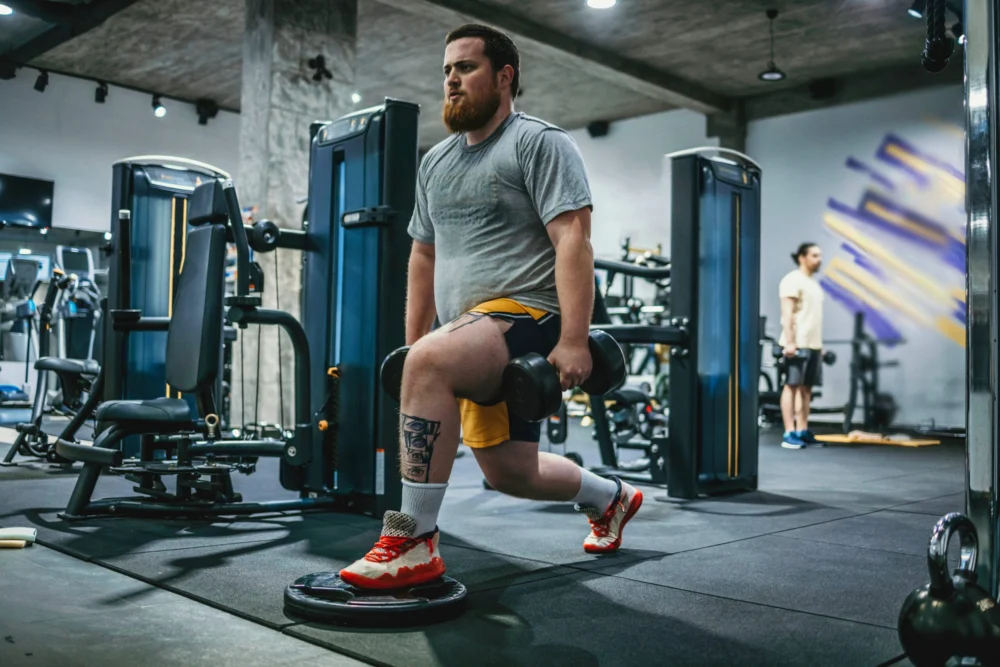
- Lunges: Works quads, hamstrings, glutes, and improves balance.
- Push-ups: Works chest, shoulders, triceps.
- Rows (using resistance bands or weights): Works back muscles, biceps.
- Plank: Works core muscles.
- Repetitions and Sets: For beginners, aim for 2-3 sets of 8-12 repetitions for each exercise. Focus on controlled movements and proper form.
Practical Workout Tip: If you’re new to strength training, consider using resistance bands or lighter weights to master the form before increasing the load. Watch instructional videos and, if possible, consult with a fitness professional for guidance.
H3: Progressive Overload: The Key to Continuous Improvement
To keep making progress, you need to gradually increase the demands placed on your body. This is known as progressive overload.
Ways to Implement Progressive Overload:
- Increase Weight/Resistance: Lift slightly heavier weights or use stronger resistance bands.
- Increase Repetitions: Do more repetitions with the same weight.
- Increase Sets: Add an extra set to your exercises.
- Decrease Rest Time: Reduce the rest period between sets.
- Increase Frequency: Add another workout session to your week.
- Improve Form: Executing the exercise with better technique can increase its effectiveness.
Example: If you can comfortably do 10 squats with good form, next time aim for 12. Once you can do 15, consider adding a light weight or increasing the depth of your squats.
Overcoming Common Obstacles: Staying Motivated and Consistent
The path to fitness isn’t always smooth. You’ll encounter days when you lack motivation, feel overwhelmed, or face unexpected setbacks. Having strategies to overcome these obstacles is crucial.
H2: Navigating the Fitness Journey: Strategies for Success
H3: Battling the Motivation Slump
- Revisit Your "Why": Remind yourself of the reasons you started.
- Vary Your Workouts: Boredom is a motivation killer. Try new activities, workout at a different location, or change your routine.
- Find a Workout Buddy: Accountability is a powerful motivator. Having someone to exercise with can make it more enjoyable and harder to skip.
- Reward Yourself: Set small milestones and reward yourself when you achieve them (with non-food rewards, like a new book or a massage).
- Focus on How You Feel: Notice the positive changes in your energy levels, mood, and sleep quality. This intrinsic motivation can be more sustainable than external goals.
H3: Dealing with Plateaus
A plateau is when your progress stalls. This is normal and can be a sign that your body has adapted to your current routine.
- Change Your Training Stimulus: Introduce new exercises, change your rep ranges, or try a different training style (e.g., high-intensity interval training if you’ve been doing steady-state cardio).
- Adjust Your Nutrition: Ensure you’re fueling your body adequately. Sometimes, a slight increase in calorie intake from healthy sources can help break a plateau.
- Prioritize Recovery: Ensure you’re getting enough sleep and rest. Overtraining can lead to plateaus.
H3: Making Fitness a Lifestyle, Not a Chore
The ultimate goal is to integrate fitness seamlessly into your life.
- Be Patient: Sustainable change takes time. Don’t get discouraged if you don’t see results immediately.
- Be Flexible: Life happens. If you miss a workout, don’t beat yourself up. Just get back on track with your next planned session.
- Celebrate Small Wins: Acknowledge and appreciate every step forward, no matter how small. This reinforces positive behavior.
- Seek Support: Don’t hesitate to ask for help from friends, family, or fitness professionals.
Real-Life Example: David initially found it hard to stick to his morning runs. He started setting his alarm 10 minutes earlier to allow for a short, brisk walk around his block before his run. This small adjustment made the transition less jarring and helped him build momentum. He also started listening to engaging podcasts, making his runs more enjoyable.
The Journey Ahead: Embracing Your Potential
Embarking on a fitness journey is a powerful act of self-care. It’s about investing in your present and future well-being. Remember, the most important aspect of any fitness plan is its sustainability. Don’t chase quick fixes or compare your progress to others. Focus on creating habits that you can maintain long-term, and celebrate every victory along the way.
Just as the NCAA tournament showcases incredible dedication and resilience, your personal fitness journey is a testament to your own strength and commitment. By understanding your "why," building a balanced foundation, designing a personalized plan, and navigating challenges with grace, you are well on your way to conquering your fitness goals and experiencing the exhilarating rewards of a healthier, more vibrant life. The court is yours – step onto it with confidence and commitment, and let the transformation begin.