In an increasingly connected world, our fitness routines are evolving. Gone are the days when effective strength training was solely confined to a bustling gym. Today, a revolution is taking place within our homes, driven by sophisticated technology that brings personalized, intelligent workouts right to our living spaces. For beginners taking their first steps into the world of resistance training, or intermediate enthusiasts looking to break through plateaus, smart home fitness platforms offer an unparalleled blend of convenience, expert guidance, and measurable progress.
This article delves into how these innovative systems are reshaping the landscape of home strength training, offering actionable advice and practical insights to help you harness their power, build lasting strength, and achieve your fitness aspirations.
The Dawn of Intelligent Home Fitness: A Paradigm Shift
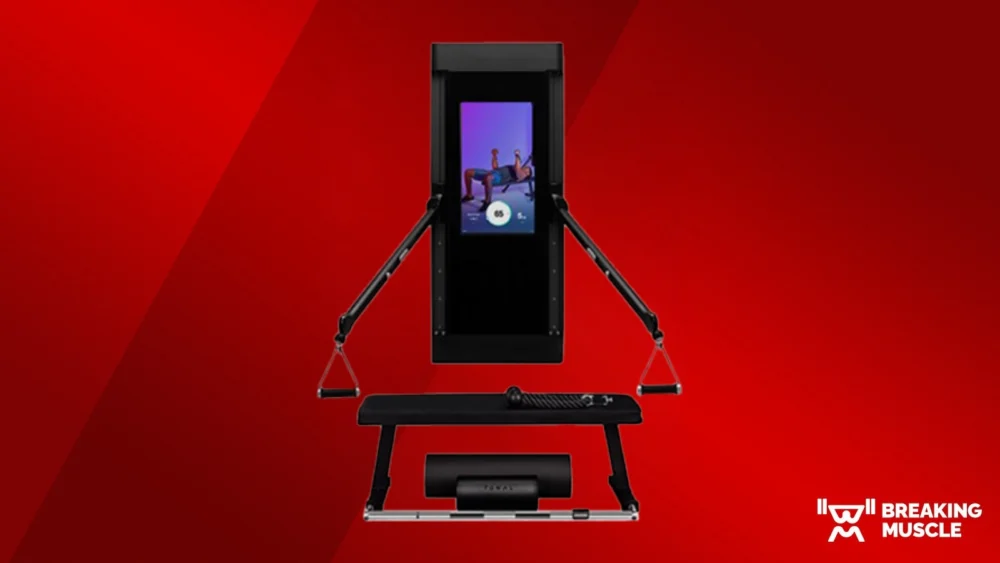
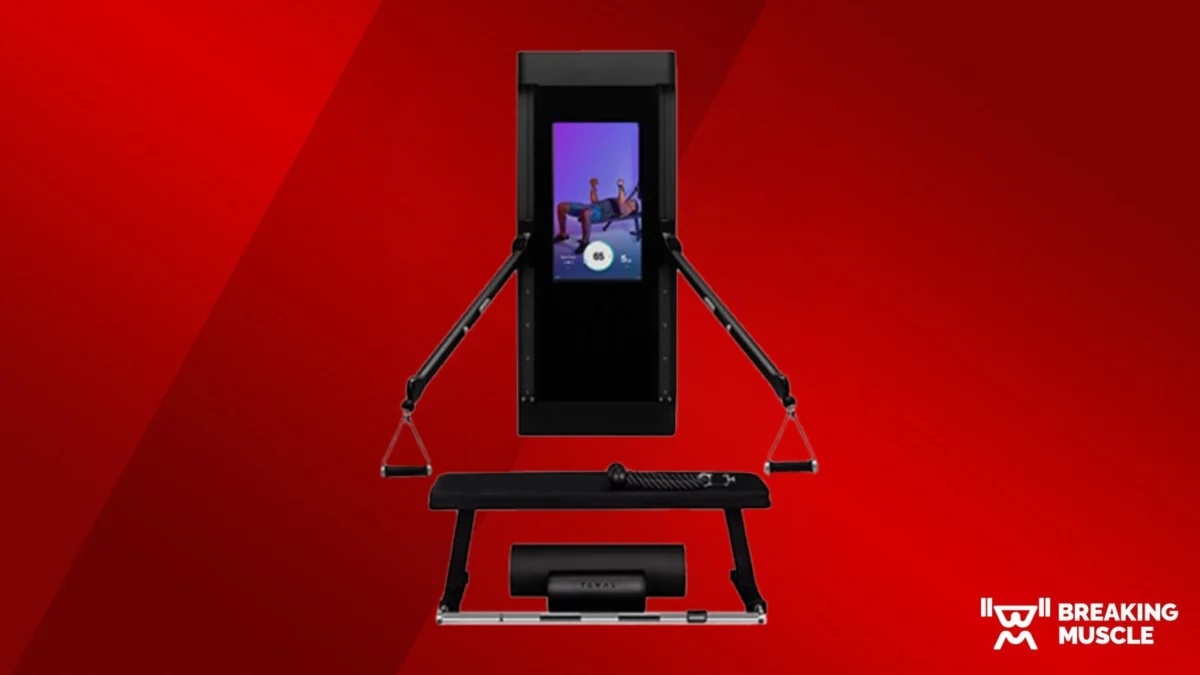
The concept of working out at home is far from new. For decades, people have relied on dumbbells, resistance bands, and bodyweight exercises to stay fit. However, the advent of "smart" or "connected" fitness platforms has transformed this landscape entirely. These aren’t just pieces of equipment; they are comprehensive ecosystems that integrate hardware, software, and human expertise to deliver an immersive, highly personalized training experience.
Imagine a personal trainer, a vast library of exercises, and an entire gym’s worth of equipment, all condensed into a sleek, space-saving unit. This is the promise of intelligent home fitness – to remove guesswork, maximize efficiency, and make consistent strength training accessible to everyone, regardless of their starting point or schedule.
Beyond the Gym Walls: Why Home Strength Training Is Here to Stay
The appeal of home workouts has surged, driven by a desire for flexibility and a more personalized environment. Smart home gym solutions amplify these benefits, making strength training more appealing and sustainable for many.
Convenience and Accessibility
One of the most significant advantages is the sheer convenience. Your workout is literally steps away, eliminating commute times, packing gym bags, and navigating crowded spaces.
- Time Efficiency: A quick 30-minute session can be seamlessly integrated into a busy day, whether before work, during a lunch break, or after putting the kids to bed.
- Always Available: No more waiting for equipment or adjusting your schedule to gym hours. Your fitness hub is open 24/7.
- Reduced Friction: The less effort required to start a workout, the more likely you are to stick with it consistently.
Personalized Environment
Your home gym is your sanctuary. You control every aspect of your workout environment, creating a space conducive to focus and motivation.
- Privacy: Work out without feeling self-conscious, especially when learning new movements or pushing your limits.
- Customization: Play your favorite music, adjust lighting, or even exercise in your pajamas – whatever helps you feel comfortable and motivated.
- Hygiene: Eliminate concerns about shared equipment and cleanliness, offering peace of mind in your personal space.
Overcoming Intimidation
For many beginners, traditional gyms can be daunting. The perceived judgment, the complex machinery, and the unspoken rules can be overwhelming. Smart home systems mitigate these fears.
- Guided Learning: Step-by-step instructions and visual demonstrations help you learn proper form without feeling observed.
- Progress at Your Pace: There’s no pressure to keep up with others; you can focus entirely on your own strength journey.
- Safe Exploration: Experiment with new exercises and push your boundaries in a secure, supportive setting.
The Core of Smart Strength: What Makes Technology So Effective?
The true power of intelligent home fitness lies in its ability to replicate and even surpass aspects of traditional gym training through advanced technology.
AI-Driven Personalization and Adaptive Resistance
Imagine a system that knows your strength, tracks your progress, and adjusts the challenge in real-time. This is where AI excels.
- Initial Assessments: Most platforms begin with a comprehensive strength assessment, evaluating your capabilities across various movement patterns. This forms a baseline, much like a personal trainer’s initial evaluation.
- Real-Time Weight Adjustments: Unlike static free weights, smart systems can dynamically alter resistance during a set. This means if you’re struggling, the weight can lighten to help you complete the rep safely (like a virtual spotter). Conversely, if you’re finding a movement too easy, the resistance can increase to ensure optimal challenge.
- Progressive Overload Made Easy: A fundamental principle of strength building, progressive overload involves gradually increasing the demands on your muscles. Smart systems automate this, suggesting heavier weights, more reps, or new exercises as you get stronger, ensuring continuous growth.
- Specialized Resistance Modes: Many platforms offer unique modes that manipulate resistance to maximize different training stimuli:
- Eccentric Focus: Increases resistance during the lowering (lengthening) phase of a movement, known for stimulating significant muscle growth and strength gains.
- Variable Resistance (Chains/Bands Simulation): Increases resistance as you move through the strongest part of a lift, mimicking the effect of adding chains to a barbell.
- Burnout Mode: Gradually decreases resistance as fatigue sets in, allowing you to push past perceived limits and maximize muscle engagement at the end of a set.
Expert-Led Guidance and Form Correction
Even the most advanced technology is enhanced by human expertise. Smart platforms integrate high-quality coaching directly into your workouts.
- Virtual Trainers: Access a diverse roster of certified instructors who lead engaging classes, providing motivation, cues, and explanations.
- Video Demonstrations: Every exercise typically comes with a clear video demonstration, often with detailed breakdowns of proper form, arm placement, and body positioning.
- Real-Time Form Feedback: Utilizing sensors and AI, some systems can detect if your form is faltering, providing audible or on-screen reminders to correct your posture, range of motion, or pace. This immediate feedback is invaluable for preventing injury and maximizing effectiveness.
- Extensive Exercise Libraries: Beyond structured programs, these platforms often boast vast libraries of individual movements, allowing you to explore new exercises or build custom routines.
Comprehensive Workout Variety
Strength training isn’t just about lifting heavy. Smart platforms offer a holistic approach to fitness, catering to diverse needs and preferences.
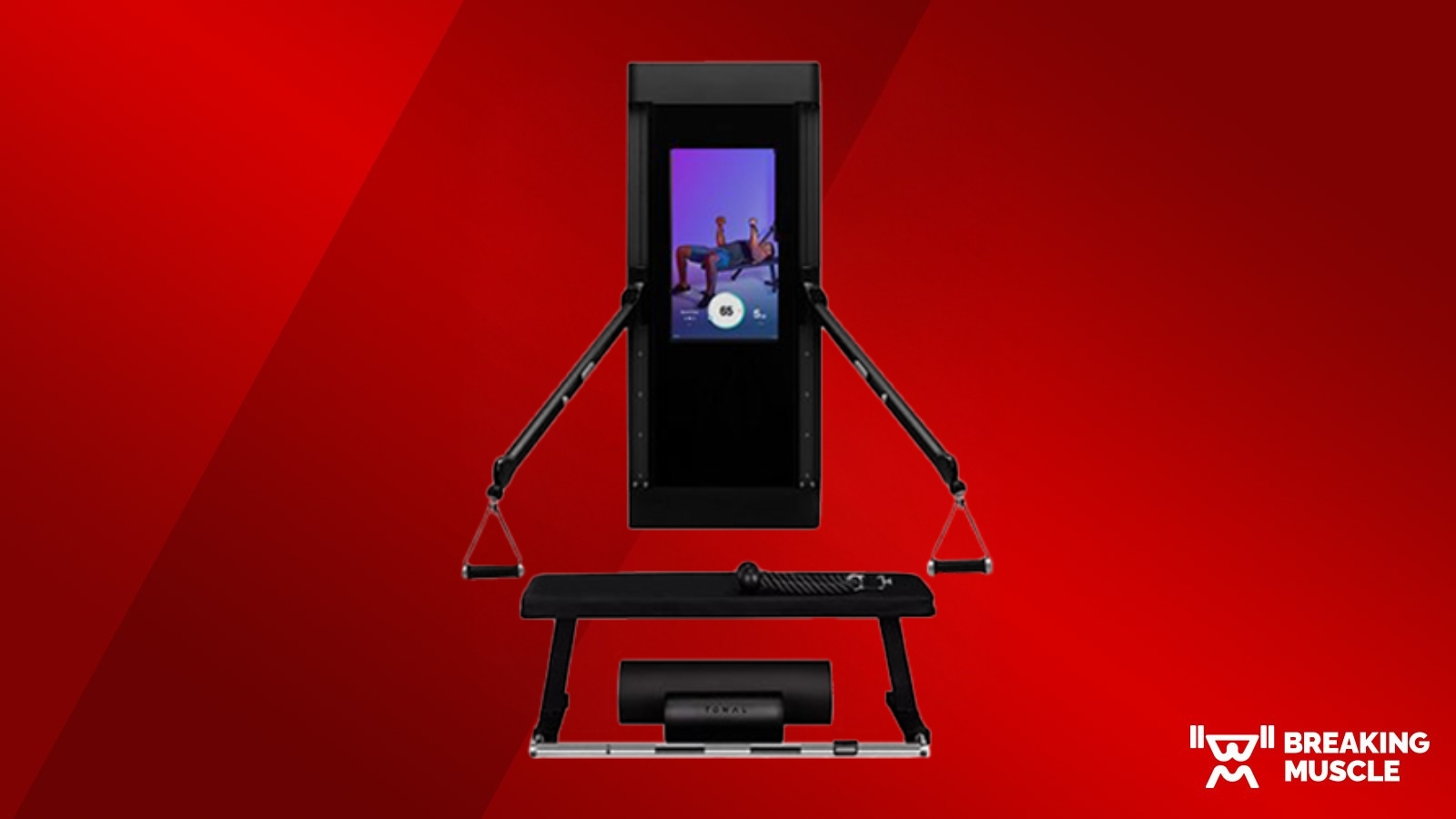
- Strength and HIIT: The core offerings often include traditional strength training, body-part splits, full-body routines, and high-intensity interval training (HIIT) with weights.
- Beyond Resistance: Many systems expand into other modalities like cardio, yoga, Pilates, barre, and recovery sessions. This breadth of content supports well-rounded fitness and prevents boredom.
- Structured Programs vs. Free Exploration: You can choose from progressive, multi-week programs designed to achieve specific goals (e.g., muscle gain, fat loss, improved endurance) or opt for "free lift" modes to perform your own exercises with intelligent tracking.
Building Your Intelligent Home Strength Routine: Practical Steps
Integrating a smart home fitness platform into your life requires a strategic approach. Here’s how to make the most of it:
Starting Strong: The Initial Assessment
Your fitness journey begins with understanding your current capabilities.
- Embrace the Baseline: Don’t shy away from the initial strength assessment. It’s not a judgment but a crucial data point for the system to personalize your experience. Be honest about your fitness level (beginner, intermediate, advanced).
- Define Your Goals: Before you start, clarify what you want to achieve. Are you aiming to build lean muscle, increase overall strength, improve body composition, or simply move more consistently? Your goals will guide your program choices.
- Patience is Key: Your first few workouts might feel awkward or unfamiliar. This is normal. Focus on learning the movements and familiarizing yourself with the technology.
Embracing Guided Programs
For beginners and intermediate users, structured programs are a game-changer.
- Follow the Path: Guided programs take the guesswork out of training, providing a clear roadmap for progressive overload and skill development. Stick with a program for its entire duration to see the best results.
- Listen to Your Body, Trust the Program: While the system guides you, always be mindful of how your body feels. If a weight feels genuinely unsafe, reduce it. If you’re feeling exceptionally strong, the system may adapt, or you can manually increase it slightly.
- Consistency Over Intensity (Initially): Aim for consistent engagement. Showing up regularly is more important than crushing every single session in the early stages.
Mastering Form with Digital Feedback
Proper form is paramount for both effectiveness and injury prevention.
- Watch and Learn: Pay close attention to trainer demonstrations and on-screen prompts. Pause if necessary to mimic the movement correctly.
- Heed the Cues: If the system provides auditory or visual feedback about your form, take it seriously. It’s there to help you refine your technique.
- Slow and Controlled: Prioritize slow, controlled movements over lifting heavy weights with poor form. Focus on the muscle contraction rather than just moving the weight. Real-life example: If the system tells you to lower the weight slower during a squat, consciously count to 2-3 seconds on the way down.
Leveraging Dynamic Resistance Modes
Once you’re comfortable with basic movements, these advanced modes can significantly enhance your training.
- Understand Their Purpose: Each mode serves a specific function. Eccentric training builds strength, while a spotter mode helps you push past fatigue safely.
- Let the System Lead: In many guided workouts, these modes activate automatically. Trust the programming to apply them strategically for optimal results.
- Experiment in Free Lift: As you gain experience, try activating specific modes in your "free lift" sessions to target specific weaknesses or add variety. For instance, if you want to focus on building strength in the lowering phase of a bicep curl, engage an eccentric mode.
Integrating Accessory Work and Floor Routines
Strength training is part of a holistic fitness approach.
- Utilize Attachments: The various attachments (handles, bars, ropes) mimic a wide range of gym equipment, allowing for diverse exercises. Don’t be afraid to try different grip styles or leverage angles.
- Don’t Skip Floor Work: Incorporate bodyweight exercises, cardio, yoga, or Pilates offered by the platform. These improve mobility, flexibility, cardiovascular health, and core strength, all of which support your strength training.
- Mind-Body Connection: Use yoga or stretching sessions to improve your body awareness, which translates to better form and control during weighted movements.
The Power of Data: Tracking Progress and Staying Motivated
One of the most compelling aspects of smart fitness is its sophisticated data tracking. This goes beyond simply counting reps and sets.
Beyond Just Reps: Key Metrics for Growth
Smart systems collect a wealth of data that provides a holistic view of your progress.
- Time Under Tension (TUT): This metric measures how long your muscles are working during a set, a crucial factor for muscle growth.
- Power Output: How much force you generate, indicating explosive strength.
- Range of Motion (ROM): Ensures you’re performing exercises through their full, effective range.
- Total Volume Lifted: The cumulative weight and reps across all your workouts, a direct indicator of overall work capacity.
- Strength Scores: Many platforms assign a personalized "strength score" that evolves with your performance. This objective measure provides a tangible benchmark of your increasing capabilities. You might see yourself moving from the bottom percentiles to significantly higher ranks, which is a huge motivator.
Visualizing Your Journey
Data is most powerful when it’s easily digestible and inspires continued effort.
- Detailed Workout Summaries: After each session, review your performance. See which muscles you worked, your total volume, and any personal bests.
- Historical Data: Track your progress over weeks, months, and even years. Seeing graphs of increasing strength scores or consistent workout streaks can be incredibly motivating, reminding you how far you’ve come.
- Milestones and Achievements: Many platforms gamify the experience with badges or virtual awards for reaching specific milestones (e.g., 100 workouts, 1,000,000 pounds lifted). These small victories keep the journey engaging.
Community and Engagement
While working out at home, you don’t have to feel isolated.
- Virtual Leaderboards: Engage in friendly competition by comparing your performance metrics (like strength scores or total workouts) with others in the community.
- Challenges: Participate in community-wide fitness challenges to push your limits and connect with fellow users.
- Online Forums/Groups: Many brands foster active online communities where users share tips, celebrate successes, and offer support. Real-life example: Connecting with others who are on the same program can provide invaluable encouragement and shared experiences.
Setting Up Your Smart Home Fitness Hub: Considerations for Success
Before diving in, consider the practical aspects of integrating a smart system into your home.
Space and Installation
Smart home gyms are designed to be space-efficient, but they still require careful planning.
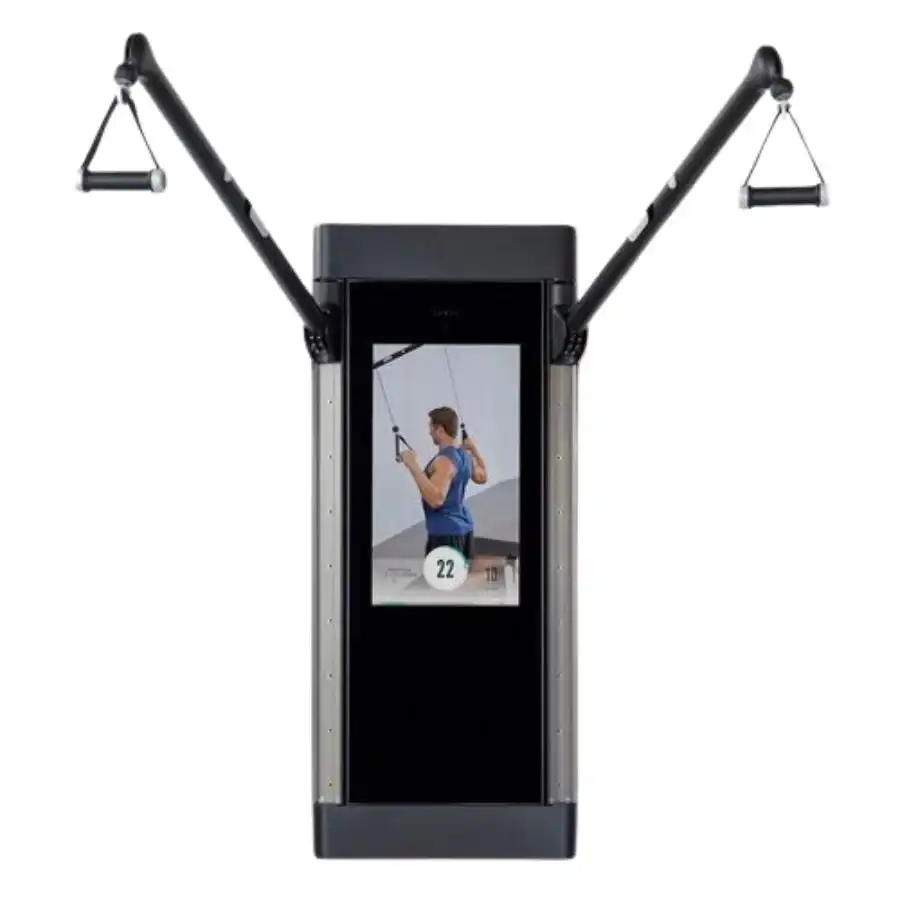
- Wall-Mounted vs. Freestanding: Many systems are wall-mounted, requiring sturdy stud placement. Others are freestanding. Understand the requirements for your chosen system.
- Clearance: Ensure you have enough clear space around the equipment to extend arms, perform squats, lunges, and other movements without obstruction. Typically, a few feet of clearance on each side and in front is sufficient.
- Professional Installation: Many premium systems require professional installation to ensure safety and proper functionality. Factor this into your budget and timeline.
Connectivity and Ecosystem
These systems are "smart" because they connect.
- Reliable Internet: A strong, stable Wi-Fi connection is crucial for streaming workouts, tracking data, and receiving updates.
- App Integration: Check if the platform’s app integrates with other fitness apps you use (e.g., Apple Health, Google Fit, Strava) or heart rate monitors.
- Music Streaming: The ability to connect your personal music streaming services can significantly enhance your workout experience.
Budgeting for Smart Fitness
Smart home gyms represent a significant investment, but the value can be substantial.
- Initial Investment: The hardware itself can range from a few hundred to several thousand dollars.
- Accessories: Many systems have optional accessory bundles (handles, bars, ropes, benches). While you might be able to use third-party attachments, the smart accessories often offer seamless integration and enhanced features.
- Subscription Models: Most smart fitness platforms operate on a subscription model, providing access to their content library, AI features, and data tracking. Factor this ongoing cost into your long-term budget. Consider what features you lose if you cancel the subscription after the initial mandatory period.
Overcoming Challenges and Sustaining Momentum
Even with the best technology, consistency requires effort and adaptability.
Addressing Potential Over-reliance
While smart systems provide excellent guidance, remember they are tools.
- Listen to Your Body: Don’t blindly follow every recommendation if your body is signaling pain or extreme fatigue. Modify weights, reps, or take an extra rest day when needed.
- Vary Your Routines: Even with a vast library, routines can become repetitive. Periodically try new workout types, different instructors, or explore "free lift" to keep things fresh.
- Step Away Occasionally: A weekend hike or an outdoor run can complement your structured training and prevent burnout.
The Importance of Recovery
Progress happens during rest, not just during workouts.
- Prioritize Sleep: Adequate sleep is fundamental for muscle repair and energy restoration.
- Nutrient-Dense Diet: Fuel your body with balanced meals that support muscle growth and recovery.
- Active Recovery: Utilize the platform’s yoga, stretching, or mobility sessions on rest days to aid recovery and improve flexibility.
Adapting to Life Changes
Life happens, and your fitness routine needs to adapt.
- Injury Management: If you experience an injury, consult a healthcare professional. Utilize your smart system’s ability to modify movements or find specialized recovery programs (e.g., lower body only if you have an upper body injury).
- Special Life Stages: During pregnancy or post-partum, for example, many platforms offer specialized programs or modifications to ensure safe and effective exercise. The ability to easily substitute movements (e.g., avoiding twisting motions) is a huge benefit.
Is Smart Home Strength Training Right for You?
Smart home fitness platforms offer a transformative experience, but they aren’t for everyone.
It’s an excellent fit if you:
- Are a beginner or intermediate fitness enthusiast seeking structured guidance and motivation.
- Value convenience and the ability to work out on your own schedule.
- Prefer a private workout environment without the intimidation of a traditional gym.
- Are motivated by data, progress tracking, and measurable results.
- Want a diverse range of workout modalities in one compact system.
- Are willing to invest in a premium fitness solution for long-term health.
It might not be the best choice if you:
- Are on a very strict budget and prefer more affordable alternatives like free weights or resistance bands.
- Are an elite-level powerlifter or bodybuilder who requires extremely heavy weights (often exceeding the maximum resistance of these systems).
- Lack reliable internet access.
- Prefer the social aspect and atmosphere of a traditional gym.
Conclusion: Your Future, Stronger Self Awaits
The landscape of fitness is continuously evolving, and smart home strength training represents a powerful leap forward. By seamlessly integrating cutting-edge technology with expert coaching, these platforms empower individuals to embark on a personalized fitness journey from the comfort and convenience of their homes.
Whether you’re looking to lift your first weight, build lean muscle, improve your overall fitness, or simply cultivate a consistent movement habit, the intelligent guidance, adaptive challenges, and comprehensive tracking offered by smart home systems can be the catalyst for profound change.
Commit to the process, embrace the technology, and listen to your body. The path to a stronger, healthier, and more confident you is not just accessible – it’s waiting for you to begin. Take that first step, harness the power of smart fitness, and unlock your fullest potential. Your future, stronger self is within reach.