In the relentless pursuit of peak physical and mental performance, we often focus on the visible metrics: lifting heavier, running faster, eating cleaner. But there’s a silent, foundational pillar of health that often gets overlooked, yet profoundly impacts every aspect of our well-being – sleep. For fitness enthusiasts aiming for that extra edge, understanding and optimizing sleep isn’t just a luxury; it’s a strategic imperative.
But how do you quantify something as elusive as a good night’s rest? This is where the burgeoning world of sleep trackers comes into play. These devices promise to demystify our nocturnal hours, offering data-driven insights into our sleep patterns. But are they truly beneficial, or just another gadget adding to the noise? To cut through the hype and get to the core of what matters, we’ve consulted with a leading sleep expert to unpack the real value of sleep tracking.
The Unseen Engine: Why Sleep Matters for Fitness
Before we dive into the technology, let’s re-emphasize why sleep is non-negotiable for anyone serious about their fitness goals. During sleep, our bodies undergo crucial restorative processes that directly influence our athletic performance and recovery.

- Muscle Repair and Growth: While you rest, your body releases human growth hormone (HGH), essential for repairing muscle tissue damaged during workouts and promoting muscle hypertrophy. Insufficient sleep can significantly hinder this process, making gains harder to achieve.
- Energy Restoration: Sleep is your body’s primary recharge time. Adequate rest replenishes glycogen stores, the primary fuel source for your muscles. Waking up feeling refreshed means you’re ready to tackle your next training session with optimal energy.
- Cognitive Function and Focus: From executing complex lifts with precision to staying focused during long cardio sessions, cognitive function is paramount. Sleep deprivation impairs concentration, reaction time, and decision-making, which can not only hinder performance but also increase the risk of injury.
- Hormonal Balance: Sleep plays a critical role in regulating hormones that influence appetite, stress, and metabolism, such as cortisol and ghrelin. Imbalances can lead to increased cravings, poor recovery, and reduced training capacity.
- Immune System Function: A robust immune system is crucial for staying healthy and consistent with your training. Chronic sleep deprivation weakens your immune defenses, making you more susceptible to illness.
In essence, every hour you invest in quality sleep is an investment in your training capacity, recovery speed, and overall resilience.
Decoding the Data: What Can a Sleep Tracker Actually Tell You?
Sleep trackers, whether they come in the form of rings, wristbands, earbuds, or under-mattress pads, aim to capture a range of physiological data during your sleep. The goal is to provide insights into:
Key Sleep Metrics Tracked
- Total Sleep Time: The overall duration you spend asleep.
- Sleep Stages:
- Light Sleep: The initial stage, where your body prepares for deeper sleep.
- Deep Sleep (Slow-Wave Sleep): Crucial for physical restoration, muscle repair, and growth hormone release.
- REM Sleep (Rapid Eye Movement): Important for cognitive functions like memory consolidation, learning, and emotional processing.
- Wakefulness/Interruptions: How many times you wake up and for how long.
- Heart Rate (HR) and Heart Rate Variability (HRV): These metrics can indicate your body’s recovery status and stress levels. Lower resting heart rate and higher HRV during sleep often correlate with better recovery.
- Respiratory Rate: Your breathing patterns during sleep.
- Blood Oxygen Levels (SpO2): Can offer insights into breathing disturbances.
- Body Temperature: Fluctuations in body temperature can correlate with sleep cycles.
Translating Data into Action
The true value of a sleep tracker lies not just in collecting data, but in interpreting it and using it to make informed adjustments to your lifestyle and training. A good sleep tracker will present this information in an easily digestible format, often with a "sleep score" or "readiness score" that synthesheshes the various metrics into an actionable overview.

A Sleep Expert’s Perspective: Unpacking the Benefits and Limitations
To gain a deeper understanding, we spoke with Dr. Michael Winter, a renowned sleep physician and author, who shared his insights on the utility of sleep trackers for fitness enthusiasts.
"Sleep trackers are a fascinating development in personal health monitoring," Dr. Winter explains. "For individuals dedicated to optimizing their physical performance, they can serve as incredibly valuable tools, provided they are used with a clear understanding of their capabilities and limitations."
The Advantages: Why Consider a Sleep Tracker?
Dr. Winter highlights several key benefits for those looking to leverage sleep data:

- Increased Self-Awareness: "The primary advantage is enhanced self-awareness," he states. "Many people think they sleep well, but objective data can reveal a different story. Identifying patterns of insufficient deep sleep, frequent awakenings, or elevated heart rate during sleep can be a wake-up call to make necessary changes."
- Identifying Influencing Factors: "For the dedicated athlete, understanding how external factors impact sleep is crucial," Dr. Winter notes. "A tracker can help you correlate your training intensity, dietary choices, alcohol consumption, or even travel schedules with your sleep quality. For example, you might notice that intense late-afternoon workouts consistently lead to poorer sleep, prompting you to shift your training window."
- Motivation for Better Habits: "The act of tracking itself can be a powerful motivator," he adds. "Seeing a consistent low sleep score can encourage you to prioritize sleep hygiene practices. Conversely, seeing your score improve after implementing changes reinforces those positive behaviors."
- Baseline Data for Professional Consultation: "If someone is experiencing persistent sleep issues or significant performance plateaus, the data from a sleep tracker can provide a valuable starting point for a consultation with a sleep specialist or physician," Dr. Winter suggests. "It gives us objective information to discuss, rather than relying solely on subjective recall."
The Crucial Caveats: What Sleep Trackers Can’t Do
However, Dr. Winter is quick to emphasize that sleep trackers are not a panacea, nor are they medical diagnostic tools.
- Not a Substitute for Medical Diagnosis: "It’s imperative to understand that sleep trackers are not medical devices," Dr. Winter stresses. "They cannot diagnose conditions like sleep apnea, insomnia, or restless leg syndrome. If you suspect you have a sleep disorder, you must consult a healthcare professional. Relying solely on a tracker for diagnosis can be dangerous and delay necessary treatment."
- Accuracy Limitations: "While accuracy has improved dramatically, sleep stage detection, particularly differentiating between light and deep sleep, can still be imperfect," he explains. "The algorithms are sophisticated, but they are interpreting physiological signals, not directly measuring brainwave activity like a polysomnography (PSG) in a sleep lab. They are excellent at measuring total sleep time and general patterns, but finer details can be less precise."
- The Risk of "Orthosomnia": Dr. Winter coins a term that is becoming increasingly relevant: "Orthosomnia," which he defines as an unhealthy obsession with achieving perfect sleep, often driven by sleep tracker data. "Users can become overly anxious about their sleep scores, which ironically can lead to worse sleep," he warns. "The goal is to use the data as a guide, not a rigid prescription. If you’re consistently getting good sleep scores but still feel tired, trust your body. Conversely, if your score is poor but you feel rested and perform well, don’t let the data stress you out."
- Data Interpretation Requires Context: "Raw data is only useful if you know how to interpret it," Dr. Winter says. "Just because your HRV was lower one night doesn’t automatically mean your training was too intense. It could be a myriad of factors. The tracker provides clues, but you need to apply your own understanding of your body and lifestyle to draw meaningful conclusions."
Which Sleep Tracker is Right for You?
The market is saturated with options, each with its own strengths and weaknesses. Here’s a look at some popular categories and what to consider, keeping Dr. Winter’s advice in mind:
Wearable Trackers (Rings, Bands, Watches)
These devices offer a comprehensive approach, tracking a wide range of metrics directly from your body.

- Smart Rings: Often favored for their unobtrusive design, they are worn on the finger and can track heart rate, HRV, temperature, and movement. They typically offer detailed sleep stage analysis and recovery scores.
- Consider if: You prefer a minimal approach, don’t want to wear a watch to bed, and value detailed recovery insights.
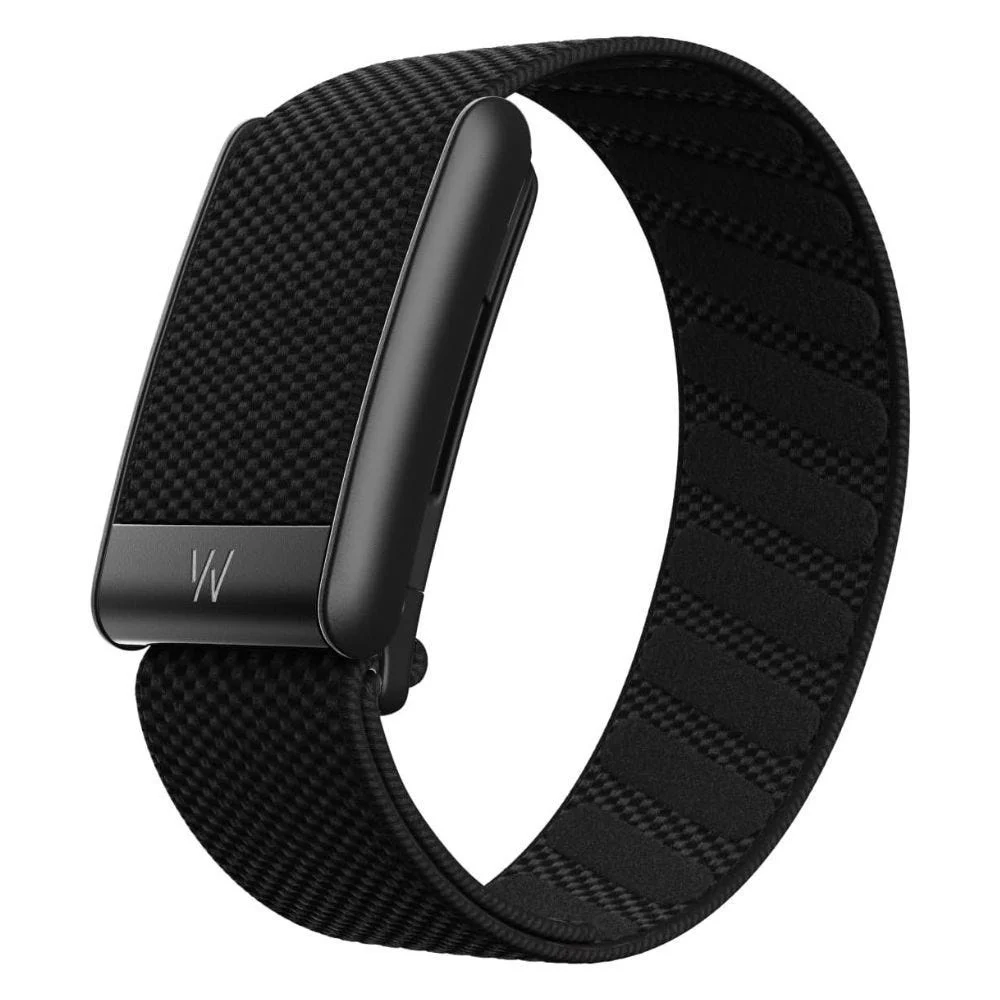
- Fitness Bands/Smartwatches: These are versatile devices that track sleep alongside your daily activity. They offer sleep duration, stages, and often resting heart rate data.
- Consider if: You already wear a smartwatch or fitness tracker and want to leverage its existing sleep-tracking capabilities. Ensure it has robust sleep analysis features.
- Dedicated Sleep Bands: Some devices are designed specifically for sleep tracking and may forgo other smartwatch features for enhanced comfort and specialized sensors.
- Consider if: Sleep is your absolute primary focus, and you want a device optimized for nocturnal wear.
Non-Wearable Trackers (Under-Mattress Pads, Earbuds)
These options offer a "set it and forget it" approach, requiring no physical wear.
- Under-Mattress Pads: These sensors are placed beneath your mattress to monitor movement, heart rate, and respiratory rate. They provide sleep duration and quality scores without any physical contact.
- Consider if: You strongly dislike wearing anything to bed or are concerned about the comfort of wearables.
- Sleep Earbuds: These specialized earbuds can block out noise and also track sleep metrics like movement and sleep stages.
- Consider if: You struggle with sleep due to environmental noise and are open to wearing earbuds to bed.
Practical Workout Tips Informed by Sleep Data
Once you have your sleep data, how can you integrate it into your fitness routine?
-
Adjust Training Intensity Based on Recovery:

- Action: If your sleep score or HRV is consistently low, consider opting for a lighter workout, active recovery, or a rest day. Pushing hard when your body hasn’t recovered can lead to overtraining, injury, and diminished returns.
- Example: You notice your sleep tracker shows a significantly reduced sleep duration and a lower HRV after a late night out. Instead of your planned high-intensity interval training (HIIT) session, you opt for a 30-minute brisk walk and some stretching.
-
Optimize Sleep Timing for Performance:
- Action: Pay attention to your wake-up times and how they correlate with your sleep stages. Some trackers can even offer personalized "bedtime windows" based on your natural sleep cycles. Aim for consistent sleep and wake times, even on weekends, to regulate your circadian rhythm.
- Example: Your tracker consistently shows you enter deep sleep earlier in the night. You might adjust your bedtime to ensure you maximize this crucial stage for muscle repair, perhaps going to bed 30 minutes earlier than usual.
-
Identify Sleep Disruptors:
- Action: Use your tracker’s data to pinpoint what might be negatively impacting your sleep. This could be anything from late-night caffeine intake to screen time before bed.
- Example: You notice that on nights you consume caffeine after 3 PM, your total sleep time and REM sleep duration are significantly lower. This insight prompts you to set a personal cut-off time for caffeine consumption.
-
Enhance Your Sleep Environment:

- Action: Factors like room temperature, light, and noise can drastically affect sleep quality. If your tracker shows frequent awakenings, consider making adjustments to your bedroom.
- Example: Your tracker notes a high number of brief awakenings. You realize your room gets too warm at night. You invest in a fan and blackout curtains to create a cooler, darker environment.
Real-Life Application: A Case Study
Sarah, a recreational runner training for her first half-marathon, was struggling with fatigue and inconsistent performance. She decided to try a smart ring to track her sleep.
- Initial Findings: Her tracker revealed she was getting an average of 6.5 hours of sleep, with very little deep sleep. She also noted a higher resting heart rate and lower HRV on nights following her longer runs, which often occurred in the late afternoon.
- Adjustments:
- She began prioritizing a consistent bedtime, aiming for 7.5-8 hours of sleep.
- She shifted her long runs to Saturday mornings instead of Friday afternoons.
- She implemented a "digital sunset" an hour before bed, avoiding screens and opting for reading.
- Results: Within a few weeks, Sarah noticed a significant improvement. Her sleep scores increased, her deep sleep duration doubled, and her HRV improved. She felt more energized during her runs, her recovery was faster, and she no longer experienced the afternoon slumps she previously battled.
The Bottom Line: Empower Your Performance Through Better Sleep
Sleep trackers offer a compelling gateway into understanding your body’s most critical restorative process. They provide objective data that can illuminate habits you might not even be aware of, empowering you to make targeted adjustments that can profoundly impact your fitness journey.
However, remember that these devices are tools, not oracles. As Dr. Winter wisely advises, "The most effective use of a sleep tracker is to become a detective of your own well-being. Use the data to ask questions, explore correlations, and experiment with lifestyle changes. But always listen to your body. True performance optimization comes from a holistic approach that integrates data with self-awareness and professional guidance when needed."

So, could you benefit from a sleep tracker? If you’re committed to unlocking your full potential, curious about the science behind your recovery, and willing to use the data as a catalyst for positive change, the answer is likely a resounding yes. Embrace the insights, make informed adjustments, and wake up to a new level of performance. Your body will thank you.