The pursuit of fitness is a deeply personal and incredibly rewarding journey, yet for many, it can feel like navigating a complex maze. We’ve all been there: starting with enthusiasm, pushing hard, only to hit a wall of burnout, injury, or simply losing motivation. The fitness industry often bombards us with quick fixes, extreme challenges, and fleeting trends, making it difficult to discern what truly works for the long haul. But what if the secret to achieving your fitness goals isn’t about intensity, but consistency? What if it’s not about perfection, but persistence?
This comprehensive guide is designed for both beginners taking their first steps into the world of fitness and intermediate enthusiasts looking to refine their approach and break through plateaus. Our aim is to equip you with the knowledge, strategies, and mindset necessary to build a fitness routine that isn’t just effective, but genuinely sustainable. We’ll strip away the complexities and provide you with a clear, actionable blueprint to forge a robust foundation of health and strength that will serve you for a lifetime. Prepare to discover how to train smarter, fuel your body wisely, and cultivate a resilient mindset that transforms fitness from a chore into an integral, enjoyable part of your life.
The Unshakeable Pillars of a Sustainable Fitness Journey
Sustainable fitness isn’t just about showing up at the gym; it’s about building a holistic lifestyle that supports your physical and mental well-being. It’s about creating habits that stick, understanding your body’s needs, and fostering a positive relationship with movement. Let’s explore the fundamental pillars that will underpin your lasting success.
Pillar 1: Define Your "Why" – Setting Meaningful Goals
Before you lift a single weight or take a step on the treadmill, pause and ask yourself: Why am I doing this? Your "why" is the bedrock of your motivation. It’s the intrinsic force that will keep you going when enthusiasm wanes. Vague goals like "I want to get fit" are admirable but rarely actionable. Instead, cultivate goals that resonate deeply and are clearly defined.
Actionable Advice: The SMART Goal Framework
Transform your aspirations into achievable targets using the SMART framework:
- Specific: What exactly do you want to achieve? (e.g., "I want to be able to do 10 push-ups on my knees" or "I want to run a 5K race").
- Measurable: How will you track your progress? (e.g., "I will track my push-ups daily" or "I will use a running app to record my distance and time").
- Achievable: Is this goal realistic given your current abilities and resources? (e.g., If you can currently do 2 push-ups, 10 is achievable; 100 might not be in a month).
- Relevant: Does this goal align with your broader values and long-term health vision? (e.g., Running a 5K is relevant if you want to improve cardiovascular health).
- Time-bound: When do you want to achieve this goal? (e.g., "by December 31st" or "in the next 3 months").
Real-Life Example:
Instead of: "I want to lose weight."
Try: "I will consistently perform three strength training sessions and two cardio sessions per week for the next 12 weeks to build muscle and improve my overall fitness. I aim to reduce my body fat percentage by 3% and feel stronger in my daily activities."
Connecting your goals to deeper values – like improved energy for playing with your kids, enhanced self-confidence, or a reduced risk of chronic disease – provides an emotional anchor that makes your fitness journey far more resilient.
Pillar 2: Embrace Consistency Over Intensity
The biggest mistake many fitness enthusiasts make, especially beginners, is going "all in" too fast. They push themselves to exhaustion, suffer extreme soreness, and quickly burn out. Sustainable fitness thrives on consistency, not sporadic bursts of extreme effort. A moderate, regular effort consistently applied over time yields far greater results than intense, short-lived endeavors.
Practical Tip: Start Small, Build Momentum
Don’t aim for a perfect 7-day-a-week workout schedule from day one. Begin with a realistic commitment, perhaps 2-3 structured workouts per week, coupled with increased daily activity. As these habits become ingrained, you can gradually increase the duration or frequency.
- Beginner Action: Commit to three 30-minute strength sessions and two 20-minute brisk walks each week.
- Intermediate Action: If you’re already active, focus on adding one new type of training (e.g., a yoga session) or increasing the duration of existing workouts by 10-15 minutes.
Remember, even a 15-minute walk during your lunch break or a quick bodyweight circuit at home is infinitely more effective than planning a grueling 2-hour gym session you never actually attend. Consistency builds habit, and habit builds lasting change.
Pillar 3: Listen to Your Body – The Art of Recovery
In our go-go-go world, recovery is often viewed as a luxury, but in fitness, it’s a necessity. Your muscles don’t grow in the gym; they grow and repair during recovery. Neglecting rest can lead to overtraining, increased risk of injury, hormonal imbalances, and mental fatigue.
Importance of Sleep: Aim for 7-9 hours of quality sleep per night. Sleep is when your body undertakes crucial repair processes, synthesizes hormones vital for muscle growth and fat loss, and consolidates learning (including movement patterns).
Rest Days and Active Recovery:
- Complete Rest Days: Schedule at least 1-2 full rest days per week where you engage in minimal physical activity.
- Active Recovery: On other non-training days, consider light activities like walking, gentle stretching, or foam rolling. These activities increase blood flow, aid in nutrient delivery to muscles, and help flush out metabolic waste, promoting recovery without adding stress.
Actionable Recovery Habits:
- Hydration: Drink plenty of water throughout the day, not just during workouts. Water is critical for every bodily function, including nutrient transport and waste removal.
- Nutrition: Fuel your body with adequate protein for muscle repair and complex carbohydrates for glycogen replenishment.
- Mindfulness: Incorporate stress-reducing practices like meditation or deep breathing. Chronic stress can hinder recovery and progress.
Crafting Your Movement Masterplan: Diverse Training Modalities
A well-rounded fitness plan incorporates various types of movement to challenge your body in different ways, ensuring comprehensive development and preventing boredom. For beginners and intermediates, understanding these core modalities is key to building an effective and enjoyable routine.
Strength Training: The Foundation of Functional Fitness
Strength training, often associated with bulky bodybuilders, is in fact for everyone. It involves using resistance to build muscle, which offers a cascade of benefits beyond aesthetics.
Benefits of Strength Training:
- Increased Muscle Mass: Boosts metabolism, making your body more efficient at burning calories even at rest.
- Improved Bone Density: Essential for preventing osteoporosis, especially as we age.
- Enhanced Functional Strength: Makes daily tasks easier, from carrying groceries to playing with children.
- Injury Prevention: Stronger muscles and connective tissues provide better support for joints.
- Better Body Composition: Reduces body fat and increases lean muscle, leading to a leaner, more toned physique.
Practical Application: Focus on Compound Movements
Compound movements engage multiple muscle groups and joints simultaneously, making them highly efficient and effective.
- Lower Body: Squats (bodyweight, goblet, barbell), Lunges, Deadlifts (Romanian, conventional).
- Upper Body Push: Push-ups (on knees, elevated, full), Overhead Press, Bench Press (dumbbell, barbell).
- Upper Body Pull: Rows (dumbbell, barbell, inverted), Pull-ups (assisted, full).
- Core: Planks, Crunches, Leg Raises.
Beginner Tip: Start with bodyweight exercises or very light dumbbells to master proper form. Prioritize form over weight to prevent injury and maximize muscle engagement. Consider a full-body routine 2-3 times a week, allowing a day of rest between sessions.
Intermediate Tip: Introduce progressive overload (see section below) by gradually increasing weight, reps, or sets. Experiment with different rep ranges (e.g., 6-12 reps for hypertrophy, 1-5 for strength). Consider splitting your routine (e.g., upper/lower split, push/pull/legs).
Sample Beginner Full-Body Routine (3 times/week):
- Warm-up: 5-10 minutes light cardio and dynamic stretches.
- Squats: 3 sets of 8-12 reps
- Push-ups (on knees or full): 3 sets of as many reps as possible (AMRAP)
- Dumbbell Rows (single arm): 3 sets of 8-12 reps per arm
- Plank: 3 sets, hold for 30-60 seconds
- Lunges: 3 sets of 8-10 reps per leg
- Cool-down: 5-10 minutes static stretches.
Cardiovascular Health: Fueling Your Engine
Cardio, or aerobic exercise, is crucial for heart health, endurance, and overall stamina. It improves your body’s ability to deliver oxygen to working muscles, enhancing your performance in all aspects of life.
Benefits of Cardiovascular Training:
- Stronger Heart and Lungs: Reduces the risk of heart disease, stroke, and type 2 diabetes.
- Increased Endurance: Allows you to sustain physical activity for longer periods.
- Improved Mood: Releases endorphins, acting as a natural mood booster.
- Better Sleep: Regular moderate cardio can improve sleep quality.
Practical Application: Variety is Key
The American Heart Association recommends at least 150 minutes of moderate-intensity aerobic activity or 75 minutes of vigorous-intensity activity per week.
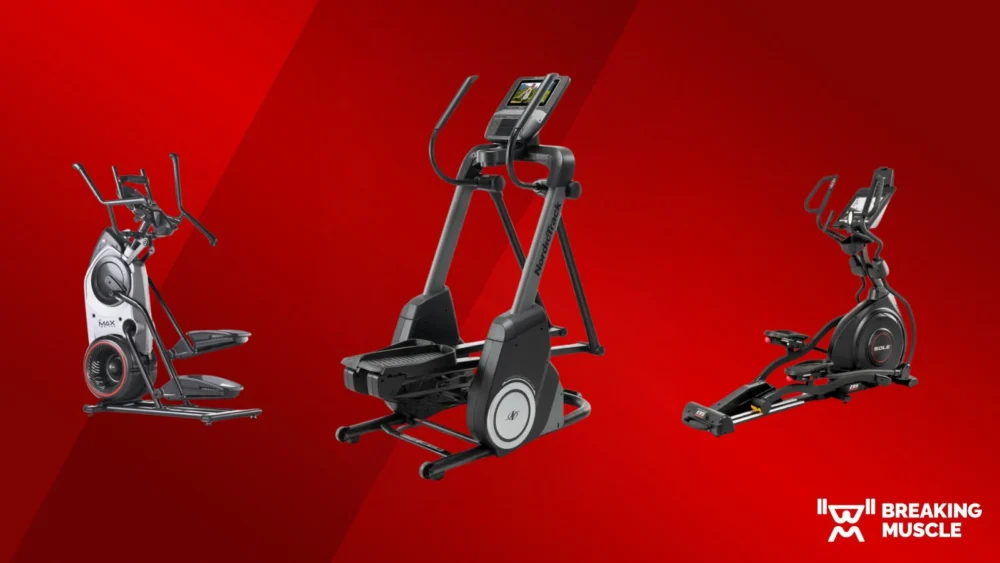
- Moderate-Intensity Steady State (MISS): Activities like brisk walking, jogging, cycling, swimming, or elliptical use where you can hold a conversation but are slightly breathless. These are excellent for building an aerobic base and burning fat.
- High-Intensity Interval Training (HIIT): Short bursts of intense exercise followed by brief recovery periods. HIIT is time-efficient and excellent for improving cardiovascular fitness and burning calories. (e.g., sprinting for 30 seconds, walking for 90 seconds, repeat).
Beginner Tip: Start with MISS cardio for 20-30 minutes, 2-3 times a week. Focus on consistency.
Intermediate Tip: Incorporate 1-2 HIIT sessions per week, replacing some MISS sessions, or extend your MISS sessions to 45-60 minutes.
Examples to Incorporate:
- Brisk walking or jogging in your neighborhood.
- Cycling outdoors or on a stationary bike.
- Swimming laps at a local pool.
- Group fitness classes like Zumba or aerobics.
Flexibility & Mobility: Unlocking Your Full Potential
Often overlooked, flexibility and mobility are vital components of a complete fitness routine.
- Flexibility: The ability of your muscles to lengthen.
- Mobility: The ability of your joints to move through their full range of motion.
Benefits of Flexibility & Mobility Training:
- Reduced Risk of Injury: Improves joint health and allows muscles to work more efficiently.
- Improved Posture: Counteracts the effects of prolonged sitting and poor movement patterns.
- Enhanced Performance: Allows for deeper squats, better overhead presses, and more efficient movement in all exercises.
- Decreased Muscle Soreness: Can aid in recovery and reduce post-workout stiffness.
Practical Application: Dynamic Warm-ups and Static Cool-downs
- Dynamic Warm-up (Before workouts): Incorporate movements that mimic your workout, gently taking joints through their range of motion. Examples: arm circles, leg swings, torso twists, cat-cow stretches.
- Static Stretching (After workouts or on rest days): Hold stretches for 20-30 seconds, focusing on lengthening muscles. Examples: hamstring stretch, quad stretch, chest stretch.
- Dedicated Sessions: Consider integrating practices like yoga or Pilates 1-2 times a week for comprehensive flexibility and mobility improvement.
Fueling Your Progress: Nutrition as Your Ally
You can’t out-train a poor diet. Nutrition is the cornerstone of progress, impacting your energy levels, recovery, body composition, and overall health. Approaching nutrition with a mindset of fueling your body, rather than restricting it, is key to long-term success.
Macronutrients: The Building Blocks
Macronutrients – protein, carbohydrates, and fats – are the primary sources of energy and building materials your body needs.
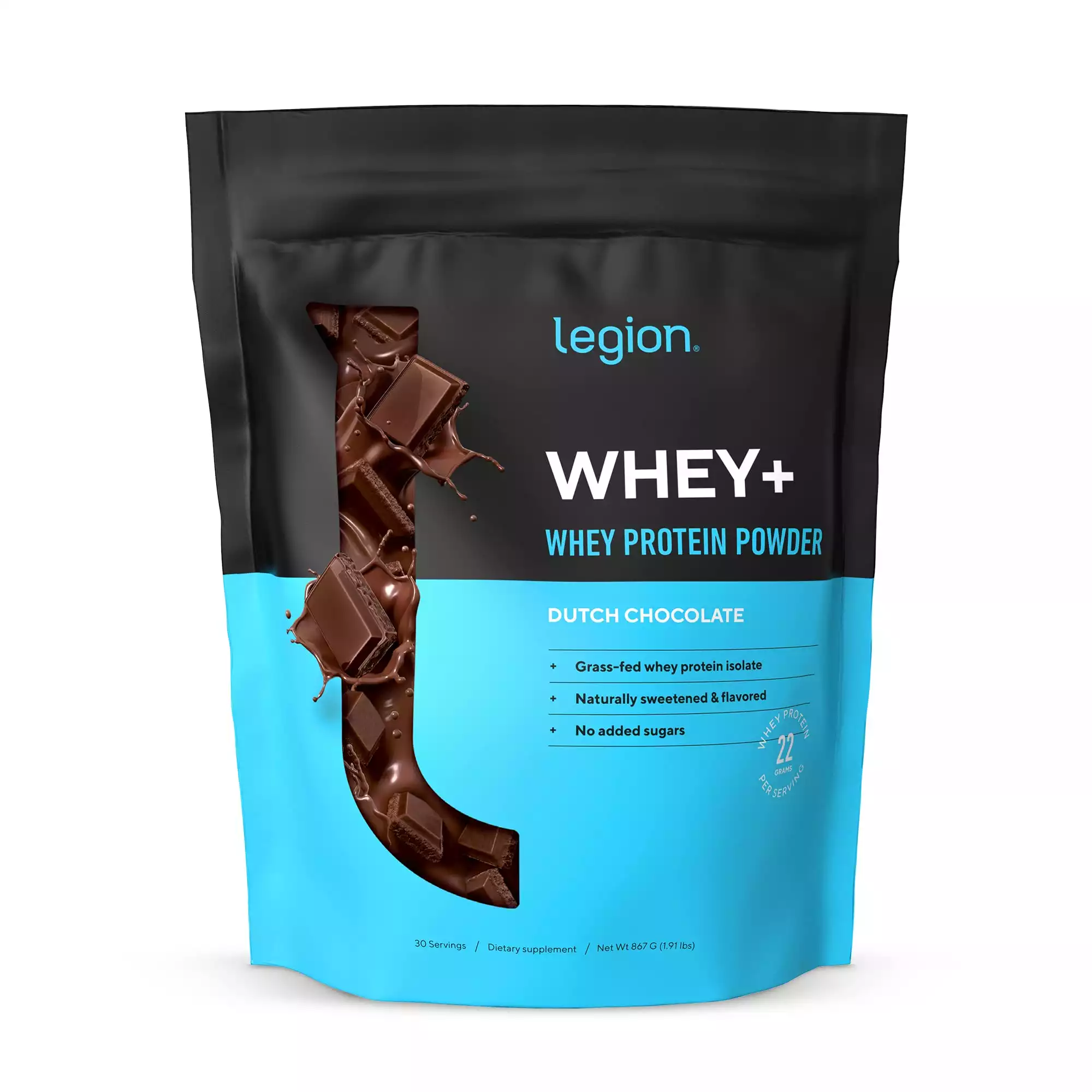
- Protein: Essential for muscle repair, growth, and synthesis of enzymes and hormones. Aim for lean sources like chicken, fish, eggs, lean beef, dairy, legumes, and plant-based protein powders.
- Carbohydrates: Your body’s primary energy source, especially important for fueling workouts. Prioritize complex carbohydrates like whole grains (oats, brown rice, quinoa), fruits, and vegetables for sustained energy and fiber.
- Fats: Crucial for hormone production, nutrient absorption, and organ protection. Focus on healthy fats from avocados, nuts, seeds, olive oil, and fatty fish.
Practical Advice: The Balanced Plate Approach
Instead of rigid counting, aim for balance at each meal:
- Half your plate: Non-starchy vegetables (fiber, vitamins, minerals).
- Quarter of your plate: Lean protein.
- Quarter of your plate: Complex carbohydrates.
- A small portion: Healthy fats.
Tip: Prioritize whole, unprocessed foods. These are typically nutrient-dense and provide sustained energy without the added sugars, unhealthy fats, and artificial ingredients found in processed options.
Hydration: The Often-Overlooked Essential
Water is the unsung hero of health and fitness. It plays a critical role in nutrient transport, temperature regulation, joint lubrication, and cognitive function. Even mild dehydration can impair performance, energy levels, and mood.
Importance:
- Performance: Maintains blood volume, regulates body temperature, lubricates joints.
- Recovery: Aids in nutrient delivery and waste removal.
- Overall Health: Supports digestion, skin health, and kidney function.
Actionable Advice:
- Drink consistently: Don’t wait until you’re thirsty; sip water throughout the day.
- Carry a water bottle: Make it a habit to always have water accessible.
- Monitor urine color: Light yellow usually indicates good hydration.
- Increase intake around workouts: Drink water before, during, and after exercise.
Smart Snacking & Mindful Eating
Snacking can be a valuable tool for maintaining energy levels and preventing overeating at main meals, but only if done mindfully.
Practical Snacking: Choose nutrient-dense snacks that combine protein and fiber to keep you feeling full and satisfied.
- Greek yogurt with berries.
- Apple slices with a tablespoon of nut butter.
- Hard-boiled eggs.
- A handful of almonds.
- Vegetable sticks with hummus.
Mindful Eating: Pay attention to your body’s hunger and fullness cues. Eat slowly, savor your food, and minimize distractions (phones, TV). This helps you recognize when you’re truly satisfied, rather than just eating out of habit or boredom. Avoid falling into the trap of restrictive diets that are unsustainable. Instead, focus on building healthy eating habits that you can maintain indefinitely.
Navigating the Fitness Landscape: Practical Strategies for Success
The path to lasting fitness isn’t always linear. You’ll encounter plateaus, moments of doubt, and challenges that test your resolve. Having practical strategies in place will help you overcome these hurdles and continue making progress.
Progressive Overload: The Key to Continuous Improvement
Your body is incredibly adaptable. To continue getting stronger, fitter, or faster, you must consistently challenge it beyond its current capabilities. This principle is known as progressive overload. Without it, your progress will stagnate.
Explanation: Progressive overload means gradually increasing the demands placed on your body over time. This signals to your muscles and cardiovascular system that they need to adapt and grow stronger.
Practical Methods for Progressive Overload (Strength Training):
- Increase Weight: Lift heavier weights for the same number of reps.
- Increase Reps: Perform more repetitions with the same weight.
- Increase Sets: Do more sets of an exercise.
- Decrease Rest Time: Reduce the time between sets.
- Improve Form: Executing an exercise with better control and range of motion is a form of overload.
- Increase Time Under Tension: Slow down the eccentric (lowering) phase of an exercise.
- Increase Frequency: Train a muscle group more often.
Tip: Track Your Workouts!
This is non-negotiable for progressive overload. Keep a workout journal or use a fitness app to record:
- Exercises performed
- Sets and reps
- Weight lifted
- Rest times
- How you felt (energy levels, soreness)
Reviewing your log allows you to see tangible progress and strategically plan how to challenge yourself in the next session.
Overcoming Obstacles: Mindset and Motivation
Life happens. You’ll have busy weeks, feel unmotivated, or hit a plateau. How you respond to these obstacles determines your long-term success.
Common Obstacles & Solutions:
- Lack of Motivation:
- Solution: Revisit your "why." Remind yourself of your goals. Find an accountability partner. Try a new workout class or activity to reignite interest.
- Busy Schedule:
- Solution: Schedule workouts like non-negotiable appointments. Break up workouts into "exercise snacks" (e.g., 10 minutes in the morning, 10 minutes at lunch). Embrace home workouts or bodyweight circuits.
- Plateaus:
- Solution: This is where progressive overload comes in. Review your training log, change your routine, try a deload week (reduced volume/intensity), or seek professional guidance.
- Injury:
- Solution: Listen to your body! Don’t push through pain. Consult a healthcare professional. Focus on what you can do (e.g., if you have an upper body injury, focus on lower body and core). Recovery is part of the process.
Actionable Mindset Shifts:
- Celebrate Small Wins: Acknowledging progress, no matter how minor, reinforces positive behavior.
- Practice Self-Compassion: Don’t beat yourself up over missed workouts or dietary slip-ups. Learn from them and move forward.
- Focus on the Process, Not Just the Outcome: Enjoy the act of movement, the feeling of getting stronger, the improved energy. The outcomes will follow.
The Importance of Professional Guidance
While self-learning is valuable, there comes a point where expert advice can significantly accelerate your progress and prevent common pitfalls.
When to Consider Professional Help:
- Beginners: To learn proper form, build a safe and effective routine, and establish good habits from the start.
- Intermediates: To break through plateaus, refine technique, or address specific goals (e.g., preparing for a competition).
- Individuals with specific health conditions or injuries: A qualified professional can tailor a program to your unique needs.
Types of Professionals:
- Certified Personal Trainer (CPT): Can design personalized workout plans, teach proper exercise technique, and provide motivation.
- Registered Dietitian (RD): Can create individualized nutrition plans to support your fitness goals and overall health.
- Physical Therapist (PT): Essential for recovering from injuries and addressing mobility issues.
Investing in professional guidance is an investment in your health and long-term fitness success. They can offer a perspective and expertise that’s difficult to gain on your own.
Real-Life Application: Integrating Fitness into Your Daily Life
Fitness isn’t just an hour at the gym; it’s about making conscious choices throughout your day that support an active lifestyle. Integrating movement seamlessly into your daily routine is the ultimate form of sustainability.
The Power of Small Habits
You don’t need huge chunks of time to be active. Small, consistent efforts add up significantly over time.
Actionable "Exercise Snacks":
- Take the Stairs: Whenever possible, choose stairs over elevators or escalators.
- Park Further Away: Add a few extra steps to your commute or errands.
- Walk During Breaks: Instead of scrolling on your phone, take a brisk 10-minute walk during work breaks.
- Stand More: If you have a desk job, set a timer to stand and move every 30-60 minutes.
- Active Commute: If feasible, cycle or walk part of your journey to work.
- Bodyweight Bursts: Do a quick set of squats, lunges, or push-ups while waiting for coffee to brew or during commercial breaks.
These micro-habits increase your overall daily activity, improve circulation, and build a mindset of constant movement.
Creating an Enjoyable Routine
If you dread your workouts, your routine is unlikely to last. Find activities that you genuinely enjoy and that challenge you in a positive way.
Tips for Finding Joy in Movement:
- Experiment: Try different activities – hiking, dancing, martial arts, rock climbing, team sports, cycling, swimming, yoga, Pilates, paddleboarding. You might discover a passion you never knew you had.
- Workout with Friends: Social support can make exercise more fun and provide accountability.
- Outdoor Activities: Connect with nature while you move.
- Listen to Music/Podcasts: Use your workout time as an opportunity to enjoy your favorite audio.
When fitness becomes something you look forward to, rather than a chore, it seamlessly integrates into your life and becomes a source of joy and energy.
Planning for Success: Weekly Scheduling
Failing to plan is planning to fail. Dedicate time each week to map out your workouts, meal prep, and recovery.
Practical Scheduling Tips:
- Block Out Time: Treat your workouts like important appointments that cannot be missed. Add them to your calendar.
- Visualize Your Week: Look ahead and identify potential time conflicts. Plan alternatives (e.g., if you can’t hit the gym, plan a home bodyweight session).
- Meal Prep: Dedicate a few hours on a weekend to prepare healthy meals and snacks for the week ahead. This removes decision fatigue and ensures you have nutritious options readily available.
- Review and Adjust: At the end of each week, review what worked and what didn’t. Adjust your plan for the following week based on your experiences and energy levels.
Your Journey Begins Now: Embrace the Path to Lasting Strength
The journey to sustainable fitness is not a sprint, but a marathon of consistent effort, mindful choices, and unwavering self-belief. We’ve explored the foundational pillars – defining your "why," prioritizing consistency, and honoring recovery. We’ve delved into diverse training modalities, from the muscle-building power of strength training to the heart-health benefits of cardio and the injury-prevention wisdom of flexibility. We’ve highlighted nutrition as your essential ally, emphasizing whole foods and proper hydration, and equipped you with strategies to navigate obstacles, embrace progressive overload, and seek guidance when needed.
Remember, fitness is not about perfection; it’s about progress. It’s about showing up for yourself, one small, consistent step at a time. It’s about cultivating a strong, resilient body and mind that will empower you to live a fuller, more vibrant life. Your body is capable of incredible things, and with the right blueprint, you have the power to sculpt a future defined by vitality, strength, and enduring well-being.
So, take a deep breath, revisit your "why," and commit to the process. The foundation for your lasting strength and sustainable fitness is yours to forge. Start today, embrace the journey, and celebrate every victory along the way. Your strongest, healthiest self awaits.