
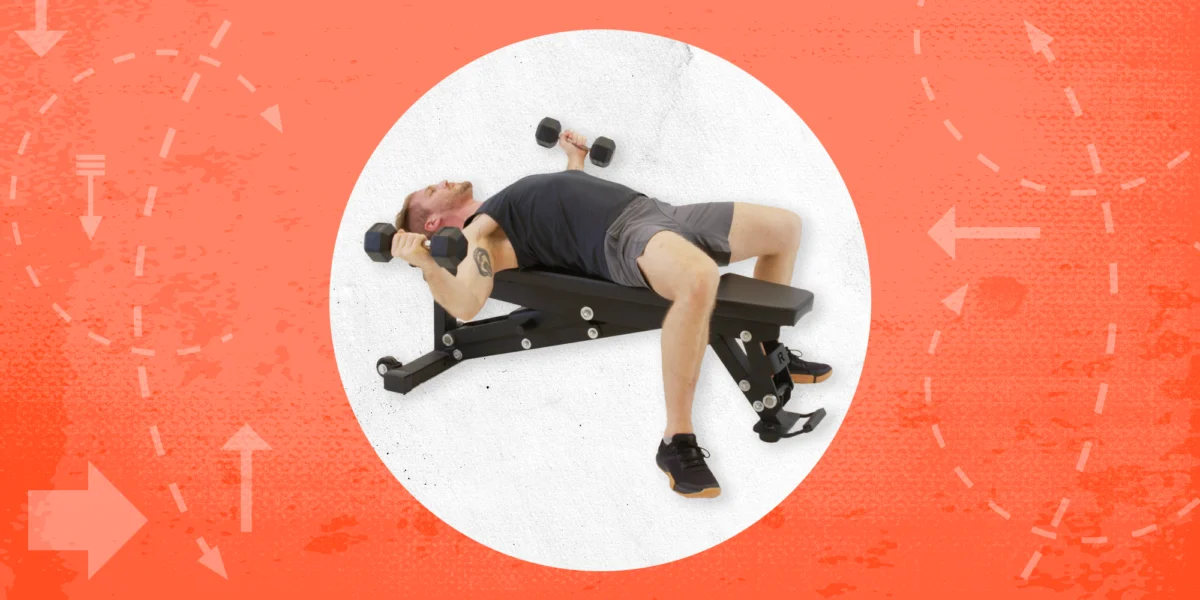
When it comes to building a formidable chest, most gym-goers immediately think of the bench press. And while pressing movements are undoubtedly crucial for developing the pushing power of your pectorals, they only tell half the story. Your chest muscles are also responsible for a vital function: adducting your arms – bringing them towards the midline of your body. This often-overlooked action is where the fly exercise truly shines, and mastering its technique can unlock a new level of chest growth and definition.
Many fitness enthusiasts approach the fly exercise with a simplistic mindset, viewing it as a mere "flapping" motion with dumbbells. However, this classic bodybuilding staple, when performed with precision and intention, is a powerful tool for targeting the inner chest and promoting significant muscle development. It’s not just about the weight you lift, but the way you move it, and how you engage your chest throughout the entire range of motion.
This guide, drawing on the expertise of seasoned fitness professionals, will delve deep into the nuances of the fly exercise, focusing primarily on the dumbbell chest fly. We’ll explore its benefits, dissect the optimal technique, and provide practical advice on how to integrate it effectively into your training regimen. Prepare to move beyond the basics and discover how perfecting your fly technique can lead to the chest you’ve always desired.
The Undeniable Advantages of the Dumbbell Chest Fly
The primary benefit of incorporating the dumbbell chest fly into your routine is its ability to isolate and emphasize the chest adduction function. While compound presses work multiple muscle groups, the fly allows for a more concentrated contraction of the pectoral fibers, particularly those in the inner chest region. This focused squeeze is a potent stimulus for hypertrophy, helping to fill out that often stubborn inner pec area that pressing movements may not fully address.
This targeted engagement can lead to:
- Enhanced Inner Chest Development: Building that coveted fullness and definition between your pecs.
- Improved Chest Shape and Symmetry: Creating a more aesthetically pleasing and well-rounded chest.
- Increased Muscle Fiber Recruitment: Activating more of your chest muscle fibers for greater growth potential.
- Functional Strength Gains: Strengthening the muscles involved in bringing your arms across your body, which can be beneficial in various athletic and daily activities.
However, it’s crucial to acknowledge that the dumbbell chest fly, when performed incorrectly, can place undue stress on your shoulder joints. This is why understanding the proper form and being mindful of your limitations is paramount to reaping the benefits without risking injury.
Mastering the Bench Dumbbell Fly: A Step-by-Step Guide
Performing the bench dumbbell fly correctly is essential for maximizing its effectiveness and minimizing the risk of shoulder strain. Let’s break down the optimal technique:

1. Setup:
- Lie on a flat bench: Position yourself so your feet are firmly planted on the floor, providing a stable base.
- Hold dumbbells: Grab a dumbbell in each hand. Start with a weight that allows you to maintain perfect form throughout all repetitions. This is not the exercise to go for personal bests.
- Initial arm position: Extend your arms straight up towards the ceiling, directly over your chest. Your palms should be facing each other.
- Slight bend in the elbows: Maintain a very slight, constant bend in your elbows throughout the entire movement. This is crucial for protecting your shoulder joints. Think of it as creating a stable, slightly curved line from your shoulder to your wrist.
2. The Descent (The Fly):
- Controlled lowering: Slowly and deliberately lower the dumbbells away from your chest in a wide, arcing motion.
- Maintain elbow bend: Keep that slight bend in your elbows consistent. Avoid straightening your arms or letting your elbows flare out excessively.
- Focus on chest stretch: Lower the dumbbells until you feel a comfortable stretch in your pectoral muscles. This typically means your upper arms will be roughly parallel to the floor, or slightly below.
- Listen to your body: Do not force the stretch. If you feel any discomfort in your shoulders or biceps, you’ve gone too deep. The goal is to feel the stretch in your chest, not your joints.
3. The Ascent (The Squeeze):
- Initiate the contraction: From the stretched position, begin to bring the dumbbells back up towards the starting position.
- Focus on the squeeze: This is where the magic happens. As you bring the dumbbells together, actively squeeze your chest muscles. Imagine trying to bring your elbows together in front of your chest.
- The peak contraction: Continue squeezing at the top of the movement. Hold this contracted position for a moment, really focusing on feeling your pecs engage.
- Avoid touching dumbbells: Resist the urge to let the dumbbells touch at the top. This slight separation allows you to maintain tension on your chest muscles throughout the entire rep. If your dumbbells are clanking together, you’re likely moving too fast and losing the crucial chest contraction.
Advanced Techniques for Maximizing Your Fly Gains
Once you’ve grasped the fundamental technique, it’s time to elevate your fly performance with these expert insights:
The Power of the Peak Squeeze
As fitness director Ebenezer Samuel emphasizes, the true benefit of the dumbbell fly is realized at the top of the movement, not the bottom. This is where you have the opportunity to intentionally contract and squeeze your pectoral fibers.
- Lingering at the Top: Don’t rush through the concentric (lifting) phase. Pause for a full second at the peak of the contraction, actively squeezing your chest. This mindful pause amplifies the muscle-building stimulus.
- The "No-Touch" Rule: Avoid letting the dumbbells touch at the top. This keeps constant tension on your pecs, preventing a "break" in the contraction. If you’re slamming the weights together, you’re sacrificing the quality of the squeeze.
The "Never Lower Too Deep" Principle
While a good stretch is beneficial, overstretching can lead to shoulder impingement and reduced chest activation. The fly is not about maximizing flexibility; it’s about building muscle.
- Parallel is a Good Start: Aim to lower the dumbbells until your upper arms are parallel to the floor. For some, a few degrees deeper might be comfortable, but this is highly individual.
- Prioritize Chest Stretch, Not Shoulder Depth: If you feel the stretch primarily in your shoulders or biceps, you’re going too deep. Listen to your body and adjust your range of motion accordingly. Consider your daily posture and any pre-existing shoulder mobility limitations.
Shoulder Blade Engagement: Your Shoulder’s Best Friend
Protecting your shoulder joints is paramount for long-term training success. Maintaining proper scapular retraction throughout the movement is key.
- Initiate with Retraction: Begin each set by actively driving your shoulder blades into the bench and squeezing them together. Think of pulling your shoulders down and back.
- Maintain Retraction During the Descent: As you lower the dumbbells, continue to maintain that squeeze. This stabilizes your shoulder joint and creates more space for the rotator cuff tendons, reducing the risk of impingement.
- The "Rhomboid Squeeze" for Pec Isolation: As you ascend and squeeze your chest, continue to keep your shoulder blades squeezed together. This subtle but powerful cue prevents your shoulder complex from taking over the movement. By keeping your rhomboids engaged, you force your pectoral muscles to do the lion’s share of the work, ensuring a purer chest contraction. This might feel like it reduces your range of motion, but it’s actually ensuring you’re working through your chest’s natural and effective range, rather than overextending the movement with your shoulders.
Integrating the Fly into Your Chest Workout
To effectively incorporate the dumbbell chest fly into your training, consider these practical tips:
- Frequency: Add the dumbbell chest fly to your chest routine once or twice a week at most. It’s a supplementary exercise, not a primary driver of strength.
- Placement in Your Workout: Perform dumbbell flies after your main compound pressing exercises (like the bench press or incline press). This ensures you have the energy to focus on the precise technique and muscle contraction.
- Weight Selection: As mentioned, this is not a weight-heavy exercise. Start with approximately half the weight you would use for dumbbell bench presses. The focus is on the squeeze and controlled movement, not brute force.
- Sets and Reps: A good starting point is three sets of 10 to 12 repetitions. Prioritize quality over quantity, focusing on that peak contraction in every single rep.
- Progression: As your strength and control improve, you can gradually increase the weight, but always ensure your form remains impeccable. The goal is to progressively overload the chest muscles through controlled movement and mindful contraction.
Beyond the Dumbbells: Variations to Consider
While the dumbbell chest fly is a fantastic starting point, other variations can offer slightly different stimuli and accommodate various equipment availability:
- Cable Chest Flyes: Using a cable machine provides constant tension throughout the entire range of motion, which can be excellent for maintaining chest engagement. You can perform these standing or from a bench.
- Machine Chest Flyes (Pec Deck): These machines are designed to isolate the chest and can be a good option for beginners to learn the adduction movement with added stability. However, ensure the machine allows for a full range of motion and doesn’t force an unnatural position.
The Takeaway: Precision Over Power
Building a bigger, more defined chest is a journey that requires a nuanced approach. While the bench press builds the foundation of pushing strength, mastering the fly exercise unlocks the potential for superior chest development by targeting the crucial adduction function.
Remember, the dumbbell chest fly is not about ego lifting. It’s about precision, control, and a deep mind-muscle connection. By focusing on the peak contraction, respecting your shoulder joint’s limitations, and maintaining proper scapular stability, you can transform this exercise from a mere accessory movement into a powerful catalyst for growth.
So, the next time you hit chest day, don’t just bench press. Embrace the fly, refine your technique, and unlock the full potential of your pectorals. The sculpted chest you desire is within reach, one perfectly executed fly at a time. Now, go build that chest!