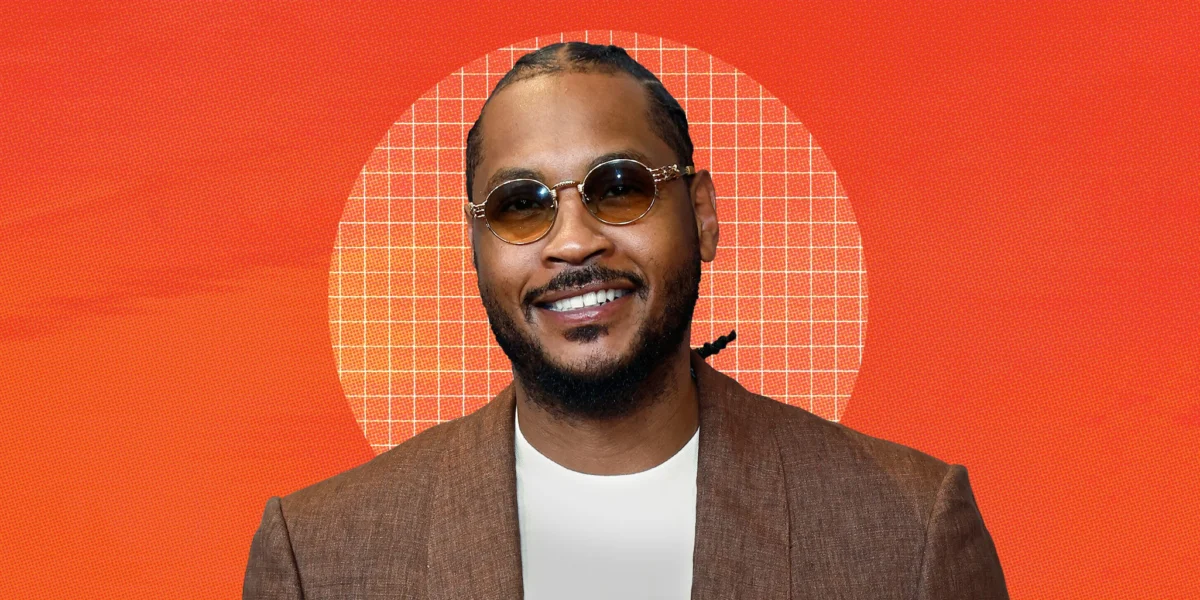
The roar of the crowd, the squeak of sneakers on hardwood, the sheer athleticism on display – basketball is a spectacle that captivates millions. But beneath the dazzling dunks and pinpoint passes lies a world of intense physical demand, where the body is pushed to its absolute limits. While we celebrate the victories and admire the enduring careers of athletes like NBA legend Carmelo Anthony, it’s easy to overlook the silent struggles, the battles fought not just against opponents, but against the very physical toll of the game.
Carmelo Anthony’s journey is a testament to dedication, skill, and incredible resilience. From leading Syracuse to a national championship as a freshman phenom to becoming a 10-time All-Star, his impact on the game is undeniable. Yet, as we witness the evolution of sports science and recovery protocols today, it’s a poignant reminder that even the greatest athletes have faced their own unique challenges, some of which were kept from the public eye.
This article delves into the often-unseen aspects of athletic preparation and the lessons learned from navigating injuries, drawing inspiration from the insights shared by Carmelo Anthony and sports medicine experts. Whether you’re a seasoned athlete or just beginning your fitness journey, understanding the principles of injury prevention, smart training, and effective recovery can make a profound difference in your performance and longevity.
The "Old School" Approach: Training in a Different Era
Carmelo Anthony reminisces about his early days at Syracuse, a time when the prevailing wisdom in basketball training was refreshingly straightforward: "the more you play, the better you’ll be." The focus was heavily on extensive five-on-five and one-on-one game simulations. While nutrition and basic recovery were considered, the sophisticated, data-driven approaches we see today were largely absent.
This "play through it" mentality, while fostering a certain grit, also presented a different set of risks. Today, athletes have access to cutting-edge sports science, personalized recovery plans, and real-time performance tracking. This stark contrast highlights the evolution of athletic preparation and the increasing emphasis on optimizing the body’s ability to perform and heal.
The Injury That Went Unspoken: A Foundation for Resilience
One of the most revealing insights shared by Carmelo Anthony was an injury he sustained the summer before his freshman year at Syracuse – a broken foot. This significant setback, which he kept largely private, had a profound impact on him throughout his career.
"Nobody really knows," Anthony shared, highlighting the internal pressure athletes often face to appear invincible. This experience, though hidden, became a powerful teacher. It underscored the importance of:
- Honest Self-Assessment: Recognizing when something is truly wrong, even if it means stepping back.
- Strategic Recovery: Understanding that sometimes, the best path forward involves a period of dedicated healing, rather than pushing through pain.
- Mental Fortitude: Developing the inner strength to overcome setbacks and adapt training and play to accommodate lingering issues.
This unspoken battle with his foot injury became a silent foundation for the resilience that would define his long and successful career. It’s a powerful reminder that our greatest strengths can often be forged in the crucible of adversity, even when that adversity is borne in silence.
Genetics vs. Control: Understanding Your Injury Predisposition
The question of whether injury prevention is primarily a matter of genetics or something we can actively influence is a common one. Dr. Omri Ayalon, a leading sports medicine specialist, offers a nuanced perspective: it’s a combination of both.
- Genetic Predisposition: Some individuals are indeed born with anatomical structures or physiological tendencies that may make them more susceptible to certain injuries. For example, certain biomechanical factors can increase the risk of ligament tears.
- Controllable Factors: Crucially, even with a genetic predisposition, there are significant steps you can take to mitigate risk. Targeted training, proper conditioning, and consistent attention to your body can make a world of difference.
Actionable Advice:
- Listen to Your Body: Pay attention to any recurring aches or pains. Don’t dismiss them as "normal."
- Seek Professional Guidance: If you have a family history of certain injuries or experience persistent discomfort, consult a doctor or physical therapist. They can help identify potential vulnerabilities and create a personalized prevention plan.
- Focus on Foundational Strength: A strong core, robust supporting muscles, and good joint mobility are your body’s natural shock absorbers.
The Rising Tide of Achilles Injuries: Prevention is Key
Achilles tendon injuries, unfortunately, seem to be on the rise, affecting both elite athletes and everyday individuals. Dr. Ayalon explains that as we age, our tendons naturally become less elastic and more prone to injury. However, this doesn’t mean it’s an inevitable outcome.
The "weekend warrior" syndrome – being largely sedentary during the week and then engaging in intense physical activity on the weekend – is a significant contributor to these types of injuries. The sudden, high-impact stress placed on tendons that haven’t been adequately prepared can lead to tears or ruptures.
How to Prevent Achilles Injuries:
- Consistency is Crucial: Engage in regular physical activity throughout the week. This doesn’t mean daily intense workouts, but consistent movement that keeps your muscles and tendons conditioned.
- Prioritize Eccentric Exercises: These are exercises where the muscle lengthens under tension. For the Achilles, calf raises performed slowly and with control, focusing on the lowering phase, are highly effective.
- Example: Stand with the balls of your feet on a step, with your heels hanging off. Slowly lower your heels as far as comfortable, hold for a second, and then slowly raise back up.
- Warm-Up Properly: Before any strenuous activity, dedicate time to dynamic stretching and light cardio to prepare your muscles and tendons.
- Gradual Progression: If you’re returning to activity after a break or increasing your intensity, do so gradually. Don’t jump into demanding workouts too quickly.
- Consider Professional Treatments: In some cases, treatments like platelet-rich plasma (PRP) therapy or other regenerative medicine options may be discussed with a sports medicine professional to aid in tendon health.
Protecting Young Athletes: Fostering a Culture of Openness
The rise of repetitive-use injuries in younger children is a growing concern, often linked to early specialization in a single sport. Dr. Ayalon emphasizes the critical role parents and coaches play in safeguarding young athletes.
"We’re seeing younger kids with repetitive-use injuries, possibly due to specializing in a sport at a young age," he notes. This intense focus on one activity can lead to overuse of specific muscle groups and joints, while neglecting others, creating imbalances that can result in injury.
Tips for Parents and Guardians:
- Encourage Multi-Sport Participation: Allow children to explore various sports and activities. This promotes well-rounded physical development and reduces the risk of overuse injuries associated with single-sport specialization.
- Create a Culture of Open Communication: Foster an environment where children feel comfortable talking about pain or fatigue without fear of being sidelined or seen as weak. Emphasize that listening to their bodies is a sign of strength, not weakness.
- Prioritize Fun and Development Over Early Competition: While winning can be exciting, the primary focus for young athletes should be on skill development, enjoyment, and building a lifelong love for physical activity.
- Advocate for Rest and Recovery: Ensure children are getting adequate sleep and downtime. Overtraining can be detrimental to their physical and mental well-being.
- Be Mindful of Growth Spurts: During periods of rapid growth, children’s bodies can be more vulnerable. Adjust training loads and be extra vigilant about any signs of discomfort.
Decoding Recovery: What Really Works?
In the realm of athletic recovery, a plethora of modalities exist, from ice baths to massage guns. Dr. Ayalon provides a practical ranking of recovery strategies:
- Sleep and Hydration: These are the non-negotiable foundations of recovery. Without adequate sleep and proper hydration, no other recovery method can compensate.
- Active Recovery: This involves low-intensity movement that promotes blood flow and helps clear metabolic byproducts. Examples include:
- Gentle swimming or water aerobics.
- Easy cycling on a stationary bike.
- Light walking or stretching.
- Modalities: Following active recovery, other beneficial methods include:
- Ice Therapy: Can help reduce inflammation and pain.
- Heat Therapy: Can promote muscle relaxation and increase blood flow.
- Contrast Therapy: Alternating between hot and cold water, which can aid circulation.
The Key Takeaway: What works best is highly individual. What provides optimal recovery for one athlete might not be as effective for another. This means a degree of experimentation and listening to your body is essential to discover your personal recovery sweet spot.
The Wisdom of Experience: Advice to His Younger Self
When asked what advice he would give his 18-year-old self, Carmelo Anthony’s response is concise and impactful: "To be intentional with your workout, to be efficient with your workout."
He wasn’t the athlete who spent hours in the gym aimlessly. Instead, he championed the idea of a highly focused, high-impact training session, typically lasting between an hour and 90 minutes, potentially followed by a supplementary session later in the day. This approach prioritizes quality over quantity, ensuring that every minute spent training contributes meaningfully to performance goals.
"That’s what I teach my son today," he emphasizes, passing down this hard-earned wisdom to the next generation.
Mastering Movement: The Art of Full-Body Conditioning
Dr. Ayalon offers a crucial piece of advice for athletes of all levels: focus on exercises that take your body through all planes of motion. Sports are inherently unpredictable, requiring the body to move in multiple directions with agility and control.
- The Importance of Multi-Planar Movement: Many sports involve rotation, lateral movement, and dynamic shifts in balance. Training exclusively in a single plane (like forward and backward motion) can lead to imbalances and increased injury risk.
- Core Strength as the Foundation: Dr. Ayalon highlights the increasing emphasis on rotational core exercises, and for good reason. A strong, stable core is the epicenter of efficient and safe movement. It’s where power is generated and transferred, and where stability is maintained.
- Holistic Approach to Joints: Don’t neglect any part of your body. Every joint that experiences stress during athletic activity needs attention. This includes:
- Ankle Strength and Mobility: Crucial for absorbing impact, changing direction, and preventing sprains.
- Hip Stability and Power: Essential for generating force and maintaining balance.
- Shoulder Health: Vital for overhead athletes and overall upper body function.
Practical Workout Tips:
- Incorporate Rotational Drills: Medicine ball throws, cable wood chops, and Russian twists are excellent for building rotational strength.
- Focus on Lateral Movements: Side lunges, lateral band walks, and carioca drills improve agility and balance.
- Balance Exercises: Single-leg squats, calf raises, and standing on unstable surfaces (with caution) enhance proprioception and stability.
- Full-Body Functional Movements: Consider incorporating exercises like kettlebell swings, dumbbell snatches, and farmer’s walks that engage multiple muscle groups and planes of motion.
The Future of Orthopedics: Faster Recovery, Better Outcomes
The advancements in orthopedic medicine are offering athletes unprecedented opportunities for faster and more effective recovery from injuries. Dr. Ayalon expresses excitement about several key areas:
- Minimally Invasive Surgical Techniques: These procedures lead to smaller incisions, less tissue damage, and quicker recovery times compared to traditional open surgeries.
- Biologics and PRP Therapy: The use of the body’s own healing factors, such as platelet-rich plasma (PRP), is revolutionizing the treatment of tendon and ligament injuries, promoting natural tissue regeneration.
- 3D-Printed Splints and Casts: These offer customized, lightweight, and often more comfortable solutions for immobilization, potentially aiding in faster rehabilitation.
These innovations mean that athletes can return to their passion sooner and with a higher likelihood of regaining full function.
Redefining Greatness: Beyond the Championship
Carmelo Anthony’s perspective on greatness has evolved over his illustrious career. While championships remain a significant benchmark, his definition now encompasses a broader spectrum:
"When I was [Kiyan’s] age, greatness to me was championships, which it is, it’s dependent on greatness, but it’s not the end all or be all," he reflects.
Today, he sees greatness also defined by:
- Longevity: The ability to perform at a high level for an extended period, demonstrating sustained dedication and resilience.
- Enjoying the Journey: Finding fulfillment and purpose in the process, appreciating the daily grind, the challenges, and the growth that comes with it.
This shift in perspective is a valuable lesson for all of us. True success isn’t solely measured by the ultimate achievement, but by the integrity, perseverance, and passion we bring to our pursuits.
Your Fitness Journey: Embrace the Unseen Battles
The insights from Carmelo Anthony’s experiences and the expertise of sports medicine professionals offer a powerful roadmap for any fitness enthusiast. We all face our own unseen battles, whether it’s a hidden injury, a moment of doubt, or the challenge of maintaining consistency.
Remember, the journey to peak performance is not just about pushing your limits; it’s about understanding your body, respecting its signals, and investing in its long-term health. By embracing smart training principles, prioritizing recovery, and fostering a mindset of resilience, you can build a stronger, more enduring you.
So, as you embark on your next workout, remember the dedication it takes to overcome obstacles, the wisdom gained from hidden struggles, and the profound satisfaction that comes from nurturing your body and mind. Your journey is unique, and with intention and perseverance, you can achieve your own definition of greatness.