The barbell back squat reigns supreme in many gym-goer’s minds as the king of lower body exercises. It’s a tried-and-true movement that allows for impressive weight accumulation, forging powerful legs. But what if there was a way to elevate your leg day, engage your core more dynamically, and build a more resilient physique? Enter the barbell front squat.
By shifting the weight to the front of your body, you introduce a fascinating new set of technical demands. The way you secure the bar, the necessity for a rock-solid core brace, and the heightened demand on your posture all combine to create a squat variation that truly challenges and strengthens your anterior chain – the front-facing muscles of your body. This isn’t just another squat; it’s an opportunity to refine your movement patterns and unlock new levels of strength and control.
To help you navigate the nuances of this powerful exercise and leave common pitfalls behind, we’ve enlisted the expertise of seasoned fitness professionals. Let’s dive into how to perfect your front squat form and reap its significant rewards.
The Mechanics of a Powerful Front Squat
Before you load up the bar, understanding the foundational elements of a correct front squat is paramount. It’s about more than just dropping your hips; it’s a symphony of coordinated movements designed to protect your spine and maximize muscle activation.
Mastering the Grip: Finding Your Foundation
The way you hold the barbell for a front squat is arguably the most critical technical element. While you might hear differing opinions on the "best" grip, the truth is, the most effective grip is the one you can maintain with control and stability throughout the entire range of motion.
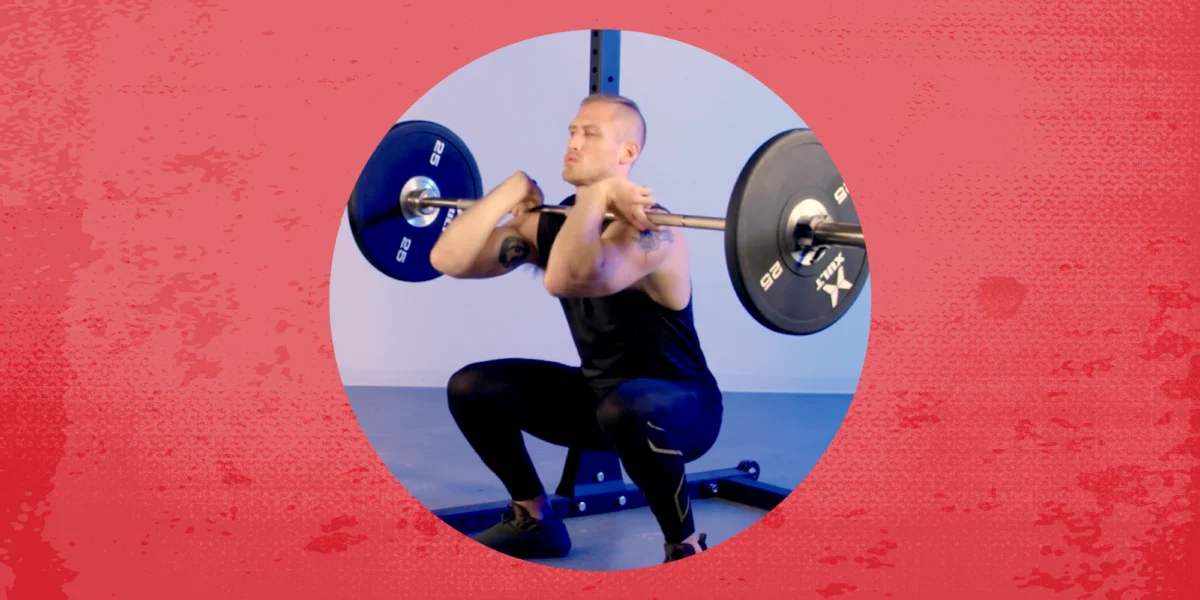
- The Clean Grip (Rack Position): This is the most common and often preferred grip. The barbell rests across your clavicle and the front of your shoulders. Your fingertips are lightly touching the bar, supporting it from underneath, while your elbows are pointed forward, creating a shelf for the bar to rest on. This grip requires good wrist and shoulder mobility.
- The Cross-Body Grip (Bodybuilder Grip): In this variation, you cross your arms and rest the barbell in the crook of your elbows. This grip is often adopted when wrist or shoulder mobility is limited, or if you have experienced an injury. While it might feel more accessible initially, it can sometimes lead to less upper back engagement.
Expert Insight: Don’t get bogged down in the debate about which grip is superior. Focus on finding a grip that allows you to maintain an upright torso and a stable bar position. Experiment with both the clean grip and the cross-body grip to see what feels most natural and allows you to perform the movement with the best form. The goal is to be proficient with both, as your needs might change due to fatigue or minor injuries. If you’re constantly fighting the bar with your grip, you’ll compromise the rest of your squat.
Finding the "Sweet Spot" for Bar Placement
The barbell should sit comfortably on the meaty part of your anterior deltoids (front shoulder muscles) and the top of your chest, near your collarbones. This placement is crucial for several reasons.

- Balance and Stability: When the bar is positioned correctly, it allows you to maintain a more upright torso, which is essential for a safe and effective front squat.
- Reduced Shoulder Stress: If the bar is too far forward, it places undue stress on your anterior deltoids, muscles not designed to bear such a heavy load in that position.
- Ease of Descent: Correct placement makes it easier to initiate the squatting motion by pushing your hips back and down.
Expert Insight: The only thing preventing the bar from rolling onto your neck should be your fingers and the tension you create in your upper back. Keep your fingers firmly wrapped around the bar throughout the entire movement, regardless of the grip you’re using. This is your primary point of contact and control.
Engaging Your Upper Back: The Unsung Hero
Your upper back muscles play a vital role in maintaining proper posture and stability during the front squat. Think of your upper back as a rigid platform that supports the barbell.
- Mid-Back Tension: Actively engage your mid-back muscles. This tension helps to keep your shoulder blades retracted and down, ensuring the bar rests on your deltoids, not directly on bone.
- Preventing Forward Lean: This upper back tightness is also your first line of defense against rounding your torso forward, a common and potentially injurious flaw.
Expert Insight: Don’t neglect your lower back either. Your erector spinae muscles should be actively engaged to prevent your lower back from rounding, especially as you descend into the squat. Maintaining this spinal erector activation throughout the movement is key to preventing injury and ensuring a controlled descent.
The "Chest Up" Mandate
Throughout the entire front squat, from the setup to the ascent, your primary focus should be on keeping your chest and shoulders lifted.
- Maintaining an Upright Torso: A dropped chest signals a loss of core tension and an increased risk of the bar tipping forward.
- Fighting the Collapse: As you get deeper into the squat, or when lifting heavier loads, your torso will naturally want to round forward. Consciously fight this tendency by squeezing your mid-back and lower back muscles harder.
Expert Insight: Think of your body as a unified unit. Mentally check in with your posture at three key points during every single repetition: at the very top of the squat, at the deepest point of your descent, and as you begin to drive back up. This conscious awareness will help you maintain proper form even when fatigue sets in.
The Multifaceted Benefits of the Front Squat
The front squat is far more than just another way to work your legs. Its unique biomechanical demands offer a host of advantages for a well-rounded fitness program.
Enhanced Core and Spinal Stability
One of the most significant benefits of the front squat is its superior engagement of the core musculature. Because the barbell is positioned in front of your body, you are constantly fighting an external force trying to pull you forward. This forces you to brace your abdominal muscles and engage your lower back extensors to maintain an upright posture.
- Beginner Friendly for Form: For those new to squatting, the front squat can be an excellent teacher. The inherent demand for core bracing naturally guides you towards a more stable and controlled squatting pattern.
- Functional Strength: This increased core activation translates directly to improved functional strength, benefiting everyday movements and athletic performance.
Aesthetic Appeal and Muscle Development
If your fitness goals include building a more aesthetically pleasing physique, the front squat is a valuable tool. Its emphasis on the anterior chain makes it particularly effective for targeting the quadriceps.
- Quad Dominance: The front squat naturally places a greater emphasis on your quads compared to the back squat, leading to increased development in this area.
- Overall Muscle Growth: Like any heavy compound movement, the front squat, when incorporated into a structured training program, will contribute significantly to overall muscle hypertrophy and strength gains across your lower body.
Improved Athleticism and Injury Prevention
The front squat demands a high level of coordination, balance, and proprioception. This can translate to better athletic performance and a reduced risk of injury.
- Enhanced Kinesthetic Awareness: The constant need to maintain balance and control the barbell in front of you sharpens your body’s awareness of its position in space.
- Strengthened Stabilizer Muscles: The front squat engages a wider array of smaller stabilizing muscles around the hips, knees, and ankles, contributing to greater joint resilience.
Muscles Under the Spotlight: What the Front Squat Works
The front squat is a comprehensive lower body exercise, but its unique positioning shifts the emphasis.
-
Primary Movers:
- Quadriceps: The front squat is a quad-dominant exercise. The forward placement of the barbell requires significant knee flexion and extension, placing a high demand on your quads.
- Glutes: While the quads are emphasized, your glutes are still crucial for hip extension and driving out of the bottom of the squat.
- Hamstrings: Your hamstrings act as synergists, assisting in hip extension and helping to stabilize the knee joint.
-
Secondary and Stabilizing Muscles:
- Core (Abdominals and Obliques): Essential for maintaining an upright torso and resisting forward flexion.
- Erector Spinae (Lower Back): Crucial for maintaining a neutral spine and preventing rounding.
- Upper Back (Rhomboids, Trapezius): Provides a stable platform for the barbell and helps maintain shoulder position.
- Calves: Assist in ankle stability and contribute to the final drive upwards.
Integrating the Front Squat into Your Training Routine
The front squat is a powerful compound movement that allows for significant loading. Therefore, it should be strategically placed within your workout.
- Placement: Perform the front squat early in your workout, ideally as one of your first exercises, when your energy levels are highest and your body is fresh. This applies to both full-body routines and dedicated leg days.
- Frequency: Aim to incorporate the front squat 1-2 times per week.
- Sets and Reps: For strength and hypertrophy, target 3 sets of 8-10 repetitions. If your primary goal is maximal strength, you might adjust this to lower reps with heavier weight.
Real-Life Example: Imagine you’re following a leg day program. You might start with your front squats, focusing on controlled reps. Following that, you could move on to exercises like Romanian deadlifts, lunges, or leg presses to further develop your lower body.
Exploring Front Squat Variations to Broaden Your Horizons
If you’re not yet ready for the barbell front squat, or if you’re looking for variations to supplement your training, several excellent options exist.
The Goblet Squat: A Gateway to Front Squatting
The goblet squat is an excellent starting point for those who are new to squatting or lack the mobility for a traditional barbell front rack position. It’s also a fantastic option if you don’t have access to a barbell rack.
-
How to Do It:
- Hold a dumbbell or kettlebell vertically against your chest with both hands, cupping the top of the weight.
- Stand with your feet shoulder-width apart, toes pointed slightly outward.
- Maintain an upright torso and a braced core.
- Initiate the squat by pushing your hips back and bending your knees, as if sitting into a chair.
- Descend as low as you can while maintaining good form and an upright chest.
- Drive through your heels and midfoot to return to the starting position, squeezing your glutes at the top.
-
Sets and Reps: Aim for 3-4 sets of 6-8 repetitions. This variation is excellent for building foundational squatting patterns and strengthening the core.
Common Front Squat Mistakes and How to Avoid Them
Even with the best intentions, it’s easy to fall into common front squat traps. Being aware of these pitfalls can help you correct your form and maximize your progress.
- The Dropping Chest: This is a hallmark of a weak core or poor upper back engagement.
- Fix: Focus on actively bracing your core and squeezing your upper back muscles throughout the entire movement. Visualize keeping your chest proud and your shoulders pulled back.
- Barbell Rolling Forward: This often occurs when the bar is not held in the proper rack position or when the torso leans too far forward.
- Fix: Ensure the bar is resting on the meaty part of your deltoids. Keep your elbows as high as possible to create a stable shelf. Reinforce upper back tension.
- Knees Collapsing Inward (Valgus Collapse): This is a sign of weak hip abductors or poor ankle mobility.
- Fix: Actively think about pushing your knees outward as you descend. Incorporate hip abductor exercises into your warm-up or accessory work.
- Rounding the Lower Back: A dangerous mistake that can lead to significant back injury.
- Fix: Maintain constant tension in your erector spinae muscles. If you feel your lower back rounding, reduce the weight or stop the set.
- Shallow Depth: Not squatting deep enough limits the muscle-building and strength benefits of the exercise.
- Fix: Work on your hip and ankle mobility. Focus on descending as low as possible while maintaining proper form and an upright torso.
Your Journey to a Stronger Front Squat
The front squat is more than just an exercise; it’s a skill. It demands attention to detail, patience, and a commitment to proper form. By understanding the mechanics, focusing on the key cues, and diligently practicing, you can transform this challenging lift into a cornerstone of your strength training.
Don’t let common form flaws hold you back from unlocking the incredible benefits of the front squat. Embrace the challenge, refine your technique, and prepare to experience a new level of power, stability, and overall physical development. Your legs, your core, and your entire physique will thank you for it. Now, go forth and squat with intention!