
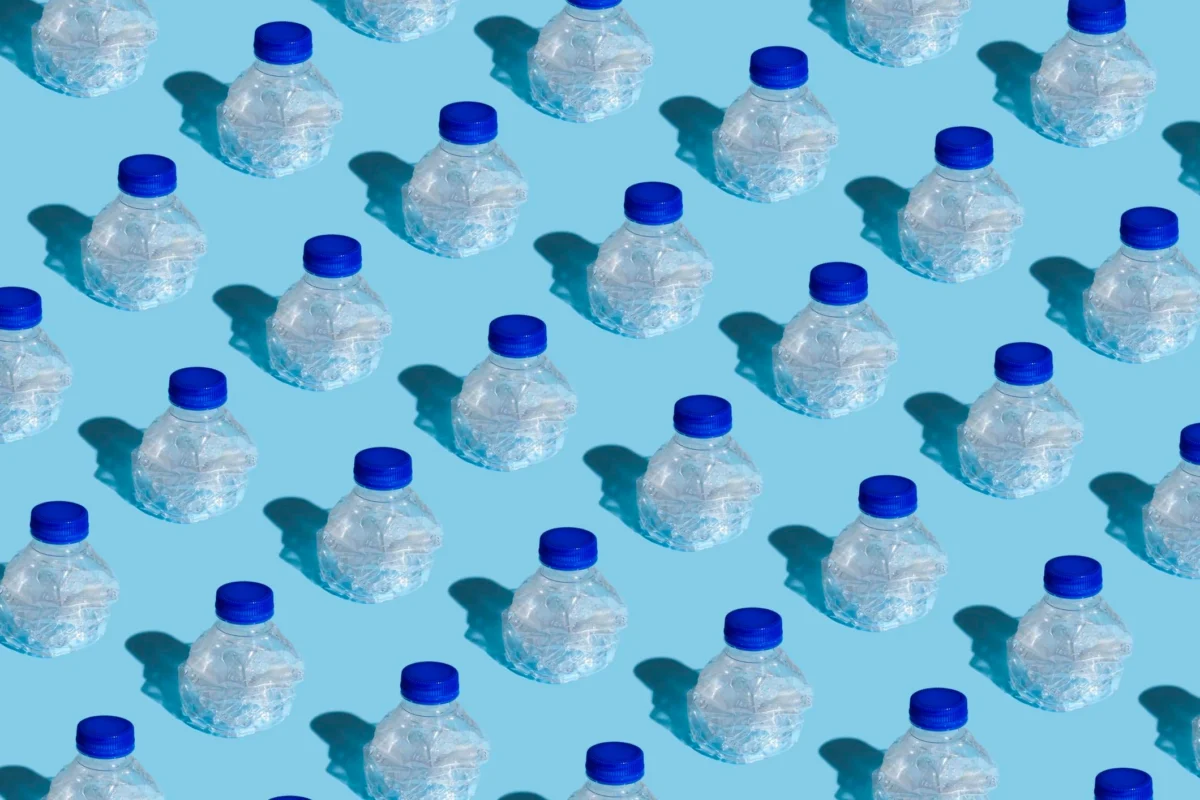
The world around us is a complex tapestry, and increasingly, science is revealing hidden threads that connect our environment to our well-being. Recent findings have brought a startling new element into this discussion: microplastics. A groundbreaking, albeit small, study has detected these tiny plastic particles in a significant majority of prostate cancer tissue samples. This discovery, while preliminary, ignites crucial questions about our exposure to plastics and their potential impact on one of the most common cancers affecting men.
As fitness enthusiasts and individuals committed to proactive health, understanding these emerging scientific insights is paramount. This isn’t about alarmism; it’s about informed awareness and empowering ourselves with knowledge to make healthier choices. Let’s delve into what this study means, what we know, and most importantly, what we can do.
The Pervasive Presence of Microplastics
Before we examine the prostate cancer connection, it’s essential to grasp the sheer ubiquity of microplastics. These minuscule fragments, defined as plastic pieces 5 millimeters or less in size, have infiltrated nearly every corner of our planet. They are present in the air we breathe, the water we drink, and the food we consume.
Scientists have been progressively identifying microplastics in various parts of the human body, including:
- Bloodstream: Indicating systemic circulation.
- Brain tissue: Raising concerns about neurological impacts.
- Heart tissue: Suggesting potential cardiovascular implications.
- Human waste: Demonstrating ingestion and excretion pathways.
The recent study, presented at the American Society of Clinical Oncology’s Genitourinary Cancers Symposium, adds prostate cancer tissue to this growing list. The findings revealed microplastics in a staggering 90% of the prostate cancer tissue samples analyzed. This correlation, while not yet a definitive cause-and-effect, is significant enough to warrant a closer look.
Decoding the Study: What the Numbers Reveal
The research, conducted by scientists at NYU, involved collecting tissue samples from 10 men undergoing prostate surgery. The objective was to determine if microplastics were present in these tissues and to quantify their presence. The methodology employed two distinct detection techniques, revealing microplastics through both:
- Larger Particle Detection: This method identified microplastics in 60% of the cancerous prostate tissue samples. These particles ranged in size from 2 to 40.3 micrometers – a scale comparable to a dust particle or the width of a human hair.
- Smaller Molecule Detection: When researchers used a more sensitive method to detect even finer plastic particles, the prevalence jumped to 90% in cancerous prostate tissue.
Crucially, the study also analyzed non-cancerous prostate tissue from the same individuals. They found microplastics in 70% of these healthy samples. However, the concentration of plastics in the cancerous tissues was notably higher – approximately 2.5 times greater than in the healthy tissue.
Furthermore, the study identified specific types of plastics, including nylon-6 and polystyrene. These are particularly concerning because they are known for their durability and resistance to environmental degradation. Nylon-6 is commonly found in clothing and food packaging, while polystyrene is a versatile plastic used in a wide array of products, from disposable food containers to electronics.

The Crucial Question: Causation or Correlation?
The discovery of microplastics in such a high percentage of prostate cancer tissue samples naturally leads to the most pressing question: Do microplastics cause prostate cancer?
The medical professionals interviewed for this report emphasize that it is too early to establish a direct causal link. The study’s lead author, Dr. Stacy Loeb, a professor at NYU Grossman School of Medicine, acknowledges the observed relationship between environmental factors and prostate cancer development but cautions against definitive conclusions. "The data do not allow us to conclude that prostate cancer is caused by microplastics," she states.
Several factors contribute to this cautious outlook:
- Small Sample Size: The study involved only 10 participants. While groundbreaking, this small sample size means the findings may not be representative of the broader population. More extensive research is needed to confirm these observations.
- Correlation vs. Causation: The study demonstrates a correlation – microplastics are present in cancerous tissue. However, it doesn’t prove that the plastics initiated the cancer. It’s also possible, though less likely given other research, that the cancerous tissue itself has properties that attract or accumulate microplastics.
- Ongoing Research: The research team is continuing their investigation to further explore this complex relationship.
Dr. Samir Taneja, MD, a co-author of the study and chair of urology at Northwell Health, reiterates that while a definitive causal link isn’t yet established, the findings do suggest an association between environmental factors and prostate carcinogenesis.
Dr. Ramkishen Narayanan, MD, a urologic oncologist, also highlights the limitations of the study’s sample size and stresses the need for broader population studies.
Dr. Jeffrey J. Tosoian, MD, MPH, director of Translational Cancer Research at Vanderbilt-Ingram Cancer Center, echoes this sentiment, stating that it is "premature to definitively say that microplastics cause prostate cancer." However, he also notes that it cannot be ruled out as a "potential contributing factor."
Understanding the Potential Mechanisms of Harm
While direct causation is yet to be proven, microplastics are not inert particles within the body. Existing research suggests several ways they could potentially contribute to health issues, including cancer:
- DNA Damage: Some studies have indicated that microplastics can damage DNA, a fundamental process in cancer development.
- Inflammation: The presence of foreign particles can trigger chronic inflammation, which is increasingly recognized as a driver of various diseases, including cancer.
- Tissue Lining Injury: Microplastics may cause physical irritation and injury to the delicate lining of organs.
- Toxin Carriers: Perhaps one of the most significant concerns is that microplastics can act as carriers for other harmful chemicals and toxins. They can adsorb pollutants from the environment, and once ingested or inhaled, these attached toxins can be released into the body, increasing exposure to carcinogens.
Taking Control: Reducing Your Risk of Prostate Cancer and Plastic Exposure
The emergence of microplastics as a potential health concern, especially in relation to prostate cancer, can feel overwhelming. However, as individuals committed to our health, we have the power to take proactive steps. The good news is that many of the strategies to reduce plastic exposure overlap with well-established, science-backed recommendations for overall health and cancer prevention.
Prioritizing General Health for Prostate Cancer Prevention:
The recommendations for reducing prostate cancer risk are largely the same as those for preventing a host of other serious health conditions. Dr. Tosoian emphasizes this point: "When patients ask what steps they can take to reduce their risk of prostate cancer, I tell them they are the exact same steps we take to improve our overall health."
Here are key pillars of a prostate-health-conscious lifestyle:
- Embrace a Plant-Rich Diet: Focus on a diet abundant in fruits, vegetables, whole grains, and legumes. These foods are packed with antioxidants, vitamins, and minerals that support cellular health and combat inflammation. Think colorful salads, hearty lentil soups, and vibrant stir-fries.
- Workout Tip: Incorporate more plant-based meals into your weekly routine. Try swapping one meat-based meal for a vegetarian or vegan option each week. Focus on creating balanced plates with at least half your meal consisting of vegetables.
- Maintain a Healthy Weight: Excess body fat, particularly around the abdomen, can contribute to hormonal imbalances and inflammation, both of which are linked to increased cancer risk.
- Workout Tip: Aim for a combination of cardiovascular exercise and strength training. Regular cardio, like brisk walking, jogging, swimming, or cycling, burns calories and improves heart health. Strength training, using weights or bodyweight exercises, builds muscle mass, which boosts metabolism and aids in long-term weight management. Aim for at least 150 minutes of moderate-intensity cardio or 75 minutes of vigorous-intensity cardio per week, plus muscle-strengthening activities at least two days a week.
- Engage in Regular Vigorous Physical Activity: Exercise is a powerful tool for overall health, reducing inflammation, improving immune function, and maintaining a healthy weight.
- Real-Life Example: Sarah, a 45-year-old marketing manager, found that incorporating a 30-minute brisk walk during her lunch break and attending a spin class twice a week significantly improved her energy levels and helped her shed a few stubborn pounds. She also felt a greater sense of control over her well-being.
- Avoid Smoking: Smoking is a known carcinogen and a significant risk factor for numerous cancers, including potentially prostate cancer. Quitting smoking is one of the most impactful health decisions you can make.
- Regular Screenings: Dr. Narayanan stresses the importance of proactive medical care: "Check your prostate-specific antigen, get screened, and establish early access to a urologist." Discuss appropriate screening schedules with your doctor based on your age, family history, and other risk factors.
Minimizing Plastic Exposure:
While completely eliminating plastic from our lives is currently challenging, we can significantly reduce our exposure through conscious choices:
- Rethink Food Storage and Preparation:
- Opt for Glass or Stainless Steel: Whenever possible, store food in glass or stainless steel containers instead of plastic. This is particularly important for acidic foods, which can leach chemicals from plastic more readily.
- Use Reusable Bags: For groceries and lunches, opt for reusable cloth bags and containers.
- Avoid Plastic Wrap: When wrapping food, consider beeswax wraps or simply using a plate to cover bowls.
- Workout Tip: Pack your gym snacks and post-workout meals in reusable containers. This reduces your reliance on single-use plastic bags and packaging you might encounter on the go.
- Be Mindful of Cooking Surfaces: Avoid overheating non-stick cooking surfaces, as this can release potentially harmful particles into the air and your food. Consider using cast iron, stainless steel, or ceramic cookware.
- Choose Natural Materials: Where feasible, opt for clothing, toys, and household items made from natural materials like cotton, wool, wood, and bamboo.
- Filter Your Water: While not directly plastic-related, using a water filter can reduce your intake of other potential contaminants.
- Support Sustainable Practices: Be aware of brands and companies that are actively working to reduce their plastic footprint and support their efforts.
Dr. Taneja advises, "It seems reasonable to modify behaviors as much as possible to avoid sources of plastic in the diet and environment as much as possible." This sentiment underscores the power of incremental changes.
Your Health Journey: Knowledge, Action, and Empowerment
The discovery of microplastics in prostate cancer tissue is a significant development that underscores the intricate relationship between our environment and our health. While it raises concerns, it also serves as a powerful motivator for us to be more mindful of our choices.
Remember, the scientific journey is ongoing. We are continuously learning more about how our world impacts our bodies. The best approach is to remain informed, embrace evidence-based health practices, and make conscious efforts to reduce your exposure to potential environmental stressors.
Your commitment to fitness and well-being is already a testament to your dedication to a healthy life. By integrating these insights about microplastics and prostate health into your existing healthy habits, you are not just strengthening your body; you are empowering yourself with knowledge for a more resilient and vibrant future. Keep moving, keep learning, and keep prioritizing your health with every choice you make.