
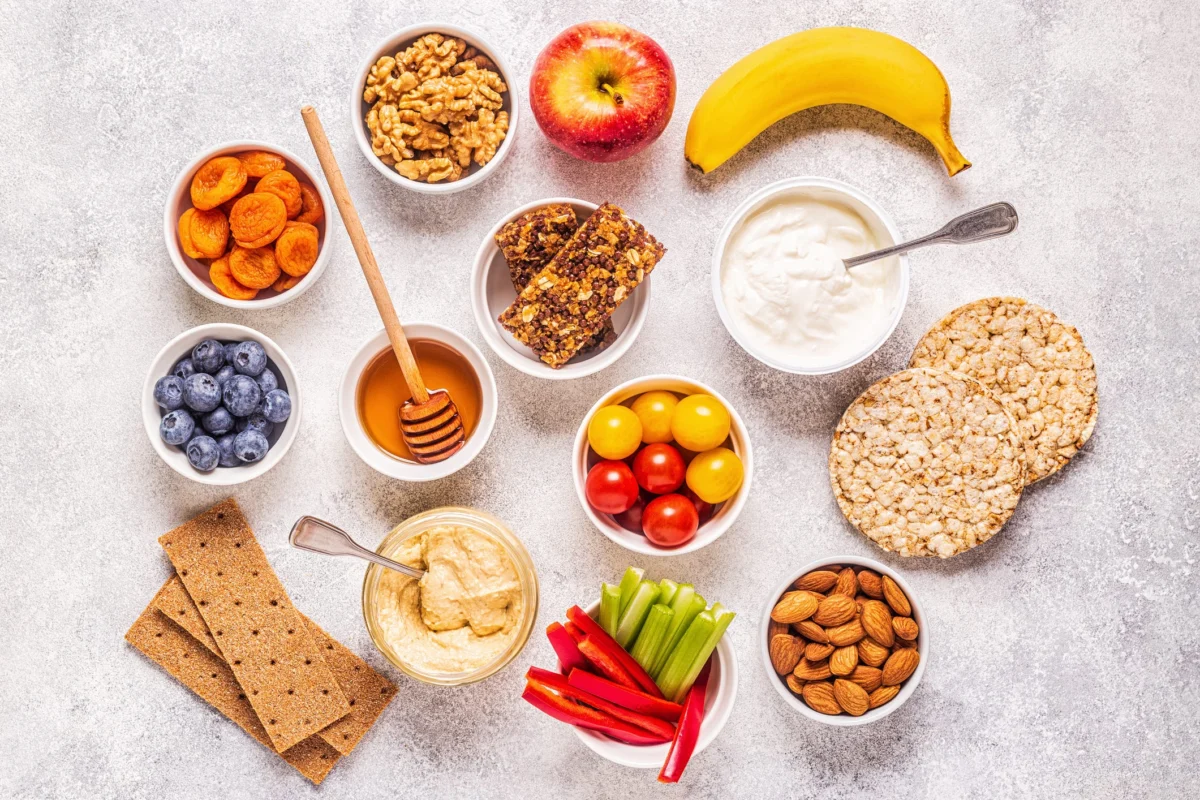
The grocery aisles are changing. As more individuals embrace the transformative power of GLP-1 medications, a quiet revolution is unfolding in how we approach our food choices. These groundbreaking medications, known for their ability to quiet the constant chatter of cravings and promote a profound sense of fullness, are reshaping dietary habits on a large scale. The impact is significant: individuals are consuming substantially fewer calories, and a noticeable shift is occurring in the types of foods being purchased, with a discernible move away from highly processed options. This evolving consumer behavior hasn’t gone unnoticed by the food industry, leading to a surge of new product labeling and marketing strategies.
In response to this burgeoning market, a new wave of product labels has emerged, with terms like "GLP-1 friendly" appearing on everything from frozen meals to beverages. While this might seem like a helpful guide, it begs the question: what does this buzzword truly signify, and are these products genuinely beneficial for those on a weight management journey? As fitness enthusiasts and health-conscious individuals, it’s crucial to cut through the marketing jargon and make informed decisions that align with our long-term well-being.
Deconstructing the "GLP-1 Friendly" Label: More Marketing Than Medicine?
The term "GLP-1 friendly" is, at its core, a marketing construct. It’s not a scientifically defined or regulated standard. Essentially, food companies are leveraging the growing awareness of these medications to appeal to a specific consumer segment. This label can be incredibly fluid, with its meaning varying significantly from one brand to another.
- No FDA Oversight: Crucially, the "GLP-1 friendly" label is not monitored or certified by regulatory bodies like the Food and Drug Administration (FDA). This means there are no standardized criteria to ensure its accuracy or efficacy.
- Perceived Health Benefits: Companies often use this label to denote products that are perceived as healthier alternatives. This typically translates to items that are:
- High in protein
- High in fiber
- Low in sugar
- Lower in calories
- A Signal, Not a Guarantee: While these characteristics are generally positive for a balanced diet, the "GLP-1 friendly" label doesn’t automatically guarantee a food is optimal. It’s more of an indicator that the product aligns with some of the dietary principles often adopted by individuals managing their appetite and weight.
As Dr. Kevin Gendreau, an obesity medicine physician, aptly puts it, these products should be viewed as "potential tools, not silver bullets." This underscores the importance of looking beyond the flashy front-of-package claims and delving into the actual nutritional information.
Expert Perspectives: Navigating the Nuances of "GLP-1 Friendly" Foods
Food experts and healthcare professionals offer valuable insights into the practical application and limitations of these newly labeled products. While they acknowledge the potential benefits for certain individuals, they also caution against blind adherence.
The Convenience Factor: A Boon for Busy Lives
Caroline Susie, RDN, LD, a spokesperson for the Academy of Nutrition and Dietetics, highlights the role of convenience. For individuals living alone or those who find meal preparation challenging due to potential side effects like nausea often associated with GLP-1 medications, "GLP-1 friendly" packaged meals can be a practical choice.
- When Convenience is Key: If reaching for a pre-packaged meal is the most feasible option, opting for one that is higher in protein and fiber is undoubtedly a better choice than a lower-quality, less nutrient-dense alternative. This strategy ensures that even when convenience is prioritized, nutritional value isn’t entirely sacrificed.
The Ultra-Processed Food Predicament
However, a significant concern raised by experts is that many "GLP-1 friendly" products remain ultra-processed foods. While they might boast higher protein or fiber content, their fundamental nature as highly processed items can still carry health risks if they form the bulk of one’s diet.
- The Definition of Ultra-Processed: Understanding what constitutes an ultra-processed food is key. These are typically foods made from ingredients that are highly modified or synthesized, often containing artificial flavors, colors, and preservatives, and are generally low in essential nutrients.
- Long-Term Reliance: Heavy reliance on ultra-processed foods, regardless of their labeling, can have detrimental effects on overall health, potentially contributing to inflammation and other chronic health issues over time.
This emphasizes that while these products might fit certain criteria, they are not a free pass for unrestricted consumption. A discerning eye and a commitment to whole, unprocessed foods remain paramount.
Making Smart Choices: What to Look for Beyond the Buzz
When faced with the array of "GLP-1 friendly" options, it’s essential to equip yourself with the knowledge to make truly beneficial choices. The consensus among experts is clear: always prioritize the nutritional information over marketing claims.

The Power of the Nutrition Facts Panel
The back of the package holds the real answers. By meticulously examining the Nutrition Facts Panel, you can make informed decisions that truly support your health goals.
- Fiber Content: Aim for products with a substantial amount of dietary fiber. Fiber is crucial for digestive health, promotes satiety, and helps regulate blood sugar levels.
- Protein Power: Protein is vital for muscle maintenance and repair, and it plays a significant role in feeling full. Look for foods that offer a good source of protein per serving.
- Sugar Savvy: Be mindful of added sugars. Even in products marketed as "healthy," hidden sugars can contribute to unwanted calorie intake and hinder progress. Opt for options with minimal or no added sugars.
- Calorie Consciousness: While GLP-1 medications naturally reduce appetite, being aware of calorie density is still important. Choose nutrient-dense options that provide maximum nutritional value for their calorie count.
Beyond the Label: Building Balanced Meals
The ultimate goal is to move beyond relying solely on pre-packaged items, even those with "GLP-1 friendly" labels. The focus should be on constructing balanced meals that nourish your body with essential nutrients.
- Incorporate Whole Foods: Prioritize fruits, vegetables, lean proteins, whole grains, and healthy fats. These are the cornerstones of a healthy diet and provide a broad spectrum of vitamins, minerals, and antioxidants.
- Micronutrient Focus: Pay attention to micronutrients like calcium and Vitamin D, which are vital for bone health and overall well-being.
The Foundation of a Healthy Diet While Taking GLP-1s
The effectiveness of GLP-1 medications is amplified when paired with a conscious and nutrient-dense dietary approach. The medications help manage appetite and improve insulin sensitivity, but they don’t automatically imbue your food choices with nutritional value. That responsibility lies with you.
Prioritizing Nutrient Density
The core principle is to maximize the nutritional impact of every bite. This means choosing foods that are rich in essential vitamins, minerals, and macronutrients relative to their calorie content.
- Protein is Paramount: As mentioned, protein is a cornerstone. Include sources like lean meats, poultry, fish, eggs, dairy products, legumes, and plant-based protein alternatives.
- Fiber for Fullness and Function: Fiber-rich foods such as whole grains, fruits, vegetables, nuts, and seeds are your allies. They contribute to satiety, support gut health, and aid in blood sugar management.
- Healthy Fats for Satiety and Hormones: Don’t shy away from healthy fats found in avocados, nuts, seeds, and olive oil. These are crucial for hormone production, nutrient absorption, and prolonged feelings of fullness.
- Limit Processed Carbs and Refined Sugars: These offer little nutritional value and can lead to energy spikes and crashes. Opt for complex carbohydrates found in whole grains and starchy vegetables.
Practical Dietary Strategies
Beyond general principles, specific strategies can enhance your experience and results:
- Portion Control is Key: With reduced appetite, focus on smaller, more frequent meals rather than large, heavy ones. This helps prevent discomfort, especially given the potential for delayed gastric emptying with GLP-1s.
- Hydration Matters: Drink plenty of water throughout the day. Hydration is crucial for overall health and can also help manage hunger signals.
- Listen to Your Body: Pay attention to how different foods make you feel. Your body will provide valuable feedback on what is working and what isn’t.
- Mindful Eating: Practice mindful eating by savoring each bite, paying attention to taste, texture, and your body’s hunger and fullness cues. This can enhance satisfaction and prevent overeating.
Seeking Personalized Guidance
For those who find navigating these choices overwhelming, professional guidance is invaluable.
- Consult a Registered Dietitian: A registered dietitian can provide personalized recommendations tailored to your individual needs, preferences, and health goals. They can help you create a sustainable and enjoyable eating plan that complements your GLP-1 medication.
- Beyond Generic Labels: Unlike a generalized "GLP-1 friendly" label, a dietitian possesses the expertise to offer specific, evidence-based advice that truly supports your journey.
Embracing a Sustainable Path to Wellness
The emergence of "GLP-1 friendly" labels signifies a broader shift in our food environment, driven by evolving health trends and pharmaceutical advancements. While these labels can serve as a starting point, they should not be the endpoint of your nutritional exploration. The true power lies in cultivating a deep understanding of nutrition, prioritizing whole, unprocessed foods, and making conscious choices that fuel your body for sustained health and vitality.
Remember, the journey to wellness is multifaceted. While medications can provide significant support, they are most effective when integrated into a holistic lifestyle that encompasses mindful eating, regular physical activity, and a commitment to nourishing your body from the inside out. Empower yourself with knowledge, listen to your body, and make choices that align with your long-term health and happiness. The grocery aisle may be adapting, but your commitment to smart, sustainable nutrition is the ultimate guide to lasting well-being.