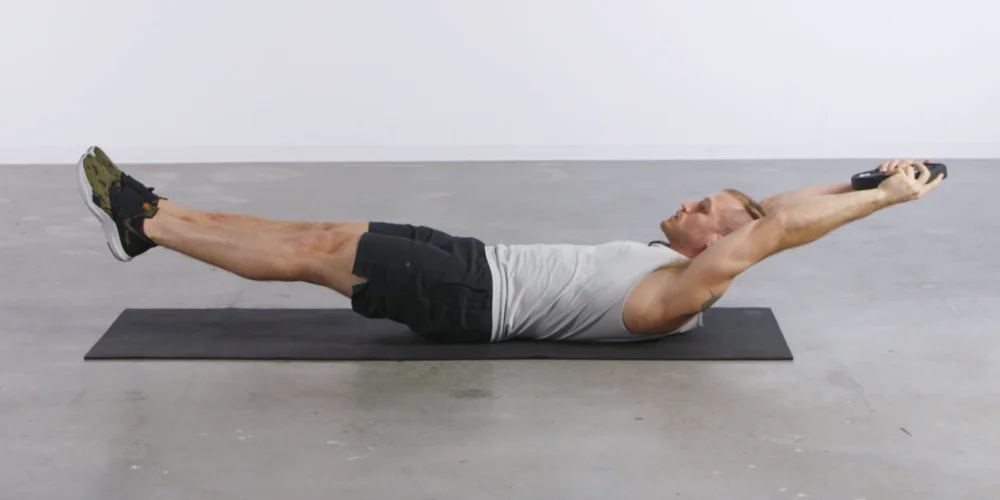

The pursuit of strength is a dynamic journey, a delicate balance between pushing your limits and respecting your body’s signals. You strive to lift challenging weights for maximum muscle growth, yet maintain impeccable form to prevent injury. You aim for a consistent training frequency to accelerate your progress, but avoid the pitfalls of overtraining. And crucially, you need to commit to a program long enough to see tangible results, without succumbing to the dreaded plateau. Mastering these elements ensures you avoid stagnation and burnout, paving the way for continuous gains.
For many aspiring individuals, pinpointing that sweet spot – the optimal duration to stick with a particular training regimen – is the most elusive aspect of their fitness journey. This is a sentiment echoed by seasoned fitness professionals.
On one end of the spectrum are those who adhere rigidly to the same routine, week after week, month after month, even when the progress stalls. Their dedication is admirable, but their approach lacks the adaptability needed for continued development. On the other extreme are individuals exhibiting what can be termed "training ADHD," constantly flitting between workouts, changing exercises weekly or even daily. This often stems from the overwhelming influx of information and trends seen on social media, leading to a fragmented and ineffective training strategy.

This constant program-hopping, as it’s often called, can be just as detrimental as sticking with a stale routine. The outcome of excessive variation, much like too little, is a significant slowdown, or even a complete halt, in your body’s ability to adapt and grow stronger. In essence, missing the mark on program variation in either direction can lead to your hard-earned gains and fitness goals slipping through your fingers. Let’s explore the key indicators that signal it’s time to thoughtfully evolve your approach.
The Art of Strategic Program Evolution
The general consensus among fitness experts is that a thoughtful shift in your training program is advisable roughly every four to sixteen weeks. This broad timeframe acknowledges that individual progress and needs vary. However, several clear signals can help you narrow down this window and make the most effective adjustments for your specific goals.
When Your Progress Hits a Wall: Recognizing the True Plateau
The most definitive reason to consider a program change is when you encounter a genuine training plateau. This isn’t a fleeting off-day or a dip in motivation due to external life stressors; this is a sustained lack of progress directly attributable to your current training stimulus.

A true plateau manifests in several ways:
- Strength Goals: If you’re training for maximal strength, and your ability to lift heavier weights has flatlined for an extended period, despite consistent effort and proper nutrition, your program may no longer be challenging your neuromuscular system effectively.
- Hypertrophy Goals: For those focused on building muscle mass, if you’re not seeing an increase in muscle size or definition after weeks of dedicated training, it’s a strong indicator that your muscles are no longer being stimulated to grow.
- Endurance Goals: If your aim is to improve cardiovascular or muscular endurance, and your ability to perform repetitive movements or sustain activity for longer periods isn’t improving, your current training might not be pushing your aerobic or anaerobic systems sufficiently.
It’s crucial to differentiate a training plateau from external factors. Are you getting enough sleep? Is your nutrition on point? Are you experiencing unusually high levels of stress? These factors significantly impact recovery and performance. However, if you’ve ruled these out and still find yourself stuck, it’s time to re-evaluate your training program. Remember, not every workout will be a personal best, and occasional dips are normal. But a persistent lack of advancement is the clearest sign that your program needs a strategic update.
The Siren Song of Boredom: Rekindling Your Training Motivation
While consistency is the bedrock of any successful fitness endeavor, the monotony of repetition can be a silent killer of motivation. Sticking with the same exercises, sets, reps, and tempo for extended periods is often necessary for muscular adaptation. However, if this repetition starts to feel like a chore rather than a challenge, your mental engagement can suffer.

When boredom creeps in, it creates fertile ground for excuses. Suddenly, skipping a workout seems more justifiable, and the consistency that is so vital for achieving your goals becomes compromised. This is a slippery slope that can derail your entire fitness journey.
Furthermore, boredom can be a catalyst for program hopping. You might find yourself endlessly scrolling through social media, seeking the next "exciting" workout routine. This constant searching for novelty, without allowing any single program sufficient time to work, is a common pitfall. The critical issue with this approach is the inability to accurately measure progress. When you’re changing exercises and training styles daily or weekly, it’s impossible to know what’s actually yielding results and what isn’t. You’re essentially shooting in the dark, hoping something sticks.
Actionable Tip: If you find yourself regularly making excuses to skip the gym, or if your primary activity once you arrive is searching for new exercises on your phone, it’s a clear signal that your current program is no longer engaging you. It’s time to introduce some calculated variation.
Navigating the Landscape of Injury: Adapting Your Approach
Injury can be a significant disruptor to workout consistency, but it doesn’t have to signal the end of your training. An acute injury causing sharp pain or a chronic condition requiring you to avoid certain movements or immobilize a limb certainly necessitates a period of rest and recovery. However, this doesn’t mean you have to halt your fitness journey entirely.
In most cases, an injury requires an adjustment, not an abandonment, of your program. The goal is to modify your training to work around the affected area while still stimulating the rest of your body. This might mean:
- Swapping Exercises: If a particular exercise causes pain, identify alternative movements that target the same muscle group without aggravating the injury. For example, if barbell squats are problematic due to a knee injury, consider unilateral exercises like lunges or machine-based leg presses that allow for more controlled movement.
- Focusing on Unaffected Areas: You can still continue to train the parts of your body that are not injured. While you might not get a 100% carryover of strength gains to the injured limb, there will be a degree of cross-education. For instance, if your right leg is injured, continuing to train your left leg will still lead to some strength improvements in your right leg due to neural adaptations.
Real-Life Example: Imagine you’ve injured your shoulder and can no longer perform overhead presses. Instead of abandoning your upper body training, you could focus on exercises like dumbbell bench presses, incline presses, or cable flyes for your chest, and rowing variations for your back. For your shoulder, you might incorporate lighter resistance band work for rotator cuff stability and mobility exercises, provided they don’t cause pain.

The principle of contralateral training, where training one limb can induce some gains in the opposite, untrained limb, is supported by research. While it’s not a perfect substitute for direct training, it offers a valuable way to maintain some level of development until your injury heals.
Beyond the Basics: Periodization and Advanced Training Strategies
The three scenarios above primarily address the needs of the average fitness enthusiast. However, for more advanced lifters, athletes, or those following structured, long-term training plans, the concept of periodization becomes paramount.
Periodization is a sophisticated approach that divides a year-long training cycle into distinct blocks, each with a specific focus. These blocks might target:

- Strength: Emphasizing lower repetitions with higher intensity to build maximal force production.
- Hypertrophy: Focusing on moderate repetitions with moderate intensity to maximize muscle growth.
- Power: Incorporating explosive movements with lower repetitions to develop speed and force.
- Endurance: Utilizing higher repetitions with lower intensity to improve stamina.
Athletes, in particular, must dynamically adjust their training intensity and volume based on their competitive season – whether they are in-season or off-season. These planned variations are integral to their periodized programs.
However, the fundamental principles of adaptation and the need for change are not exclusive to elite athletes. The core idea is that the body adapts to consistent stimuli. To continue making progress, the stimulus must evolve.
Key Insight: The changes required to maintain continuous adaptation are often less drastic than many people assume. You don’t necessarily need to overhaul your entire exercise selection every few weeks.

Smart Adjustments for Lasting Gains
Instead of wholesale exercise replacement, consider these effective ways to introduce variation and keep your progress moving:
- Grip and Stance Variations: Simply changing your grip width on pulling and pushing exercises (e.g., wide-grip vs. close-grip bench press) or altering your stance on lower body movements (e.g., sumo vs. conventional deadlifts) can recruit muscles differently and provide a novel stimulus.
- Tempo Manipulation: Modifying the speed at which you perform the eccentric (lowering) and concentric (lifting) phases of an exercise can significantly increase time under tension and challenge your muscles in new ways. For example, a slow, controlled eccentric phase on a squat can enhance muscle breakdown and growth.
- Exercise Variations: Transitioning to a slightly different variation of an exercise that targets the same primary muscle group can be highly effective. For example, switching from barbell back squats to goblet squats or front squats can provide a different challenge.
- Set and Rep Scheme Changes: This is a cornerstone of periodization. Shifting your focus from higher reps (e.g., 8-12 for hypertrophy) to lower reps (e.g., 4-6 for strength) or vice versa can reignite progress. This simple adjustment can signal your body to adapt in a new direction.
All these adjustments should occur within the overarching framework of progressive overload. This fundamental principle dictates that to continue getting stronger, you must continually increase the demands placed on your muscles. This can be achieved by lifting heavier weights, performing more repetitions or sets, reducing rest times, or improving your form and technique over time.
The Flexible Framework: When to Stick and When to Shift
It’s vital to remember that the four-to-sixteen-week guideline is a general principle, not an absolute law. If you’ve been following a program for longer than this window, and you’re feeling healthy, mobile, enjoying your workouts, and consistently making progress, there’s no inherent need to change anything. The goal is to optimize, not to change for the sake of change.
Conversely, don’t be afraid to be flexible and listen to your body. There will be days when you feel exceptionally fatigued or run down. On such occasions, it’s wise to adjust your planned workout. If your program calls for heavy lifting, but you’re feeling utterly depleted, consider opting for lighter "pump" work that focuses on blood flow and muscle activation without taxing your central nervous system. This kind of self-assessment and adaptability is crucial, as long as it doesn’t morph into a habit of constant program hopping.
Charting Your Course: Finding Your Next Effective Program
The fitness landscape is rich with diverse and effective training methodologies. If you’re looking for inspiration for your next training cycle, consider exploring programs designed with specific goals in mind. Whether you’re aiming for overall conditioning, targeted muscle growth, or a balanced approach to building and maintaining muscle, there are resources available to guide your journey.
Many reputable fitness platforms offer a variety of well-structured programs catering to different experience levels and goals. These can include:

- Strength-focused programs: Designed to maximize your ability to lift heavier weights.
- Hypertrophy-focused programs: Tailored for significant muscle growth and definition.
- Body recomposition programs: Aiming to simultaneously build muscle and lose fat.
- Programs for specific age groups or goals: Such as those designed for older adults or for achieving specific aesthetic outcomes.
The key is to select a program that aligns with your current objectives, listen to your body, and be prepared to make intelligent adjustments as you progress.
Your Strength Awaits: Embrace the Evolution
The pursuit of strength is a continuous process of adaptation and refinement. By understanding the signs that indicate a need for change – stalled progress, waning motivation, or the need to work around an injury – you can strategically evolve your workout plan. Remember, consistency is key, but so is intelligent variation. Don’t be afraid to step outside your comfort zone, experiment with different approaches, and always prioritize listening to your body. The path to greater strength is paved with informed decisions and a commitment to ongoing evolution. Keep pushing, keep learning, and you will undoubtedly unlock your true potential.