Introduction: Your Journey to a Stronger Self Begins Now
Embarking on a fitness journey is one of the most profound investments you can make in yourself. It’s a commitment not just to physical transformation, but to a life enriched with greater energy, resilience, and mental clarity. For many, the path to a healthier, stronger body can seem daunting, riddled with conflicting advice and intimidating jargon. But what if we told you that building unshakeable strength and enduring vitality isn’t about extreme measures or fleeting trends, but about understanding fundamental principles and applying them consistently?
This article is your comprehensive blueprint. Whether you’re lacing up your shoes for the very first time or you’re an intermediate enthusiast looking to break through plateaus and refine your approach, we’re here to demystify the process. We’ll guide you through the essential pillars of sustainable progress, from crafting effective workouts and optimizing your nutrition to mastering the art of recovery and cultivating a resilient mindset. Our goal is to equip you with practical, actionable advice that empowers you to build not just a fit body, but a truly vibrant life. Your journey to a stronger, more energetic, and more confident self begins here.
Setting Your Foundation: The Pillars of Sustainable Progress
Every magnificent structure stands on a robust foundation. Your fitness journey is no different. Before diving into specific exercises or meal plans, it’s crucial to establish the underlying principles that will ensure your progress is not just significant, but sustainable for the long haul.
Define Your "Why": More Than Just a Number on the Scale
The most powerful fuel for any lasting endeavor is a clear, compelling reason to pursue it. While aesthetic goals like "losing weight" or "building muscle" are common, they often lack the deep, intrinsic motivation needed to weather challenges. Your "why" should resonate with your core values and extend beyond superficial changes.
- Intrinsic Motivation: This comes from within. It’s the desire for improved health, enhanced energy levels to keep up with your children, the mental clarity that exercise brings, the satisfaction of mastering a new skill, or simply the feeling of empowerment that comes from being strong.
- Beyond Aesthetics: While physical changes are a natural outcome of consistent effort, focus on the deeper benefits. Do you want to reduce stress? Improve your sleep? Prevent chronic diseases? Boost your confidence in daily life?
- Real-Life Example: Instead of saying, "I want to lose 10 pounds," try, "I want to lose 10 pounds so I can have more energy to play with my kids without getting winded, and feel confident in my own skin." This emotional connection makes your goal far more resilient to setbacks.
Take a moment to truly reflect: what is the driving force behind your desire for fitness? Write it down. This personal declaration will serve as your compass when motivation wanes.
Realistic Goal Setting: Small Wins, Big Momentum
Grand ambitions are admirable, but they can be overwhelming if not broken down. The key to consistent progress lies in setting SMART goals: Specific, Measurable, Achievable, Relevant, and Time-bound.
- Specific: Clearly define what you want to achieve. "I want to run a 5K."
- Measurable: How will you track progress? "I will train for a 5K by running three times a week, increasing my distance by 10% each week."
- Achievable: Is it realistic given your current fitness level and resources? Starting with a 5K is more achievable than a marathon for a beginner.
- Relevant: Does it align with your "why" and overall aspirations?
- Time-bound: Set a deadline. "I will complete a 5K race in 12 weeks."
Breaking Down Goals: Once you have a SMART goal, break it into smaller, weekly or monthly milestones. Celebrating these "small wins" creates a powerful positive feedback loop, building momentum and confidence. For instance, if your goal is to do 10 unassisted pull-ups, your first small win might be consistently doing 3 sets of 5 negative pull-ups.
The Power of Consistency Over Intensity
This is arguably the most critical principle for long-term success. Many beginners make the mistake of going "all in" with extreme intensity, only to burn out, get injured, or lose motivation within weeks.
- Building Habits: Think of fitness as a habit you’re building, like brushing your teeth. It’s better to show up for three moderate workouts a week, every week, than to crush five intense sessions for two weeks and then do nothing for a month.
- Avoiding Burnout: Overtraining leads to physical fatigue, mental exhaustion, and increased injury risk. Listen to your body. Some days, a lighter workout or active recovery (like a walk) is far more beneficial than pushing through an intense session.
- Real-Life Application: If you’re a beginner, aim for 2-3 structured workouts per week. As you build consistency and your body adapts, you can gradually increase frequency or intensity. The act of showing up, even when you don’t feel like it, reinforces the habit and pays dividends over time.
Crafting Your Workout Arsenal: Effective Training Principles
With your foundation set, it’s time to equip yourself with the knowledge to build effective workouts. A well-rounded fitness regimen incorporates various modalities to ensure holistic development, addressing strength, endurance, and flexibility.
Understanding Different Training Modalities
No single type of exercise is a panacea. A balanced approach combines several components to optimize overall health and performance.
Strength Training: Sculpting Resilience
Strength training, also known as resistance training, is fundamental for building muscle mass, increasing bone density, boosting metabolism, and improving functional strength for daily activities.
- Benefits:
- Muscle Growth (Hypertrophy): Increases the size of your muscle fibers.
- Increased Strength: Enables you to lift heavier loads or perform tasks with less effort.
- Bone Density: Critical for preventing osteoporosis as you age.
- Metabolism Boost: More muscle mass means a higher resting metabolic rate, burning more calories even at rest.
- Improved Body Composition: Reduces body fat while increasing lean muscle.
- Practical Tips:
- Compound Movements: Prioritize exercises that work multiple muscle groups simultaneously. Examples: squats, deadlifts, bench presses, overhead presses, rows. These are efficient and build foundational strength.
- Progressive Overload: Continuously challenge your muscles (more on this below).
- Proper Form: Always prioritize correct technique over lifting heavy weight. Incorrect form can lead to injury and negate the benefits of the exercise.
- Example Routine (Beginner/Intermediate – Full Body 2-3x/week):
- Warm-up: 5-10 minutes light cardio and dynamic stretches.
- Workout (choose 1-2 exercises per movement pattern):
- Lower Body Push: Squats (Goblet Squats, Barbell Back Squats) – 3 sets of 8-12 reps
- Lower Body Pull: Romanian Deadlifts or Glute Bridges – 3 sets of 10-15 reps
- Upper Body Push (Horizontal): Push-ups or Dumbbell Bench Press – 3 sets of 8-12 reps
- Upper Body Pull (Horizontal): Dumbbell Rows or Cable Rows – 3 sets of 8-12 reps
- Upper Body Push (Vertical): Overhead Press (Dumbbell or Barbell) – 3 sets of 8-12 reps
- Upper Body Pull (Vertical): Lat Pulldowns or Assisted Pull-ups – 3 sets of 8-12 reps
- Cool-down: 5-10 minutes static stretching.
Cardiovascular Training: For a Resilient Heart
Cardio, or aerobic exercise, strengthens your heart and lungs, improves endurance, and contributes significantly to overall health.
- Benefits:
- Heart Health: Lowers blood pressure, improves cholesterol levels, reduces risk of heart disease.
- Increased Stamina: Allows you to sustain physical activity for longer periods.
- Improved Mood: Releases endorphins, acting as a natural mood booster.
- Weight Management: Burns calories, aiding in fat loss.
- Practical Tips:
- Types:
- Low-Intensity Steady State (LISS): Brisk walking, cycling, swimming for longer durations (30-60 minutes) at a moderate pace where you can hold a conversation. Excellent for recovery and fat burning.
- High-Intensity Interval Training (HIIT): Short bursts of intense exercise followed by brief recovery periods. Highly effective for improving cardiovascular fitness and burning calories in less time. Example: 30 seconds sprint, 60 seconds walk, repeat for 15-20 minutes.
- Target Heart Rate: Understand your maximum heart rate (roughly 220 minus your age) and aim for 60-85% of that for effective cardio training.
- Types:
- Examples: Running, cycling, swimming, rowing, brisk walking, elliptical, jump rope, dancing.
Flexibility and Mobility: The Foundation of Fluid Movement
Often overlooked, flexibility and mobility are crucial for injury prevention, improving range of motion, and enhancing overall athletic performance.
- Benefits:
- Injury Prevention: Pliable muscles and mobile joints are less prone to strains and tears.
- Improved Range of Motion: Allows you to perform exercises with proper depth and technique.
- Reduced Muscle Soreness: Can aid in recovery and alleviate stiffness.
- Better Posture: Addresses muscle imbalances that contribute to poor posture.
- Practical Tips:
- Dynamic Stretching (before workout): Leg swings, arm circles, torso twists. These prepare your muscles for activity.
- Static Stretching (after workout): Holding a stretch for 20-30 seconds. Focus on major muscle groups.
- Foam Rolling: Self-myofascial release to break up knots and improve tissue quality.
- Examples: Yoga, Pilates, dedicated stretching routines, daily mobility drills for specific joints (hips, shoulders, ankles).
Progressive Overload: The Engine of Growth
If you want your muscles to grow stronger and your body to adapt, you must continually challenge it beyond its current capacities. This is the principle of progressive overload. Without it, your body has no reason to change.
- What it is: Gradually increasing the demands placed on your body over time.
- Why it’s crucial: Your body is incredibly adaptive. Once it gets used to a certain stimulus, it stops growing. To continue making progress, you need to provide a new, greater stimulus.
- How to Apply It:
- Increase Weight: The most common method. If you were doing 3 sets of 10 with 50 lbs, try 55 lbs next time.
- Increase Reps: If you can do 3 sets of 8 with a certain weight, try to do 3 sets of 9 or 10 with the same weight.
- Increase Sets: Go from 3 sets to 4 sets of an exercise.
- Decrease Rest Time: Performing the same work in less time increases intensity.
- Improve Form/Technique: While not "more" weight, performing an exercise with perfect, controlled form is a form of progression.
- Increase Frequency: Work a muscle group more often (e.g., from once a week to twice a week).
- Time Under Tension: Slowing down the eccentric (lowering) phase of a lift.
- Real-Life Example: Imagine you’re squatting 100 pounds for 3 sets of 8 reps.
- Week 1: 3 sets of 8 reps at 100 lbs.
- Week 2: You feel strong, so you try 3 sets of 9 reps at 100 lbs.
- Week 3: You successfully hit 3 sets of 10 reps at 100 lbs. Now your body has adapted.
- Week 4: Time to increase the challenge. You might try 3 sets of 8 reps at 105 lbs, or 3 sets of 10 reps at 100 lbs with a slower tempo.
Consistency in applying progressive overload is what drives long-term strength and muscle gains. Keep a workout log to track your progress and ensure you’re consistently pushing yourself.
Form First: Mastering Movement for Safety and Efficacy
Before you add weight, increase speed, or push for more reps, master the movement itself. Proper form is non-negotiable for two critical reasons: safety and efficacy.
- Safety: Incorrect form is the leading cause of injury in exercise. Protecting your joints, ligaments, and muscles is paramount for a sustainable fitness journey. A significant injury can derail your progress for months or even years.
- Efficacy: Good form ensures that the target muscles are actually doing the work. If you’re compensating with other muscle groups or using momentum, you’re not effectively training the intended area, which hinders progress.
- Tips for Mastering Form:
- Start Light: Always begin with light weights or even just your body weight to learn the movement pattern.
- Watch and Learn: Utilize reputable online resources (videos from certified coaches) to visualize correct technique.
- Mirror Feedback: Use mirrors to observe your form from different angles.
- Film Yourself: Record your lifts. It’s often easier to spot errors when reviewing footage.
- Consider a Coach: Even a few sessions with a qualified personal trainer can provide invaluable feedback and correct bad habits early on.
- Body Awareness: Pay attention to how your muscles feel. Are you feeling the exercise in the right places? Is there any sharp pain?
Remember, ego lifting (lifting more than you can handle with good form) is a fast track to injury and slow progress. Embrace the process of perfecting your technique; it will serve you well throughout your fitness journey.
Fueling Your Performance: Nutrition as Your Ally
Exercise breaks down muscle; nutrition rebuilds it. You can train with perfect consistency and intensity, but if your diet isn’t supporting your efforts, your progress will be severely limited. Think of food as fuel, and your body as a high-performance machine.
The Basics of Balanced Nutrition
Forget restrictive diets and fads. Sustainable nutrition is about balance, quality, and consistency.
- Macronutrients: These are the nutrients your body needs in large amounts for energy and structure.
- Protein: Essential for muscle repair and growth, hormone production, and satiety. Aim for lean sources like chicken, fish, lean beef, eggs, dairy, legumes, tofu.
- Carbohydrates: Your body’s primary energy source. Choose complex carbs like whole grains (oats, brown rice, quinoa), fruits, and vegetables for sustained energy and fiber.
- Fats: Crucial for hormone production, nutrient absorption, and organ protection. Focus on healthy fats from avocados, nuts, seeds, olive oil, and fatty fish.
- Micronutrients: Vitamins and minerals, needed in smaller amounts, but vital for countless bodily functions. A varied diet rich in fruits, vegetables, and whole foods typically provides sufficient micronutrients.
- Emphasize Whole, Unprocessed Foods: Prioritize foods in their natural state. These are nutrient-dense and typically lower in added sugars, unhealthy fats, and artificial ingredients. Think apples over apple juice, chicken breast over processed nuggets.
Hydration: The Unsung Hero
Water is involved in almost every bodily function, from nutrient transport and temperature regulation to joint lubrication and waste removal. Dehydration, even mild, can significantly impair performance and cognitive function.
- Importance:
- Performance: Crucial for maintaining energy levels, preventing muscle cramps, and regulating body temperature during exercise.
- Recovery: Aids in nutrient delivery to muscles and waste product removal.
- Overall Health: Supports digestion, skin health, and brain function.
- Tips for Staying Hydrated:
- General Guideline: Aim for at least 8-10 glasses (2-2.5 liters) of water daily, more if you’re active or in a hot climate.
- Before, During, After: Drink water consistently throughout the day, not just when you’re thirsty. Sip water before, during, and after your workouts.
- Keep it Accessible: Carry a reusable water bottle with you.
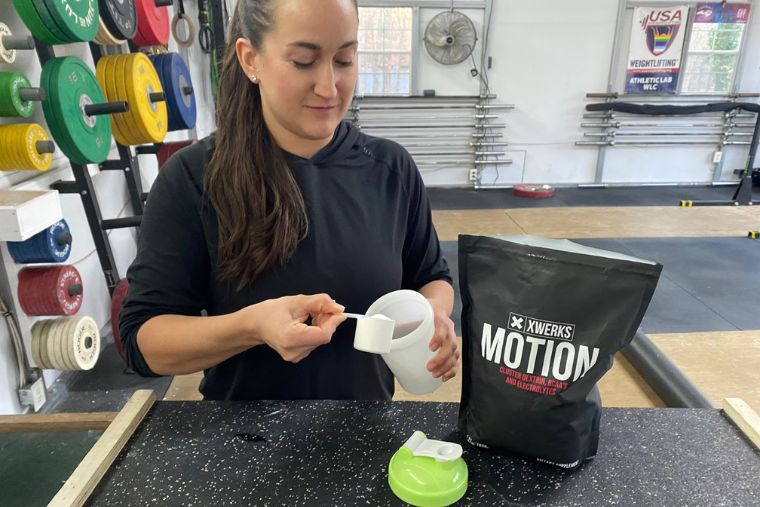
- Electrolytes: For very intense or prolonged workouts (over 60-90 minutes), or in hot conditions, consider an electrolyte-enhanced drink to replenish lost salts.
Meal Timing and Portion Control: Simple Strategies
You don’t need to be a meticulous meal prepper to eat well, but understanding some basic principles of timing and portion control can make a big difference.
- Mindful Eating: Focus on what you’re eating and how much. Eat slowly, savor your food, and pay attention to your body’s hunger and fullness cues.
- Pre-Workout Nutrition: Fuel your body 1-3 hours before a workout with a balanced meal or snack rich in complex carbohydrates and some protein. This provides sustained energy. Examples: oatmeal with berries, whole-wheat toast with egg, banana with a handful of nuts.
- Post-Workout Nutrition: Within 30-60 minutes after intense exercise, consume protein and carbohydrates to kickstart muscle repair and glycogen replenishment. Examples: protein shake with fruit, chicken and rice, Greek yogurt with granola.
- Portion Control:
- Plate Method: Fill half your plate with non-starchy vegetables, a quarter with lean protein, and a quarter with complex carbohydrates.
- Hand Guide (General):
- Protein: Palm of your hand (1-2 servings per meal).
- Carbohydrates: Cupped hand (1-2 servings per meal).
- Fats: Thumb-sized portion (1-2 servings per meal).
- Vegetables: As much as you want!
Supplements: Support, Not Solution
The supplement industry is vast, but it’s crucial to remember that supplements are designed to supplement a solid diet and training program, not replace them. For most beginners and intermediates, they are not strictly necessary, but a few have strong scientific backing.
- Evidence-Backed Options (without brand names):
- Protein Powder: Convenient way to increase protein intake, especially post-workout or for those struggling to meet protein needs through whole foods.
- Creatine Monohydrate: One of the most researched and effective supplements for increasing strength, power, and muscle mass.
- Multivitamin/Mineral: A good "insurance policy" if your diet might be lacking in certain micronutrients, though a varied whole-food diet is superior.
- Crucial Caveat: Always prioritize whole foods, consistent training, and adequate rest before considering supplements. Consult with a healthcare professional or registered dietitian if you have questions or specific health conditions.
The Art of Recovery: Rebuild, Recharge, Return Stronger
The magic of fitness doesn’t happen during your workout; it happens afterward, when your body repairs and adapts. Neglecting recovery is like planting a seed and forgetting to water it – you won’t see growth.
Prioritizing Sleep: Your Body’s Ultimate Repair Shop
Sleep is the cornerstone of recovery, yet it’s often the first thing sacrificed in a busy schedule. Adequate sleep is non-negotiable for muscle repair, hormone regulation, and mental well-being.
- Impact of Sleep:
- Muscle Repair: During deep sleep, growth hormone is released, essential for tissue repair and muscle growth.
- Hormone Regulation: Sleep deprivation negatively impacts hormones like cortisol (stress hormone) and ghrelin/leptin (hunger/satiety hormones), affecting fat loss and muscle gain.
- Energy Levels: Crucial for physical and mental energy for your next workout and daily tasks.
- Cognitive Function: Improves focus, decision-making, and mood.
- Tips for Improving Sleep Hygiene:
- Consistency: Go to bed and wake up at roughly the same time each day, even on weekends.
- Dark, Cool, Quiet Room: Optimize your sleep environment.
- Limit Screens: Avoid blue light from phones/tablets an hour before bed.
- Avoid Caffeine/Alcohol: Especially close to bedtime.
- Relaxation Routine: Read a book, take a warm bath, or meditate before sleep.
- Aim for 7-9 hours: Most adults need this much for optimal function.
Active Recovery and Rest Days
Rest days aren’t about being lazy; they’re an integral part of your training cycle. They allow your central nervous system to recover and your muscles to repair without additional stress.
- Active Recovery: Light activities that promote blood flow without adding significant stress to your muscles.
- Benefits: Helps flush out metabolic waste, reduces muscle soreness, improves flexibility.
- Examples: Brisk walking, light cycling, swimming, gentle yoga, foam rolling, stretching.
- Complete Rest: Some days, your body might simply need to do nothing strenuous. Listen to your body. If you feel excessively fatigued or sore, a complete rest day might be best.
- Preventing Overtraining: Skipping rest days or constantly pushing yourself to exhaustion can lead to overtraining syndrome, characterized by chronic fatigue, decreased performance, increased injury risk, and mood disturbances.
Stress Management: The Silent Performance Killer
Chronic stress, whether from work, relationships, or daily life, can significantly hinder your fitness progress. It elevates cortisol levels, which can promote fat storage, break down muscle tissue, and disrupt sleep.
- Connection to Fitness: Stress impacts your ability to recover, your motivation, and your body’s physiological response to training.
- Techniques for Stress Reduction:
- Mindfulness & Meditation: Even 5-10 minutes daily can reduce stress and improve focus.
- Hobbies & Interests: Engage in activities you enjoy outside of fitness.
- Time Outdoors: Spending time in nature has proven stress-reducing benefits.
- Social Connection: Lean on friends and family for support.
- Time Management: Organize your schedule to reduce feelings of overwhelm.
Overcoming Obstacles: Staying the Course
The fitness journey is rarely a straight line. There will be bumps, detours, and moments of doubt. Learning to navigate these obstacles is a hallmark of enduring success.
Navigating Plateaus: When Progress Stalls
It’s inevitable: at some point, your progress will slow down or stop altogether. This is a plateau, and it’s a normal part of adaptation. The key is to recognize it and implement strategies to break through.
- Common Reasons for Plateaus:
- Lack of Progressive Overload: Your body has adapted to the current stimulus.
- Insufficient Recovery: Overtraining or lack of sleep/nutrition.
- Nutritional Deficiencies: Not eating enough calories or the right macronutrients.
- Routine Staleness: Doing the same exercises, sets, and reps for too long.
- Increased Stress: External stressors impacting recovery.
- Strategies to Break Through:
- Change Your Routine: Introduce new exercises, alter rep ranges, switch up the order of exercises, or try a different split (e.g., from full body to upper/lower).
- Deload: Take a planned week of significantly reduced volume and/or intensity. This allows your body to fully recover and come back stronger.
- Re-evaluate Nutrition: Are you eating enough? Are your macros balanced? Track your intake for a few days to identify potential gaps.
- Prioritize Sleep: Ensure you’re consistently getting 7-9 hours.
- Seek Expert Advice: A coach can often identify blind spots in your training or nutrition.
Bouncing Back from Setbacks and Injuries
Life happens. You might miss workouts due to illness, travel, or family commitments. Injuries can be even more disheartening. The crucial lesson here is resilience, not perfection.
- It’s Okay to Miss a Workout: One missed session will not derail months of progress. Get back on track with your next planned workout without guilt.
- Listen to Your Body: Distinguish between muscle soreness (DOMS) and sharp, persistent pain. If something hurts, stop.
- Modify, Don’t Stop: If you have a minor injury (e.g., shoulder pain), you might still be able to train your legs or do low-impact cardio. Focus on what you can do, not what you can’t.
- Seek Professional Help: For any significant or persistent pain, consult a doctor or physical therapist. Early intervention can prevent minor issues from becoming chronic problems.
- Mental Resilience: Setbacks are part of the journey. Use them as learning opportunities. How can you prevent similar issues in the future? How can you adapt?
Building a Supportive Environment
You don’t have to go it alone. A strong support system can provide motivation, accountability, and a sense of community.
- Workout Partners: Training with a friend can make workouts more enjoyable and keep you accountable.
- Online Communities: Join fitness forums, social media groups, or online challenges for encouragement and shared experiences.
- **