Embarking on a fitness journey, or pushing past the initial stages into intermediate territory, is an exhilarating yet often challenging endeavor. The fitness landscape is vast, brimming with conflicting advice, fleeting trends, and the seductive promise of quick fixes. But beneath the noise lies a timeless truth: sustainable progress, true strength, and enduring vitality are built on a foundation of fundamental principles, unwavering consistency, and a profound understanding of your own body.
This comprehensive guide is crafted for you – the enthusiastic beginner ready to lay strong roots, and the aspiring intermediate eager to break through plateaus. We will cut through the clutter, offering clear, actionable advice rooted in science and experience. Our aim isn’t just to tell you what to do, but why it matters, empowering you to make informed decisions that resonate with your personal goals and lifestyle. Prepare to unlock your full fitness potential, not through fleeting fads, but by forging a resilient body and an indomitable spirit.
The Pillars of Your Fitness Foundation
Before diving into specific exercises or meal plans, it’s crucial to understand that fitness is a multi-faceted discipline. True progress isn’t solely about how much you can lift or how fast you can run; it’s about harmonizing several key components that collectively contribute to your overall well-being and performance. Think of these as the four immutable pillars supporting your entire fitness structure:
- Strategic Training: This encompasses your physical activity, including resistance training, cardiovascular exercise, and flexibility work. It’s about smart programming, not just random exertion.
- Optimal Nutrition: The fuel for your body. What you eat directly impacts your energy levels, recovery, muscle growth, and fat loss. It’s not just about calories, but nutrient density.
- Rest and Recovery: Often overlooked, this is where your body actually adapts, repairs, and grows stronger. Without adequate recovery, your training efforts can be undermined.
- Resilient Mindset: Your mental approach to fitness dictates your consistency, discipline, and ability to overcome challenges. It’s the engine that drives all other pillars.
Neglecting any one of these pillars will inevitably weaken your entire structure, making sustainable progress elusive. Let’s explore each in depth.
Crafting Your Personalized Training Blueprint
Your training program is the engine of your fitness journey. It needs to be purposeful, progressive, and adaptable. For beginners, the focus should be on mastering fundamental movements and building a base of strength and endurance. Intermediates will then build upon this foundation, introducing more complex variations and advanced programming techniques.
The Power of Progressive Overload
This is arguably the most critical principle in all of strength training. Progressive overload simply means continually challenging your muscles to do more than they are accustomed to. Without it, your body has no reason to adapt and grow stronger.
How to Implement Progressive Overload:
- Increase Weight: The most common method. If you lifted 100 lbs for 3 sets of 8 reps last week, aim for 105 lbs this week.
- Increase Reps: If you hit your target reps easily, try adding 1-2 more reps per set with the same weight.
- Increase Sets: Add an extra set to an exercise.
- Decrease Rest Time: Shortening rest periods between sets can increase intensity.
- Improve Form: Better technique allows you to lift more effectively and safely. This is a form of overload as it increases the stimulus on the target muscle.
- Increase Frequency: Train a muscle group more often (e.g., twice a week instead of once).
- Introduce More Challenging Exercises: Progress from goblet squats to barbell squats, or push-ups to dumbbell bench presses.
For beginners, consistent application of progressive overload, even with small increments, yields remarkable results. For intermediates, it requires more strategic planning to avoid plateaus.
Demystifying Resistance Training
Resistance training, often called strength training or weightlifting, is non-negotiable for building a strong, functional body, regardless of your ultimate goal (muscle gain, fat loss, or overall health).
For Beginners:

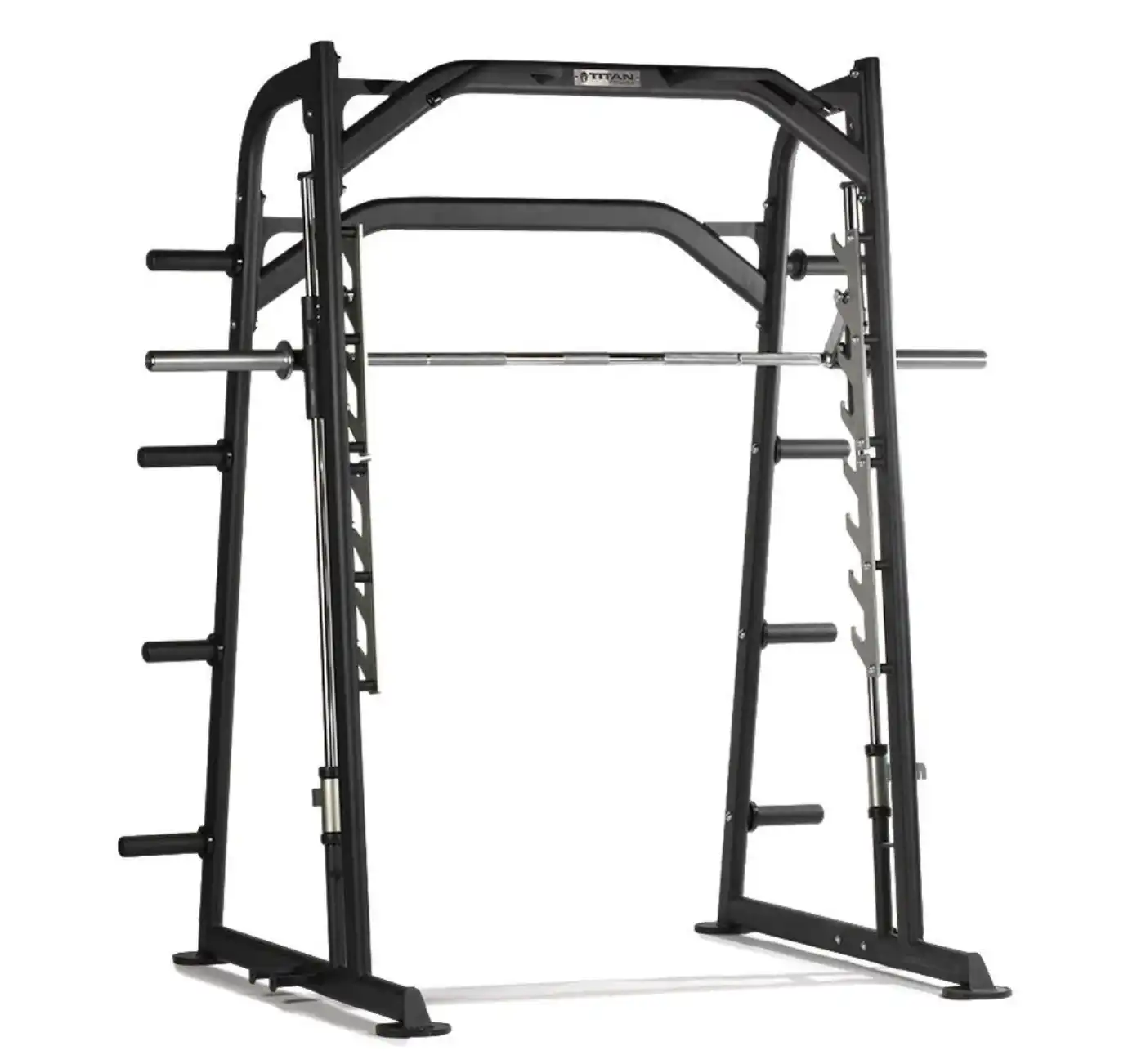
- Focus on Compound Movements: These exercises work multiple muscle groups simultaneously, providing the most bang for your buck. Examples: squats, deadlifts (or Romanian deadlifts), push-ups, overhead presses, rows.
- Master Form First: Start with light weights or even just your body weight to perfect your technique. Bad form leads to injury and ineffective training. Consider working with a certified personal trainer initially.
- Full Body Workouts (2-3 times per week): This allows for adequate recovery between sessions while hitting all major muscle groups frequently.
- Rep Ranges: Aim for 3-4 sets of 8-12 repetitions for muscle growth (hypertrophy), or 3-5 sets of 5-8 repetitions for strength focus.
Example Beginner Routine (Full Body – 3x/week):
- Barbell Squats: 3 sets x 8-12 reps
- Dumbbell Bench Press: 3 sets x 8-12 reps
- Lat Pulldowns (or Dumbbell Rows): 3 sets x 8-12 reps
- Overhead Press (Dumbbell or Barbell): 3 sets x 8-12 reps
- Plank: 3 sets, hold for 30-60 seconds
For Intermediates:
- Introduce Splits: As you get stronger, you might move to an upper/lower split, push/pull/legs (PPL), or a body part split to allow for more volume per muscle group.
- Vary Intensity Techniques: Incorporate drop sets, supersets, pyramid sets, or tempo training to continually challenge your muscles.
- Focus on Weaknesses: Identify muscle groups that lag and dedicate specific effort to them.
- Periodization: Plan your training in cycles, alternating between periods of higher intensity/lower volume and lower intensity/higher volume to optimize progress and prevent overtraining.
Embracing Cardiovascular Health
Cardio isn’t just for weight loss; it’s vital for heart health, stamina, and enhancing recovery from resistance training.
Types of Cardio:
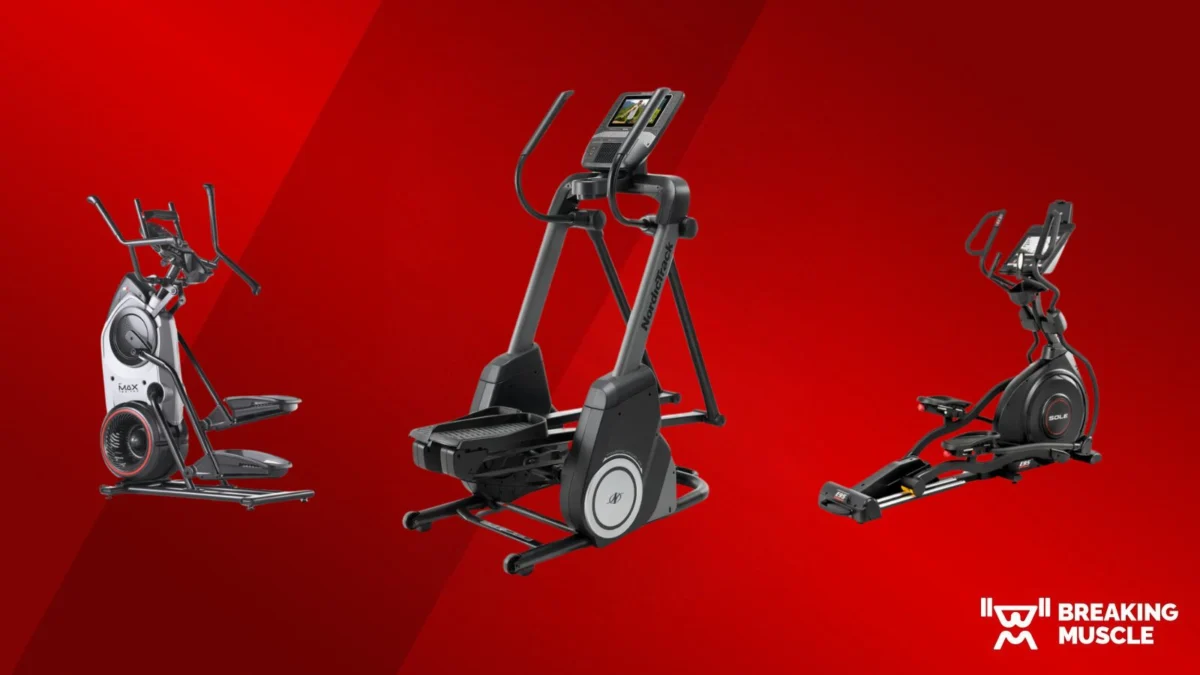
- Low-Intensity Steady State (LISS): Walking, light jogging, cycling. Great for active recovery and burning calories without excessive fatigue. Aim for 30-60 minutes, 2-3 times per week.
- High-Intensity Interval Training (HIIT): Short bursts of intense exercise followed by brief recovery periods. Highly effective for improving cardiovascular fitness and burning calories in less time. Use sparingly (1-2 times per week) due to its demanding nature.
Practical Tips:
- Find activities you enjoy: running, swimming, cycling, hiking, dancing, sports.
- Integrate cardio into your week strategically. Don’t let it interfere with your strength training recovery. LISS can be done on off days or post-workout; HIIT usually requires a dedicated session.
- Listen to your body. If you’re feeling overly fatigued, scale back.
The Importance of Flexibility and Mobility
Often neglected, flexibility and mobility are critical for injury prevention, improving range of motion in your lifts, and maintaining overall physical function as you age.
- Dynamic Stretching (Pre-Workout): Movements that take your joints through their full range of motion. Examples: arm circles, leg swings, torso twists. Perform 5-10 minutes before your main workout.
- Static Stretching (Post-Workout): Holding a stretch for 20-30 seconds. Focus on major muscle groups and areas of tightness. Perform after your workout or on a separate rest day.
- Foam Rolling: Self-myofascial release can help break up muscle knots and improve tissue quality. Use before or after workouts.
Actionable Advice: Dedicate 10-15 minutes, 3-4 times a week, to flexibility and mobility work. Your joints will thank you.
Fueling Your Ascent: The Art of Smart Nutrition
You cannot out-train a poor diet. Nutrition is the bedrock of performance, recovery, and body composition. For both beginners and intermediates, the principles remain largely the same, but the precision and consistency required might increase as your goals become more specific.
Macronutrients: Your Energy Building Blocks
- Protein (The Muscle Builder): Essential for muscle repair and growth. Aim for 0.7-1 gram of protein per pound of body weight daily, spread across 3-5 meals.
- Examples: Lean meats (chicken, turkey, beef), fish, eggs, dairy (Greek yogurt, cottage cheese), legumes, protein powder.
- Carbohydrates (The Energy Source): Your body’s preferred fuel. Complex carbs provide sustained energy, while simple carbs are quick energy boosts (useful post-workout).
- Examples (Complex): Oats, brown rice, quinoa, whole-grain bread, sweet potatoes, fruits, vegetables.
- Examples (Simple/Post-Workout): Bananas, white rice, fruit juice.
- Fats (The Hormone Regulator & Nutrient Absorber): Crucial for hormone production, nutrient absorption, and overall health.
- Examples: Avocados, nuts, seeds, olive oil, fatty fish (salmon), egg yolks.
Practical Tip: Don’t fear any macronutrient. Each plays a vital role. The key is balance and quality. Aim to get the majority of your calories from whole, unprocessed foods.
Hydration: The Often-Overlooked Essential
Water is involved in virtually every bodily function, from nutrient transport to temperature regulation and joint lubrication. Dehydration can significantly impair performance, energy, and cognitive function.
Actionable Advice:
- Aim for 8-12 glasses (64-96 oz) of water daily, more if you’re active or in a hot climate.
- Keep a water bottle handy and sip throughout the day.
- Electrolyte-rich fluids (coconut water, electrolyte supplements) can be beneficial during prolonged or intense workouts.
Meal Planning for Success
Consistency in nutrition is as important as consistency in training. Planning helps eliminate guesswork and reduces the likelihood of unhealthy impulsive choices.
Tips for Effective Meal Planning:
- Prep in Advance: Dedicate a few hours one day a week (e.g., Sunday) to prepare meals or components of meals (e.g., cook chicken, chop veggies, cook grains).
- Portion Control: Understand appropriate portion sizes for your goals. Use measuring cups, a food scale, or even your hand as a guide.
- Balanced Meals: Aim for a protein source, a complex carbohydrate, and healthy fats in most meals.
- Track If Necessary: For specific goals (significant fat loss or muscle gain), temporarily tracking your food intake using an app can provide valuable insights and ensure you’re hitting your targets.
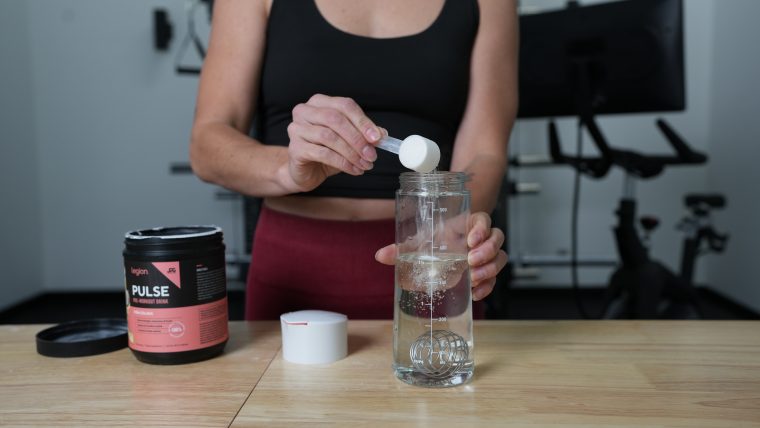
Navigating Supplements Wisely
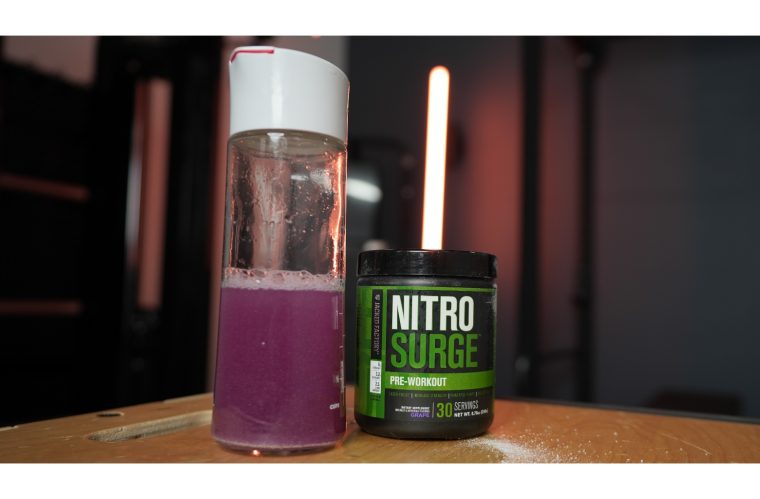
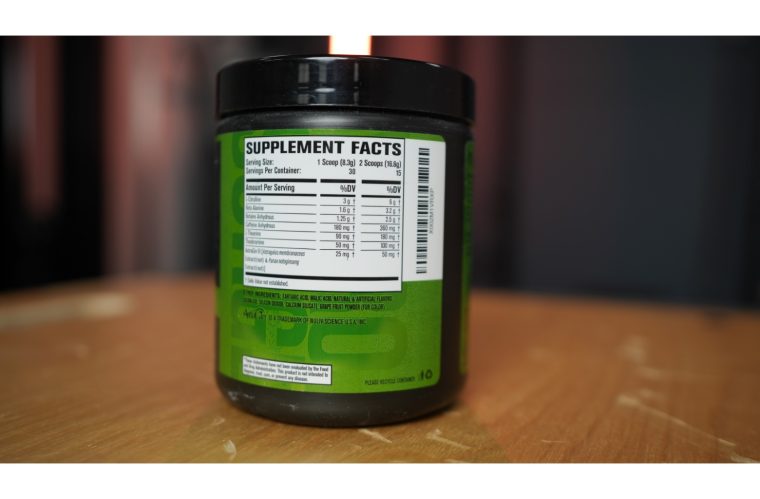
Supplements, as the name suggests, are meant to supplement a solid diet, not replace it. For beginners and intermediates, very few are truly essential.
Generally Recommended (for specific goals):
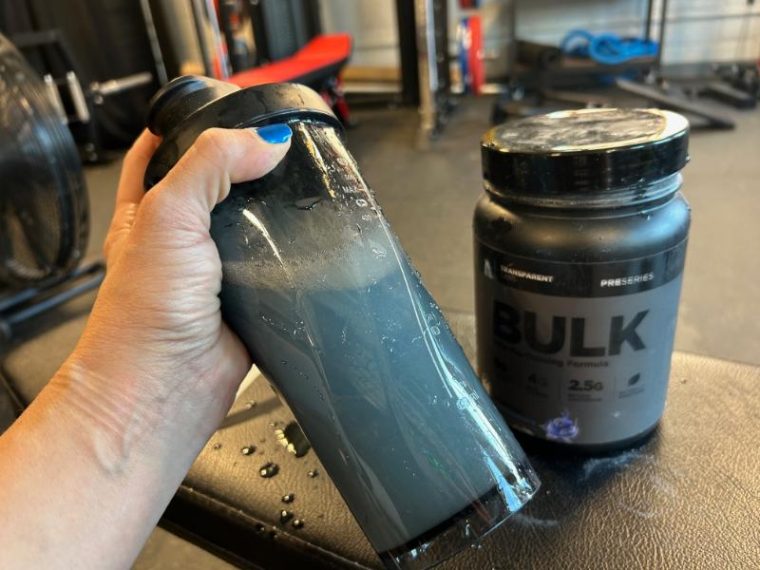
- Protein Powder: Convenient way to hit protein targets, especially post-workout or when whole food options are scarce.
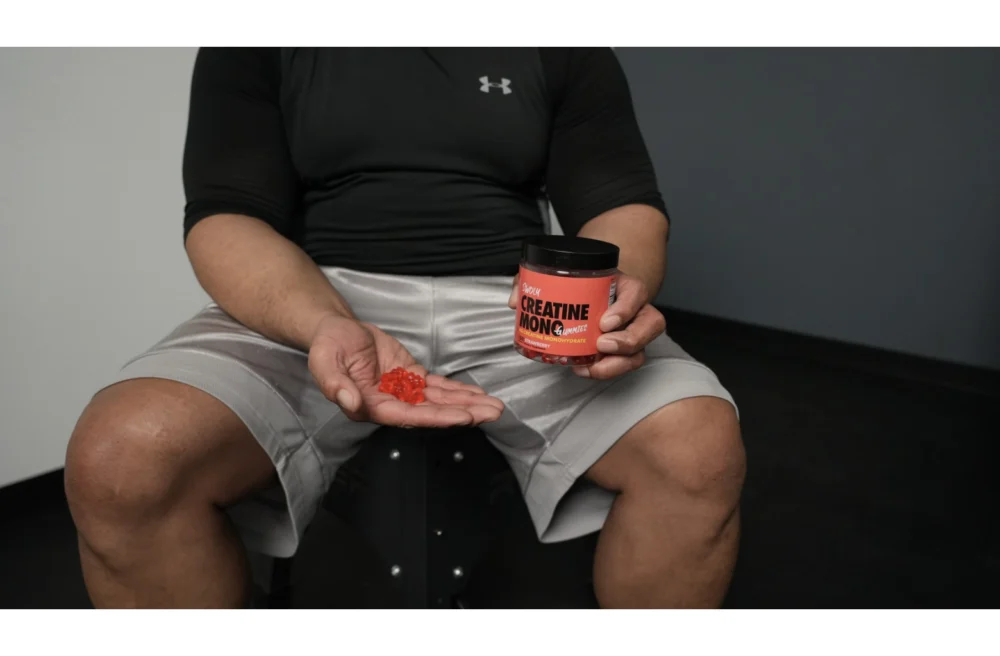
- Creatine Monohydrate: One of the most researched and effective supplements for increasing strength, power, and muscle mass. (Typical dose: 3-5g daily).
- Multivitamin/Mineral: To cover any potential micronutrient gaps, especially if your diet isn’t perfectly varied.
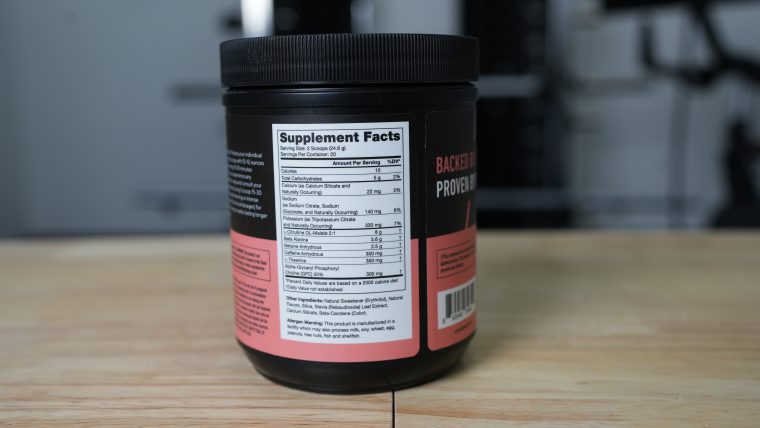
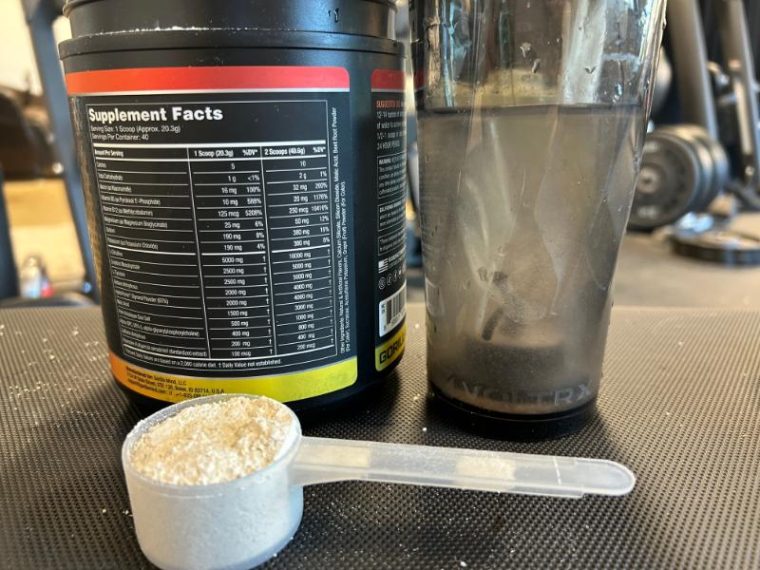
Caution: Always research supplements thoroughly. Look for third-party tested products (e.g., NSF Certified for Sport, Informed-Sport) to ensure purity and absence of banned substances. Avoid proprietary blends that don’t disclose individual ingredient dosages.
The Unsung Hero: Prioritizing Recovery and Sleep
You don’t grow in the gym; you grow between gym sessions. Recovery is not passive; it’s an active, essential part of the fitness process.
The Power of Sleep
Sleep is the ultimate recovery tool. During deep sleep cycles, your body repairs muscle tissue, consolidates memories, and regulates hormones crucial for growth and metabolism (like growth hormone and testosterone).
Actionable Sleep Strategies:
- Aim for 7-9 hours: Most adults need this range. Experiment to find your optimal duration.
- Establish a Routine: Go to bed and wake up at roughly the same time each day, even on weekends.
- Optimize Your Sleep Environment: Dark, quiet, and cool.
- Limit Screen Time Before Bed: The blue light from devices can disrupt melatonin production.
- Avoid Caffeine and Heavy Meals Late at Night: Give your body time to digest and wind down.
Active Recovery and Stress Management
Rest doesn’t always mean doing nothing. Active recovery can help reduce muscle soreness, improve blood flow, and enhance flexibility.
- Light Activity: Walking, gentle cycling, swimming, or yoga on rest days.
- Stretching & Mobility Work: As mentioned earlier, crucial for maintaining range of motion.
- Massage/Foam Rolling: Can help alleviate muscle tightness.
Beyond physical recovery, managing mental and emotional stress is paramount. Chronic stress elevates cortisol, a hormone that can hinder muscle growth and promote fat storage.
Stress Reduction Techniques:
- Meditation or mindfulness practices.
- Spending time in nature.
- Hobbies and social connection.
- Deep breathing exercises.
Cultivating a Champion’s Mindset: Consistency and Resilience
Fitness is a marathon, not a sprint. Your physical transformation is inextricably linked to your mental fortitude.
Setting SMART Goals
Goals provide direction and motivation. Ensure yours are:
- Specific: "I want to squat 200 lbs" vs. "I want to get stronger."
- Measurable: "Lose 5 lbs" vs. "Lose weight."
- Achievable: Realistic given your current abilities and resources.
- Relevant: Aligns with your overall health and lifestyle aspirations.
- Time-bound: "By December 31st" vs. "someday."
Example: "I will consistently perform 3 resistance training workouts and 2 cardio sessions per week for the next 12 weeks, aiming to increase my squat by 20 lbs."
Building Sustainable Habits
Small, consistent actions lead to significant results over time. Focus on making fitness a natural, ingrained part of your daily life.
- Start Small: Don’t try to overhaul everything at once. Pick one or two habits (e.g., drink more water, add a 20-minute walk) and master them before adding more.
- Stack Habits: Link a new habit to an existing one (e.g., "After I brush my teeth, I will do 10 squats").
- Track Progress (Non-Scale Victories): Beyond the numbers on the scale or barbells, celebrate improved energy, better sleep, clothes fitting differently, increased confidence, or mastering a new movement. These "non-scale victories" are powerful motivators.
- Find Your "Why": Connect your fitness journey to deeper values. Is it for health, longevity, setting an example, mental clarity, or simply feeling good? This intrinsic motivation will carry you through tough times.
Embracing Imperfection and Resilience
There will be days you miss a workout, eat off-plan, or feel unmotivated. This is normal. The key is how you respond.
- Don’t Let One Slip-Up Derail You: Acknowledge it, learn from it, and get back on track with the next meal or workout.
- Practice Self-Compassion: Be kind to yourself. Fitness is a journey of continuous improvement, not perfection.
- Learn from Setbacks: View challenges as opportunities for growth and adaptation. What can you adjust in your plan or mindset?
- Seek Support: Share your journey with friends, family, or a fitness community. Accountability and encouragement are powerful tools.
Overcoming Obstacles: Practical Strategies
Every fitness journey encounters hurdles. Being prepared for them is half the battle.
- Time Constraints:
- Strategy: Opt for efficient full-body workouts (30-45 minutes), perform HIIT, or break up your activity into shorter bursts throughout the day (e.g., 10-minute walks).
- Real-life Example: Instead of skipping the gym entirely, commit to one compound lift and two accessory exercises. Something is always better than nothing.
- Lack of Motivation:
- Strategy: Revisit your "why." Try a new class or exercise. Work out with a friend. Set a small, achievable goal for that session.
- Real-life Example: If you’re struggling to start, just put on your workout clothes and tell yourself you’ll do 15 minutes. Often, once you start, you’ll want to continue.
- Plateaus:
- Strategy: Implement deload weeks (reduce weight/volume), change your workout program, vary exercises, or reassess your nutrition and sleep.
- Real-life Example: If your bench press has stalled, try a different rep range for a few weeks, or incorporate incline presses and dips to hit the muscles from different angles.
- Injury:
- Strategy: Seek professional medical advice. Focus on what you can do, not what you can’t. Prioritize rest and rehabilitation.
- Real-life Example: If you have a knee injury, you might temporarily focus on upper body strength and core work, or exercises that don’t load the knee.
Long-Term Vision: Sustaining Your Progress
Fitness isn’t a temporary project; it’s a lifelong commitment to yourself. The habits you build now will serve you for decades to come.
- Adaptability: Your body and goals will change over time. Be willing to adjust your training and nutrition accordingly. What worked in your 20s might need tweaking in your 40s.
- Listen to Your Body: Learn to distinguish between muscle soreness and pain. Pay attention to energy levels, hunger cues, and stress signals.
- Embrace the Process: The joy of fitness lies not just in reaching destinations, but in the journey itself – the discipline, the self-discovery, the incremental improvements, and the constant pursuit of a better version of yourself.
- Prioritize Health Over Aesthetics: While aesthetic improvements are often a welcome byproduct, focusing on health, functionality, and longevity provides a more robust and sustainable motivation.
Conclusion: Your Unstoppable Journey Begins Now
You possess an incredible capacity for growth, resilience, and transformation. The path to unlocking your full fitness potential isn’t paved with shortcuts, but with consistent effort, intelligent application of fundamental principles, and an unwavering belief in your own capabilities.
Whether you’re taking your very first step or striving to reach new heights, remember this: every single workout, every nutritious meal, every hour of restorative sleep, and every moment of mental fortitude contributes to the stronger, healthier, and more vibrant individual you are becoming. There will be good days and challenging days, but your commitment to showing up, learning, and adapting will be your most powerful asset.
Embrace the process, celebrate your progress, and never underestimate the profound impact of cultivating a resilient body and an indomitable spirit. Your journey to lasting strength and vitality is not just about physical transformation; it’s about empowering every aspect of your life. The blueprint is laid, the tools are in your hands. Now, go forth and forge your fitness future – one powerful, purposeful step at a time.