
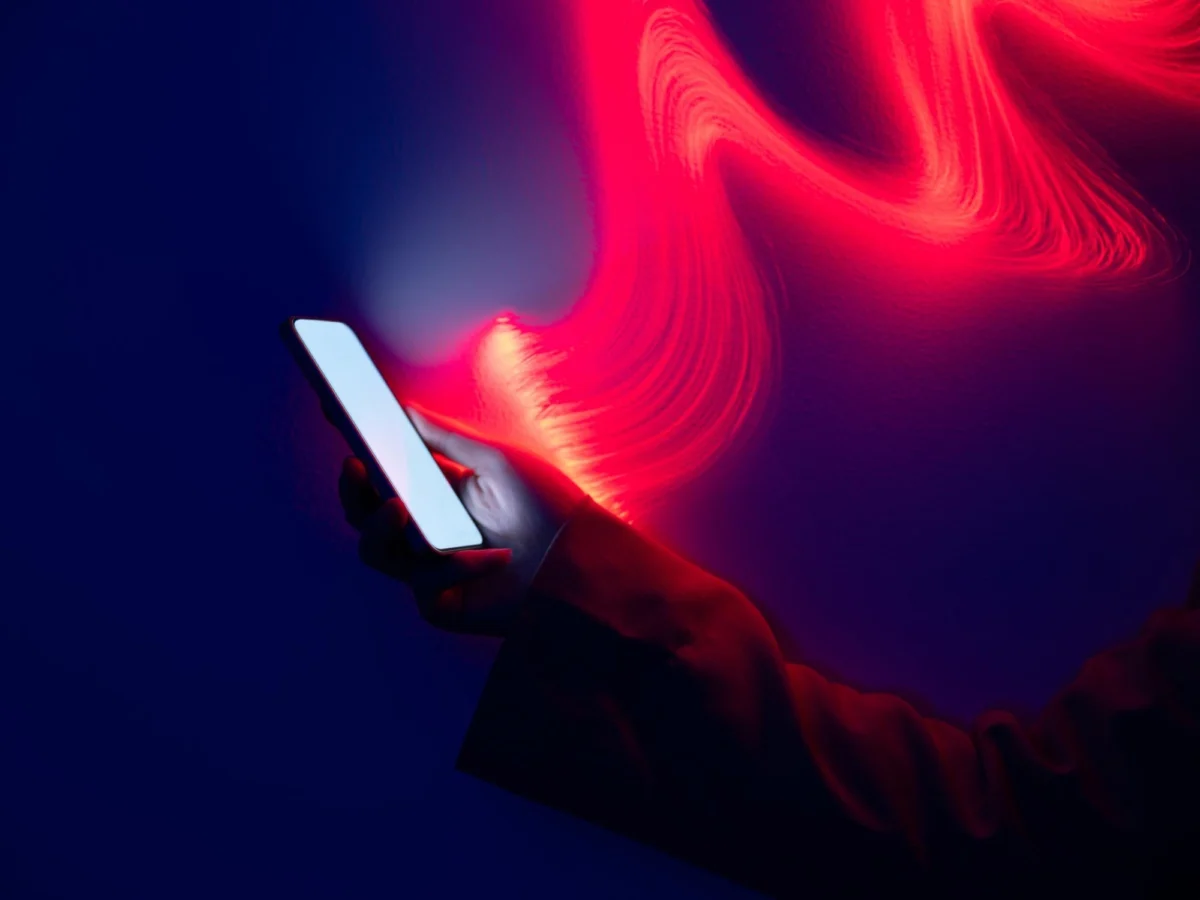
In our hyper-connected world, the smartphone has become an indispensable extension of ourselves. It’s our alarm clock, our navigator, our news source, and our primary communication tool. But what if this constant companion, this gateway to information and connection, is subtly undermining our health? This is the narrative being amplified by some, fueling a resurgence of decades-old fears about cell phone radiation. While the intention might be to "Make America Healthy Again," as one prominent initiative suggests, it’s crucial to separate legitimate health concerns from unsubstantiated hoaxes.
The recent focus on limiting cell phone use in schools, particularly among children, highlights a genuine issue: screen time addiction and its potential impact on mental and physical well-being. However, the broader claim that the radiation emitted by our phones is a significant threat to our physical health, leading to serious conditions like cancer and heart disease, requires a closer, evidence-based examination. This isn’t about dismissing concerns entirely, but about understanding the science and focusing our energy on the risks that truly matter.

The Evolving Conversation: From "Horns" to Health Scares
For years, the specter of cell phone radiation has loomed, fueled by sensationalized studies and a general unease about invisible forces. We’ve heard tales of people growing strange lumps, sometimes colloquially referred to as "horns," on their heads from excessive phone use. While poor posture and prolonged device use can indeed lead to physical discomfort and changes, attributing such physical manifestations solely to radiation is a leap unsupported by robust scientific consensus.
The underlying concern stems from the fact that cell phones do emit radiation. This is undeniable. However, the critical question is whether this radiation is of a type and intensity that can cause harm to our bodies, specifically our brains, hearts, and cells. The scientific community has been actively investigating this for years, and while some studies have raised initial questions, the overwhelming consensus points away from cell phones being a significant driver of serious diseases like cancer.

Unpacking the Radiation Concern: What Are We Really Talking About?
The "Make America Healthy Again" (MAHA) movement, among others, has amplified claims linking cell phone and 5G tower radiation to neurological damage and cancer. These claims often cite a large number of studies suggesting a connection between electromagnetic radiation and tumor growth, DNA damage, and the ability of radiation to cross the blood-brain barrier. While it’s true that cell phones emit radiofrequency (RF) radiation, a form of low-energy electromagnetic radiation, the scientific consensus is that it’s not the same as the high-energy, ionizing radiation known to cause DNA damage.
Think of it this way: ionizing radiation, found in sources like X-ray machines and cosmic rays, has enough energy to strip electrons from atoms, directly damaging DNA. RF radiation, on the other hand, is non-ionizing. Its primary effect on biological tissue is heating, and the levels emitted by cell phones are too low to cause significant tissue heating.

The National Cancer Institute (NCI) points to two main reasons for the concern surrounding cell phone radiation:
- The Nature of the Radiation: Cell phones emit RF radiation. This is the same type of radiation emitted by many common household devices, including televisions, microwave ovens, computers, and Wi-Fi routers. If the concern were solely about RF radiation, we’d need to be wary of a much broader range of everyday electronics.
- Usage Patterns: The sheer volume of time people spend using their phones is a valid point of consideration. The NCI acknowledges that "even a small increase in cancer risk from cell phones would be of concern given how many people use them." This emphasizes the importance of ongoing research, but it doesn’t automatically equate to a proven risk.
The Cancer Connection: Separating Fact from Fear
The fear that cell phone use might lead to brain or central nervous system cancers is understandable, given how frequently we hold our devices close to our heads. However, as mentioned, the type of radiation associated with head and neck cancers is ionizing radiation, a significantly more potent form.

Dr. Herbert Newton, a neuro-oncologist and medical director of the Brain Tumor Center at University Hospitals in Ohio, clarifies this distinction: "Ionizing radiation is powerful and shown to damage cell DNA, which can increase your risk of cancer. Ionizing radiation is found in X-ray machines, cosmic particles from outer space, and radioactive elements." Cell phones, he explains, emit a very low dose of RF radiation over time, and "there’s no solid proof of cancer resulting from these low doses."
This lack of a proven link is not a new development. Years of dedicated research have consistently failed to establish a definitive connection. A large-scale study funded by the World Health Organization, involving nearly 5,000 participants, found no increased risk of brain cancer associated with cell phone use, even among those who spent extensive time on their phones, made numerous calls, or had used phones for a decade or more. This comprehensive study also found no elevated risk from cell towers.

"That’s the best study we’ve ever done, the most complete study," Dr. Newton states. "It’s great news for people that their cell phone isn’t automatically going to give them a brain tumor or head tumor." While researchers rightly advocate for continued investigation into long-term usage patterns, the current body of evidence provides significant reassurance.
Heart Health and Cell Phones: A Flimsy Link
The idea that cell phone use could contribute to heart problems gained traction around 2017 following a study published in the Canadian Journal of Cardiology. This study suggested a slightly higher risk of heart disease among regular cell phone users who made at least one call per week.

However, it’s crucial to note that the very researchers who conducted this study cautioned against overgeneralizing their findings. They emphasized the need for "more conclusive evidence with valid measurements of mobile phone use" before this association could be considered a public health concern.
Cardiologists, like Dr. Karishama Patwa of Manhattan Cardiology, echo this sentiment, stating unequivocally: "Current evidence does not support any causation between cell phone radiation and cardiovascular disease. Most research thus far has had limitations and inconsistencies." In essence, the data simply doesn’t support a direct link between the RF radiation from your phone and an increased risk of heart disease.

Shifting the Focus: Where Real Health Risks Lie
While the alarm about cell phone radiation may be overblown, this doesn’t mean our smartphones are entirely without health implications. In fact, the more significant risks associated with our devices are often overlooked in the noise of radiation fears.
Dr. Newton highlights this crucial point: "The bigger risk… is not radiation but phone addiction and excess screen time." This is where the MAHA initiative’s focus on limiting screen time in schools, for example, has merit. Excessive use of digital devices can indeed lead to a cascade of negative health effects:

- Physical Strain: Prolonged periods of staring at screens can cause eye strain, headaches, and discomfort in the neck, shoulders, and back. This is often referred to as "tech neck" or "text neck," a direct consequence of poor posture adopted while using devices.
- Mental Health Impacts: A growing body of research links excessive screen time to increased symptoms of depression and anxiety, particularly in adolescents and young adults. The constant comparison on social media, the fear of missing out (FOMO), and the disruption of natural sleep cycles can all contribute to these issues.
- Sleep Disruption: The blue light emitted by screens can interfere with melatonin production, making it harder to fall asleep and reducing the quality of sleep. Poor sleep, in turn, has far-reaching consequences for overall health, including weakened immunity, impaired cognitive function, and increased risk of chronic diseases.
- Sedentary Lifestyle: Time spent on phones often displaces physical activity. When we’re engrossed in our devices, we’re less likely to be moving, exercising, or engaging in active hobbies. This contributes to a sedentary lifestyle, a well-established risk factor for numerous health problems, including obesity, heart disease, and diabetes.
Practical Steps for a Healthier Relationship with Your Phone
While the scientific evidence does not support the notion that cell phone radiation causes cancer or heart disease, it’s still wise to be mindful of your exposure, especially if you have concerns. More importantly, it’s essential to address the genuine health risks associated with excessive screen time and phone dependency.
Here’s how you can cultivate a healthier relationship with your device:

Minimizing Radiation Exposure (If You’re Concerned)
- Use Speakerphone or Headsets: When making calls, opt for speakerphone or a headset. This keeps the phone a few inches away from your head, significantly reducing your direct exposure to RF radiation.
- Text More, Talk Less: Texting requires holding the phone away from your head. If you have lengthy conversations planned, consider breaking them up or using messaging apps.
- Increase Distance: When possible, keep your phone a few feet away from you. The strength of RF radiation decreases rapidly with distance. This is particularly relevant when you’re sleeping or working at a desk.
- Choose Devices with Lower SAR Values: Smartphones have a Specific Absorption Rate (SAR) value, which measures the amount of RF energy absorbed by the body. While all phones sold meet safety standards, you can research and choose models with lower SAR values if this is a primary concern.
Combating Excessive Screen Time and Addiction
- Set Boundaries: Designate "phone-free" times and zones in your home. For example, no phones at the dinner table or in the bedroom.
- Schedule Digital Detoxes: Take regular breaks from your phone, whether it’s for an hour each day, a full day on the weekend, or even a week-long vacation.
- Turn Off Notifications: Constant pings and alerts are designed to pull you back into your phone. Disable non-essential notifications to reduce distractions and the urge to check your device.
- Use Screen Time Management Tools: Most smartphones come with built-in features that allow you to track your usage and set daily limits for specific apps. Utilize these tools to gain awareness and control.
- Engage in Offline Activities: Make a conscious effort to fill your time with activities that don’t involve screens. This could include reading physical books, pursuing hobbies, spending time in nature, exercising, or connecting with loved ones in person.
- Prioritize Sleep Hygiene: Avoid using your phone for at least an hour before bedtime. Create a relaxing bedtime routine that promotes sleep.
- Practice Mindful Usage: Before picking up your phone, ask yourself: "Why am I reaching for this? What do I intend to do?" This simple question can help you be more intentional with your usage.
Beyond the Device: Embracing a Holistic Approach to Health
The discourse around cell phone radiation, while largely unsubstantiated in terms of severe health risks, serves as a valuable reminder: our modern lifestyles, heavily influenced by technology, can present unique challenges to our well-being. Instead of getting lost in the sensationalism of unproven fears, let’s focus our energy on what truly matters for a healthy and vibrant life.
Your phone is a tool, and like any tool, it can be used for good or ill. By understanding the science, setting intentional boundaries, and prioritizing activities that nurture your physical and mental health, you can ensure that your smartphone enhances, rather than detracts from, your overall well-being. The true "Make America Healthy Again" movement starts with making informed choices about how we integrate technology into our lives and dedicating ourselves to the proven pillars of health: balanced nutrition, regular physical activity, sufficient sleep, and meaningful human connection.

Embrace the power of your device responsibly, but never let it overshadow the fundamental practices that lead to lasting health and vitality. Your journey to a healthier you is not about fearing invisible waves, but about cultivating mindful habits and a proactive approach to your well-being.