In the dynamic world of health and fitness, where trends come and go, one supplement has consistently stood the test of time: whey protein. For beginners dipping their toes into strength training, or intermediate enthusiasts striving for new plateaus, whey protein often emerges as a powerful ally. It’s more than just a powder; it’s a highly efficient, versatile, and scientifically-backed tool designed to support muscle growth, accelerate recovery, and enhance overall athletic performance.
But with a myriad of options and often conflicting information, navigating the world of whey can feel overwhelming. What exactly is it? How does it work? Which type is right for you, and how can you effectively incorporate it into your diet without falling prey to common pitfalls?
This comprehensive guide is crafted to demystify whey protein, empowering you with authoritative knowledge and actionable advice. We’ll delve deep into its science, explore its practical applications, and equip you with the insights needed to make informed choices that align with your fitness aspirations. Prepare to unlock your full potential as we uncover the true power of whey protein.
The Foundation: Understanding Whey Protein
At its core, whey protein is a natural byproduct of cheesemaking. When milk coagulates, it separates into curds (which become cheese) and liquid whey. This liquid whey is then processed, filtered, and dried into the powder we recognize as a supplement.
What makes whey protein so special is its exceptional nutritional profile. It is considered a "complete protein," meaning it contains all nine essential amino acids that your body cannot produce on its own and must obtain from food. These amino acids are the fundamental building blocks for muscle repair and growth, enzyme production, and countless other vital bodily functions.
Crucially, whey protein is particularly rich in branched-chain amino acids (BCAAs), especially leucine. Leucine is often hailed as the "anabolic trigger" because it plays a direct and significant role in stimulating muscle protein synthesis (MPS) – the process by which your body builds new muscle tissue. This makes whey an incredibly effective supplement for anyone looking to build strength, increase muscle mass, or improve recovery after intense workouts.
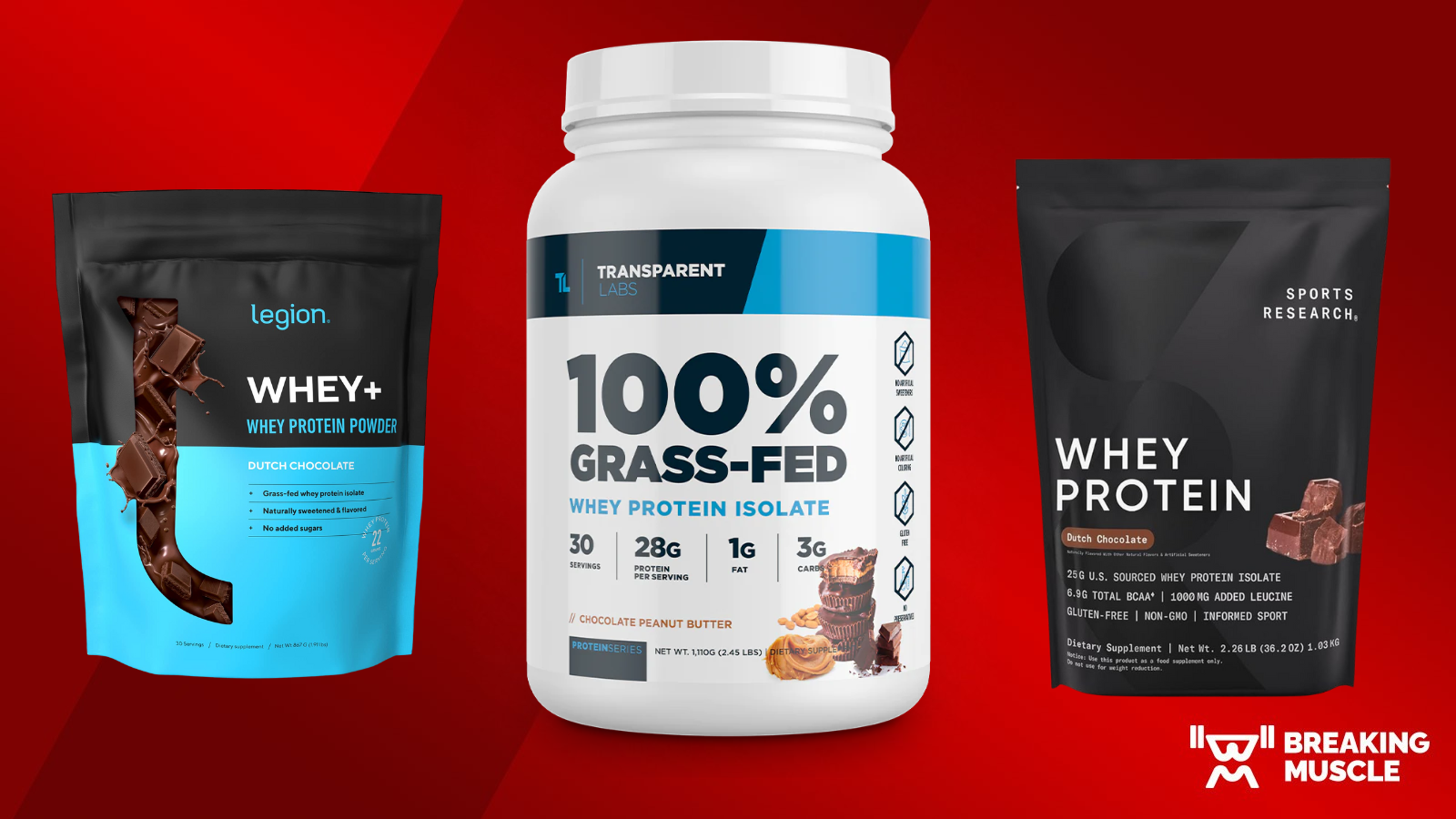
Beyond its muscle-building prowess, whey protein is rapidly digested and absorbed, delivering its amino acid payload to your muscles precisely when they need it most, such as after a strenuous training session. This quick absorption contributes to its popularity and effectiveness in the fitness community.
Decoding the Types of Whey Protein
Not all whey proteins are created equal. The primary differences lie in their processing methods, which affect their composition, purity, and how your body digests them. Understanding these distinctions is key to choosing the right type for your specific needs and dietary preferences.
1. Whey Protein Concentrate (WPC)
Whey protein concentrate is the least processed form of whey. It undergoes a basic filtration process, which removes some water, lactose, and fat, concentrating the protein content.
- Protein Content: Typically ranges from 70% to 80% protein by weight.
- Composition: Contains higher levels of lactose, carbohydrates, and fat compared to other forms. It also retains more of the beneficial bioactive compounds found naturally in whey.
- Taste & Texture: Often has a creamier texture and a richer, more palatable taste due to the presence of fats and carbohydrates.
- Cost: Generally the most economical option.
- Who It’s Best For:
- Individuals seeking a cost-effective protein source.
- Those who aren’t particularly sensitive to lactose.
- People looking for a slightly higher calorie content in their protein shake.
- Anyone who prioritizes taste and texture.
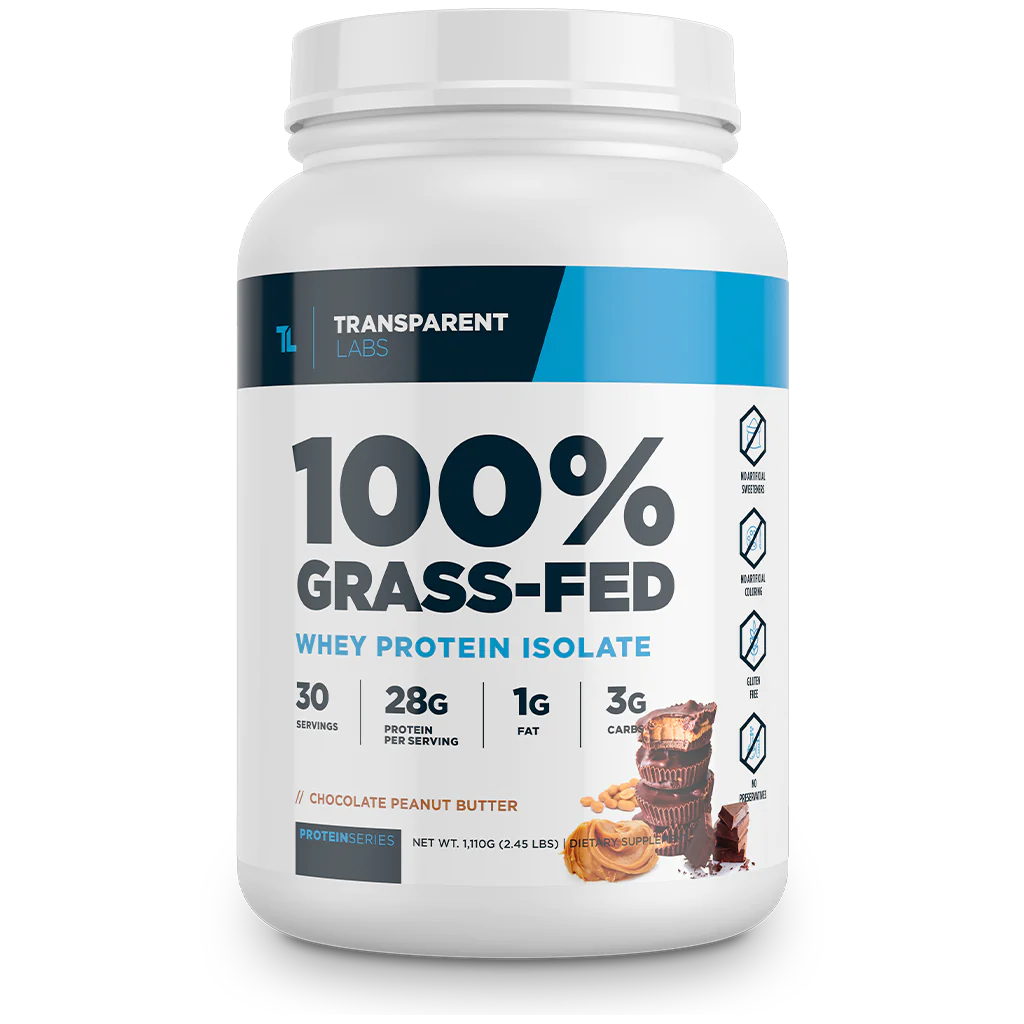
2. Whey Protein Isolate (WPI)
Whey protein isolate undergoes a more extensive filtration process than concentrate. This additional processing removes nearly all the lactose, fat, and carbohydrates, resulting in a purer protein product.
- Protein Content: Boasts a higher protein percentage, usually 90% or more.
- Composition: Very low in lactose, fat, and carbohydrates. This makes it a "cleaner" option for those meticulously tracking their macronutrients.
- Taste & Texture: Tends to be lighter in texture and may have a less creamy taste than WPC, but modern formulations have greatly improved flavor profiles.
- Cost: More expensive than WPC due to the additional processing.
- Who It’s Best For:
- Individuals with lactose intolerance or sensitivity.
- Those on strict diets aiming to minimize fat and carbohydrate intake.
- Athletes or bodybuilders requiring a very high protein concentration per serving.
- Anyone seeking a rapidly digestible protein source.
3. Whey Protein Hydrolysate (WPH)
Whey protein hydrolysate is the most extensively processed form of whey. It undergoes a process called "hydrolysis," where the protein molecules are pre-digested or broken down into smaller peptides.
- Protein Content: High protein content, similar to isolate, typically over 90%.
- Composition: Very low in lactose and fat, similar to WPI. The key difference is the pre-digested nature of the protein.
- Digestion & Absorption: Because the protein is already broken down, WPH is absorbed by the body extremely quickly, making it ideal for immediate post-workout recovery.
- Taste & Texture: Can sometimes have a slightly bitter taste due to the hydrolysis process, although manufacturers often use flavorings to mask this.
- Cost: The most expensive type of whey protein due to the advanced processing.
- Who It’s Best For:
- Individuals seeking the absolute fastest absorption for recovery, especially during intense training cycles.
- Those with digestive issues who find other protein forms difficult to process.
- People with severe lactose intolerance (though WPI is often sufficient).
Practical Tip: For most beginners and intermediate fitness enthusiasts, WPC offers an excellent balance of quality, taste, and affordability. If lactose sensitivity is an issue, or if you’re meticulously counting macros, WPI is an excellent upgrade. WPH is generally reserved for elite athletes or those with very specific digestive needs where rapid absorption is paramount.
The Power-Packed Benefits of Whey Protein
Integrating whey protein into your fitness regimen can yield a multitude of benefits, extending beyond just muscle growth. Its unique composition supports various physiological processes crucial for achieving and maintaining a healthy, active lifestyle.
1. Muscle Growth and Repair (Hypertrophy)
This is arguably the most well-known benefit. Whey protein provides a rich source of amino acids, particularly BCAAs, which are essential for muscle protein synthesis (MPS). After a workout, your muscle fibers experience microscopic tears. Consuming whey protein supplies the necessary building blocks to repair these tears and build new, stronger muscle tissue.
Real-life Example: Imagine you’ve just completed a challenging leg day, feeling the satisfying burn in your quads and glutes. Within 30-60 minutes post-workout, your muscles are primed to absorb nutrients. A whey protein shake delivers a rapid influx of amino acids, kickstarting the repair process and signaling your body to rebuild those muscle fibers bigger and stronger. This "anabolic window" is when your body is most receptive to protein, making a shake a convenient and effective choice.
2. Enhanced Recovery and Reduced Muscle Soreness
Faster recovery means you can get back to training sooner and with less discomfort. The rapid absorption of whey protein helps replenish amino acid stores quickly, reducing muscle breakdown (catabolism) and accelerating the repair process. This can significantly lessen delayed onset muscle soreness (DOMS), allowing for more consistent training.
Actionable Advice: Pair your post-workout whey shake with a source of fast-digesting carbohydrates (like a banana, some fruit juice, or dextrose). This combination not only helps drive amino acids into your muscles but also replenishes glycogen stores, further aiding recovery and energy restoration.
3. Satiety and Weight Management
Protein is the most satiating macronutrient, meaning it helps you feel fuller for longer. This can be a game-changer for weight loss or managing caloric intake, as it helps reduce cravings and overall calorie consumption.
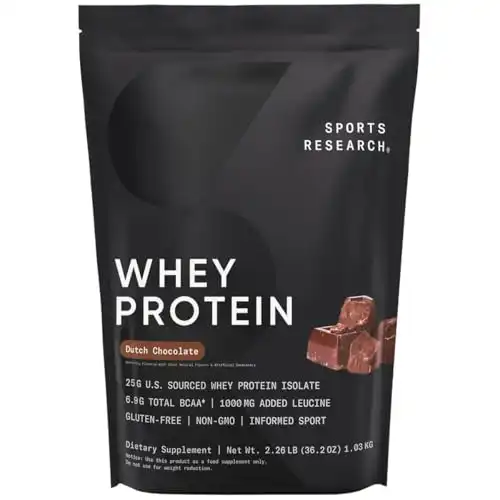
Real-life Example: Instead of reaching for a sugary snack mid-morning, try a protein shake. The protein will provide a sustained feeling of fullness, preventing energy crashes and the temptation to overeat at your next meal. This can be particularly useful when you’re in a calorie deficit, helping to preserve lean muscle mass while encouraging fat loss.
4. Metabolic Boost
Digesting protein requires more energy than digesting carbohydrates or fats, a phenomenon known as the "thermic effect of food." By increasing your protein intake, you can slightly boost your metabolism, contributing to a higher daily calorie expenditure.
5. Support for Lean Muscle Mass Preservation
When you’re aiming for weight loss, the goal is often to shed fat while preserving hard-earned muscle. A higher protein intake, supported by whey, helps protect your lean muscle tissue during periods of caloric restriction. Your body will be less likely to break down muscle for energy when sufficient protein is available, ensuring that the weight you lose is primarily fat.
6. Immune System Support
Whey protein contains immunoglobulins and lactoferrin, compounds that play a role in supporting the immune system. Regular, intense exercise can sometimes temporarily suppress immune function, making adequate protein intake even more critical for maintaining overall health.
Integrating Whey Protein: Practical Application
Understanding the "why" is just the beginning; mastering the "how" is where the real progress happens. Here’s practical advice on how to effectively use whey protein powder in your daily routine.
Determining Your Daily Protein Needs
First, establish your overall daily protein target. This varies based on your body weight, activity level, and fitness goals.
- General Guidelines:
- Sedentary Adults: Around 0.8 grams of protein per kilogram (or 0.36 grams per pound) of body weight.
- Active Individuals/Endurance Athletes: 1.2-1.7 grams per kilogram (0.5-0.77 grams per pound).
- Strength Trainers/Bodybuilders: 1.6-2.2 grams per kilogram (0.7-1.0 grams per pound) for optimal muscle growth.
Once you have your target, track your protein intake from whole foods (meat, fish, eggs, dairy, legumes, nuts). Whey protein then serves as a convenient supplement to help you reach any remaining deficit. Remember, it’s a supplement, not a replacement for nutrient-dense whole foods.
Optimal Timing and Dosage
While the concept of a strict "anabolic window" has been refined by research (meaning you don’t need to chug a shake immediately after your last rep), strategic timing can still offer benefits.
- Post-Workout: This is the most common and effective time. A serving of 20-30 grams of whey protein within an hour or two after training can kickstart muscle repair and recovery.
- Between Meals: If you have long gaps between meals, a whey protein shake can help maintain a positive protein balance and curb hunger.
- First Thing in the Morning: A quick and easy way to get protein in if you’re short on time, especially useful for breaking your overnight fast and preventing muscle breakdown.
- Before Bed: A slower-digesting protein like casein is often recommended for overnight muscle repair, but whey can still contribute to your overall daily protein intake if consumed a few hours before sleep.
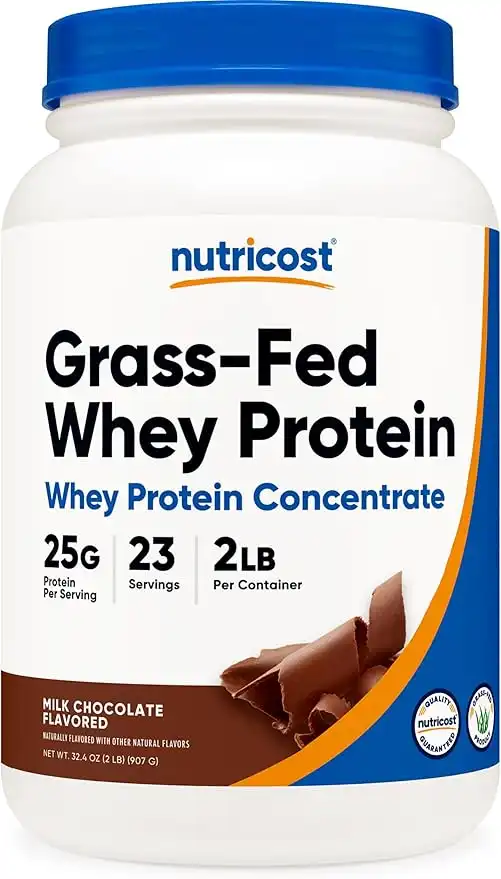
Dosage: For most adults, a single scoop typically provides 20-30 grams of protein, which is an ideal amount to stimulate muscle protein synthesis. Follow the serving size recommendations on your chosen product, adjusting based on your total daily protein goals.
Creative Ways to Consume Whey Protein
Beyond a basic shake with water, whey protein is incredibly versatile.
- Classic Shakes: Mix with water, milk (dairy or non-dairy), or even coconut water for varied hydration and flavor.
- Smoothies: Blend with fruits (berries, banana), vegetables (spinach), nut butter, seeds (chia, flax), and ice for a nutrient-dense meal replacement or snack.
- Oatmeal: Stir a scoop into your morning oatmeal after it’s cooked and cooled slightly (to prevent clumping and denaturing the protein).
- Yogurt or Cottage Cheese: Mix into plain Greek yogurt or cottage cheese for an extra protein boost.
- Baking: Incorporate unflavored or complementary flavored whey into pancakes, muffins, energy bites, or even homemade protein bars.
- Coffee: Add a scoop of vanilla or chocolate whey to your coffee (ensure it’s not too hot, or mix the protein with a small amount of cold water first to prevent clumping).
Real-life Example: Instead of just a water-based shake after your gym session, try blending a scoop of chocolate whey with a banana, a tablespoon of peanut butter, a cup of unsweetened almond milk, and a handful of spinach. You get protein, carbs for glycogen replenishment, healthy fats, and micronutrients – a truly complete recovery drink!
Navigating the Market: Choosing a Quality Whey Protein
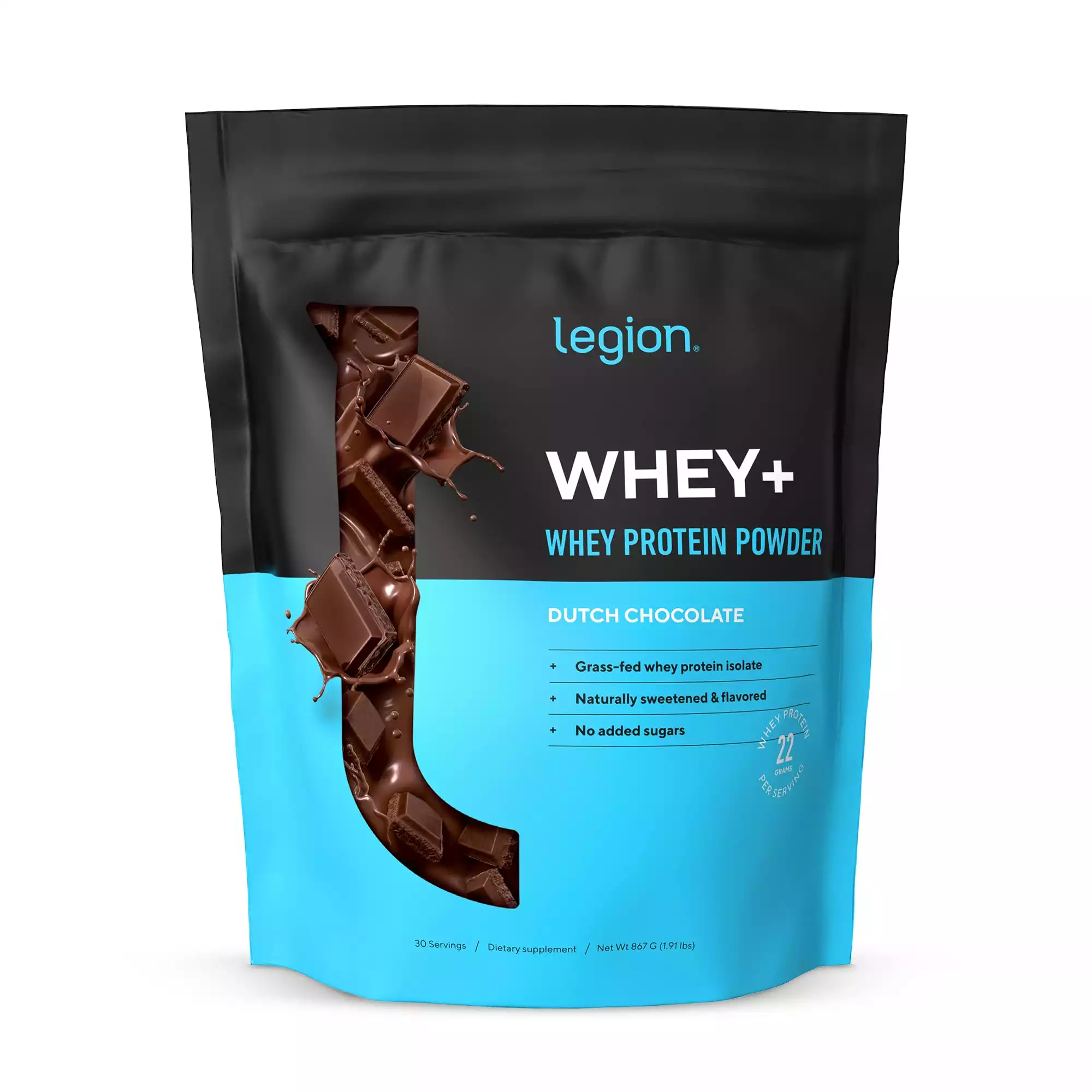
With countless options available, how do you ensure you’re picking a high-quality product that delivers on its promises? Focus on these key indicators, rather than brand names.
1. Protein Source and Type
As discussed, understand the difference between WPC, WPI, and WPH. Choose the type that aligns with your dietary needs (e.g., lactose sensitivity) and budget. Some products may be a blend of concentrate and isolate, offering a balance.
2. Nutritional Profile
Scrutinize the "Nutrition Facts" label.
- Protein per Serving: Aim for at least 20-25 grams of protein per scoop.
- Fats and Carbohydrates: Check these if you have specific macronutrient goals. Isolates and hydrolysates will have lower amounts.
- Sugar Content: Look for products with minimal added sugars. Many use artificial sweeteners or natural alternatives like stevia or monk fruit.
- Amino Acid Profile: While most reputable whey products will naturally have a complete profile, some brands highlight the BCAA content, particularly leucine.
3. Ingredient List (Beyond Protein)
A shorter ingredient list is often better.
- Fillers: Be wary of excessive fillers, gums, or artificial ingredients if you prefer a cleaner product.
- Sweeteners: Decide if you prefer artificial sweeteners (like sucralose, acesulfame potassium) or natural ones (stevia, monk fruit). Some people are sensitive to certain sweeteners.
- Allergens: Check for common allergens like soy (often used as lecithin for mixability), gluten, or specific dairy components if you have sensitivities.
4. Third-Party Testing and Certifications
This is a crucial indicator of quality and purity. Reputable third-party organizations independently test supplements for:
- Label Accuracy: Ensuring the product contains what it claims to contain.
- Purity: Checking for contaminants like heavy metals, pesticides, or banned substances.
- Certifications: Look for seals from organizations that verify product quality and safety. This ensures what you’re consuming is safe and effective.
5. Mixability and Taste
While subjective, these factors significantly impact your consistency in using the product.
- Mixability: A good quality whey should dissolve easily in liquid with minimal clumps, whether in a shaker cup or blender.
- Taste: Choose a flavor you genuinely enjoy. Many brands offer sample sizes or smaller tubs to try before committing to a large container. Unflavored options are excellent for versatility in cooking and smoothies.
6. Price per Serving
Calculate the cost per serving, not just the upfront price of the tub. This gives you a more accurate comparison between different products. While quality often comes at a price, there are excellent value options available.
Potential Considerations and Side Effects
While whey protein is generally safe for most healthy adults, it’s important to be aware of potential considerations:
- Digestive Issues: Some individuals, particularly those sensitive to lactose, may experience bloating, gas, or stomach cramps, especially with whey protein concentrate. Opting for an isolate or hydrolysate can often alleviate these issues.
- Allergies: If you have a dairy allergy, you should avoid whey protein entirely.
- Kidney or Liver Issues: While not proven to cause damage in healthy individuals, those with pre-existing kidney or liver conditions should consult a healthcare professional before significantly increasing protein intake.
- Nutrient Balance: Relying solely on protein shakes can lead to a diet lacking in other essential nutrients found in whole foods. Always prioritize a balanced diet.
- Artificial Ingredients: If you are sensitive to or prefer to avoid artificial sweeteners, colors, or flavors, choose products with natural alternatives or unflavored options.
Actionable Advice: Start with a smaller dose if you’re new to whey protein, and gradually increase it to assess your tolerance. Always mix with adequate liquid, and ensure you’re staying well-hydrated throughout the day. If you experience persistent digestive discomfort, consider switching to a different type of whey or consulting a nutritionist.
Who Can Benefit Most from Whey Protein?
Whey protein is a versatile supplement that can benefit a wide array of individuals on their fitness journey.
- Strength Trainers and Bodybuilders: For those focused on building muscle mass and strength, whey protein is almost indispensable due to its role in muscle protein synthesis and recovery.
- Endurance Athletes: While often associated with strength, endurance athletes can benefit from whey for muscle repair, reducing breakdown during long training sessions, and supporting overall recovery.
- Individuals Aiming for Weight Loss: The high satiety and metabolic boost from protein make it an excellent tool for managing hunger and preserving lean mass during caloric deficits.
- Busy Professionals: For those with hectic schedules who struggle to consume enough protein through whole foods, a quick whey shake offers a convenient and efficient solution.
- Older Adults: As we age, muscle mass naturally declines (sarcopenia), and our bodies become less efficient at utilizing protein. Whey protein can help older adults maintain muscle mass and strength, supporting overall mobility and health.
- Beginners to Fitness: Establishing good nutritional habits early on is crucial. Whey protein can help beginners meet their increased protein needs as they start training, accelerating their initial progress.
The Journey Ahead: A Motivational Conclusion
Embarking on a fitness journey, whether you’re taking your first steps or pushing past intermediate plateaus, is a testament to your commitment to self-improvement. Whey protein, when understood and utilized correctly, is not a magic bullet, but a powerful, evidence-backed tool that can significantly enhance your efforts.
It empowers your muscles to grow stronger, helps your body recover faster, and supports your overall health and well-being. By making informed choices about the type of whey protein you use, integrating it strategically into your diet, and always prioritizing a foundation of nutrient-dense whole foods, you’re not just supplementing your diet – you’re investing in your potential.
Remember, consistency is the bedrock of progress. Every shake, every meal, every workout contributes to the stronger, healthier version of yourself you’re striving to become. Embrace the knowledge, apply the practical advice, and let whey protein be a catalyst in unlocking your true fitness capabilities. Your journey is unique, and with the right fuel, there’s no limit to what you can achieve. Keep pushing, keep growing, and enjoy the incredible transformation that awaits you.