The pursuit of a strong, well-rounded physique often leads us to familiar territory: squats, deadlifts, and lunges. These foundational movements are undoubtedly crucial. However, lurking in the shadows of mainstream leg day is an exercise that, when executed with precision, can unlock profound strength in your posterior chain and imbue your training with a new level of efficacy: the Good Morning.
Don’t let the name fool you. This isn’t a casual greeting reserved for early risers at the gym. The Good Morning is a barbell exercise that demands respect and meticulous attention to form. While it may not be a daily staple for every gym-goer, its ability to target the hamstrings, glutes, and lower back with remarkable intensity makes it an invaluable addition to any serious fitness regimen.
Given the placement of the load – a barbell resting on your upper back – the Good Morning necessitates a commitment to perfect execution. Your posture and positioning are paramount, not only for maximizing muscle activation but, more importantly, for safeguarding the health and integrity of your lower back. Here, we’ll delve into the nuances of this powerful exercise, guiding you through the essential cues and details to help you master the Good Morning and build serious strength.
The Art of the Hip Hinge: Your Foundation for Strength
At its core, the Good Morning is a masterful demonstration of the hip hinge. This fundamental movement pattern is the bedrock of many athletic actions, from jumping and sprinting to lifting heavy objects. By mastering the hip hinge, you’re not just performing an exercise; you’re refining a movement that translates directly to improved performance and reduced risk of injury in countless daily activities and athletic pursuits.

Think of the hip hinge as the opposite of a squat. In a squat, you bend primarily at the knees. In a hip hinge, the primary movement originates from the hips, with a slight bend in the knees that remains consistent throughout the motion. Your torso moves forward as your hips push backward, creating a powerful stretch and subsequent contraction in your hamstrings and glutes. The Good Morning isolates this hinge, demanding control and a deep engagement of these critical posterior chain muscles.
Mastering the Good Morning: A Step-by-Step Guide
Executing the Good Morning with confidence and effectiveness requires understanding its key components. Let’s break down the movement with expert guidance.
1. Bar Placement: Setting the Stage for Safety
The first and arguably most critical aspect of the Good Morning is how you position the barbell.
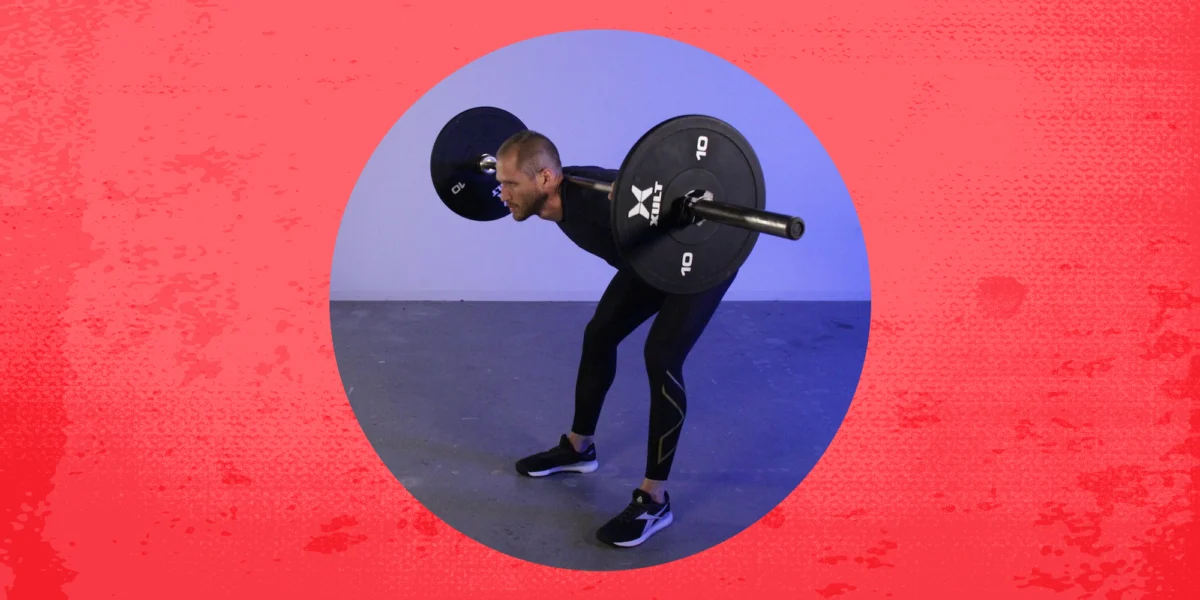
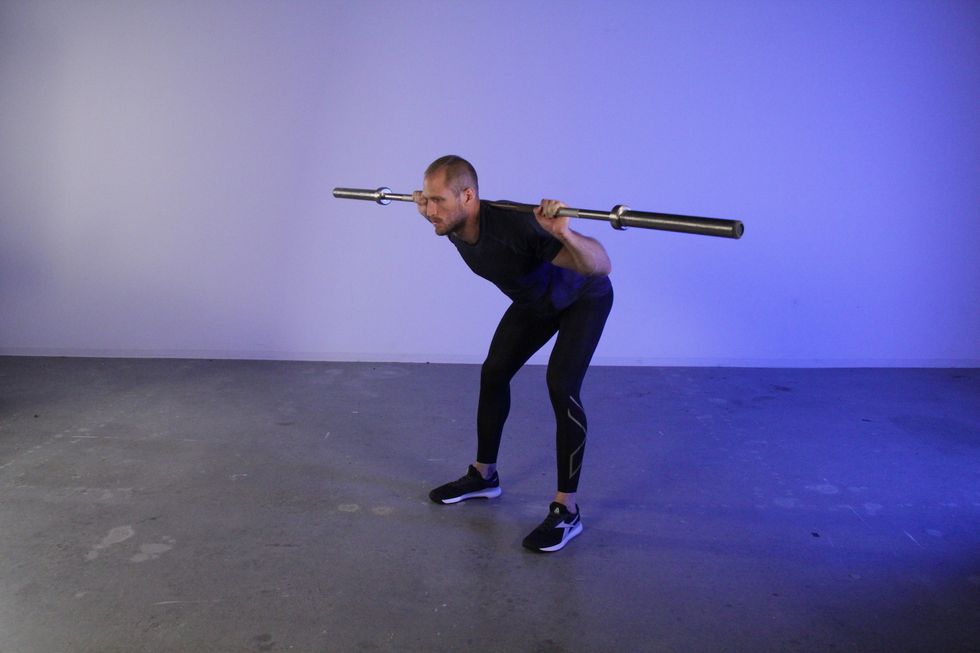
- The Right Spot: Ensure the barbell rests on your upper back, specifically on the meaty part of your trapezius muscles, not directly on your neck.
- The "Why": Placing the bar too high on your neck creates a longer lever arm, significantly increasing the strain on your lower back. It also puts undue pressure directly on your cervical spine.
- Actionable Tip: Grip the barbell aggressively with your hands. This not only provides stability but also helps to secure the bar in its optimal position, preventing it from slipping forward during the movement. Imagine you’re trying to "break" the bar apart with your grip.
2. The Hip Hinge: Butt Back, Not Waist Down
The name of the exercise might suggest a bending at the waist, but the reality is quite different.
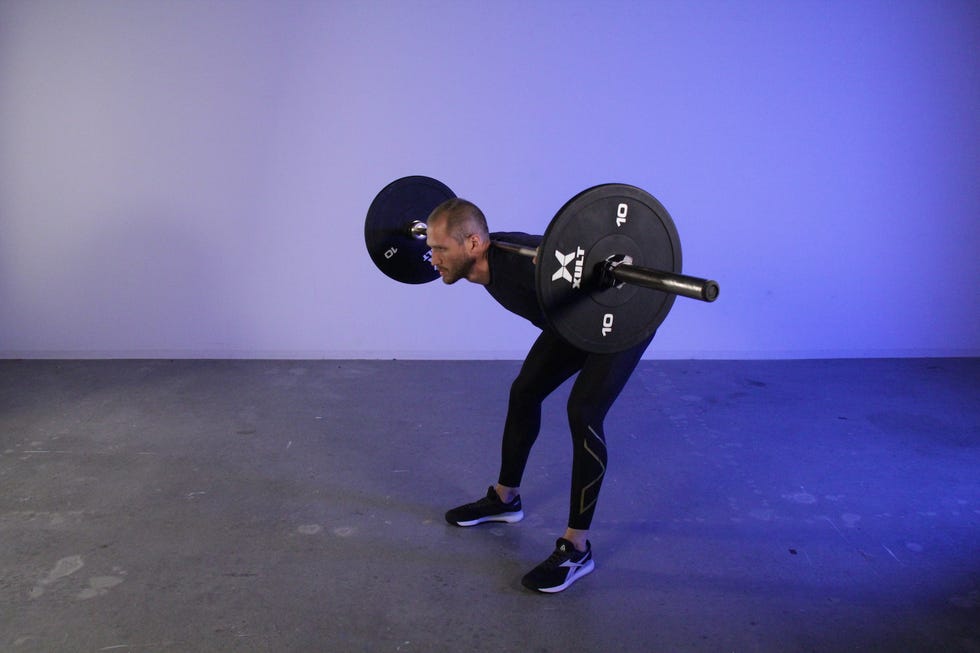
- The Movement: Instead of thinking about bending your torso forward, focus on pushing your hips backward. Imagine you are trying to touch a wall behind you with your glutes.
- The Benefit: This cue shifts the emphasis from a spinal flexion to a controlled hip hinge. This not only creates a safer angle for your lower back but also allows for a more effective and deeper stretch in your hamstrings.
- Real-Life Analogy: Think about how you would reach back to grab something off a shelf behind you without bending your knees much. Your hips would move backward, and your torso would tilt forward.
3. Maintaining a Rigid Torso: The Core’s Crucial Role
The Good Morning is a powerful core builder because it demands significant postural control.
- The Objective: Unlike some other hinge movements where minor torso adjustments might occur, the Good Morning requires you to maintain a rigid, braced torso throughout the entire range of motion.
- The "How": Actively engage your core muscles. Squeeze your glutes and brace your abdominal muscles as if you were about to be punched in the stomach. Simultaneously, squeeze your shoulder blades together.
- The Importance: This bracing action prevents your spine from rounding, a common and dangerous mistake that can lead to serious injury. It ensures that the stress of the weight is managed by your musculature, not by compromising your spinal integrity.
4. Respecting Your Range of Motion: Progress Over Perfection
It’s essential to approach the Good Morning with patience and an understanding of your current physical capabilities.
- The Reality: You might not be able to hinge until your torso is parallel to the floor from day one. This is perfectly normal.
- The Approach: Work within your own mobility and flexibility limits. For some, this might mean hinging to a 45-degree angle, while for others, it might be less. The key is to maintain a neutral, unrounded spine.
- Long-Term Gain: As you consistently practice the Good Morning with proper form, you will naturally increase your range of motion. Focus on the quality of each repetition rather than the depth. Progress is a journey, not a destination.
What Muscles Does the Good Morning Target?
The Good Morning is a potent exercise for developing the posterior chain, the group of muscles on the back of your body that are crucial for posture, power, and athletic performance.
- Hamstrings: This is the primary target. The deep stretch and powerful contraction during the hinge movement build strength and hypertrophy in your hamstrings.
- Glutes: The gluteal muscles work in synergy with the hamstrings to extend the hips, making them a significant contributor to the exercise.
- Erector Spinae: These muscles along your spine work isometrically to keep your back straight and stable under load.
- Core Muscles: As mentioned, your entire core, including your abdominals and obliques, must work overtime to maintain a rigid torso and prevent any unwanted spinal flexion.
The Powerful Benefits of Incorporating the Good Morning
Adding the Good Morning to your training arsenal offers a wealth of advantages for both aesthetic and functional development.
- Enhanced Posterior Chain Strength: Directly builds powerful hamstrings and glutes, essential for athletic performance and a balanced physique.
- Improved Hip Hinge Mechanics: Refines a fundamental movement pattern, translating to better performance in other lifts and daily activities.
- Increased Core Stability: Demands significant core bracing, leading to a stronger, more resilient midsection.
- Injury Prevention: By strengthening the muscles that support the spine and improving proprioception, a properly executed Good Morning can contribute to better spinal health.
- Overcoming Plateaus: Offers a novel stimulus to your training, helping to break through strength plateaus and encourage continued progress.
- Improved Posture: A strong posterior chain is vital for maintaining an upright and balanced posture.
Common Good Morning Pitfalls to Steer Clear Of
While the benefits are clear, the potential for injury with improper form is also significant. Be vigilant about avoiding these common mistakes.
- Bar on the Neck: As emphasized, this is a major red flag. Always ensure the bar is resting on your upper back.
- Excessive Weight: Prioritize form over load, especially when you are new to the exercise. Gradually increase the weight as your strength and technique improve.
- Rushing Reps: The eccentric (lowering) phase of the movement is where much of the magic happens. Control the descent, aiming for a 2-3 second count, allowing your muscles to lengthen under tension.
- Lower Back Rounding: This is the most dangerous mistake. If you feel your lower back beginning to round, it’s a clear sign that you have reached the end of your safe range of motion. Stop the movement and return to the starting position. It’s better to perform fewer reps with perfect form than many with compromised technique.
- Over-Arching the Back: While a neutral spine is the goal, avoid actively hyperextending your lower back at the top of the movement. Focus on a controlled return to the upright position.
Integrating the Good Morning into Your Training Program
The Good Morning is a demanding exercise, and its technical nature requires a thoughtful approach to programming.
- Frequency: Due to its intensity and the demand it places on your lower back and core, it’s generally recommended to perform the Good Morning once a week at most.
- Sets and Reps: A good starting point for beginners and intermediate lifters is 3 sets of 5 to 8 repetitions. This allows for sufficient practice with good form while still providing a challenging stimulus.
- Tempo: Emphasize a slow and controlled tempo, particularly during the eccentric (lowering) phase. This maximizes muscle engagement and allows you to focus on maintaining proper form.
- Placement in Your Workout: Consider performing the Good Morning earlier in your leg workout, after your primary compound lifts like squats or deadlifts, when you are fresh and have the most energy to focus on technique. Alternatively, it can serve as a potent accessory movement to further target the posterior chain.
A Final Word on Building Your Posterior Powerhouse
The Good Morning exercise, when approached with diligence and respect for its technical demands, is a powerful tool for building a stronger, more resilient body. It challenges you to connect with your posterior chain in a profound way, unlocking new levels of strength and muscle development.
Don’t be intimidated by its perceived simplicity. The true power of the Good Morning lies in the precision of its execution. Embrace the learning curve, prioritize perfect form over heavy weight, and listen to your body. With consistent practice and a commitment to mastering the hip hinge, you’ll not only forge a more powerful physique but also cultivate a deeper understanding of your body’s incredible capabilities. Now, go forth and conquer your posterior chain – one perfect Good Morning at a time.