The world of entertainment often surprises us with unexpected transformations. We see actors shed their familiar personas to embrace new challenges, and sometimes, these shifts redefine their careers entirely. Bob Odenkirk is a prime example of this phenomenon. Renowned for his sharp wit and impeccable comedic timing, Odenkirk has carved a unique path, moving from the hallowed halls of sketch comedy to the gritty realism of dramatic acting, and now, to the exhilarating realm of action cinema. His journey isn’t just a testament to his versatility, but also a powerful lesson for anyone looking to push their boundaries, both on and off screen.
For decades, Odenkirk was synonymous with intelligent, often surreal, comedy. From his groundbreaking work on "Mr. Show with Bob and David" to his unforgettable role as the morally flexible lawyer Saul Goodman in "Breaking Bad" and its subsequent spin-off "Better Call Saul," he cultivated an audience that admired his ability to dissect human foibles with a clever turn of phrase and a perfectly delivered deadpan. The idea of him engaging in high-octane fight sequences seemed as improbable as a lawyer conducting a successful defense using only interpretive dance.
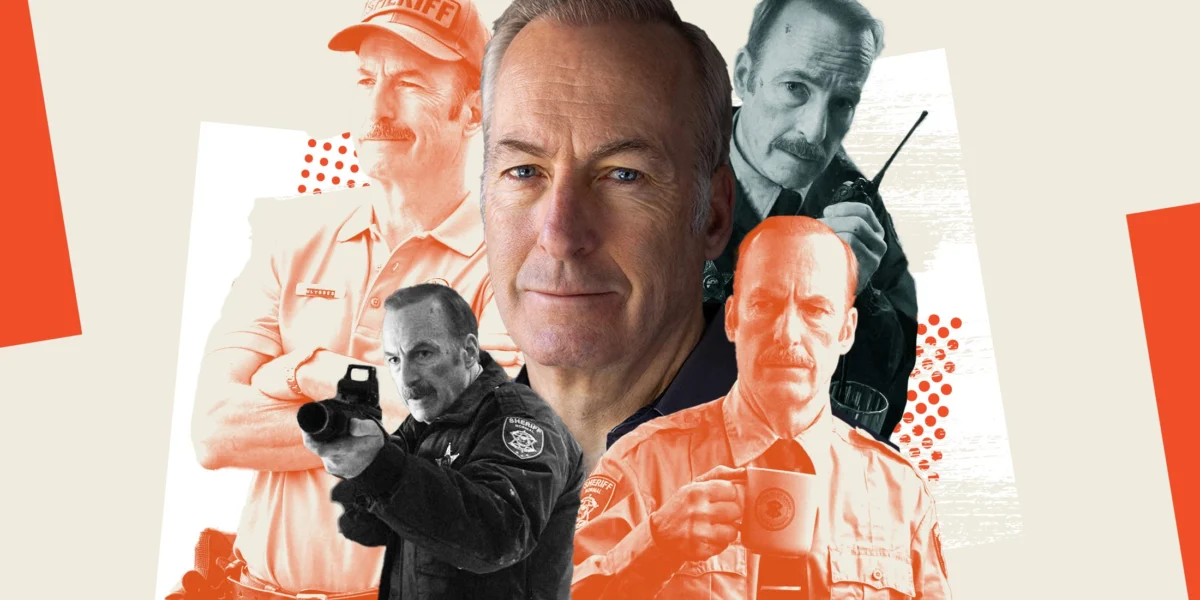
Yet, in recent years, Odenkirk has defied expectations. He exploded onto the action scene with "Nobody," a film that showcased a surprising physicality and a capacity for brutal, yet believable, combat. This wasn’t just a one-off gimmick; he returned to the genre with even more grit and determination in its sequel, "Nobody 2." Now, with his latest film, "Normal," Odenkirk explores a different facet of the action hero archetype, stepping into the shoes of a small-town sheriff. This evolution isn’t just about physical transformation; it’s about how his foundational skills, honed over years in comedy, have uniquely equipped him for this new frontier.

The Comedic Blueprint for Action
At first glance, the worlds of comedy and action might seem worlds apart. One aims for laughter, the other for adrenaline. However, Odenkirk, with his deep understanding of comedic structure, sees a profound connection. He likens the construction of a joke to the choreography of a fight sequence.
"Your observation is exactly right," Odenkirk shared in a recent interview. "When I was doing the bus fight in Nobody, which was the first on-screen fight I did in a feature film, halfway through, I realized, ‘This is just like when I was doing sketch comedy, in a structural way.’"
He elaborates on this connection:

- Setup and Payoff: Just as a joke needs a setup to create anticipation and a punchline for release, a fight scene requires a build-up of tension and a satisfying resolution, whether it’s a well-executed move or a surprising turn of events.
- Rhythm and Timing: Comedy relies heavily on impeccable timing to land a joke. Similarly, action choreography demands precise rhythm and sequencing to make movements look fluid and impactful. A missed beat in a fight can be as jarring as a fumbled punchline.
- Playing with Expectations: Comedians often subvert expectations to generate humor. In action, a well-placed twist or an unexpected maneuver can elevate a fight from predictable to captivating.
- The "Game" of the Scene: Both comedy sketches and fight sequences operate within a defined "game" with its own rules and objectives. Odenkirk’s ability to understand and manipulate these rules, to tease out the tensions, is a skill honed in the writing room and now applied to the fight choreography.
This understanding allows Odenkirk to approach action not just as a series of physical movements, but as a narrative in itself, with its own internal logic and emotional arc.
Embracing the "Clumsy Regular Guy"
What sets Odenkirk’s action persona apart is his willingness to embrace a less-than-perfect physicality. Unlike many action stars who embody superhuman physiques and flawless fighting techniques, Odenkirk’s characters often appear more grounded and relatable. In "Normal," his character, Ulysses, is not a trained assassin; he’s a sheriff who finds himself in over his head.
"There are two fights in Normal where I fall down," Odenkirk reveals with a chuckle. "In both of those moments, that was actually me falling down. That was not a choreographed, planned fall."

This is a deliberate choice, and one that he finds incredibly valuable.
- Heightened Stakes: Seeing a protagonist stumble or miss a punch makes them more vulnerable. This vulnerability, in turn, makes the audience root for them more intensely. When Ulysses falls, we feel his struggle and his genuine peril.
- Relatability: In a genre often filled with larger-than-life figures, a character who makes mistakes and gets a bit messy feels more human. It allows the audience to connect with the character on a deeper level, thinking, "I could see myself in that situation."
- A Unique Contribution: Odenkirk sees this "clumsy regular guy" persona as his distinct contribution to the action genre. It’s a refreshing contrast to the polished, almost robotic, efficiency of many on-screen fighters. He notes, "So many action stars play a kind of superhuman character who would never slip or fall. You’d never see Jason Statham fall down in a fight. And, if he did fall down, they wouldn’t use it."
This embrace of imperfection is not a weakness; it’s a strategic strength that makes his action sequences more compelling and memorable.
The Unexpected Health Benefits of Action
Odenkirk’s foray into action cinema took on an even more profound significance after his health scare in 2021. While preparing for "Nobody," he experienced a heart attack, an event that could have ended his career and, tragically, his life. He credits his intense physical training for the film with ultimately saving him.

"The training I did for Nobody helped me survive that heart attack," he explained. "Some of the veins leading to my heart are enlarged from vigorous exercise I did for Nobody. That meant during the CPR, my heart was receiving blood at a pretty steady rate, whereas usually that would be pretty much shut down, and the heart starts to scar up very fast."
This remarkable revelation underscores a crucial point for fitness enthusiasts:
- Consistency is Key: Consistent physical activity, even when it feels grueling, builds resilience. Odenkirk’s preparation for intense fight choreography created a physiological advantage that proved life-saving.
- Beyond Aesthetics: While many pursue fitness for physical appearance, the internal health benefits can be far more significant. Odenkirk’s story highlights how building a strong cardiovascular system can directly impact your ability to withstand medical emergencies.
- The Power of Preparedness: The training he underwent, even with its physical demands and the eventual pain of performing stunts, prepared his body for an unforeseen crisis. This is a powerful reminder that staying fit isn’t just about looking good; it’s about being ready for life’s challenges.
His recovery and return to the screen are inspiring, proving that dedication to physical well-being can have far-reaching and life-altering consequences.

Finding Your Own "Nobody" Moment
Bob Odenkirk’s journey from comedy icon to action star offers a wealth of inspiration for anyone looking to evolve and grow. His story isn’t just about defying age or genre expectations; it’s about leveraging existing skills and embracing new challenges with an open mind.
Here’s how you can apply his lessons to your own fitness journey:
- Identify Your "Why": Odenkirk didn’t just decide to do action movies; he saw an opportunity and a connection to his existing craft. What are your underlying motivations for pursuing fitness? Is it for health, confidence, or to explore a new aspect of yourself? Understanding your "why" will fuel your commitment.
- Embrace the Learning Curve: Odenkirk was a novice in the world of screen fighting. He didn’t expect to be a master overnight. Be patient with yourself as you learn new exercises or fitness disciplines. Focus on progress, not perfection.
- Don’t Fear the "Clumsy" Phase: Everyone starts somewhere. When you try a new exercise, you might feel awkward or uncoordinated. That’s normal! As Odenkirk demonstrated, embracing that initial awkwardness can lead to a more authentic and ultimately more rewarding experience.
- Connect Your Passions: Just as Odenkirk saw the parallels between comedy and action, consider how your existing interests or skills can inform your fitness routine. If you enjoy music, create workout playlists that motivate you. If you’re a problem-solver, approach your fitness goals like a puzzle to be solved.
- Prioritize Your Health: Odenkirk’s story is a stark reminder that our health is our most valuable asset. Make time for regular check-ups, listen to your body, and view fitness as an investment in your long-term well-being. This includes not just exercise, but also proper recovery and stress management.
The Evolution of a Performer, The Transformation of a Life
Bob Odenkirk’s career trajectory is a masterclass in adaptation and reinvention. He has shown us that the skills honed in one arena can be powerfully translated to another, and that age is merely a number when passion and dedication are present. His transition into action cinema isn’t just about him becoming a different kind of performer; it’s about him inspiring others to consider their own untapped potential.

Whether you’re aiming to master a complex yoga pose, conquer a new running distance, or simply build a more consistent workout habit, remember Odenkirk’s journey. It’s a testament to the fact that the most exciting transformations often come from the most unexpected places, and that the lessons learned from making people laugh can be just as valuable on the battlefield as they are on the stage. So, step out of your comfort zone, embrace the learning process, and discover the action hero within you. The world is waiting for your next surprising move.