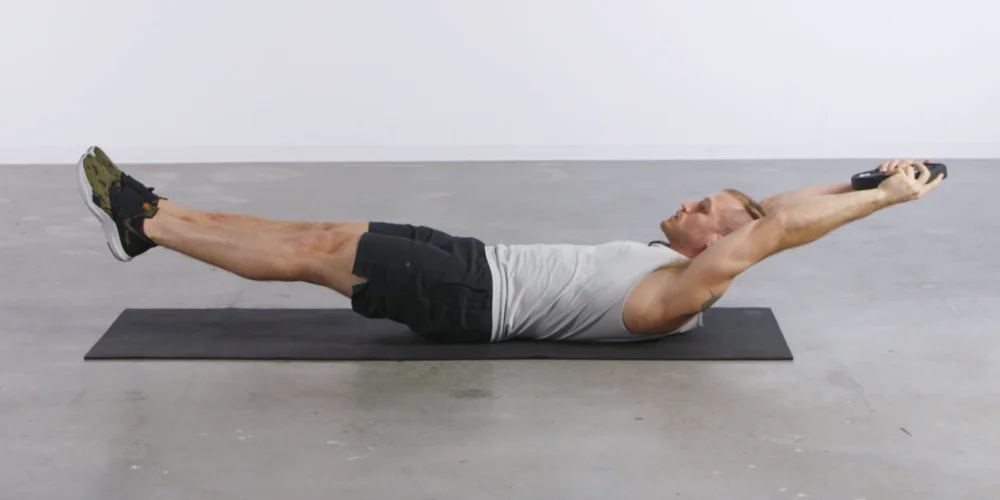

Professional athletes, those titans of physical prowess who continue to dominate their fields well into their late 30s and 40s, aren’t simply blessed with superior genetics. Their longevity is a testament to a profound understanding of their bodies and an unwavering commitment to evolving their training. They don’t just lift weights or run miles; they orchestrate a symphony of movement, recovery, and strategic adaptation. This wisdom isn’t exclusive to the elite. Whether you’re a seasoned fitness enthusiast aiming for new personal bests or a beginner striving to build a sustainable healthy lifestyle, embracing this athlete-inspired approach to evolving your routine is the key to staying in the game, preventing injury, and unlocking your body’s full potential across the decades.
The human body is a dynamic, ever-changing entity. What worked wonders for you in your 20s might not be the most effective, or even the safest, approach in your 40s or 50s. Ignoring these shifts is akin to trying to navigate a winding road with a rigid steering wheel – you’re bound to hit a few bumps, or worse. The athlete’s mindset embraces this flux. It’s about intelligent progression, not just relentless repetition. It’s about listening to your body, understanding its current capabilities, and strategically adjusting your training to support its continued journey.
The Foundational Years: Building a Robust Framework (Teens to Early 20s)
This is the era of rapid growth and boundless energy. For young men, it’s a time of significant physiological change, where rapid growth spurts can outpace the body’s ability to build proportional strength and flexibility. As Dr. Kirk A. Campbell, an orthopedic surgeon at NYU Langone Health, notes, navigating these new physical dimensions can take some getting used to. This developmental phase, coupled with increased engagement in sports and physical activities, makes this period a prime time for both incredible gains and potential pitfalls.
Common Challenges and How to Navigate Them
During these formative years, injuries often stem from overuse and imbalances. The sheer volume of training, combined with insufficient rest, can lead to:
- Overtraining Syndrome: Pushing too hard, too often, without adequate recovery can manifest as persistent fatigue, decreased performance, and increased susceptibility to illness.
- Contact Injuries: In sports involving physical contact, the risk of sprains, strains, and direct trauma is inherent.
- Stress-Induced Issues: Repetitive motions, particularly in throwing or jumping sports, can place undue stress on joints and tendons, leading to conditions like:
- Ankle Sprains: A common result of awkward landings or sudden changes in direction.
- Knee Pain (e.g., Patellofemoral Pain Syndrome): Especially prevalent in jumping-centric activities, this involves pain around the kneecap.
- Shoulder and Elbow Stress Injuries: Common in throwing athletes due to the high-impact, repetitive nature of the motion.
Your Longevity Game Plan: Laying the Groundwork
The focus here is on building a solid foundation of fundamental movement patterns, establishing healthy habits, and learning to listen to your body.
- Master Fundamental Movements: Prioritize compound exercises that work multiple muscle groups simultaneously. Think squats, deadlifts (with proper form!), push-ups, pull-ups, and lunges. These build overall strength and coordination.
- Embrace Dynamic Warm-ups: Before any physical activity, engage in dynamic stretching that mimics the movements you’re about to perform. This increases blood flow, prepares muscles, and improves range of motion. Examples include arm circles, leg swings, and torso twists.
- Integrate Flexibility and Mobility Work: Don’t neglect stretching and mobility exercises. Regular sessions can improve your range of motion, reduce muscle stiffness, and prevent imbalances. Incorporate static stretching after workouts and consider dedicated mobility sessions.
- Prioritize Rest and Recovery: This is non-negotiable. Your muscles grow and repair during rest. Aim for 7-9 hours of quality sleep per night. Schedule rest days into your training week.
- Listen to Your Body: Learn to distinguish between muscle soreness and pain. If something feels sharp, sudden, or persistent, don’t push through it. Seek advice.
- Hydration and Nutrition: Fuel your body adequately with a balanced diet rich in lean proteins, complex carbohydrates, healthy fats, and plenty of water. This supports muscle growth, energy levels, and overall recovery.
- Cross-Training: Engaging in a variety of activities can prevent overuse injuries and develop a more well-rounded fitness profile. If you’re a runner, try swimming or cycling on your off days.
The Midlife Momentum: Adapting and Thriving (30s and 40s)
As we enter our 30s and 40s, the landscape of our physical well-being begins to shift. Research indicates that strength and fitness levels can start to decline as early as the mid-30s. However, Dr. Campbell highlights that lifestyle changes often play a significant role during this period. The demands of a career, family, and social life can lead to a more sedentary existence, and workout routines may become less consistent. This shift away from regular physical activity can result in reduced flexibility and strength, making the body more vulnerable to injury.
Common Challenges and How to Navigate Them
This phase often sees the emergence of "wear-and-tear" injuries. The cumulative effects of previous activity, combined with reduced activity levels, can lead to:

- Muscle Strains and Ligament Sprains: These can occur with sudden movements or when lifting objects improperly.
- Lower Back Pain: A common complaint, often exacerbated by prolonged sitting and weakened core muscles.
- Tendinopathies: Inflammation or degeneration of tendons, such as those in the shoulder, can become more prevalent due to overuse or lack of proper conditioning.
- Joint Stiffness: Reduced elasticity in connective tissues can contribute to a feeling of stiffness and reduced range of motion.
Your Longevity Game Plan: Reinforce and Refine
The principles established in your younger years remain crucial, but this is the time to double down and incorporate more targeted strategies.
- Re-emphasize Strength Training: Consistent strength training is vital for maintaining muscle mass and metabolic rate. Focus on progressive overload – gradually increasing the weight, reps, or sets over time.
- Prioritize Core Strength: A strong core is the bedrock of a healthy back and efficient movement. Incorporate exercises like planks, bird-dogs, and Russian twists.
- Incorporate Functional Movements: Continue to focus on exercises that mimic everyday activities, such as lifting, carrying, and bending. This helps maintain practical strength and reduces the risk of injury in daily life.
- Active Recovery: Don’t underestimate the power of active recovery. Light activities like walking, cycling, or swimming on rest days can improve blood flow, reduce muscle soreness, and aid in the recovery process.
- Mobility and Flexibility Maintenance: Continue your dynamic warm-ups and static stretching routines. Consider incorporating yoga or Pilates for improved flexibility, core strength, and body awareness.
- Mindful Movement: Pay attention to your posture and lifting mechanics in all aspects of life, not just during workouts.
- Listen to Early Warning Signs: Don’t ignore subtle aches and pains. Address them proactively with appropriate stretching, rest, or by consulting a healthcare professional.
The Golden Years: Sustaining Vitality and Performance (50s and Beyond)
As we advance into our 50s and beyond, the body undergoes further natural changes. Dr. Campbell explains that muscle mass begins to decrease at a more accelerated rate, and the elasticity of tendons and ligaments also declines. After decades of use, our joints have experienced wear and tear, making them more susceptible to issues. This stage is not about stopping activity, but about intelligently adapting to these physiological shifts to maintain an active and fulfilling life.
Common Challenges and How to Navigate Them
In this life stage, tendinopathies become even more common, alongside:
- Arthritis: Degeneration of joint cartilage can lead to pain, stiffness, and reduced mobility.
- Rotator Cuff Injuries: The muscles and tendons surrounding the shoulder joint are prone to tears and inflammation.
- Back Pain and Herniated Discs: The cumulative stress on the spine can lead to disc issues and chronic back pain.
- Meniscus Injuries: Tears in the cartilage of the knee can occur with age and activity.
Your Longevity Game Plan: Focus and Consistency
The habits cultivated in earlier decades should continue to be a cornerstone of your fitness journey. However, the focus shifts towards preservation, injury prevention, and optimizing for quality of life.
- Maintain Muscle Mass with Resistance Training: While the intensity might need adjustment, resistance training remains paramount. Focus on lighter weights with higher repetitions or resistance bands to stimulate muscle fibers and preserve strength.
- Prioritize Balance and Stability: As we age, our balance can decline, increasing the risk of falls. Incorporate exercises that challenge your balance, such as single-leg stands, heel-to-toe walks, and tai chi.
- Low-Impact Cardiovascular Exercise: Engage in activities that elevate your heart rate without placing excessive stress on your joints. Walking, swimming, cycling, and elliptical training are excellent options.
- Focus on Range of Motion: Gentle stretching, yoga, and Tai Chi can help maintain flexibility and improve joint mobility, mitigating the effects of age-related stiffness.
- Listen Intently to Your Body: This is more crucial than ever. Pay close attention to any signals of discomfort or fatigue. Rest when needed and don’t be afraid to modify exercises.
- Consult Professionals: Regular check-ups with your doctor and potentially a physical therapist or certified trainer can help identify potential issues early and tailor your fitness program to your specific needs.
- Mindful Nutrition for Recovery: Ensure your diet provides adequate protein to support muscle maintenance and repair, along with essential vitamins and minerals for overall health and recovery.
- Stay Socially Active: While not strictly physical, social engagement has profound impacts on overall well-being and can motivate you to stay active.
The Unifying Principle: Motion is Lotion
Dr. Campbell’s wisdom resonates across all age groups: "The common thread here is that throughout life, you have to move. There’s a saying that ‘motion is lotion,’ and if you keep active, you’re more likely to stay injury-free." This simple yet profound truth is the essence of evolving like an athlete. It’s about embracing movement as a fundamental necessity for a healthy, vibrant life.
Your fitness journey is not a sprint; it’s a marathon, a lifelong endeavor. By understanding the unique demands and potential challenges of each life stage, and by intelligently adapting your training to meet those needs, you can forge a resilient physique that allows you to continue "staying in the game" with energy, vitality, and confidence. Embrace the evolution, listen to your body, and make movement your constant companion. The athlete within you awaits.