In the dynamic world of fitness, where countless supplements promise miraculous transformations, one compound consistently stands out, backed by an overwhelming body of scientific evidence: creatine. Far from being a niche secret for elite bodybuilders, creatine is a potent, safe, and effective ally for anyone—from fitness novices taking their first steps, to intermediate enthusiasts striving for new personal bests. It’s a foundational supplement that empowers your muscles, sharpens your focus, and accelerates your recovery, paving the way for consistent progress and profound results.
This isn’t about quick fixes or overnight miracles. This is about understanding a powerful tool that, when integrated intelligently into a dedicated fitness regimen, can unlock new levels of strength, endurance, and muscular development. In this comprehensive guide, we’ll strip away the myths and marketing hype, diving deep into the science, practical applications, and proven benefits of creatine. Prepare to transform your approach to supplementation and elevate your fitness journey.
The Science Behind Your Strength: How Creatine Works
To truly harness the power of creatine, it’s essential to understand its fundamental role within your body. It’s not just another powder you mix into your shaker; it’s a critical component of your cellular energy system.
What is Creatine?
Creatine is a naturally occurring organic compound, primarily synthesized in the liver, kidneys, and pancreas from three amino acids: arginine, glycine, and methionine. Approximately 95% of the body’s creatine stores are found within skeletal muscle, with smaller amounts in the brain and testes. While you obtain some creatine through your diet (mainly from red meat and fish), supplementation significantly boosts these intramuscular stores, optimizing your body’s immediate energy reserves.
The ATP-PCr System Explained: Your Instant Energy Reserve
Imagine your muscles are high-performance engines, and ATP (Adenosine Triphosphate) is their premium fuel. ATP is the primary energy currency for virtually all cellular processes, including muscle contraction. However, your body only stores a limited amount of ATP, enough for just a few seconds of maximal effort.
This is where creatine steps in. Within your muscle cells, creatine exists primarily as phosphocreatine (PCr). When ATP is used for energy, it loses a phosphate molecule and becomes ADP (Adenosine Diphosphate). The beauty of phosphocreatine is its ability to rapidly donate its phosphate group back to ADP, quickly regenerating ATP. This entire process is known as the ATP-PCr (Adenosine Triphosphate-Phosphocreatine) system.
Think of it this way: your immediate ATP stores are like a small gas tank for your car. When you hit the accelerator hard (like during a heavy lift or a sprint), that tank empties fast. Phosphocreatine is like a quick-fill canister that instantly refills your tank, allowing you to sustain that high intensity for a few crucial extra seconds. This rapid energy replenishment is vital for activities demanding short bursts of power, such as weightlifting, sprinting, jumping, and high-intensity interval training (HIIT). By increasing your phosphocreatine stores through supplementation, you enhance your capacity for these explosive efforts, ultimately leading to greater training adaptations.
Unleashing Your Potential: The Proven Benefits of Creatine
The extensive research on creatine has uncovered a multitude of benefits, making it one of the most effective and versatile supplements available for fitness enthusiasts.
Boosting Athletic Performance
The most well-documented benefit of creatine is its profound impact on high-intensity exercise performance. By improving the regeneration of ATP, creatine allows you to push harder and longer during anaerobic activities.
- Increased Strength and Power: Expect to lift heavier weights or perform more repetitions with a given load. Creatine directly enhances your ability to generate force, translating to stronger lifts in the gym.
- Improved Sprint and Explosive Performance: Whether it’s a 100-meter dash, a vertical jump, or a series of box jumps, creatine provides the rapid energy needed for these explosive movements.
- Delayed Fatigue: In activities requiring repeated bursts of effort with short recovery periods, creatine helps you maintain peak performance across multiple sets or intervals.
Practical Tip: For your next lifting session, focus on progressive overload. Creatine can provide that crucial extra rep or two, or allow you to bump up the weight slightly while maintaining good form. This consistent ability to challenge your muscles is a primary driver of strength and hypertrophy.
Accelerating Muscle Growth (Hypertrophy)
Creatine is a cornerstone for anyone serious about building muscle mass. Its mechanisms for promoting hypertrophy are multi-faceted:
- Cellular Volumization: Creatine draws water into your muscle cells, making them appear larger and fuller. This "cell volumization" is not mere superficial bloating; it’s believed to act as an anabolic signal, promoting protein synthesis and reducing protein breakdown.
- Enhanced Training Volume: By allowing you to perform more reps or sets, or lift heavier weights, creatine increases your total training volume. This greater mechanical tension and metabolic stress are powerful stimuli for muscle growth.
- Increased Anabolic Signaling: Some research suggests creatine can directly influence pathways involved in muscle protein synthesis, further supporting growth.
Real-life Example: Imagine consistently hitting 8 reps on your bench press. After a few weeks on creatine, you might find yourself hitting 9 or even 10 reps with the same weight, or successfully increasing the weight and still hitting 8 reps. This enhanced capacity for work provides a superior stimulus for your muscles to adapt and grow.
Enhancing Recovery and Reducing Soreness
Recovery is often the unsung hero of progress. Creatine plays a significant role in this vital process:
- Faster ATP Replenishment: After intense exercise, creatine helps restore your ATP reserves more quickly, preparing your muscles for the next bout of activity.
- Reduced Muscle Damage: Studies indicate that creatine supplementation can mitigate markers of muscle damage, such as creatine kinase, post-exercise.
- Less DOMS (Delayed Onset Muscle Soreness): While not a complete cure, creatine may help reduce the severity and duration of muscle soreness, allowing you to return to training sooner and more consistently.
Actionable Advice: Quicker recovery means less downtime and more frequent, high-quality training sessions. This consistency is paramount for long-term gains. If you often feel overly sore, creatine can help you maintain your training schedule with less discomfort.
Beyond the Muscles: Cognitive Benefits
The benefits of creatine extend beyond physical performance. Your brain, like your muscles, relies heavily on ATP for optimal function.
- Improved Memory and Focus: Creatine supplementation can enhance cognitive function, particularly in tasks requiring quick thinking and short-term memory, or in situations of mental fatigue (e.g., sleep deprivation, stress).
- Reduced Mental Fatigue: By supporting brain energy metabolism, creatine may help combat mental fatigue and maintain cognitive performance.
Supporting Bone Health and Aging
Creatine is not just for the young and athletic; it holds significant promise for healthy aging.
- Muscle and Bone Density: Research suggests that combined with resistance training, creatine supplementation can have favorable effects on bone density and muscle mass retention in older adults, combating age-related decline (sarcopenia and osteopenia). This is crucial for maintaining independence and quality of life as we age.
Navigating the Creatine Landscape: Forms and Formulations
While the market offers various forms of creatine, understanding their differences is key to making an informed choice.
Creatine Monohydrate: The Gold Standard
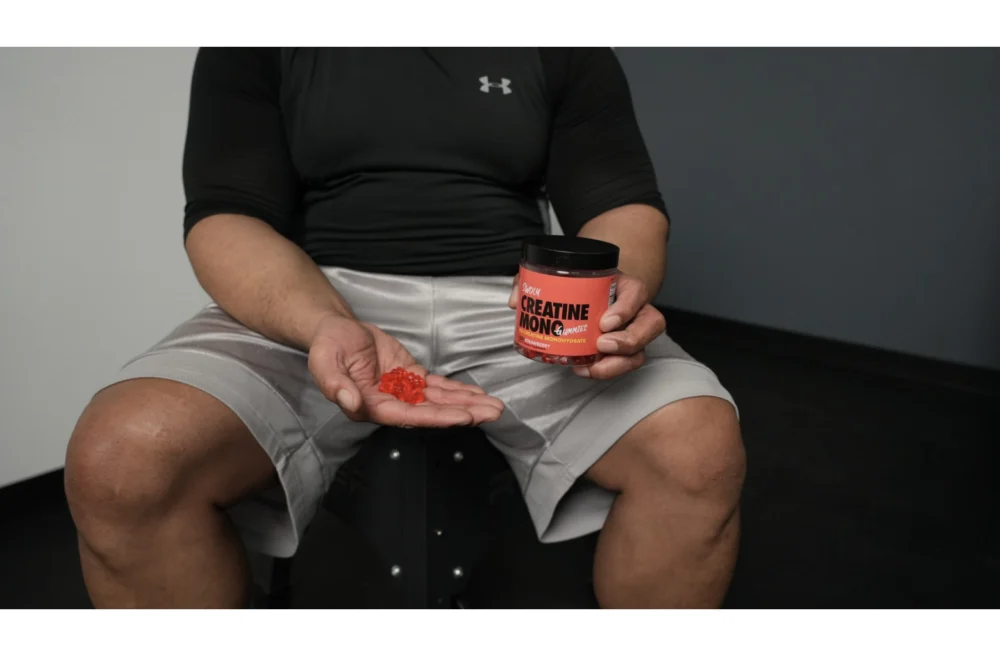
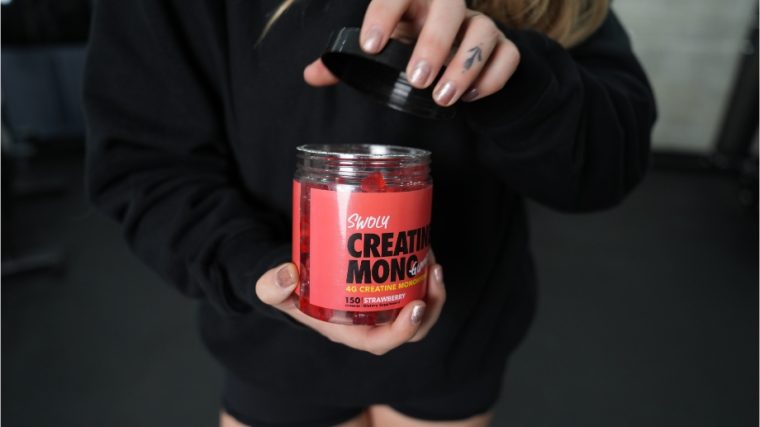
When discussing creatine, creatine monohydrate is unequivocally the most researched, effective, and cost-efficient form. It has been the subject of thousands of studies demonstrating its efficacy and safety. It consists of a creatine molecule bound to a water molecule.
- Why it’s Recommended: Its unparalleled research backing, proven results for strength, power, and muscle growth, and excellent affordability make it the go-to choice for the vast majority of users.
Micronized Creatine Monohydrate
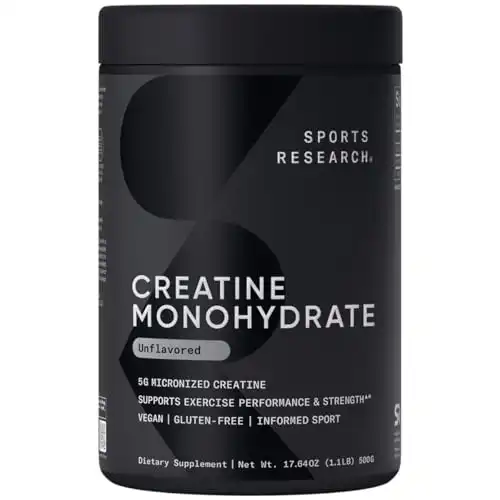
Micronized creatine monohydrate is simply creatine monohydrate that has been processed into finer particles.
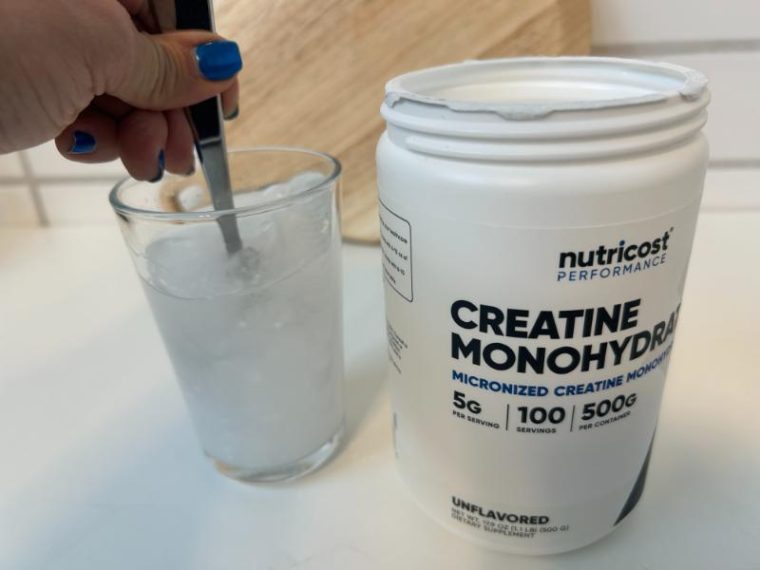
- Improved Solubility: This finer grind significantly enhances its mixability in liquids, reducing the likelihood of a gritty texture or sediment at the bottom of your glass.
- No Significant Absorption Advantage: While it mixes better, research largely indicates that micronized creatine does not offer a significant advantage in terms of absorption or bioavailability compared to standard creatine monohydrate. Its primary benefit is user convenience.
Other Forms: A Brief Overview
The supplement industry continuously innovates, leading to the development of various other creatine forms. However, few, if any, have demonstrated superior efficacy or safety compared to monohydrate, and most lack the extensive research to support their claims.
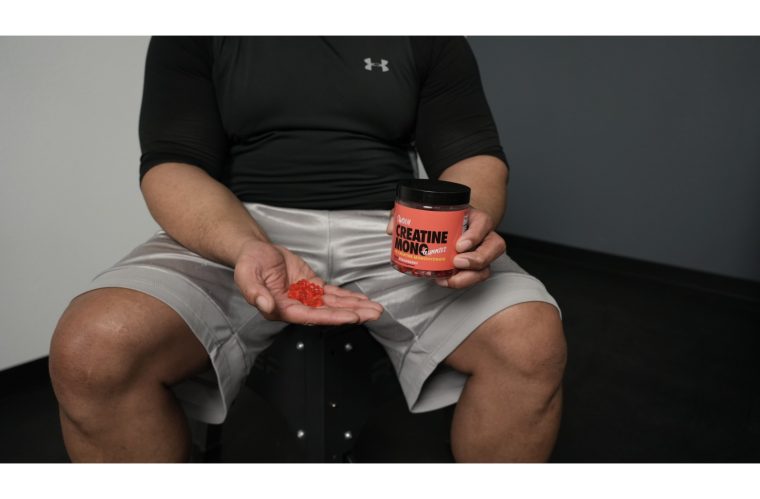
- Creatine Ethyl Ester (CEE): Marketed for superior absorption, CEE has largely been shown in studies to be less effective than creatine monohydrate, with some research suggesting it might even convert to creatinine (an inactive byproduct) more readily in the gut.
- Creatine Hydrochloride (HCl): Touted for its high solubility and reduced likelihood of gastrointestinal distress or bloating, Creatine HCl is often taken in smaller doses. While it dissolves well, the scientific evidence supporting its superior efficacy or reduced side effects compared to monohydrate is limited and less robust.
- Buffered Creatine (Kre-Alkalyn): This form is pH-buffered, marketed to be more stable in stomach acid and convert less into creatinine, thereby requiring smaller doses. However, studies have shown no significant difference in muscle uptake or performance benefits compared to creatine monohydrate.
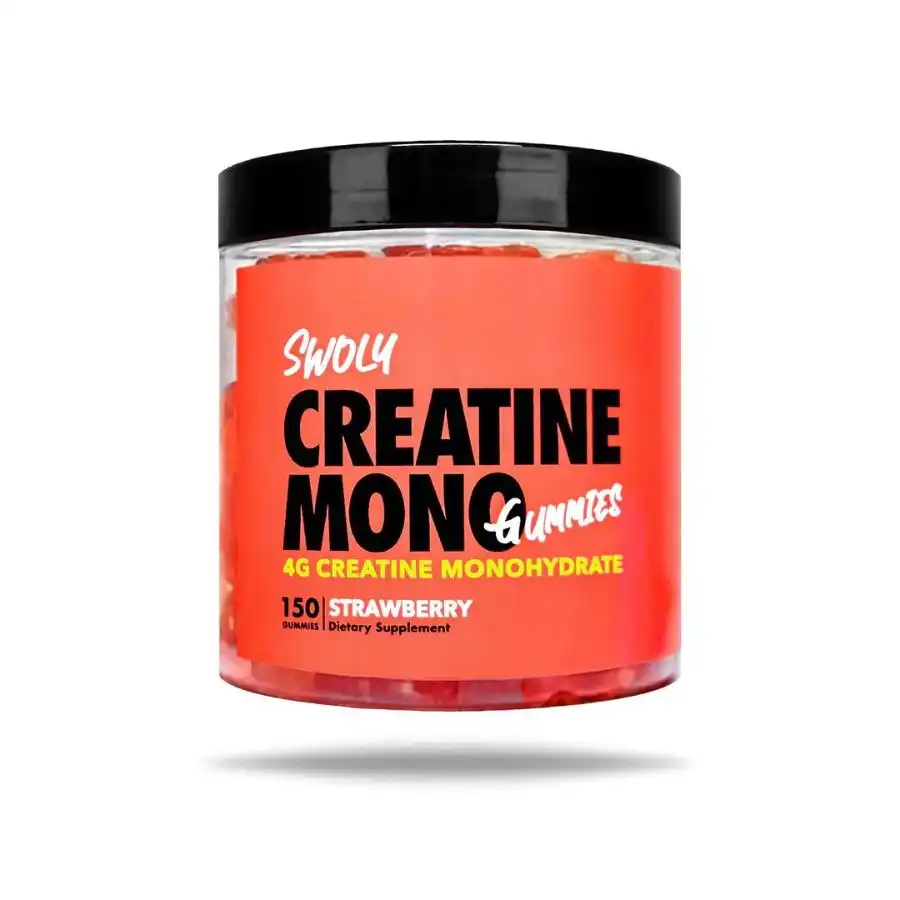
Actionable Advice: For beginners and intermediate enthusiasts, stick with creatine monohydrate (or micronized creatine monohydrate for better mixability). It’s proven, effective, and economical. Only consider other forms if you experience persistent gastrointestinal issues with monohydrate and have consulted a healthcare professional.
Your Creatine Roadmap: Dosage, Timing, and Loading
Integrating creatine effectively into your routine involves understanding the optimal dosage, whether to "load," and the best time for consumption.
The Daily Dose: Consistency is Key
For most individuals, a consistent daily dose of creatine is the most effective approach.
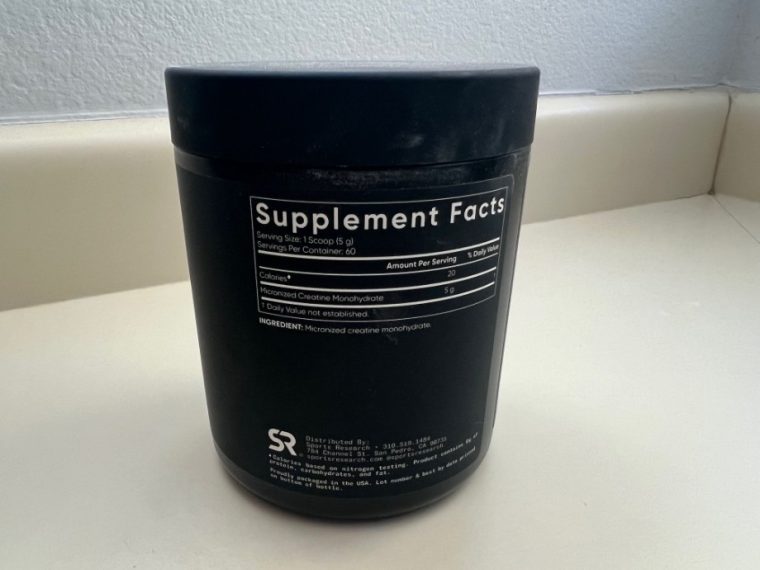
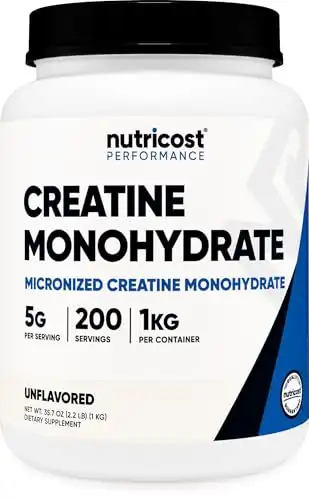
- Standard Maintenance Dose: The widely recommended and research-backed dose is 3 to 5 grams of creatine monohydrate per day. This amount is sufficient to saturate your muscle creatine stores over time.
- Body Weight Considerations: Larger individuals may benefit from slightly higher doses. A general guideline is 0.1 grams of creatine per kilogram of body weight. For example, a 90 kg (200 lb) individual might aim for 9 grams per day. However, for most, 5 grams is ample.
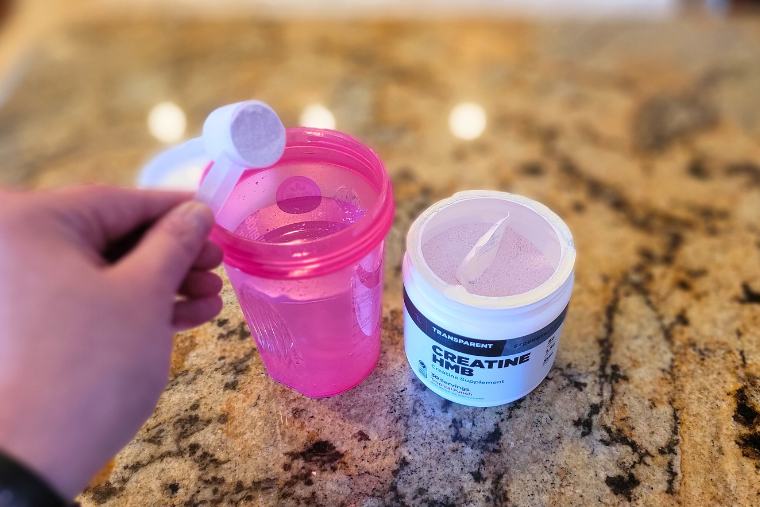
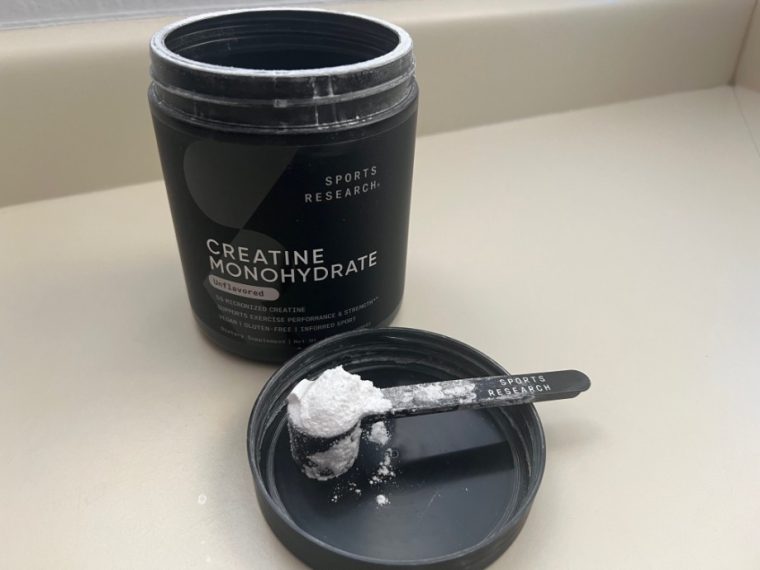
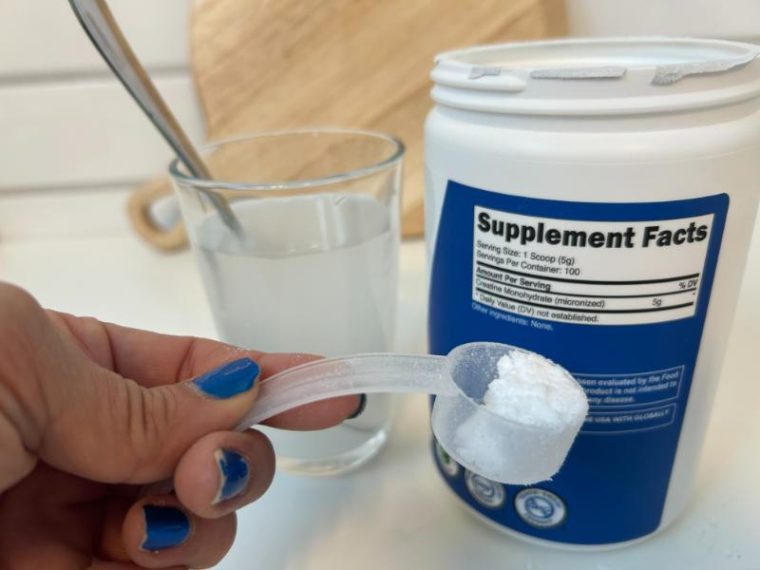
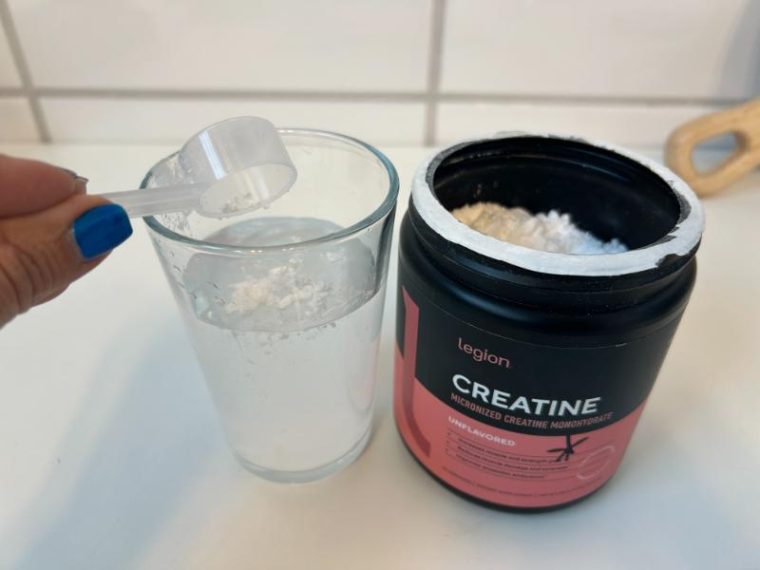
Practical Tip: Use a measuring spoon or the scoop provided with your creatine powder to ensure accuracy. Consistency is far more important than exact timing for long-term benefits.
To Load or Not to Load?
A "loading phase" is a common strategy to rapidly saturate muscle creatine stores.
- Loading Phase Explained: This involves taking a higher dose, typically 20 to 25 grams per day, divided into 4-5 smaller doses (e.g., 5 grams each) throughout the day, for 5 to 7 days.
- Benefits of Loading: A loading phase accelerates the saturation of your muscle creatine stores, allowing you to experience the performance benefits more quickly (within a week).
- Alternatives to Loading: If you prefer to avoid a loading phase (perhaps due to mild GI discomfort or simply convenience), a consistent daily dose of 3-5 grams will achieve full muscle saturation, albeit over a longer period (typically 3-4 weeks). The long-term benefits are the same regardless of whether you load or not.
Actionable Advice: If you’re eager to experience the benefits quickly and don’t experience digestive upset, a loading phase can be beneficial. If you prefer a slower, more gradual approach, consistent daily dosing is perfectly fine. Breaking larger doses into smaller servings during a loading phase can help minimize any potential gastrointestinal discomfort.
Timing Your Intake: Before, During, or After?
The good news is that the timing of your creatine intake is far less critical than your daily consistency.
- General Consensus: Most research suggests that consistency is king. As long as you take your daily dose, your muscle creatine stores will remain saturated, and you’ll reap the benefits.
- Post-Workout Recommendation: Some studies suggest a marginal benefit to taking creatine post-workout, especially with a meal containing carbohydrates and protein. Exercise increases blood flow to muscles, and insulin (triggered by carbs/protein) can help transport creatine into muscle cells more efficiently.
- Anytime is Fine: Don’t stress if you can’t take it immediately post-workout. Taking it with breakfast, before bed, or any other time that fits your schedule works, as long as it’s consistent every day.
Hydration and Creatine
Creatine draws water into your muscle cells. While this is a beneficial effect for muscle volumization and performance, it also means you need to be mindful of your overall fluid intake.
- Increase Water Intake: Ensure you are drinking adequate water throughout the day, especially when supplementing with creatine. This helps support cellular hydration and can prevent any feelings of dehydration or cramping (which are often misattributed directly to creatine, but are more likely due to insufficient fluid intake).
Dispelling the Myths: Creatine Safety and Side Effects
Despite its scientific backing, creatine has accumulated several persistent myths over the years. Let’s address them with evidence.
Is Creatine Safe?
Yes. Creatine monohydrate is one of the most extensively studied supplements in sports nutrition, with thousands of published research papers demonstrating its safety and efficacy.

- Short- and Long-Term Use: Studies show creatine supplementation is safe for healthy individuals in both the short and long term, with some research extending up to five years of continuous use without adverse effects at recommended doses.
Common Misconceptions Addressed
- Kidney Damage: This is perhaps the most pervasive myth. Numerous studies have conclusively shown that creatine supplementation, at recommended dosages, does not cause kidney damage or impair kidney function in healthy individuals. However, those with pre-existing kidney conditions should absolutely consult a doctor before taking creatine.
- Hair Loss: The link between creatine and hair loss (specifically DHT, a hormone associated with male pattern baldness) stems from one older study that showed an increase in DHT levels. Subsequent research has largely failed to replicate these findings or establish a direct causal link between creatine and hair loss in the general population. The evidence is inconclusive and does not support this claim as a widespread concern.
- Bloating/Water Retention: Yes, creatine does cause water retention, but it’s crucial to understand where this water goes. It draws water into your muscle cells, contributing to cell volumization, which is beneficial for performance and hypertrophy. This is distinct from subcutaneous (under the skin) water retention that makes you look "puffy." Any initial, more noticeable water retention often subsides after the loading phase or once your body adapts to consistent use. Proper hydration can also mitigate this.
- Cramping/Dehydration: Creatine itself does not directly cause cramping or dehydration. If individuals experience these symptoms, it’s almost always due to insufficient fluid intake, inadequate electrolyte balance, or overexertion during exercise, rather than the creatine itself. Always prioritize hydration.
Who Should Exercise Caution?
While generally safe for healthy adults, certain individuals should approach creatine with caution or avoid it entirely:
- Individuals with Pre-existing Kidney or Liver Conditions: Because creatine is processed by these organs, those with impaired kidney or liver function should avoid supplementation unless specifically cleared by a medical professional.
- Adolescents and Children: While some research exists on creatine use in younger athletes, the long-term effects are not as thoroughly understood as in adults. It’s generally not recommended for individuals under 18 without explicit medical supervision and guidance from a sports dietitian.
- Pregnant or Breastfeeding Women: Due to a lack of specific research in these populations, creatine supplementation is generally not advised.
- Individuals on Certain Medications: If you are taking medications that affect kidney function (e.g., certain blood pressure medications, NSAIDs), consult your doctor before starting creatine.
Always consult with a healthcare professional or a registered dietitian if you have any pre-existing health conditions or concerns before starting any new supplement regimen.
Integrating Creatine into Your Fitness Journey
Creatine is a powerful tool, but it’s important to view it as one piece of a larger, holistic fitness puzzle.
A Holistic Approach
Creatine is not a magic bullet. Its effectiveness is amplified when combined with fundamental fitness principles:
- Consistent Resistance Training: Creatine enhances your ability to train hard, but you still need to put in the work. Regular, challenging resistance training is essential to stimulate muscle growth and strength adaptations.
- Adequate Protein Intake: Protein is the building block of muscle. Ensure you’re consuming enough protein to support muscle repair and growth, especially when training intensely.
- Sufficient Sleep: Muscle repair and hormonal regulation critical for growth primarily occur during sleep. Prioritize 7-9 hours of quality sleep per night.
- Balanced Nutrition: A well-rounded diet rich in whole foods, carbohydrates for energy, and healthy fats for overall health will provide the foundation for optimal performance and recovery.
Real-life Example: Consider John, who started taking creatine but rarely went to the gym and ate inconsistently. He saw minimal results. Then there’s Sarah, who added creatine to her routine of 4 consistent weight training sessions a week, a high-protein diet, and 8 hours of sleep. Sarah noticed significant increases in strength, muscle fullness, and quicker recovery, truly leveraging creatine’s potential.
Monitoring Your Progress
When you start taking creatine, pay attention to objective and subjective markers of progress:
- Track Strength Gains: Are you able to lift more weight or perform more reps than before?
- Observe Recovery: Do you feel less sore, or recover faster between workouts?
- Listen to Your Body: Pay attention to energy levels, muscle fullness, and overall well-being.
Final Thoughts: Your Path to Enhanced Performance
Creatine stands as a testament to evidence-based supplementation. It’s a safe, effective, and extensively researched compound that can significantly enhance muscle growth, strength, power, and recovery for beginners and intermediate fitness enthusiasts alike. By understanding how it works, choosing the right form, and integrating it wisely into a disciplined fitness and nutrition plan, you equip yourself with a powerful ally on your journey to peak performance.
Forget the myths and embrace the science. With consistency in your training, dedication to your nutrition, and smart supplementation with creatine, you are not just adding a powder to your routine; you are investing in your body’s potential, fueling your ascent to new heights, and unlocking the stronger, more resilient you. Your fitness journey is a marathon, not a sprint, but with creatine, you’ll find yourself covering ground faster and recovering more effectively, ready to conquer whatever challenge comes next.