The dream of a consistent, effective fitness routine often collides with the realities of modern life. Time constraints, the daily commute to a crowded gym, the intimidation of unfamiliar equipment, or even just the sheer effort of getting out the door can derail the best intentions. But what if the solution wasn’t outside your front door, but right within your living space? Your home holds immense, untapped potential to become your personal fitness sanctuary – a dedicated zone where convenience meets commitment, and results are forged with every rep.
This article is your comprehensive guide to transforming your home into an effective, sustainable fitness hub, regardless of its size or your starting fitness level. We’ll explore the undeniable advantages of home workouts, guide you through setting up your functional fitness space, provide principles for crafting powerful routines, and equip you with strategies to overcome common obstacles. Prepare to unlock your home gym’s full potential and embark on a fitness journey defined by consistency, empowerment, and lasting results.
The Unrivaled Advantages of Your Personal Fitness Haven
Embracing home workouts isn’t just a compromise when gym access is difficult; it’s a strategic choice offering a multitude of benefits that can significantly enhance your fitness journey.
Convenience is King
Imagine waking up, rolling out of bed, and being just steps away from your workout. There’s no travel time, no traffic, no searching for parking. This unparalleled convenience is arguably the greatest advantage of a home gym. You dictate your schedule, fitting workouts into lunch breaks, before the kids wake up, or even late at night, without the constraints of gym operating hours. This flexibility drastically reduces the friction often associated with maintaining a fitness routine, making consistency not just possible, but probable.
Privacy and Comfort
For many, the gym environment can be a source of anxiety or self-consciousness. Working out at home eliminates these concerns entirely. You’re free to experiment with new exercises, make mistakes, or simply push your limits without feeling judged. Want to work out in your pajamas? Go for it. Prefer to blast your favorite (perhaps questionable) playlist at full volume? No problem. Your home gym is a judgment-free zone tailored to your personal comfort, fostering an environment where you can truly focus on your body and your goals.
Cost-Effectiveness: Smart Investments for Long-Term Savings
While an initial investment in equipment might be required, a home gym often proves more cost-effective in the long run compared to recurring gym memberships, fuel costs for commutes, and even specialized workout attire. By strategically choosing versatile equipment, you can build a highly effective gym for a fraction of the cost of years of gym fees. We’ll delve into smart equipment choices that deliver maximum impact without breaking the bank.
Consistency, The Foundation of Progress
Fitness results are not born from sporadic bursts of effort but from consistent, sustained dedication. The convenience and accessibility of a home gym make it significantly easier to maintain this consistency. When your workout space is always available, the excuses diminish, and the habit strengthens. Over time, these consistent efforts compound, leading to remarkable transformations in strength, endurance, and overall well-being.
Laying the Groundwork: Designing Your Functional Fitness Space
Creating an effective home workout space doesn’t require a dedicated room or a vast budget. It’s about smart planning, efficient use of space, and choosing the right tools for your goals.
Space Assessment: Small or Spacious, Every Inch Counts
Before buying any equipment, take stock of your available space.
- Measure: Determine the length, width, and height of your potential workout zone. This is crucial for understanding what equipment can fit and if you have enough clearance for movements like overhead presses or jumping jacks.
- Clear the Clutter: A tidy space promotes a clear mind. Remove anything that isn’t essential for your workout or could become a tripping hazard.
- Designate a Zone: Even if it’s a corner of your living room or bedroom, mentally (and physically, if possible) designate this as your "fitness sanctuary." This helps create a routine and signals to your brain that it’s time to work out.
- Consider Multi-Functional Areas: Your living room can double as a yoga studio, your bedroom can accommodate resistance band training, and a hallway might be perfect for lunges. Think creatively about how different areas of your home can serve your fitness needs.
Real-Life Example: Sarah, a beginner, lived in a small apartment. She cleared a 6×4 foot area in her living room, moving a small coffee table aside before each workout. She used a yoga mat, resistance bands, and bodyweight exercises, proving that even minimal space can be highly effective.
Essential Gear: Smart Investments for Maximum Impact
You don’t need a commercial gym’s worth of equipment. Focus on versatility and progressive utility.
The Ultimate No-Cost Foundation: Bodyweight Training
Your body is the most sophisticated piece of fitness equipment you own. Bodyweight exercises are incredibly effective for building strength, endurance, and mobility, and they cost absolutely nothing.
- Key Bodyweight Exercises:
- Squats: Work legs and glutes.
- Push-ups: Chest, shoulders, triceps (can be modified on knees or against a wall).
- Lunges: Legs, glutes, balance.
- Plank: Core strength, stability.
- Burpees: Full-body cardio and strength.
- Glute Bridges: Glutes, hamstrings, lower back.
Minimalist Essentials: Affordable and Versatile
These items offer significant bang for your buck and require minimal storage.
- Yoga Mat: Provides comfort and grip for floor exercises, stretching, and yoga.
- Resistance Bands: Come in various strengths and are incredibly versatile for strength training, warm-ups, and mobility work. They’re excellent for adding resistance to squats, glute exercises, and upper body movements.
- Jump Rope: An outstanding tool for cardiovascular fitness, agility, and burning calories in a small space.
- Dumbbells (Adjustable Recommended): A pair of adjustable dumbbells can replace an entire rack of weights, saving space and allowing for progressive overload as you get stronger. Start with a weight you can comfortably lift for 10-12 repetitions with good form.
Intermediate Upgrades: Expanding Your Capabilities
Once you’ve mastered the basics and are ready for more challenge, consider these additions.
- Kettlebells: Excellent for dynamic movements, strength, and conditioning. A single kettlebell can provide a full-body workout.
- Pull-Up Bar (Doorway Mount): If your doorway allows, a pull-up bar is fantastic for upper body strength (back, biceps) and core work.
- Stability Ball: Adds an unstable element to exercises, engaging more core muscles and improving balance. Great for planks, crunches, and even dumbbell presses.
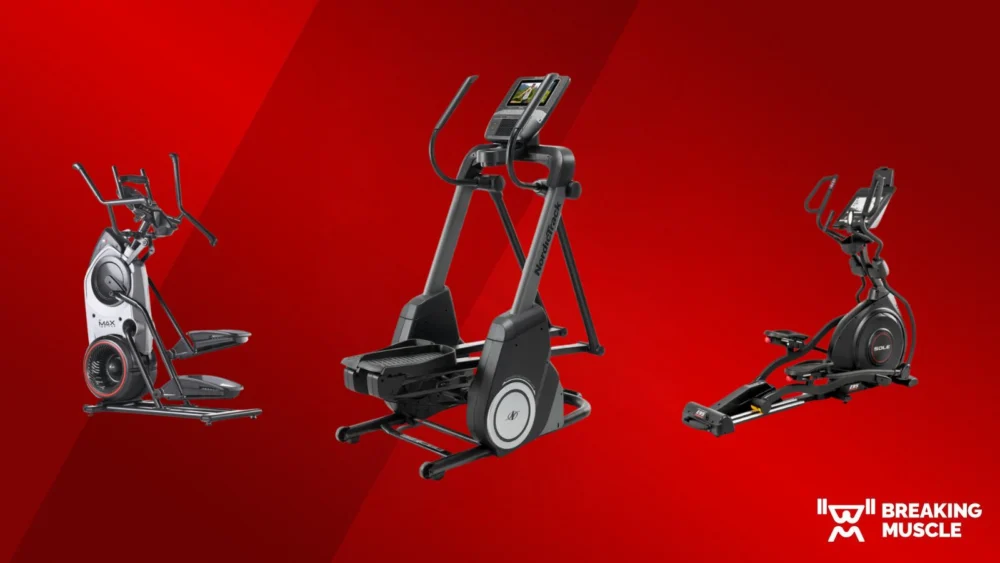
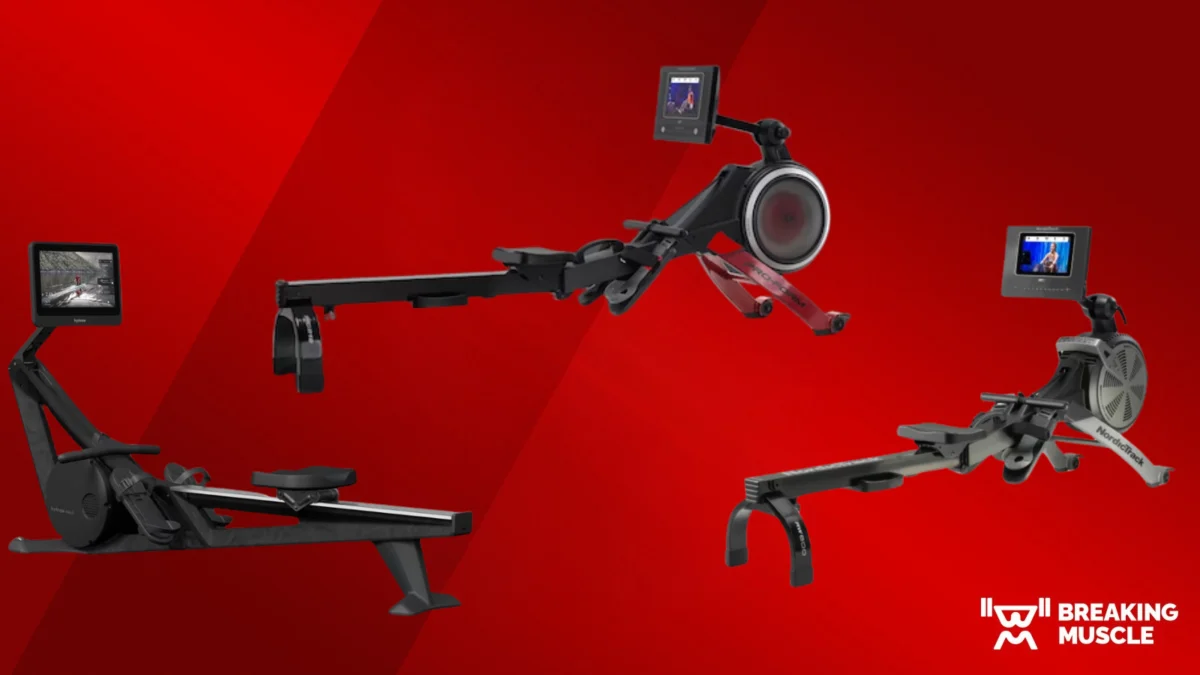
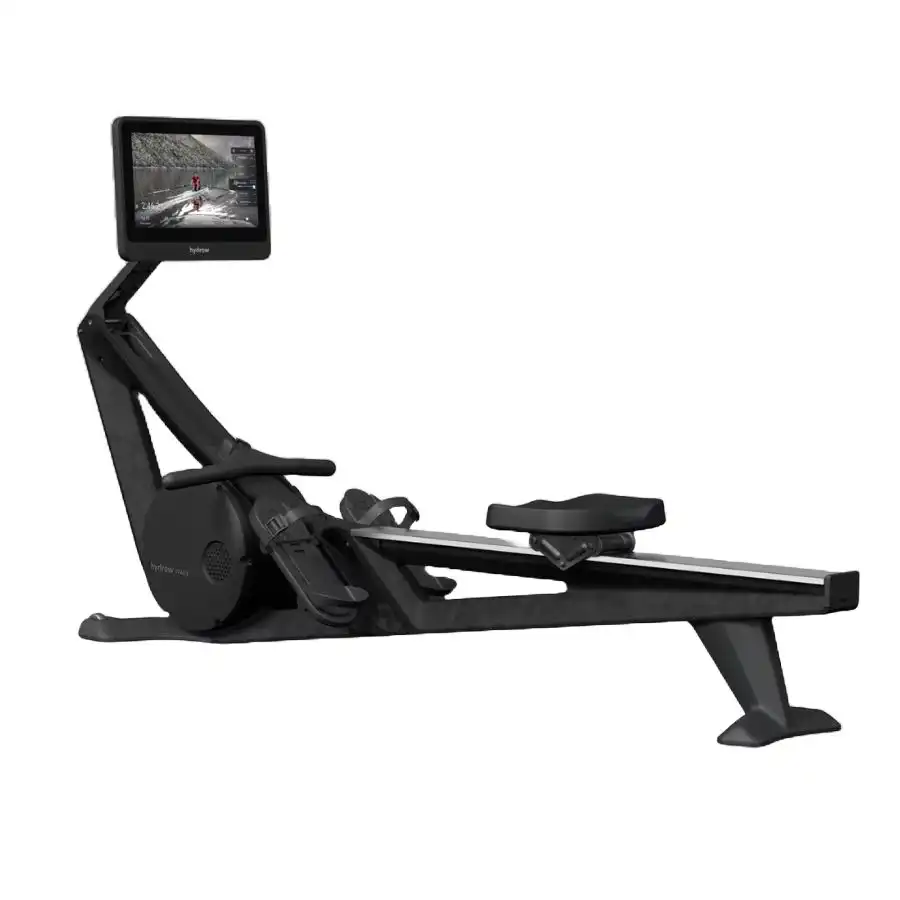
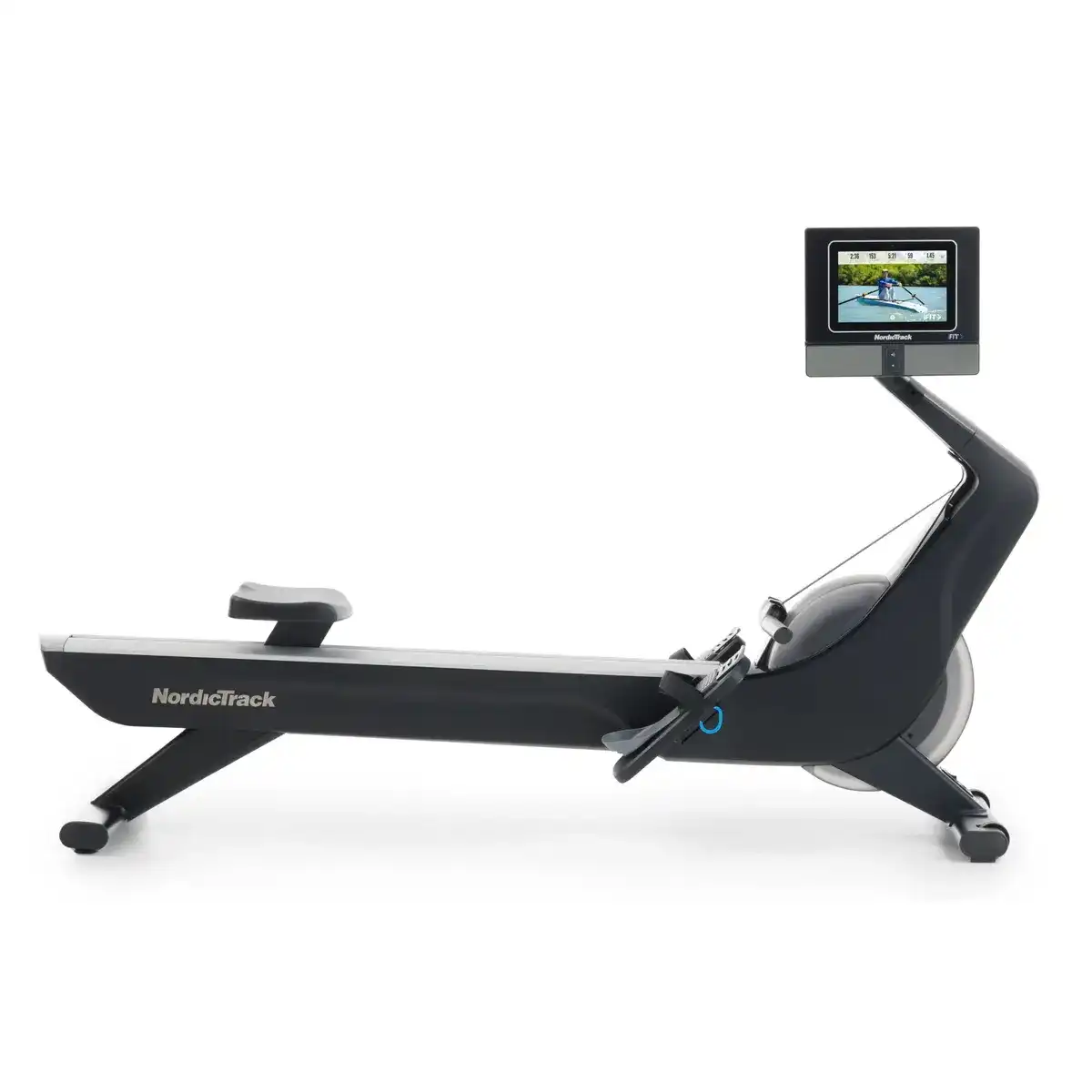
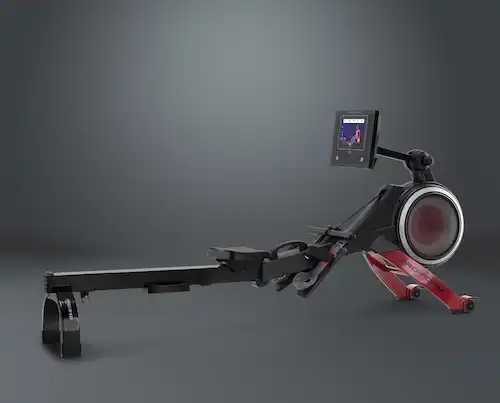
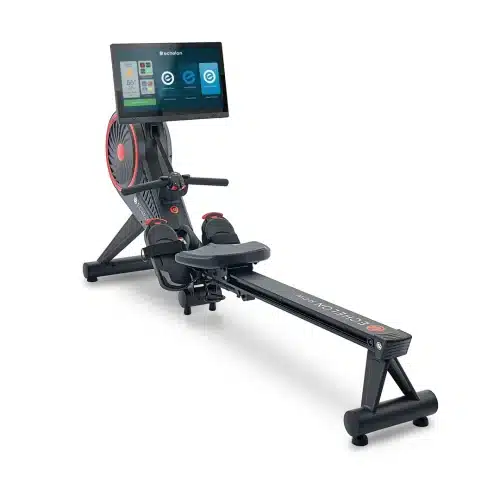
- Compact Cardio Options: If space and budget allow, a compact piece of cardio equipment can be a game-changer. Think a foldable rowing machine, a mini elliptical, or a stationary bike. These can provide excellent low-impact cardiovascular workouts without taking up permanent large footprints. (Note: The focus here is on generic types of equipment, not specific brands, adhering to the prompt’s instruction).
Avoiding Common Pitfalls: Don’t feel pressured to buy everything at once. Start with bodyweight and a few essentials. As you progress and understand your needs better, you can gradually add more equipment. Focus on versatility: can this item be used for multiple exercises and muscle groups?
Crafting Your Home Workout Blueprint: Principles of Effective Training
An effective home workout is built on the same principles as a gym workout: progressive overload, balanced training, and proper structure.
The Power of Progressive Overload (Even at Home)
Progressive overload is the fundamental principle for continuous improvement: to get stronger or fitter, you must consistently challenge your muscles beyond their current capabilities.
- For Bodyweight Exercises:
- Increase Repetitions: If you can do 10 push-ups, aim for 12, then 15.
- Increase Sets: Go from 2 sets to 3, then 4.
- Slow Down the Tempo: Performing movements slower, especially the eccentric (lowering) phase, increases time under tension and muscle engagement.
- Reduce Rest Time: Shorter breaks between sets challenge your cardiovascular system and muscular endurance.
- Introduce Variations: Move from knee push-ups to regular push-ups, or from regular squats to jump squats or pistol squats.
- With Equipment (Bands/Weights):
- Increase Resistance: Use a stronger resistance band or heavier dumbbells.
- Increase Reps/Sets: Same principle as bodyweight.
- Change Exercise Angle: Slight changes can hit muscles differently.
Real-Life Example: Mark started with 3 sets of 8 bodyweight squats. After a few weeks, he could do 3 sets of 15. To progress, he added a resistance band around his thighs for his squats, then eventually invested in a pair of adjustable dumbbells to perform goblet squats, continually challenging his leg muscles.
Balancing Your Routine: A Holistic Approach
A well-rounded fitness routine includes strength, cardiovascular, flexibility, and core training.
Strength Training: Building a Solid Foundation
Focus on compound movements that work multiple muscle groups simultaneously.
- Lower Body: Squats (bodyweight, goblet, dumbbell), Lunges (forward, reverse, side), Glute Bridges, Calf Raises.
- Upper Body (Push): Push-ups (various hand positions, elevated feet for challenge), Overhead Presses (dumbbell).
- Upper Body (Pull): Dumbbell Rows, Pull-ups (if you have a bar, assisted with bands if needed), Resistance Band Rows.
- Full Body: Burpees, Thrusters (dumbbell squat to overhead press).
Cardiovascular Health: Pumping Your Heart
Cardio is vital for heart health, endurance, and calorie expenditure.
- High-Intensity Interval Training (HIIT): Short bursts of intense exercise followed by brief recovery.
- Examples: Jump rope intervals (1 min fast, 30 sec rest), burpees, jumping jacks, mountain climbers. Excellent for burning calories and improving fitness quickly.
- Steady-State Cardio: Longer, consistent efforts.
- Examples: Jogging in place, marching with high knees, using a compact cardio machine (rower, mini elliptical) for 20-30 minutes at a moderate pace.
Flexibility and Mobility: Keeping Your Body Agile
Often overlooked, these are crucial for injury prevention, improving range of motion, and reducing muscle soreness.
- Dynamic Warm-ups: Light movements that prepare your body for exercise (arm circles, leg swings, torso twists).
- Static Stretching: Holding stretches for 20-30 seconds after your workout (hamstring stretch, quad stretch, triceps stretch).
- Yoga/Pilates: Excellent for improving flexibility, strength, and core stability. Many free online resources exist.
Core Stability: The Center of Your Strength
A strong core is essential for virtually all movements and prevents back pain.
- Plank Variations: Standard plank, side plank, plank jacks, elbow plank.
- Bird-Dog: Improves core stability and balance.
- Dead Bug: Excellent for engaging deep core muscles without straining the lower back.
- Crunches/Reverse Crunches: Traditional core exercises.
Structure Your Sessions: Warm-up, Workout, Cool-down
Every effective workout should follow this three-part structure.
- Warm-up (5-10 minutes): Prepares your muscles and cardiovascular system.
- Examples: Light cardio (marching in place, jumping jacks), dynamic stretches (arm circles, leg swings), joint rotations.
- Workout (20-60 minutes): The main event, focusing on your chosen strength or cardio routine.
- Cool-down (5-10 minutes): Helps your body recover, reduces muscle soreness, and improves flexibility.
- Examples: Light cardio (slow walking), static stretches (holding each for 20-30 seconds).
Sample Home Workout Routines (Actionable Advice)
Here are some practical routines you can implement immediately, tailored for different levels.
Beginner’s Bodyweight Blast (30 Minutes)
This routine focuses on fundamental movements to build strength and endurance. Perform each exercise for the prescribed reps, rest briefly, then move to the next. Complete 2-3 rounds of the circuit with 60-90 seconds rest between rounds.
- Warm-up (5 minutes):
- Jumping Jacks (30 seconds)
- Arm Circles (forward & backward, 30 seconds each)
- Leg Swings (forward & side-to-side, 30 seconds each leg)
- Torso Twists (30 seconds)
- Workout Circuit (20 minutes):
- Bodyweight Squats: 12-15 reps
- Knee Push-ups (or wall push-ups): 8-12 reps
- Reverse Lunges: 10-12 reps per leg
- Plank: Hold for 20-30 seconds
- Glute Bridges: 15-20 reps
- Cool-down (5 minutes):
- Standing Quad Stretch (30 seconds per leg)
- Hamstring Stretch (seated or standing, 30 seconds)
- Triceps Stretch (30 seconds per arm)
- Child’s Pose (30 seconds)
Intermediate Dumbbell & Cardio Mix (45-60 Minutes)
This routine integrates moderate weights and a cardio burst for a balanced challenge. Perform 3 sets of each strength exercise with 60-90 seconds rest between sets. Follow with the cardio burst.
- Warm-up (5-7 minutes):
- Light Jogging in Place (1 minute)
- Dynamic Lunges (30 seconds per leg)
- Arm Circles with light dumbbells (if available, 1 minute)
- Cat-Cow Stretch (1 minute)
- Strength Block (30-40 minutes):
- Goblet Squats (with one dumbbell): 3 sets of 10-12 reps
- Dumbbell Rows (single arm, bent over): 3 sets of 10-12 reps per arm
- Push-ups (regular or elevated feet for challenge): 3 sets of as many reps as possible (AMRAP) with good form
- Dumbbell Overhead Press: 3 sets of 10-12 reps
- Dumbbell Romanian Deadlifts (RDLs): 3 sets of 10-12 reps
- Cardio Burst (10-15 minutes):
- Option 1: Jump Rope Intervals (1 minute fast, 30 seconds rest, repeat 5-8 times)
- Option 2: Compact Rower/Elliptical (10-15 minutes steady pace)
- Option 3: Burpee ladder (e.g., 5, 4, 3, 2, 1 reps with short rest)
- Core Finisher (5 minutes):
- Plank: 3 sets, hold for 45-60 seconds
- Russian Twists (with or without light dumbbell): 3 sets of 15-20 reps per side
- Cool-down (5-7 minutes):
- Full Body Static Stretches (focus on worked muscles, 30 seconds each)
Incorporating Advanced Techniques
For those seeking more intensity, integrate these methods:
- Supersets: Perform two exercises back-to-back with no rest in between (e.g., dumbbell squat immediately followed by dumbbell overhead press).
- Drop Sets: After completing a set with a certain weight, immediately reduce the weight and perform more reps until failure.
- Circuit Training: A series of exercises performed one after another with minimal rest, then a longer rest after completing the entire circuit (as seen in the Beginner’s Blast).
- Plyometrics: Explosive movements like box jumps (using a sturdy bench or step), squat jumps, or jumping lunges. Caution: Ensure proper form and warm-up adequately to prevent injury.
Overcoming Obstacles and Staying Motivated
Even with the best intentions, challenges can arise. Here’s how to navigate them.
The Space Conundrum: Making the Most of Tight Quarters
- Vertical Storage: Wall-mounted shelves or hooks can keep bands, jump ropes, and mats neatly organized and off the floor.
- Foldable Equipment: Many compact cardio machines are designed to fold up and be stored upright, significantly reducing their footprint when not in use.
- Creative Movement Patterns: If you can’t do walking lunges, do reverse lunges in place. Adapt exercises to fit your available space.
Time Management: Carving Out Your Fitness Slot
- Morning Routines: Working out first thing in the morning ensures it gets done before other commitments arise.
- Lunch Break Workouts: A quick 20-30 minute session can re-energize your workday.
- Breaking Workouts into Smaller Chunks: If a full hour is impossible, do two 30-minute sessions or even three 15-minute sessions throughout the day. Consistency over duration is key.
- Schedule It: Treat your workout like any other important appointment and block it out in your calendar.
Battling Boredom: Variety is the Spice of Life
- New Exercises: Explore different variations of familiar movements or learn entirely new ones.
- Online Classes/Videos: Thousands of free and subscription-based online workouts (yoga, HIIT, dance, strength) can add variety and expert guidance. (Generic mention, no specific app names).
- Change Your Music: A new playlist can dramatically alter your energy and motivation.
- Set New Goals: Once you achieve one goal (e.g., 20 push-ups), set another (e.g., hold a plank for 90 seconds).
Tracking Progress: The Fuel for Consistency
Seeing how far you’ve come is a powerful motivator.
- Workout Journal: Keep a simple notebook to record exercises, sets, reps, and weights. This helps you implement progressive overload and see your improvements.
- Photo Progress: Take progress photos every 4-6 weeks to visually track changes in your physique.
- Performance Metrics: Track how long you can hold a plank, how many jump ropes you can do in a minute, or your fastest time for a circuit.
- Celebrate Small Wins: Acknowledging your efforts and achievements, no matter how small, reinforces positive behavior and keeps you engaged.
Nutrition and Recovery: The Unsung Heroes of Home Fitness
Your efforts in your home gym will only yield full results if supported by proper nutrition and adequate recovery.
Fueling Your Body for Performance and Repair
- Balanced Diet: Focus on whole, unprocessed foods. Include lean proteins for muscle repair and growth, complex carbohydrates for sustained energy, and healthy fats for overall health.
- Hydration: Drink plenty of water throughout the day, especially before, during, and after your workouts. Water is crucial for metabolic processes, nutrient transport, and regulating body temperature.
- Meal Prep Strategies: Preparing healthy meals in advance can save time and prevent impulsive unhealthy food choices, ensuring your body gets the fuel it needs.
The Crucial Role of Rest and Sleep
- Muscle Repair and Growth: Your muscles don’t grow during your workout; they grow during rest and recovery. Adequate sleep (7-9 hours for most adults) is vital for this process.
- Energy Restoration: Sleep replenishes your energy stores, preparing you for your next workout.
- Stress Management: Chronic stress can hinder recovery and progress. Incorporate relaxation techniques like meditation or light stretching into your routine.
Conclusion
Your fitness journey doesn’t require an expensive gym membership or state-of-the-art equipment. It simply requires a decision, a small space, and the commitment to consistently challenge yourself. By transforming your home into a personal fitness sanctuary, you unlock unparalleled convenience, privacy, and cost-effectiveness – powerful advantages that foster consistency and, ultimately, lasting results.
Embrace the simplicity of bodyweight training, make smart investments in versatile gear, and meticulously plan your workouts with progressive overload in mind. Remember to nourish your body with wholesome food and prioritize rest and recovery. The path to a stronger, healthier, and more vibrant you is not found by chasing external ideals, but by cultivating habits within your own environment. Take that first step today, knowing that every squat, every push-up, and every stretch performed in your home is a testament to your dedication. Your space, your rules, your results. The power to forge your fitness destiny lies within your hands, right where you live.