The journey to peak physical performance is not merely about lifting heavy weights or running faster miles; it’s a profound commitment to understanding and optimizing every aspect of your body’s potential. Whether you’re just lacing up your first pair of running shoes or you’re an intermediate enthusiast striving to shatter personal bests, the secret to unlocking sustained energy, enhanced focus, and accelerated recovery lies in a holistic approach to fueling your body. This isn’t just about what you consume immediately before a workout; it’s a comprehensive strategy encompassing nutrition, hydration, sleep, and mental fortitude.
In a world saturated with quick fixes and magic pills, it’s easy to get lost. But true, lasting gains come from building a robust foundation. This article will cut through the noise, offering you an authoritative yet motivational guide to truly fuel your fitness journey. We’ll delve into the science-backed principles of nutrition, explore strategic timing for your meals, uncover the profound impact of lifestyle factors, and equip you with practical, actionable advice to transform your training and achieve your fitness aspirations. Prepare to ignite your inner power and experience a new level of performance, resilience, and well-being.
The Foundation: Nutrition as Your Primary Fuel Source
Before we consider any supplements or specialized tactics, it’s paramount to master the basics of whole-food nutrition. Your daily diet is the bedrock upon which all performance is built. Think of your body as a high-performance engine; without the right kind of fuel, it simply won’t run efficiently, let alone excel.
Macronutrients: The Big Three
Macronutrients are the components of food that your body needs in large amounts for energy, growth, and repair. They are carbohydrates, proteins, and fats. Understanding their roles and how to incorporate them effectively is fundamental.
-
Carbohydrates: Your Body’s Preferred Energy Source
- Role: Carbohydrates are broken down into glucose, which is the primary fuel for your brain and muscles. They provide both immediate energy for intense bursts and sustained energy for longer workouts.
- Types:
- Complex Carbohydrates: Found in whole grains (oats, brown rice, quinoa), legumes, and starchy vegetables (sweet potatoes). These release energy slowly, providing sustained fuel and preventing energy crashes.
- Simple Carbohydrates: Found in fruits, dairy, and refined sugars. While natural sources like fruit offer quick energy and vital nutrients, processed simple sugars should be limited.
- Timing: Consuming complex carbohydrates a few hours before a workout ensures a steady energy supply. A small amount of simple carbohydrates (like a banana) closer to your session can offer a quick boost.
- Practical Tip: Aim for whole, unprocessed carbohydrate sources. For instance, swap white rice for brown rice or quinoa, and choose whole-wheat bread over white bread.
-
Proteins: The Building Blocks of Muscle
- Role: Protein is essential for muscle repair, growth, and recovery. It also plays a vital role in hormone production, enzyme function, and satiety, helping you feel fuller for longer.
- Sources: Lean meats (chicken, turkey), fish, eggs, dairy products (Greek yogurt, cottage cheese), legumes (lentils, beans), tofu, and nuts.
- Importance: Adequate protein intake is crucial for anyone engaging in regular physical activity, especially strength training. It helps prevent muscle breakdown and supports the anabolic processes that lead to muscle gain.
- Practical Tip: Distribute your protein intake throughout the day. Aim for 20-30 grams of protein at each main meal to maximize muscle protein synthesis.
-
Fats: Essential for Health and Sustained Energy
- Role: Dietary fats are vital for hormone production, nutrient absorption (especially fat-soluble vitamins A, D, E, K), brain function, and providing a dense source of sustained energy, particularly during longer, lower-intensity activities.
- Types:
- Healthy Fats (Unsaturated): Found in avocados, nuts, seeds, olive oil, and fatty fish (salmon). These support heart health and reduce inflammation.
- Saturated Fats: Found in animal products and some plant oils. Consume in moderation.
- Trans Fats: Often found in processed foods. These should be avoided entirely.
- Practical Tip: Incorporate healthy fats into your diet daily. A handful of almonds, a slice of avocado, or a drizzle of olive oil can make a significant difference.
Micronutrients: The Unsung Heroes
While macronutrients provide the bulk of your energy and building materials, micronutrients (vitamins and minerals) are the catalysts that make everything work. They are involved in countless bodily functions, from energy production and immune support to nerve function and bone health.
- Their Roles:
- B Vitamins: Crucial for converting food into energy.
- Iron: Essential for oxygen transport in the blood and muscles.
- Calcium & Vitamin D: Vital for bone health and muscle contraction.
- Magnesium: Involved in muscle and nerve function, blood sugar control, and blood pressure regulation.
- Antioxidants (Vitamins C & E, Selenium): Protect cells from damage caused by exercise-induced free radicals.
- Importance of a Varied Diet: The best way to ensure adequate micronutrient intake is through a diverse diet rich in fruits, vegetables, and whole foods. "Eating the rainbow" ensures you get a broad spectrum of these essential compounds.
- Practical Tip: Don’t rely solely on supplements for micronutrients. Prioritize nutrient-dense foods first. A daily multivitamin can act as an insurance policy, but it’s not a substitute for a balanced diet.
Hydration: The Often-Overlooked Performance Enhancer
Water is arguably the most critical nutrient for athletic performance. It makes up a significant portion of your body weight and is involved in every metabolic process, including nutrient transport, temperature regulation, and joint lubrication.
- Why Water is Crucial:
- Temperature Regulation: Prevents overheating during exercise.
- Nutrient Transport: Delivers essential nutrients to cells.
- Waste Removal: Flushes out metabolic byproducts.
- Joint Lubrication: Keeps joints moving smoothly.
- Signs of Dehydration: Fatigue, headaches, decreased performance, dark urine, and muscle cramps.
- Practical Tips for Staying Hydrated:
- Drink water consistently throughout the day, not just when you feel thirsty.
- Carry a reusable water bottle.
- For intense or prolonged workouts (over 60 minutes), consider adding electrolytes to your water to replenish lost sodium, potassium, and other minerals.
- Monitor your urine color – light yellow indicates good hydration.
Strategic Timing: When to Fuel for Optimal Results
What you eat is important, but when you eat can significantly impact your energy levels, performance, and recovery. Strategic nutrient timing helps you maximize the benefits of your training sessions.

Pre-Workout Nutrition: Setting the Stage
The goal of pre-workout fueling is to provide your body with readily available energy, prevent hunger, and minimize gastrointestinal distress.
- Balanced Meal (2-3 hours before):
- A meal containing complex carbohydrates, lean protein, and a small amount of healthy fats.
- Example: Oatmeal with berries and a scoop of protein powder, or chicken breast with sweet potato and vegetables.
- This allows for proper digestion and nutrient absorption, ensuring sustained energy throughout your workout.
- Smaller, Easily Digestible Snack (30-60 minutes before):
- Focus primarily on easily digestible carbohydrates and a minimal amount of protein.
- Example: A banana, a rice cake with a thin layer of nut butter, or a handful of dried fruit.
- This provides a quick energy boost without weighing you down.
- The Role of Pre-Workout Supplements (Optional Tool):
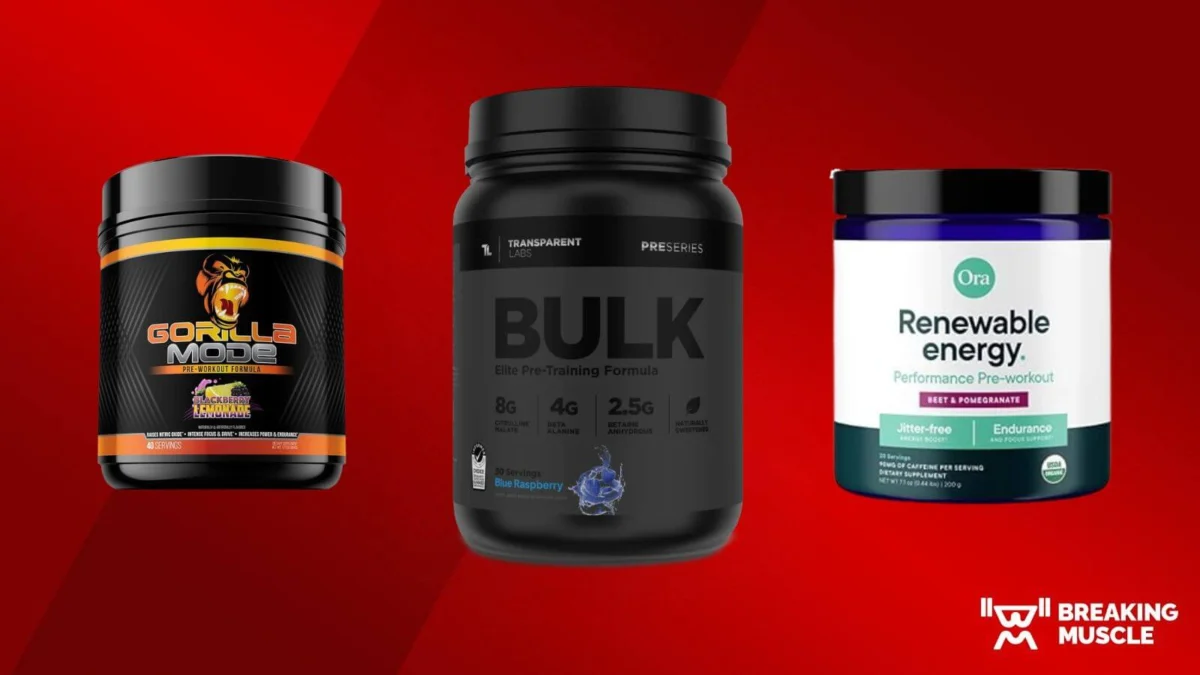
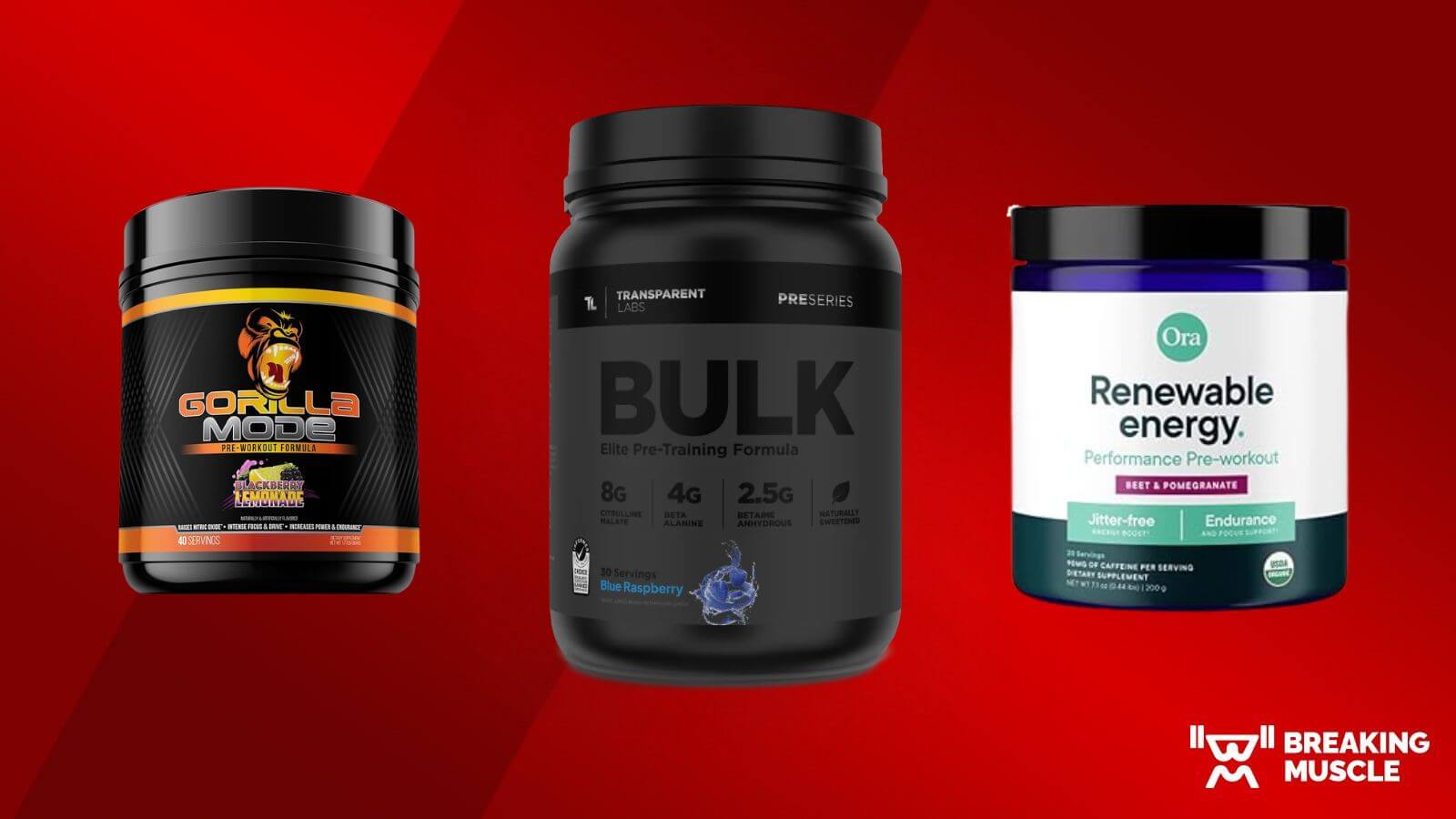
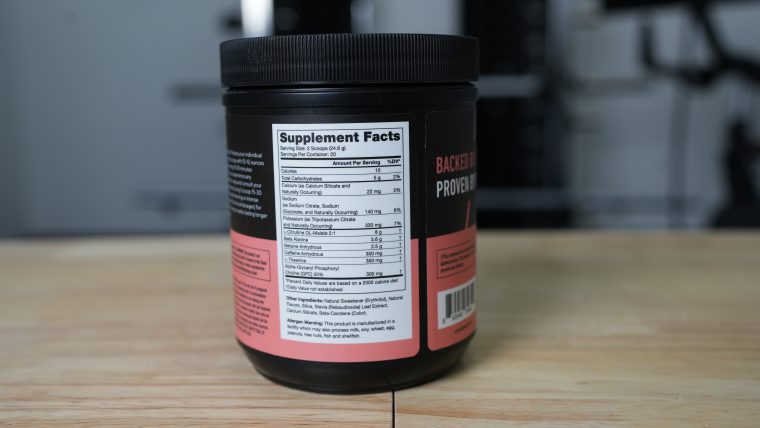
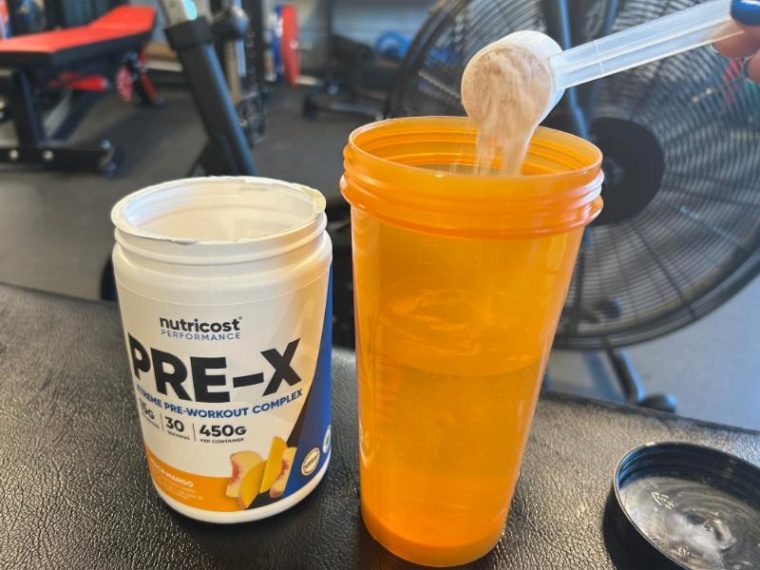
- For some, a pre-workout supplement can provide an additional edge, offering a boost in energy, focus, or muscular pump. These are optional tools to supplement a solid nutritional foundation, not replace it.
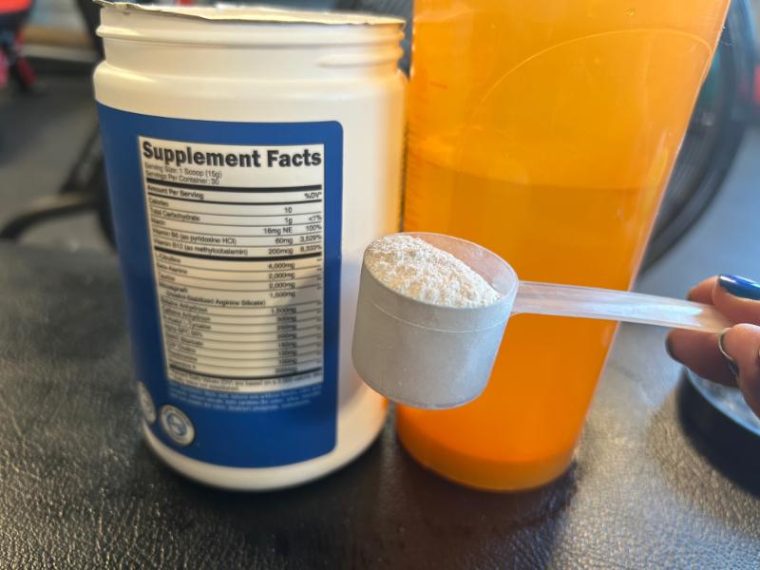
- Actionable Advice: If considering a pre-workout supplement, choose one with well-researched ingredients like caffeine (for energy and focus) and L-citrulline (for blood flow). Start with a half dose to assess your tolerance. Always prioritize whole-food nutrition first.
Intra-Workout Support: Sustaining Your Effort
For most moderate-duration workouts (under 60 minutes), water is sufficient. However, for longer, more intense, or endurance-based sessions, intra-workout fueling can be beneficial.

- Hydration: Continue to sip water regularly throughout your workout.
- Electrolytes: If sweating heavily, an electrolyte drink can prevent cramps and maintain fluid balance.
- Simple Carbohydrates: For workouts exceeding 60-90 minutes, a source of simple carbohydrates (e.g., diluted fruit juice, sports drink, energy gels) can help maintain blood sugar levels and delay fatigue.
- Practical Tip: Avoid heavy, fatty, or fiber-rich foods during your workout, as they can cause digestive upset.
Post-Workout Recovery: Rebuilding Stronger
The period immediately following your workout is crucial for recovery, muscle repair, and glycogen replenishment.
- The "Anabolic Window" (Practical Application): While the concept of a super-strict "anabolic window" is now understood to be less rigid than once thought, consuming protein and carbohydrates within 1-2 hours post-exercise is still highly beneficial.
- Protein: Provides amino acids for muscle repair and growth. Aim for 20-40 grams of high-quality protein.
- Example: A protein shake, chicken and rice, Greek yogurt, or scrambled eggs.
- Carbohydrates: Replenish glycogen stores that were depleted during exercise.
- Example: Fruits, rice, potatoes, or whole-grain bread.
- Practical Tip: Prepare your post-workout meal or shake in advance to ensure you fuel promptly after your session, especially when time is tight.
Beyond the Plate: Lifestyle Factors for Peak Performance
Fueling your body extends far beyond just food and drink. Lifestyle choices play an equally critical role in your ability to perform, recover, and adapt. Neglecting these areas can undermine even the most meticulous nutrition plan.
Quality Sleep: Your Ultimate Performance Enhancer
Sleep is not merely a period of inactivity; it’s an active process of repair, regeneration, and consolidation. It’s where true gains are made.
- Role in Recovery: During deep sleep, your body releases growth hormone, essential for muscle repair and growth. It also helps reduce inflammation and restore energy reserves.
- Hormone Regulation: Sleep impacts hormones that regulate appetite (ghrelin and leptin) and stress (cortisol). Poor sleep can lead to increased hunger and elevated cortisol, hindering fat loss and muscle gain.
- Cognitive Function: Adequate sleep improves focus, reaction time, and decision-making, all critical for effective training and injury prevention.
- Practical Tips for Improving Sleep Hygiene:
- Aim for 7-9 hours of quality sleep per night.
- Establish a consistent sleep schedule, even on weekends.
- Create a relaxing bedtime routine (e.g., warm bath, reading, meditation).
- Optimize your sleep environment: dark, quiet, and cool.
- Avoid caffeine and heavy meals close to bedtime.
- Limit screen time (phones, tablets, computers) at least an hour before bed.
Stress Management: The Silent Saboteur
Chronic stress, whether physical (from intense training) or mental (from work, life), can significantly impair your performance and recovery.
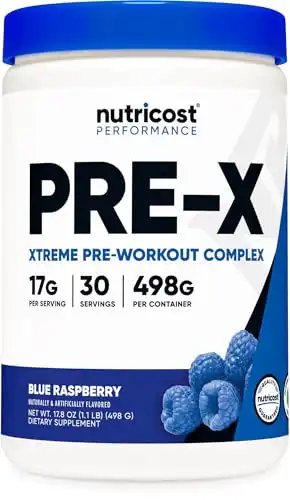
- Impact on Performance and Recovery: Elevated cortisol levels due to chronic stress can lead to muscle breakdown, increased fat storage (especially around the abdomen), reduced immune function, and impaired sleep. It can also diminish your motivation and mental clarity during workouts.
- Techniques for Stress Reduction:
- Mindfulness and Meditation: Even 10-15 minutes a day can reduce stress hormones and improve mental resilience.
- Deep Breathing Exercises: Simple techniques can calm the nervous system quickly.
- Hobbies and Relaxation: Engage in activities you enjoy outside of fitness to decompress.
- Nature Exposure: Spending time outdoors can significantly reduce stress levels.
- Practical Tip: Identify your primary stressors and develop coping mechanisms. Remember, rest days are not just for physical recovery; they are crucial for mental decompression.
Mindset and Consistency: The Mental Edge
Your physical capabilities are often limited by your mental approach. A strong, positive mindset, coupled with unwavering consistency, is the ultimate performance enhancer.
- Importance of Mental Resilience: The ability to push through discomfort, stay focused during challenging sets, and remain motivated when progress seems slow is paramount.
- Setting Realistic Goals: Break down large goals into smaller, achievable milestones. This fosters a sense of accomplishment and keeps you engaged.
- Celebrating Small Wins: Acknowledge your progress, no matter how minor. This reinforces positive habits and boosts morale.
- Consistency as the Key: There are no shortcuts to lasting fitness. Showing up, day in and day out, even when motivation wanes, is what separates those who succeed from those who give up.
- Practical Tip: Practice positive self-talk. Visualize success before your workouts. Keep a training journal to track progress, acknowledge effort, and identify areas for improvement.
Practical Strategies for Beginners and Intermediate Enthusiasts
Embarking on or progressing through a fitness journey can feel overwhelming. Here’s how to integrate these principles effectively.
Start Simple, Build Gradually
Don’t try to overhaul your entire life overnight. Small, sustainable changes yield the most significant long-term results.
- Focus on One Area at a Time: Start with improving your hydration, then move to consistent protein intake, then sleep.
- Track Your Progress: Use a journal or an app to log your food, water intake, workouts, and even sleep patterns. This awareness is a powerful tool for identifying areas for improvement.
- Actionable Advice: For the next week, focus solely on drinking 8-10 glasses of water daily. Once that’s consistent, add a protein source to every meal.
Listen to Your Body
Everyone is unique. What works perfectly for one person might not be ideal for another.
- Individual Differences: Your metabolism, activity level, stress, and genetics all influence your nutritional and recovery needs.
- Experiment and Adapt: Try different pre-workout meals or recovery strategies. Pay attention to how your body responds in terms of energy, digestion, and performance.
- Recognize Overtraining Signs: Persistent fatigue, poor sleep, decreased performance, and increased irritability can signal that you need more rest or a change in your fueling strategy.
- Practical Tip: If a specific food or supplement causes digestive discomfort or jitters, adjust or eliminate it. Your body provides constant feedback – learn to interpret it.
Seek Professional Guidance (Optional but Recommended)
While this guide provides a solid framework, personalized advice can accelerate your progress and prevent common pitfalls.
- When to Consider a Nutritionist or Coach: If you have specific dietary restrictions, health conditions, or advanced performance goals, a registered dietitian or certified nutrition coach can create a tailored plan. A personal trainer can refine your workout regimen.
- Benefits: Professional guidance offers accountability, expert knowledge, and personalized strategies to optimize your unique needs.
- Practical Tip: Research local professionals and schedule an initial consultation to discuss your goals and see if their approach aligns with yours.
Navigating the Supplement Landscape (General Advice)
Supplements, as the name suggests, are meant to supplement a well-rounded diet and healthy lifestyle, not replace them. They can be beneficial tools, but they are never the primary driver of success.
- Whole Foods Come First: Always prioritize nutrient-dense whole foods. No supplement can replicate the comprehensive benefits of a balanced diet.
- Common, Well-Researched Categories (Generic Examples):
- Protein Powder: A convenient way to increase protein intake, especially post-workout or when whole food options are limited.
- Creatine: One of the most studied supplements, known to enhance strength, power, and muscle mass, particularly for high-intensity, short-duration activities.
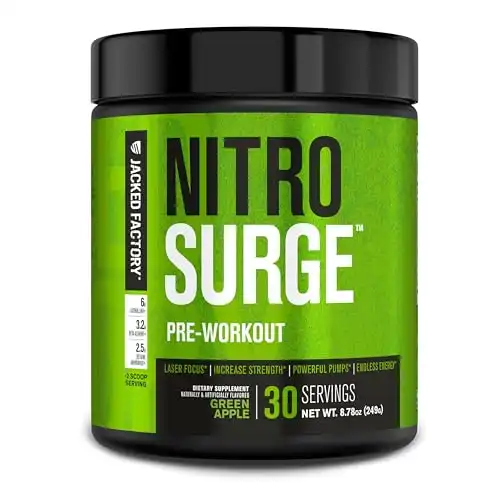
- A Pre-Workout Formula: As discussed, can offer an energy or focus boost for some individuals, but ingredients and individual tolerance vary widely.
- Omega-3 Fatty Acids: May support overall health, reduce inflammation, and aid in recovery.
- Prioritize Safety and Transparency:
- Third-Party Testing: Look for certifications from independent organizations (like NSF Certified for Sport or Informed-Sport). These ensure products are tested for purity, potency, and absence of banned substances. This is especially crucial for competitive athletes.
- Avoid Proprietary Blends: These blends often hide the exact dosages of individual ingredients, making it impossible to assess effectiveness or safety. Opt for products with fully disclosed ingredient lists.
- Consult a Professional: Before adding any new supplement to your regimen, especially if you have existing health conditions or are on medication, consult with a doctor or registered dietitian.
- Practical Tip: Approach supplements with a critical eye. Do your research, understand the purpose of each ingredient, and always choose reputable brands that prioritize transparency and third-party testing. Start with the basics and only add supplements if you identify a specific need that cannot be met through diet alone.
Final Thoughts: Is a Holistic Approach to Fueling Worth It?
The answer is an unequivocal yes. If you have significant fitness goals – whether it’s building muscle, increasing endurance, improving strength, or simply enhancing your overall well-being – embracing a holistic approach to fueling your body is not just "worth it," it’s absolutely essential.
While a targeted pre-workout supplement might give you a temporary burst of energy or focus, true, sustainable performance enhancement stems from a comprehensive strategy. This means consistently prioritizing nutrient-dense whole foods, staying impeccably hydrated, optimizing your sleep, actively managing stress, and cultivating an unyielding mindset. These pillars work synergistically to deliver not just performance-enhancing effects but also long-term health, resilience, and vitality.

Remember, even the most potent supplements on the market are merely tools. They are designed to support your efforts, not to perform the work for you. Your body is an incredible machine, capable of remarkable feats, but it demands consistent care, intelligent fueling, and dedicated attention.
Ultimately, becoming the strongest, healthiest version of yourself isn’t a destination; it’s a continuous journey of learning, adapting, and committed action. Take control of your nutrition, honor your body’s need for rest, cultivate a positive mindset, and show up consistently. By integrating these principles into your daily life, you won’t just fuel your workouts – you’ll empower every aspect of your existence, unlocking a level of performance and well-being you never thought possible. Your inner power awaits; go forth and ignite it.