In the ever-evolving landscape of fitness, where innovation meets tradition, certain pieces of equipment spark more debate than others. Among them, the Smith machine often stands in a unique spotlight. Frequently misunderstood and sometimes underestimated, this versatile piece of gym apparatus holds immense potential for individuals at all stages of their fitness journey, particularly those training in a home gym or seeking an extra layer of safety and precision.
For beginners, the Smith machine offers a controlled environment to learn fundamental movement patterns without the added challenge of balancing a free bar. For intermediate lifters, it can be a powerful tool for pushing past plateaus, safely performing heavier lifts, or isolating specific muscle groups with enhanced focus. This article will demystify the Smith machine, unveil its profound benefits, guide you through effective exercises, and equip you with the knowledge to integrate it seamlessly into your strength training regimen, transforming it from a mere fixture into your personal powerhouse.
Demystifying the Smith Machine: More Than Just a "Fixed Bar"
Often viewed with skepticism by proponents of free weights, the Smith machine is far more than just a simpler alternative to a barbell. It’s a specialized tool with unique characteristics that can significantly enhance your training.
What Exactly is a Smith Machine?
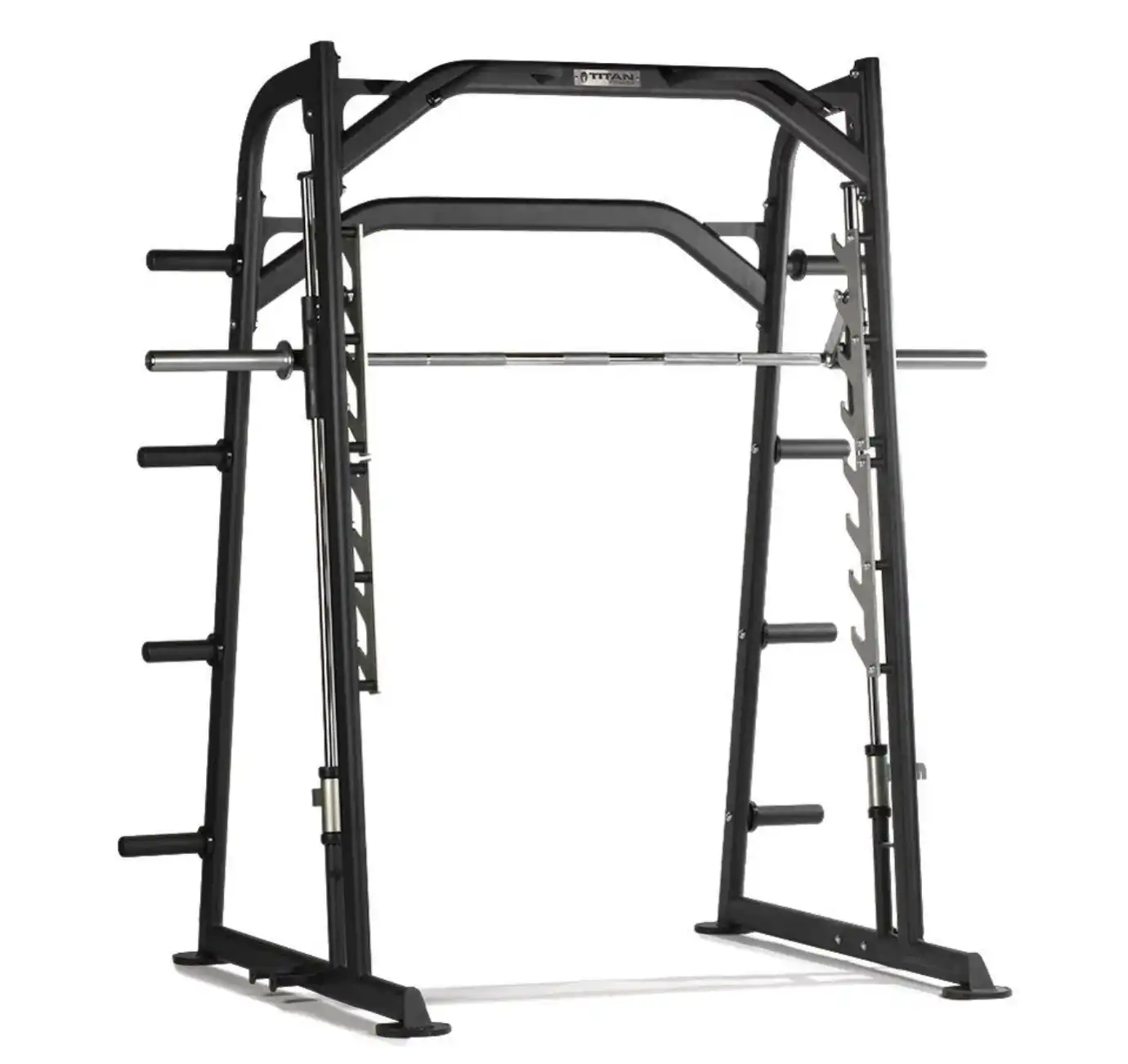
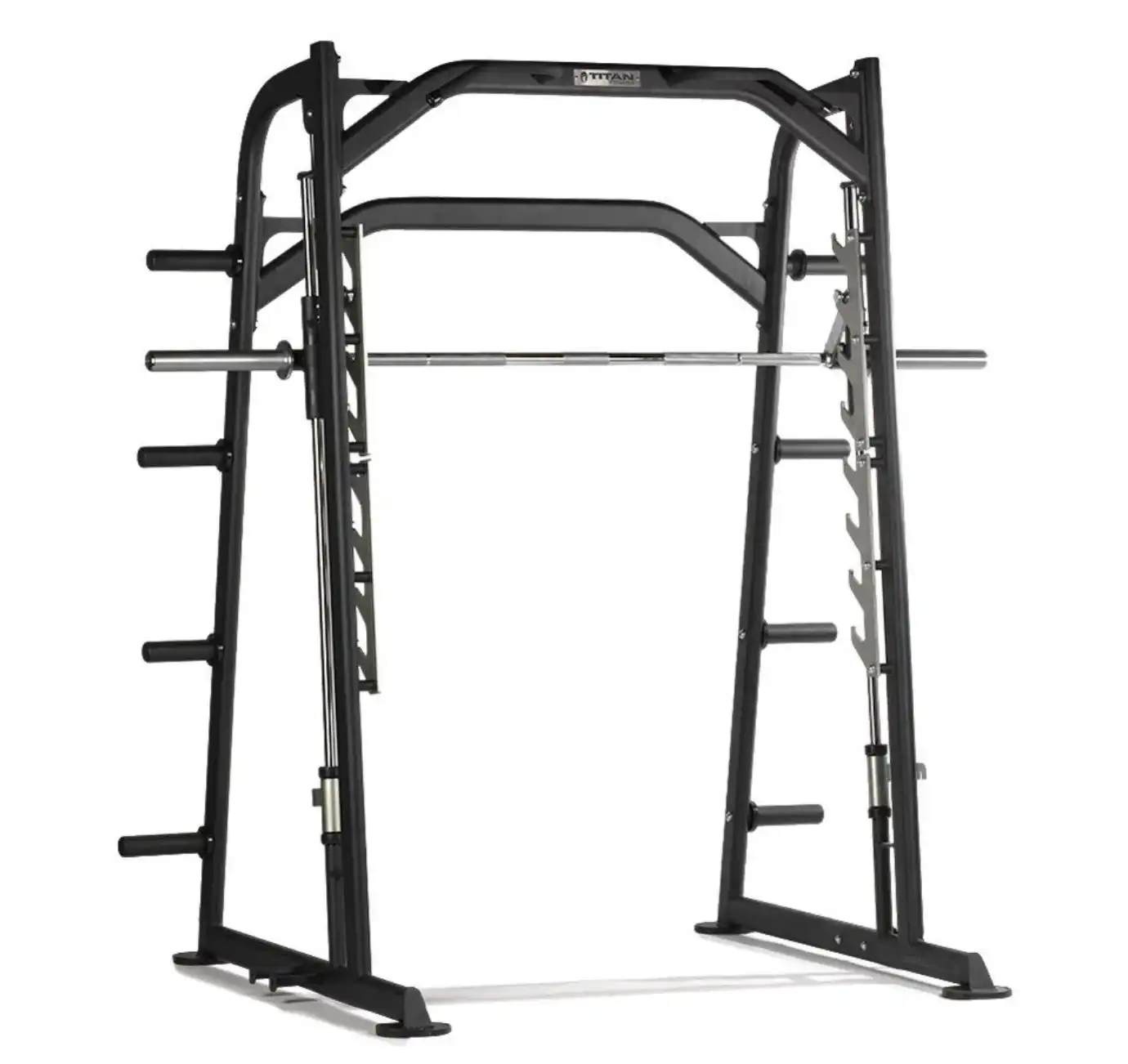
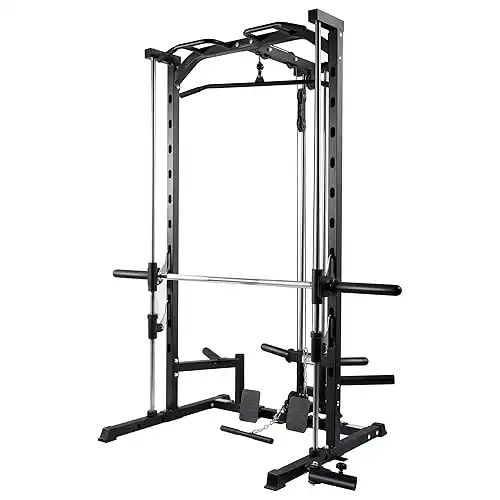
At its core, a Smith machine is a weight training apparatus that consists of a barbell fixed within steel rails, allowing only vertical or near-vertical movement. This guided path eliminates the need for horizontal stabilization, which is a key difference from free weights. The barbell also features multiple lockout points along the rails, enabling you to rack the weight at any stage of a lift with a simple twist of the wrist, providing an immediate safety net. Many models also include adjustable safety stoppers that can be set to prevent the bar from descending below a certain point, offering unparalleled security.
While its fixed path is its defining feature, it’s also the source of much discussion. Some argue it limits natural movement patterns, while others champion its ability to target muscles more directly. Understanding its mechanics is the first step to harnessing its full potential.
The Undeniable Advantages for Every Level
Far from being a "lesser" form of training, the Smith machine offers distinct advantages that cater to a wide range of fitness goals and experience levels.
-
Unrivaled Safety and Spotter-Free Training: This is arguably the most significant benefit, especially for home gym users or those training alone. The integrated safety catches and adjustable stoppers mean you can push your limits on exercises like bench presses or squats without the fear of getting pinned. Imagine confidently attempting a new personal best on a challenging lift, knowing a simple twist of the wrist or preset stoppers will secure the bar, making a spotter optional rather than essential. This peace of mind allows for greater intensity and focus.
-
Enhanced Form Focus: For beginners, learning complex compound movements like squats or deadlifts can be daunting. The Smith machine removes the balance component, allowing you to concentrate solely on the target muscle groups and the correct movement pattern. This enables you to ingrain proper biomechanics, develop a strong mind-muscle connection, and understand how to engage the right muscles without the added stress of stabilization. You can use lighter weights initially to truly "feel" the target muscle working through its full range of motion.
-
Superior Isolation and Targeted Muscle Activation: Because the stabilizing muscles are less engaged, the Smith machine allows for a more direct focus on the primary movers. This can be incredibly effective for isolating specific muscles that might be lagging or for pre-exhausting a muscle group before moving to compound free-weight exercises. For example, during a Smith machine squat, you can adjust your foot placement to emphasize quadriceps or glutes more effectively than with a traditional barbell.
-
Ideal for Rehabilitation and Progressive Overload: For individuals returning from injury (always consult with a medical professional and physical therapist first), the guided path provides a safe way to reintroduce load and build strength without compromising healing or stability. Moreover, the inherent safety makes it an excellent tool for meticulously applying the principle of progressive overload – gradually increasing the weight, reps, or sets over time. With the bar securely fixed, you can focus on incrementally increasing the challenge without worrying about technique breakdown due to instability.
-
Exceptional Versatility: Beyond the classic compound lifts, the Smith machine opens the door to a surprising array of exercises, from bodyweight movements to isolation work, making it a truly multi-functional piece of equipment for a comprehensive workout.
Foundational Movements: Building Your Smith Machine Arsenal
The Smith machine is capable of far more than just squats and bench presses. By understanding how to properly execute various movements, you can create a full-body workout that targets every major muscle group effectively.
Lower Body Power: Sculpting Strong Legs and Glutes
Developing a powerful lower body is crucial for overall strength, athleticism, and metabolic health. The Smith machine provides a stable platform for a variety of leg exercises.
- Smith Machine Squats: While different from free-weight squats, Smith machine squats can be highly effective.
- Practical Tip: Experiment with foot placement. Placing your feet slightly forward of the bar often feels more natural and allows for a deeper squat, emphasizing the quadriceps and glutes. Keep your chest up, core engaged, and drive through your heels.
- Smith Machine Lunges / Split Squats: The stability of the machine makes unilateral (one-sided) leg training safer and more focused.
- Practical Tip: Position yourself so the bar rests comfortably on your upper back. Step one foot forward or backward, ensuring your knee tracks over your toes. The fixed path allows you to focus purely on the lunge motion and muscle activation without balance concerns.
- Smith Machine Romanian Deadlifts (RDLs): Excellent for targeting the hamstrings and glutes while minimizing lower back strain.
- Practical Tip: Stand with your feet hip-width apart, knees slightly bent. Keep your back straight and push your hips back as you lower the bar, feeling a stretch in your hamstrings. The fixed path helps maintain a consistent bar trajectory, which is ideal for mastering the hip hinge.
- Smith Machine Calf Raises: A straightforward yet effective way to isolate and strengthen your calf muscles.
- Practical Tip: Place a small platform or weight plate under the balls of your feet to increase the range of motion. Lower your heels below the platform to stretch the calves, then push up onto your toes, squeezing at the top.
Upper Body Mastery: Developing a Powerful Torso and Arms
From chest and shoulders to back and arms, the Smith machine can facilitate significant upper body development.
- Smith Machine Bench Press (Flat, Incline, Decline): A staple for chest development, offering unparalleled safety.
- Practical Tip: Set the safety stoppers just above your chest to provide peace of mind. Focus on a controlled descent, feeling the stretch in your chest, and driving the bar up with power. Maintain a slight arch in your lower back and keep your shoulder blades retracted.
- Smith Machine Overhead Press: A stable way to build strong, sculpted shoulders.
- Practical Tip: Position a bench or stand directly under the bar. Keep your core tight and glutes squeezed to prevent excessive arching of your lower back. Press the bar straight up overhead, controlling the descent.
- Smith Machine Bent-Over Rows: Great for building back thickness and strength with reduced lower back involvement compared to free-weight rows.
- Practical Tip: Set the bar to a comfortable height. Bend at your hips with a slight knee bend, keeping your back flat. Pull the bar towards your lower abdomen, squeezing your shoulder blades together at the top of the movement.
- Smith Machine Close-Grip Bench Press / Triceps Extensions: Excellent for isolating the triceps for arm development.
- Practical Tip: For close-grip bench, use a narrower grip than usual for bench press. For triceps extensions, lie on a bench, grip the bar, and extend it over your head, bending only at the elbows to lower the bar towards your forehead, then extending back up.
Core and Beyond: Stabilizing Your Center
Beyond the major muscle groups, the Smith machine can also be used for effective core and accessory work.
- Smith Machine Hip Thrusts: An incredibly effective exercise for glute activation and development.
- Practical Tip: Sit on the floor with your upper back against a bench. Roll the padded bar over your hips. Drive through your heels, lifting your hips towards the ceiling and squeezing your glutes powerfully at the top. Use a pad for comfort.
- Smith Machine Inverted Rows: A fantastic bodyweight exercise for back strength, made adjustable by varying your foot placement.
- Practical Tip: Lie under the bar, grip it with hands slightly wider than shoulder-width. The closer your feet are to the bar (or if your feet are elevated), the harder the exercise. Pull your chest towards the bar, squeezing your shoulder blades.
Crafting Your Smith Machine Workout: Principles for Success
Having a repertoire of exercises is just the beginning. To truly maximize your Smith machine workouts, you need to apply sound training principles.
Warm-Up and Cool-Down: Non-Negotiables for Every Session
Never skip these crucial phases of your workout.
- Warm-Up: Begin with 5-10 minutes of light cardio (e.g., jumping jacks, light jogging) to elevate your heart rate and prepare your muscles. Follow this with dynamic stretches that mimic the movements you’ll be performing, such as arm circles, leg swings, and torso twists.
- Cool-Down: After your workout, spend 5-10 minutes on static stretches, holding each stretch for 20-30 seconds. This helps improve flexibility, reduce muscle soreness, and aid in recovery.
The Power of Progressive Overload on the Smith Machine
Progressive overload is the fundamental principle of muscle growth and strength gain. It means consistently challenging your muscles to do more than they’re accustomed to.
- How to Apply It:
- Increase Weight: The most common method. Once you can comfortably perform your target reps with good form, add a small amount of weight.
- Increase Reps: If you can’t increase weight, try to perform one or two more repetitions within your target range.
- Increase Sets: Add an extra set to an exercise.
- Decrease Rest Time: Shorten the rest periods between sets to increase intensity.
- Improve Tempo: Control the eccentric (lowering) phase of an exercise, making it slower and more deliberate to increase time under tension.
- Practical Tip: Keep a workout journal. Tracking your lifts, reps, and weights is vital to ensure you are consistently progressing and not just going through the motions.
Mastering Form Over Weight: Your Golden Rule
While the Smith machine aids in form, it doesn’t guarantee it. Prioritize perfect technique over lifting heavy weights.
- Focus on Muscle Contraction: Instead of just moving the bar, concentrate on feeling the target muscle work through the entire range of motion. This mind-muscle connection is key for effective muscle stimulation.
- Reduce Weight if Form Breaks Down: If you find yourself compensating, using momentum, or losing control, the weight is too heavy. Ego lifting leads to injury, not gains.
Integrating with Free Weights and Bodyweight (If Applicable)
While the Smith machine is excellent, it’s generally best used as part of a more comprehensive fitness program.
- Complement, Don’t Replace: The fixed path, while beneficial for focus, does reduce the activation of crucial stabilizer muscles. If possible, integrate free-weight exercises (dumbbells, kettlebells) and bodyweight movements into your routine. These challenge your body in different planes and build functional strength.
- Develop Stabilizer Muscles: Exercises like dumbbell rows, goblet squats, and push-ups will help strengthen the supporting muscles that the Smith machine might neglect.
Listen to Your Body: Avoiding Overtraining and Injury
Consistency is paramount, but so is smart training.
- Prioritize Rest and Recovery: Muscle growth happens during rest, not just in the gym. Aim for 7-9 hours of quality sleep per night.
- Fuel Your Body: Proper nutrition, including adequate protein, carbohydrates, and healthy fats, is essential for muscle repair and energy.
- Recognize Signs of Overtraining: Persistent fatigue, decreased performance, prolonged muscle soreness, irritability, and sleep disturbances are all red flags. Take a deload week or extra rest days if needed.
Common Pitfalls and How to Avoid Them
To truly get the most out of your Smith machine training, it’s important to be aware of potential drawbacks and how to mitigate them.
Over-Reliance on the Fixed Path
The Smith machine’s greatest strength can also become a weakness if it’s the only tool you use.
- Solution: Integrate variety. While dedicated Smith machine phases can be highly effective, ensure your overall training program includes movements that challenge your body in different ways, such as dumbbell exercises, resistance band work, or bodyweight training.
Neglecting Stabilizer Muscles
The fixed bar path means your body doesn’t need to work as hard to stabilize the weight.

- Solution: Supplement your Smith machine workouts with exercises that specifically target stabilizer muscles. For example, if you do Smith machine bench press, also incorporate dumbbell chest presses. If you do Smith machine squats, include goblet squats or single-leg balance exercises. This ensures balanced development and reduces the risk of imbalances that could lead to injury.
Improper Setup and Safety
Despite its inherent safety features, improper setup can still lead to accidents.
- Solution: Always double-check your safety catches and stoppers. Ensure they are securely locked and set at the appropriate height for the exercise. Use barbell collars to secure weight plates. A few extra seconds of diligent setup can prevent a major accident.
Ignoring Proper Foot Placement (Especially for Squats and RDLs)
The fixed bar path can sometimes encourage unnatural movement patterns if foot placement isn’t optimized.
- Solution: For squats, experiment with placing your feet slightly forward of the bar. For RDLs, ensure your hips are driving back, not just your back rounding forward. Pay attention to what feels natural and biomechanically sound for your body, rather than forcing a rigid position.
Real-Life Application: A Sample Workout Plan
Here’s a sample full-body workout designed for beginners to intermediate fitness enthusiasts, showcasing how to effectively use the Smith machine. Perform this routine 2-3 times per week, with at least one rest day in between.
Warm-Up (5-10 minutes):
- Light cardio (e.g., marching in place, arm circles)
- Dynamic stretches (e.g., torso twists, leg swings)
The Smith Machine Power Circuit:
- Smith Machine Squats:
- Sets: 3
- Reps: 8-12
- Notes: Feet slightly forward of the bar, focus on controlled descent and driving through heels. Set safety stoppers.
- Smith Machine Bench Press (Flat):
- Sets: 3
- Reps: 8-12
- Notes: Lie on a flat bench. Ensure safety stoppers are set just above your chest. Focus on chest contraction.
- Smith Machine Bent-Over Rows:
- Sets: 3
- Reps: 8-12
- Notes: Hinge at hips, flat back, pull bar to lower abdomen, squeeze shoulder blades.
- Smith Machine Overhead Press:
- Sets: 3
- Reps: 8-12
- Notes: Use a bench or stand. Keep core tight, press overhead, control descent.
- Smith Machine Lunges:
- Sets: 3 per leg
- Reps: 10-15 per leg
- Notes: Focus on stability and deep lunge. Alternate legs or complete all reps on one side before switching.
- Smith Machine Calf Raises:
- Sets: 3
- Reps: 15-20
- Notes: Use a small platform for increased range of motion. Focus on full stretch and powerful contraction.
Cool-Down (5-10 minutes):
- Static stretches targeting chest, back, shoulders, quads, hamstrings, and calves. Hold each stretch for 20-30 seconds.
Rest: Take 60-90 seconds rest between sets. Adjust weight as needed to maintain good form within the rep range. Remember to progressively overload by increasing weight or reps over time.
Conclusion: Your Journey to a Stronger Self
The Smith machine, when understood and utilized correctly, is an incredibly valuable asset in any fitness regimen. Far from being a mere compromise, it offers a unique blend of safety, precision, and versatility that can accelerate your progress, especially for beginners establishing foundational strength and intermediates seeking to push their limits securely.
By embracing its benefits – from spotter-free training and enhanced form focus to targeted muscle isolation and safe progressive overload – you can transform your workouts and unlock new levels of strength and confidence. Remember to prioritize proper form, listen to your body, and integrate the Smith machine thoughtfully into a balanced program that also nurtures your stabilizer muscles.
Your journey to a stronger, more capable self is a continuous evolution. Let the Smith machine be a powerful and reliable guide on this path, empowering you to train smarter, safer, and with greater purpose. Embrace the process, celebrate your progress, and commit to the consistent effort that will sculpt the stronger, more resilient you.