The journey to lasting fitness is a profound undertaking, one that promises not just a sculpted physique but also a fortified mind and an invigorated spirit. For many, the initial steps can feel overwhelming, a maze of conflicting advice, intense workout regimens, and restrictive diets. But the truth is, enduring fitness isn’t about chasing fleeting trends or punishing your body; it’s about cultivating a sustainable, holistic lifestyle that integrates physical training, smart nutrition, mental fortitude, and intentional recovery.
This article is your comprehensive guide to navigating that journey, whether you’re taking your very first step or looking to deepen your existing commitment. We’ll demystify the core components of a well-rounded fitness plan, providing actionable advice, practical tips, and real-life examples designed for beginners and intermediate enthusiasts alike. Our goal is to empower you to build a foundation that supports not just short-term gains, but a lifetime of strength, stamina, and resilience.
Laying the Foundation: Understanding Your Fitness Blueprint
Before you even tie your shoelaces or prepare a healthy meal, the most crucial step is to understand why you’re embarking on this journey. Your motivation is your compass, guiding you through challenges and keeping you aligned with your long-term vision.
Defining Your "Why": Fueling Your Motivation
What truly drives you to seek fitness? Is it to chase a specific aesthetic, improve your health markers, keep up with your children, or simply feel more energetic throughout your day? Pinpointing your intrinsic motivators will make your fitness journey far more meaningful and resilient.
Actionable Advice: Set SMART Goals
Avoid vague aspirations like "I want to get fit." Instead, define your goals using the SMART framework:
- Specific: What exactly do you want to achieve? (e.g., "I want to be able to do 10 push-ups on my toes.")
- Measurable: How will you track your progress? (e.g., "I will track my push-up count weekly.")
- Achievable: Is this goal realistic given your current abilities and resources? (e.g., "Starting with knee push-ups and progressing.")
- Relevant: Does this goal align with your overall "why" and values? (e.g., "It will help me feel stronger and more confident.")
- Time-bound: When do you plan to achieve this? (e.g., "Within 12 weeks.")
Real-Life Example:
Imagine Sarah, a busy professional. Her initial "why" was vague: "I want to lose some weight." This often led to short bursts of effort followed by burnout. After reflecting, she redefined her "why": "I want to have enough energy to play actively with my kids without getting winded, and reduce my stress levels." Her SMART goal became: "I will walk briskly for 30 minutes, 4 times a week, and complete a beginner strength routine twice a week for the next 8 weeks, aiming to feel less tired by the end of it." This shift transformed her approach, making her efforts more consistent and enjoyable.
The Pillars of Holistic Fitness
Enduring fitness isn’t built on a single pillar but on a robust integration of several key components. Neglecting any one of these can undermine your overall progress and well-being.
- Strength Training: Building and maintaining muscle mass, improving bone density, boosting metabolism, and enhancing functional movement for daily life.
- Cardiovascular Health: Strengthening your heart and lungs, improving endurance, and boosting overall energy levels.
- Flexibility and Mobility: Increasing range of motion, preventing injuries, and improving posture.
- Nutrition: Fueling your body with the right macronutrients and micronutrients to support energy, recovery, and overall health.
- Recovery: Allowing your body to repair and adapt through adequate sleep and rest, preventing overtraining and burnout.
- Mental Well-being: Cultivating a positive mindset, managing stress, and fostering discipline and self-compassion throughout your journey.
By addressing each of these pillars, you create a comprehensive and resilient fitness blueprint that supports not just physical changes but a profound improvement in your quality of life.
Forge Your Strength: The Power of Resistance Training
Resistance training, often referred to as strength training, is a non-negotiable component of any effective fitness regimen. It’s not just for bodybuilders; it’s for everyone seeking to build a stronger, more resilient body, improve bone health, boost metabolism, and enhance functional movement.
Getting Started with Resistance: Bodyweight and Free Weights
For beginners, the world of strength training can seem intimidating. The key is to start simple, focus on fundamental movements, and prioritize proper form over heavy weight. Bodyweight exercises are an excellent entry point, requiring no equipment and building foundational strength. As you progress, free weights (like dumbbells and kettlebells) or resistance bands offer scalable challenges.
Practical Tips for Beginners:
- Form Over Weight: Always prioritize correct technique. Poor form can lead to injury and negate the benefits of the exercise. Watch instructional videos, consider a session with a qualified trainer, or use mirrors to check your posture.
- Progressive Overload: To continue getting stronger, you must gradually increase the demand placed on your muscles. This can be done by:
- Increasing repetitions (e.g., from 8 to 12).
- Increasing sets (e.g., from 2 to 3).
- Increasing the weight you lift.
- Decreasing rest time between sets.
- Increasing the difficulty of the exercise (e.g., from knee push-ups to full push-ups).
- Listen to Your Body: Some muscle soreness (Delayed Onset Muscle Soreness or DOMS) is normal after a new workout, but sharp pain is a warning sign. Don’t push through pain.
- Consistency is Key: Aim for 2-3 strength training sessions per week on non-consecutive days to allow for muscle recovery.
Real-Life Example:
Consider Alex, who started his strength journey feeling weak. He began with simple bodyweight exercises: wall push-ups, chair squats, and planks. After a few weeks, he could do knee push-ups and deeper bodyweight squats. He then invested in a pair of light dumbbells, incorporating goblet squats and dumbbell rows. His confidence soared as he felt stronger in everyday tasks, like carrying groceries or lifting his dog.
Sample Beginner Full-Body Workout Plan (2-3 times per week):
- Warm-up (5-10 minutes): Light cardio (jogging in place, jumping jacks) and dynamic stretches (arm circles, leg swings).
- Workout: Perform 2-3 sets of 8-12 repetitions for each exercise, resting 60-90 seconds between sets.
- Goblet Squats: Hold a dumbbell vertically against your chest. Stand with feet shoulder-width apart, toes slightly out. Lower hips as if sitting in a chair, keeping chest up.
- Dumbbell Rows: Place one hand and knee on a bench or sturdy surface. Hold a dumbbell in the other hand, letting it hang. Pull the dumbbell up towards your hip, squeezing your shoulder blade.
- Push-ups: On knees or toes, hands slightly wider than shoulder-width. Lower chest towards the floor, then push back up.
- Reverse Lunges: Hold dumbbells at your sides (optional). Step one leg back, lowering hips until both knees are bent at 90 degrees. Push back to start. Alternate legs.
- Plank: Hold a straight line from head to heels, engaging your core, on forearms and toes (or knees for modification). Hold for 30-60 seconds.
- Cool-down (5-10 minutes): Static stretches (holding stretches for 20-30 seconds), focusing on major muscle groups worked.
Progressing Your Strength: Intermediate Strategies
Once you’ve mastered the basics and built a solid foundation, it’s time to strategically increase the challenge to continue making gains.
Actionable Advice for Intermediate Lifters:
- Increase Intensity: Gradually increase the weight you lift while maintaining excellent form.
- Increase Volume: Add more sets or reps to your exercises, or incorporate more exercises into your routine.
- Explore Compound Lifts: Incorporate multi-joint exercises like deadlifts, overhead presses, and bench presses. These movements work multiple muscle groups simultaneously, leading to greater strength and muscle development. Always seek professional guidance when learning these complex lifts to ensure safety and proper technique.
- Vary Your Training: Introduce new exercises, change rep ranges, or experiment with different training methods (e.g., supersets, drop sets) to keep your muscles challenged and prevent plateaus.
- Consider a Split Routine: Instead of full-body workouts every session, you might try splitting your training days (e.g., upper body/lower body split, push/pull/legs split) to allow for more focused work on specific muscle groups and ample recovery.
- Track Your Progress Diligently: Keep a workout journal (physical or app-based) to record exercises, sets, reps, and weights. This allows you to see your progress, identify plateaus, and plan future workouts effectively.
Remember, strength training is a marathon, not a sprint. Celebrate every small increase in weight or extra rep, and understand that consistent effort yields lasting results.
Ignite Your Stamina: Mastering Cardiovascular Health
While strength training builds power, cardiovascular training, or cardio, builds endurance and fortifies your most vital organ: your heart. A strong heart and healthy lungs translate to more energy, better stress management, and a reduced risk of various health conditions.
Finding Your Rhythm: Types of Cardio
Cardio comes in many forms, offering flexibility and variety to suit your preferences and fitness level.

- LISS (Low-Intensity Steady State): This involves maintaining a moderate, consistent effort for an extended period. Examples include brisk walking, light jogging, cycling at a steady pace, swimming, or using an elliptical machine.
- Benefits: Excellent for beginners, burns fat efficiently, promotes recovery, and is low impact on joints.
- HIIT (High-Intensity Interval Training): This involves short bursts of intense exercise followed by brief recovery periods. Examples include sprint intervals, high-intensity cycling, or circuit training with minimal rest.
- Benefits: Highly time-efficient, boosts metabolism, improves cardiovascular fitness rapidly.
- Caution: More demanding, requires a good fitness base, and should be introduced gradually to avoid injury.
Actionable Advice:
- Start Slow, Build Gradually: If you’re new to cardio, begin with LISS activities. A 20-minute brisk walk three times a week is a fantastic starting point.
- Listen to Your Body: Pay attention to your breathing and heart rate. You should be able to hold a conversation during LISS, but during HIIT, speaking should be difficult.
- Mix It Up: Incorporating both LISS and HIIT into your routine can provide comprehensive cardiovascular benefits. For example, two LISS sessions and one HIIT session per week.
Integrating Cardio into Your Routine
The key to consistent cardio is finding activities you enjoy and making them a regular part of your week.
Practical Tips:
- Aim for 150 minutes of moderate-intensity cardio or 75 minutes of vigorous-intensity cardio per week. This can be broken down into manageable chunks (e.g., 30 minutes, 5 times a week).
- Schedule It: Just like any important appointment, block out time for your cardio sessions in your calendar.
- Find a Partner: Exercising with a friend can increase accountability and enjoyment.
- Explore Outdoors: Walking, running, hiking, or cycling outdoors can be a refreshing way to get your cardio in and connect with nature.
Real-Life Example:
Maria initially hated cardio, finding treadmills monotonous. She started by committing to a 25-minute brisk walk around her neighborhood during her lunch break. After a month, she felt her endurance improving. She then joined a local cycling group for weekend rides, which introduced a social element and made cardio fun. On busier days, she’d do a 15-minute HIIT circuit at home, realizing she could fit effective workouts into short windows. This variety kept her engaged and her heart healthy.
Progression for Intermediate Cardio:
- Increase Duration: Gradually extend your LISS sessions.
- Increase Intensity: Pick up your pace, find hillier routes, or increase resistance on machines.
- Introduce Intervals: If doing LISS, try adding short bursts of higher intensity (e.g., speed up for 1 minute every 5 minutes).
- Vary Activities: Keep your body guessing and prevent boredom by trying different forms of cardio – dance classes, swimming, hiking, or sports.
Consistency in cardiovascular training will not only improve your physical performance but also significantly enhance your overall energy levels and sense of well-being.
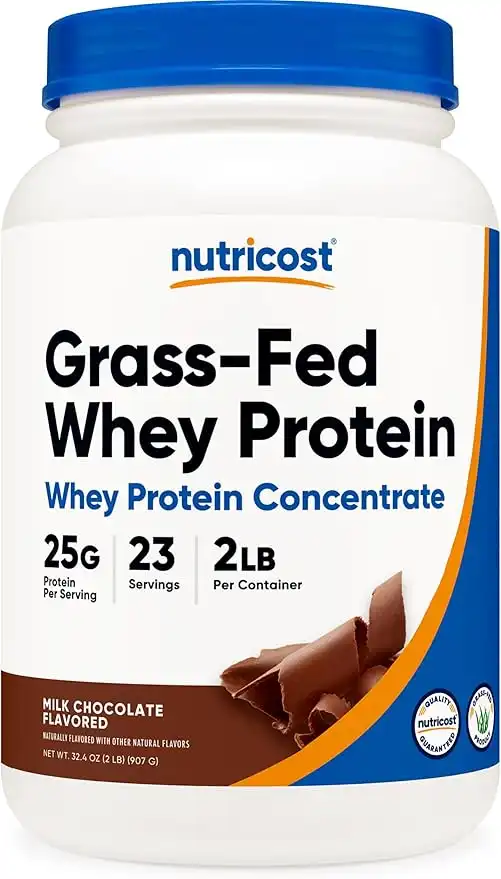
Fueling Your Engine: Strategic Nutrition for Performance and Recovery
You can train like an athlete, but without proper nutrition, your progress will be severely limited. Nutrition is the foundation upon which all physical gains are built, influencing everything from energy levels and muscle repair to mood and immunity. It’s not about deprivation, but about nourishing your body intelligently.
Macronutrients: The Big Three
Understanding the role of protein, carbohydrates, and fats is fundamental to strategic eating.
- Proteins: The building blocks of muscle, enzymes, and hormones. Essential for muscle repair and growth, especially after strength training. Protein also promotes satiety, helping you feel full and manage appetite.
- Sources: Lean meats (chicken, turkey, beef), fish, eggs, dairy (yogurt, cottage cheese), legumes (beans, lentils), tofu, tempeh, quinoa.
- Carbohydrates: Your body’s primary source of energy. They fuel your workouts and replenish glycogen stores in your muscles, aiding recovery. Choose complex carbohydrates for sustained energy.
- Sources: Whole grains (oats, brown rice, whole-wheat bread), fruits, vegetables, sweet potatoes.
- Fats: Crucial for hormone production, nutrient absorption (especially fat-soluble vitamins A, D, E, K), and providing concentrated energy. Focus on healthy unsaturated fats.
- Sources: Avocados, nuts, seeds, olive oil, fatty fish (salmon, mackerel).
Actionable Advice: Balance and Whole Foods First
Aim for a balanced plate at each meal, incorporating a source of lean protein, complex carbohydrates, and healthy fats. Prioritize whole, unprocessed foods over highly processed alternatives. Think about what you can add to your diet rather than what you must remove.
Micronutrients and Hydration
While macronutrients provide energy and building blocks, micronutrients (vitamins and minerals) are essential catalysts for countless bodily functions, and hydration keeps everything running smoothly.
- Micronutrients: Found abundantly in fruits, vegetables, and whole grains. They play vital roles in energy production, immune function, bone health, and more. A diverse intake of colorful produce ensures you get a broad spectrum.
- Hydration: Water is crucial for nutrient transport, temperature regulation, joint lubrication, and preventing fatigue. Dehydration can significantly impair performance and cognitive function.
- Guideline: Aim for at least 8 glasses (around 2 liters) of water daily, increasing intake with exercise or in hot weather.
Practical Eating Strategies
Sustainable nutrition is about developing habits, not following rigid rules.
- Meal Timing (Flexibility is Key): While the "anabolic window" post-workout is often discussed, total daily protein intake and consistency are generally more important for most beginners and intermediates. Aim to space your protein intake throughout the day (e.g., 20-40 grams per meal) to optimize muscle protein synthesis.
- Portion Control Awareness: Learn to recognize appropriate portion sizes for your goals. Use your hand as a rough guide: a palm-sized portion of protein, a cupped hand of carbohydrates, a thumb-sized portion of healthy fats, and unlimited non-starchy vegetables.
- Mindful Eating: Pay attention to your body’s hunger and fullness cues. Eat slowly, savor your food, and minimize distractions. This can help prevent overeating and improve digestion.
- Plan Ahead: Meal prepping or simply planning your meals a few days in advance can prevent impulsive, unhealthy food choices when hunger strikes.
- Avoid Restrictive Diets: Severely restrictive diets are rarely sustainable and can lead to nutrient deficiencies or rebound eating. Focus on sustainable, healthy patterns that you can maintain long-term.
- Strategic Snacking: If you need snacks, choose nutrient-dense options like a piece of fruit with a handful of nuts, Greek yogurt, or vegetable sticks with hummus.
Remember, nutrition is a journey of learning and adaptation. Small, consistent improvements in your eating habits will yield significant long-term benefits for your fitness and overall health.
The Unsung Heroes: Recovery, Mobility, and Mental Fortitude
Often overlooked in the pursuit of fitness are the critical elements of recovery, mobility, and mental resilience. These aren’t supplementary; they are integral to preventing injury, optimizing performance, and sustaining motivation.
Prioritizing Recovery: Sleep and Active Rest
Your body doesn’t get stronger during your workout; it gets stronger during recovery. Adequate rest allows your muscles to repair, adapt, and grow, while also replenishing energy stores.
- The Power of Sleep: Aim for 7-9 hours of quality sleep per night. During deep sleep, your body releases growth hormone, essential for muscle repair and fat metabolism. Poor sleep can impair performance, increase injury risk, and disrupt hunger hormones.
- Practical Tips for Better Sleep: Establish a consistent sleep schedule, create a dark and cool sleep environment, limit screen time before bed, and avoid heavy meals or caffeine close to bedtime.
- Active Recovery: On rest days, instead of being completely sedentary, engage in light activities that promote blood flow without adding stress.
- Examples: Gentle stretching, foam rolling, light walking, yoga, or a leisurely swim. These activities help reduce muscle soreness and improve flexibility.
Enhancing Mobility and Flexibility
Mobility refers to the range of motion at your joints, while flexibility is the ability of your muscles to lengthen. Both are crucial for injury prevention, improving exercise form, and enhancing daily functional movement.
- Dynamic Warm-ups: Before your workout, perform dynamic stretches (movements that take your body through a range of motion) to prepare your muscles and joints.
- Examples: Arm circles, leg swings, torso twists, cat-cow stretches.
- Static Stretching: After your workout, hold static stretches (holding a stretch for 20-30 seconds) to improve flexibility and aid in muscle recovery. Focus on the muscles you’ve just worked.
- Yoga and Pilates: These practices are excellent for improving overall mobility, flexibility, core strength, and body awareness.
- Foam Rolling: Using a foam roller can help release muscle knots and improve tissue elasticity, reducing soreness and improving mobility.
Cultivating a Resilient Mindset
Fitness is as much a mental game as it is a physical one. Your mindset determines how you approach challenges, setbacks, and plateaus.
- Overcoming Plateaus and Setbacks: Everyone experiences periods where progress slows or life throws a curveball. Instead of viewing these as failures, see them as opportunities to learn and adapt. Re-evaluate your training, nutrition, or recovery.
- The Power of Consistency Over Perfection: Don’t let the pursuit of a perfect workout or diet derail your efforts. A good, consistent effort is always better than an occasional perfect one. Missed a workout? Just get back on track with the next one. Had an unhealthy meal? Make your next one nutritious.
- Celebrate Small Victories: Acknowledge and celebrate every milestone, no matter how small. Being able to do one more push-up, walk an extra 5 minutes, or choose a healthy snack—these small wins build momentum and reinforce positive habits.
- Practice Self-Compassion: Be kind to yourself. The fitness journey is personal, with ups and downs. Treat yourself with the same encouragement and understanding you would offer a friend.
- Mindfulness and Stress Management: Incorporate practices like meditation, deep breathing, or spending time in nature to manage stress. Chronic stress can negatively impact your physical health, recovery, and motivation.
By embracing these unsung heroes—recovery, mobility, and mental fortitude—you build a truly integrated and sustainable path to enduring fitness.
Actionable Steps for Your Fitness Journey
Now that you understand the integrated path, here are concrete steps to put knowledge into action:
- Start Small, Stay Consistent: Don’t try to overhaul everything at once. Pick one or two areas to focus on first (e.g., commit to three 30-minute walks a week, or add a serving of vegetables to every meal). Consistency in small habits builds lasting change.
- Seek Guidance (When Needed): If you’re unsure about proper form for exercises or need a personalized plan, consider investing in a few sessions with a certified personal trainer. For nutrition, a registered dietitian can provide tailored advice. Reliable online resources and educational content can also be invaluable.
- Listen to Your Body: This is paramount. Learn to differentiate between muscle fatigue and pain. Respect your body’s need for rest, and adjust your workouts when you’re feeling unwell or overly fatigued.
- Track Your Progress: Whether it’s logging your workouts, taking progress photos, or simply noting how your clothes fit, tracking provides tangible evidence of your hard work and keeps you motivated.
- Make It Enjoyable: Fitness shouldn’t be a chore. Experiment with different activities until you find something you genuinely look forward to. This could be dancing, hiking, playing a sport, or group fitness classes. The more you enjoy it, the more likely you are to stick with it.
- Be Patient and Persistent: Results don’t happen overnight. There will be good days and challenging days. Trust the process, remain persistent, and celebrate the journey itself.
Conclusion: Embrace the Lifelong Transformation
The path to enduring fitness is not a destination, but a continuous journey of self-discovery, growth, and empowerment. It’s about much more than physical appearance; it’s about building a body that serves you well, a mind that is resilient, and a spirit that is vibrant. By embracing the integrated pillars of strength, stamina, strategic nutrition, thoughtful recovery, and unwavering mental fortitude, you are not just exercising; you are investing in a richer, healthier, and more fulfilling life.
Remember, every step, no matter how small, moves you forward. Begin today, stay consistent, be kind to yourself, and celebrate the incredible capabilities of your body. Your integrated path to enduring fitness is waiting – step onto it with confidence, and unlock the powerful, resilient individual you are meant to be.