The fitness world is often a whirlwind of fleeting trends, extreme diets, and promises of overnight transformations. From celebrity workout fads to miracle supplements, the sheer volume of information can be overwhelming, leaving many feeling lost before they even begin. But what if the secret to lasting fitness isn’t found in the latest craze, but rather in a return to timeless, foundational principles?
This article isn’t about quick fixes or revolutionary shortcuts. It’s about empowering you to build a robust, sustainable fitness journey that transcends temporary goals and integrates seamlessly into your life. Whether you’re just starting your fitness adventure or looking to reignite your progress, we’ll explore the core pillars of physical well-being: a resilient mindset, effective movement, nourishing nutrition, and restorative recovery. By understanding and consistently applying these fundamentals, you’ll not only achieve your immediate fitness aspirations but also forge a path to lifelong health, vitality, and unwavering confidence. Let’s strip away the noise and discover the simple, powerful truths that pave the way for a truly enduring transformation.
The Unshakeable Pillars of Foundational Fitness
Sustainable fitness isn’t a single action; it’s an ecosystem built upon interconnected elements. Neglect one, and the others falter. Embrace them all, and you create a resilient system for long-term success.
Pillar 1: Forge a Resilient Mindset and Set Purposeful Goals
Your fitness journey begins not in the gym, but in your mind. A strong mental foundation is the bedrock upon which all physical progress is built.
-
Beyond Motivation: Cultivating Discipline
Motivation is fleeting; discipline is what keeps you going when inspiration wanes. Understand that not every workout will feel exhilarating, and not every meal will be perfectly aligned. Develop the habit of showing up for yourself, even when it’s tough.- Actionable Tip: Start small. Commit to just 15 minutes of activity on days you feel unmotivated. Often, simply starting is enough to build momentum. Even a short walk or a few bodyweight exercises can make a difference and reinforce your commitment.
-
The Power of "Why": Defining Your Purpose
Why do you want to be fit? Is it for health, energy, confidence, to keep up with your kids, or to tackle a personal challenge? Your "why" is your fuel. When you connect your efforts to a deeper, more personal purpose, consistency becomes easier and more meaningful.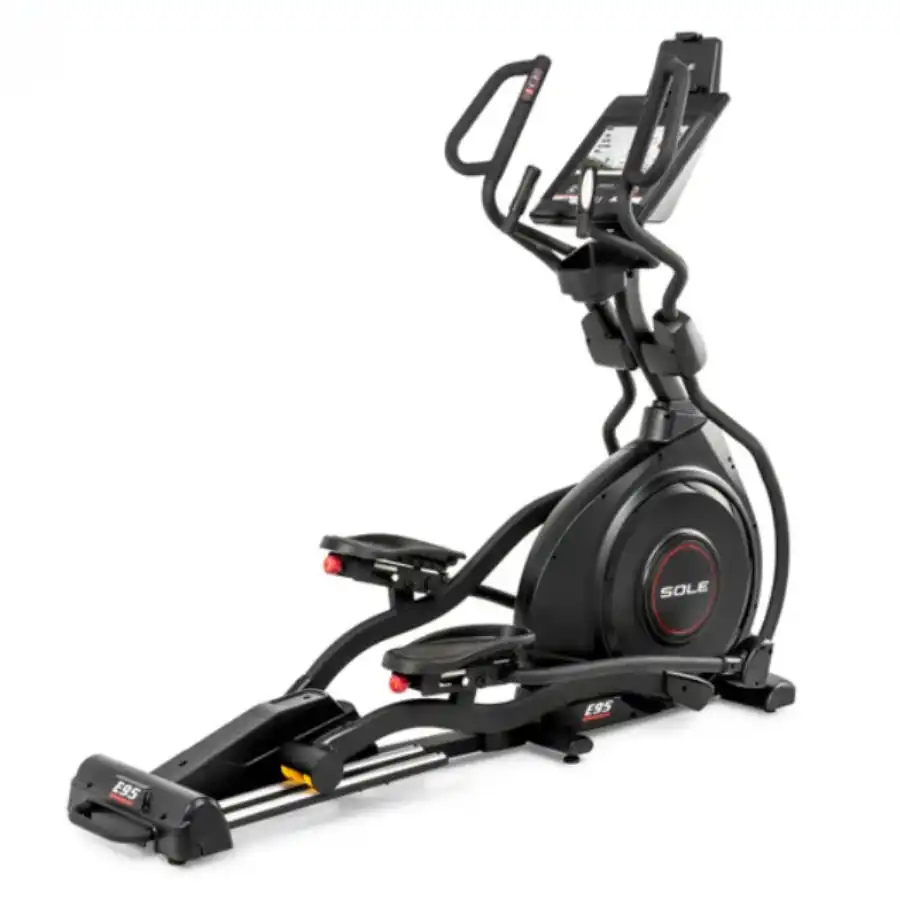
- Real-Life Example: Instead of "I want to lose weight," try "I want to lose weight so I have the energy to play with my grandchildren without getting tired, and to feel confident in my own skin at my friend’s wedding." This specific, emotionally resonant "why" is a powerful, long-term driver.
-
SMART Goal Setting: Your Roadmap to Success
Vague goals lead to vague results. Make your goals:- Specific: Clearly define what you want to achieve.
- Measurable: How will you track progress?
- Achievable: Is this realistic for your current level and time commitment?
- Relevant: Does it align with your overall "why" and personal values?
- Time-bound: Set a clear deadline for achievement.
- Example: Instead of "I want to get stronger," try "I will be able to perform 3 sets of 10 push-ups on my toes by the end of 8 weeks, training 3 times per week."
- Practical Tip: Write down your SMART goals and review them regularly. Break larger goals into smaller, manageable milestones to celebrate progress along the way. Acknowledging small wins keeps motivation high.
Pillar 2: Master Effective Movement and Intelligent Training
Movement is at the heart of fitness. But it’s not just about moving; it’s about moving intelligently and purposefully to maximize benefits and minimize risk.
-
The Foundation of Functional Strength: Compound Movements
Forget isolating individual muscles when you’re starting. Focus on compound exercises that work multiple muscle groups simultaneously, mimicking real-life movements. These are incredibly efficient for building overall strength, burning calories, and improving coordination and balance.- Key Compound Movements to Master:
- Squats: Works glutes, quads, hamstrings, and core. Start with bodyweight, then progress to goblet squats or dumbbell squats.
- Deadlifts/Romanian Deadlifts: Targets hamstrings, glutes, and lower back, strengthening the entire posterior chain. Begin with bodyweight or light dumbbells.
- Push-ups: Engages chest, shoulders, triceps, and core. Start on your knees or with hands elevated on a bench, then progress to full push-ups.
- Rows: Strengthens back muscles, biceps, and shoulders. Use dumbbells for bent-over rows or resistance bands for seated rows.
- Overhead Press: Develops shoulder and triceps strength. Can be done seated or standing with dumbbells.
- Lunges: Works glutes, quads, hamstrings, and significantly improves balance. Alternate between forward and reverse lunges.
- Actionable Advice: Prioritize proper form over heavy weight. Watch instructional videos from certified professionals, practice with bodyweight, and consider a few sessions with a qualified trainer to solidify your technique. Correct form not only prevents injury but also ensures you’re effectively targeting the intended muscles.
- Key Compound Movements to Master:
-
Cardiovascular Health: Fueling Your Engine
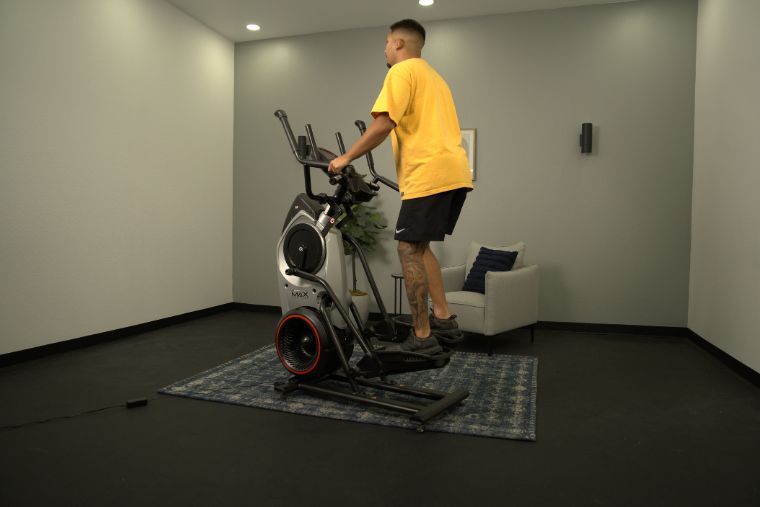
A strong heart and lungs are non-negotiable for overall health, endurance, and longevity. Incorporate a mix of cardio types to challenge your cardiovascular system effectively.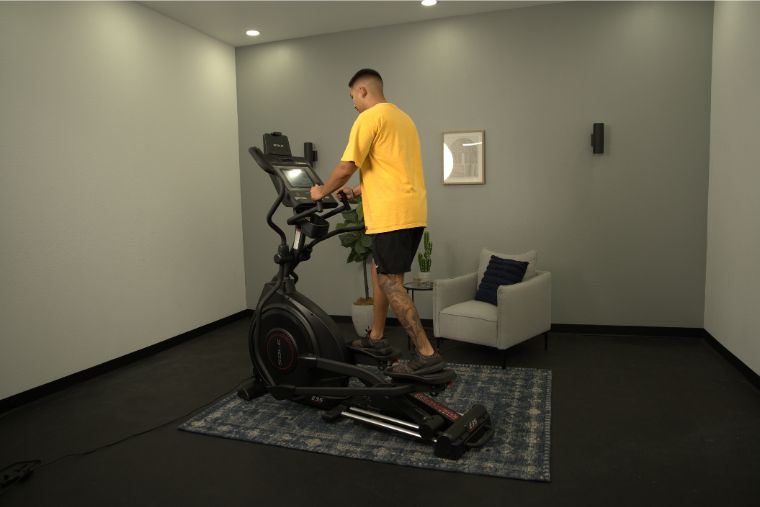
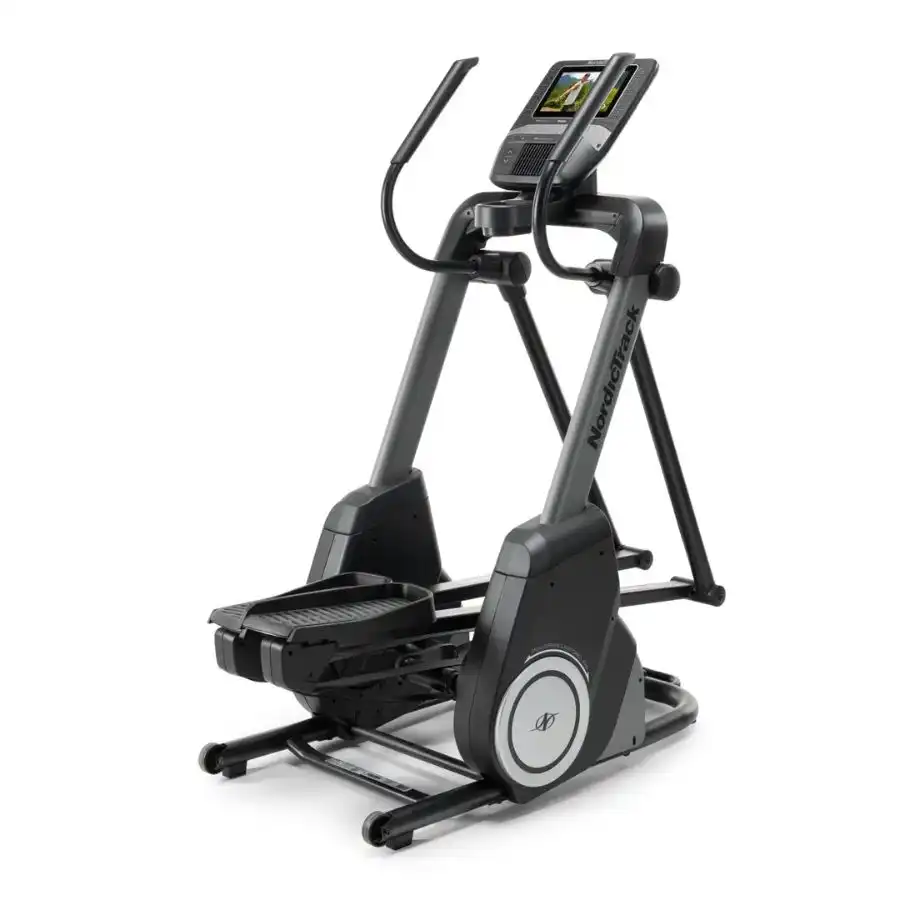
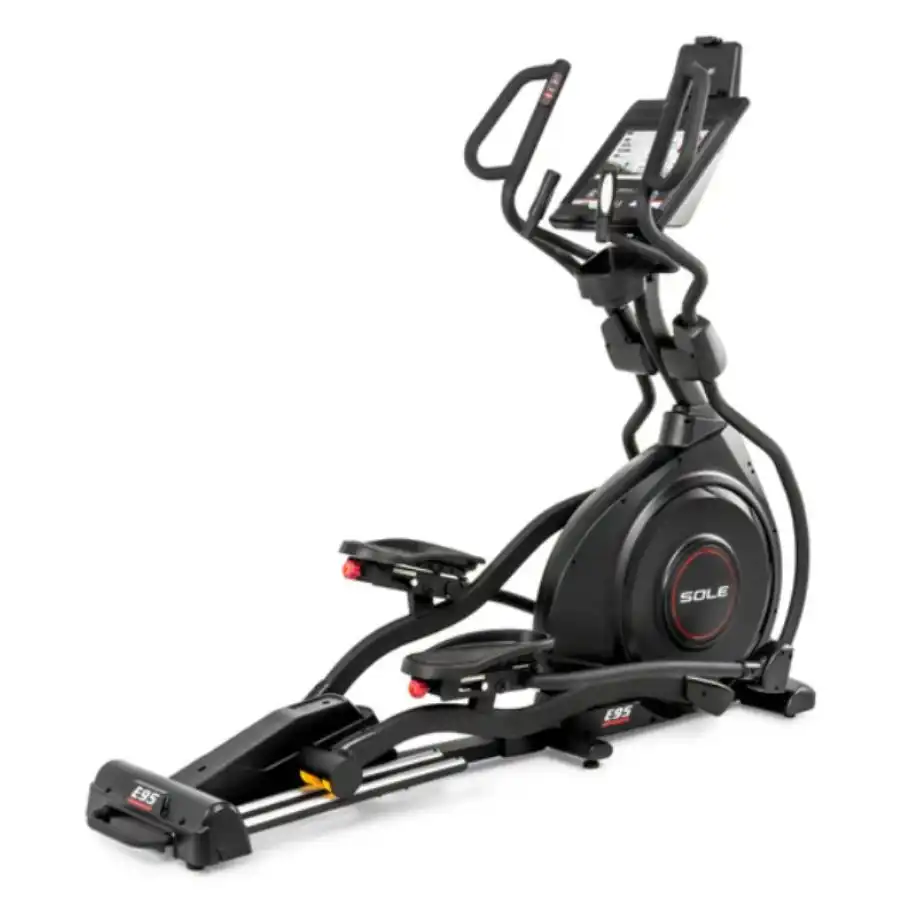
- Low-Intensity Steady State (LISS): Activities like brisk walking, cycling, swimming, or elliptical training at a comfortable, conversational pace for longer durations (30-60 minutes). Excellent for recovery, building an aerobic base, and reducing stress.
- High-Intensity Interval Training (HIIT): Short bursts of intense effort followed by brief recovery periods. Highly effective for improving cardiovascular fitness and calorie burn in less time. An example might be 30 seconds of fast jogging/sprinting followed by 60 seconds of walking, repeated for 15-20 minutes.
- Practical Tip: Aim for at least 150 minutes of moderate-intensity or 75 minutes of vigorous-intensity aerobic activity per week, as recommended by health organizations. Mix LISS and HIIT to keep things interesting and challenge your body in different ways, ensuring comprehensive cardiovascular development.
-
Flexibility and Mobility: Unlock Your Movement Potential
Often overlooked, flexibility (the range of motion around a joint) and mobility (the ability to move through that range with control and strength) are crucial for injury prevention, improved athletic performance, and everyday comfort. Neglecting these can lead to stiffness, poor posture, and increased risk of strains.- Actionable Tip: Incorporate dynamic stretches (like arm circles, leg swings, torso twists) before workouts to warm up muscles. After workouts, use static stretches (holding a stretch for 20-30 seconds) to improve flexibility. Dedicate 10-15 minutes a few times a week to foam rolling or targeted mobility drills for areas like hips, shoulders, and thoracic spine.
-
The Principle of Progressive Overload: The Engine of Growth
Your body is an incredibly adaptable machine. To continue making progress and seeing results, you must consistently challenge it in new ways. This is the fundamental principle of progressive overload. Without it, your body adapts to the current stimulus and your progress will stall.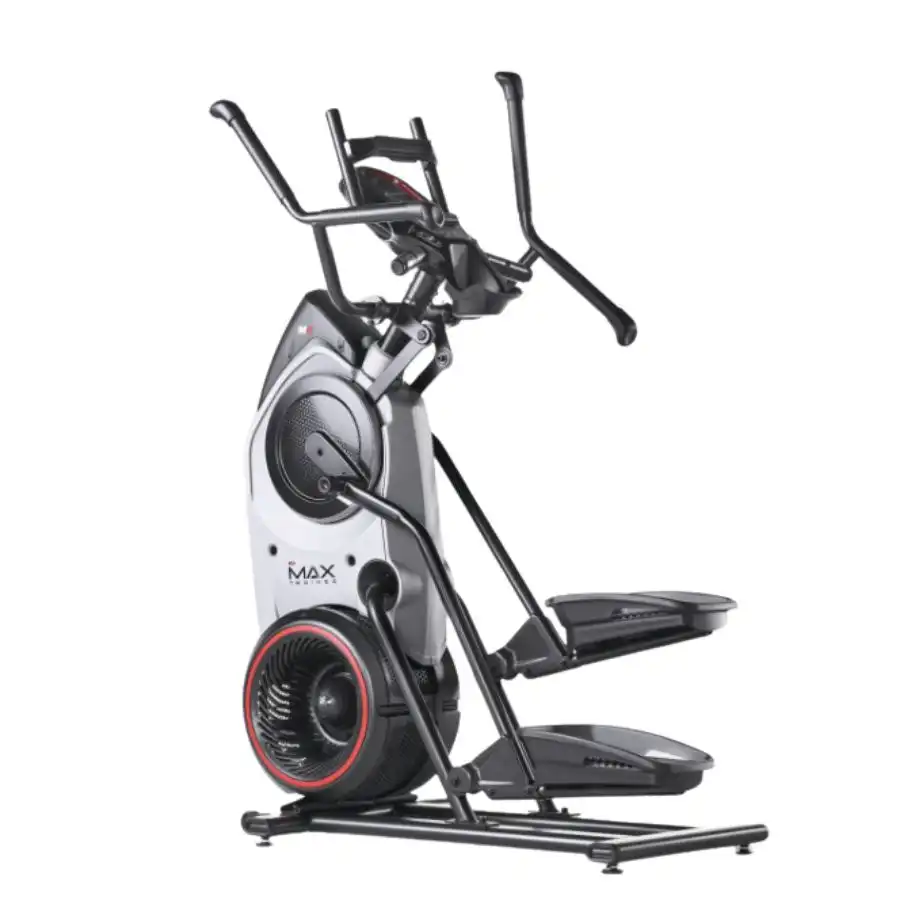
- How to Apply Progressive Overload:
- Increase Weight: Lift heavier loads as you get stronger.
- Increase Reps/Sets: Perform more repetitions within a set or add another set to your workout.
- Decrease Rest Time: Shorten the breaks between sets to increase workout density.
- Improve Form: Execute the movement with greater control, precision, and efficiency, making the existing weight more challenging.
- Increase Time Under Tension: Slow down the eccentric (lowering) phase of a lift to put more stress on the muscle.
- Increase Frequency: Train a muscle group or movement pattern more often (e.g., from twice a week to three times).
- Real-Life Example: If you can comfortably do 3 sets of 10 squats with a certain weight, next week try 3 sets of 12, or increase the weight by a small increment (e.g., 2.5-5 lbs) and stick to 3 sets of 10. Document your workouts to track this progression effectively.
- How to Apply Progressive Overload:
-
Structured Programming vs. Random Workouts
While any movement is better than none, a well-structured workout plan yields far superior results. It ensures balanced muscle development, allows for systematic progressive overload, helps you track progress, and reduces the risk of injury from overtraining certain areas or neglecting others.- Practical Advice: Find a reputable beginner-friendly program online, in a fitness app, or consider hiring a certified personal trainer for personalized guidance. A typical weekly structure for an intermediate might include 2-3 full-body strength sessions, 2-3 cardio sessions (mixing LISS and HIIT), and 1-2 dedicated mobility/core sessions. Consistency with a plan trumps random, intense bursts of activity.
Pillar 3: Nourish Your Body with Purposeful Nutrition
You can’t out-train a poor diet. Nutrition is the essential fuel that powers your workouts, repairs your muscles, sustains your energy levels throughout the day, and supports all bodily functions.
-
Understanding Macronutrients (Macros):
- Proteins: Essential for muscle repair and growth, enzyme production, and keeping you feeling full. Include lean meats, fish, eggs, dairy, legumes, and tofu.
- Carbohydrates: Your body’s primary and most readily available energy source. Prioritize complex carbohydrates like whole grains, fruits, vegetables, and sweet potatoes for sustained energy release.
- Fats: Crucial for hormone production, nutrient absorption (especially fat-soluble vitamins), and providing concentrated energy. Focus on healthy unsaturated fats found in avocado, nuts, seeds, olive oil, and fatty fish.
- Actionable Advice: Aim for a balanced intake at each meal. A good starting point is to fill half your plate with non-starchy vegetables, a quarter with lean protein, and a quarter with complex carbohydrates. Include a source of healthy fats. This visual guide simplifies meal construction.
-
The Importance of Micronutrients (Vitamins & Minerals):
These tiny powerhouses are vital for countless bodily functions, from energy production and immune system support to bone health and nerve function. A diet rich in diverse fruits, vegetables, and whole foods will naturally provide a broad spectrum of micronutrients.
- Practical Tip: "Eat the rainbow!" The more colors on your plate from natural foods, the wider the range of vitamins, minerals, and antioxidants you’re likely consuming. This simple concept encourages dietary diversity.
-
Hydration: The Unsung Hero
Water is fundamental for every metabolic process, nutrient transport, temperature regulation, joint lubrication, and cognitive function. Dehydration can severely impair physical performance, mental clarity, and overall well-being.- Real-Life Example: Feeling sluggish during your workout or experiencing a headache? A glass of water might be more effective than another cup of coffee or a sugary energy drink.
- Actionable Advice: Carry a reusable water bottle and sip throughout the day. Aim for 2-3 liters (approximately 64-100 ounces) daily, adjusting for activity level, climate, and individual needs. Listen to your body’s thirst cues.
-
Mindful Eating: Beyond the Numbers
Mindful eating is about paying attention to your hunger and fullness cues, savoring your food, and minimizing distractions while you eat. This helps you build a healthier, more intuitive relationship with food, prevents overeating, and improves digestion.
- Practical Tip: Before reaching for a snack or another serving, pause and ask yourself: "Am I truly hungry, or am I bored, stressed, tired, or thirsty?" Eating slowly allows your body time to register satiety.
-
Simple Meal Prep Strategies
Planning ahead is key to consistent healthy eating, especially when life gets busy. It reduces the temptation for unhealthy, convenient options.- Actionable Advice: Dedicate an hour or two once or twice a week to