
Every dedicated fitness enthusiast eventually encounters a moment of profound frustration: the plateau. You’ve been consistent, you’ve put in the work, you’ve seen incredible progress – but suddenly, the numbers on the bar aren’t budging, the scale is stuck, or your energy levels feel perpetually low. This stagnation isn’t a sign of failure; it’s a natural, albeit challenging, part of any long-term fitness journey. Your body, an incredibly adaptable machine, has simply become accustomed to the demands you’ve been placing on it.
A fitness plateau is essentially a period where your progress in a specific area (strength, endurance, body composition) halts despite continued effort. It’s the point where your current approach is no longer enough to stimulate further adaptation. For beginners, the initial gains come quickly and easily, fueled by novel stimuli. But as your body becomes more efficient, it requires increasingly sophisticated strategies to force it out of its comfort zone.
Understanding and strategically navigating these plateaus is not just about breaking through; it’s about building resilience, deepening your knowledge of your own body, and ultimately, ensuring the longevity and continued success of your fitness endeavors. This article will serve as your comprehensive blueprint, dissecting the common culprits behind stagnation and arming you with a multi-faceted approach to reignite your progress and continue your upward ascent.
Understanding the Root Causes of Plateaus
Before you can effectively break through a plateau, you must first understand why it’s happening. Plateaus are rarely caused by a single factor; more often, they are a confluence of physiological, behavioral, and psychological elements. Pinpointing the primary contributors is the first critical step toward devising an effective solution.
Physiological Adaptation: The Body’s Clever Response
Your body is designed for efficiency and survival. When you start a new exercise routine, it responds by getting stronger, faster, or more enduring to better handle the new stress. This is known as the General Adaptation Syndrome. However, if the stress remains the same, your body adapts to it, and the initial growth signals diminish. It no longer perceives your current workout as a challenge demanding further improvement. This is a sign of a successful initial training phase, but also a call for a new stimulus.
Training Variables: The Unseen Stagnation
The most common reason for a training plateau, especially in strength and muscle gain, is a lack of progressive overload. Progressive overload is the principle of continually increasing the demands on the musculoskeletal system to make gains in strength, muscle size, or endurance. If you’ve been doing the same exercises with the same weight and reps for weeks or months, your body simply has no reason to adapt further.
Consider these common training pitfalls:
- Static Workouts: Performing the exact same routine, week after week, without altering any variables.
- Neglecting Intensity: Not pushing yourself hard enough, staying within a comfortable zone rather than challenging your limits.
- Ignoring Volume: Not gradually increasing the total amount of work (sets x reps x weight).
- Poor Form: Using momentum or sacrificing technique for heavier weight, which reduces the effective stimulus on the target muscles and increases injury risk.
- Lack of Variation: Sticking to the same exercises, which can lead to muscular imbalances or neglect of certain muscle groups.
Nutritional Gaps: Fueling or Failing Your Progress
Nutrition is the bedrock of all fitness progress, yet it’s often the first area overlooked when a plateau hits. What and how you eat directly impacts your energy levels, recovery capacity, muscle repair, and body composition.
Common nutritional factors contributing to plateaus include:
- Inadequate Calorie Intake: If your goal is muscle gain, a caloric deficit will prevent new tissue growth. If your goal is fat loss, a deficit that is too aggressive or too inconsistent can lead to metabolic adaptation where your body conserves energy.
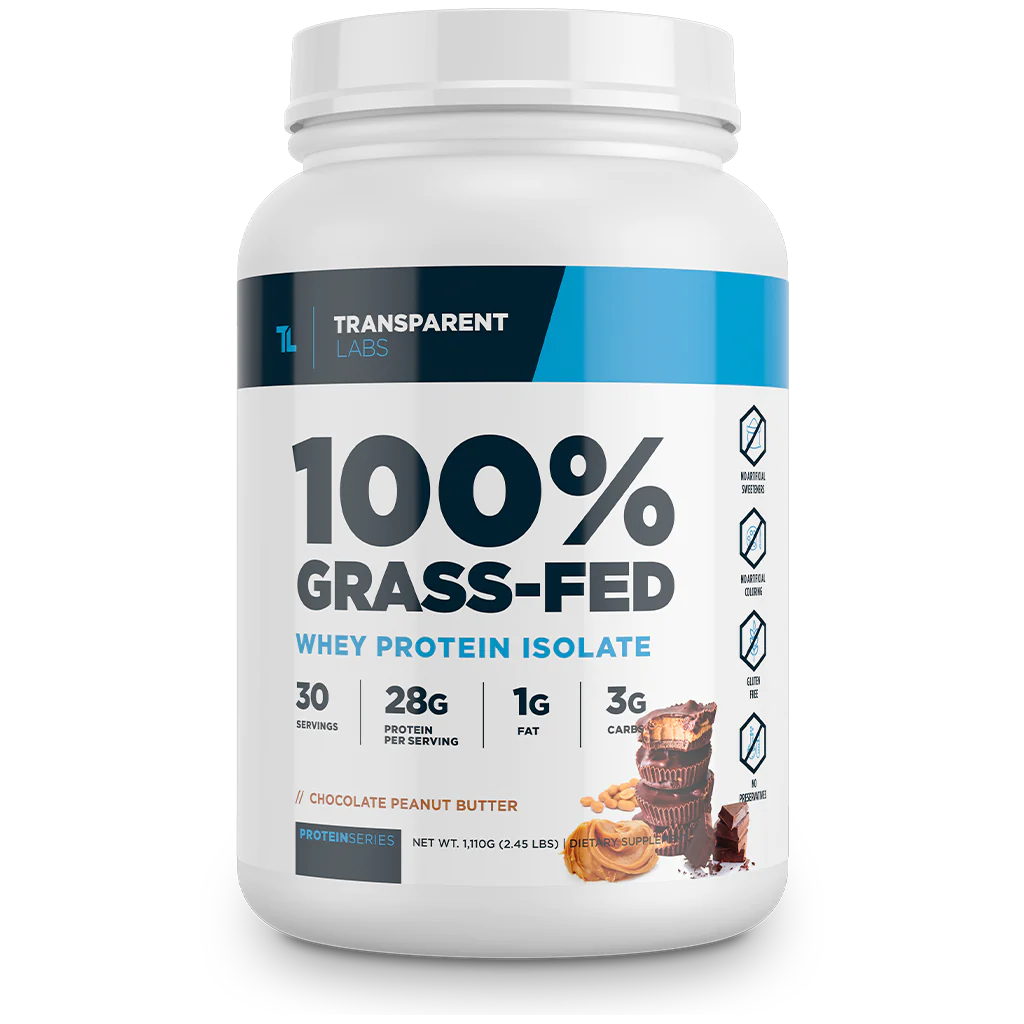
- Insufficient Protein: Protein is crucial for muscle repair and growth, satiety, and maintaining lean mass during a deficit. Not consuming enough will hinder recovery and adaptation.
- Poor Macronutrient Balance: An imbalance of carbohydrates (for energy) and healthy fats (for hormonal health) can impact performance and overall well-being.
- Inconsistent Hydration: Water is vital for nearly every bodily function, including nutrient transport, metabolic processes, and joint lubrication. Dehydration severely impacts performance and recovery.
- Lack of Micronutrients: Vitamins and minerals are essential cofactors for countless physiological processes. A diet lacking in nutrient-dense whole foods can lead to subtle deficiencies that impede progress.
Recovery Deficiencies: The Unsung Hero of Growth
You don’t grow in the gym; you grow when you recover from the stress of the gym. Many individuals, eager for faster results, underestimate the profound impact of adequate recovery.
Key recovery culprits include:
- Insufficient Sleep: Sleep is when your body undertakes the most critical repair processes, muscle protein synthesis, and hormone regulation. Chronic sleep deprivation is a direct roadblock to progress.
- Chronic Stress: High levels of psychological stress elevate cortisol, a hormone that can break down muscle tissue and hinder fat loss.
- Lack of Active Recovery: Neglecting activities like stretching, foam rolling, or light cardio can lead to persistent muscle soreness, reduced mobility, and impaired blood flow to recovering tissues.
- Overtraining: Pushing too hard, too often, without adequate rest can lead to a state of physical and mental exhaustion, characterized by decreased performance, persistent fatigue, and increased injury risk.
Psychological and Lifestyle Factors: The Invisible Barriers
Fitness is as much a mental game as it is a physical one. Your mindset, motivation, and broader lifestyle habits play a significant role in sustaining progress.

Consider these less obvious factors:
- Loss of Motivation/Burnout: The initial excitement can wane, making consistent effort feel like a chore.
- Lack of Goal Clarity: Without clear, measurable goals, it’s hard to track progress or adjust strategies effectively.
- External Stressors: Work, relationships, or financial pressures can spill over into your fitness life, impacting energy, sleep, and adherence.
- Inconsistent Adherence: Even a seemingly perfect plan won’t work if you can’t stick to it consistently.
The Multi-Pronged Strategy: Your Blueprint to Break Through
Breaking through a plateau requires a holistic approach, addressing not just your workouts, but also your nutrition, recovery, and mindset. Here’s your comprehensive blueprint.
Revitalize Your Training Program
The cornerstone of overcoming a training plateau is to introduce new stimuli and challenge your body in novel ways.
Progressive Overload Mastery
This is the golden rule of continuous progress. If you’re not getting stronger, you’re not adapting.

-
Track Everything: Maintain a detailed training log. Record the exercises, sets, reps, weight, and even your perceived exertion (RPE) for each session. This data is invaluable for identifying where you’re stuck and planning your next increment.
-
Methods of Progressive Overload:
- Increase Weight: The most straightforward method. Aim for a small increment (e.g., 2.5-5 lbs) once you can comfortably hit your target reps with good form.
- Increase Reps: If increasing weight isn’t feasible, try adding 1-2 extra repetitions to your sets.
- Increase Sets: Add an extra set to an exercise.
- Decrease Rest Intervals: Shorter rest periods increase the density and intensity of your workout.
- Increase Time Under Tension (TUT): Slow down the eccentric (lowering) phase of an exercise or incorporate pauses to increase the muscle’s work duration.
- Increase Frequency: For some, adding an extra training day for a lagging muscle group can stimulate growth.
- Improve Form: While not a direct overload, better form ensures the target muscles are doing the work, making your existing weight more challenging and effective.
-
Real-life example: If you’ve been consistently squatting 150 lbs for 3 sets of 8 reps, try adding 5 lbs to that weight for your next session. If that feels too much, try hitting 3 sets of 9 reps with 150 lbs first.
Periodization and Variation
Your body thrives on variation. Doing the same exercises with the same rep schemes indefinitely will lead to adaptation and then stagnation.

- Cycle Your Training: Introduce periodization, which involves structuring your training into distinct phases.
- Macrocycle: Your long-term plan (e.g., a year).
- Mesocycle: Shorter phases (4-12 weeks) with specific goals (e.g., hypertrophy, strength, endurance).
- Microcycle: Weekly training schedules.
- Change Exercises: Every 4-8 weeks, swap out some of your primary exercises for similar movements that target the same muscles but from a different angle or with a different stability demand.
- Example: Switch from barbell back squats to front squats or goblet squats. Replace dumbbell bench press with incline dumbbell press.
- Vary Rep Ranges: Alternate between higher rep ranges (10-15 reps for hypertrophy) and lower rep ranges (3-6 reps for strength). This provides different types of muscular stress.
Introduce New Stimuli
Sometimes, a complete departure from your routine is what’s needed to shock your body back into growth.
- Unilateral Training: Incorporate more single-limb exercises like lunges, single-arm rows, or single-leg Romanian deadlifts. These improve balance, address imbalances, and create a unique challenge.
- Plyometrics/Explosive Work: If your fitness level allows, adding controlled explosive movements like box jumps or medicine ball throws can improve power and athleticism.
- New Modalities: Try a different sport, a martial arts class, swimming, or rock climbing. This can spark new enthusiasm and challenge your body in unexpected ways.
- Deload Week: Strategically reduce your training volume and intensity for a week every 6-12 weeks. This allows your body to fully recover, repair, and come back stronger. It’s often when gains are solidified.
Form Refinement
Perfecting your technique isn’t just about safety; it’s about maximizing muscle activation and efficiency.
- Record Yourself: Use your phone to film your lifts. You’ll often spot form flaws that you can’t feel.
- Work with a Coach: Even a few sessions with a qualified coach can provide invaluable feedback and corrections that unlock new potential.
- Focus on Mind-Muscle Connection: Consciously try to feel the target muscle working during each repetition. Slow down and really engage the muscle.
Optimize Your Nutritional Fueling
Your diet provides the raw materials for adaptation and growth. When progress stalls, your nutrition is often the first place to look.
Re-evaluate Calorie Intake
Your caloric needs change as your body adapts. What worked initially might not be appropriate now.
- For Muscle Gain: You need a slight caloric surplus (250-500 calories above maintenance) to fuel muscle protein synthesis. Ensure this surplus comes from nutrient-dense foods, not junk.
- For Fat Loss: You need a sustainable caloric deficit. If you’ve been in a deficit for a long time, your metabolism may have adapted. Consider a "diet break" (1-2 weeks at maintenance calories) to reset your hormones and metabolism, then return to a deficit.
- Actionable Tip: Calculate your estimated Total Daily Energy Expenditure (TDEE) and track your food intake meticulously for 5-7 days to see your actual average. Adjust slowly (e.g., by 100-200 calories) and monitor changes.
Prioritize Protein
Protein is paramount for building and repairing muscle tissue.
- Recommendation: Aim for 1.6 to 2.2 grams of protein per kilogram of body weight (or 0.7 to 1 gram per pound of body weight) daily.
- Practical Application: Include a quality protein source in every meal and snack. Lean meats (chicken, turkey, fish), eggs, dairy (Greek yogurt, cottage cheese), legumes, and protein supplements are excellent choices. This also enhances satiety, which is beneficial for fat loss.
Smart Carbohydrate and Fat Intake
These macronutrients provide energy and support vital bodily functions.
- Carbohydrates: Fuel your workouts and replenish glycogen stores. Focus on complex carbohydrates like whole grains, fruits, and vegetables. Consider timing a larger portion of your carbs around your workouts for optimal energy.
- Healthy Fats: Essential for hormone production, nutrient absorption, and overall health. Include sources like avocados, nuts, seeds, olive oil, and fatty fish.
Hydration
Often overlooked, proper hydration is critical for performance and recovery.
- Crucial for Performance: Water transports nutrients, lubricates joints, and regulates body temperature. Even mild dehydration can impair strength and endurance.
- Tip: Aim for 3-4 liters of water daily, more if you’re highly active or in a hot environment. Keep a water bottle handy and sip throughout the day.
Mindful Eating and Nutrient Density
Focus on the quality of your calories, not just the quantity.

- Whole Foods First: Prioritize unprocessed, whole foods that are rich in vitamins, minerals, and fiber.
- Listen to Your Body: Pay attention to hunger and satiety cues. Avoid mindless eating.
Master the Art of Recovery
Training breaks down muscle; recovery builds it back stronger. Neglecting recovery is like planting a seed and forgetting to water it.
Sleep is Non-Negotiable
This is arguably the most powerful recovery tool.
- Muscle Repair and Growth: During deep sleep, growth hormone is released, and muscle protein synthesis is optimized.
- Hormone Regulation: Adequate sleep helps regulate cortisol (stress hormone) and testosterone (anabolic hormone).
- Tip: Aim for 7-9 hours of quality sleep per night. Establish a consistent sleep schedule, create a dark, cool, quiet sleep environment, and avoid screens before bed.
Active Recovery
Gentle movement can accelerate recovery by increasing blood flow and reducing soreness.
- Examples: Light cardio (walking, cycling), dynamic stretching, foam rolling, yoga, or mobility drills.
- Benefits: Helps flush out metabolic waste, reduces muscle stiffness, and improves range of motion.
- Schedule It: Dedicate 15-30 minutes on rest days to active recovery.
Stress Management
Chronic stress can sabotage your fitness progress.
- Cortisol Levels: Elevated cortisol can hinder muscle growth, promote fat storage, and disrupt sleep.
- Techniques: Incorporate stress-reducing practices into your daily routine: meditation, deep breathing exercises, spending time in nature, reading, or engaging in hobbies you enjoy.
Listen to Your Body
Learn to differentiate between healthy fatigue and signs of overtraining.
- Signs of Overtraining: Persistent muscle soreness, decreased performance, chronic fatigue, irritability, disturbed sleep, increased susceptibility to illness.
- Action: If you experience these symptoms, don’t be afraid to take an extended rest period, implement a longer deload, or re-evaluate your entire program. Sometimes, a full week or two away from intense training is what your body truly needs to reset.
Cultivate a Resilient Mindset
Your mental approach can be the differentiator between prolonged stagnation and renewed progress.
Set Realistic Expectations
Fitness progress is not linear. There will be ups and downs, fast gains and slow periods.
- Embrace the Journey: Understand that plateaus are a normal part of the process, not a personal failing.
- Celebrate Small Wins: Acknowledge improvements in form, slightly increased reps, better recovery, or enhanced consistency. These micro-victories build momentum.
Revisit Your "Why"
When motivation wanes, reconnect with the core reasons you started your fitness journey.

- Clarity of Purpose: Whether it’s improved health, increased strength, better body composition, or enhanced mental well-being, keeping your primary motivation front and center can reignite your drive.
- Visual Reminders: Use photos, quotes, or journal entries to remind yourself of your goals and progress.
Seek Support
You don’t have to go it alone.
- Workout Buddy: An accountability partner can provide motivation and make workouts more enjoyable.
- Coach/Mentor: A professional can offer expert guidance, a fresh perspective, and personalized program adjustments.
- Community: Join online forums or local fitness groups to share experiences and draw inspiration from others.
Embrace the Process
Shift your focus from solely the outcome to the enjoyment of the journey itself.
- Learning Opportunity: View plateaus as a chance to learn more about your body and refine your strategies.
- Patience and Persistence: Consistent effort, even when results are slow, is what ultimately leads to breakthroughs. Trust the process.
Real-Life Examples and Actionable Steps
Let’s put this blueprint into action with some common plateau scenarios.
Scenario 1: Strength Plateau (e.g., can’t increase squat weight)
- Problem: Stuck at the same squat weight for 4+ weeks, form breaking down with any increase.
- Possible Causes: Insufficient progressive overload, poor recovery, inadequate calories/protein, form issues.
- Action Plan:
- Deload: Take a full week at 50-60% of your usual weight/volume to allow for full recovery.
- Adjust Training: Switch to a different rep scheme (e.g., from 5×5 to 3×8-10 or 4×6). Incorporate a squat variation (e.g., pause squats, front squats) for a mesocycle. Add accessory work for supporting muscles (e.g., glute bridges, good mornings).
- Form Check: Record your squats. Is your brace strong? Are you hitting depth? Are your knees tracking correctly? Focus on one form cue for a few sessions.
- Nutrition: Ensure you’re in a slight caloric surplus (if goal is muscle/strength) and hitting your protein targets (1.6-2.2g/kg).
- Sleep: Prioritize 7-9 hours of sleep.
Scenario 2: Weight Loss Plateau (e.g., scale stuck for weeks)
- Problem: Body fat percentage isn’t decreasing, and scale weight has been stagnant for 2-3 weeks despite consistent effort.
- Possible Causes: Metabolic adaptation, underestimation of calorie intake, overestimation of calorie expenditure, increased water retention from stress or diet, insufficient NEAT (Non-Exercise Activity Thermogenesis).
- Action Plan:
- Re-evaluate Calorie Intake: Track everything meticulously for 5-7 days (using a food scale for accuracy). You might be consuming more than you think.
- Increase NEAT: Look for ways to move more outside of structured workouts (e.g., more walking, standing desk, taking stairs).
- Check Hydration & Sodium: Ensure you’re well-hydrated and not consuming excessive sodium, which can lead to water retention.
- Prioritize Protein & Fiber: These enhance satiety, making it easier to stick to a deficit.
- Consider a Diet Break: 1-2 weeks at maintenance calories can help reset metabolic hormones, reduce diet fatigue, and then you can return to a deficit with renewed vigor.
- Manage Stress & Sleep: Both can impact fat loss hormones.
Scenario 3: Endurance Plateau (e.g., running speed/distance stuck)
- Problem: Can’t improve running pace or extend distance without significant fatigue.
- Possible Causes: Lack of varied training, insufficient recovery, improper fueling, muscular imbalances.
- Action Plan:
- Introduce Variety: Incorporate interval training (short bursts of high intensity), tempo runs (sustained moderate-hard pace), and long, slow distance runs. Don’t just run at the same pace every time.
- Cross-Training: Add strength training (especially for legs and core) and low-impact cardio (swimming, cycling) to build overall fitness without overstressing running-specific muscles.
- Fueling: Ensure adequate carbohydrate intake before and during longer runs. Stay well-hydrated.
- Recovery: Focus on sleep and active recovery (stretching, foam rolling for calves, hamstrings, quads).
- Listen to Your Body: Don’t push through persistent pain; address potential overuse injuries early.
Your Action Plan Checklist:
- Review your training log: Have you been progressively overloading? When was your last deload?
- Assess your nutrition: Track intake for a week. Are you hitting protein targets? Is your calorie intake appropriate for your goal?
- Prioritize sleep: Are you consistently getting 7-9 hours?
- Manage stress: What steps can you take to reduce daily stressors?
- Identify 1-2 key changes: Don’t try to change everything at once. Pick one or two high-impact strategies to implement for 2-4 weeks.
- Be patient and consistent: Real breakthroughs take time and sustained effort.
Conclusion
Hitting a fitness plateau is an inevitable rite of passage for anyone committed to long-term progress. It’s not a dead end, but rather a sign that your body has adapted, and it’s time for a smarter, more strategic approach. By understanding the multifaceted causes – from physiological adaptation and training stagnation to nutritional gaps, recovery deficits, and psychological barriers – you empower yourself to take decisive action.

Your fitness journey is an ongoing ascent, and plateaus are merely temporary resting points, opportunities to reassess, re-strategize, and launch yourself to new heights. Embrace the challenge, apply the principles of revitalized training, optimized nutrition, masterful recovery, and a resilient mindset. With patience, persistence, and the actionable blueprint outlined here, you won’t just break through your current plateau; you’ll forge a stronger, more knowledgeable, and ultimately unstoppable version of yourself, ready for whatever peaks lie ahead. The ascent continues – let your progress reignite.