In a world brimming with fleeting fitness trends and overnight promises, the true secret to a vibrant, healthy life isn’t found in a quick fix, but in building an unshakeable core – a robust foundation of sustainable fitness. Whether you’re taking your very first step into the gym or looking to elevate an established routine, this comprehensive guide will equip you with the knowledge, strategies, and motivation to craft a fitness journey that lasts a lifetime.
Forget the intimidating jargon and the pressure to achieve impossible ideals. This article is your blueprint for understanding the fundamental principles of fitness, tailoring them to your unique needs, and consistently moving towards a stronger, healthier, and more energetic you. We’ll explore how to set meaningful goals, master essential movements, fuel your body effectively, and cultivate the mental resilience required to make fitness an integral, enjoyable part of your daily existence.
It’s time to move beyond temporary results and invest in a fitness legacy that empowers you for decades to come. Let’s lay down the bedrock of your unshakeable core.
The Indispensable Value of a Fitness Foundation
Before diving into the "how," it’s crucial to understand the "why." A solid fitness foundation isn’t just about looking good; it’s about optimizing every facet of your well-being. It’s the groundwork upon which all future progress, health, and vitality will be built.
Beyond Aesthetics: Holistic Health Benefits
While the visual transformation that accompanies a consistent fitness regimen is often a powerful motivator, the deeper, more profound benefits extend far beyond the mirror. Developing a strong fitness foundation impacts your health holistically:
- Enhanced Physical Health: Regular exercise strengthens your heart, improves lung capacity, boosts bone density, and fortifies your immune system. It significantly reduces the risk of chronic diseases such as type 2 diabetes, heart disease, certain cancers, and osteoporosis. Your joints become more resilient, your balance improves, and your overall functional strength allows you to tackle daily tasks with greater ease.
- Mental Clarity and Emotional Resilience: Physical activity is a powerful antidote to stress, anxiety, and even depression. It triggers the release of endorphins, natural mood elevators that leave you feeling happier and more energized. A consistent fitness routine also instills discipline, boosts self-esteem, and provides a valuable outlet for mental decompression. The ability to push through physical challenges often translates into greater mental fortitude in other areas of life.
- Improved Sleep Quality: Engaging in regular physical activity, particularly in the morning or afternoon, can significantly enhance the quality and duration of your sleep. Better sleep, in turn, amplifies your recovery, improves cognitive function, and contributes to a more positive mood.
- Increased Energy Levels: Counterintuitively, expending energy through exercise actually increases your overall energy levels. By improving cardiovascular efficiency and metabolic rate, your body becomes more adept at producing and utilizing energy, reducing fatigue and boosting stamina throughout the day.
- Longevity and Quality of Life: Perhaps the most compelling benefit is the impact on longevity and the quality of your later years. Maintaining physical fitness helps preserve muscle mass and bone density, crucial for independent living as you age. It keeps your mind sharp and your body capable, allowing you to enjoy hobbies, travel, and time with loved ones without physical limitations.
Why "Starting Strong" Means Starting Smart
Many beginners make the mistake of jumping into intense, unsustainable routines, leading to burnout, injury, and eventual abandonment of their fitness goals. Starting smart means:
- Prioritizing Form Over Weight: Executing movements correctly is paramount. Poor form not only negates the benefits of an exercise but dramatically increases the risk of injury. Start with lighter weights or bodyweight to perfect your technique before adding resistance.
- Gradual Progression: Your body needs time to adapt. Incremental increases in intensity, duration, or resistance allow your muscles, joints, and cardiovascular system to strengthen safely and effectively.
- Consistency Over Intensity: Showing up regularly, even for shorter workouts, yields far greater long-term results than sporadic, grueling sessions. The compound effect of consistent effort is where true transformation happens.
- Understanding Your Body: Learning to listen to your body’s signals – recognizing when to push, when to rest, and when something feels "off" – is a fundamental skill for sustainable fitness.
Charting Your Course: Setting Realistic & Motivating Goals
The journey to an unshakeable core begins with a clear destination. Without well-defined goals, your efforts can feel directionless, making it harder to stay motivated and track progress.
The SMART Goal Framework in Action
A highly effective method for goal setting is the SMART framework: Specific, Measurable, Achievable, Relevant, and Time-bound.
- Specific: Vague goals like "get fit" are hard to act upon. Instead, define precisely what you want to achieve.
- Instead of: "I want to get stronger."
- Try: "I want to increase my squat max by 20 pounds." or "I want to be able to do 10 push-ups on my toes."
- Measurable: How will you know if you’ve reached your goal? Quantifiable metrics are key.
- Instead of: "I want to run more."
- Try: "I want to run a 5K race without stopping." or "I want to run 3 miles in under 30 minutes."
- Achievable: While it’s good to aim high, ensure your goals are realistic given your current fitness level, resources, and time constraints. Unachievable goals lead to frustration.
- Instead of: "I want to lose 50 pounds in one month."
- Try: "I want to lose 1-2 pounds per week consistently for the next 3 months."
- Relevant: Your goals should align with your broader values and long-term aspirations. Why is this goal important to you?
- Instead of: "My friend wants me to run a marathon, so I guess I will too."
- Try: "I want to run a marathon because I enjoy long-distance running and want to challenge my endurance."
- Time-bound: Set a realistic deadline for your goal. This creates a sense of urgency and helps you plan your steps.
- Instead of: "I’ll start eating healthier eventually."
- Try: "By December 31st, I will consistently eat 5 servings of vegetables daily and limit processed foods to one meal per week."
Real-Life Example:
- Vague Goal: "I want to be healthier."
- SMART Goal: "I will commit to a full-body strength training routine three times a week for 45 minutes, perform 30 minutes of brisk walking five times a week, and track my protein intake to ensure I hit 1 gram per pound of body weight, all for the next 12 weeks. My aim is to increase my overall strength and feel more energized for daily activities."
Intrinsic vs. Extrinsic Motivation: Finding Your Why
Understanding what truly drives you is paramount for long-term adherence.
- Extrinsic Motivation: Comes from external rewards (e.g., losing weight for a wedding, winning a competition, fitting into a certain size). While effective in the short term, extrinsic motivators can wane once the external reward is achieved or the pressure subsides.
- Intrinsic Motivation: Arises from internal satisfaction (e.g., enjoying the feeling of getting stronger, the mental clarity after a run, the satisfaction of mastering a new skill, improved overall health). Intrinsic motivation is the bedrock of sustainable fitness because the activity itself is rewarding.
Actionable Advice: Reflect on why you truly want to be fit. Is it for vanity, or for vitality? For a short-term event, or for a lifetime of well-being? While external goals can kickstart your journey, consciously cultivate intrinsic motivators by focusing on how fitness makes you feel – the energy, the strength, the mental peace.
The Cornerstones of Comprehensive Fitness
A well-rounded fitness foundation incorporates several key components. Neglecting any one can create imbalances that hinder progress and overall well-being.
Strength Training: Building Resilience from Within
Strength training, often misunderstood as solely for bodybuilders, is crucial for everyone. It involves using resistance to build muscle strength, endurance, and size.
-
Benefits:
- Increased Metabolism: Muscle tissue burns more calories at rest than fat tissue, aiding in weight management.
- Stronger Bones: Resistance training puts stress on bones, stimulating mineral deposition and increasing bone density, preventing osteoporosis.
- Improved Functional Strength: Makes daily tasks like lifting groceries, climbing stairs, and playing with children easier.
- Better Body Composition: Reduces body fat and increases lean muscle mass, leading to a leaner, more toned physique.
- Injury Prevention: Strengthens muscles and connective tissues around joints, providing greater stability and reducing injury risk.
- Enhanced Mood: Releases endorphins, acting as a natural mood booster.
-
Types of Strength Training:
- Bodyweight Exercises: Excellent for beginners. Push-ups, squats, lunges, planks, glute bridges require no equipment and build fundamental strength.
- Free Weights: Dumbbells, barbells, kettlebells offer versatile resistance. Allow for a greater range of motion and engage stabilizing muscles.
- Resistance Bands: Portable and effective for adding resistance to bodyweight movements or specific isolation exercises.
- Machines: Provide guided movements, good for isolating specific muscles and often safer for beginners learning form.
-
Progressive Overload: The fundamental principle of strength training. To get stronger, you must continually challenge your muscles beyond their current capacity. This can be achieved by:
- Increasing the weight/resistance.
- Increasing repetitions (reps) or sets.
- Decreasing rest time between sets.
- Increasing the frequency of workouts.
- Improving exercise form or range of motion.
Actionable Tip: Sample Beginner Strength Routine (3 times/week)
Perform 3 sets of 8-12 repetitions for each exercise, with 60-90 seconds rest between sets. Focus on controlled movements and perfect form.
- Goblet Squat: Hold a dumbbell vertically against your chest.
- Dumbbell Romanian Deadlift (RDL): Hold dumbbells in front, hinge at hips, slight knee bend.
- Push-ups: On knees or toes, or against a wall.
- Dumbbell Row: Bent-over row with one hand on a bench or knee.
- Overhead Press: Press dumbbells overhead from shoulder height.
- Plank: Hold for 30-60 seconds.
Cardiovascular Health: Fueling Your Engine
Cardiovascular (aerobic) exercise strengthens your heart and lungs, improving your body’s ability to deliver oxygen to working muscles.
-
Benefits:
- Heart Health: Lowers blood pressure, reduces LDL ("bad") cholesterol, and improves overall heart function.
- Increased Stamina: Allows you to perform physical activities for longer periods without fatigue.
- Weight Management: Burns calories and helps create a caloric deficit necessary for fat loss.
- Improved Mood: Releases feel-good hormones.
- Better Blood Sugar Control: Helps the body use insulin more effectively.
-
Types of Cardio:
- Low-Intensity Steady State (LISS): Walking, jogging, cycling, swimming at a moderate, consistent pace for an extended period (30-60 minutes). Great for recovery and building an aerobic base.
- High-Intensity Interval Training (HIIT): Short bursts of intense exercise followed by brief recovery periods. Highly effective for improving cardiovascular fitness and burning calories in less time. Examples include sprints, burpees, jumping jacks with short rests.
Actionable Tip: Incorporating Cardio
Aim for at least 150 minutes of moderate-intensity cardio or 75 minutes of vigorous-intensity cardio per week.

- Beginner: Start with 30-minute brisk walks 3-5 times a week. Gradually increase duration or introduce short jogging intervals.
- Intermediate: Incorporate 1-2 HIIT sessions per week (e.g., 30 seconds sprint, 60 seconds walk, repeat 10-15 times), alongside longer LISS sessions.
Flexibility & Mobility: Moving with Grace and Power
Often overlooked, flexibility (the ability of a muscle to lengthen) and mobility (the ability of a joint to move through its full range of motion) are critical for preventing injury, improving performance, and maintaining functional movement.
-
Importance:
- Injury Prevention: Flexible muscles and mobile joints are less prone to strains, sprains, and imbalances.
- Improved Performance: Allows for a greater range of motion in exercises, leading to better muscle activation and strength gains.
- Reduced Muscle Soreness: Can aid in recovery and alleviate post-workout stiffness.
- Better Posture: Helps correct muscular imbalances that contribute to poor posture.
-
Types of Stretching:
- Dynamic Stretching: Movements that take your body through a range of motion (e.g., arm circles, leg swings, torso twists). Best performed before a workout to prepare muscles.
- Static Stretching: Holding a stretch for 20-30 seconds (e.g., hamstring stretch, triceps stretch). Best performed after a workout when muscles are warm, or on rest days.
Actionable Tip: Daily Stretching Routine (5-10 minutes)
Integrate these into your warm-up, cool-down, or even throughout your day.
- Cat-Cow Stretch: For spinal mobility.
- Downward-Facing Dog: Full body stretch.
- Hip Flexor Stretch: Kneeling lunge.
- Hamstring Stretch: Seated or standing.
- Pectoral Stretch: Doorway stretch.
- Triceps Stretch: Overhead arm bend.
The Unsung Hero: Nutrition for Performance & Recovery
You can’t out-train a poor diet. Nutrition is the fuel that powers your workouts, repairs your muscles, and sustains your energy levels.
- Macronutrients (Macros):
- Protein: Essential for muscle repair and growth, satiety, and immune function. Aim for 0.7-1 gram per pound of body weight for active individuals. Sources: lean meats, poultry, fish, eggs, dairy, legumes, tofu, protein powder.
- Carbohydrates: Your body’s primary energy source. Choose complex carbs for sustained energy. Sources: whole grains, fruits, vegetables, oats, brown rice, sweet potatoes.
- Fats: Crucial for hormone production, nutrient absorption, and overall health. Focus on healthy fats. Sources: avocados, nuts, seeds, olive oil, fatty fish.
- Micronutrients: Vitamins and minerals play vital roles in countless bodily functions. A diverse diet rich in fruits, vegetables, and whole foods ensures adequate intake.
- Hydration: Water is often overlooked but critical for performance, metabolism, and overall health. Aim for at least 8-10 glasses (2-3 liters) per day, more if you’re active.
Actionable Tip: Simple Meal Planning Principles
- Prioritize Protein: Include a source of lean protein with every meal and snack.
- Fill Half Your Plate with Veggies: Maximize micronutrient intake and fiber.
- Choose Whole Grains: Opt for brown rice, quinoa, whole wheat bread over refined grains.
- Healthy Fats in Moderation: Include a source of healthy fats at most meals.
- Listen to Your Body: Eat when hungry, stop when satisfied. Avoid mindless eating.
- Plan Ahead: Prepare meals or snacks in advance to avoid unhealthy impulse choices.
Real-Life Example:
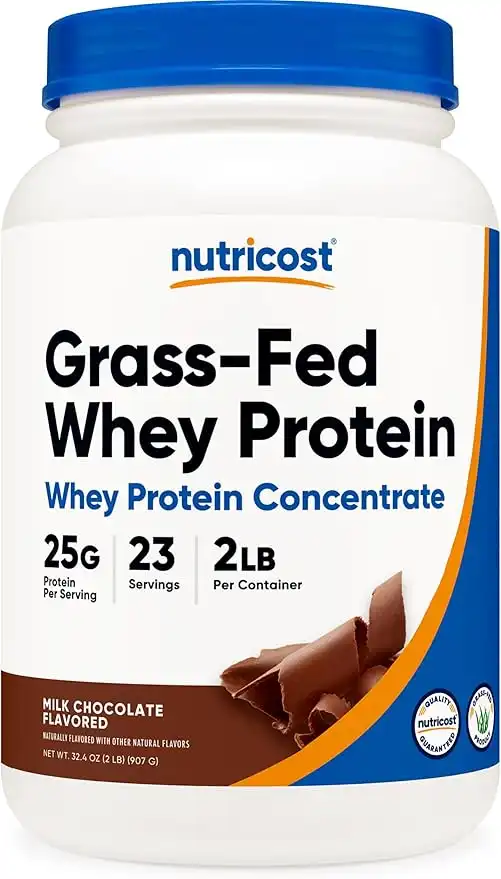
- Breakfast: Oatmeal with berries, a scoop of protein powder, and a sprinkle of nuts.
- Lunch: Large salad with grilled chicken, mixed greens, colorful vegetables, and an olive oil vinaigrette.
- Dinner: Baked salmon with roasted sweet potatoes and steamed broccoli.
- Snacks: Greek yogurt, apple with peanut butter, hard-boiled eggs.
Crafting Your Personalized Fitness Blueprint
With the foundational components understood, it’s time to assemble your personalized plan. This isn’t about copying someone else’s routine; it’s about designing a program that fits your life, preferences, and goals.
The Art of Program Design: Frequency, Intensity, Time, Type (FITT)
The FITT principle provides a framework for structuring your workouts:
- Frequency: How often you exercise.
- Beginner: 2-3 full-body strength sessions and 3-4 cardio sessions per week.
- Intermediate: 3-4 strength sessions (could be split into upper/lower or push/pull/legs) and 3-5 cardio sessions.
- Intensity: How hard you exercise.
- Strength: Measured by weight lifted, reps, proximity to failure. Focus on challenging yourself while maintaining form.
- Cardio: Measured by heart rate or perceived exertion. Moderate intensity allows conversation; vigorous makes it difficult.
- Time: How long each session lasts.
- Beginner: 30-45 minutes per session, including warm-up and cool-down.
- Intermediate: 45-75 minutes per session.
- Type: The kind of exercise you do.
- Mix and match strength, cardio, and flexibility/mobility based on your goals and what you enjoy. Variety keeps things fresh and works different muscle groups.
Actionable Advice: Start simple. A full-body strength routine performed 2-3 times a week, combined with 3-4 days of brisk walking, is an excellent starting point. As you get stronger, you can explore split routines, higher intensity cardio, or specialized training.
Listening to Your Body: The Science of Recovery
Training is only half the battle; recovery is where your body repairs, rebuilds, and gets stronger. Neglecting recovery is a surefire way to hit plateaus, get injured, and burn out.
- Sleep: Non-negotiable for muscle repair, hormone regulation, and cognitive function. Aim for 7-9 hours of quality sleep per night.
- Practical Tip: Establish a consistent sleep schedule, create a dark and cool sleep environment, and avoid screens before bed.
- Active Recovery: Light activities like walking, gentle cycling, or stretching on rest days can improve blood flow, reduce muscle soreness, and aid recovery without taxing your body.
- Practical Tip: Instead of sitting on your couch all day on a rest day, go for a leisurely walk or do a yoga session.
- Nutrition and Hydration: As discussed, proper fuel and water intake are critical for muscle repair and replenishing energy stores.
- Stress Management: Chronic stress elevates cortisol, a hormone that can hinder muscle growth and promote fat storage. Find healthy outlets for stress: meditation, hobbies, spending time in nature, deep breathing.
Real-Life Example: Imagine you’ve had a tough leg day. Instead of pushing through another intense workout the next day, prioritize stretching, a leisurely walk, and ensuring you get ample protein and 8 hours of sleep. You’ll come back stronger, not broken down.
Navigating the Journey: Overcoming Obstacles and Staying Engaged
The path to fitness is rarely a straight line. You’ll encounter plateaus, missed workouts, and moments of waning motivation. How you navigate these challenges determines your long-term success.
Common Pitfalls and How to Sidestep Them
- All-or-Nothing Mentality: Missing one workout or having an "unhealthy" meal doesn’t derail your entire journey. Don’t let a small slip turn into a complete abandonment.
- Solution: Practice self-compassion. Acknowledge the slip, learn from it, and get back on track with your next meal or workout.
- Comparison Trap: Constantly comparing your progress to others on social media or in the gym can be demotivating.
- Solution: Focus on your journey. Celebrate your progress. Your only competition is the person you were yesterday.
- Lack of Variety: Doing the same routine day in and day out can lead to boredom and plateaus.
- Solution: Periodically change your exercises, rep ranges, intensity, or try new modalities (e.g., hiking, dance, martial arts).
- Ignoring Pain: Pushing through sharp or persistent pain is a recipe for injury.
- Solution: Learn the difference between muscle soreness and pain. If something hurts, stop, assess, and consider consulting a professional.
- Unrealistic Expectations: Expecting rapid, dramatic changes can lead to disappointment.
- Solution: Focus on consistent effort and small, incremental improvements. Trust the process; results will follow.
The Power of Consistency Over Intensity
This cannot be overstated. A moderate workout done consistently for months will yield vastly superior results to a few intensely grueling sessions followed by weeks of inactivity. Build habits you can sustain.
- Practical Tip: Even on days when motivation is low, commit to a "minimum viable workout" – maybe just 15-20 minutes of movement. This maintains the habit and prevents complete breaks in your routine.
Tracking Progress and Celebrating Milestones
Seeing how far you’ve come is a powerful motivator.
- Methods:
- Workout Journal: Record exercises, sets, reps, and weights lifted.
- Photos: Take progress photos every 4-6 weeks (same lighting, same clothes).
- Measurements: Track circumference measurements (waist, hips, arms, thighs).
- Performance Metrics: Note improvements in running times, number of push-ups, or ability to do a new exercise.
- Non-Scale Victories: How your clothes fit, increased energy, better sleep, improved mood, reduced aches and pains.
Actionable Advice: Set small, frequent milestones (e.g., "I will consistently hit my protein goal for 2 weeks," "I will increase my deadlift by 5 lbs next month"). Celebrate these victories, no matter how small, to reinforce positive behavior.
Evolving Your Fitness: From Intermediate to Advanced
Once you’ve built a solid foundation, the journey doesn’t end – it evolves. The principles remain the same, but the application becomes more nuanced and challenging.
Progressive Overload: The Key to Continuous Growth
This principle remains the cornerstone. As your body adapts, you must continue to increase the demands placed upon it.
- Strategies for Intermediate/Advanced:
- Advanced Rep/Set Schemes: Pyramids (increasing/decreasing weight/reps), supersets (two exercises back-to-back), drop sets (reducing weight immediately after failure).
- Time Under Tension: Slowing down the eccentric (lowering) phase of an exercise to increase muscle stimulus.
- Compound Lifts: Prioritizing multi-joint movements (squats, deadlifts, bench press, overhead press, rows) with heavier weights.
- Periodization: Structuring your training into phases with varying intensity and volume to prevent plateaus and optimize recovery.
- Increased Frequency/Volume: More frequent workouts or more sets/reps per session, managed carefully to avoid overtraining.
Exploring New Challenges and Modalities
As you become fitter, your capacity for exploration grows.
- Bodyweight Mastery: Advanced calisthenics (pull-ups, muscle-ups, handstands) offer incredible strength and control.
- Olympic Weightlifting/Powerlifting: Focus on specific strength disciplines for those interested in competitive lifting.
- Endurance Sports: Marathons, triathlons, obstacle course races provide new cardiovascular challenges.
- Martial Arts/Combat Sports: Develop discipline, coordination, strength, and self-defense skills.
- Yoga/Pilates: Enhance flexibility, core strength, balance, and mind-body connection.
- Group Fitness Classes: Provide motivation, structure, and a sense of community (e.g., spin, Zumba, CrossFit).
Real-Life Example: A beginner might start with goblet squats. An intermediate might progress to barbell back squats. An advanced individual might incorporate paused squats, front squats, or even explore Olympic weightlifting variations like clean and jerks. Each step builds on the last, maintaining the core principle of challenging the body to adapt.
Conclusion: Your Unbreakable Commitment to Self
You’ve now been equipped with the essential tools and knowledge to embark on or advance your fitness journey. Remember, building an unshakeable core isn’t about perfection; it’s about persistent effort, smart strategies, and an unwavering commitment to yourself. It’s about showing up, learning, adapting, and celebrating every small victory along the way.
The journey won’t always be easy. There will be days when motivation wanes, when progress feels slow, and when life throws unexpected curveballs. But by focusing on the fundamental pillars of strength, cardiovascular health, flexibility, and proper nutrition and recovery, you are building a resilient system that can withstand these challenges.
This is your life, your body, your incredible potential. Embrace the process, listen to your body, and never stop seeking growth. Your fitness foundation is not just a collection of habits; it’s a testament to your discipline, your strength, and your profound belief in a healthier, happier, and more vibrant future. Go forth, forge your unshakeable core, and live the empowered life you deserve.