The pursuit of fitness often feels like navigating a dense jungle, rife with conflicting advice, fleeting trends, and intimidating imagery. For beginners, the sheer volume of information can be paralyzing, leading to inaction or short-lived attempts that end in frustration. Intermediate enthusiasts, while having some experience, often hit plateaus, struggle with consistency, or seek to deepen their understanding for long-term progress.
The truth is, achieving and maintaining true fitness isn’t about extreme measures or quick fixes. It’s about building a sustainable, holistic lifestyle that integrates movement, nutrition, recovery, and a positive mindset. It’s about understanding your body, respecting its limits, and consistently challenging it to grow. This comprehensive guide will cut through the noise, offering you a clear, actionable blueprint to build a fitness journey that not only transforms your body but also enhances your overall well-being for years to come. Whether you’re lacing up your first pair of running shoes or looking to break through your next personal record, the principles outlined here will empower you to unlock your full potential and cultivate a vibrant, healthy life.
The Foundation of Sustainable Fitness: Mindset and Goals
Before you even lift a weight or hit the pavement, your mind is the most powerful tool in your fitness arsenal. A strong, resilient mindset and clearly defined goals are the bedrock upon which all lasting progress is built. Without them, even the most meticulously planned workout routine can falter.
Why Your "Why" Matters
In the world of fitness, motivation can be a fickle beast. It often starts strong, fueled by external desires like looking good for an event or fitting into old clothes. While these extrinsic motivators can kickstart your journey, they rarely sustain it through the inevitable challenges and plateaus. For long-term success, you need to dig deeper and uncover your intrinsic motivation – your personal "why."
- Intrinsic Motivation: This comes from within. It’s the desire for improved health, increased energy, enhanced mental clarity, the joy of movement, or the satisfaction of mastering a new skill. When your "why" is deeply personal and connected to your core values, your commitment becomes unwavering.
- Connecting Fitness to Personal Values:
- Health: Do you want to be active with your grandchildren, avoid chronic disease, or simply feel good in your body every day?
- Performance: Do you aspire to run a 5k, climb a mountain, or keep up with your kids effortlessly?
- Mental Well-being: Do you use exercise to manage stress, boost your mood, or improve your focus?
- Self-Efficacy: Do you want to prove to yourself what you’re capable of, building confidence that spills over into other areas of your life?
Take a moment to reflect. Write down your deepest reasons for wanting to be fit. When motivation wanes, revisit this "why" to reignite your inner fire.
Setting SMART Goals for Real Progress
Vague aspirations like "I want to get fit" are admirable but rarely lead to consistent action. To translate your "why" into tangible results, you need to set SMART goals: Specific, Measurable, Achievable, Relevant, and Time-bound.
- Specific: Clearly define what you want to achieve. Instead of "I want to lose weight," try "I want to lose 10 pounds."
- Measurable: How will you track your progress? "I will measure my weight weekly and my waist circumference monthly."
- Achievable: Is this goal realistic given your current situation and resources? Aim for challenging but attainable goals. Losing 50 pounds in a month is not achievable; 1-2 pounds per week is.
- Relevant: Does this goal align with your overall "why" and personal values? Losing weight to please someone else might not be relevant to your intrinsic motivation.
- Time-bound: Set a deadline. "I will lose 10 pounds in the next 10 weeks."
Examples for Beginners:
- Specific: Walk 30 minutes, 4 times a week.
- Measurable: Track walks with a fitness tracker.
- Achievable: Start with 15 minutes if 30 is too much, gradually increase.
- Relevant: Improve cardiovascular health and energy levels.
- Time-bound: Achieve this routine consistently for 6 weeks.
Examples for Intermediates:
- Specific: Increase my deadlift by 20 pounds.
- Measurable: Track my lifting progress in a logbook.
- Achievable: Follow a structured strength program for 8-12 weeks.
- Relevant: Build strength, challenge myself, improve performance.
- Time-bound: Reach this goal within the next 12 weeks.
Remember to set both short-term goals (daily/weekly habits) and long-term goals (big picture aspirations). The short-term goals are the stepping stones that lead to the long-term vision.
Embracing the Journey, Not Just the Destination
Fitness is not a finite destination; it’s a continuous journey of self-improvement. Focusing solely on a future outcome can make the present feel like a grind. Instead, learn to appreciate the process itself.
- Consistency Over Intensity: Showing up consistently, even for shorter or less intense workouts, yields far greater results than sporadic, extreme efforts. Small, consistent actions compound over time.
- Celebrating Small Victories: Acknowledge every step forward. Did you walk an extra five minutes? Did you choose a healthy snack instead of a sugary treat? Did you complete a workout you didn’t feel like doing? These small wins build momentum and reinforce positive habits. Don’t wait for the "big" goal to be achieved to feel successful.
Crafting Your Movement Masterplan: Exercise Principles
With your mindset in check and your goals clearly defined, it’s time to translate that intention into action. A well-rounded movement masterplan incorporates various forms of exercise to build comprehensive fitness and support overall health.
The Pillars of Physical Fitness
True fitness encompasses more than just looking good. It’s about your body’s functional capacity and resilience. Focus on these four pillars:
-
Cardiovascular Endurance (Heart Health):
- What it is: Your body’s ability to deliver oxygen to working muscles during sustained physical activity.
- Benefits: Stronger heart and lungs, reduced risk of heart disease, improved stamina, better mood.
- Examples: Brisk walking, jogging, cycling, swimming, dancing, hiking, jumping rope.
-
Strength Training (Muscle & Bone Health):
- What it is: Exercises that cause muscles to contract against resistance, leading to increased muscle mass, strength, and endurance.
- Benefits: Increased metabolism, stronger bones (reducing osteoporosis risk), improved body composition, better posture, enhanced functional strength for daily tasks.
- Examples: Lifting weights (dumbbells, barbells, kettlebells), bodyweight exercises (push-ups, squats, lunges, planks), resistance bands.
-
Flexibility & Mobility (Joint Health & Injury Prevention):
- What it is: Flexibility is the range of motion around a joint; mobility is the ability to move through that range of motion with control.
- Benefits: Reduced risk of injury, improved posture, better athletic performance, decreased muscle soreness, enhanced body awareness.
- Examples: Static stretching (holding a stretch), dynamic stretching (controlled movements through a range of motion), yoga, Pilates, foam rolling.
-
Body Composition (Overall Health Marker):
- What it is: The ratio of fat mass to lean body mass (muscle, bone, water). While not a type of exercise, it’s a critical outcome of a balanced fitness approach.
- Benefits: Healthier metabolism, reduced risk of chronic diseases (diabetes, heart disease), improved energy levels.
- How to improve: A combination of strength training (builds muscle) and cardiovascular exercise (burns calories), supported by healthy nutrition.
Designing Your Weekly Workout Routine
Consistency is key, and a structured routine makes consistency easier to achieve. The FITT principle (Frequency, Intensity, Time, Type) is your guide.
- Frequency: How often you exercise.
- Intensity: How hard you exercise.
- Time: How long each session lasts.
- Type: The kind of exercise you do.
Sample Weekly Schedule for Beginners (3-4 days/week):
Focus on full-body workouts and moderate cardio.
- Monday: Full-body Strength (e.g., 3 sets of 8-12 reps: squats, push-ups (on knees or wall if needed), lunges, plank, rows with resistance band/light dumbbells).
- Tuesday: Brisk Walk or Light Jog (30-40 minutes).
- Wednesday: Rest or Active Recovery (e.g., gentle stretching, foam rolling, leisurely walk).
- Thursday: Full-body Strength (similar to Monday, or slightly different exercises like deadlifts with light weight, overhead press, step-ups).
- Friday: Rest or Moderate Cardio (e.g., cycling, elliptical, swimming for 30-45 minutes).
- Saturday: Active Recreation (e.g., hiking, playing a sport, longer walk).
- Sunday: Rest and Recovery.
Sample Weekly Schedule for Intermediates (4-5 days/week):
Can incorporate split routines (e.g., upper/lower body) and higher intensity cardio.
- Monday: Lower Body Strength (e.g., squats, deadlifts, leg press, hip thrusts, calf raises).
- Tuesday: Upper Body Strength (e.g., bench press, overhead press, pull-ups/lat pulldowns, rows, bicep curls, tricep extensions).
- Wednesday: High-Intensity Interval Training (HIIT) or Moderate-Intensity Steady State Cardio (e.g., 20-30 min HIIT on bike/sprints, or 45-60 min run/swim).
- Thursday: Full-body or Complementary Strength (e.g., focus on compound movements you missed, or accessory work, core).
- Friday: Active Recovery (e.g., yoga, long walk, mobility work) or another Cardio session.
- Saturday: Outdoor Activity or Sport (e.g., cycling, hiking, team sport).
- Sunday: Rest and Recovery.
Importance of Rest and Recovery:
Muscles grow and repair during rest. Skipping rest days can lead to overtraining, injury, and burnout. Aim for 1-2 full rest days and incorporate active recovery when appropriate. Listen to your body!
Practical Workout Tips for Every Session
Maximizing the effectiveness and safety of your workouts is crucial for long-term progress.
- Warm-up Essentials (5-10 minutes):
- Light Cardio: Get your blood flowing (e.g., jogging in place, jumping jacks, arm circles).
- Dynamic Stretching: Prepare your muscles and joints for movement (e.g., leg swings, torso twists, cat-cow stretches). Avoid static stretching before strength training.
- Proper Form Over Heavy Weights: This is non-negotiable. Lifting too heavy with poor form is a fast track to injury. Start with lighter weights or bodyweight and master the movement pattern. Watch videos, use mirrors, and consider a few sessions with a qualified coach. A squat with perfect depth and control is infinitely more beneficial than a partial squat with heavy weight.
- Progressive Overload Explained: To continue making progress, you must gradually increase the demands placed on your body. This can be achieved by:
- Increasing Resistance: Lifting heavier weights.
- Increasing Repetitions: Doing more reps with the same weight.
- Increasing Sets: Doing more sets.
- Decreasing Rest Time: Between sets.
- Increasing Time Under Tension: Slowing down the movement.
- Increasing Frequency: Working out more often (within reason).
- Improving Technique: Better form allows you to lift more effectively.
- Cool-down and Stretching (5-10 minutes):
- Light Cardio: Gradually bring your heart rate down (e.g., slow walk).
- Static Stretching: Hold stretches for 20-30 seconds to improve flexibility and aid recovery. Focus on the muscles you worked.
- Listening to Your Body: Distinguish between muscle soreness (DOMS – Delayed Onset Muscle Soreness, which is normal) and pain (sharp, sudden, or persistent discomfort, which is a warning sign). Don’t push through pain. Adjust, rest, or seek professional advice if needed.
Fueling Your Journey: Nutrition for Performance and Health
Exercise is only half the equation. What you put into your body directly impacts your energy levels, recovery, muscle growth, and overall health. Think of food as fuel and building blocks, not just calories.
The Basics of Balanced Eating
A balanced diet provides your body with all the necessary nutrients to function optimally.
- Macronutrients:
- Protein: Essential for muscle repair and growth, hormone production, and satiety.
- Sources: Lean meats, poultry, fish, eggs, dairy, legumes, tofu, tempeh, quinoa.
- Practical Tip: Aim for a palm-sized portion of protein at each main meal.
- Carbohydrates: Your body’s primary energy source. Choose complex carbs for sustained energy.
- Sources: Whole grains (oats, brown rice, whole wheat bread), fruits, vegetables, sweet potatoes, beans.
- Practical Tip: Fill about a quarter to a third of your plate with complex carbohydrates.
- Fats: Crucial for hormone production, nutrient absorption, and cell function. Prioritize healthy fats.
- Sources: Avocados, nuts, seeds, olive oil, fatty fish (salmon, mackerel).
- Practical Tip: Include a thumb-sized portion of healthy fats with meals.
- Protein: Essential for muscle repair and growth, hormone production, and satiety.
- Micronutrients (Vitamins & Minerals): Though needed in smaller amounts, these are vital for countless bodily processes, from energy metabolism to immune function.
- Importance: A wide variety of fruits, vegetables, and whole foods ensures you get a broad spectrum of micronutrients. "Eat the rainbow" is a good guiding principle.
- Hydration: Often overlooked, water is essential for every bodily function, including regulating body temperature, transporting nutrients, and lubricating joints.
- Practical Tip: Carry a water bottle and sip throughout the day. Aim for at least 8 glasses (around 2 liters), more if you’re active or in a hot climate. Your urine color should be pale yellow.
Practical Nutrition Strategies
Translating nutritional knowledge into daily habits can be challenging. Here are actionable steps:
- Portion Control and Mindful Eating:
- Portion Control: Use smaller plates, measure out servings initially to get a sense of appropriate quantities, and avoid eating directly from large packages.
- Mindful Eating: Eat slowly, savor your food, pay attention to hunger and fullness cues. Put your fork down between bites. Avoid distractions like screens.
- Meal Prepping for Consistency:
- Dedicate a few hours one day a week (e.g., Sunday) to prepare components of your meals. Cook a large batch of grains, roast vegetables, cook protein sources.
- Real-life Example: Cook chicken breasts, brown rice, and chop a large salad mix. Throughout the week, assemble quick, healthy meals.
- Smart Snacking:
- Snacks can help manage hunger and provide sustained energy between meals. Choose nutrient-dense options.
- Examples: Greek yogurt with berries, an apple with a handful of almonds, a hard-boiled egg, vegetable sticks with hummus.
- Avoiding Restrictive Diets:
- Extreme diets are rarely sustainable and can lead to nutrient deficiencies and an unhealthy relationship with food. Focus on making consistent, healthy choices rather than eliminating entire food groups unless medically necessary.
- Real-Life Examples of Balanced Meals:
- Breakfast: Oatmeal with berries, nuts, and a scoop of protein powder; or scrambled eggs with spinach and whole-wheat toast.
- Lunch: Large salad with grilled chicken or chickpeas, mixed greens, colorful vegetables, and a light vinaigrette; or a turkey and avocado whole-wheat wrap.
- Dinner: Baked salmon with roasted sweet potato and steamed broccoli; or lentil curry with brown rice and a side salad.
- Post-Workout Meal: A banana with peanut butter, a protein shake, or chicken and rice. Aim for a mix of protein and carbohydrates within an hour or two after intense exercise to aid recovery.
Beyond the Gym: Lifestyle Factors for Holistic Wellness
Fitness isn’t confined to the hours you spend working out. Your daily habits, sleep patterns, and stress levels play an equally critical role in your progress and overall well-being. A truly holistic approach integrates these lifestyle factors.
The Power of Sleep
Often underestimated, sleep is when your body truly recovers, repairs, and rejuvenates. Chronic sleep deprivation can sabotage your fitness goals and negatively impact your health.
- Role in Recovery: During deep sleep, your body releases growth hormone, which is vital for muscle repair and growth. Insufficient sleep hinders this process, impairing recovery from workouts.
- Hormone Regulation: Sleep impacts hormones that regulate appetite (ghrelin and leptin), stress (cortisol), and insulin sensitivity. Poor sleep can lead to increased hunger, cravings for unhealthy foods, and difficulty managing blood sugar.
- Energy and Performance: Adequate sleep improves focus, reaction time, endurance, and strength, directly impacting your workout performance and energy levels throughout the day.
- Tips for Better Sleep Hygiene:
- Consistency: Go to bed and wake up at roughly the same time each day, even on weekends.
- Dark, Cool, Quiet Room: Optimize your bedroom environment for sleep.
- Limit Screens: Avoid electronic devices (phones, tablets, TVs) at least an hour before bed. The blue light can disrupt melatonin production.
- Avoid Caffeine/Heavy Meals Before Bed: Give your body time to digest and wind down.
- Establish a Relaxing Routine: A warm bath, reading a book, or gentle stretching can signal to your body that it’s time to sleep.
Stress Management for Optimal Health
Modern life is often synonymous with stress, and chronic stress can have detrimental effects on your fitness journey and overall health.
- Impact of Chronic Stress on Fitness:
- Hormonal Imbalance: Prolonged stress elevates cortisol, which can lead to increased fat storage (especially around the abdomen), muscle breakdown, and suppressed immune function.
- Reduced Recovery: Stress can interfere with sleep and recovery processes, making you feel perpetually tired and hindering progress.
- Poor Choices: Stress often leads to emotional eating, skipping workouts, and neglecting self-care.
- Techniques for Managing Stress:
- Mindfulness and Meditation: Even 5-10 minutes a day can significantly reduce stress levels. Apps and guided meditations can be helpful.
- Deep Breathing Exercises: Simple yet powerful for calming the nervous system.
- Hobbies and Recreation: Engage in activities you enjoy that take your mind off stressors.
- Social Connection: Spend time with supportive friends and family.
- Time Management: Prioritize tasks, learn to say no, and avoid over-scheduling.
- Physical Activity: Exercise itself is a powerful stress reliever.
Active Living Outside Structured Workouts
Structured workouts are important, but your movement throughout the rest of the day also contributes significantly to your health and calorie expenditure. This is known as Non-Exercise Activity Thermogenesis (NEAT).
- NEAT: Includes all the energy you expend for everything you do that is not sleeping, eating, or sports-like exercise.
- How to Boost Your NEAT:
- Walk More: Take the stairs instead of the elevator, park further away, walk during phone calls, go for a short walk after meals.
- Stand More: Use a standing desk, stand while waiting, pace while thinking.
- Incorporate Movement: Do household chores vigorously, garden, play actively with children or pets.
- Real-life Example: If you work a desk job, set a timer to stand up and move for 5 minutes every hour. These small bursts of activity add up over the day.
Overcoming Obstacles and Staying Consistent
The path to lasting fitness is rarely a straight line. You will encounter obstacles, experience plateaus, and inevitably have days (or weeks) where your motivation wanes. The key is not to avoid these challenges, but to develop strategies for navigating them.
Dealing with Plateaus
A plateau is when your progress stalls despite consistent effort. It’s a normal part of the fitness journey, but it can be frustrating.
- Reassessing Goals: Have your goals changed? Are they still challenging enough? Sometimes, a plateau means your body has adapted, and it’s time to set a new, higher benchmark.
- Changing Routines: Your body is incredibly adaptable. If you do the same workout repeatedly, it will eventually stop responding.
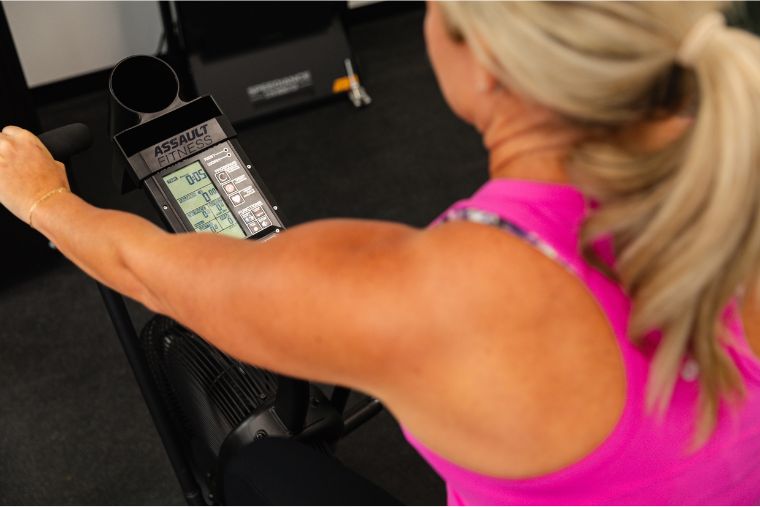
- Practical Tip: Change your exercises, increase intensity, vary your rep ranges, try a new type of training (e.g., add a new cardio machine, try a bodyweight circuit, explore a new fitness class). Small tweaks can make a big difference.
- Seeking Professional Guidance: A certified personal trainer can assess your current routine, identify weaknesses, and design a personalized program to help you break through plateaus safely and effectively. They can also offer accountability and correct form issues.
- Reviewing Nutrition and Recovery: Sometimes, a plateau isn’t about the workout, but about inadequate fueling or recovery. Revisit your nutrition and sleep habits. Are you eating enough protein? Are you getting sufficient calories to support your activity level?
Bouncing Back from Setbacks
Life happens. You might get sick, go on vacation, face increased work stress, or even get injured. The most important thing is how you respond to these interruptions.
- Injury Prevention and Management:
- Listen to Your Body: Don’t push through pain.
- Prioritize Form: As discussed, poor form is a leading cause of injury.
- Incorporate Mobility and Flexibility: Regular stretching and mobility work can improve joint health and muscle balance.
- Rest and Recovery: Allow your body time to heal.
- Seek Professional Help: If you suspect an injury, consult a doctor or physical therapist. Early intervention can prevent minor issues from becoming major ones.
- Missing Workouts: Don’t Give Up, Just Restart:
- It’s not about being perfect; it’s about being persistent. One missed workout, or even a week of missed workouts, does not erase all your progress.
- Practical Tip: Acknowledge the setback without judgment, then plan your next move. Don’t fall into the "all or nothing" trap. If you missed your gym session, can you go for a brisk walk instead? If you ate an unhealthy meal, make your next one a healthy choice. Consistency over perfection.
Building a Supportive Environment
You don’t have to do this alone. Surrounding yourself with positive influences can significantly boost your motivation and adherence.
- Accountability Partners: Find a friend, family member, or colleague with similar goals. Check in with each other, train together, and celebrate successes.
- Fitness Communities: Join a gym, a running club, a cycling group, or an online fitness community. Being part of a group can provide motivation, shared experiences, and a sense of belonging.
- Professional Coaches: For personalized guidance, accountability, and expert programming, consider working with a certified personal trainer or a nutrition coach. Their expertise can accelerate your progress and keep you on track.
Conclusion
Embarking on or continuing a fitness journey is one of the most empowering decisions you can make for your health and well-being. It’s a commitment to a richer, more energetic, and more resilient life. Remember, true fitness isn’t about achieving a fleeting aesthetic ideal; it’s about cultivating sustainable habits that nourish your body, challenge your mind, and uplift your spirit.
This blueprint emphasizes consistency over intensity, holistic well-being over narrow focus, and a growth mindset that embraces challenges as opportunities. By prioritizing your "why," setting SMART goals, embracing diverse movement, fueling your body with intention, and optimizing your lifestyle, you are laying the groundwork for enduring success.
The journey will have its ups and downs, but with patience, persistence, and a willingness to learn and adapt, you possess everything you need to unlock your full potential. Start today, take that first step, and build a vibrant, strong, and healthy life that lasts. Your body and mind will thank you for it.