When most people declare their goal to "lose weight," what they truly envision is a transformation: shedding unwanted body fat while simultaneously sculpting a stronger, more toned physique. This aspiration goes far beyond merely seeing a lower number on the scale; it’s about enhancing body composition, boosting energy levels, and cultivating a profound sense of physical empowerment. However, embarking on this journey without a well-informed strategy can often lead to frustration, where a calorie deficit results in the loss of both fat and valuable muscle tissue.
The key to unlocking sustainable fat loss and preserving, or even building, lean muscle lies in a multifaceted approach. At the heart of this strategy is protein – a macronutrient that plays an unparalleled role in influencing everything from hunger levels and metabolic rate to muscle repair and growth. But protein alone isn’t a magic bullet. It acts in powerful synergy with consistent resistance training, adequate sleep, mindful nutrition, and a holistic commitment to a healthier lifestyle.
This article will guide you through the essential principles of harnessing protein’s power, integrating effective workout strategies, and adopting lifestyle habits that pave the way for a lasting transformation. Whether you’re just beginning your fitness journey or looking to refine your current approach, prepare to unlock the secrets to not just losing weight, but truly sculpting a healthier, more resilient you.
Understanding the Fat Loss Equation: Beyond Just Calories
Before diving into the specifics of protein, it’s crucial to grasp the fundamental principle of fat loss: the calorie deficit. Simply put, you must consume fewer calories than your body expends. This energy imbalance forces your body to tap into its stored energy reserves – primarily fat – to meet its needs.
However, a calorie deficit isn’t a license to starve yourself or drastically cut out entire food groups. The quality of your calories and the composition of your macronutrients (protein, carbohydrates, and fats) are paramount. A deficit that is too aggressive or poorly structured can lead to muscle loss, nutrient deficiencies, and rebound weight gain.
Key Principles of a Smart Calorie Deficit:
- Moderate Reduction: Aim for a deficit of 300-500 calories per day. This allows for steady, sustainable fat loss (typically 1-2 pounds per week) without overly compromising energy levels or muscle mass.
- Nutrient Density: Prioritize whole, unprocessed foods that are rich in vitamins, minerals, and fiber. These foods provide essential nutrients and promote satiety, helping you feel full on fewer calories.
- Macronutrient Balance: While a deficit is key, the ratio of protein, carbs, and fats significantly impacts your body’s response, particularly concerning muscle preservation and satiety. This is where protein truly shines.
Understanding this foundational principle allows us to strategically integrate protein as a powerful tool within a well-designed fat loss plan, ensuring that your efforts yield the desired outcome: a leaner, stronger, and healthier body.
The Unrivaled Power of Protein: More Than Just Muscle
Protein is often hailed as the cornerstone of muscle building, and for good reason. However, its benefits extend far beyond the gym, making it an indispensable ally in any fat loss journey. For beginners and intermediate enthusiasts alike, understanding protein’s multifaceted role can revolutionize your approach to nutrition and accelerate your progress.
Satiety and Appetite Control
One of protein’s most impactful contributions to fat loss is its profound effect on satiety. Compared to carbohydrates and fats, protein has a superior ability to make you feel full and satisfied. This is due to several mechanisms:
- Hormonal Regulation: Protein consumption stimulates the release of gut hormones like PYY and GLP-1, which signal fullness to the brain, and simultaneously reduces levels of ghrelin, the "hunger hormone."
- Reduced Cravings: By promoting sustained fullness, a high-protein diet can significantly reduce cravings for unhealthy snacks and overeating, making it easier to adhere to your calorie deficit.
- Stabilized Blood Sugar: Protein helps to slow down the absorption of carbohydrates, leading to a more gradual rise and fall in blood sugar levels. This prevents the sharp spikes and crashes that often trigger hunger and energy dips.
Practical Application: Imagine replacing a sugary breakfast cereal with Greek yogurt and berries, or swapping a low-protein snack for a handful of almonds or a hard-boiled egg. You’ll likely find yourself feeling more satisfied and less prone to snacking between meals, naturally reducing your overall calorie intake without feeling deprived.
Thermic Effect of Food (TEF)
Another powerful, yet often overlooked, benefit of protein is its high thermic effect of food (TEF). TEF refers to the energy your body expends to digest, absorb, and metabolize the nutrients from your food. Protein has a significantly higher TEF than carbohydrates or fats.
- Metabolic Boost: Approximately 20-30% of the calories from protein are burned off during digestion, compared to 5-10% for carbohydrates and 0-3% for fats. This means that for every 100 calories of protein you consume, your body uses 20-30 of those calories just to process it.
- Increased Calorie Expenditure: While not a massive increase, this higher metabolic cost adds up over the course of a day and week, contributing to your overall calorie expenditure and making your calorie deficit more effective.
Real-Life Example: Think of it this way: if you eat a 200-calorie chicken breast, your body might burn 40-60 calories just to digest it. A 200-calorie cookie, however, might only cost your body 0-6 calories to process. Over time, these small differences can significantly impact your fat loss progress.
Muscle Preservation and Growth
The most widely recognized benefit of protein, and arguably the most critical for body composition goals, is its role in muscle preservation and growth. When you’re in a calorie deficit, your body is in a catabolic state, meaning it’s breaking down tissues for energy. Without sufficient protein and the right stimulus, some of this breakdown can include precious muscle tissue.
- Amino Acid Supply: Protein provides the essential amino acids – the building blocks – that your body needs to repair and synthesize new muscle proteins. A high protein intake ensures a readily available supply of these amino acids, signaling to your body to retain muscle even when calories are restricted.
- Mitigating Muscle Loss: Resistance training provides the necessary stimulus, telling your body that existing muscle is valuable and needs to be maintained. A high-protein diet then provides the fuel for this maintenance and repair, minimizing muscle loss during fat loss phases.
- Boosting Metabolism: Muscle tissue is metabolically active, meaning it burns more calories at rest than fat tissue. By preserving and building muscle, you essentially turn your body into a more efficient fat-burning machine, even when you’re not exercising.
Actionable Advice: Prioritizing protein is not just about looking good; it’s about optimizing your body’s metabolic engine. The more lean muscle you maintain, the higher your resting metabolic rate, making it easier to sustain fat loss in the long run.
Integrating Protein into Your Diet for Optimal Results
Understanding protein’s benefits is one thing; effectively integrating it into your daily diet is another. For beginners and intermediate fitness enthusiasts, practical strategies for protein intake are crucial for maximizing fat loss and muscle preservation.
How Much Protein Do You Really Need?
While general dietary guidelines often suggest a lower protein intake, the recommendations for individuals focused on fat loss and muscle preservation are significantly higher.
- General Guideline: Aim for at least 1.6 to 2.2 grams of protein per kilogram of body weight (or approximately 0.7 to 1.0 gram per pound of body weight) daily.
- Example: A person weighing 150 lbs (approx. 68 kg) should aim for 105-150 grams of protein per day.
- Factors Influencing Needs: Your specific protein requirements can vary based on:
- Activity Level: More active individuals, especially those engaging in intense resistance training, generally need more protein.
- Age: Older adults may benefit from higher protein intake to combat age-related muscle loss (sarcopenia).
- Goals: While 0.7-1.0g/lb is a good range for fat loss, some bodybuilders or athletes might go slightly higher during intense cutting phases.
Practical Tip: Don’t get bogged down by precise calculations initially. Start by aiming for a palm-sized portion of lean protein at each main meal and a protein-rich snack. As you become more consistent, you can refine your intake.
Whole Food vs. Supplements: Finding Your Balance
Both whole food sources and protein supplements have a place in a well-rounded diet.
Whole Food Sources (Prioritize These):
These provide a full spectrum of nutrients beyond just protein, including vitamins, minerals, fiber, and healthy fats.
- Animal Sources:
- Lean meats: Chicken breast, turkey, lean beef (sirloin, flank steak)
- Fish: Salmon, tuna, cod, tilapia
- Eggs: Whole eggs or egg whites
- Dairy: Greek yogurt, cottage cheese, milk
- Plant Sources:
- Legumes: Lentils, beans, chickpeas
- Tofu and tempeh
- Edamame
- Nuts and seeds (also provide healthy fats)
- Quinoa
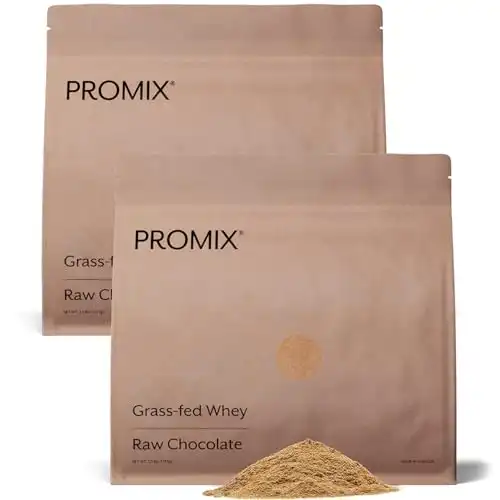
Protein Supplements (Strategic Use):
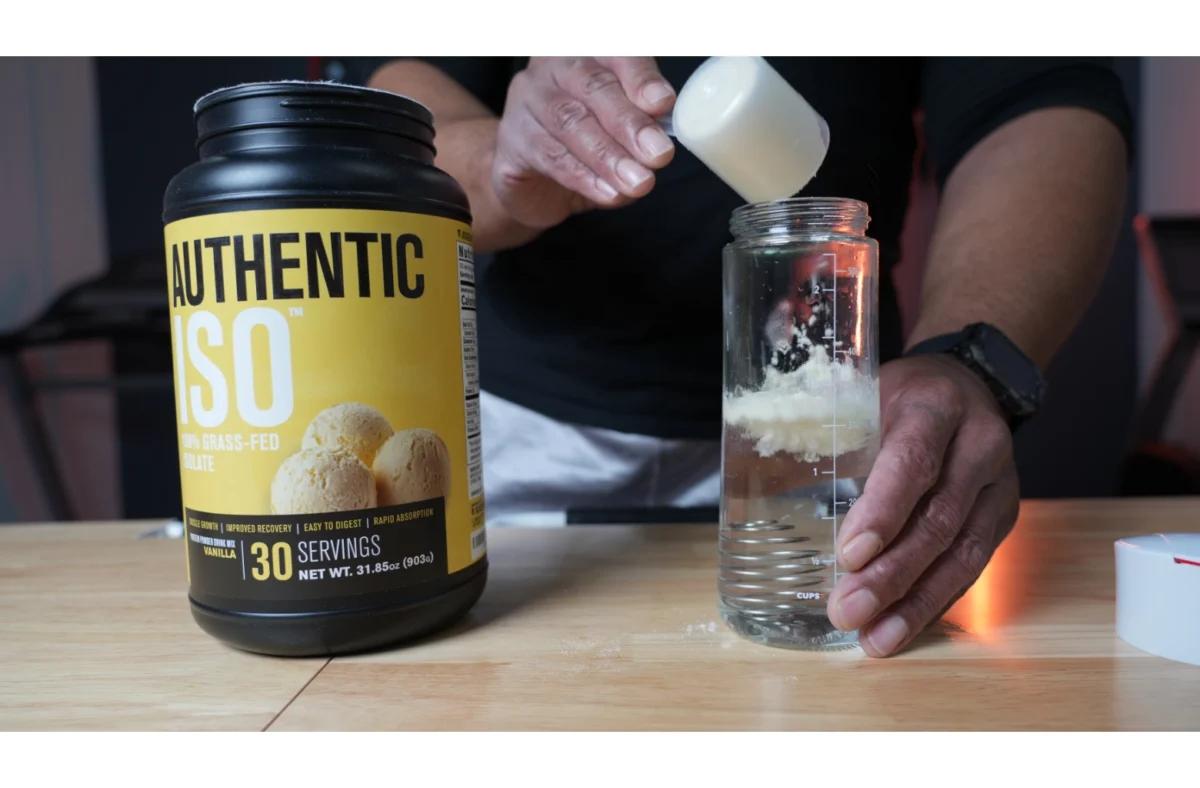
Protein powders offer a convenient, low-calorie, and efficient way to boost your protein intake, especially when time is short or you struggle to hit your targets with whole foods alone.
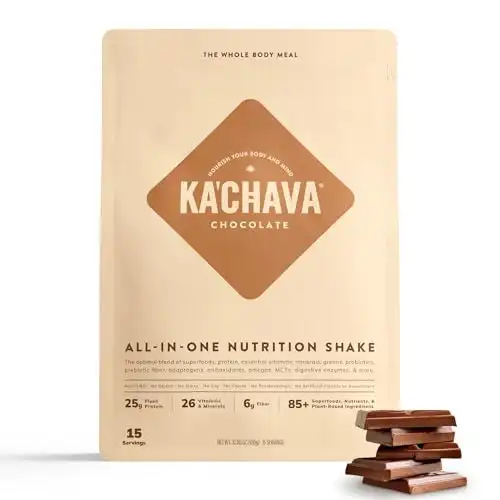
- Types of Protein Powder:
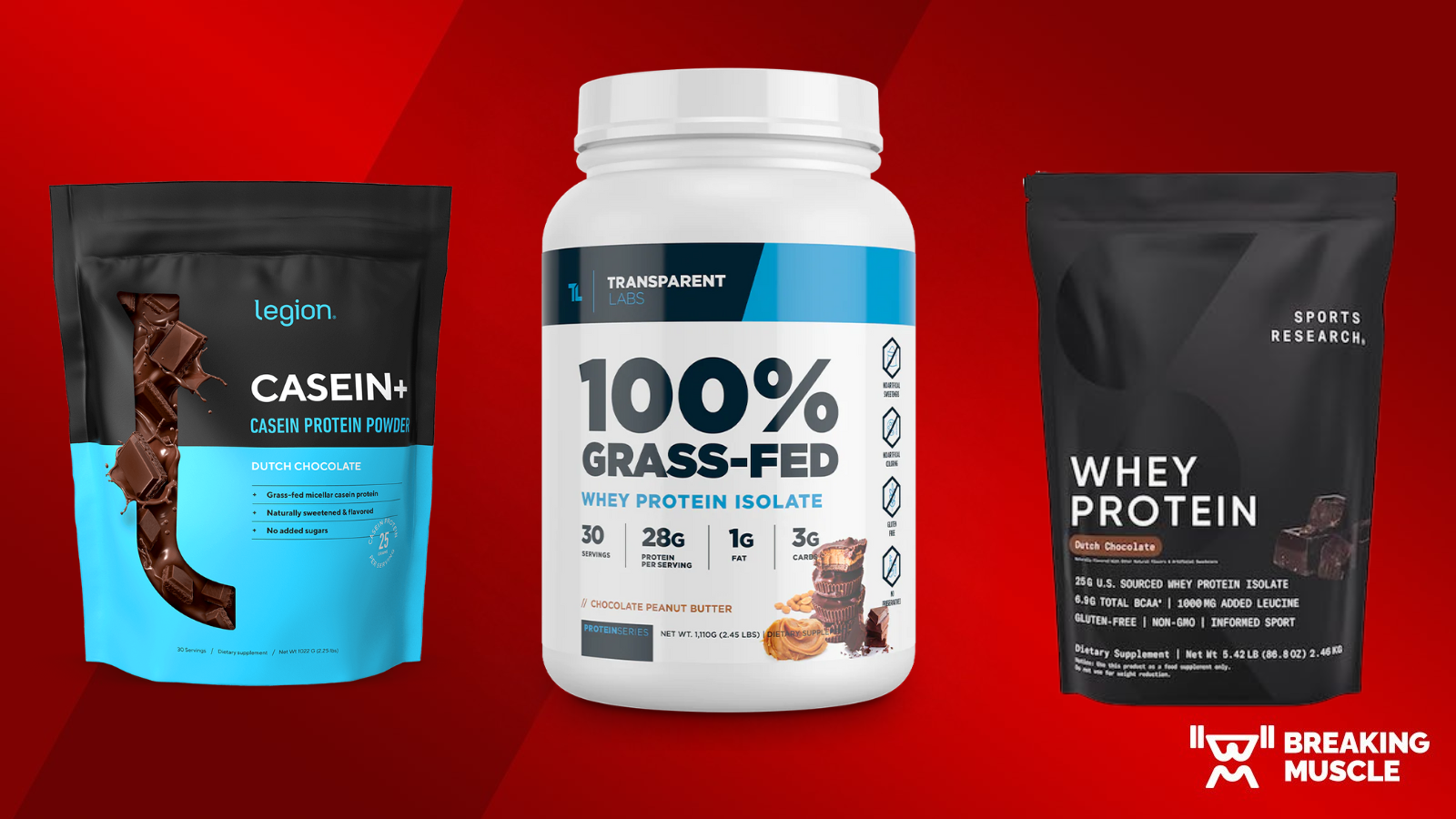
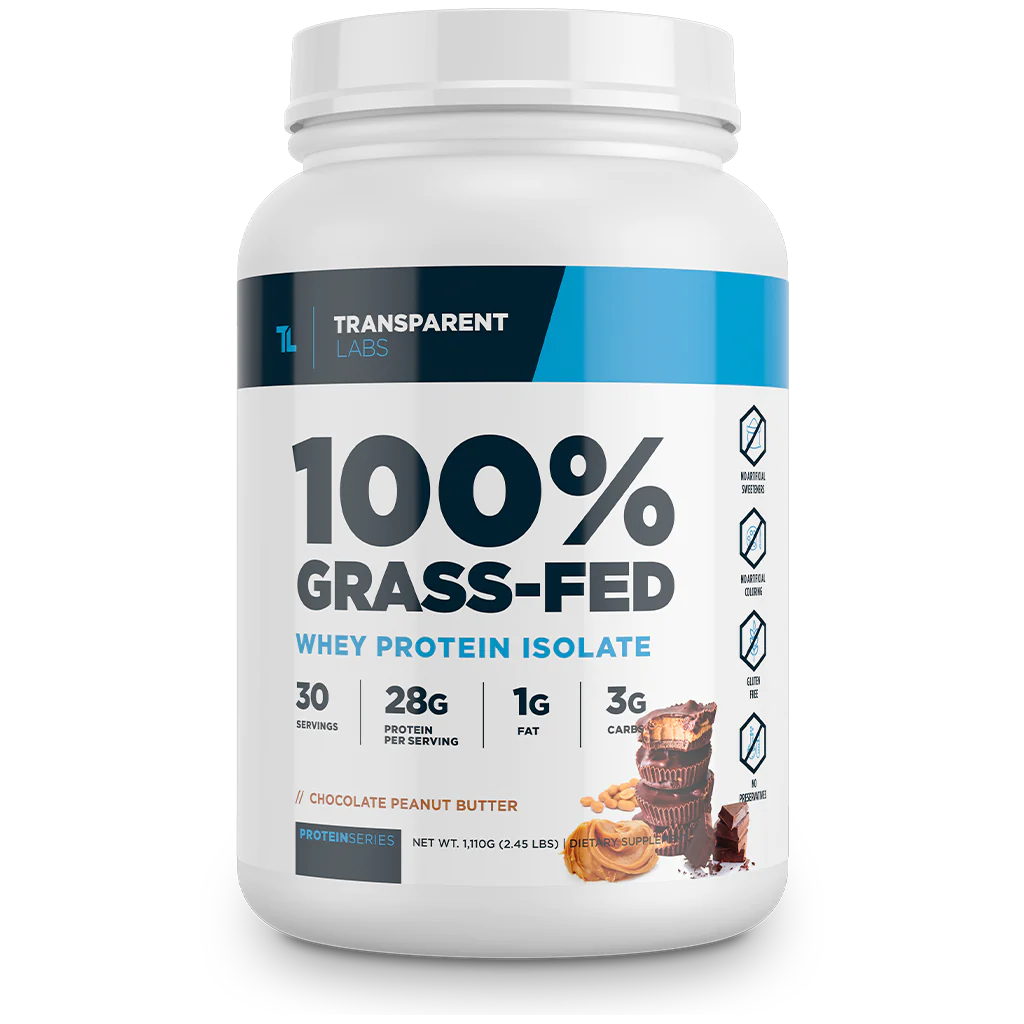
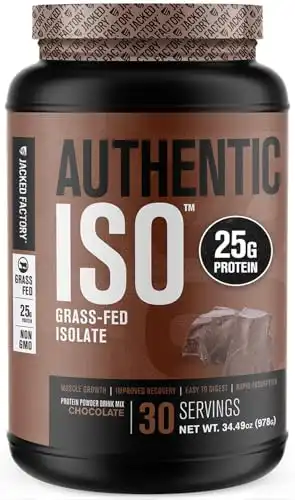
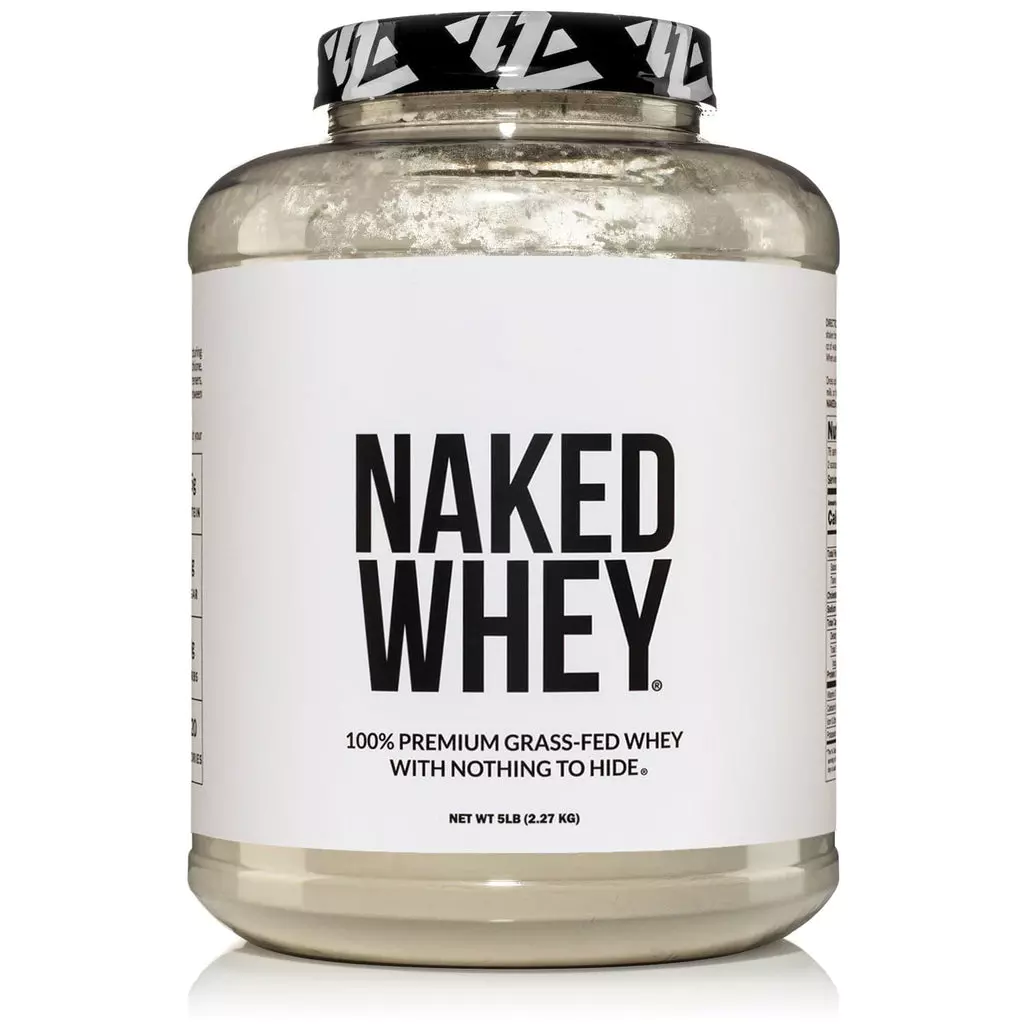
- Whey Protein Isolate: Ultra-filtered, very high protein content (often 90% or more), low in carbs and fat. Excellent for quick absorption post-workout or as a lean snack.
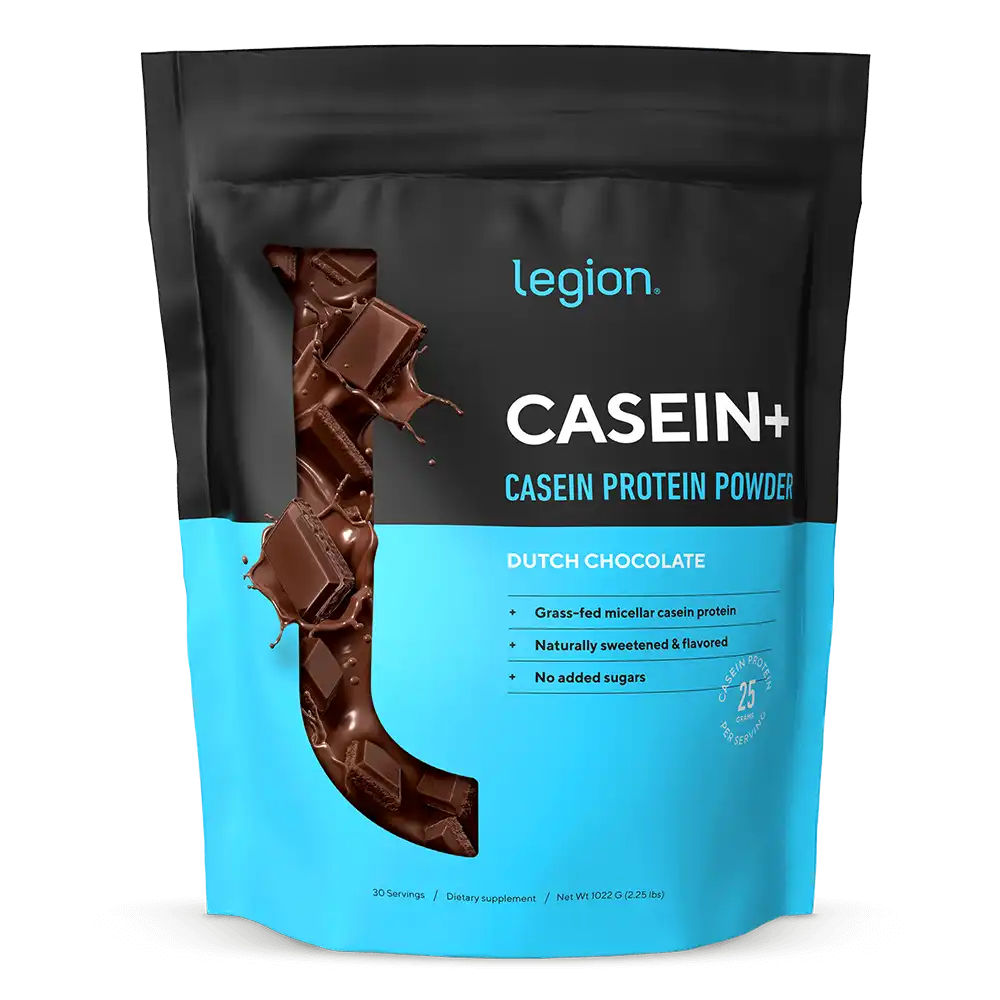
- Casein Protein: Slow-digesting, providing a sustained release of amino acids. Ideal before bed to support overnight muscle repair or to enhance satiety between meals.
- Plant-Based Proteins: (Pea, brown rice, soy, hemp) Great for those with dairy allergies or who prefer a vegan lifestyle. Look for blends to ensure a complete amino acid profile.
- When to Consider Supplements:
- Post-Workout: A quick source of amino acids for muscle repair.
- Meal Replacement/Snack: If you’re short on time or need a convenient protein boost.
- To Meet Targets: When whole foods aren’t enough to reach your daily protein goal within your calorie limits.
Actionable Advice: Think of protein powder as a supplement to your diet, not a replacement for nutrient-dense whole foods. Aim to get the majority of your protein from diverse whole food sources.
Timing Your Protein Intake
While the total daily protein intake is more important than precise timing, distributing your protein throughout the day can offer additional benefits for satiety and muscle protein synthesis.
- Spread it Out: Aim to consume 20-40 grams of protein at each major meal (breakfast, lunch, dinner) and potentially with snacks. This helps maintain a steady supply of amino acids and optimizes muscle repair.
- Breakfast Boost: Starting your day with protein can significantly improve satiety and reduce cravings throughout the morning.
- Post-Workout Window: While the "anabolic window" isn’t as narrow as once thought, consuming protein within a few hours after resistance training helps kickstart muscle repair and recovery.
- Before Bed: Casein protein, or slow-digesting whole food proteins like cottage cheese, can be beneficial before sleep to support overnight muscle protein synthesis and prevent muscle breakdown.
By thoughtfully incorporating protein-rich foods and, where appropriate, supplements into your daily routine, you’ll create a powerful nutritional foundation for effective fat loss and muscle development.
The Synergistic Role of Exercise in Your Transformation
While protein is a nutritional powerhouse, it reaches its full potential when combined with a well-structured exercise regimen. For sustainable fat loss and muscle gain, a balanced approach incorporating both resistance training and cardiovascular exercise is key.
Resistance Training: Your Muscle-Building Ally
Resistance training, also known as strength training or weightlifting, is non-negotiable for anyone serious about body recomposition. It’s the primary stimulus for building and preserving muscle mass, which in turn boosts your metabolism and enhances fat loss.
-
Why it’s Crucial for Fat Loss:
- Muscle Preservation: As discussed, it signals to your body that muscle is vital, minimizing its breakdown during a calorie deficit.
- Increased Resting Metabolic Rate (RMR): Muscle tissue burns more calories at rest than fat tissue. The more muscle you have, the higher your RMR, meaning you burn more calories 24/7.
- Improved Body Shape: Building muscle creates a more toned, sculpted physique, which often looks "leaner" even at the same body weight.
- Enhanced Insulin Sensitivity: Resistance training can improve your body’s ability to use insulin effectively, which is beneficial for fat metabolism and overall health.
-
Practical Tips for Beginners to Intermediate:
- Frequency: Aim for 2-4 resistance training sessions per week, allowing 48-72 hours of recovery for each muscle group.
- Focus on Compound Movements: Prioritize exercises that work multiple muscle groups simultaneously, such as squats, deadlifts, bench presses, overhead presses, and rows. These are highly effective for building overall strength and muscle.
- Proper Form: Always prioritize correct technique over lifting heavy weights. Watch instructional videos, consider a session with a certified trainer, or use lighter weights to master the movement patterns.
- Progressive Overload: This is the fundamental principle of muscle growth. To continue making progress, you must gradually increase the demand on your muscles over time. This can be done by:
- Increasing the weight lifted.
- Increasing the number of repetitions or sets.
- Reducing rest times between sets.
- Improving exercise form.
Cardiovascular Exercise: Boosting Fat Burn and Heart Health
Cardiovascular (cardio) exercise complements resistance training by enhancing calorie expenditure, improving heart health, and aiding recovery.
-
Why it’s Beneficial for Fat Loss:
- Calorie Burn: Cardio burns calories during the activity, directly contributing to your calorie deficit.
- Improved Endurance: Enhances your stamina for daily activities and resistance training sessions.
- Heart Health: Strengthens your cardiovascular system, reducing the risk of chronic diseases.
- Stress Reduction: Many forms of cardio can be excellent stress relievers, which indirectly supports fat loss by mitigating cortisol levels.
-
Types of Cardio and Tips:
- Low-Intensity Steady-State (LISS): Walking, jogging, cycling, swimming at a moderate pace for an extended duration (30-60 minutes). Great for recovery and consistent calorie burn without excessive fatigue.
- High-Intensity Interval Training (HIIT): Short bursts of intense exercise followed by brief recovery periods. Highly time-efficient and can lead to a significant "afterburn" effect (EPOC), where your body continues to burn calories at an elevated rate post-workout.
- Frequency: Aim for 3-5 sessions of cardio per week, adjusting intensity and duration based on your fitness level and recovery capacity.
- Don’t Overdo It: Excessive cardio, especially when combined with a calorie deficit and resistance training, can hinder recovery and potentially lead to muscle loss. Find a balance that supports your goals without overtraining.
The Importance of Progressive Overload
Progressive overload is the secret sauce to continuous improvement in strength and muscle size. Your body adapts to stress. If you consistently lift the same weights for the same reps, your body has no reason to change.
- How to Apply It:
- Track Your Workouts: Keep a log of the exercises, weights, sets, and reps you perform.
- Small Increments: When an exercise feels too easy for the target rep range, try adding a small amount of weight (e.g., 2.5-5 lbs) or doing one more rep.
- Variety (But Not Too Much): While progressive overload is key, it’s also good to periodically change exercises or adjust your routine every 6-12 weeks to keep your body adapting and prevent plateaus.
By embracing both resistance training and smart cardio, you create a powerful exercise foundation that works synergistically with your high-protein diet to optimize fat loss, build muscle, and transform your physique.
Beyond Protein and Workouts: A Holistic Approach
Achieving sustainable fat loss and building a lean, strong body extends beyond just diet and exercise. A truly transformative journey embraces a holistic approach, recognizing that factors like sleep, stress management, and hydration play equally critical roles in your success.
Prioritizing Quality Sleep
Sleep is not merely a period of rest; it’s a vital component of recovery, hormone regulation, and overall well-being that directly impacts your fat loss efforts.
- Hormonal Balance: Lack of sleep disrupts key hormones related to appetite and fat storage:
- Ghrelin (Hunger Hormone): Increases with sleep deprivation, making you feel hungrier.
- Leptin (Satiety Hormone): Decreases with lack of sleep, reducing feelings of fullness.
- Cortisol (Stress Hormone): Elevated cortisol from poor sleep can promote fat storage, especially around the belly.
- Muscle Recovery: During deep sleep, your body releases growth hormone, essential for muscle repair and growth. Insufficient sleep compromises your body’s ability to recover from workouts and build muscle.
- Energy Levels and Performance: Adequate sleep ensures you have the energy and mental clarity to perform effectively in your workouts and make healthy food choices throughout the day.
Actionable Advice: Aim for 7-9 hours of quality sleep per night. Establish a consistent sleep schedule, create a relaxing bedtime routine, and optimize your sleep environment (dark, quiet, cool).
Managing Stress Effectively
Chronic stress can be a silent saboteur of your fat loss goals, irrespective of how diligently you manage your diet and exercise.
- Cortisol Release: Stress triggers the release of cortisol, which, when chronically elevated, can lead to increased appetite, cravings for sugary and fatty foods, and preferential fat storage in the abdominal area.
- Poor Decision-Making: High stress levels can impair your willpower and lead to emotional eating or skipping workouts.
- Inflammation: Chronic stress can contribute to systemic inflammation, which is linked to various health issues and can hinder metabolic function.
Practical Stress-Busting Techniques:
- Mindfulness and Meditation: Even 5-10 minutes a day can significantly reduce stress.
- Deep Breathing Exercises: Simple techniques to calm your nervous system.
- Regular Physical Activity: Exercise itself is a powerful stress reliever.
- Hobbies and Social Connection: Engage in activities you enjoy and spend time with supportive people.
- Time Management: Prioritize tasks and learn to say no to avoid feeling overwhelmed.
Hydration: The Unsung Hero
Often overlooked, proper hydration is fundamental to virtually every bodily function and plays a significant, albeit indirect, role in fat loss.
- Metabolic Function: Water is essential for all metabolic processes, including fat metabolism. Dehydration can slow down your metabolism.
- Appetite Management: Sometimes, thirst can be mistaken for hunger. Drinking water before meals can help you feel fuller and reduce overall calorie intake.
- Workout Performance: Dehydration can impair physical performance, leading to fatigue and reduced intensity during workouts.
- Nutrient Transport: Water helps transport nutrients, including amino acids, to your muscles and aids in waste removal.
Actionable Advice: Aim to drink at least 8-10 glasses (2-3 liters) of water per day, and more if you’re exercising intensely or in a hot environment. Keep a water bottle handy and sip throughout the day. Herbal teas and sparkling water can also contribute to your fluid intake.
By consciously addressing these crucial lifestyle factors, you’re not just optimizing your body for fat loss; you’re building a foundation for sustainable health, energy, and mental resilience, ensuring your journey is as rewarding as the destination.
Crafting Your Personalized Protein-Powered Fitness Plan
The principles outlined so far provide a robust framework, but true success lies in tailoring them to your unique needs, preferences, and lifestyle. Crafting a personalized plan ensures consistency, adherence, and ultimately, sustainable results.
Setting Realistic Goals
An effective plan begins with clear, achievable goals. Unrealistic expectations can lead to burnout and discouragement.
- SMART Goals: Ensure your goals are Specific, Measurable, Achievable, Relevant, and Time-bound.
- Instead of: "I want to lose weight."
- Try: "I will lose 10 pounds of body fat in 12 weeks by consistently hitting my protein target, training three times a week, and walking 30 minutes daily."
- Focus on Process, Not Just Outcome: While the end goal is motivating, celebrate small victories related to your habits – consistently hitting your protein target, completing all your workouts, choosing water over soda. These process goals build momentum.
- Be Patient: Sustainable fat loss and muscle gain take time. Expect gradual progress, not overnight miracles.
Practical Meal Planning Strategies
Integrating high-protein foods into your diet doesn’t have to be complicated. Simple strategies can make a big difference.
- Prep Ahead: Dedicate some time each week (e.g., Sunday afternoon) to prepare protein sources like cooked chicken breast, hard-boiled eggs, or roasted chickpeas. This makes healthy eating effortless during busy weekdays.
- Build Your Plate Around Protein: At every meal, start by selecting your protein source, then add vegetables, and finally, healthy carbohydrates and fats. This ensures protein is always a priority.
- Smart Snacking: Keep protein-rich snacks readily available to curb hunger and prevent unhealthy choices.
- Greek yogurt with berries
- Cottage cheese with fruit
- Handful of nuts or seeds
- Jerky (choose low-sugar options)
- Protein shake
- Variety is Key: Rotate your protein sources to ensure you’re getting a diverse range of amino acids and micronutrients.
- Don’t Fear Flavor: Experiment with different spices, herbs, and low-calorie sauces to make your protein-rich meals delicious and enjoyable.
Tracking Progress and Adapting
Monitoring your progress is essential for staying motivated and making informed adjustments to your plan.
- Beyond the Scale: While the scale provides one data point, it doesn’t tell the whole story, especially when you’re building muscle.
- Measurements: Track waist, hip, arm, and thigh circumference monthly.
- Progress Photos: Take photos every 4-6 weeks to visually observe changes in your physique.
- How Clothes Fit: A non-scale victory that often reflects positive body composition changes.
- Strength Gains: Celebrate improvements in your lifting numbers or endurance during cardio.
- Energy Levels & Mood: Notice how your new habits impact your overall well-being.
- Listen to Your Body: Pay attention to hunger cues, energy levels, recovery, and sleep quality. If you’re constantly exhausted, overly sore, or experiencing extreme hunger, your plan might be too aggressive.
- Be Flexible and Adapt: Your body will adapt, and progress will inevitably slow or plateau. This is normal. When it happens, review your plan and make small adjustments:
- Slightly increase or decrease calories (often 100-200 calories at a time).
- Change your workout routine (new exercises, different rep ranges, more intensity).
- Adjust your cardio frequency or intensity.
- Ensure sleep and stress management are still on point.
Your fitness journey is a dynamic process of learning and adaptation. By setting realistic goals, implementing practical strategies, and consistently tracking and adjusting, you’ll build a sustainable path to success, transforming not just your body, but your entire approach to health and well-being.
Your Empowered Future: A Motivational Conclusion
You now stand equipped with the knowledge and actionable strategies to embark on a truly transformative fitness journey. The path to sustainable fat loss and lean muscle isn’t about fleeting diets or extreme measures; it’s about embracing a powerful synergy between strategic nutrition, consistent exercise, and a holistic commitment to your well-being.
Remember, protein is your invaluable ally – the foundational macronutrient that fuels your muscles, tames your hunger, and ignites your metabolism. But its power is magnified exponentially when paired with the purposeful challenge of resistance training, the metabolic boost of cardiovascular exercise, and the restorative embrace of quality sleep and stress management.
This isn’t just about changing your appearance; it’s about reclaiming your strength, boosting your energy, and cultivating a profound sense of self-efficacy. Each high-protein meal, every challenging rep, and every night of restorative sleep is a step towards a healthier, more resilient you.
Embrace the process. Be patient with yourself. Celebrate every small victory. There will be days that challenge your resolve, but remember your "why." Your commitment today is an investment in a future where you feel strong, vibrant, and empowered. You have the tools, the knowledge, and the innate capacity for greatness. Start today, stay consistent, and sculpt the success story you deserve. Your empowered future awaits.