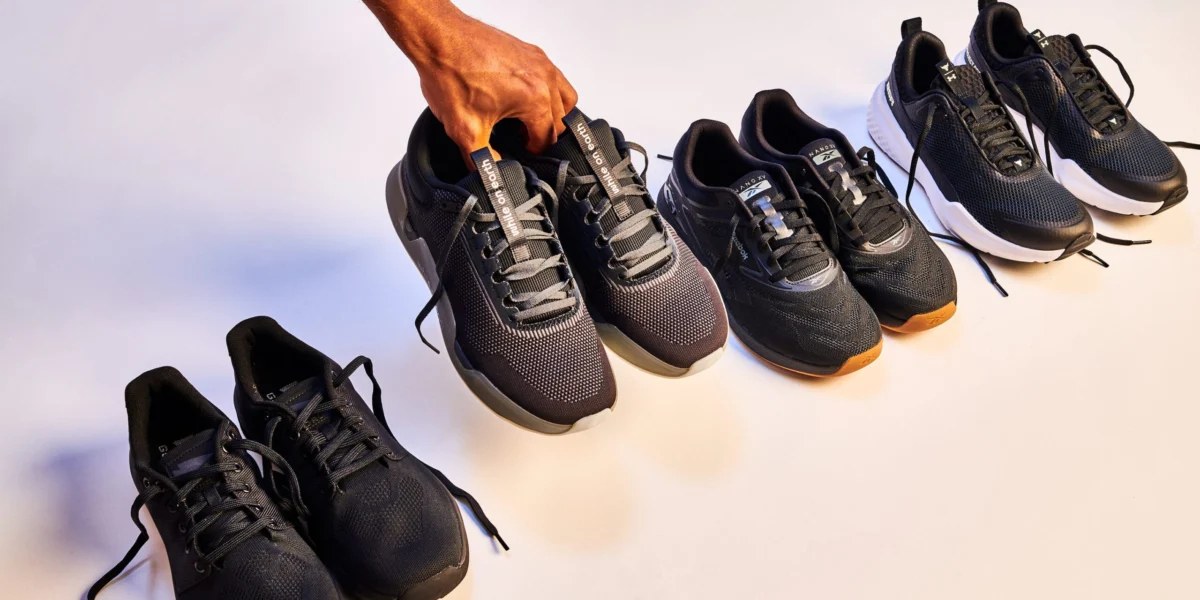
Finding the right pair of footwear for the gym is often the most overlooked component of a successful training program. Beginners often assume any sneaker will do, but once you start mixing heavy lifting with high-intensity interval training (HIIT) and plyometrics, your footwear choice becomes a critical factor in both performance and injury prevention.
A true cross-training shoe serves as a bridge between the rigid, flat sole of a dedicated powerlifting boot and the cushioned, bouncy platform of a long-distance running shoe. Finding the "sweet spot" is the goal. We’ve rigorously tested these models in the gym, putting them through the gauntlet of deadlifts, box jumps, rope climbs, and sprints to determine which ones actually earn their place in your gym bag.

Why Your Choice of Footwear Matters
In the fitness world, your feet are your first point of contact with the ground. If you are wearing a soft, pillowy running shoe while attempting a heavy back squat, the compression of the foam under your heel will cause instability, forcing your ankles and knees to compensate. Conversely, wearing a rock-hard lifting shoe for a circuit involving lateral agility drills will leave your feet feeling fatigued and unsupported.
Cross-training shoes are engineered with a firmer heel to provide a stable base for lifts, combined with a flexible forefoot to allow for the dynamic movement required in modern conditioning classes.

Decoding the Tech Specs
When browsing for your next pair of gym shoes, keep these three metrics in mind:
- Heel-to-Toe Drop: This is the height difference between the heel and the forefoot. A lower drop (0–4mm) is generally better for lifting as it keeps you closer to the ground. A higher drop (6–8mm) can feel more comfortable for those who have limited ankle mobility or who prioritize cardio-heavy workouts.
- Stability vs. Cushioning: If your training consists of 80% heavy lifting, prioritize stability. If your training is 80% HIIT, circuit training, or agility work, look for a balance of responsiveness and cushioning.
- Upper Material: Look for reinforced meshes or synthetic overlays if you plan on doing rope climbs, as standard lightweight mesh will shred against the friction of a climbing rope.
8 Elite Trainers for Every Training Style
1. The Versatile Performer: Nike Free Metcon 7
The Free Metcon line has long been a staple in gyms for its ability to transition between modalities. By balancing a firm heel with a more flexible "Free" technology in the forefoot, this shoe handles lateral movements with ease. It is an excellent choice for the trainee who enjoys a mix of moderate-weight lifting and high-reps, though it isn’t designed for heavy one-rep max attempts.

2. The Official Workhorse: Reebok Nano X5
The Nano series remains the industry standard for a reason. The X5 iteration features a refined fit and a gusseted tongue that stays in place during explosive movements. It is exceptionally durable—you can wear these for turf drills, sled pushes, and heavy sets without fearing premature wear and tear.
3. The Powerlifting Specialist: Nike Metcon 10
If your primary goal is to move heavy iron, the Metcon 10 is your best ally. By dialing back some of the "over-built" features of its predecessors, this model returns to its roots. It utilizes a wide, firm platform that gives you the confidence to drive through your heels during squats and deadlifts. It is less of a "runner" than other options, but it is a titan of stability.

4. The Lifestyle-Ready Trainer: The Move Trainer
Designed by elite athletes, this shoe excels for the "everyday gym-goer." Its greatest strength is its aesthetic—it looks like a clean, modern sneaker that you can wear to brunch, yet it packs enough density in the midsole to handle a solid workout. It is perfect for those who want one shoe to carry them from the weight room to the street.
5. The HIIT Specialist: Project Rock BSR 5
For those whose workouts are centered on HIIT, bootcamps, and plyometrics, this shoe offers a great blend of responsiveness and lockdown. The TPU heel-to-midfoot strap keeps your foot secure during quick direction changes, while the cushioning provides enough bounce to keep your joints happy during high-impact sets.

6. The Sustainable Powerhouse: R.A.D One V2
This brand has disrupted the market by focusing on high-performance materials like sugarcane-based foam. The V2 offers a natural, grounded feel that is fantastic for Olympic lifting. It is a slightly "snug" fit, so consider sizing up or wearing thinner socks, but the traction and stability are world-class.
7. The Bulletproof Minimalist: NOBULL Outwork
Built with a proprietary material called SuperFabric, these shoes are nearly indestructible. They have a flat, stable sole that feels very grounded, making them a favorite among athletes who want a no-nonsense, minimalist feel. They require a short break-in period, but once they mold to your foot, they are among the most reliable training partners you can find.

8. The Barefoot-Style Enthusiast: Vivobarefoot Primus Lite IV
If you prefer to feel every inch of the floor, this is the gold standard. With a zero-drop profile and a wide toe box, it encourages natural foot mechanics. It is exceptionally lightweight and perfect for those who want to improve their foot strength and balance during their workouts.
Practical Tips for Your Next Workout
Regardless of which shoe you choose, remember that your footwear is only as good as your training habits. Here are three quick tips to maximize your investment:

- Don’t "Double-Duty" Your Shoes: If you have a pair of dedicated running shoes, use them for running. Don’t wear them for heavy leg day, as the compression will throw off your form. Keep your training shoes separate.
- Lace Up Properly: Don’t be afraid to adjust your lacing. Many of the shoes mentioned above offer specialized lacing loops that can lock the heel down more tightly if you feel any slippage during burpees or box jumps.
- Give Them Air: After a high-intensity session, pull out the insoles and let your shoes air out. This significantly extends the life of the materials and keeps odors at bay.
Final Thoughts
The search for the "perfect" shoe is personal. A powerlifter will value the rigidity of the Metcon 10, while a HIIT enthusiast will likely prefer the versatility of the Nano X5. The best way to choose is to audit your own training: What percentage of your time is spent lifting versus moving?
Whatever you choose, remember that the most important part of any workout isn’t what’s on your feet—it’s the effort you bring to the floor. Now that you have the right gear, it’s time to stop researching and start sweating. Lace up, lock in, and get to work. Your best self is waiting on the other side of that next rep.