
In a world brimming with fleeting fitness trends, miracle diets, and ever-changing workout fads, it’s easy to feel overwhelmed and lost. Many embark on fitness journeys with fervent enthusiasm, only to find themselves disillusioned when quick fixes fail to deliver lasting results. The truth is, enduring strength and sustainable health aren’t built on novelty; they are forged upon timeless, foundational principles.
Whether you’re just lacing up your first pair of training shoes or you’ve been consistently hitting the gym and are looking to elevate your routine, this article is your comprehensive guide. We’re not here to offer shortcuts, but rather to equip you with the knowledge, strategies, and mindset necessary to build a robust, resilient body and mind that will serve you for a lifetime. We’ll strip away the complexities and focus on the bedrock elements of fitness: strength training, cardiovascular health, recovery, and the mental fortitude required to make it all stick. By mastering these core components, you’ll not only achieve your immediate fitness goals but also lay down an unshakeable blueprint for enduring strength and vitality.
Understanding the Core of Lasting Fitness
True fitness transcends aesthetics or the ability to perform a single impressive feat. It’s about cultivating a body that moves efficiently, feels strong, recovers effectively, and supports a vibrant life. This holistic view is the starting point for any successful, long-term fitness journey.
Beyond the Quick Fix: Why Foundations Matter
Imagine building a magnificent skyscraper on a flimsy foundation. No matter how dazzling the upper floors, the entire structure is destined to crumble. Your body is no different. Relying on sporadic, high-intensity bursts without a solid base of strength, mobility, and cardiovascular health is a recipe for injury, burnout, and frustration.
Foundational fitness is about establishing that robust base. It involves understanding how your body moves, strengthening the core muscles that support everyday life, and developing the cardiovascular capacity that fuels every activity. When you prioritize foundational movements and sustainable practices, you:
- Prevent Injuries: A strong, balanced body is less susceptible to strains, sprains, and chronic pain. Correct movement patterns protect your joints and spine.
- Ensure Sustained Progress: With a solid foundation, you can safely and effectively increase the demands on your body, leading to continuous improvements in strength, endurance, and skill.
- Enhance Quality of Life: From carrying groceries with ease to playing with your children or enjoying outdoor adventures, foundational fitness translates directly into a more capable and enjoyable daily existence.
- Build Resilience: A well-conditioned body is better equipped to handle stress, both physical and mental, contributing to overall well-being.
It’s an investment in your future self, ensuring that your fitness journey is not a sprint, but a sustainable and rewarding marathon.
The Mindset Shift: Consistency Over Intensity
One of the most common pitfalls for beginners and even intermediate enthusiasts is the "all-or-nothing" mentality. The urge to jump straight into intense, grueling workouts is powerful, often fueled by the desire for rapid results. However, this approach frequently leads to exhaustion, soreness that hinders future workouts, and ultimately, a complete cessation of exercise.
The secret to lasting fitness lies not in sporadic heroic efforts, but in unwavering consistency. It’s far more beneficial to complete three moderate workouts per week for a year than to crush seven intense sessions for a month and then quit.
Embrace the power of showing up:
- Start Small, Build Up: Don’t feel pressured to spend hours in the gym from day one. Even 20-30 minutes of focused movement a few times a week can create significant momentum.
- Prioritize Regularity: Make fitness a non-negotiable appointment in your calendar. Treat it with the same importance as any other commitment.
- Celebrate Consistency: Acknowledge every workout you complete, regardless of its intensity. Each session is a win for your long-term health.
- Be Patient: Results take time. Focus on the process and trust that consistency will inevitably lead to progress. Your body adapts gradually, not instantly.
- Flexibility is Key: Life happens. If you miss a planned workout, don’t let it derail your entire week. Adapt, reschedule, or do a shorter session. The goal is to maintain the habit.
This mindset shift transforms fitness from a daunting task into an integral, enjoyable part of your lifestyle.
The Pillars of Foundational Strength Training
Strength training is the cornerstone of any effective fitness program, offering benefits that extend far beyond building muscle. It fortifies your bones, boosts your metabolism, improves hormonal balance, and enhances your ability to perform everyday tasks with ease. For beginners, it might seem intimidating, but by focusing on fundamental movement patterns, you can build a strong and safe foundation.
Mastering the Fundamental Movement Patterns
Before attempting complex exercises or lifting heavy weights, it’s crucial to master the basic human movement patterns. These are the natural ways our bodies are designed to move and form the basis of nearly every exercise you’ll ever do. Start by perfecting these with just your body weight, then gradually add resistance.
Squats: The King of Lower Body
The squat is arguably the most fundamental human movement. We squat to sit, to pick things up, and to stand up. Mastering the squat strengthens your entire lower body – glutes, hamstrings, quadriceps – and improves hip and ankle mobility.

- Why it’s essential: Builds powerful legs and glutes, improves mobility, and protects your knees and lower back.
- Practical Tip: Start with bodyweight squats. Stand with feet shoulder-width apart, toes slightly out. Imagine sitting back into a chair, keeping your chest up and back straight. Aim for your hips to go below your knees, if comfortable. Focus on controlling the descent and driving up through your heels.
- Progression: Goblet squats (holding a dumbbell at your chest), barbell back squats.
Hinges: Power from the Posterior Chain
The hip hinge is distinct from a squat. It involves pushing your hips backward while maintaining a relatively straight spine, with minimal knee bend. Think about bending over to pick something up from the floor, using your powerful glutes and hamstrings, not rounding your lower back. Exercises like deadlifts, Romanian deadlifts (RDLs), and good mornings are variations of the hinge.
- Why it’s essential: Develops a strong posterior chain (glutes, hamstrings, lower back), crucial for lifting, jumping, and preventing lower back pain.
- Practical Tip: Practice with a broomstick held against your back (touching your head, upper back, and tailbone). Hinge at your hips, pushing them back as if trying to touch a wall behind you, keeping the broomstick in contact with all three points.
- Progression: Kettlebell swings, dumbbell RDLs, conventional deadlifts.
Pushes: Upper Body Strength for Daily Life
Pushing movements involve extending your arms away from your body. These can be horizontal (like pushing a door open) or vertical (like reaching for something on a high shelf). Exercises include push-ups, bench presses, and overhead presses.
- Why it’s essential: Builds strength in your chest, shoulders, and triceps, important for daily tasks and athletic performance.
- Practical Tip: Master the push-up. If full push-ups are too challenging, start with incline push-ups against a wall or a sturdy bench. Focus on keeping your body in a straight line from head to heels, lowering your chest towards your hands, and pushing back up powerfully.
- Progression: Decline push-ups, dumbbell bench press, barbell overhead press.
Pulls: Balancing Your Upper Body
Pulling movements involve drawing your arms towards your body. These also come in horizontal (like rowing a boat) and vertical (like climbing a rope) variations. Exercises include rows, pull-ups, and lat pulldowns. Pulling movements are often neglected, leading to muscular imbalances and poor posture.
- Why it’s essential: Strengthens your back (lats, rhomboids, traps) and biceps, essential for good posture, preventing shoulder issues, and balancing pushing muscles.
- Practical Tip: Start with resistance band rows or inverted rows (pulling your chest towards a low bar). For vertical pulling, try assisted pull-ups or lat pulldowns on a machine. Focus on squeezing your shoulder blades together and engaging your back muscles.
- Progression: Dumbbell rows, cable rows, weighted pull-ups.
Carries: Functional Core and Grip Strength
Carrying exercises, such as farmer’s carries (walking with heavy weights in each hand) or suitcase carries (heavy weight in one hand), are incredibly functional. They mimic real-life situations and are fantastic for building core stability, grip strength, and overall resilience.
- Why it’s essential: Develops rock-solid core stability, crushing grip strength, and builds full-body endurance.
- Practical Tip: Grab a pair of moderately heavy dumbbells or kettlebells. Stand tall, shoulders back, core braced. Walk for a set distance or time, focusing on maintaining perfect posture without leaning.
- Progression: Increase weight, increase distance, use uneven weights.
Progressive Overload: The Engine of Progress
Once you’ve mastered the form of these foundational movements, the key to continuous progress is progressive overload. Simply put, this principle states that to continue getting stronger, you must gradually increase the demands placed on your body over time. Without it, your body will adapt to the current stress and stop making improvements.
How to implement progressive overload:
- Increase Weight (Load): The most common method. If you can comfortably perform your target reps with a certain weight, it’s time to incrementally increase it.
- Example: If you’re doing dumbbell squats with 20 lbs for 3 sets of 10 reps easily, try 22.5 lbs next week.
- Increase Repetitions (Reps): If you can’t increase the weight yet, try to do more reps with the same weight.
- Example: Instead of 3 sets of 8 reps, aim for 3 sets of 9 or 10 reps.
- Increase Sets: Add an extra set to your exercise.
- Example: Go from 3 sets to 4 sets of an exercise.
- Decrease Rest Time: Perform the same amount of work in a shorter period.
- Example: If you rest 90 seconds between sets, try resting 60 seconds.
- Improve Form/Technique: While not "overload" in the traditional sense, performing an exercise with stricter, more controlled form makes it more challenging and effective.
- Increase Frequency: Work out a particular muscle group or perform a specific exercise more often throughout the week.
- Increase Time Under Tension: Slow down the eccentric (lowering) phase of a lift to increase the duration your muscles are working.
Remember, the progression should be gradual and sustainable. Don’t rush it; listen to your body and prioritize safety.
Form First: Safety and Effectiveness
For beginners especially, focusing on proper form is paramount. Incorrect form not only reduces the effectiveness of an exercise but dramatically increases your risk of injury. A lift performed with perfect technique at a lighter weight is infinitely more valuable than a sloppy lift with a heavier one.
Tips for perfecting your form:
- Start Light (or Bodyweight): Always begin with a weight you can control with perfect form for your target reps. For many exercises, bodyweight is the ideal starting point.
- Watch Demonstrations: Utilize reputable online resources (videos from certified trainers) to visualize correct form.
- Use Mirrors/Record Yourself: Observe your technique from different angles. Recording yourself can provide invaluable feedback that you might miss in the moment.
- Mind-Muscle Connection: Actively think about the muscles you’re supposed to be working. Focus on contracting them throughout the movement.
- Seek Expert Guidance: Consider investing in a few sessions with a certified personal trainer. They can provide personalized feedback and correct your form in real-time.
- Don’t Be Afraid to Deload: If your form starts to break down, reduce the weight. There’s no ego in safe, effective training.
Integrating Cardiovascular Health
While strength training builds the engine, cardiovascular exercise ensures it runs smoothly and efficiently. Often referred to simply as "cardio," this type of training strengthens your heart and lungs, improving your body’s ability to deliver oxygen to working muscles. It’s a non-negotiable component of a truly comprehensive fitness plan.
Why Cardio is Non-Negotiable
Beyond simply improving endurance, cardiovascular health offers a myriad of benefits that complement your strength gains and contribute significantly to overall well-being:
- Heart Health: Regular cardio strengthens your heart muscle, making it more efficient at pumping blood. This lowers resting heart rate and blood pressure, reducing the risk of heart disease.
- Lung Capacity: It improves the efficiency of your lungs, allowing you to take in more oxygen with each breath.
- Stamina and Endurance: You’ll be able to perform physical tasks for longer periods without fatigue, whether it’s an extended workout or a hike with friends.
- Enhanced Recovery: A healthy cardiovascular system can help shuttle nutrients to your muscles and clear metabolic waste more efficiently, aiding in post-workout recovery.
- Mood Elevation: Cardio releases endorphins, natural mood boosters that can reduce stress, anxiety, and symptoms of depression.
- Weight Management: It burns calories, contributing to a healthy energy balance and supporting fat loss or maintenance.
Ignoring cardio is like building a powerful car but forgetting to install a robust fuel system. Both strength and cardiovascular health are essential for optimal performance and longevity.
Choosing Your Cardio Path: LISS vs. HIIT
The world of cardio offers diverse options, but two main categories stand out: Low-Intensity Steady State (LISS) and High-Intensity Interval Training (HIIT). Both have their merits, and incorporating a blend of both can be highly effective.
Low-Intensity Steady State (LISS)
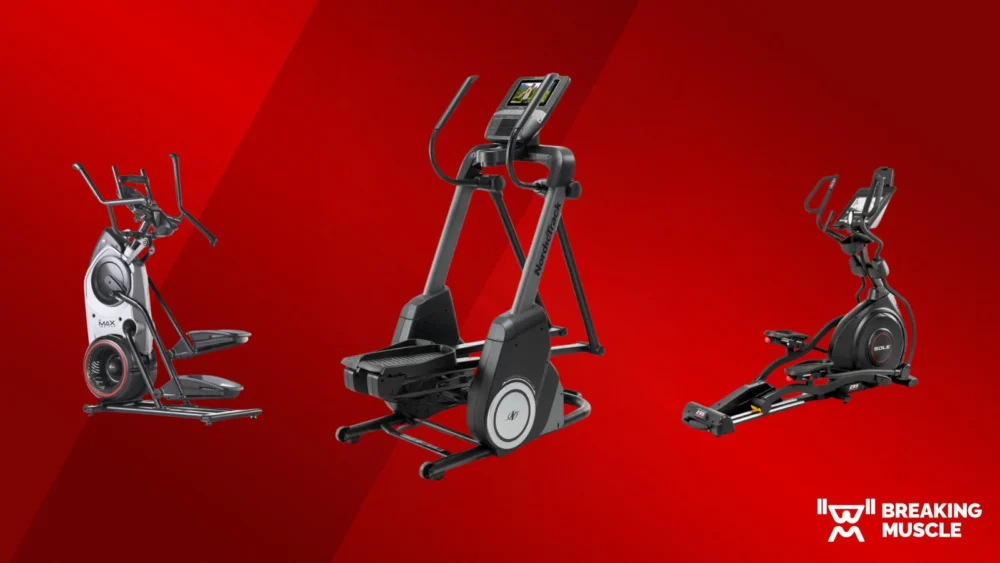
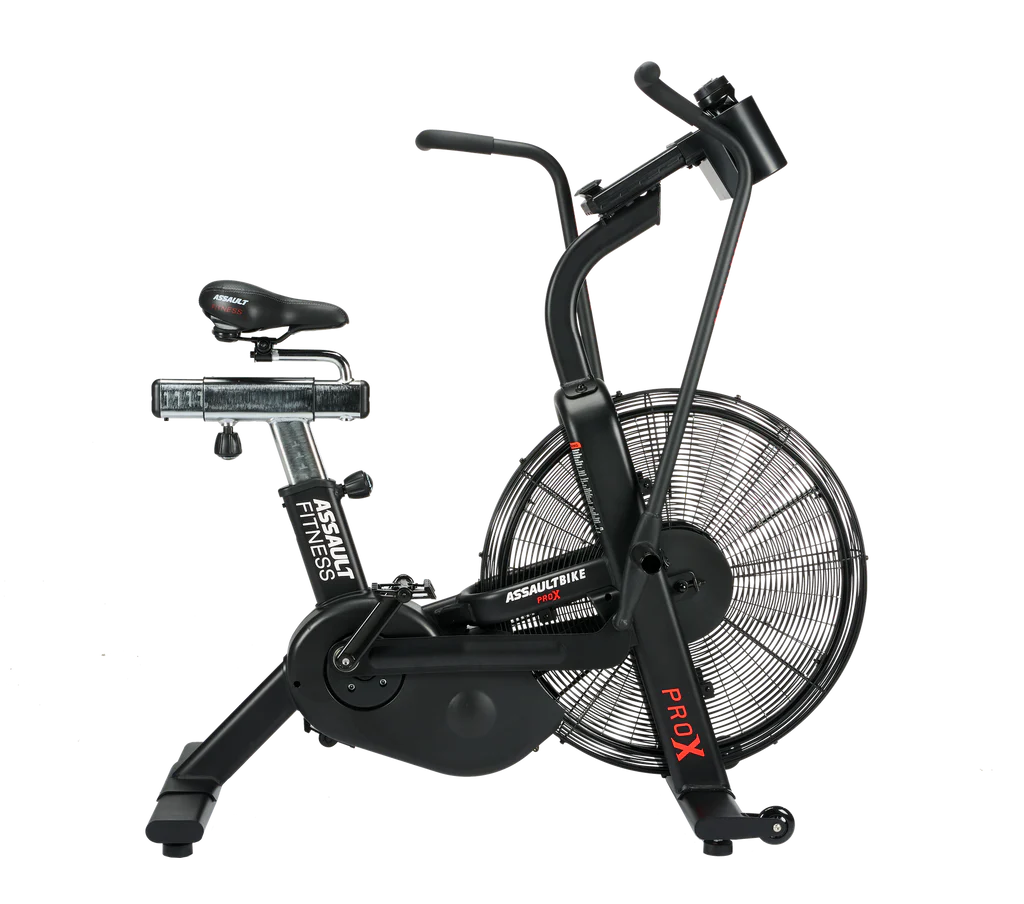
LISS involves continuous activity at a moderate, sustainable pace for an extended period. Think brisk walking, jogging, cycling, swimming, or using an elliptical machine where you can hold a conversation comfortably.
- Benefits:
- Accessible: Easy for beginners, less taxing on joints.
- Recovery-Friendly: Can be done on recovery days without overstressing the body.
- Fat Burning: Often performed in a "fat-burning zone" (though overall calorie expenditure is more important for fat loss).
- Stress Reduction: The meditative, rhythmic nature can be very calming.
- Practical Tip: Aim for 30-60 minutes, 2-4 times per week. A brisk walk in the park or a leisurely bike ride are excellent starting points.
High-Intensity Interval Training (HIIT)
HIIT involves short bursts of intense, near-maximal effort followed by brief recovery periods. A HIIT session might involve sprinting for 30 seconds, then walking for 90 seconds, repeated for 15-20 minutes.
- Benefits:
- Time-Efficient: Shorter workouts (15-30 minutes) can yield significant benefits.
- Improved Endurance: Highly effective for boosting cardiovascular fitness.
- "Afterburn Effect": Can lead to elevated calorie burning post-workout (EPOC).
- Challenges Your System: Pushes your limits, leading to rapid adaptations.
- Practical Tip: Due to its intensity, HIIT should be incorporated gradually. Start with 1-2 sessions per week, allowing for adequate recovery. Ensure you have a good foundational fitness level before diving into intense HIIT.
For beginners, starting with LISS is generally recommended to build a base level of fitness and endurance. As your fitness improves, you can gradually introduce HIIT to add variety and further challenge your cardiovascular system.
The Crucial Role of Recovery and Mobility
Often overlooked, the time spent outside of your workouts is just as critical, if not more so, for progress and long-term health. Recovery isn’t just about resting; it’s an active process that includes sleep, nutrition, and specific practices to enhance flexibility and mobility.
Sleep: Your Ultimate Performance Enhancer
In our fast-paced world, sleep is often the first thing sacrificed. However, adequate, quality sleep is non-negotiable for anyone serious about their fitness and overall health. During sleep, your body performs vital repair and rejuvenation processes.
- Muscle Repair and Growth: This is when your muscles rebuild and grow stronger from the stress of your workouts.
- Hormone Regulation: Sleep plays a critical role in balancing hormones like growth hormone (essential for repair), cortisol (stress hormone), and ghrelin/leptin (hunger/satiety hormones). Poor sleep can disrupt these, leading to increased fat storage and hunger.
- Energy Restoration: You wake up feeling refreshed and energized, ready to tackle your next workout and daily challenges.
- Cognitive Function: Better sleep leads to improved focus, decision-making, and motivation.
Practical Tip: Aim for 7-9 hours of quality sleep per night. Establish a consistent sleep schedule, even on weekends. Create a relaxing bedtime routine, make your bedroom dark and cool, and limit screen time before bed.
Nutrition: Fueling Your Journey
You can’t out-train a poor diet. Nutrition is the fuel that powers your workouts, facilitates recovery, and supports every bodily function. It’s not about restrictive diets, but about sustainable, balanced eating habits that nourish your body.
- Protein: Essential for muscle repair and growth. Include sources like lean meats, poultry, fish, eggs, dairy, legumes, and plant-based protein powders.
- Complex Carbohydrates: Your body’s primary energy source. Choose whole grains, fruits, vegetables, and legumes for sustained energy during workouts and throughout the day.
- Healthy Fats: Crucial for hormone production, nutrient absorption, and overall health. Incorporate avocados, nuts, seeds, olive oil, and fatty fish.
- Hydration: Water is vital for virtually every bodily process, including nutrient transport, temperature regulation, and joint lubrication.
- Micronutrients: Don’t forget vitamins and minerals from a wide variety of fruits and vegetables.
Practical Tip: Focus on whole, unprocessed foods. Aim for balanced meals containing protein, complex carbs, and healthy fats. Listen to your body’s hunger and fullness cues. Stay hydrated by drinking water consistently throughout the day. Meal prepping can be a game-changer for consistency.
Flexibility and Mobility: Unlocking Movement Potential
Flexibility and mobility are often used interchangeably, but they refer to different aspects of movement. Flexibility is the ability of your muscles to lengthen, while mobility is the ability of your joints to move through their full range of motion. Both are vital for injury prevention, enhancing performance, and maintaining functional movement as you age.
- Injury Prevention: Good mobility ensures that your joints can move freely without restriction, reducing strain on ligaments and tendons.
- Improved Form: Greater range of motion allows you to perform exercises with better technique, maximizing effectiveness and minimizing risk.
- Reduced Soreness: Stretching and mobility work can help alleviate muscle tightness and improve blood flow, aiding in recovery.
- Enhanced Performance: A mobile body is a more powerful body, allowing for greater force production and efficiency in movements.
Practical Tip:
- Dynamic Warm-ups: Before your workout, incorporate dynamic stretches (leg swings, arm circles, torso twists) to prepare your body for movement.
- Static Stretching/Cool-down: After your workout, hold static stretches (holding a stretch for 20-30 seconds) for major muscle groups to improve flexibility.
- Foam Rolling: Use a foam roller to release tight spots and improve tissue quality.
- Integrate Movement Practices: Consider adding yoga or Pilates to your routine for dedicated mobility and flexibility work.
Building Your Personalized Fitness Blueprint
With a solid understanding of foundational principles, it’s time to craft a fitness blueprint that is uniquely yours. This isn’t about following someone else’s plan; it’s about designing a sustainable system that fits your life, goals, and preferences.
Setting Realistic, Achievable Goals
Effective goal setting is the compass that guides your fitness journey. Vague aspirations like "get fit" are rarely sustainable. Instead, adopt the SMART framework: Specific, Measurable, Achievable, Relevant, and Time-bound.
- Specific: Instead of "I want to get stronger," try "I want to increase my squat by 20 lbs."
- Measurable: How will you track progress? (e.g., "Run 5k in under 30 minutes" or "Perform 10 full push-ups").
- Achievable: Set goals that challenge you but are realistically within your reach. Unrealistic goals lead to demotivation.
- Relevant: Ensure your goals align with your broader health and lifestyle aspirations.