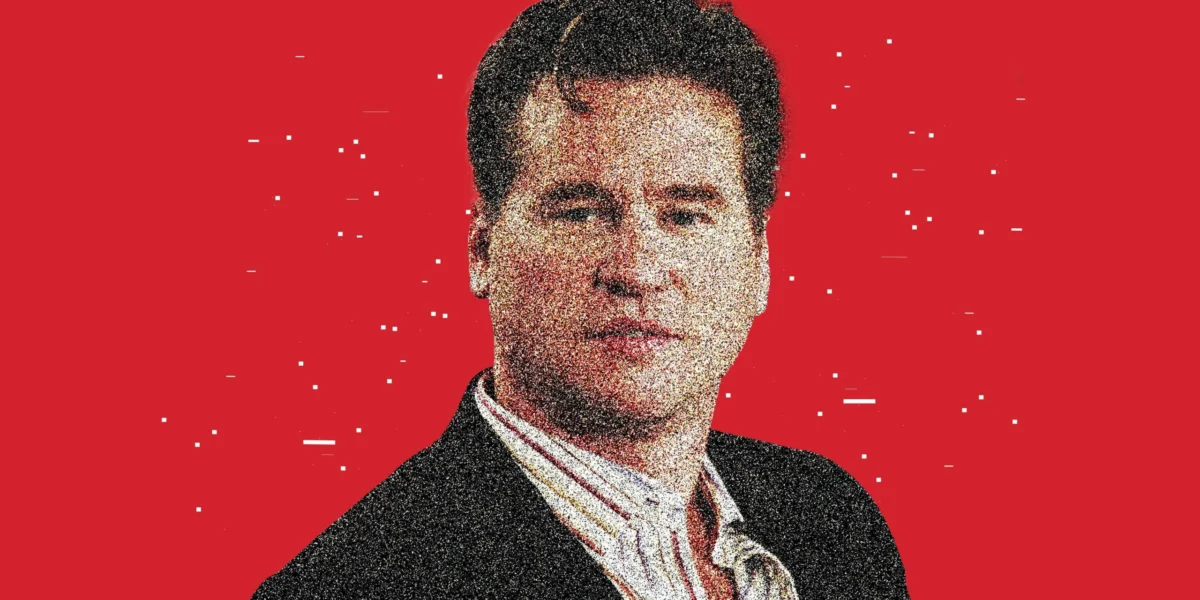
Val Kilmer. The name evokes a certain undeniable charisma, a raw intensity that graced our screens in roles that have become cultural touchstones. From the icy precision of his performance in Heat, a film whose legend only grows with time, to the swagger of Iceman in Top Gun, a character so iconic it’s become a shorthand, Kilmer etched himself into the cinematic landscape. Who can forget the sheer, unadulterated badassery of Doc Holliday in Tombstone? Or the villainous, laugh-out-loud brilliance of Dieter Von Cunth in MacGruber? His career was a testament to artistic evolution, a journey from comedic beginnings to profound depth.
Kilmer’s presence was a powerful force, a talent that continued to captivate until his passing at 65, following a courageous battle with throat cancer. His work, however, transcends the physical. Through his unforgettable characters and the stories they inhabited, Val Kilmer’s essence lives on, a vibrant legacy imprinted on our collective memory.
Or does it? A recent report has stirred a complex debate, suggesting that Kilmer’s physical departure might not be the final curtain call for his on-screen presence. The news is that Val Kilmer is set to be digitally resurrected via artificial intelligence to star in a film titled As Deep as the Grave. In this project, an AI-generated likeness of Kilmer will portray Father Fintan, a Catholic priest and Native American spiritualist. This role was initially cast five years ago, but Kilmer’s health struggles prevented him from appearing on set. Now, with the reported blessing of his daughter, his performance is slated to be completed using this groundbreaking technology.
The film, previously known as Canyon of the Dead, has been in development for nearly six years, with much of it filmed prior to Kilmer’s passing. The cast includes notable actors like Abigail Breslin, Wes Studi, and Tom Felton. As director Coerte Voorhees stated in the Variety report, the family’s conviction about the importance of the movie and Val’s desire to be a part of it provided the impetus to move forward, even acknowledging the potential controversy. "This is what Val wanted," he affirmed.
The Unsettling Aura of Digital Doppelgangers
But is it truly what Val wanted, in the most profound sense? The prospect of an artificial intelligence, an uncanny replication of likeness and concept, bringing a deceased actor back to perform in a film they never physically graced is, frankly, unsettling. While Kilmer’s family and estate are reportedly on board in this specific instance, it raises a crucial question: what happens when such endeavors become more common, and potentially, more contentious?
Imagine the digital specter of Sean Connery, resurrected for a low-budget gangster flick. Or Richard Pryor, his unparalleled comedic genius, awkwardly inserted into a direct-to-streaming comedy. Consider the iconic John Wayne, engaged in a digital Western standoff with Kevin Costner. The allure of such possibilities is, for many, overshadowed by a profound sense of unease. Who isn’t ready to see all of that?

Val Kilmer’s passing was a genuine tragedy. He was an artist who resonated deeply across various communities. It is precisely because he meant so much to so many that this artificial resurrection feels like a wound, a disturbance in the natural order. Life and death are intrinsic parts of the human experience. Grieving, whether individually or collectively, is our way of processing these realities. To circumvent this natural process with technology, while perhaps technologically impressive, is not only jarring but also sets a precedent that fundamentally challenges the shared human experience.
Honoring Legacies: Paths Beyond Digital Reanimation
Throughout history, artists who have left us have found ways to live on through their enduring work. When Stanley Kubrick passed away in 1999, he was in the midst of developing A.I. Artificial Intelligence. His close friend, Steven Spielberg, took up the mantle, completing the film and delivering what is now considered one of his finest works. Similarly, David Lynch, at the beginning of 2025, had several projects in various stages of development. His daughter, Jennifer Lynch, has announced that his unrealized scripts will be published, allowing his creative vision to be shared with the world.
A poignant example is Heath Ledger’s untimely death in 2008, during the filming of The Imaginarium of Doctor Parnassus. In a remarkable testament to artistic collaboration and a desire to honor Ledger’s contribution, Jude Law, Johnny Depp, and Colin Farrell stepped in, taking on different facets of his character. This was not a digital recreation, but a human embrace of a shared artistic endeavor, a way to ensure the completion of a film and the continuation of a creative vision through the spirit of collaboration.
These are the profound ways in which beloved artists have always continued to inspire and resonate beyond their physical absence. While the modern world presents ever-evolving methods to acknowledge or even attempt to circumvent their passing, it is ultimately the work – the genuine, human performances, the tangible creative output – that captivated us and forged our connection. That is the legacy that will always endure.
Building Your Own Enduring Legacy: The Power of Consistent Effort
The conversation around digital resurrection and the enduring legacy of artists, while fascinating and ethically complex, offers a powerful parallel to our own fitness journeys. We all strive for a form of legacy, whether it’s through personal achievements, the impact we have on others, or simply the health and vitality we cultivate for ourselves. Just as an artist’s true legacy lies in the authentic expression of their craft, our fitness legacy is built through consistent, genuine effort.
For beginners and intermediate fitness enthusiasts, the idea of building something lasting can feel daunting. You might look at seasoned athletes or fitness icons and feel a vast chasm between their achievements and your current capabilities. But remember, every single one of them started somewhere. Their “legacy” wasn’t built overnight; it was forged through thousands of repetitions, early mornings, and moments of pushing past perceived limits.

The Foundation of Your Fitness Legacy: Consistency and Intent
The most crucial element in building any kind of lasting impact, whether in the arts or in fitness, is consistency. You cannot expect to achieve significant results or build a meaningful legacy without showing up, day after day, week after week.
- The "Show Up" Mentality: This is paramount. No matter how you feel, how busy you are, or how uninspired you might be, make the conscious decision to engage in some form of physical activity. It doesn’t have to be a grueling, hour-long session every time. A brisk walk, a short bodyweight circuit, or even some mindful stretching counts. The act of showing up reinforces the habit and keeps your momentum alive.
- Intentionality Over Intensity (Initially): For those new to fitness, the focus should be on performing movements correctly and building a solid understanding of your body. Don’t chase unrealistic intensity levels right away. Instead, focus on why you are doing each exercise. Understand the muscle group you’re targeting, the range of motion required, and the controlled way you should be moving. This builds a stronger foundation and reduces the risk of injury, allowing for more consistent progress.
- Progressive Overload: The Engine of Growth: To see continuous improvement, you must gradually challenge your body. This principle, known as progressive overload, is the cornerstone of physical development.
- Increase Weight: When you can comfortably complete your target repetitions with good form, it’s time to add a small amount of weight.
- Increase Repetitions: If adding weight isn’t feasible, aim to perform more repetitions within your set.
- Increase Sets: Add an extra set to your workout.
- Decrease Rest Time: Shorter rest periods between sets can increase the metabolic demand of your workout.
- Improve Form: Sometimes, simply refining your technique to achieve a fuller range of motion or better muscle activation constitutes progress.
Practical Workouts for Lasting Gains
Here are some foundational workout principles and examples that will help you build your fitness legacy, focusing on compound movements that yield the most bang for your buck:
Strength Training: The Bedrock of Physical Resilience
Compound exercises work multiple muscle groups simultaneously, making them incredibly efficient for building strength, muscle, and burning calories.
- Squats: The king of lower body exercises.
- Beginner Focus: Bodyweight squats, focusing on depth and form. Imagine sitting back into a chair, keeping your chest up and back straight.
- Progression: Goblet squats (holding a dumbbell or kettlebell at your chest), barbell back squats.
- Example Routine: 3 sets of 8-12 repetitions.
- Deadlifts: A full-body powerhouse that targets your posterior chain (hamstrings, glutes, back).
- Beginner Focus: Romanian deadlifts with lighter weight or even a broomstick to practice the hip hinge movement. Keep your back straight, chest up, and feel the stretch in your hamstrings.
- Progression: Conventional barbell deadlifts.
- Example Routine: 3 sets of 5-8 repetitions (focus on heavier weight and perfect form).
- Push-ups: A classic upper body exercise that works your chest, shoulders, and triceps.
- Beginner Focus: Knee push-ups or incline push-ups against a wall or sturdy surface.
- Progression: Standard push-ups, then diamond push-ups or weighted push-ups.
- Example Routine: 3 sets to near failure.
- Rows: Essential for back strength and posture, balancing out pushing movements.
- Beginner Focus: Dumbbell rows, seated cable rows, or resistance band rows. Focus on squeezing your shoulder blades together at the peak of the movement.
- Progression: Barbell rows.
- Example Routine: 3 sets of 8-12 repetitions.
- Overhead Press: Builds strong shoulders and triceps.
- Beginner Focus: Dumbbell overhead press, starting with lighter weights and focusing on controlled movement.
- Progression: Barbell overhead press.
- Example Routine: 3 sets of 8-12 repetitions.
Real-Life Example: Sarah, a busy marketing manager, felt her energy levels plummeting. She started by incorporating just three days of strength training per week, focusing on the compound exercises listed above. She began with bodyweight and light dumbbells, prioritizing perfect form. Within three months, she noticed a significant increase in her strength, energy, and confidence, which positively impacted her work and personal life.
Cardiovascular Training: Fueling Endurance and Heart Health
Cardio is vital for overall health, endurance, and fat loss. It’s the sustained effort that builds your stamina.
- Steady-State Cardio: Activities like jogging, cycling, swimming, or brisk walking at a moderate intensity for an extended period (30-60 minutes). This builds your aerobic base.
- High-Intensity Interval Training (HIIT): Short bursts of intense exercise followed by brief recovery periods. This is highly effective for burning calories in a shorter time and improving cardiovascular fitness.
- Example HIIT Protocol: 30 seconds of all-out effort (sprinting, burpees, jump squats) followed by 30-60 seconds of rest or low-intensity movement. Repeat for 15-20 minutes.
Real-Life Example: Mark, a retired teacher, wanted to improve his cardiovascular health to keep up with his grandchildren. He started with daily 30-minute walks and gradually increased the pace. After a few months, he incorporated two HIIT sessions per week, using a stationary bike. This combination not only improved his stamina but also helped him shed excess weight, allowing him to enjoy more active play with his family.

Nutrition and Recovery: The Unsung Heroes of Your Legacy
Your fitness legacy isn’t solely built in the gym. What you eat and how you recover play an equally critical role.
- Nutrient-Dense Diet: Focus on whole, unprocessed foods.
- Lean Proteins: Chicken, fish, beans, lentils, tofu for muscle repair and growth.
- Complex Carbohydrates: Oats, brown rice, quinoa, sweet potatoes for sustained energy.
- Healthy Fats: Avocados, nuts, seeds, olive oil for hormone production and overall health.
- Fruits and Vegetables: Packed with vitamins, minerals, and antioxidants.
- Hydration: Drink plenty of water throughout the day.
- Sleep: Aim for 7-9 hours of quality sleep per night. This is when your body repairs and rebuilds muscle tissue.
- Active Recovery: Light activities like walking, yoga, or foam rolling on rest days can help reduce muscle soreness and improve flexibility.
The True Echo: A Legacy of Effort, Not Emulation
The news about Val Kilmer’s digital resurrection is a potent reminder that while technology can replicate form, it cannot replicate the lived experience, the human struggle, the raw emotion, and the genuine artistic intent that define a true legacy. In our fitness journeys, we should not seek to digitally recreate the physiques or achievements of others. Instead, we must focus on building our own unique legacy through consistent effort, intelligent training, and a commitment to our personal growth.
The most powerful echo we can create is not one of digital imitation, but one of tangible progress, of a healthier and stronger self forged through dedication. It’s in the sweat, the discipline, the small victories, and the unwavering commitment to showing up for ourselves. This is the foundation of a legacy that is truly our own, an enduring testament to our effort and resilience. Let your fitness journey be a story written in the language of your own determination, a performance that resonates with authenticity and strength. The power to build that legacy rests entirely with you.