
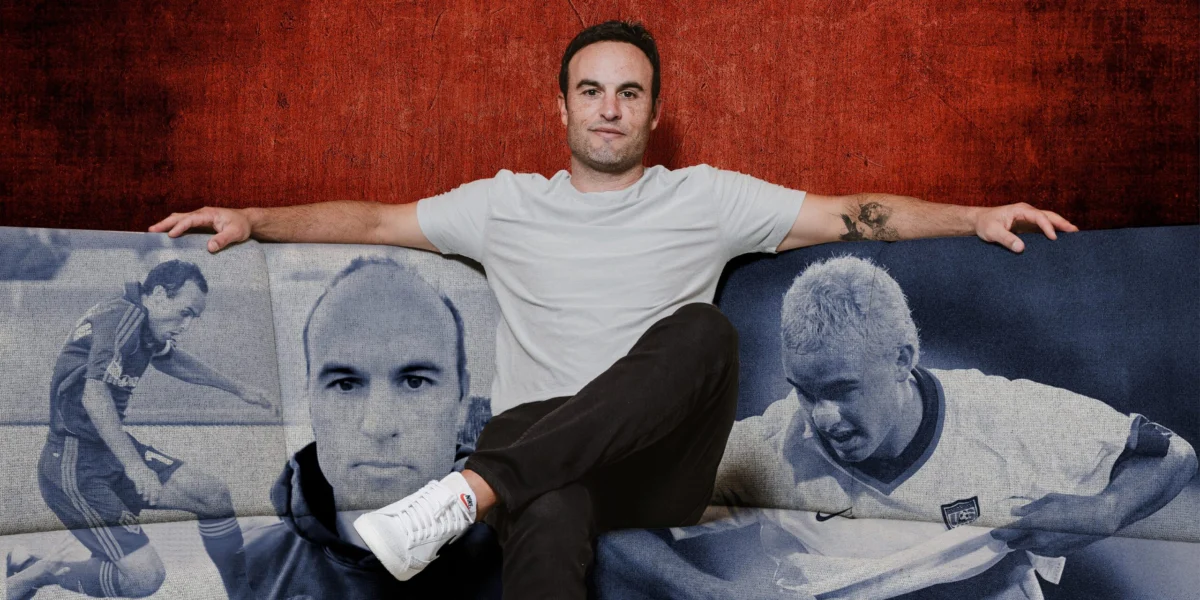
The roar of the crowd, the thrill of victory, the weight of expectation – these are the hallmarks of athletic greatness. But what happens when the cheers fade, the spotlight dims, and the internal battles begin? For many, the journey from peak performance to personal peace is a winding, often treacherous path. Landon Donovan, a name synonymous with American soccer glory, experienced this stark reality firsthand. His memoir reveals a profound struggle with depression, a moment of terrifying hallucination, and a near-fatal contemplation that was ultimately averted by a practice as ancient as humanity itself: conscious breathing.
This isn’t just a story about a sports icon; it’s a testament to the universal human experience of mental health challenges and the surprising, accessible tools that can lead to recovery. For fitness enthusiasts of all levels, Donovan’s journey offers invaluable insights into building resilience, understanding the mind-body connection, and cultivating a mental fortitude that transcends physical prowess.
The Highs and the Crushing Lows: When Identity Becomes a Cage
Landon Donovan’s career was nothing short of extraordinary. At just 18, he made the national team. He scored the unforgettable, game-winning goal against Algeria in the 2010 World Cup, a moment that united a nation in collective euphoria. These were the pinnacle moments, etched into sporting history. Yet, beneath the surface of these triumphs, a silent battle raged.
The Peril of Singular Identity
Donovan’s memoir highlights a crucial pitfall many ambitious individuals fall into: the complete merging of their identity with their profession. "My identity became Landon Donovan, soccer player, and not Landon, the person," he explains. This singular focus, while fueling his drive and success, left him vulnerable. When the athletic career inevitably ends, or when performance falters, the foundation of one’s self-worth can crumble.
- Real-Life Example: Think of any athlete who struggles with retirement. Their entire life has been structured around training, competition, and performance. Without that framework, they often feel lost, adrift, and questioning their purpose. This is the essence of what Donovan experienced.
The Shadow of Depression: A Struggle for Self-Resolution
The pressure to constantly perform, coupled with personal challenges, led Donovan into a deep bout of depression. His initial inclination, like many, was to "figure it out" on his own. This ingrained stoicism, often praised in athletic circles, can be a significant barrier to seeking help. The fear of appearing weak or incapable can prevent individuals from reaching out for the support they desperately need.

- Actionable Advice: Recognize that seeking help is a sign of strength, not weakness. Just as you’d seek a coach for physical training, seek professional guidance for mental well-being.
The Turning Point: When the Unthinkable Becomes Real
The most chilling revelation from Donovan’s story is the profound depth of his despair. During a solo retreat in Cambodia, after consuming what he believed to be marijuana, he experienced a drug-induced hallucination so severe it threatened to consume him. He saw frogs, lizards, and worms. But the most terrifying aspect was the internal voice, urging him to end his life.
The Cliff’s Edge: A Metaphor for Despair
"When I closed my eyes, my brain was telling me, ‘Just go jump off the cliff into the ocean and end it,’" Donovan recounts. This vivid imagery underscores the existential threat he faced. It was a moment where the line between reality and delusion blurred, and the will to live was severely tested.
The Unexpected Savior: The Power of the Breath
In this terrifying moment of existential crisis, Donovan’s mind, surprisingly, recalled a practice he had engaged in through therapy: meditation. "Eventually, my brain said, ‘Oh, this is what’s going on. Come back to the breath.’" This simple, yet profound, act of focusing on his breath acted as an anchor, pulling him back from the brink.
- The Science Behind It: When we are in a state of intense stress or panic, our sympathetic nervous system (the "fight or flight" response) is activated. This leads to shallow, rapid breathing, increased heart rate, and a racing mind. Conscious, deep breathing, conversely, activates the parasympathetic nervous system, promoting relaxation, slowing the heart rate, and calming the mind. By focusing on his breath, Donovan was able to interrupt the panic response and regain a sense of control.
Building Mental Fortitude: Practical Strategies for Everyone
Landon Donovan’s experience, while extreme, offers profound lessons for anyone looking to improve their mental well-being and build resilience. The tools he discovered through therapy are accessible to everyone, regardless of their athletic background.
H2: The Foundational Pillars of Mental Fitness
Donovan’s recovery wasn’t instantaneous. It was a process, built upon several key pillars that contributed to his newfound mental strength.

H3: The Transformative Power of Therapy
Donovan credits therapy with saving his life. It provided him with a safe space to explore the root causes of his struggles, understand their impact, and develop coping mechanisms.
-
Key Takeaways from Therapy:
- Understanding the ‘Why’: Therapy helps you connect past experiences (like his father’s absence) to present behaviors and emotions.
- Developing Coping Skills: Learning practical strategies to manage difficult emotions and situations.
- Challenging Negative Thought Patterns: Identifying and reframing unhelpful thoughts.
- Building Self-Awareness: Gaining a clearer understanding of oneself.
-
Actionable Advice: If you’re struggling, consider speaking with a therapist or counselor. Many resources are available, and taking that first step can be the most impactful.
H3: The Anchor of Meditation and Mindfulness
The ability to return to his breath in a moment of crisis was directly linked to his consistent meditation practice. He describes a simple, yet effective, technique:
-
Donovan’s Meditation Technique:

- Find a comfortable position: Sit or lie down with your eyes closed.
- Focus on your breath: Inhale deeply through your nose and exhale through your nose.
- Acknowledge thoughts without judgment: When a thought arises, notice it without labeling it as good or bad.
- Gently return to the breath: Redirect your attention back to the sensation of your breath.
- Repeat: This cycle of acknowledging thoughts and returning to the breath is the core of the practice.
-
Practical Workout Tip: Incorporate a 5-10 minute mindfulness or meditation session into your daily routine. You can do this first thing in the morning, before bed, or even during a short break in your workday. Apps and guided meditations can be excellent starting points.
H3: The Unseen Benefits of Physical Activity
While Donovan is a world-class athlete, his approach to exercise has evolved. He emphasizes the importance of continuing to move, even when intense training is no longer his primary focus.
-
Donovan’s Current Fitness Philosophy:
- Sweat and Elevate Heart Rate: He still prioritizes activities that get his heart pumping.
- Strength Training: Incorporates lifting weights to maintain muscle mass and combat age-related decline.
- Competition as a Outlet: He seeks out competitive activities like pickleball and ice hockey to channel his inherent drive.
- Short, Effective Workouts: Realizes that even a 15-minute workout can have significant benefits.
-
Workout Tip for Beginners: If you’re new to fitness, start with activities you enjoy. Walking, jogging, swimming, or bodyweight exercises are great starting points. Consistency is key. Aim for at least 30 minutes of moderate-intensity exercise most days of the week.
-
Workout Tip for Intermediate Enthusiasts: If you’re looking to add variety, consider incorporating strength training circuits into your routine. This can include exercises like squats, lunges, push-ups, and rows. Don’t be afraid to try new sports or activities that challenge you physically and mentally.

H3: Medication as a Tool, Not a Crutch
Donovan is open about his use of medication (Lexapro) for 15 years to manage his depression. He views it as a vital tool in his mental health arsenal, alongside other practices.
-
Understanding Medication: For some, medication can be an essential component of managing mental health conditions. It can help to stabilize mood and neurotransmitter levels, making it easier to engage in other therapeutic practices.
-
Actionable Advice: If you are experiencing persistent symptoms of depression or anxiety, consult with a healthcare professional. They can help you determine if medication might be a suitable option for you.
Embracing Authenticity: The Journey to Self-Acceptance
Donovan’s recent openness about personal matters, like his hairpiece, is a reflection of his broader journey towards radical candor and self-acceptance. He has shed the need for external validation and embraced his authentic self, imperfections and all.
H2: The Courage to Be Vulnerable
The fear of judgment often prevents us from being our true selves. Donovan’s willingness to share his vulnerabilities, from his struggles with balding to his past mental health battles, is a powerful example of the freedom that comes with authenticity.

- The Social Media Impact: His candid post about balding resonated with millions, sparking conversations and encouraging others to embrace their own insecurities. This demonstrates the profound impact of vulnerability in connecting with others and fostering a sense of community.
H2: Rebuilding Identity Beyond the Field
The process of separating "Landon Donovan, soccer player" from "Landon, the person" was a long and arduous one. It required introspection, therapy, and a conscious effort to cultivate interests and relationships outside of his athletic career.
- Practical Steps for Identity Building:
- Explore Hobbies: Discover activities that bring you joy and fulfillment outside of your work or primary pursuit.
- Nurture Relationships: Invest time and energy in meaningful connections with friends and family.
- Lifelong Learning: Continuously seek opportunities to learn new skills and expand your knowledge base.
- Volunteer or Contribute: Engage in activities that give you a sense of purpose beyond yourself.
Conclusion: Your Breath, Your Anchor
Landon Donovan’s story is a powerful reminder that even amidst the greatest triumphs, internal struggles can surface. His harrowing experience with drug-induced hallucinations and suicidal ideation, and his subsequent reliance on conscious breathing to pull him back from the brink, is a potent illustration of the mind-body connection.
For anyone facing their own internal battles, whether it’s the everyday stresses of life, the pressure of performance, or the deeper shadows of depression, remember this: the power to anchor yourself lies within. Your breath is a constant, accessible tool. By practicing mindfulness, seeking support, and prioritizing your mental well-being alongside your physical fitness, you can build a resilience that will see you through any storm. Landon Donovan found his way back from the edge, not through a miraculous feat of athleticism, but through the quiet, steady power of his own breath. You can too.