In the landscape of modern fitness, few pieces of equipment evoke as much debate and diverse opinion as the Smith machine. Often found tucked away in the corner of commercial gyms, or now, as a cornerstone of many sophisticated home setups, this apparatus is frequently misunderstood. Some dismiss it as an inferior alternative to free weights, while others hail it as a safe and effective tool for muscle building and strength development.
The truth, as often is the case, lies somewhere in the middle. For beginners seeking to master fundamental movement patterns with enhanced safety, or intermediate lifters looking to isolate muscles, overcome plateaus, or train without a spotter, the Smith machine offers a unique and invaluable set of advantages. It’s not about replacing free weights, but rather understanding how to strategically integrate this powerful piece of equipment into a comprehensive training regimen.
This definitive guide will cut through the noise, providing you with an authoritative, practical, and motivational roadmap to unlock the full potential of Smith machine training. Whether you’re taking your first steps into strength training or an experienced enthusiast looking to refine your approach, prepare to forge a stronger, more resilient physique with confidence and precision.
Demystifying the Smith Machine: More Than Just a "Fixed Path"
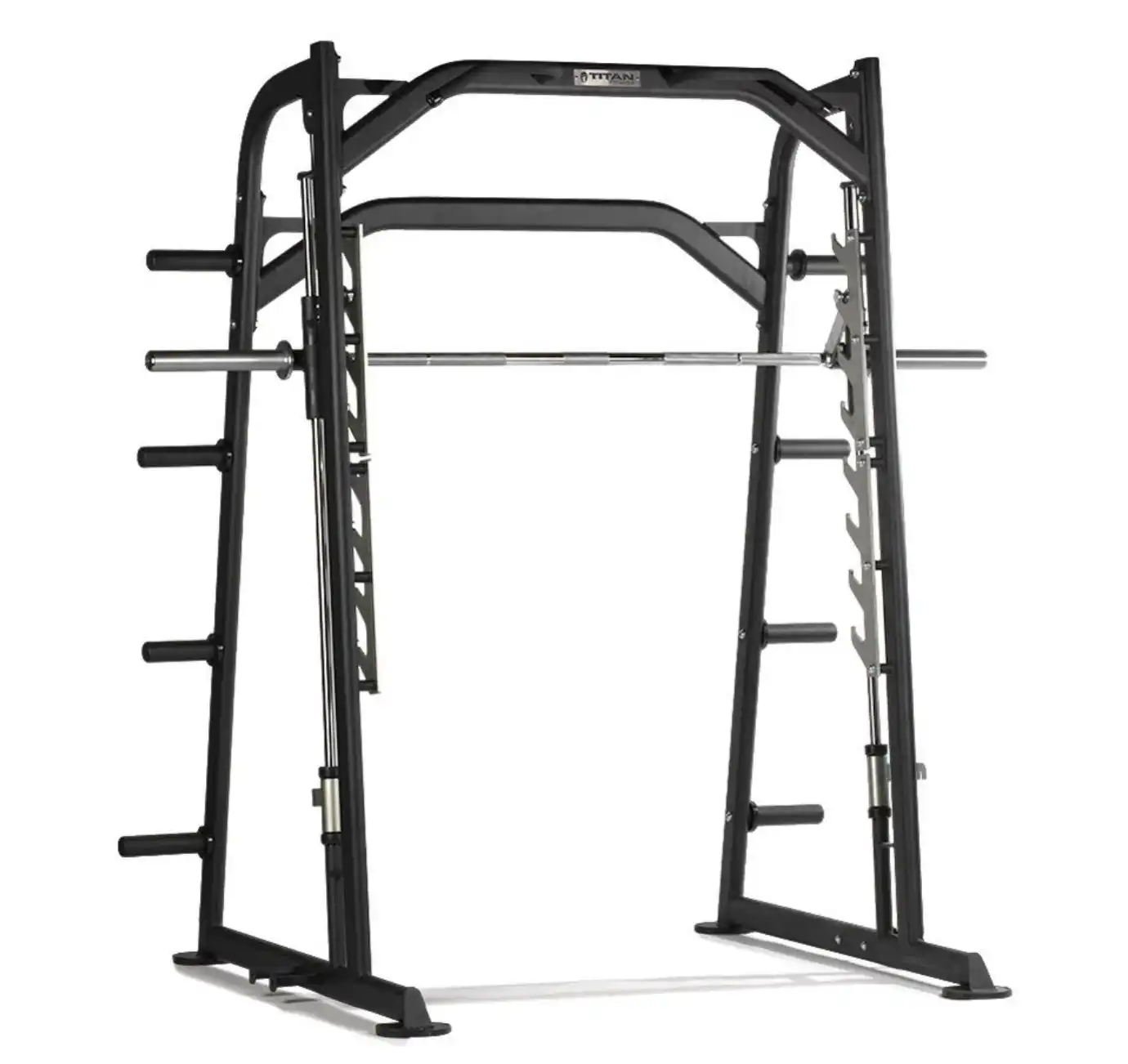
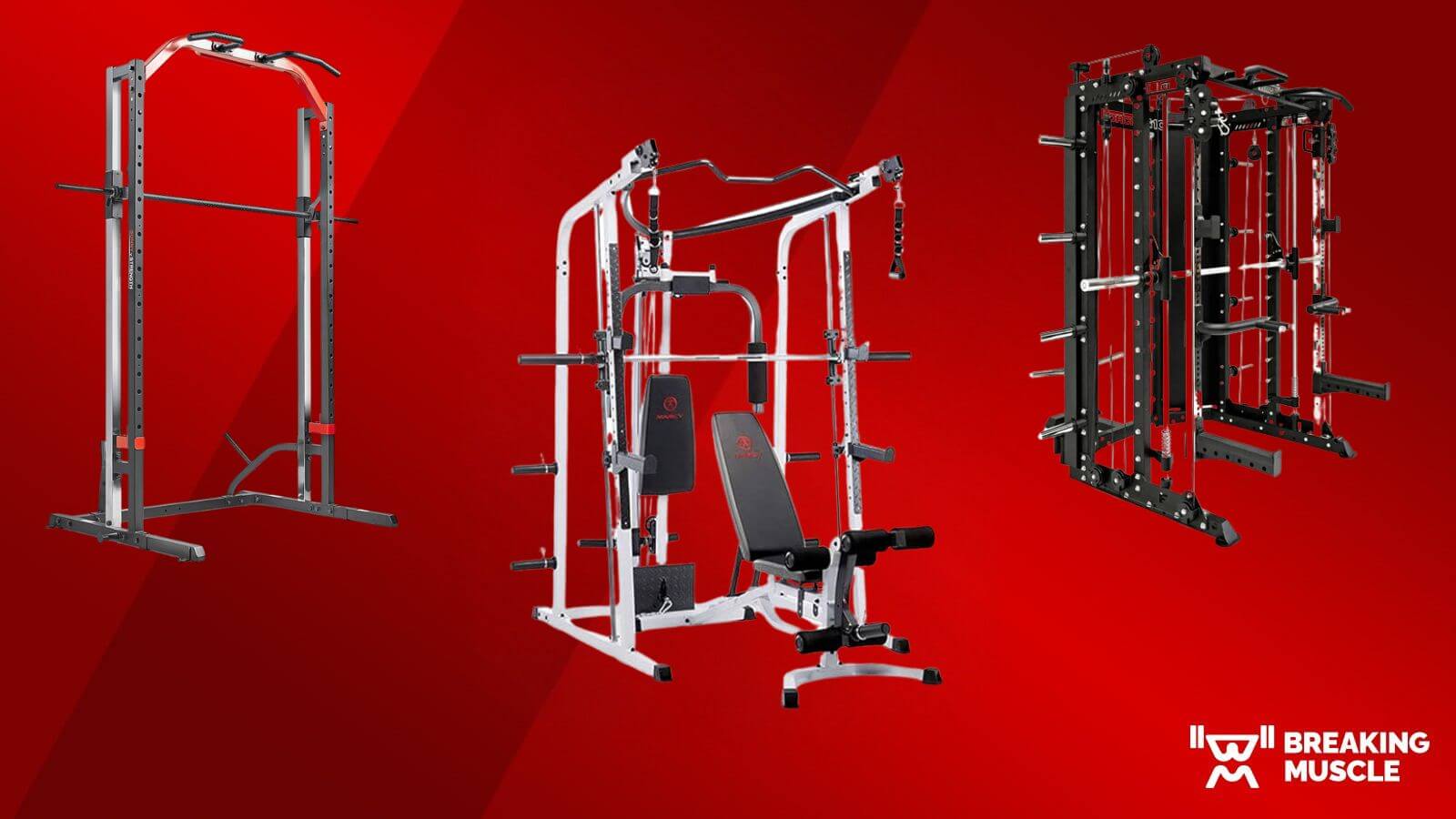
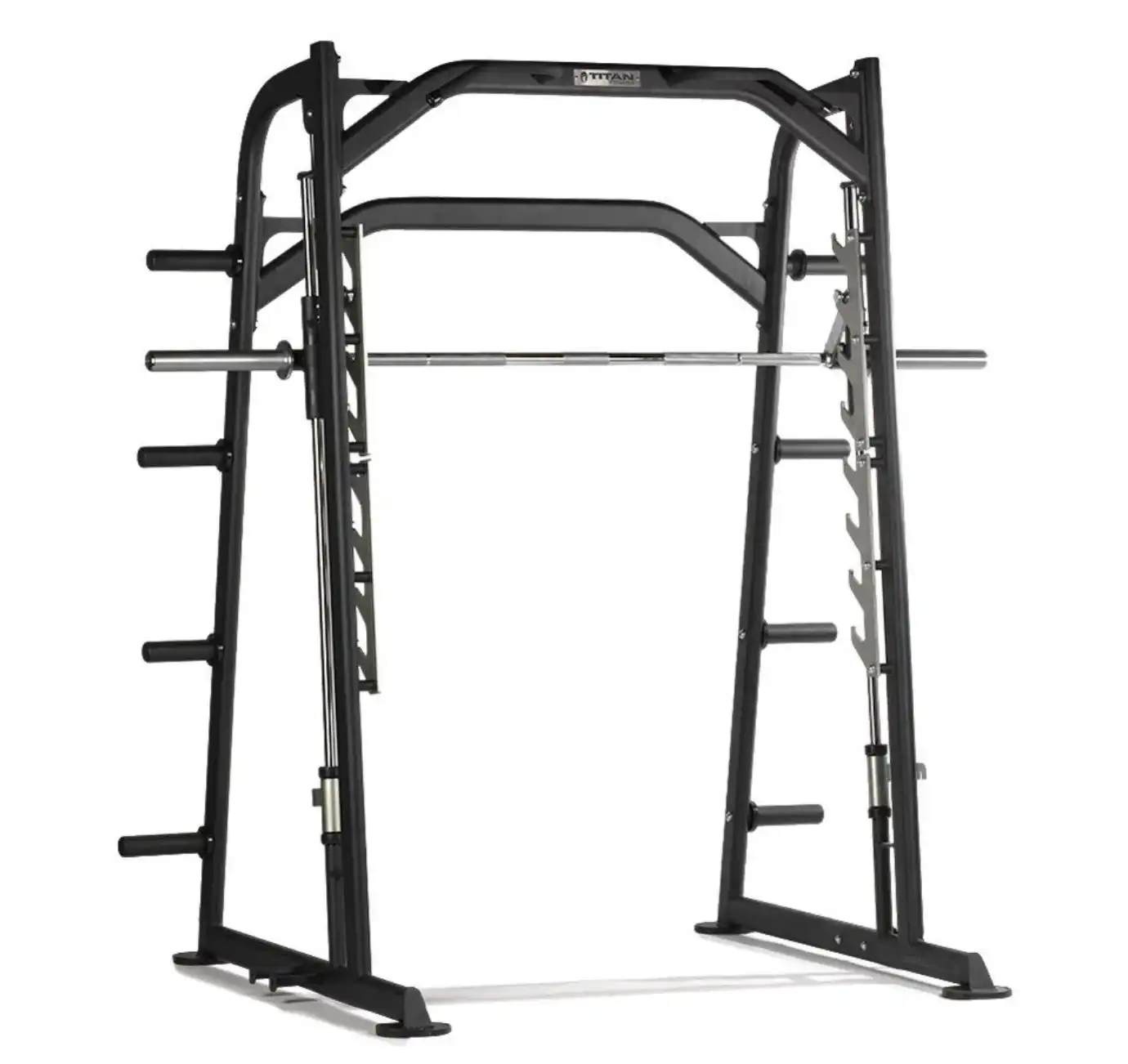
At its core, a Smith machine is a squat rack with a barbell that is fixed within steel rails, allowing only vertical or near-vertical movement. This fixed path is its defining characteristic, and also the source of both its benefits and criticisms. Unlike a free barbell, which demands constant engagement from stabilizing muscles to maintain balance, the Smith machine guides the bar’s trajectory.
This guided movement is precisely what makes it an exceptional tool for specific training scenarios. It minimizes the need for stabilization, allowing you to focus intensely on the primary muscles being worked and the mind-muscle connection. This isn’t a shortcut; it’s a different pathway to muscle engagement and strength.
Common misconceptions often paint the Smith machine as only suitable for beginners or as a less effective way to build strength. While it’s true that free weights offer a more natural, compound movement that recruits more stabilizer muscles, the Smith machine excels in areas where free weights might fall short, especially for solo training, targeted muscle isolation, and specific rehabilitation protocols. Understanding these nuances is key to leveraging its power effectively.
The Core Advantages: Why the Smith Machine Deserves a Spot in Your Routine
Embracing the Smith machine means acknowledging its distinct benefits, which can significantly enhance your training journey.
Enhanced Safety and Confidence
Perhaps the most compelling advantage of the Smith machine is the unparalleled safety it offers. The integrated safety catches and adjustable stoppers mean you can push your limits without the fear of being pinned under heavy weight.
- Solo Training: For individuals working out alone, the Smith machine acts as a built-in spotter. You can perform heavy squats, bench presses, or overhead presses knowing that if you reach muscle failure, a simple twist of the wrist can re-rack the bar at any point in the movement. This fosters confidence, allowing you to attempt heavier lifts or more repetitions than you might otherwise dare with free weights.
- Learning Complex Movements: Beginners often struggle with the coordination and balance required for compound movements like squats and bench presses. The Smith machine removes the balance component, allowing new lifters to focus solely on perfecting their form, understanding muscle activation, and building foundational strength. Once the movement pattern is ingrained, transitioning to free weights becomes a much smoother process.
- Pushing Boundaries: For intermediate lifters, the Smith machine can be a fantastic tool for advanced training techniques like forced reps or negative training, where you intentionally overload the eccentric (lowering) phase of a lift. The safety mechanism allows you to safely execute these high-intensity techniques to stimulate new muscle growth.
Precision and Isolation
The fixed bar path of the Smith machine, often seen as a limitation, can be a profound advantage when aiming for precision and muscle isolation.
- Targeted Muscle Engagement: By removing the need for stabilization, you can intensely focus on contracting the specific muscle you intend to work. For example, during a Smith machine bench press, your chest muscles can be the sole focus, minimizing assistance from shoulders or triceps if your form is dialed in. This can be particularly useful for bringing up lagging muscle groups.
- Consistent Movement Patterns: Each repetition follows the exact same path. This consistency is excellent for identifying and correcting form imbalances. It also allows for unique foot placements or body positions that might be unstable with free weights, enabling you to hit muscles from novel angles.
- Overcoming Sticking Points: If you struggle at a particular point in a lift (e.g., the bottom of a squat or halfway through a bench press), the Smith machine allows you to load weight and perform partial repetitions specifically targeting that range of motion, helping to build strength where you’re weakest.
Beginner-Friendly Progression
For those new to strength training, the journey can feel daunting. The Smith machine simplifies the initial learning curve, making it less intimidating and more accessible.
- Gradual Introduction to Compound Lifts: Instead of immediately grappling with the complexities of balancing a barbell, beginners can use the Smith machine to safely learn the mechanics of squats, presses, and rows. This builds confidence and competence before progressing to free-weight variations.
- Focus on Mind-Muscle Connection: Without the distraction of balance, beginners can concentrate on feeling the target muscles contract and extend. This early development of the mind-muscle connection is crucial for long-term effective training.
- Controlled Overload: Progressive overload – gradually increasing resistance – is fundamental to muscle growth. The Smith machine allows for very controlled increases in weight, making it easy for beginners to track their progress and continually challenge their muscles without compromising safety.
Injury Rehabilitation and Management
For individuals recovering from injuries or managing chronic conditions, the controlled environment of a Smith machine can be a game-changer.
- Reduced Strain: The fixed path minimizes uncontrolled movements and shear forces on joints, making it safer to perform exercises that might otherwise exacerbate an injury.
- Gradual Return to Movement: It allows for a safe, progressive return to weight-bearing exercises, helping to rebuild strength around an injured area without putting excessive stress on healing tissues.
- Targeted Strengthening: Specific exercises can be performed to strengthen supporting muscles around an injury, improving stability and preventing future issues. Always consult with a physical therapist or medical professional before incorporating any new exercises during rehabilitation.
Versatility for Diverse Workouts
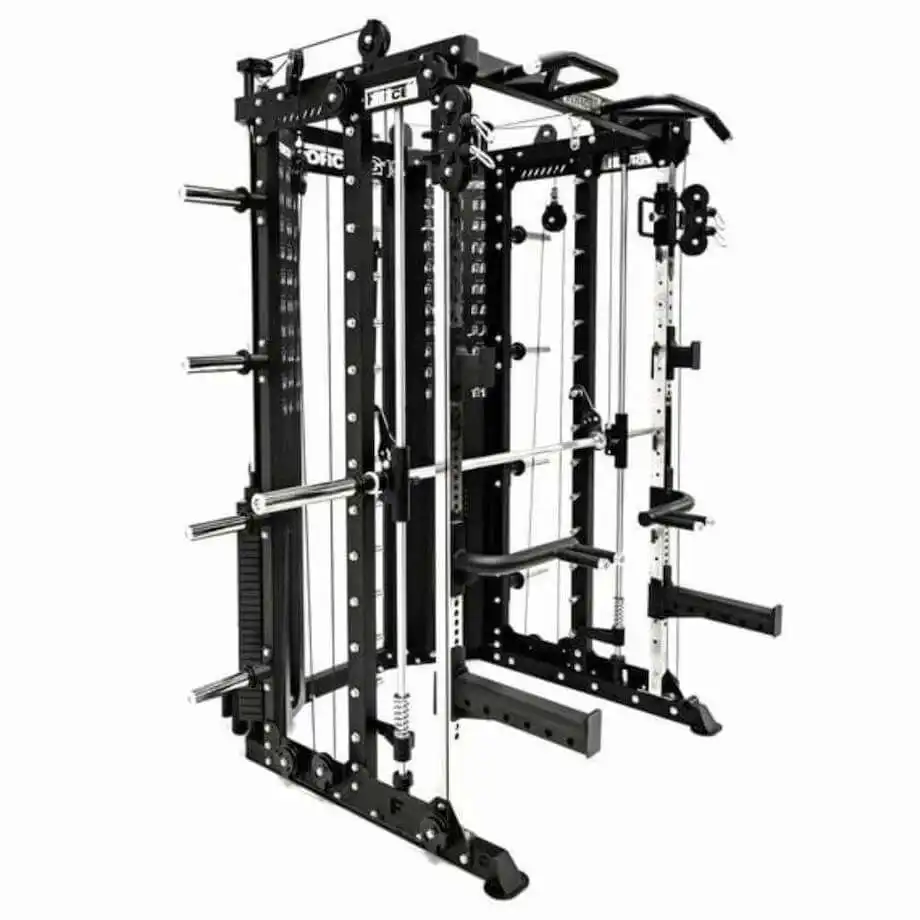
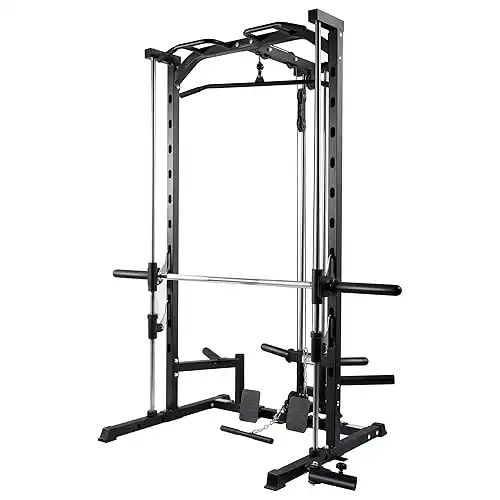
Beyond its core function, the Smith machine is surprisingly versatile, accommodating a wide array of exercises for a full-body workout. From compound power movements to isolated accessory work, its applications are extensive. This versatility makes it an invaluable asset, especially in a home gym setting where space and equipment might be limited.
Mastering Movement: Key Exercises for Every Muscle Group
Now that we understand the ‘why,’ let’s delve into the ‘how.’ Here are essential Smith machine exercises, complete with practical tips for beginners to intermediate lifters. Remember to always prioritize perfect form over heavy weight.
Lower Body Power
The Smith machine can be a formidable tool for building powerful legs and glutes.
- Smith Machine Back Squat:
- Setup: Position the bar across your upper back (traps), just like a free-weight squat. Place your feet slightly in front of the bar, about shoulder-width apart, toes slightly out. This forward foot placement allows for a more upright torso and greater glute/quad engagement, as the fixed bar path allows you to lean back slightly into the movement.
- Execution: Unrack the bar, take a deep breath, brace your core, and initiate the squat by pushing your hips back and bending your knees. Descend until your thighs are parallel to the floor or lower, maintaining control. Drive back up through your heels, squeezing your glutes at the top.
- Tips: Experiment with foot placement. Moving your feet further forward emphasizes the glutes and hamstrings, while a more traditional stance closer to the bar will hit the quads harder. Keep your chest up and core tight throughout.
- Smith Machine Front Squat:
- Setup: Similar to a back squat, but the bar rests across the front of your shoulders, supported by your fingertips (cross-arm grip or clean grip). Again, position your feet slightly forward.
- Execution: Maintain an upright torso, elbows high. Descend into a squat, keeping the bar stable. Drive back up.
- Tips: This variation places more emphasis on the quadriceps and core stability. It’s a great way to improve squat mechanics with less lower back strain.
- Smith Machine Lunges / Split Squats:
- Setup: Place the bar on your upper back. Step one foot forward significantly, keeping the back foot elevated on a bench or block for Bulgarian split squats, or on the floor for regular lunges.
- Execution: Lower your back knee towards the floor, keeping your front shin relatively vertical. Ensure your front knee tracks over your toes. Drive back up through the heel of your front foot.
- Tips: The stability of the Smith machine allows you to focus intensely on glute and quad activation for each leg. Keep your core tight to prevent wobbling.
- Smith Machine Romanian Deadlifts (RDLs):
- Setup: Stand with the bar over your mid-foot, feet hip-width apart. Grip the bar slightly wider than shoulder-width.
- Execution: Unrack the bar. With a slight bend in your knees, hinge at your hips, pushing your glutes back as you lower the bar down your shins. Keep your back straight and chest up. Feel the stretch in your hamstrings. Only go as low as you can maintain a flat back. Squeeze your glutes to return to the starting position.
- Tips: This exercise is fantastic for hamstring and glute development. The fixed path helps maintain a straight bar path, which can be challenging with free-weight RDLs. Focus on the hip hinge movement, not just bending over.
- Smith Machine Calf Raises:
- Setup: Position the bar on your upper back. Place the balls of your feet on a small block or weight plate, with your heels hanging off.
- Execution: Lower your heels to get a full stretch in your calves, then powerfully raise onto your toes, squeezing your calves at the top.
- Tips: The Smith machine allows you to load heavy weight safely, maximizing tension on the calves. Focus on a full range of motion.
Upper Body Strength
Build a powerful chest, back, and shoulders with these Smith machine staples.
- Smith Machine Bench Press (Flat, Incline, Decline):
- Setup: Position a flat, incline, or decline bench underneath the Smith machine. Lie down with your eyes directly under the bar. Grip the bar slightly wider than shoulder-width, ensuring your wrists are straight.
- Execution: Unrack the bar. Lower it slowly and with control to your mid-chest (for flat bench), upper chest (incline), or lower chest (decline). Drive the bar back up, extending your arms but not locking out.
- Tips: The fixed path allows for intense focus on chest contraction. Use the safety stoppers to set a range of motion that prevents injury and allows for maximum stretch. For incline press, adjust the bench angle to target different parts of the upper chest.
- Smith Machine Overhead Press (Seated or Standing):
- Setup: Sit on a bench with back support or stand tall, with the bar in front of your shoulders, gripping slightly wider than shoulder-width.
- Execution: Unrack the bar. Press it straight overhead until your arms are fully extended, controlling the movement. Lower it back down to the starting position.
- Tips: The Smith machine eliminates balance issues, allowing you to focus purely on shoulder strength. For standing presses, brace your core tightly to protect your lower back.
- Smith Machine Bent-Over Rows:
- Setup: Position the bar over your mid-foot. Hinge at your hips, keeping your back straight and chest up, similar to an RDL setup. Your torso should be roughly parallel to the floor. Grip the bar slightly wider than shoulder-width.
- Execution: Pull the bar towards your lower chest/upper abdomen, squeezing your shoulder blades together. Control the eccentric (lowering) phase.
- Tips: This is an excellent exercise for back thickness. The fixed path ensures a consistent pulling motion. Avoid shrugging your shoulders; focus on pulling with your back muscles.
- Smith Machine Upright Rows:
- Setup: Stand upright with the bar resting on your thighs, hands gripping the bar slightly narrower than shoulder-width.
- Execution: Pull the bar straight up towards your chin, leading with your elbows. Your elbows should go higher than your hands. Control the descent.
- Tips: Targets the traps and lateral deltoids. Be mindful of shoulder comfort; if you feel pain, reduce the range of motion or try a different exercise.
- Smith Machine Shrugs:
- Setup: Stand tall with the bar in front of your thighs, hands gripping slightly wider than shoulder-width.
- Execution: With straight arms, elevate your shoulders towards your ears, squeezing your traps. Lower with control.
- Tips: Excellent for building upper trap mass. The Smith machine allows for heavy loading without balance concerns.
Core and Accessory Work
The Smith machine’s versatility extends to targeting smaller muscle groups and adding unique variations.
- Smith Machine Hip Thrusts:
- Setup: Place a bench parallel to the Smith machine. Sit on the floor with your upper back against the bench. Roll the bar over your hips (use a pad for comfort).
- Execution: Drive through your heels, lifting your hips towards the ceiling until your body forms a straight line from shoulders to knees. Squeeze your glutes powerfully at the top. Lower with control.
- Tips: One of the best exercises for glute development. The fixed path makes it easy to load heavy and focus on the hip drive.
- Smith Machine Inverted Rows:
- Setup: Adjust the bar height to around hip level. Lie on your back underneath the bar, gripping it with an overhand, shoulder-width grip. Keep your body straight from head to heels.
- Execution: Pull your chest towards the bar, squeezing your shoulder blades. Lower with control.
- Tips: A great bodyweight exercise for back and bicep strength. The Smith machine allows easy adjustment of difficulty by changing the bar height (lower bar = harder).
Crafting Your Smith Machine Workout Plan (Beginner to Intermediate)
A well-structured plan is crucial for progress. Here’s how to integrate the Smith machine effectively.
Fundamental Principles for Success
Regardless of your experience level, these principles are non-negotiable for effective training:
- Progressive Overload: To build muscle and strength, you must continually challenge your muscles. This means gradually increasing the weight, reps, sets, or decreasing rest times over time. Keep a workout log!
- Consistency: Showing up and putting in the work regularly is paramount. Adhere to your schedule as much as possible.
- Proper Form Over Weight: Always prioritize perfect technique. Lifting too heavy with poor form not only increases injury risk but also reduces the effectiveness of the exercise.
- Warm-up and Cool-down: Begin each session with 5-10 minutes of light cardio and dynamic stretching. End with static stretches to improve flexibility and aid recovery.
- Nutrition and Recovery: Your muscles grow outside the gym. Ensure adequate protein intake, balanced nutrition, sufficient sleep (7-9 hours), and proper hydration.
Sample Beginner Full-Body Routine (3 Days/Week)
This routine focuses on mastering basic movements and building a strong foundation. Perform this routine on non-consecutive days (e.g., Monday, Wednesday, Friday).
- Warm-up: 5-10 minutes light cardio (e.g., cycling, elliptical) + dynamic stretches (arm circles, leg swings).
- Workout:
- Smith Machine Back Squat: 3 sets of 8-12 repetitions
- Smith Machine Bench Press (Flat): 3 sets of 8-12 repetitions
- Smith Machine Bent-Over Row: 3 sets of 8-12 repetitions
- Smith Machine Overhead Press (Seated): 2 sets of 10-15 repetitions
- Smith Machine RDL: 2 sets of 10-15 repetitions
- Smith Machine Calf Raises: 2 sets of 15-20 repetitions
- Cool-down: 5-10 minutes static stretching (hold each stretch for 20-30 seconds).
Actionable Advice for Beginners:
- Start with light weight, even just the bar, to perfect your form.
- Focus on slow, controlled movements, especially the lowering (eccentric) phase.
- Rest 60-90 seconds between sets.
- Increase weight by the smallest increment possible when you can comfortably complete all sets and reps with good form.
Intermediate Split Routine (4 Days/Week)
This routine introduces more volume and intensity, splitting your workouts to allow for more focused muscle group training.
- Warm-up: 5-10 minutes light cardio + dynamic stretches.
- Day 1: Upper Body Focus
- Smith Machine Incline Bench Press: 3 sets of 8-12 repetitions
- Smith Machine Bent-Over Row (Underhand Grip): 3 sets of 8-12 repetitions
- Smith Machine Overhead Press (Standing): 3 sets of 8-12 repetitions
- Smith Machine Close-Grip Bench Press (Triceps focus): 2 sets of 10-15 repetitions
- Smith Machine Upright Row: 2 sets of 10-15 repetitions
- Day 2: Lower Body Focus
- Smith Machine Front Squat: 3 sets of 8-12 repetitions
- Smith Machine Hip Thrusts: 3 sets of 10-15 repetitions
- Smith Machine Lunges (per leg): 3 sets of 10-12 repetitions
- Smith Machine RDL: 3 sets of 10-15 repetitions
- Smith Machine Calf Raises: 3 sets of 15-20 repetitions
- Day 3: Rest or Active Recovery
- Day 4: Upper Body Focus (Different Emphasis)
- Smith Machine Flat Bench Press: 3 sets of 8-12 repetitions
- Smith Machine Inverted Rows: 3 sets of 10-15 repetitions
- Smith Machine Seated Shoulder Press: 3 sets of 8-12 repetitions
- Smith Machine Barbell Curls (Biceps focus): 2 sets of 10-15 repetitions
- Smith Machine Shrugs: 2 sets of 10-15 repetitions
- Day 5: Lower Body Focus (Strength & Volume)
- Smith Machine Back Squat: 3-4 sets of 6-10 repetitions (focus on heavier weight)
- Smith Machine Bulgarian Split Squats (per leg): 3 sets of 8-12 repetitions
- Smith Machine Glute Bridge: 3 sets of 12-18 repetitions
- Smith Machine Single-Leg RDL (using one leg to balance, bar fixed): 2 sets of 10-12 repetitions
- Smith Machine Seated Calf Raises (if machine available, or standing): 3 sets of 15-20 repetitions
- Day 6 & 7: Rest or Active Recovery
- Cool-down: 5-10 minutes static stretching after each workout.
Actionable Advice for Intermediates:
- Integrate Free Weights: While this article focuses on the Smith machine, remember that a balanced program often includes free weights. Consider alternating Smith machine days with free-weight days, or incorporating dumbbells and kettlebells into your accessory work.
- Vary Rep Ranges: Periodically switch your rep ranges (e.g., 6-8 for strength, 10-15 for hypertrophy, 15-20 for endurance) to provide new stimuli.
- Tempo Training: Experiment with controlling the speed of your lifts (e.g., 3-second eccentric phase) to increase time under tension.
- Supersets/Dropsets: Incorporate these intensity techniques safely on the Smith machine to push past plateaus.
Optimizing Your Smith Machine Experience: Tips for Success
Beyond specific exercises and routines, these overarching tips will help you maximize your results and ensure a safe, effective training journey with the Smith machine.
Prioritize Form Over Weight
This cannot be stressed enough. The Smith machine’s fixed path can sometimes create a false sense of security, tempting users to lift more than they otherwise could. However, poor form still puts undue stress on joints and can lead to injury. Focus on controlled movements, feeling the target muscle work, and only increase weight when your form is impeccable. Watch videos of proper technique, and if possible, record yourself to identify areas for improvement.

Engage Stabilizer Muscles Consciously
While the Smith machine reduces the need for stabilization, it doesn’t eliminate it entirely. Actively bracing your core, squeezing your shoulder blades, and maintaining overall body tension during lifts will still engage supporting muscles. For a more comprehensive approach, ensure your program also includes exercises that challenge your balance and stability, such as single-leg deadlifts with dumbbells or planks.
Utilize Safety Features Effectively
The adjustable safety stoppers are your best friend. Always set them to a height that prevents the bar from pinning you, especially on squats and bench presses. For squats, set them just below your lowest comfortable squat depth. For bench press, set them just above your chest. This simple step can prevent serious accidents and provide invaluable peace of mind.
Experiment with Angles and Foot Placement
The fixed bar path allows for unique biomechanical advantages. Don’t be afraid to experiment with slightly different foot placements (e.g., further forward or wider for squats) or bench angles to find what feels best for your body and targets specific muscle fibers more effectively. What works for one person may not be ideal for another due to individual limb lengths and flexibility.
Incorporate Accessory Exercises
While the Smith machine can be the star of your workout, don’t neglect accessory exercises using dumbbells, resistance bands, or bodyweight. These complement Smith machine work by addressing smaller muscle groups, improving mobility, and enhancing overall functional strength. For example, pair Smith machine squats with dumbbell step-ups or Smith machine bench press with dumbbell flyes.
Listen to Your Body
Pay close attention to how your body responds to training. Distinguish between muscle fatigue (a good sign of effective training) and joint pain (a warning sign). If an exercise causes discomfort, re-evaluate your form, reduce the weight, or consider an alternative. Overtraining can lead to plateaus and injury, so ensure you’re getting adequate rest and recovery.
Conclusion: Embrace the Power of Precision
The Smith machine, when understood and utilized correctly, is far more than a mere alternative to free weights. It is a precision instrument for strength development, muscle building, and skill acquisition. For beginners, it offers a safe, confidence-building pathway into the world of compound movements. For intermediate lifters, it provides unique opportunities for targeted muscle isolation, overcoming plateaus, and training with intensity without the constant need for a spotter.
By embracing its distinct advantages – enhanced safety, pinpoint muscle activation, and unparalleled versatility – you can unlock new dimensions in your fitness journey. Remember to prioritize impeccable form, progressively challenge yourself, and listen to your body’s signals. The path to a stronger, more capable physique is multifaceted, and the Smith machine is a powerful ally waiting to be integrated into your arsenal.
So, step up to the bar with confidence, dial in your focus, and meticulously sculpt the strength and physique you aspire to achieve. Your journey of smart, effective training starts now.