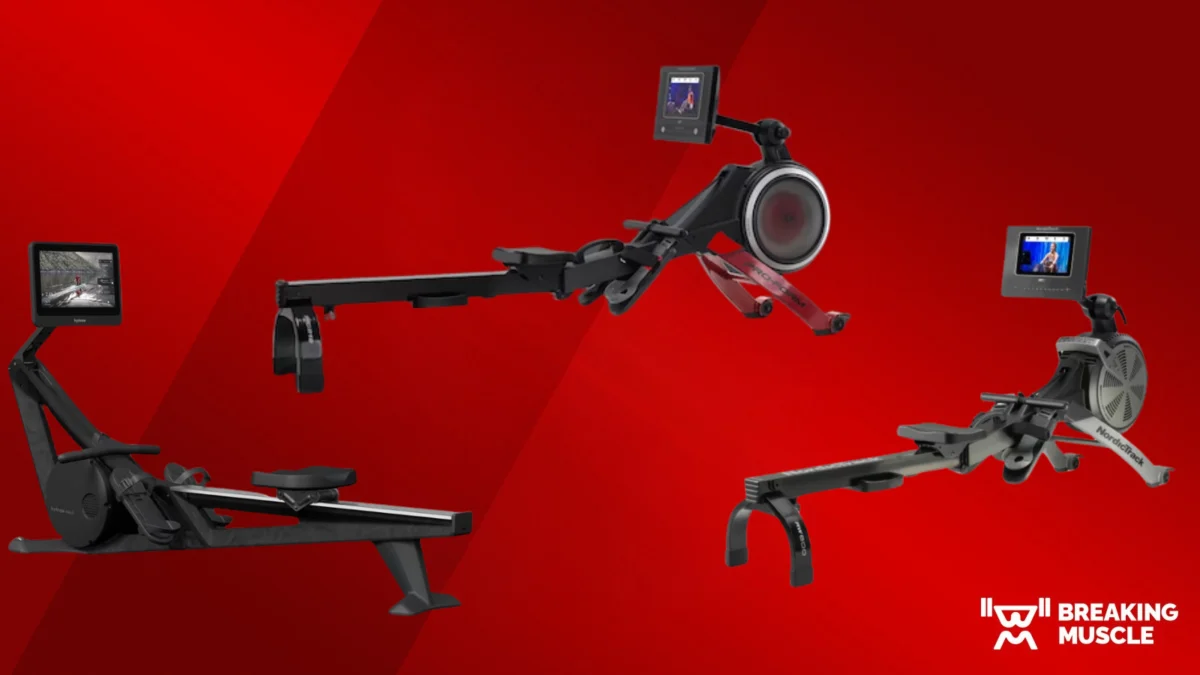
The journey to peak physical and mental fitness is paved with consistent effort, smart strategies, and the right tools. Among the most versatile and effective tools in any fitness arsenal is the humble yet mighty rowing machine, often referred to as an "erg." Far more than just a cardio device, the rower offers a comprehensive, full-body workout that can sculpt muscles, torch calories, and build unparalleled endurance. Whether you’re a complete novice dipping your toes into the fitness world or an intermediate enthusiast looking to shatter plateaus, mastering the art of rowing can unlock a new level of physical prowess and mental resilience.
This isn’t just about moving back and forth; it’s about harnessing a powerful, coordinated movement pattern that engages nearly every major muscle group in your body. It’s about transforming your physique, boosting your cardiovascular health, and developing a disciplined mindset that extends far beyond your workout sessions. In this definitive guide, we’ll dive deep into the world of transformative rowing, providing you with the knowledge, techniques, and strategies to truly unleash your inner powerhouse.
The Unrivaled Power of the Rowing Machine
Before we delve into the mechanics and workouts, let’s appreciate why the rowing machine stands out as an exceptional fitness tool. Its ability to deliver a holistic workout with remarkable efficiency makes it a favorite among athletes and fitness experts alike.
A Full-Body Symphony: Engaging Every Major Muscle Group
Unlike many cardio machines that isolate specific muscle groups, the rowing stroke is a symphony of coordinated movement that engages approximately 86% of your body’s muscles. Think of it as a powerful chain reaction:
- Legs (60% of the work): Your glutes, hamstrings, and quadriceps initiate the powerful drive away from the catch. This leg-driven push is the engine of your stroke, building incredible lower-body strength and explosive power.
- Core (20% of the work): Your abdominals, obliques, and lower back muscles are crucial for connecting your upper and lower body, stabilizing your torso, and transferring power from your legs to the handle. A strong core is not just for aesthetics; it’s fundamental for injury prevention and efficient power transfer.
- Upper Body (20% of the work): Your lats, rhomboids, deltoids, biceps, triceps, and forearms all come into play during the pull phase, drawing the handle towards your body. This builds impressive upper-body strength and endurance, contributing to a strong, defined back and arms.
Imagine a single movement that simultaneously strengthens your legs, tightens your core, and sculpts your back and arms. That’s the power of rowing.
Low-Impact, High-Reward: Protecting Your Joints
For many, the fear of joint pain can be a significant barrier to consistent exercise. High-impact activities like running can sometimes take a toll on knees, hips, and ankles. This is where rowing shines. Because you remain seated and the movement is fluid and controlled, rowing offers a potent cardiovascular and strength workout without the jarring impact on your joints. This makes it an ideal option for:
- Individuals recovering from injuries: Under professional guidance, rowing can be a safe way to regain fitness.
- Those with joint sensitivities: Enjoy intense exercise without exacerbating existing conditions.
- Anyone looking for sustainable, long-term fitness: Protect your body while building strength and endurance.
Cardio and Strength, Hand-in-Hand: The Best of Both Worlds
One of the most compelling aspects of rowing is its dual benefit: it’s both a phenomenal cardiovascular workout and an effective strength builder.
- Cardiovascular Endurance: Consistent rowing elevates your heart rate, strengthens your heart, improves lung capacity, and enhances your body’s ability to efficiently deliver oxygen to your muscles. This translates to improved stamina in daily life and other physical activities.
- Muscular Strength and Endurance: By adjusting the resistance and intensity, you can tailor your workout to focus on building explosive power, muscular endurance, or a combination of both. The continuous engagement of major muscle groups leads to functional strength that is applicable to everyday movements.
This unique combination means you can achieve comprehensive fitness results in a shorter amount of time, making it incredibly efficient for busy schedules.
Mental Fortitude: Beyond the Physical Burn
Beyond the tangible physical benefits, rowing cultivates a powerful mental discipline. The rhythmic, repetitive nature of the stroke can be meditative, allowing you to focus inward, clear your mind, and build mental resilience. Pushing through challenging intervals or maintaining a steady pace over a long distance requires concentration, determination, and the ability to override discomfort. This mental toughness translates into improved focus, stress reduction, and a greater sense of accomplishment, empowering you in all aspects of your life.
Setting the Stage: Getting Started with Your Rower
To reap the full benefits of rowing, a proper setup is paramount. It ensures efficiency, prevents injury, and makes your workout more enjoyable.
Optimizing Your Rower Setup
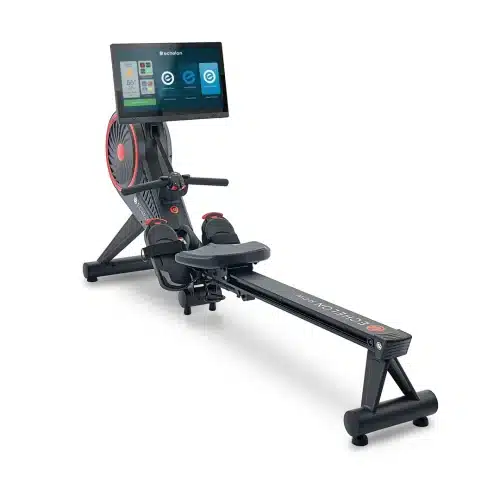
Before you even begin to pull, take a moment to ensure your rowing machine is properly adjusted for your body. While machines vary, these general principles apply:
- Foot Straps: Your feet should be securely strapped in, but not uncomfortably tight. The strap should typically cross the widest part of your foot, just below the toes. This allows you to drive powerfully through your heels and balls of your feet without your feet slipping.
- Seat Position: The seat should move smoothly along the rail. Ensure it’s clean and unobstructed.
- Resistance Setting: Most rowers have an adjustable resistance mechanism. For beginners, start with a moderate setting. You want enough resistance to feel the work in your muscles, but not so much that it compromises your form or leads to quick fatigue. Think of it less as a "strength level" and more as a "gear" – higher resistance might feel heavier but doesn’t necessarily mean a better workout if your technique breaks down.
- Monitor Display: Familiarize yourself with your rower’s monitor. Key metrics to track include:
- Strokes Per Minute (SPM): How many strokes you complete in sixty seconds. Aim for 20-30 SPM for steady-state, higher for intervals.
- Distance: How far you’ve "rowed."
- Time: Duration of your workout.
- Split Time: The time it takes to row 500 meters (often displayed as /500m). This is a crucial indicator of your power and intensity. A lower split time means you’re rowing faster.
- Calories Burned: An estimate of energy expenditure.
Taking a few moments to get comfortable with your machine will significantly enhance your experience and effectiveness.
The Art of the Stroke: Mastering Rowing Form
Proper form is the cornerstone of effective and safe rowing. It maximizes power, prevents injury, and ensures you’re engaging the right muscle groups. The rowing stroke is a continuous, fluid motion, but it can be broken down into four distinct phases: The Catch, The Drive, The Finish, and The Recovery.
Phase 1: The Catch – Ready, Set, Engage
This is your starting position, coiled and ready to unleash power.
- Position: Sit tall with your core engaged. Your knees should be bent, shins vertical (or close to it), and heels lifted slightly off the footplate (optional, depending on ankle flexibility).
- Reach: Extend your arms straight forward, shoulders relaxed. Your hands should grip the handle comfortably with an overhand grip, just outside shoulder-width.
- Lean: Your torso should lean slightly forward from the hips, mimicking a natural athletic stance.
- Focus: Maintain a strong, connected posture. You should feel tension in your hamstrings and glutes, ready to push.
Practical Tip: Think of yourself as a spring, compressed and ready to explode.
Phase 2: The Drive – Power Through Your Legs
This is where the majority of your power comes from.
- Legs First: Initiate the drive by pushing powerfully through your feet and extending your legs. Imagine pushing the entire machine away from you with your legs.
- Core Connection: As your legs extend, your core remains strong, linking your upper body to this powerful leg drive. Your torso will naturally swing slightly backward.
- Arms: Your arms remain straight and relaxed during the initial leg drive. They are merely connectors, not primary movers yet.
Practical Tip: Visualize pushing the floor away with your feet, rather than pulling the handle towards you. Your legs are the engine!
Phase 3: The Finish – Lean Back, Pull In
Once your legs are almost fully extended, the upper body takes over.
- Torso Lean: Your torso will naturally lean back slightly (around 11 o’clock if your starting position was 12 o’clock), creating a strong, stable base.
- Arm Pull: With your core still engaged, pull the handle towards your upper abdomen or lower ribs, just below your chest. Your elbows should go slightly past your body, not out wide.
- Shoulders: Keep your shoulders relaxed and down, not hunched up by your ears.
Practical Tip: Your arms finish the stroke, but they are supported by the power generated by your legs and core. It’s a pull, not a heave.
Phase 4: The Recovery – Smooth Transition
This is the return to the catch position, preparing for the next stroke. It’s often where form breaks down, but a controlled recovery is vital for efficiency and rhythm.
- Arms Away: Extend your arms straight forward first, letting the handle move away from your body.
- Torso Forward: Once your arms are straight, hinge forward from your hips, bringing your torso back to the slightly forward lean.
- Legs Bend: Finally, allow your knees to bend, smoothly sliding the seat forward towards the catch position.
Practical Tip: The recovery should feel controlled and deliberate, a mirror image of the drive but in reverse: Arms-Body-Legs. Avoid rushing back to the catch, as this compromises your next drive.
The Golden Rule: Legs, Core, Arms – Arms, Core, Legs
This mantra encapsulates the proper sequence of the rowing stroke:
- Drive: Legs initiate, core connects, arms finish. (Legs -> Core -> Arms)
- Recovery: Arms extend, core swings forward, legs bend. (Arms -> Core -> Legs)
Mastering this sequence will transform your rowing from a clumsy effort into a powerful, efficient, and injury-free movement.
Common Pitfalls and How to Avoid Them
Even with the best intentions, it’s easy to fall into common rowing mistakes. Being aware of these and actively correcting them will significantly improve your performance and prevent strain.
Rushing the Recovery
Mistake: Speeding back to the catch, often leading with the knees before the arms extend.
Impact: Compromises power generation for the next stroke, leads to inefficient movement, and can cause lower back strain.
Correction: Emphasize the "Arms-Body-Legs" sequence for recovery. Count "1-2-3" for the recovery, ensuring your arms go out, then your body hinges, then your knees bend.
Arm-Dominant Pull
Mistake: Using your arms and upper body to pull the handle before or simultaneously with your leg drive.
Impact: Exhausts your arms quickly, limits power, and puts excessive strain on your shoulders and lower back.
Correction: Focus on the leg drive as the primary power source. Keep your arms relaxed and straight until your legs are nearly extended. Think of your arms as hooks until the very end of the drive.
Slouching or Over-Leaning
Mistake: Rounding your back at the catch or over-leaning too far back at the finish.
Impact: Puts undue stress on your spine, reduces core engagement, and limits power transfer.
Correction: Maintain a tall, engaged core throughout the entire stroke. At the catch, hinge from your hips with a straight back. At the finish, your lean back should be subtle, not a dramatic recline. Imagine a string pulling the top of your head towards the ceiling.
Incorrect Foot Placement
Mistake: Foot straps too loose or too tight, or feet positioned too high or low on the footplate.
Impact: Reduces leg drive efficiency, causes discomfort, and can lead to blistering or cramping.
Correction: Ensure the strap crosses the widest part of your foot. Experiment with footplate height so that your shins can be vertical at the catch without discomfort or excessive heel lift. Your feet should feel stable and connected to the drive.
Ignoring Resistance Settings
Mistake: Always using the highest or lowest resistance setting without considering workout goals.
Impact: Too high can lead to poor form and quick fatigue; too low can feel like you’re not getting a workout.
Correction: Understand that resistance is a "gear." Lower resistance (but still with effort) is better for higher stroke rates and endurance. Higher resistance is for building power and strength at lower stroke rates. Adjust based on your workout’s objective, not just for maximum "difficulty."
Crafting Your Rowing Workout Regimen
Now that you understand the mechanics, let’s explore how to structure your rowing workouts for maximum impact, catering to different fitness levels and goals. Always start with a 5-10 minute dynamic warm-up (light rowing, bodyweight squats, arm circles) and end with a 5-10 minute cool-down (light rowing, stretching).
The Beginner’s Blueprint: Building a Solid Foundation
If you’re new to rowing, consistency and proper form are your top priorities. Start slow, focus on technique, and gradually build your endurance.
- Workout 1: Form Focus (20 minutes)
- Warm-up: 5 minutes light rowing (18-20 SPM)
- Main Set:
- 5 minutes: Steady rowing, focusing purely on the "Legs, Core, Arms – Arms, Core, Legs" sequence. Keep SPM low (20-22).
- 2 minutes: Rest or very light active recovery.
- 5 minutes: Repeat steady rowing, trying to maintain consistent power.
- Cool-down: 3 minutes light rowing, 5 minutes stretching.
- Workout 2: Endurance Builder (25-30 minutes)
- Warm-up: 5 minutes light rowing (18-20 SPM)
- Main Set:
- 15-20 minutes: Continuous steady-state rowing at a comfortable pace (20-24 SPM). You should be able to hold a conversation, but still feel challenged. Focus on maintaining consistent split times.
- Cool-down: 5 minutes light rowing, 5 minutes stretching.
Actionable Advice: Aim for 2-3 rowing sessions per week. Don’t worry about speed initially; focus on smooth, powerful strokes.
Intermediate Intensity: Elevating Your Challenge
Once you’re comfortable with basic form and can row for 20-30 minutes consistently, it’s time to introduce more varied workouts and higher intensity.
- Workout 1: Pyramid Power (30-35 minutes)
- Warm-up: 5 minutes light rowing (20 SPM)
- Main Set:
- Row 500m (moderate pace)
- Rest 1 minute
- Row 400m (slightly faster)
- Rest 1 minute
- Row 300m (fast pace)
- Rest 1 minute
- Row 200m (sprint pace)
- Rest 1 minute
- Row 300m (fast pace)
- Rest 1 minute
- Row 400m (slightly faster)
- Rest 1 minute
- Row 500m (moderate pace)
- Cool-down: 5 minutes light rowing, 5 minutes stretching.
- Workout 2: Sustained Power Intervals (30 minutes)
- Warm-up: 5 minutes light rowing (20 SPM)
- Main Set (Repeat 4-5 times):
- 3 minutes: Hard rowing (challenging split time, 26-28 SPM)
- 2 minutes: Active recovery (very light rowing, 18-20 SPM)
- Cool-down: 5 minutes light rowing, 5 minutes stretching.
Actionable Advice: Challenge yourself to improve your split times while maintaining good form. Listen to your body and adjust intensity as needed.
High-Intensity Interval Training (HIIT) on the Rower
HIIT rowing is incredibly effective for boosting cardiovascular fitness and burning calories in a short amount of time.
- Workout: 30/30 Sprints (20-25 minutes)
- Warm-up: 5 minutes progressive rowing, gradually increasing intensity.
- Main Set (Repeat 10-15 times):
- 30 seconds: All-out sprint (max effort, push your limits)
- 30 seconds: Complete rest or very light active recovery.
- Cool-down: 5 minutes light rowing, 5 minutes stretching.
- Workout: Tabata Rowing (15 minutes including warm-up/cool-down)
- Warm-up: 5 minutes light rowing.
- Main Set (Repeat 8 rounds, total 4 minutes):
- 20 seconds: Max effort sprint
- 10 seconds: Rest
- Cool-down: 5 minutes light rowing, 5 minutes stretching.
Actionable Advice: HIIT is intense. Ensure you’re well-rested and properly warmed up. Only attempt 1-2 HIIT sessions per week to allow for adequate recovery.
Steady-State Endurance: The Long Haul
For building a robust aerobic base, longer, consistent rowing sessions are invaluable.
- Workout: The Marathoner’s Mile (45-60 minutes)
- Warm-up: 5 minutes light rowing.
- Main Set: 35-50 minutes continuous rowing at a moderate, sustainable pace (20-24 SPM). Focus on rhythm and maintaining a consistent split time. This should be challenging but not agonizing.
- Cool-down: 5 minutes light rowing, 5 minutes stretching.
Actionable Advice: Use this type of workout to improve your mental endurance and ability to sustain effort over time. Try to keep your split time within a narrow range for the entire duration.
Strength-Focused Rowing: Powering Up
While rowing inherently builds strength, you can emphasize it further by focusing on higher resistance and lower stroke rates.
- Workout: Power Strokes (30 minutes)
- Warm-up: 5 minutes light rowing.
- Main Set:
- 5 minutes: Steady rowing, high resistance, low SPM (18-20), focus on explosive leg drive.
- 2 minutes: Rest or light active recovery.
- Repeat 4-5 times.
- Cool-down: 5 minutes light rowing, 5 minutes stretching.
Actionable Advice: On a strength-focused day, aim for a powerful, deliberate drive, even if your stroke rate is lower. Feel the engagement in your glutes and hamstrings.
Beyond the Rower: Complementary Training for Holistic Fitness
While rowing is a full-body workout, integrating other forms of exercise can further enhance your fitness, prevent imbalances, and reduce the risk of injury.
Incorporating Strength Training
To maximize your rowing performance and overall physical resilience, add targeted strength training.
- Legs: Squats, lunges, deadlifts (or Romanian deadlifts) will build the powerful leg drive crucial for rowing.
- Core: Planks, Russian twists, and bicycle crunches will strengthen your midsection, improving stability and power transfer.
- Upper Body: Push-ups, overhead presses, and rows (dumbbell, barbell) will balance the pulling motion of rowing and build comprehensive upper-body strength.
Real-life Example: Sarah, an intermediate rower, added two 30-minute strength sessions a week focusing on compound movements. After a month, she noticed her rowing split times improved significantly, and she felt less fatigued in her upper body during long sessions.
Flexibility and Mobility for Optimal Performance
Good flexibility and mobility are essential for achieving proper rowing form and preventing tightness or injury.
- Hip Flexor Stretches: Rowing involves repeated hip flexion, so stretching your hip flexors regularly is crucial.
- Hamstring Stretches: Improve your ability to reach the catch position comfortably.
- Thoracic Spine Mobility: Exercises that improve rotation and extension in your upper back will help you maintain a tall posture and a strong finish.
- Ankle Mobility: Essential for achieving a good shin angle at the catch.
Actionable Advice: Dedicate 10-15 minutes post-workout or on rest days to dynamic stretches and mobility drills. Yoga or Pilates can also be excellent complements.
Cross-Training for Variety and Injury Prevention
Engaging in different activities can keep your fitness journey exciting and work your muscles in new ways, reducing the risk of overuse injuries.
- Swimming: An excellent low-impact cardio alternative that works different muscle groups.
- Cycling: Builds leg endurance and strength without the upper body component, offering a different stimulus.
- Walking/Hiking: Great for active recovery and getting outdoors.
Practical Tip: If you row 3-4 times a week, consider replacing one rowing session with a different form of cardio or a dedicated mobility session.
Fueling Your Progress: Nutrition and Recovery Essentials
Your efforts on the rower are only as effective as your commitment to proper nutrition and recovery. These elements are the unsung heroes of fitness transformation.
Hydration: Your Performance Amplifier
Water is fundamental for every bodily function, including muscle performance, nutrient transport, and temperature regulation.
- Before, During, After: Drink plenty of water throughout the day. Sip water before and during your workout, and replenish electrolytes if you’re sweating heavily during longer sessions.
- Listen to Your Body: Don’t wait until you’re thirsty; thirst is already a sign of dehydration.
Balanced Nutrition: The Foundation of Energy
What you eat directly impacts your energy levels, recovery, and ability to build muscle and lose fat.
- Lean Protein: Essential for muscle repair and growth. Include sources like chicken, fish, lean beef, legumes, and tofu.
- Complex Carbohydrates: Your primary energy source for sustained workouts. Opt for whole grains, sweet potatoes, fruits, and vegetables.
- Healthy Fats: Crucial for hormone production and overall health. Avocados, nuts, seeds, and olive oil are great choices.
- Nutrient Timing: Consume a balanced meal or snack with protein and carbs before and after intense workouts to optimize performance and recovery.
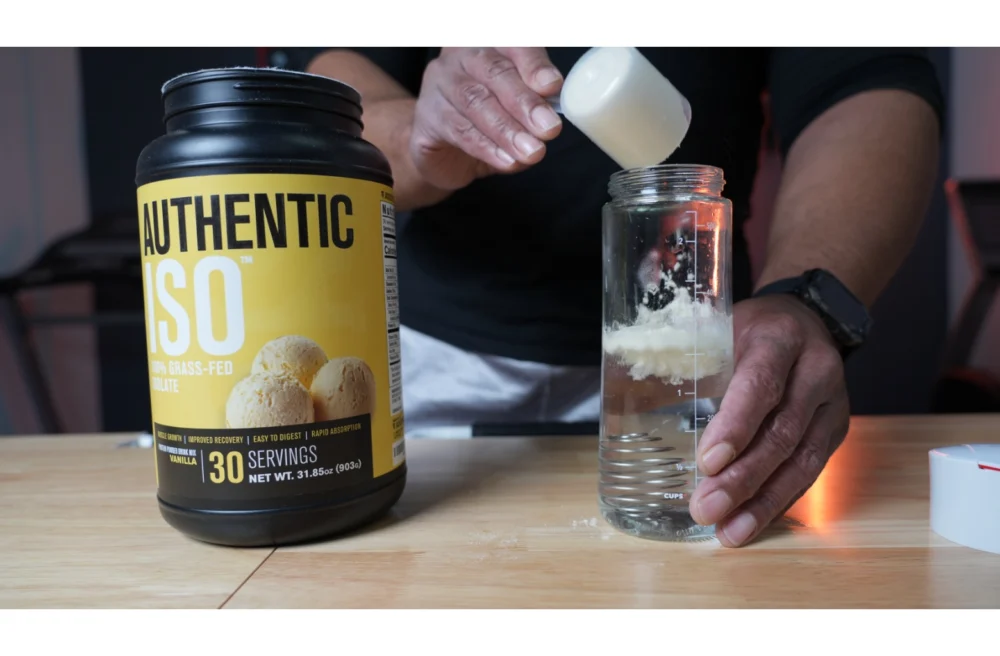
Real-life Example: Mark started his rowing journey feeling sluggish. By focusing on whole foods, increasing his water intake, and ensuring a post-workout protein shake, he not only felt more energetic during his rows but also saw noticeable improvements in his body composition.
The Power of Rest: Recovery for Growth
Rest days are not a luxury; they are a necessity. Your muscles grow and repair during periods of rest, not during the workout itself.
- Sleep: Aim for 7-9 hours of quality sleep per night. This is when your body undergoes crucial repair processes.
- Active Recovery: Light activities like walking, gentle stretching, or leisurely cycling on rest days can aid blood flow and reduce muscle soreness.
- Listen to Your Body: If you feel overly fatigued, sore, or unmotivated, take an extra rest day. Pushing through constant fatigue can lead to burnout or injury.
Cultivating a Champion’s Mindset
Physical transformation is deeply intertwined with mental fortitude. Developing a champion’s mindset will empower you to stay consistent, overcome challenges, and celebrate your progress.
Setting Achievable Goals
- SMART Goals: Make your goals Specific, Measurable, Achievable, Relevant, and Time-bound. Instead of "I want to be fit," try "I will row 5,000 meters in under 25 minutes by the end of next month."
- Short-term and Long-term: Set smaller, immediate goals to maintain momentum, alongside larger, aspirational goals.
Tracking Your Progress
- Log Your Workouts: Keep a journal or use a fitness app to record your distances, times, split times, and how you felt.
- Celebrate Milestones: Acknowledging your achievements, no matter how small, reinforces positive habits and keeps you motivated. Did you shave 5 seconds off your 2k time? That’s a win!
Embracing the Challenge
- Discomfort is Growth: Understand that pushing past your comfort zone is where real growth happens. Embrace the burn, the sweat, and the mental grit required.
- View Obstacles as Opportunities: Missed a workout? Had a bad session? Don’t dwell on it. Analyze what happened, learn from it, and come back stronger.
Listening to Your Body
- Distinguish Pain from Discomfort: Learn to differentiate between muscle soreness (good) and sharp, persistent pain (bad).
- Prioritize Well-being: There will be days your body needs rest, or a lighter workout. Honoring these signals will prevent injury and ensure long-term consistency.
Your Journey to a Stronger Self
The rowing machine is more than just a piece of equipment; it’s a gateway to a stronger, healthier, and more resilient you. By understanding the unrivaled power of the stroke, meticulously practicing proper form, strategically crafting your workouts, and committing to holistic wellness, you are not just exercising – you are embarking on a profound journey of self-improvement.
Every powerful drive, every controlled recovery, every challenging interval builds not just physical strength, but also mental toughness. It teaches you discipline, endurance, and the satisfaction of pushing your limits. So, step onto the rower with purpose, embrace the rhythm, and unleash the inner powerhouse that resides within you. Your transformative journey starts now.