
As a fitness enthusiast, you understand the power of consistent effort and strategic planning. You meticulously craft workout routines, fuel your body with optimal nutrition, and prioritize recovery to achieve your physical goals. But are you applying the same disciplined approach to protecting your skin, especially your face, from the most significant aging culprit? The truth is, a vast majority of wrinkles and premature aging aren’t a result of genetics or even intense workouts; they are a direct consequence of cumulative sun exposure.
This article dives deep into how dermatologists recommend safeguarding your skin from the sun’s damaging rays, focusing on effective prevention strategies that integrate seamlessly into your active lifestyle. We’ll go beyond the basic "wear sunscreen" advice and explore the nuances of year-round protection, why a dedicated facial SPF is non-negotiable, and how to choose the best products for your skin.

The Year-Round Battle Against UV Rays
It’s a common misconception that sunscreen is only necessary during the summer months or when the sun is beaming brightly. Dermatologists are adamant: UV rays are a persistent threat, regardless of the season or the weather forecast.
- Invisible Threats: Even on cloudy days, a significant amount of ultraviolet (UV) radiation penetrates cloud cover. These rays are relentless and contribute to photoaging, hyperpigmentation (like melasma), and the breakdown of collagen, the protein that keeps your skin firm and youthful.
- The Snow Factor: Consider winter sports like skiing or snowboarding. The sun might feel less intense, but snow acts as a powerful reflector, effectively doubling your UV exposure. This is why sunburns can be severe even in freezing temperatures.
- Cumulative Damage: Each day you step outside without protection, you’re contributing to a cumulative damage load on your skin. Over time, this repeated exposure significantly increases your risk of skin cancer and accelerates the visible signs of aging. Dermatologists estimate that 80 to 90 percent of facial aging is directly attributable to chronic sun exposure. The stark reality is that skin cancer is a serious threat, and most cases are preventable through diligent sun protection.
Therefore, making sunscreen a non-negotiable part of your daily routine, 365 days a year, is paramount. Think of it as an essential piece of your health armor, just like your training shoes or your water bottle.

Why Your Face Deserves a Dedicated SPF
You wouldn’t use your gym body wash to cleanse your face, would you? The same principle applies to sunscreen. Facial skin is fundamentally different from the skin on the rest of your body.
- Delicate and Sensitive: Your facial skin is generally thinner and more sensitive. It’s also more exposed to the elements and often the first place to show signs of aging.
- Formulation Differences:
- Body Sunscreens: These are designed for broad coverage and cost-effectiveness. They are often thicker and heavier, formulated to withstand more robust application over larger areas.
- Facial Sunscreens: These are specifically engineered for the delicate skin on your face. They tend to be lighter, more cosmetically elegant, and often incorporate beneficial skincare ingredients.
- The "Why" Behind Facial Formulas:
- Lighter Texture: Facial sunscreens are formulated to be less greasy and absorb more readily, preventing that heavy, uncomfortable feeling.
- Non-Comedogenic: Many facial sunscreens are designed to be non-comedogenic, meaning they are less likely to clog pores and cause breakouts – a crucial consideration for anyone prone to acne.
- Skincare Benefits: Beyond UV protection, facial sunscreens often include ingredients like:
- Antioxidants (Vitamin C, Vitamin E): These combat free radical damage caused by UV exposure and environmental stressors, further protecting collagen.
- Niacinamide: Known for its oil-controlling and redness-reducing properties.
- Hydrating Agents (Hyaluronic Acid, Glycerin): These provide lightweight moisture without feeling heavy or greasy.
- Gentle Around the Eyes: Some formulas are ophthalmologist-tested and gentler for the sensitive skin around the eyes, a common area for fine lines.
- Avoiding Irritation: Using a heavy body sunscreen on your face can lead to irritation, breakouts, and a generally unpleasant experience, making you less likely to use it consistently.
Investing in a dedicated facial sunscreen is not an indulgence; it’s a strategic move to protect and maintain the health and appearance of your most visible skin.

Choosing Your Daily Shield: Expert-Recommended Facial SPFs
Navigating the world of sunscreens can be overwhelming. Here are some dermatologist-recommended options and what makes them stand out, catering to different needs and preferences:
Top-Tier Protection for All Skin Types
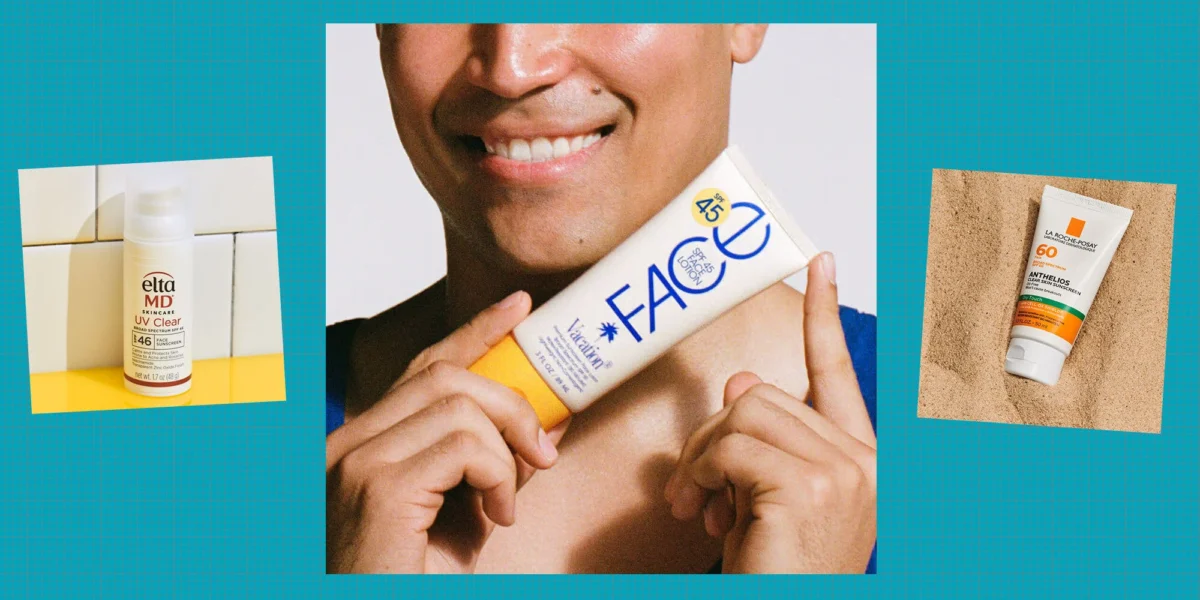
- La Roche-Posay Anthelios Clear Skin Dry Touch Sunscreen SPF 60: This is a consistent favorite for its fast-absorbing, long-lasting, and lightweight formula. It’s effective for all skin types, including sensitive. Beyond its robust SPF 60, it’s enriched with barrier-strengthening ceramides, calming niacinamide, and moisturizing glycerin, making it a powerhouse for daily wear.
- La Roche-Posay Anthelios UV Air Serum Sunscreen SPF 50: A newer innovation, this serum-like formula is exceptionally lightweight, absorbing in seconds. It’s as gentle as the Clear Skin Dry Touch but offers even more hydration with the addition of hyaluronic acid. Its Cell-Ox Shield technology, featuring antioxidants, provides crucial protection against free radical damage that accelerates aging.
Tailored Solutions for Specific Concerns
- EltaMD UV Clear Broad-Spectrum SPF 46: A go-to for many dermatologists, especially for those with acne-prone or sensitive skin. This zinc-based sunscreen is formulated with niacinamide, which helps calm inflammation and reduce redness. It’s known for being non-greasy and leaving a matte finish.
- EltaMD UV Skin Recovery Red Color Correcting Green Tint Broad Spectrum SPF 50: For those battling facial redness, this innovative option offers a subtle green tint to neutralize redness while providing excellent sun protection. It won a prestigious grooming award for its ability to blend seamlessly without a greasy feel or white cast.
- Neutrogena Ultra Sheer Invisible Gel Face SPF 40: A fantastic budget-friendly option, this gel formula is ideal for those seeking a lightweight, fast-absorbing sunscreen with a shine-free, matte finish. Its clear, fragrance-free, and non-comedogenic properties make it particularly suitable for oily or acne-prone skin types.
Mineral and Specialized Options
- SPOOGE Ghosted Mineral All-Screen SPF 30: A standout mineral sunscreen that lives up to its name by being virtually invisible. It provides excellent protection without the dreaded white cast often associated with mineral formulas. It’s also water-resistant for 80 minutes and contains bisabolol to soothe the skin.
- Vacation Classic Face Lotion SPF 45: A specialized facial version of a beloved body lotion. This formula is packed with skin-loving ingredients like coconut oil, aloe vera, banana extract, and vitamin E, offering soothing benefits alongside robust sun protection. It’s perfect for those who enjoy a slightly richer, yet still face-friendly, texture.
Integrating SPF into Your Fitness Routine: Practical Tips
Making sun protection a habit doesn’t require a drastic overhaul. Here’s how to weave it seamlessly into your active lifestyle:

- The Morning Ritual: Apply your chosen facial SPF as the last step in your morning skincare routine, before applying any makeup. If you’re heading out for a morning workout, this is your prime opportunity.
- Pre-Workout Application: If you exercise outdoors, apply your SPF at least 15-20 minutes before stepping out. This allows the sunscreen to form a protective barrier.
- Post-Workout Reapplication: If your workout involves prolonged sun exposure (e.g., a long run, outdoor sports), reapply your sunscreen immediately afterward. Carry a travel-sized SPF in your gym bag or car.
- Beyond the Face: Don’t forget other exposed areas like your neck, ears, and the back of your hands, especially during outdoor activities.
- Consider Your Environment:
- High Altitude/Snow: Increase your SPF and reapply more frequently.
- Water Activities: Opt for water-resistant formulas and reapply after swimming or excessive sweating.
- Urban Environments: Even a daily commute in a city exposes you to UV rays. Your daily facial SPF is crucial.
- Make it Accessible: Keep your facial sunscreen in a visible, convenient spot by your toiletries or in your gym bag. The easier it is to grab, the more likely you are to use it.
- The "SPF Moisturizer" Option: For ultimate convenience, consider a moisturizer with built-in SPF. However, ensure it provides broad-spectrum protection and an adequate SPF level (30 or higher). You’ll still need to reapply it throughout the day.
The Long Game: Investing in Your Future Self
Think of sun protection not as a chore, but as an investment in your future self. Just as you prioritize building strength and endurance for long-term health and vitality, protecting your skin is an equally vital aspect of holistic well-being.
The lines etched by time are inevitable, but the premature wrinkles and sun spots caused by UV damage are largely preventable. By adopting a consistent, informed approach to sun protection, you’re not just preventing damage; you’re actively preserving your skin’s health, resilience, and youthful appearance for years to come.

Embrace the power of prevention. Make SPF your daily non-negotiable. Your future self, looking back with gratitude at healthy, vibrant skin, will thank you for it.