In an age where convenience and personal well-being are paramount, the home gym has evolved from a niche concept to a cornerstone of modern fitness. For many, the idea of sculpting a stronger, healthier self within the confines of their own space holds immense appeal. At the heart of a truly effective home strength training setup lies an indispensable piece of equipment: the power rack. More than just a frame for weights, a power rack is a commitment to your fitness journey, offering unparalleled safety, versatility, and the freedom to train on your terms.
This comprehensive guide will delve into everything you need to know about power racks, from understanding their fundamental role to choosing the perfect model for your needs and leveraging its full potential. Whether you’re taking your first steps into serious strength training or looking to elevate an existing routine, a power rack is your ultimate ally in forging a stronger, more resilient you.
What Exactly is a Power Rack? Unpacking the Core of Your Home Gym
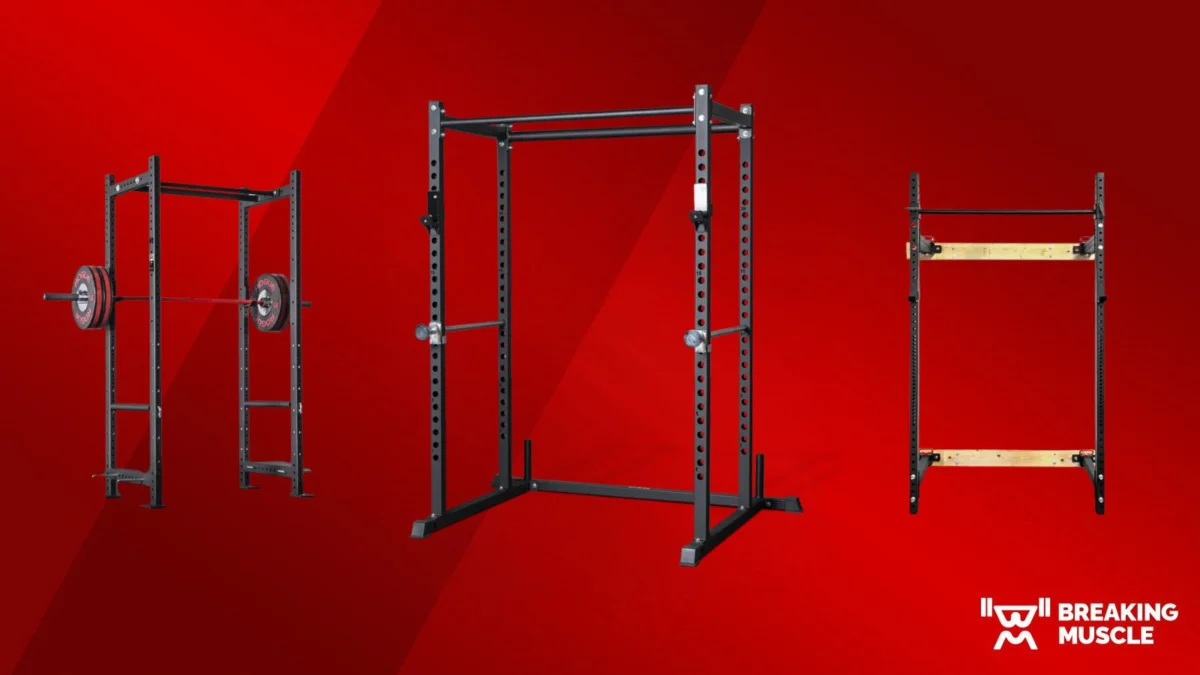
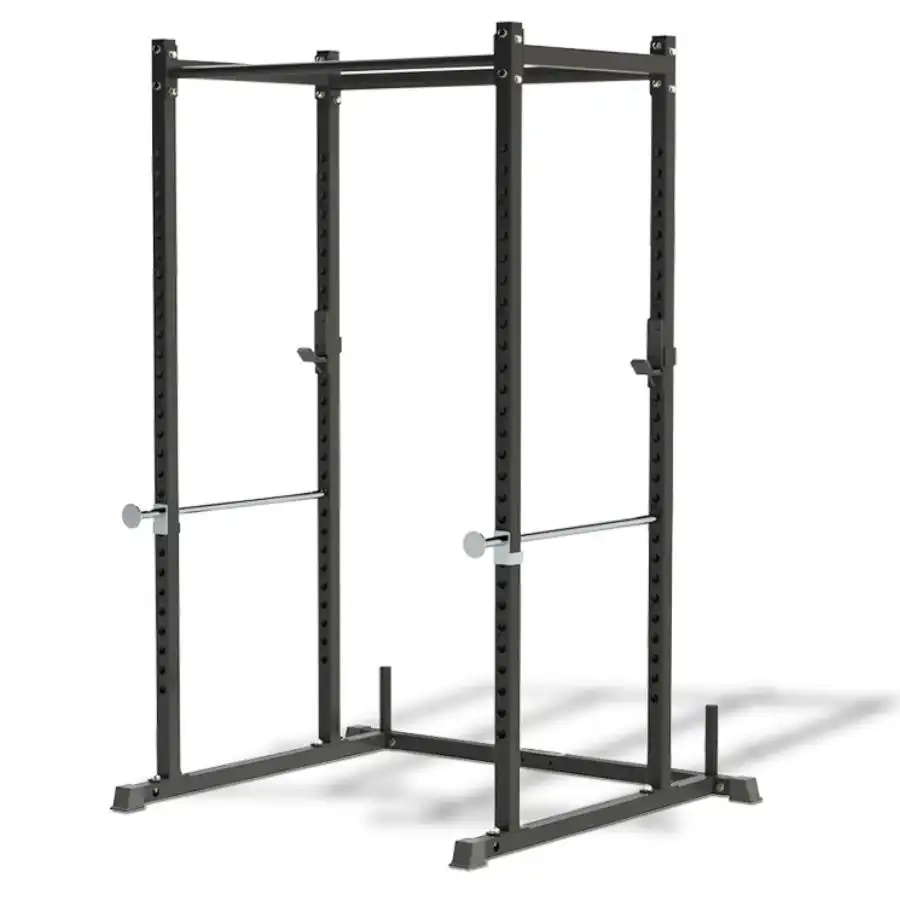
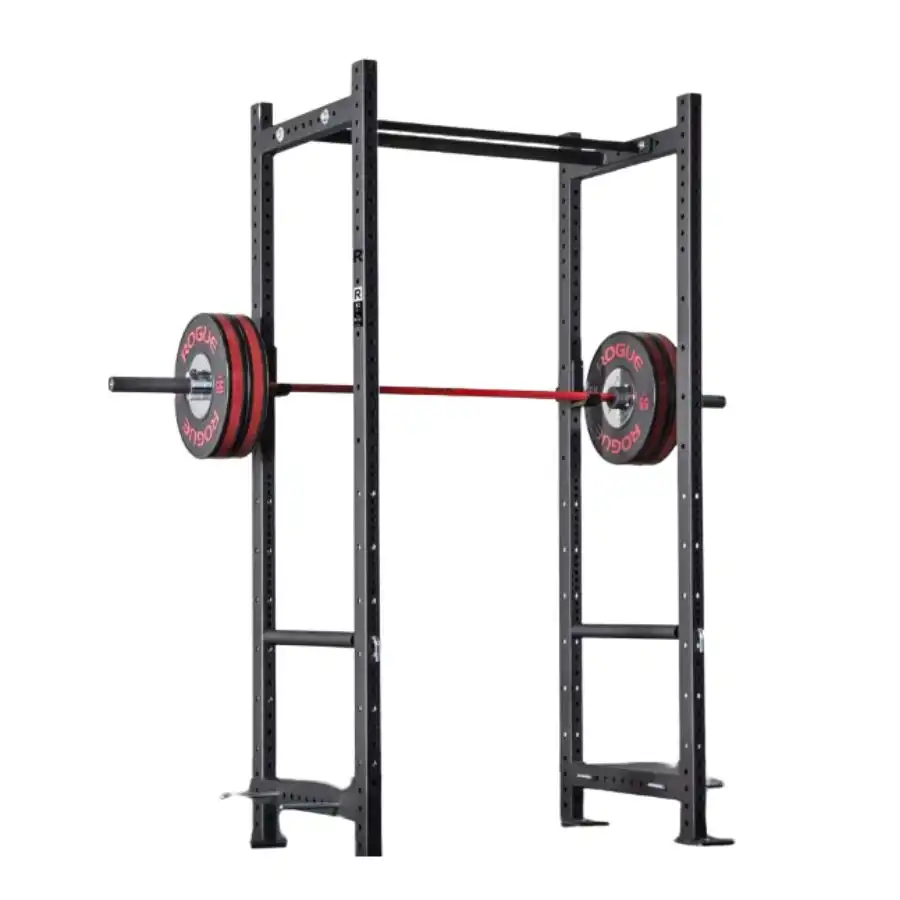
At its core, a power rack, often interchangeably called a power cage or squat cage, is a robust, four-post steel frame designed to facilitate safe and effective barbell exercises. Imagine a heavy-duty, open-sided box that allows you to perform lifts like squats, bench presses, and overhead presses with an added layer of security. The defining feature of a power rack is its adjustable safety mechanisms – horizontal pins, straps, or arms – that can be set at various heights. Should you fail a lift, the barbell can be safely dropped onto these supports, preventing injury and allowing you to push your limits without fear.
While the fundamental design involves four uprights connected by crossmembers, power racks come in several configurations:
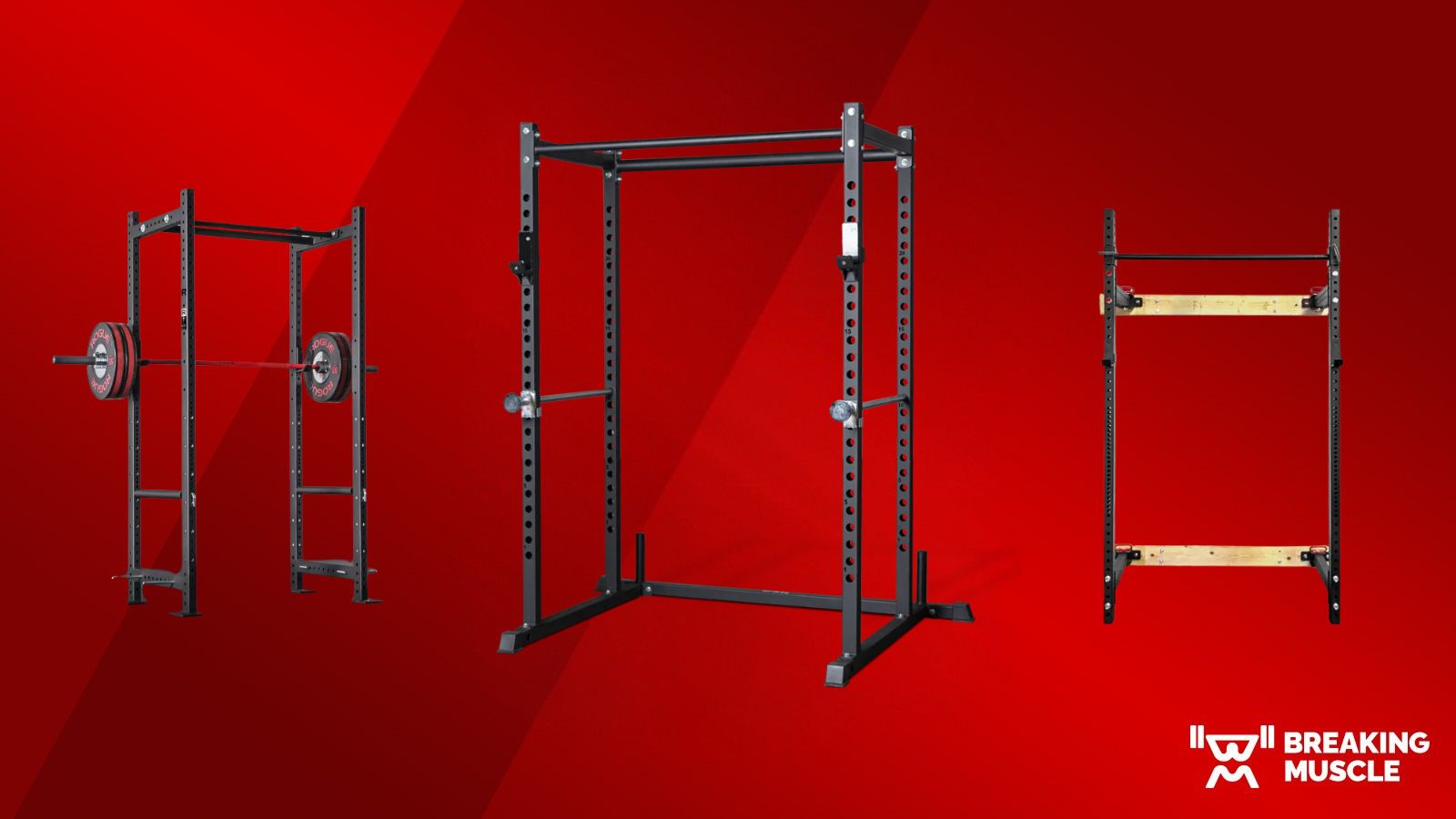
- Full Power Cages: These are the most common and comprehensive, offering a fully enclosed structure where you lift inside the cage. They provide maximum stability and attachment points for a wide array of accessories.
- Half Racks: Featuring only two uprights with an extended base, half racks are more compact. Lifts are typically performed outside the rack, with safety spotter arms extending forward. They save space but offer less enclosed safety than a full cage.
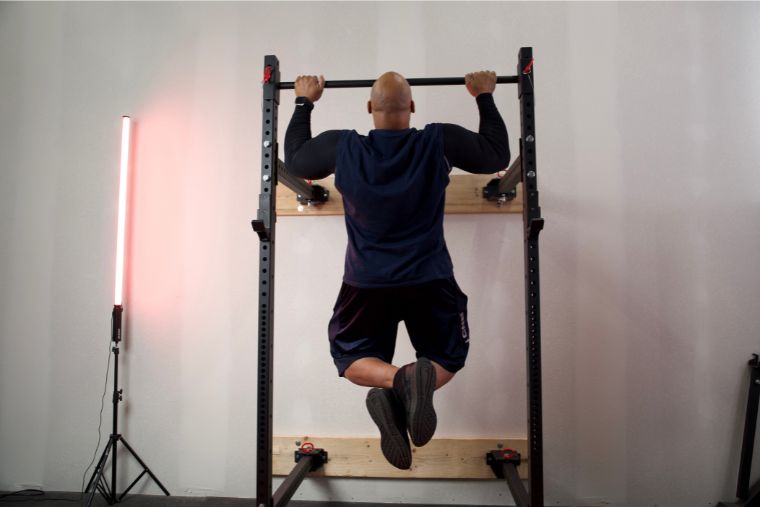
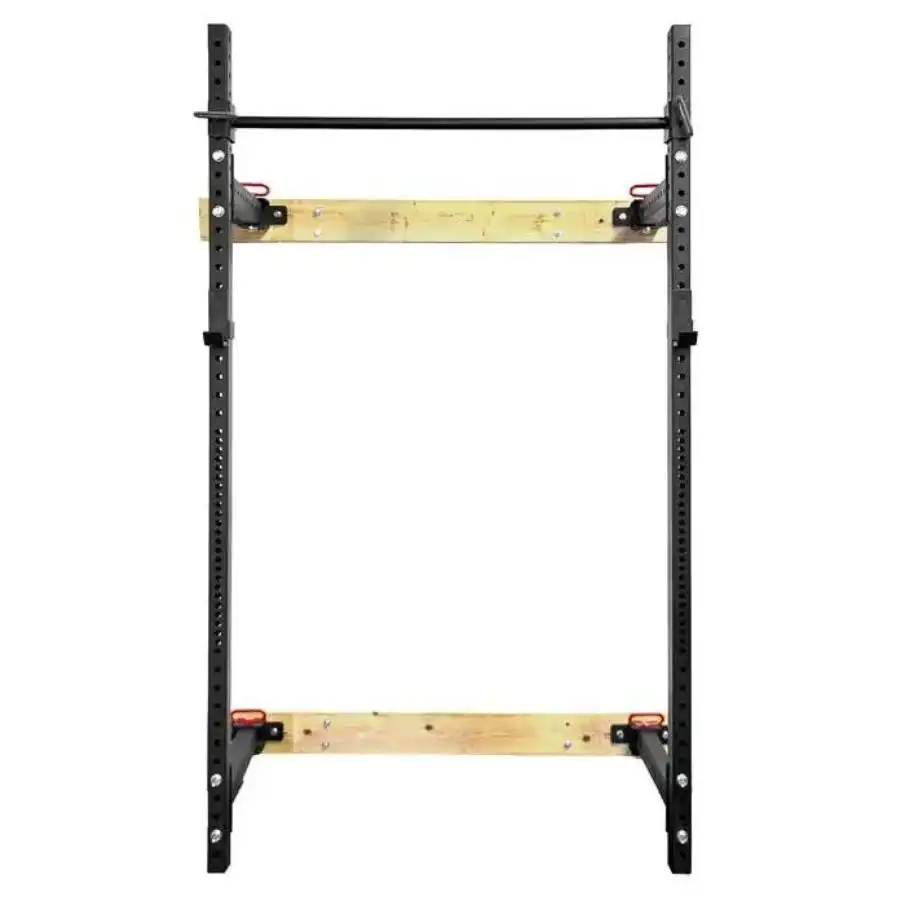
- Folding Racks: Designed for ultimate space efficiency, these wall-mounted racks can fold inward or outward against the wall when not in use, making them ideal for garages or multi-purpose rooms.
- Squat Stands: While similar in purpose, a squat stand is distinct from a power rack. It typically consists of two independent uprights or a single, lighter frame with no enclosed safety cage. They are portable and budget-friendly but offer less stability and safety for heavy lifting, especially without a spotter.
For beginners to intermediate lifters, a full power rack or a robust folding rack offers the optimal balance of safety, versatility, and room for growth.
The Transformative Power of a Home Gym: Why Invest in a Power Rack?
The decision to invest in a power rack is more than just buying equipment; it’s an investment in your health, consistency, and a newfound sense of empowerment. Here’s why it’s a game-changer for your fitness journey:
Unparalleled Safety for Solo Lifters
This is arguably the most significant advantage. A power rack allows you to train heavy and push your boundaries without needing a human spotter. The adjustable safety pins, straps, or arms act as your vigilant safeguard, catching the barbell if you fail a lift. This psychological reassurance is invaluable, enabling you to focus purely on your form and effort, knowing you have a reliable backup. For beginners, it removes the intimidation factor of public gyms and the pressure to perform perfectly.
Convenience and Consistency
No more commuting to the gym, waiting for equipment, or adhering to strict opening hours. Your power rack is always available, granting you the flexibility to train whenever inspiration strikes – before work, during a lunch break, or late at night. This ease of access dramatically increases training consistency, which is the bedrock of long-term progress.
Privacy and Focus
For many, the gym environment can be distracting or even intimidating. A home gym offers a private sanctuary where you can train without judgment, focus entirely on your workout, and even experiment with new exercises or techniques at your own pace. This uninterrupted focus can lead to more effective and enjoyable training sessions.
Long-Term Cost-Effectiveness
While the initial investment in a power rack and essential accessories might seem substantial, it quickly pays for itself compared to recurring gym memberships. Over months and years, your home gym becomes a highly economical solution, offering unlimited access to world-class training potential.
Versatility Beyond the Barbell
Modern power racks are designed to be multi-functional hubs. With the addition of various attachments – such as pull-up bars, dip stations, landmine attachments, and even cable pulley systems – your power rack transforms into a comprehensive full-body training station. This adaptability ensures that your workouts remain varied, challenging, and engaging for years to come.
Decoding Your Ideal Power Rack: A Guide to Key Categories
Choosing a power rack involves understanding what features align with your space, budget, and fitness aspirations. Here, we break down common categories of power racks, highlighting their defining characteristics and who they might best serve.
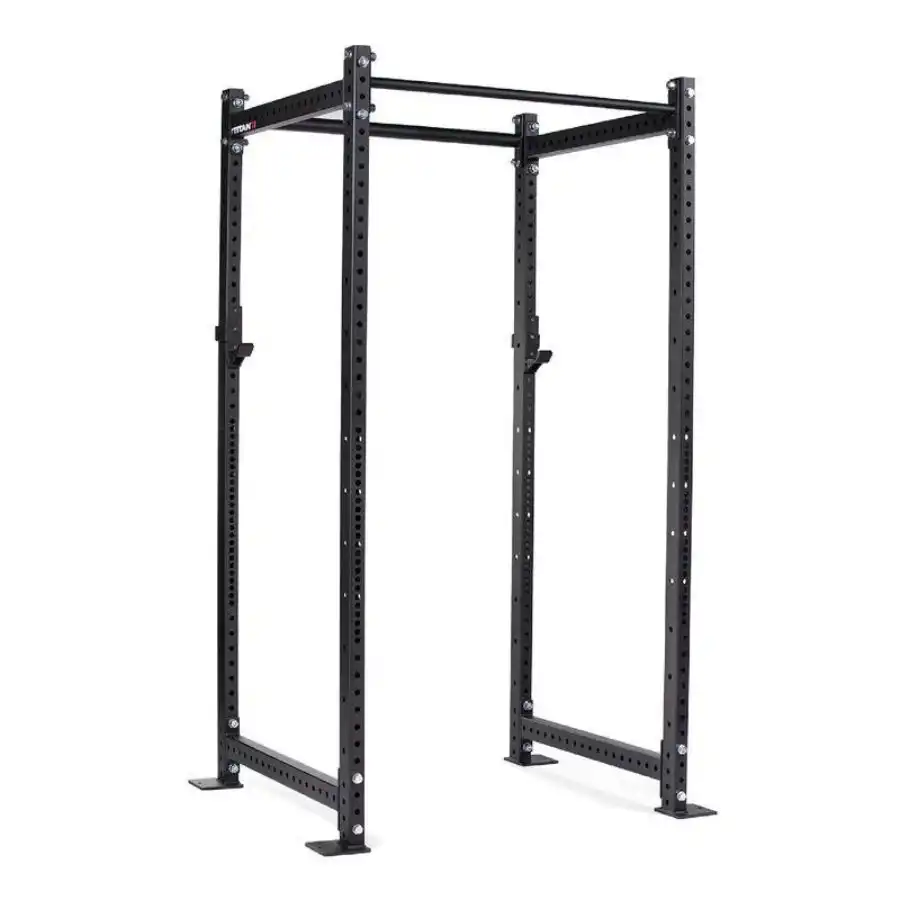
The Versatile All-Rounder: Robust and Feature-Rich
This category represents the quintessential power rack, designed to be a solid foundation for most lifters. These racks typically boast strong steel construction, a generous weight capacity, and a thoughtful array of integrated features.
- Key Features:
- Sturdy Construction: Often built from 14-gauge or 12-gauge steel tubing, providing excellent stability for moderate to heavy loads.
- Dual Pull-Up Bars: Frequently includes both a thicker and a standard-diameter pull-up bar, offering versatility for grip strength and various bodyweight exercises.
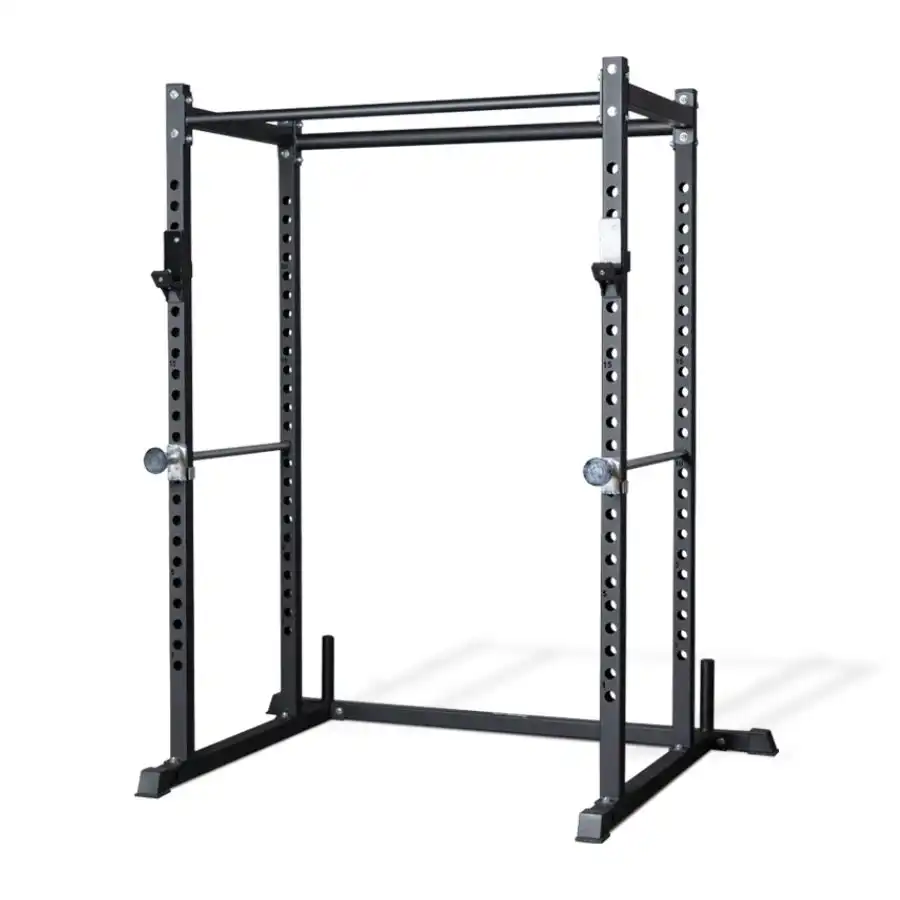
- Numbered Uprights: Laser-cut holes with clear numbering make adjusting J-hooks and safety bars quick, precise, and symmetrical.
- Integrated Storage: Built-in weight plate storage pegs on the rear base add stability and keep your plates organized.
- Chrome-Coated Safeties and Lined J-Hooks: Protect your barbell’s knurling and ensure smooth racking.
- Who It’s For: Ideal for beginners and intermediate lifters seeking a reliable, versatile, and expandable rack that can grow with their strength. It’s a fantastic entry point into serious home strength training.
The Space-Saving Innovator: Folding and Wall-Mounted Racks
For those with limited floor space, a folding power rack is a brilliant solution. These racks are engineered to provide the stability of a full rack while offering the flexibility to reclaim your space when the workout is done.
- Key Features:
- Wall-Mounted Design: Anchors securely to a wall, reducing the overall footprint.
- Foldable Mechanism: Utilizes hinges and pins to allow the uprights to fold inward or outward against the wall, often reducing the rack’s protrusion to just a few inches.
- Robust Steel: Despite their folding nature, these are typically made from heavy-duty 11-gauge steel, ensuring high weight capacities.
- Dual Pull-Up Bars & Westside Spacing: Many models still offer versatile pull-up options and precise hole spacing for bench and pull zones.
- Who It’s For: Perfect for garage gyms, spare rooms, or any area where floor space is at a premium and needs to serve multiple functions. They provide serious lifting capability without permanently dominating the room.
The Low-Ceiling Solution: Compact and Functional Racks
Not every home gym boasts cathedral ceilings. For basements, garages, or rooms with height restrictions, a shorter power rack ensures you can still enjoy the benefits of a full cage without bumping your head.
- Key Features:
- Reduced Height: Typically around 72-84 inches tall (6-7 feet), designed to fit comfortably under lower ceilings.
- Compact Footprint: Often comes with a smaller base, making it suitable for tighter spaces.
- Core Functionality Intact: Despite the shorter stature, these racks maintain essential features like dual pull-up bars, numbered uprights, and solid safeties.
- Who It’s For: Individuals whose home gym is located in a basement, garage, or any area with limited vertical clearance. It proves that you don’t need towering ceilings to achieve serious strength gains.
The Integrated System: Racks with Built-In Cable Attachments
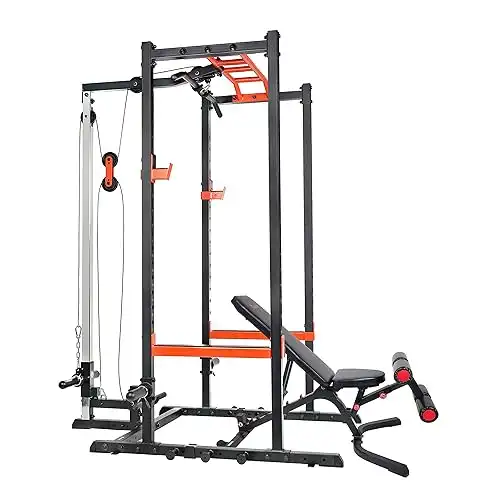
For those looking to expand their exercise repertoire beyond free weights, some power racks come equipped with integrated cable pulley systems. These transform your rack into a multi-functional gym, allowing for a wider range of resistance exercises.
- Key Features:
- Lat Pulldown/Low Row System: A cable and pulley attachment that allows for exercises like lat pulldowns, tricep pushdowns, cable rows, and curls, targeting muscle groups often missed with purely free-weight training.
- Adjustable Resistance: The pulley system can be loaded with standard weight plates, offering scalable resistance.
- Versatile Exercise Options: Combines the benefits of a free-weight rack with the targeted muscle isolation of cable machines.
- Who It’s For: Lifters who want a more complete gym experience in a single unit, especially those interested in bodybuilding, specific muscle isolation, or rehabilitation exercises.
The Heavy-Duty Workhorse: Built for Serious Progress
For the dedicated powerlifter, CrossFit enthusiast, or anyone anticipating significant strength gains, a heavy-duty power rack is a long-term investment in performance. These racks prioritize robustness, high weight capacity, and extensive customization options.
- Key Features:
- Thick Gauge Steel: Primarily constructed from 11-gauge steel, offering superior strength and rigidity.
- Larger Tubing: Often features 2×3 inch or 3×3 inch steel uprights, which can support higher loads and often denote compatibility with a broader range of robust attachments.
- High Weight Capacity: Designed to safely handle 1,000 pounds or more, catering to advanced lifters.
- Westside Hole Spacing: Offers tighter, one-inch hole spacing in the bench and clean pull zones, allowing for incredibly precise bar placement for optimal comfort and safety during specific lifts.
- Extensive Accessory Ecosystem: Typically part of a larger product line with a vast array of compatible add-ons for specialized training.
- Who It’s For: Intermediate to advanced lifters, powerlifters, Olympic lifters, and CrossFit athletes who require maximum stability, high weight capacity, and a wide range of specialized attachments for their training.
Mastering Your Power Rack: Essential Usage and Safety Protocols
Owning a power rack is just the first step; knowing how to use it effectively and safely is paramount. Embrace these principles to maximize your gains and prevent injury.
Setting Up for Success: Pin Placement is Paramount
The safety features are the most critical aspect of your power rack. Misuse can negate their purpose. As fitness experts emphasize, the safety arms (or pins/straps) are there to save you from a failed lift.
- For Squats: Load an empty barbell on your back. Squat down to your deepest comfortable position. The safety bars should be set approximately 1 to 1.5 inches below this lowest point. This ensures that if you fail, you can simply sit down and the bar will rest on the safeties, not on you. Avoid setting them too low, as this defeats their protective purpose.
- For Bench Press: Lie on your bench inside the rack. Position the safeties just above your chest at the lowest point of your bench press. Again, this allows the bar to clear your chest during a successful lift but will catch it if you cannot complete a rep.
Always test the safety height with an empty bar before loading heavy weight.
Fundamental Exercises to Master
A power rack unlocks a world of strength exercises. Here are some foundational movements to build your routine around:
- Barbell Squats (Back & Front): The king of lower body exercises, building strength in your quads, glutes, and core.
- Barbell Bench Press: Essential for chest, shoulders, and tricep development.
- Barbell Overhead Press (Standing or Seated): Builds shoulder and upper body strength.
- Rack Pulls: A variation of the deadlift performed from an elevated position, excellent for building back and grip strength.
- Pull-ups/Chin-ups: Bodyweight exercises for back and bicep strength, using the integrated pull-up bar.
- Dips: If you have a dip attachment, this is fantastic for triceps and chest.
- Landmine Exercises: With a landmine attachment, you can perform presses, rows, and rotational movements for a full-body workout.
Progressive Overload: The Engine of Growth
To get stronger, your muscles need to be consistently challenged. Progressive overload means gradually increasing the demands on your body over time. This can be achieved by:
- Increasing Weight: The most common method.
- Increasing Repetitions: Doing more reps with the same weight.
- Increasing Sets: Performing more sets of an exercise.
- Decreasing Rest Time: Challenging your cardiovascular system.
- Improving Form: More efficient movement allows for heavier lifts.
- Increasing Time Under Tension: Slowing down the movement to make it harder.
Keep a training log to track your progress and ensure you are consistently applying progressive overload.
Form Over Weight
Never sacrifice proper form for heavier weight. Incorrect form is the fastest route to injury and inefficient training. Start with lighter weights, master the movement patterns, and only increase the load when you can maintain perfect technique. Utilize online resources, consider a few sessions with a certified coach, or record yourself to check your form.
Warm-up and Cool-down
Always begin your workout with a dynamic warm-up (5-10 minutes of light cardio and dynamic stretches) to prepare your muscles and joints. Conclude with a cool-down (5-10 minutes of static stretching) to aid recovery and flexibility.
The Informed Choice: What to Consider Before Buying Your Power Rack
Selecting the right power rack requires careful consideration of several factors. A well-informed decision ensures your rack serves your needs for years to come.
Your Available Space: Measure Twice, Buy Once
This is perhaps the most critical factor.
- Footprint: Measure the length and width of the area where the rack will sit.
- Height: Crucially, measure your ceiling height. Remember to account for your own height, especially when performing overhead presses or pull-ups, and leave clearance. A 72-inch short rack is ideal for 7-foot ceilings, while standard racks are often 84-90 inches tall.
- Surrounding Clearance: Allow at least 2-3 feet of clear space around the rack, especially in front, for comfortable movement, loading plates, and bailout space.
- Folding Options: If space is extremely limited, a wall-mounted folding rack is an excellent compromise, allowing you to fold it away when not in use.
Construction Quality and Material
The durability and safety of your rack depend heavily on its build.
- Steel Gauge: This refers to the thickness of the steel. Lower numbers mean thicker, stronger steel.
- 11-gauge: The thickest and strongest, ideal for heavy lifting and maximum stability. Found in premium and heavy-duty racks.
- 12-gauge: A very good balance of strength and cost, suitable for most intermediate lifters.
- 14-gauge: Thinner, but still sturdy enough for beginners and moderate lifting. Often found in more budget-friendly options.
- Tubing Size: The dimensions of the steel uprights (e.g., 2×2 inches, 2×3 inches, 3×3 inches). Larger tubing generally indicates a more robust rack with higher weight capacity and often better compatibility with specialized attachments.
- Bolt-Down vs. Freestanding: Some racks are designed to be bolted into the floor for maximum stability, especially for dynamic movements like kipping pull-ups. Freestanding racks rely on their weight and base design for stability. Always follow manufacturer instructions for anchoring if recommended.
Weight Capacity: Planning for Future Gains
Consider not just your current strength, but where you aspire to be.
- Rack Capacity: The maximum weight the entire rack structure can safely hold.
- Attachment Capacity: J-hooks, safety arms, and pull-up bars often have their own, sometimes lower, weight limits. Always stay within the lowest recommended limit for any component.
- Beginner/Intermediate: A 700-900 lb capacity is typically sufficient.
- Advanced/Powerlifter: Look for 1,000 lbs+ capacity.
Hole Spacing: Precision for Performance
The distance between the holes on the uprights dictates how precisely you can adjust your J-hooks and safeties.
- Standard Spacing: Often 2 inches apart. This works well for most exercises.
- Westside Spacing: Features 1-inch spacing in the crucial bench press and clean pull zones (lower section of the uprights). This allows for micro-adjustments, ensuring perfect bar height for optimal leverage and safety in these key lifts. If you’re serious about powerlifting, Westside spacing is a valuable feature.
J-Cups and Safety Systems
These are your primary interfaces with the barbell and your crucial safety net.
- J-Cups (J-Hooks): Look for J-cups lined with UHMW (ultra-high molecular weight polyethylene) plastic. This protects your barbell’s knurling from wear and tear, extending its lifespan and maintaining its grip.
- Safety Systems:
- Pin-and-Pipe Safeties: Traditional, robust, and generally budget-friendly. They consist of a solid pin and a hollow pipe that slides over it.
- Strap Safeties: Made of heavy-duty nylon webbing. They are quieter, can be gentler on your barbell’s knurling, and can absorb some impact, making them preferred by some for dynamic movements.
- Spotter Arms: Shorter, external safety arms that extend from the uprights, often used with half racks or outside full cages.
Integrated Pull-Up Bar Options
A pull-up bar adds incredible versatility for bodyweight training.
- Diameter: Some racks offer multiple diameters (e.g., 1.25 inches and 2 inches) for varied grip training.
- Multi-Grip: Straight bars are standard, but multi-grip bars with angled or neutral handles allow for a wider range of pull-up variations.
- Stability: Ensure the pull-up bar is robust enough for your body weight and any dynamic movements you plan to perform.
Expandability and Accessories Ecosystem
A power rack is an investment that should grow with you.
- Compatibility: Check if the rack is part of an ecosystem that offers additional attachments.
- Common Accessories: Lat pulldown attachments, dip stations, landmine attachments, weight plate storage horns, band pegs (for resistance band training), multi-grip pull-up bars, monolift attachments, and safety straps.
- Third-Party Compatibility: Some racks are designed with common hole sizes and tubing dimensions, allowing for a wider range of third-party attachments.
Budget and Long-Term Value
Power racks range widely in price.
- Initial Cost: Set a realistic budget. Remember that a basic rack might be more affordable, but you might incur additional costs for essential accessories (J-hooks, safeties, pull-up bars) that come standard with more premium models.
- Long-Term Value: Consider the rack as a long-term investment. A higher-quality, more versatile rack might cost more upfront but will likely last longer and offer more training options, potentially saving you money compared to replacing cheaper equipment or maintaining gym memberships.
- Shipping and Warranty: Factor in shipping costs, which can be significant for heavy equipment