In the relentless pursuit of fitness, we often focus on the most visible muscles – the sculpted biceps, the powerful quads, the chiseled abs. We meticulously track our progress on the bench press, the squat rack, and the treadmill. But there’s a fundamental, yet frequently overlooked, component of physical prowess that underpins them all: grip strength. Your hands, the primary interface with the world, are surprisingly crucial to your overall health, performance, and longevity.
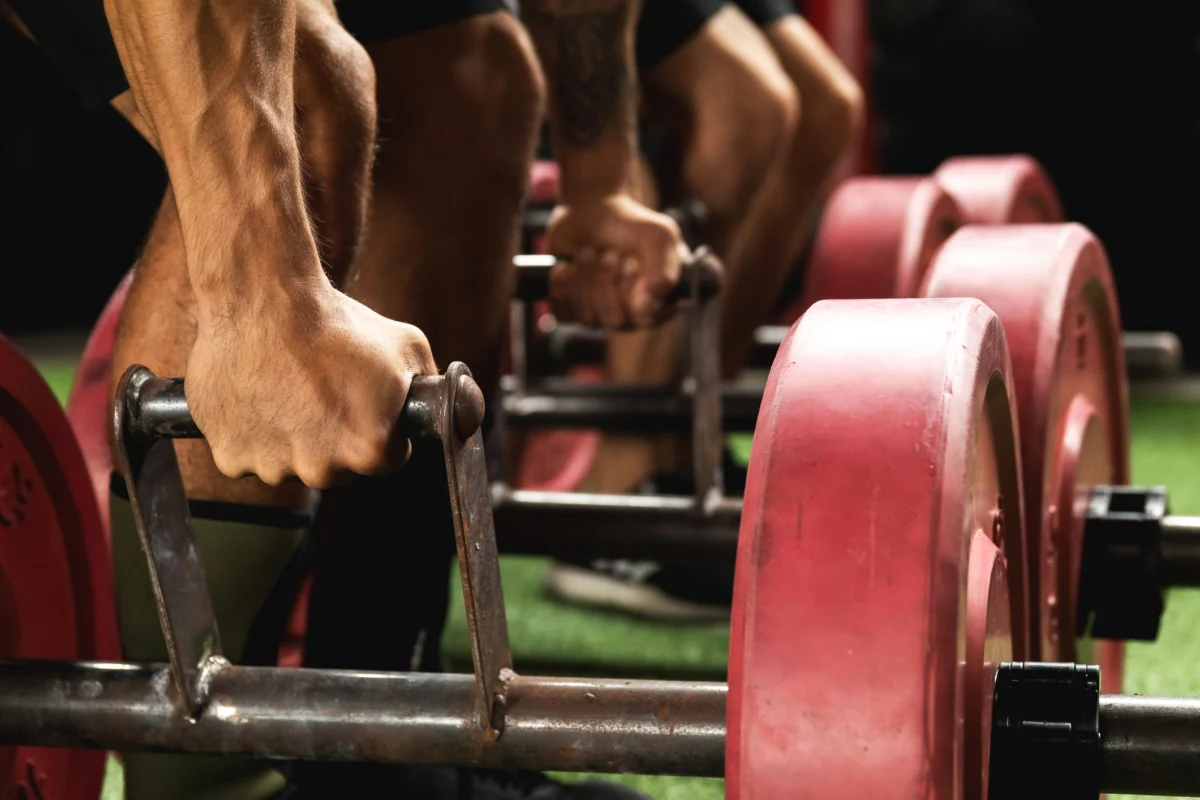
Imagine this: you’re in the middle of a heavy deadlift, feeling strong and determined, only to have your grip give out before your muscles are truly fatigued. Or perhaps you’re reaching for a new personal best on a pull-up, but your fingers can’t hold on any longer. These aren’t isolated incidents; they are common frustrations stemming from neglecting a vital aspect of your training. Grip strength isn’t just about holding onto things; it’s a powerful indicator of overall health and a significant contributor to athletic achievement.

Studies have revealed a compelling link between a weaker grip and an increased risk of cardiovascular disease and even premature mortality. This isn’t a coincidence. A strong grip signifies a robust musculoskeletal system and can be a bellwether for your body’s overall resilience. Furthermore, a compromised grip can leave you vulnerable to injuries, not just in your hands and forearms, but also in larger muscle groups due to an inability to stabilize and control weights effectively.
As grip sport champion Jedd Johnson wisely notes, "Often it’s your hands that limit you when you lift." This statement resonates with countless individuals who find their progress stalled not by a lack of power or endurance in their primary lifting muscles, but by the simple inability to hold onto the implement.
The good news is that building a vise-like grip doesn’t require a complete overhaul of your training regimen. You can integrate effective grip-strengthening exercises and techniques into your existing workouts, transforming your hands from a limiting factor into a powerhouse. This article will guide you through understanding the importance of grip strength, the muscles involved, and practical, actionable strategies to forge a grip that is as formidable as the rest of your physique.
The Anatomy of a Powerful Grip
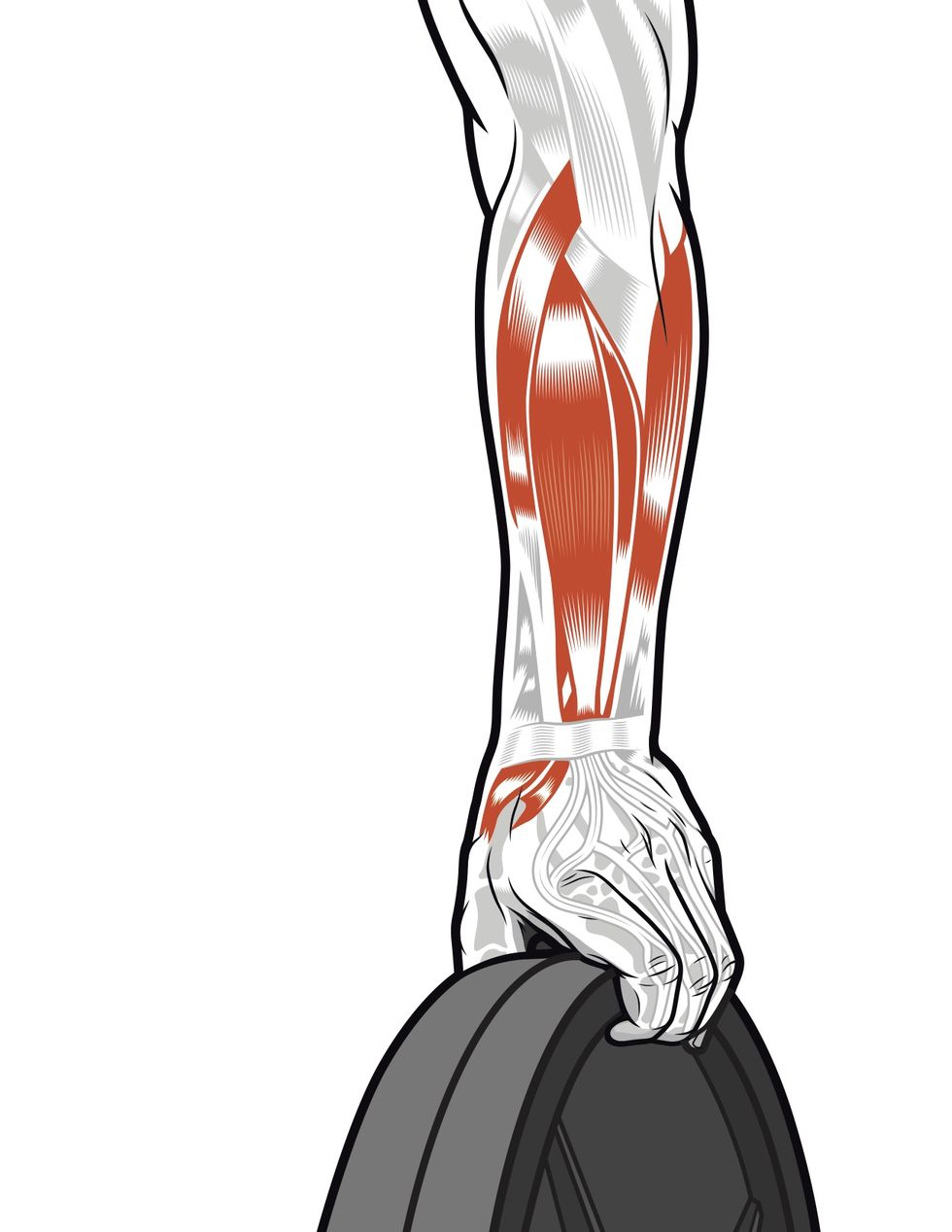
Before we delve into training methodologies, it’s essential to understand the intricate network of muscles and tissues that contribute to your grip strength. Your hands and forearms are remarkably complex, housing a multitude of small muscles that work in concert to provide the fine motor control and brute force required for gripping.
Forearm Extensors: The Unsung Heroes of Opening
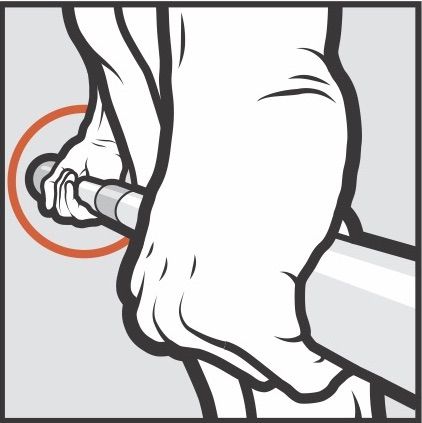
Often overshadowed by their flexor counterparts, the forearm extensors are located on the back of your forearm. These muscles are responsible for opening your fingers and extending your wrist backward. While not directly involved in crushing, their strength and endurance are crucial for maintaining a stable base and preventing fatigue during prolonged gripping activities. They play a vital role in stabilizing your wrist and hand, allowing the flexors to work more efficiently.
Forearm Flexors: The Power Behind the Squeeze
These are the muscles on the pinky side of your lower arm, and they are the primary drivers of your gripping power. When you squeeze, clench, or hold onto something, it’s your forearm flexors that are doing the heavy lifting. Their strength is paramount for almost every sport and everyday activity that involves holding or manipulating objects.
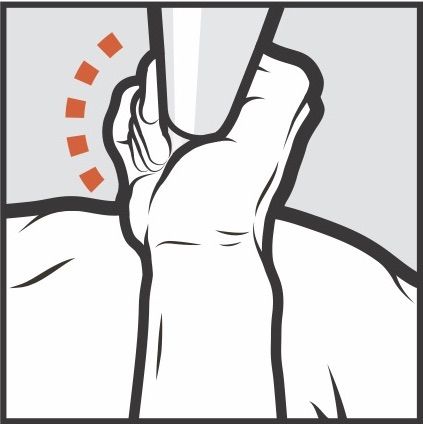
Thenar Muscles: The Thumb’s Crucial Role
Located at the base of your thumb, the thenar muscles are responsible for the thumb’s oppositional movement – its ability to pinch and grasp. These muscles are often neglected in traditional strength training programs, yet they are indispensable for tasks requiring precision and a strong pinch, such as holding onto thick bars or performing specific lifting techniques.
Integrating Grip Strength into Your Existing Routine
The beauty of grip training is its versatility. You don’t need to dedicate entire sessions solely to your hands. By making small, strategic adjustments to your current workouts, you can significantly enhance your grip strength without adding excessive time or complexity.
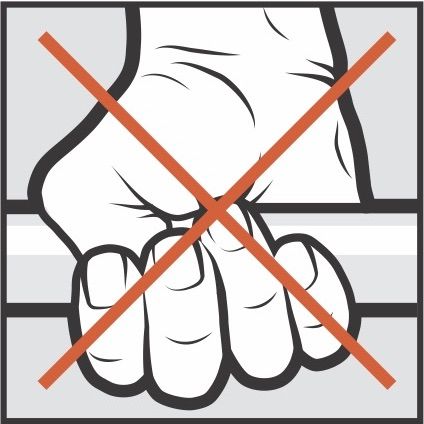
1. Squeeze the Bar with Intent
This is the most fundamental and often overlooked tip. Every time you pick up a weight, consciously and deliberately squeeze the bar as hard as you can. Think about "crushing the bar to a pulp," as renowned strength coach Pavel Tsatsouline advises. This isn’t just about a passive hold; it’s an active engagement of your grip muscles.
- Real-life application: During your sets of dumbbell rows, actively squeeze the dumbbell with your working hand. For added intensity, engage your non-working hand by clenching it into a fist. This creates an isometric contraction that further challenges your forearms and hands.
2. Embrace Thicker Handles
When the opportunity arises, opt for exercises that utilize thicker handles or barbells. These variations inherently demand a stronger grip to maintain control.
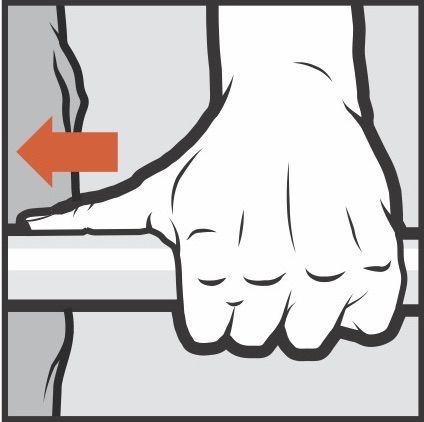
- Actionable Tip: If your gym has access to fat bars or thick-handled dumbbells, prioritize them for exercises like deadlifts, rows, and presses. Don’t have them? Improvise! Wrap a towel around a standard barbell or dumbbell. This instantly increases the diameter, forcing your hands to work harder to secure a grip. As Jedd Johnson explains, thicker bars make even relatively light weights feel heavier, providing a potent grip stimulus.
3. Master the Art of the Hang
The simple act of hanging from a bar is an incredibly effective, albeit challenging, way to build grip endurance and strength. Strength coach Dan John recommends incorporating this into your routine.
- Workout Integration: Once a week, after completing your pull-up sets, immediately transition into a sustained hang. Aim to hold onto the bar for 30 seconds. Without releasing your grip, perform another pull-up. Continue this pattern until your grip fails or you can no longer complete a pull-up. Even a few sets of this can translate to significant gains in grip endurance, potentially leading to several minutes of sustained hanging time over time.
4. Diversify Your Grip Challenges
Your brain’s motor cortex engages over 30 muscles to control your hands. To develop a truly comprehensive grip, you need to expose your hands to a variety of gripping challenges that go beyond the standard barbell.
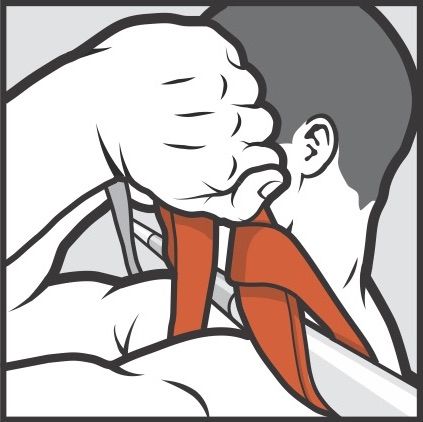
- Practical Advice: Incorporate exercises that utilize different implements each week. Consider:
- Towel Pull-ups/Chinups: Drape towels over the pull-up bar and grip them. This forces your fingers and forearms to work harder to maintain control.
- Rope Pulls or Carries: Thick climbing ropes or battle ropes provide a unique grip challenge.
- PVC Pipe Drags or Carries: Using a thicker PVC pipe for dragging or carrying exercises will significantly tax your grip.
- Variations with Thick Grips: If your gym has thick-grip attachments for cable machines or dumbbells, utilize them for exercises like face pulls or bicep curls.
Grip Techniques for Key Lifts
Understanding how to grip properly for specific exercises is crucial for both performance and injury prevention.
Deadlifts: The Foundation of Strength
- Mixed Grip for Heavy Loads: On your heaviest deadlift sets, employ a mixed grip – one palm facing forward, the other backward. This helps prevent the barbell from rolling out of your hands, allowing you to lift heavier weights.
- Alternating Grip: To avoid imbalances, switch the hand placement of your mixed grip on each set. This ensures you’re not consistently twisting your spine in the same direction.
- Double Overhand for Lighter Sets: For lighter warm-up sets or accessory work, stick to a double overhand grip to build foundational grip strength.
Bench Press: Secure Your Foundation
- Wrap Your Thumb: Always wrap your thumb around the barbell. While a "monkey grip" (all fingers on the same side) might feel comfortable for some, it significantly increases the risk of dropping the bar.
- Forearm Alignment: Focus on keeping your forearms perpendicular to the floor when the barbell touches your chest. This ensures optimal force transfer and reduces stress on your wrists and elbows.
Olympic Lifts (Snatch, Clean & Jerk): Precision and Power
- Standard Double Overhand: For most individuals, a standard double overhand grip is recommended. This involves wrapping your fingers tightly around the bar with your thumb on the outside.
- Hook Grip Caution: While elite powerlifters may utilize the hook grip (where fingers wrap around both the thumb and the bar) for these dynamic lifts, it can be painful and potentially injurious for beginners. Unless you’re highly experienced and have a specific reason, stick to the standard grip.
Power Clean: Strategic Hand Placement
- Finding Your Sweet Spot: The key to a successful power clean lies in your hand placement. Stand with the barbell in front of your thighs. Extend your thumbs so they point towards each other, and adjust your hands so your thumbs just touch the sides of your legs. This optimal hand width will position your knuckles outside your shoulders when the bar reaches your chest.
Front Squat: Mobility and Grip Options
- Overhand Grip Focus: Aim for an overhand grip, resting the barbell across the front of your shoulders.
- When Mobility is an Issue: If you experience pain in your shoulders, elbows, or wrists with a standard grip, utilize wrist straps or ropes. Attach them to the bar, grab the ends, and lift your elbows high beneath the bar. This technique allows for a secure grip even with limited mobility.
Running: The Unconscious Grip
- Relaxed and Loose: Even during running, your grip matters. Avoid clenching your fists tightly. Instead, focus on keeping your hands relaxed and loose. This conserves energy, minimizes forearm strain, and can improve your overall running efficiency. Think of your hands as soft paws, gently swinging with your stride.
Three Essential Exercises to Forge a Stronger Grip
Beyond modifying your existing lifts, dedicated grip-strengthening exercises can accelerate your progress.
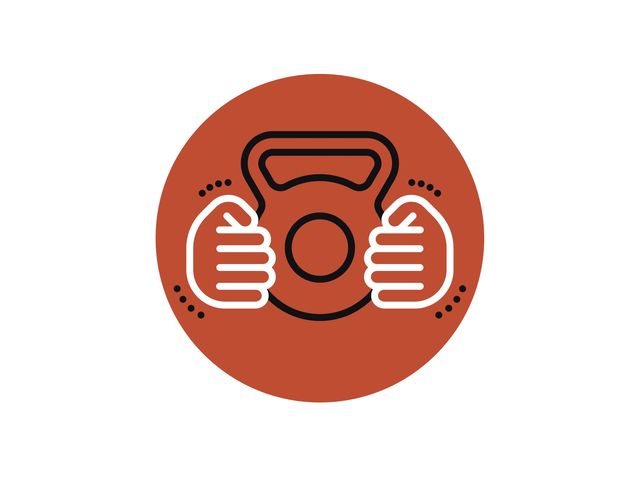
1. Kettlebell Crush
This exercise focuses on building crushing grip strength.
- How to Do It: Hold a kettlebell by its handle with the bell pointing upwards. Simply hold this position, focusing on maintaining a tight grip.
- Sets and Reps: Perform 3 sets of 10-12 repetitions, holding for as long as possible with good form.
2. Towel Grip Pull-ups
This variation dramatically increases the difficulty of a standard pull-up.
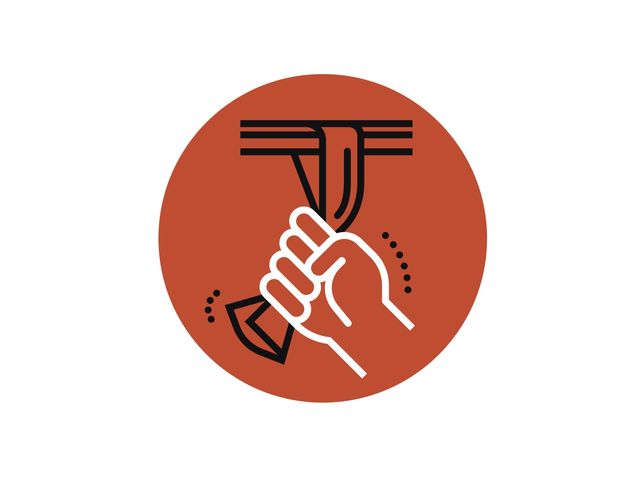
- How to Do It: Drape a sturdy towel over a pull-up bar. Grip the towel with an overhand grip, ensuring the towel is centered in your palm. Perform pull-ups, focusing on a controlled movement.
- Sets and Reps: Aim for 4 sets of 4-6 repetitions. The difficulty will increase as you fatigue, so focus on quality over quantity.
3. Bottoms-Up Kettlebell Press
This challenging exercise targets grip stability and endurance while also working your shoulders and core.
- How to Do It: Hold a kettlebell upside down by its horns, with the kettlebell bell facing the ceiling. From a standing or kneeling position, press the kettlebell overhead, maintaining a stable grip and controlled movement.
- Sets and Reps: Perform 3 sets of 10-12 repetitions per side. The instability of the kettlebell will force your grip muscles to work overtime to keep it balanced.
The Unwavering Power of a Strong Grip
Your grip is more than just a tool; it’s a fundamental aspect of your physical capability and a powerful indicator of your overall health. By consciously integrating grip-strengthening techniques into your workouts and performing targeted exercises, you are investing in a stronger, more resilient, and higher-performing you.
Don’t let weak hands hold you back from achieving your fitness goals. Embrace the power of your grip, and unlock a new level of strength, endurance, and well-being. The journey to a truly formidable physique is paved with attention to every detail, and a powerful grip is an essential cornerstone of that journey. Start today, and feel the difference a stronger grip makes in every aspect of your life.