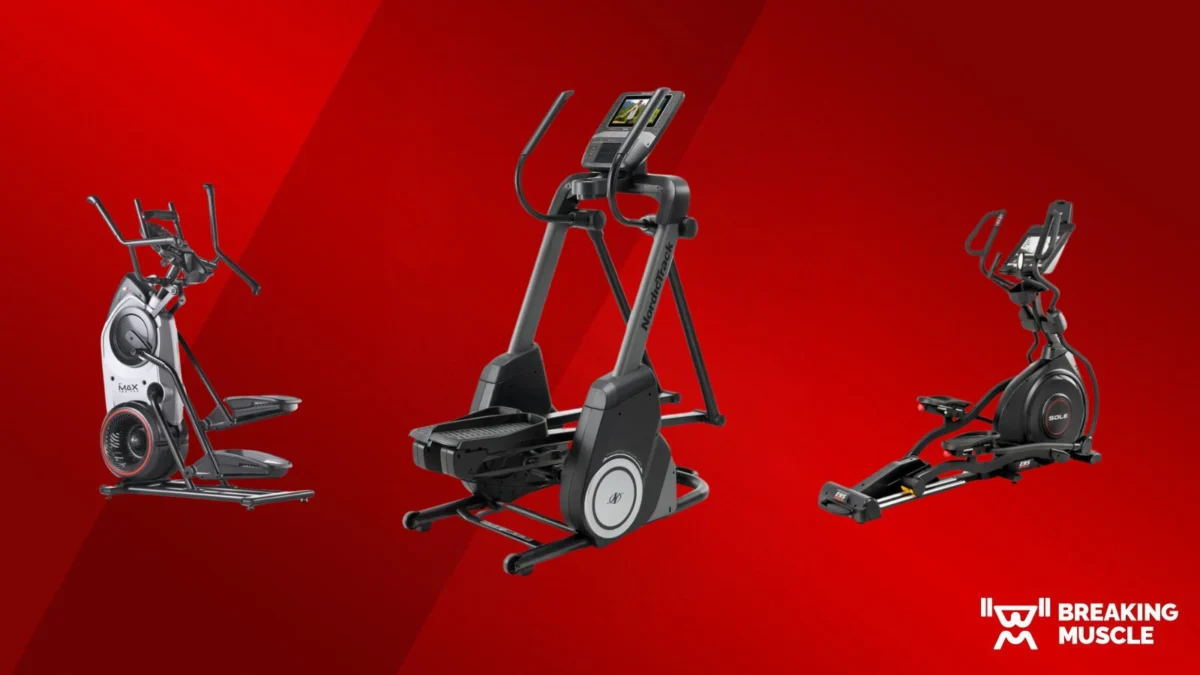
The journey to a healthier, more vibrant life doesn’t always have to involve high-intensity sprints or heavy lifting that taxes your joints. For many, particularly beginners, those returning to fitness, or individuals mindful of joint health, the path to sustained well-being often lies in the power of low-impact movement. Imagine a fitness regimen that strengthens your heart, builds endurance, tones muscles, and boosts your mood, all while being gentle on your body. This isn’t a pipe dream; it’s the reality of low-impact fitness.
In this comprehensive guide, we’ll delve into the world of low-impact exercise, demystifying what it is, exploring its profound benefits, and equipping you with the knowledge and tools to integrate it effectively into your life. Whether you’re navigating the initial steps of your fitness journey, seeking a sustainable alternative to high-impact routines, or simply aiming to protect your joints for years to come, this article will be your authoritative roadmap. Prepare to discover how embracing gentler forms of exercise can unlock incredible strength, resilience, and a lifelong love for movement.
What Exactly is Low-Impact Fitness?
Low-impact fitness refers to any physical activity where at least one foot remains in contact with the ground or a surface at all times, minimizing the jarring forces transmitted through your joints. Unlike high-impact activities such as running, jumping, or plyometrics, which involve both feet leaving the ground simultaneously, low-impact exercises drastically reduce the stress on your ankles, knees, hips, and spine.
This doesn’t mean low-impact equals low intensity. Far from it. You can achieve incredibly effective, challenging, and calorie-burning workouts without the harsh pounding. The key difference lies in the biomechanics: smooth, continuous motions replace abrupt, forceful landings. This makes low-impact options an invaluable cornerstone for a sustainable and injury-preventative fitness lifestyle.
The Unrivaled Benefits of Embracing Low-Impact Movement
Choosing low-impact activities isn’t just about joint protection; it’s a strategic decision that ripples across multiple facets of your health and fitness. Let’s explore the compelling advantages:
Preserving Joint Health for the Long Haul
This is arguably the most celebrated benefit. By reducing repetitive stress, low-impact exercise helps protect cartilage, ligaments, and tendons from excessive wear and tear. This is crucial for:
- Injury Prevention: Minimizing the risk of common overuse injuries that often accompany high-impact activities.
- Rehabilitation and Recovery: Offering a safe pathway back to fitness after an injury or for individuals managing conditions like arthritis.
- Longevity in Fitness: Enabling you to maintain an active lifestyle well into old age, enjoying movement without chronic pain.
Supercharging Your Cardiovascular System
Don’t mistake "low-impact" for "low cardio." These activities are incredibly effective at elevating your heart rate and strengthening your heart and lungs.
- Enhanced Endurance: Consistent low-impact cardio improves your body’s ability to deliver oxygen to working muscles, allowing you to sustain activity longer.
- Efficient Calorie Burn: Many low-impact modalities engage large muscle groups, leading to significant calorie expenditure, vital for weight management and metabolic health.
- Improved Heart Health: Regular aerobic exercise, regardless of impact level, is a powerful tool for maintaining healthy blood pressure and cholesterol levels, reducing the risk of heart disease.
Building and Toning Muscle Groups
While often associated with cardio, many low-impact exercises offer excellent opportunities for muscle engagement and development.
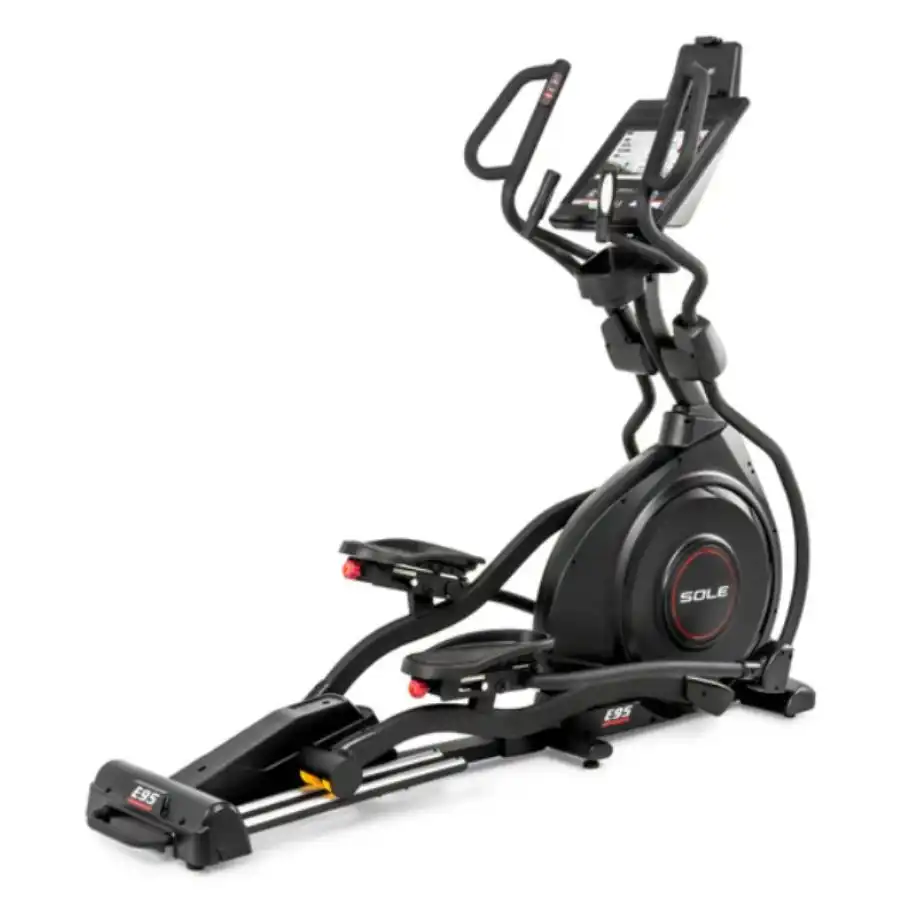
- Full-Body Activation: Activities like rowing or elliptical training engage both upper and lower body muscles simultaneously.
- Core Strength: Maintaining stability during many low-impact movements naturally recruits and strengthens your core musculature.
- Improved Muscular Endurance: Sustained, rhythmic movements build the stamina of your muscles, delaying fatigue.
Boosting Mental Well-being and Stress Reduction
The benefits extend far beyond the physical, profoundly impacting your mental and emotional state.
- Endorphin Release: Exercise triggers the release of endorphins, natural mood elevators that can reduce feelings of stress, anxiety, and even mild depression.
- Mindfulness and Focus: The rhythmic nature of activities like swimming or cycling can be meditative, offering a break from daily worries.
- Improved Sleep Quality: Regular physical activity helps regulate sleep patterns, leading to deeper, more restorative sleep.
Accessibility and Inclusivity for All
Low-impact fitness welcomes a broader spectrum of individuals into the world of exercise.
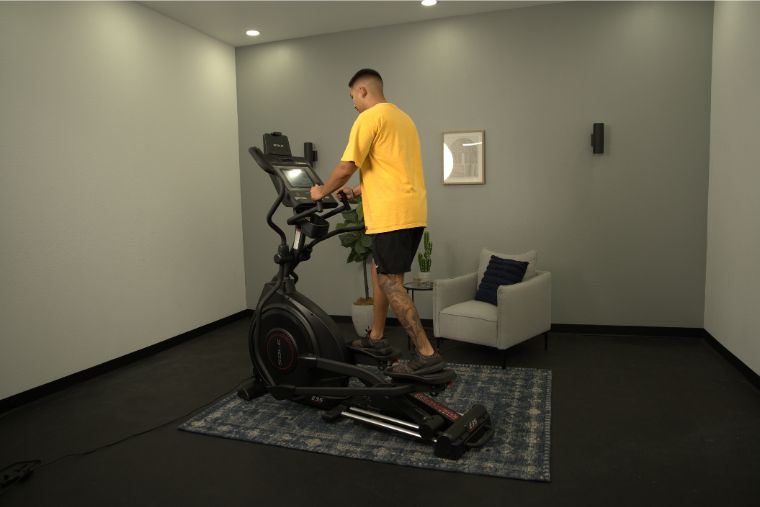
- Beginner-Friendly: Provides a gentle entry point for those new to fitness, building confidence and foundational strength without intimidation.
- Adaptable for Various Fitness Levels: Intensity can be easily scaled up or down, making it suitable for everyone from sedentary individuals to seasoned athletes seeking active recovery.
- Safe During Specific Life Stages: Often recommended for specific populations, such as during pregnancy or for individuals recovering from certain medical procedures, due to its gentleness and adaptability.
Exploring Your Low-Impact Movement Toolkit
The beauty of low-impact fitness lies in its diversity. There’s a wealth of options available, each offering unique benefits and engaging different muscle groups. Let’s dive into some popular and highly effective choices:
Elliptical Training: The Full-Body Glider
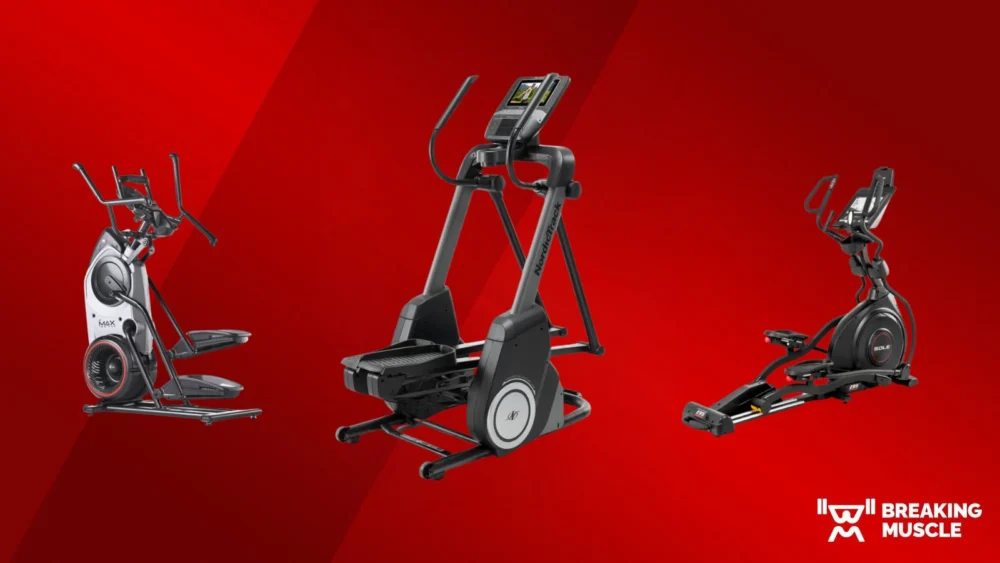
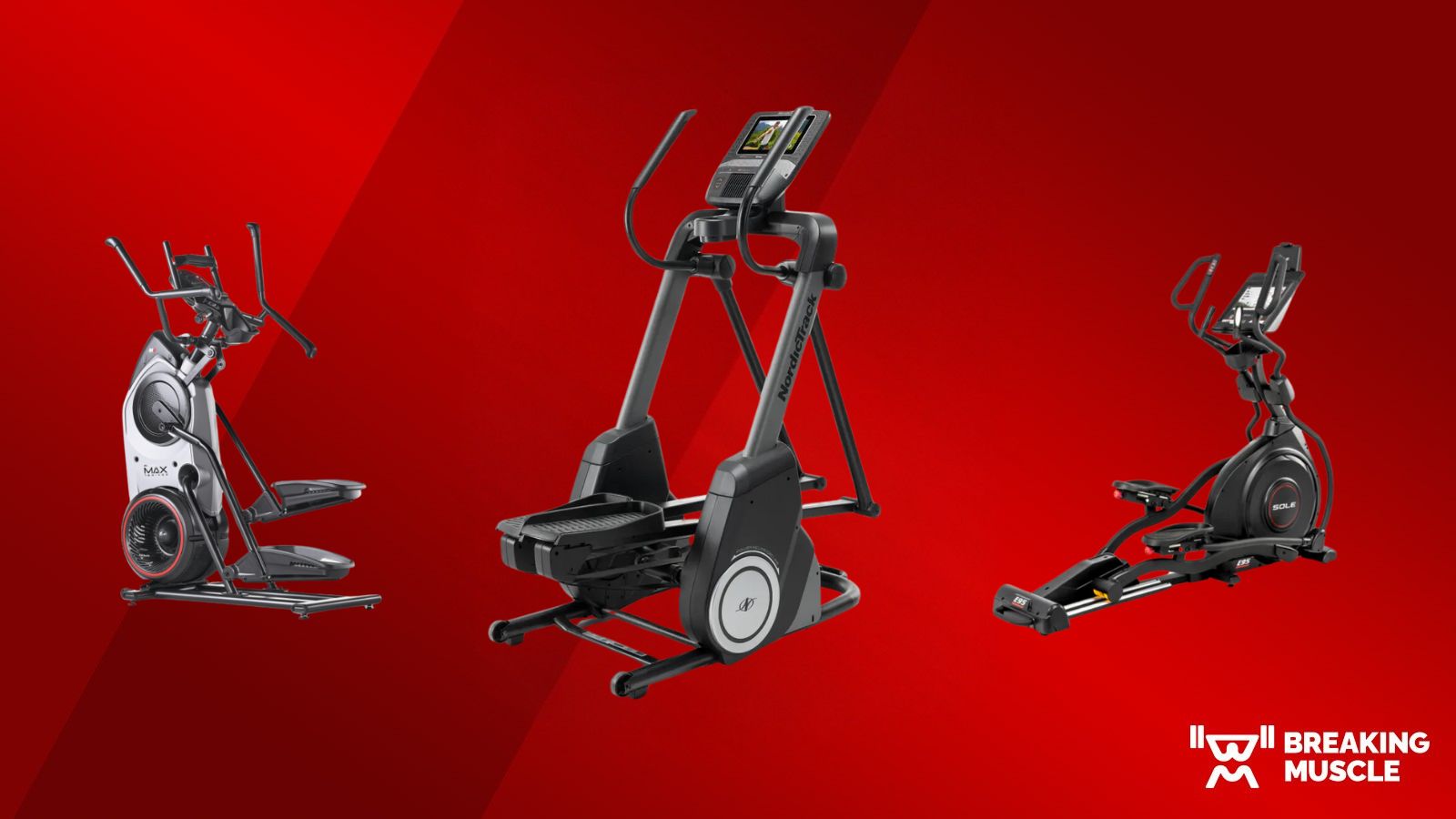
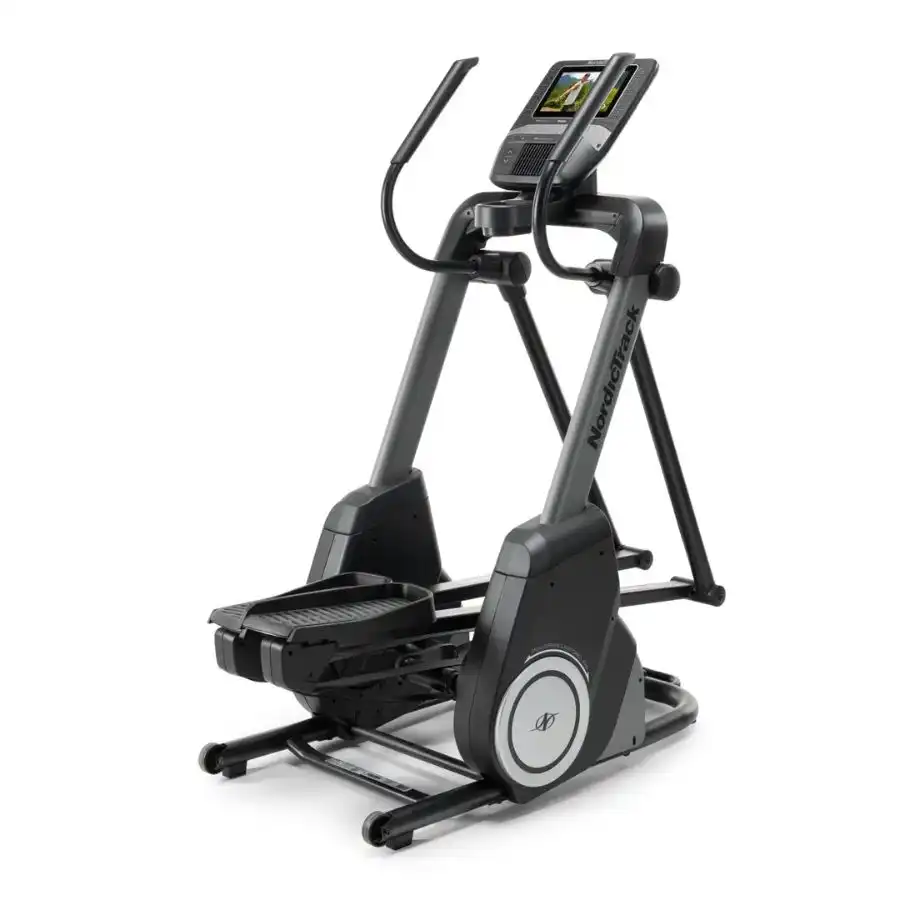
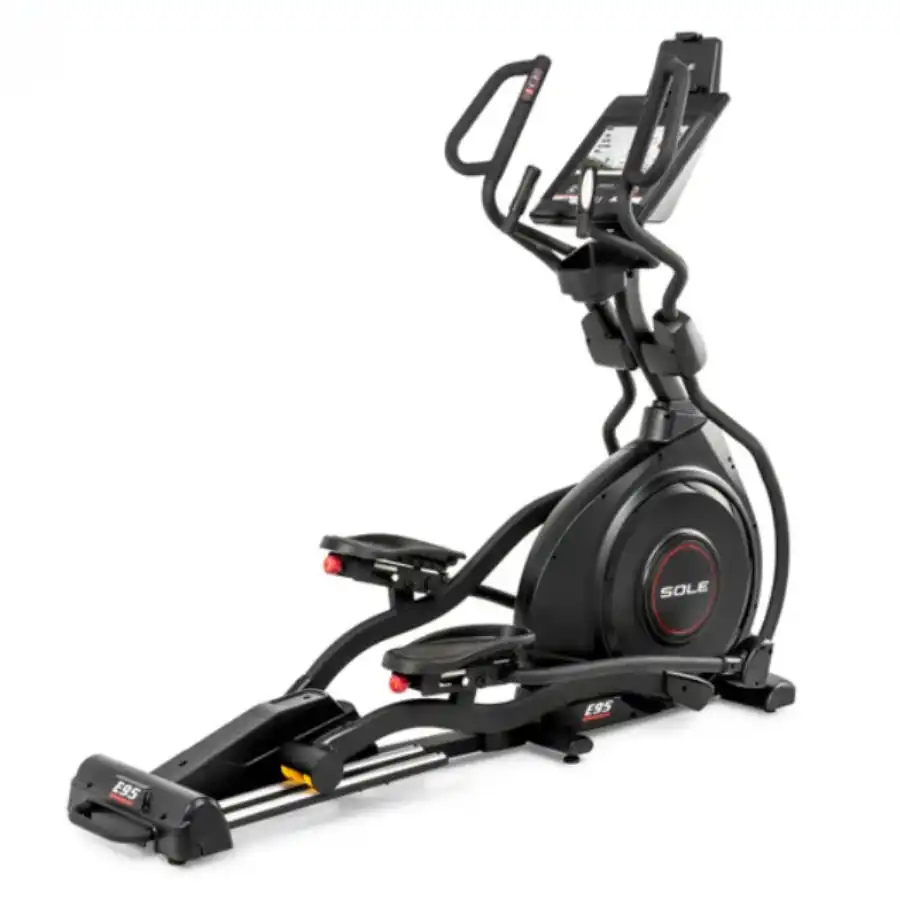
Elliptical machines provide a fantastic full-body workout where your feet remain on pedals, moving in an elongated oval path.
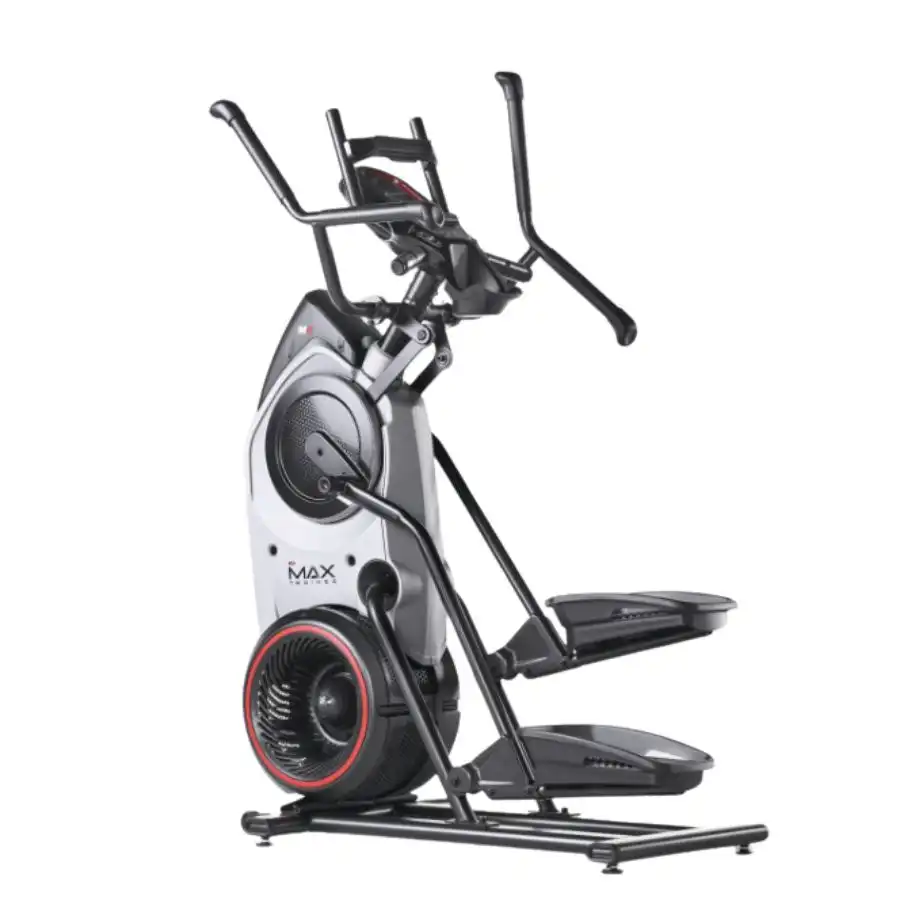
- Key Benefits: Engages glutes, quads, hamstrings, calves, and, with the moving handlebars, your chest, back, shoulders, and arms. Excellent for cardiovascular conditioning.
- Practical Tips:
- Posture: Stand tall, engage your core, and avoid leaning heavily on the handlebars. Let your legs and arms drive the motion.
- Resistance & Incline: Varying resistance challenges your muscles, while incline adjustments can target different lower body areas (e.g., higher incline for glutes).
Cycling: Spin Your Way to Health
Whether on a stationary bike at home or a gym, or exploring the outdoors, cycling is a phenomenal low-impact choice.
- Key Benefits: Primarily strengthens the lower body (quads, hamstrings, glutes, calves) and significantly boosts cardiovascular health.
- Practical Tips:
- Bike Fit: Ensure your bike is properly adjusted for your height to prevent strain. Knees should have a slight bend at the bottom of the pedal stroke.
- Cadence & Resistance: Experiment with different pedal speeds (cadence) and resistance levels to simulate hills or sprints, creating varied workouts.
Swimming & Water Aerobics: The Ultimate Buoyant Workout
The natural buoyancy